Bench Marked

Public benches can be found all around our parks and along our city streets. As well as being places to sit (or lie down, although I’ve never found them that comfortable) and rest, read, drink, chat, canoodle, sleep, picnic or daydream, they are also often places where people choose to commemorate a loved one, a group of people or an event, via a small plaque or inscription.

Workhouse BenchOn the current Google street view there is a chap with a stick having a rest on this bench on the corner at St Michael Rd. I suspect he, like most other people, hasn’t even thought about why it’s there. Why would he? It’s just a bench. You may not have even have noticed it is there. There’s no plaque reminding you to sit a while and enjoy the view of Aldi and the churchyard, and facing onto the busy Trent Valley Rd, it’s not the most serene of spots.

I probably wouldn’t have taken any notice of it either had it not been for Bob Houghton (of the Burntwood Family History Group) telling me about a conversation he’d had with a woman who had lived all of her long life in the Trent Valley Road area. She remembered a time before the NHS, when St Michael’s Hospital was still the Workhouse (officially known as the Lichfield Public Assistance Institution from 1930s, but no doubt still known by the majority by its former name and reputation), and told Bob how some of the elderly residents would take a stroll around the area (according to ‘This Won’t Hurt Much’, in 1937 the Master, Mr Standing had put forward a recommendation that male patients over sixty should be allowed out between 6 and 8pm on summer evenings). Apparently at some point, the authorities decided to provide a bench for them to rest their weary legs and although the Workhouse and its successor the Public Assistance Institution are long gone, this bench (not the original bench sadly) still remains in that position. Perhaps it’s still well used by folks making their way to and from appointments at the new Samuel Johnson hospital opened near the site of the old Workhouse in January 2007?

From now on, I’ll always think of this story when I pass, and share it if I happen to be with someone. Perhaps there should be a plaque here to tell people of its origins? Maybe, but I imagine that plaques require permission and money. Sharing stories with each other costs nothing but it keeps them alive. There’s no paperwork to fill in either.  If even the position of a bench has a story to tell us, then who or what else could?

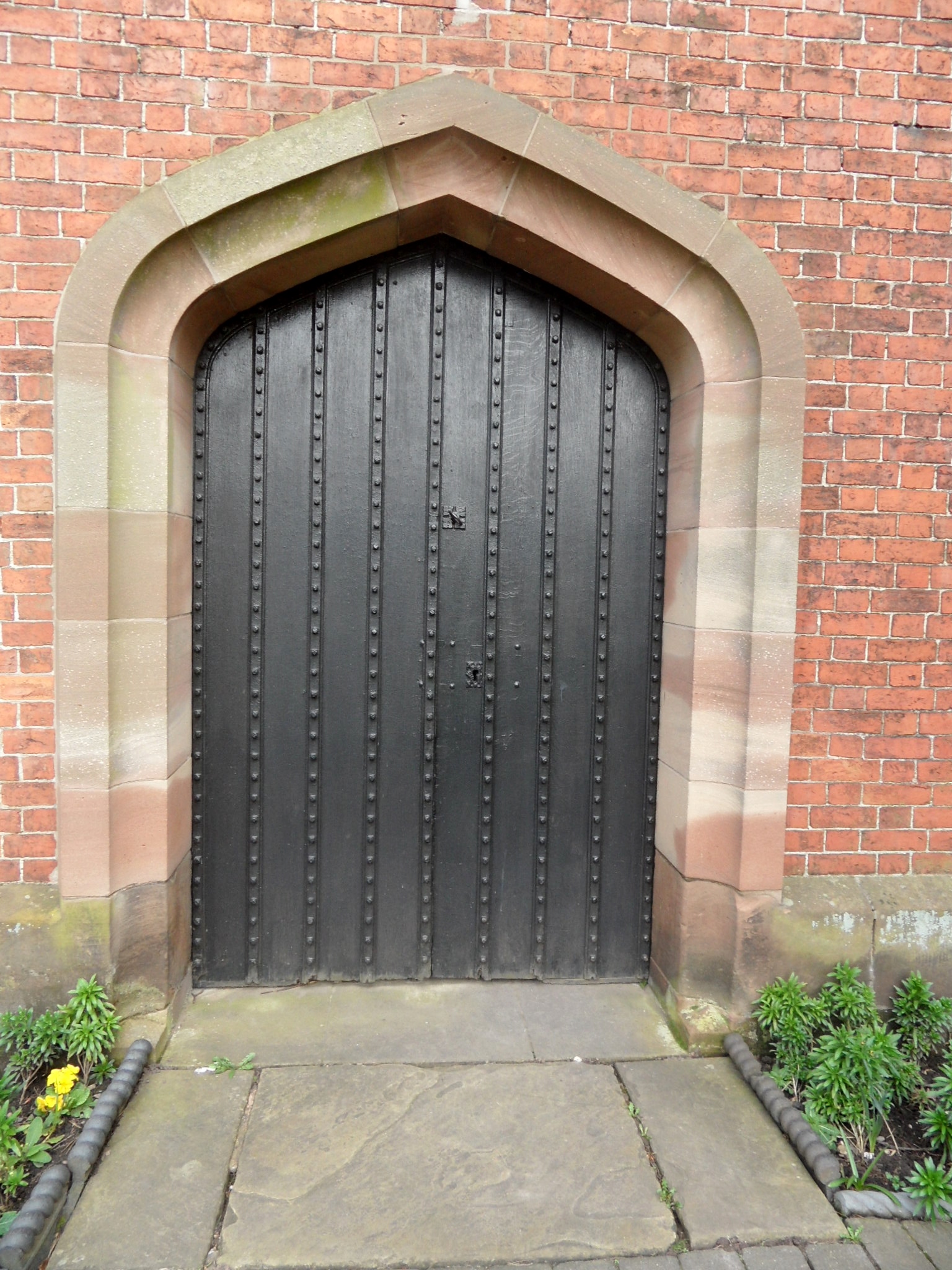
Entrance to the former Workhouse on Trent Valley Road

Entrance to the former Workhouse on Trent Valley Road

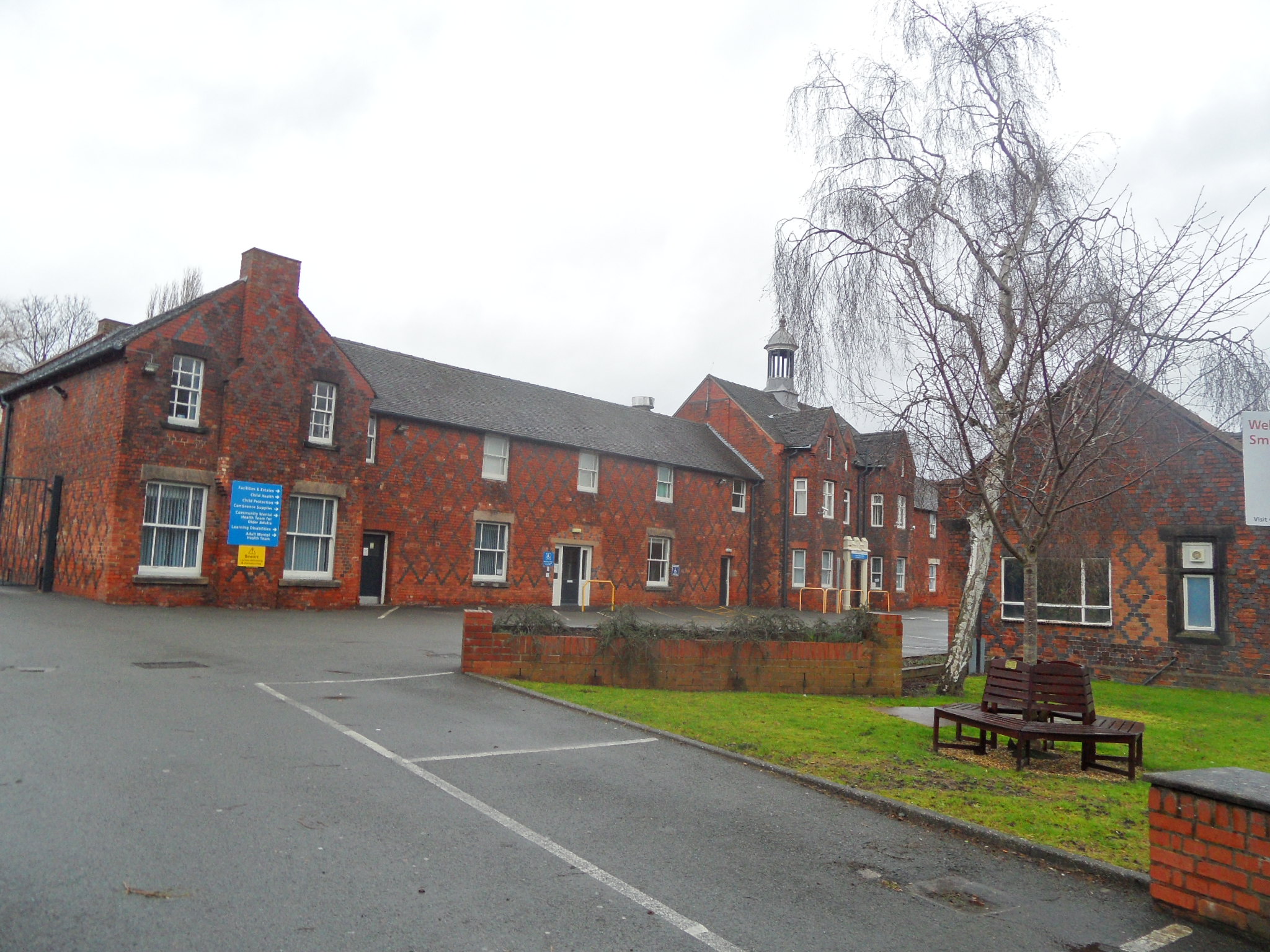
Buildings at St Michael's Hospital, former Workhouse

Buildings at St Michael’s Hospital, former Workhouse

Behind the former Workhouse

Behind the former Workhouse

Sources:

This Won’t Hurt: A History of the Hospitals of Lichfield, Mary Hutchinson, Ingrid Croot and Anna Sadowski
With thanks to Bob Houghton for sharing this story with me


This Ain't A Love Song

I’ll sing you a song about two lovers,
Who from Lichfield town they came, 
The young man’s name was William Taylor,
The lady’s name was Sarah Gray

So begins one version of the ballad ‘Bold William Taylor’ in which William leaves Lichfield to go and fight a war.  Sarah doesn’t get on well with her parents and so decides she too will become a soldier in order to be reunited with her true love. She disguises herself as a sailor but after suffering a wardrobe malfunction aboard the ship she is working on, it becomes apparent to the captain of the ship that she is in fact a woman. Understandably curious, the Captain wants to know what she’s doing on board his ship and Sarah explains that she’s there looking for her lover. The Captain gives her the devastating news that William Taylor has gone off and married a rich young lady but tells her that if she rises before the break of day she’ll find him out walking with his new wife. Sarah does just that and, on spying the happy couple together, calls for a sword and pistol and shoots William dead. In this version, the Captain is so impressed he puts Sarah in command of the ship and all his men. All’s fair in love and war? There’s a great performance of the song by Jim Moray here on YouTube.

As I’m quickly discovering, establishing the origins of folk songs and ballads is nigh on impossible. It seems this may have originated in Lincolnshire but why Lichfield was chosen as the home town of the unhappy couple is a mystery and to confuse matters further, in some versions, Lichfield isn’t mentioned at all. Of course, I wanted to know if there were any more songs or ballads that mentioned Lichfield. I found that the Bodleian Library has a huge, searchable archive of over 30,000 broadside ballads. According to them, ‘Broadside ballads were popular songs, sold for a penny or half-penny in the streets of towns and villages around Britain between the sixteenth and early twentieth centuries. These songs were performed in taverns, homes, or fairs — wherever a group of people gathered to discuss the day’s events or to tell tales of heroes and villains’.  I was really pleased to find that the collection includes several political ballads relating to Lichfield elections in the eighteenth and nineteenth century.

Apparently, these broadside ballads didn’t have their own music, but came with a suggestion of a well known tune that they could be sung to. I’m reading them with an image in my head of people stood around in the Ye Olde City’s pubs and taverns rowdily joining in with lines like,

With the help of Dick Dyott
We’ll keep ’em all quiet
And soon cool their Courage, and Fire:
If I give up this place
May I ne’er show my face
Till I’m hang’d by my Toes on the Spire

The above lines come from a sheet dated 1799 (it has the year handwritten on it). However, this can’t be right as on the same page is the story of Sarah Westwood, a Lichfield woman was executed for murdering her husband, a nailer from Burntwood, in January 1844. If you want to read the full story of the case it’s well documented elsewhere, especially as Sarah was the last woman to be executed at Stafford Gaol. The inclusion of scandals and sensations such as this, along with the songs have led to many describing them as the tabloids of their day. You can search the Broadside Ballad archive yourself here.

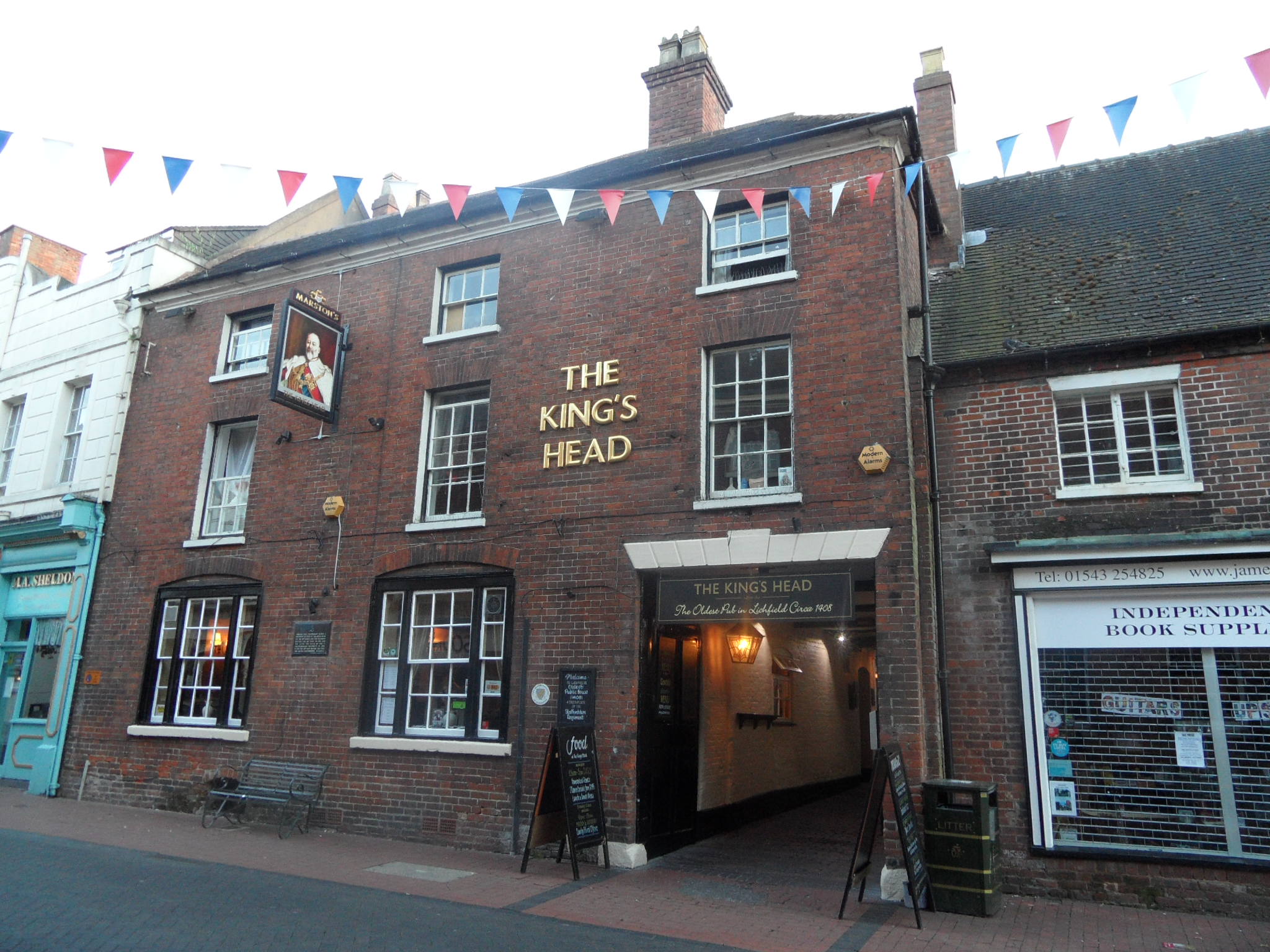
King's Head

As I’ve said before, we often focus on the visual changes of places, but the sounds change as well. I’m thinking that with its mixture of traditional songs, contemporary folk songs, drinking songs, ballads, humour, monologues and poems, the Folk Singaround at the King’s Head looks like a great way to get an idea of what our pubs may once have sounded like and hope to get down there for one of the sessions soon.

Banned Stand

How do you make a bandstand? Take away the chairs. Or if you’re lucky, a local dignitary will provide you with one. In July 1893, during his third stint as Mayor of Lichfield, Major John Gilbert presented the city with a bandstand to mark the marriage of Princess Mary of Teck and the Duke of York (later George V and Queen Mary).

The Bandstand in 1905, taken from Wikipedia Commons

The Bandstand in 1905, taken from Wikipedia Commons

It stood in the Recreation Grounds of what is now Beacon Park but by 1925, Major Gilbert’s gift had become a bit of a problem. In March, the secretary of the Lichfield Cycling Institute wrote to the City Council saying that since the cycle track had been created in the Recreation Grounds, many thought that the bandstand should be removed. Even with padding around the structure, there was the risk of an appalling accident. Councillor Perrins agreed with the cyclists. In his opinion the bandstand was a death-trap and should be removed, or the track shut. Alderman Winter wanted the wishes of the late donor’s family to be taken into account but Councillor Tayler thought this was ‘sentiment before service’. In the end, the matter was referred to the Museum Committee. In December 1925, the Mercury gave an update on ‘that bandstand’. Lichfield City Council had decided to keep it where it was as it would collapse if it was moved. It was fortified with concrete, bricks and stone (some of which came from the old Friary – more bits of that ancient building can supposedly be found at the toilets in the park).  One member of the council defended the bandstand’s retention on the grounds it was an object of beauty.  However, the Mercury correspondent’s view was that ‘it is even less useful than it is beautiful’. One concession that was made to public demand was that the railings near to the cycle track were taken in line with the base of the stand. The Mercury concluded by suggesting that Lichfield be grateful for these small mercies, ‘even if the circumstances do not incline us to raise a song of joy about them’.

I think the bandstand was round abouts here

I think the bandstand was round abouts here

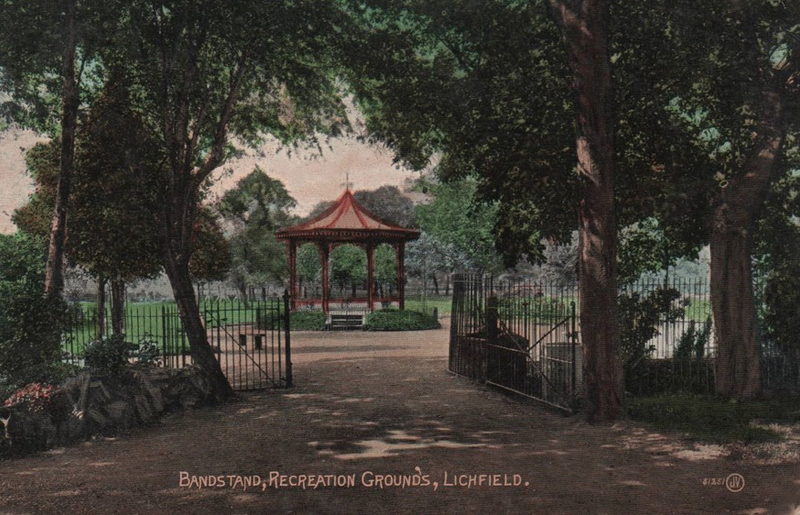
I believe that eventually the bandstand was eventually removed due to costs of upkeep. I’m not sure exactly when this was but believe it to have been sometime in the 1960s (it doesn’t show on a 1966 map of Lichfield). When I went to have a look at where the bandstand once stood, I spotted this old metal post. It looks to me as if it was part of the old gates leading into the recreation grounds, which you can see on the postcard above.

You never know what's lurking in the shrubbery...

You never know what’s lurking in the shrubbery…

Rumour has it that the bandstand itself is also still to be found in the park somewhere… Sounds a little unlikely? You’d be amazed at what people leave lying around gathering moss. I’ve heard that over the years people have called for a new Beacon Park bandstand. Yet, prior to its removal the original doesn’t seem to have been that popular or well used (although some blamed the lack of interest on Lichfield’s junior citizens for running around the bandstand making a noise, and driving the spectators away). Is a new bandstand a good idea or rose tinted nostalgia? Either way, I’d love to know if you find any bits of the old one in the shrubbery.


Trouble at t'mill

Unlike the fulling mill built on Leomansley Brook in 1790, which only seems to have lasted for a hundred years or so, the nearby mill on the Trunkfield Brook was part of the landscape for a long, long time.

Up until the nineteenth century it seems it was known as Sandford Mill, but at some point became known as Trunkfields. Owned by St John’s hospital, it first appears in records in 1294, and again in 1658 when the miller got into trouble for encroaching on the highway when re-building it. Cartography wise, the first map I can see that shows the mill (just as a symbol), is the 1775 Yates one. In 1853 the Conduit Land Trustees rented it out and converted it to steam power and shortly afterwards was apparently used as a bone mill. Jame Meacham gave up the mill in 1872 and it fell into disuse. In 1883 it was suggested as a potential site for a small pox and infectious diseases hospital .The property owners and inhabitants in the area were not happy and came up with the following list of reasons why the site was, in their opinion,  ‘in every way disadvantageous, not only to the immediate neighbourhood but to the whole city’.

1. The road past the pool was the only access road to a good deal of field property in the area.

2. A public footpath, much frequented, leading to the Birmingham Rd goes within a few yards of the building.

3. There are no less than eighty homes on the Walsall Rd, with a population of around 480 and there are other properties close by including the vicarage and the cottages (presumably those on what is now Christchurch Lane).

4. The site is in the midst of a large and respectable population.

5. There is a prospect of a considerable increase in the number of houses.

6. The prevalent wind on this side of the City of Lichfield is that which blows almost direct from the Trunkfield Pool to the city.

7. The site is notoriously damp and unhealthy and thoroughly unsuited for a hospital of any description

8.Many of the cottagers are in the habit of going to the pool for their water supply.

9. Trunkfield Pool is the only public place for skating within the precincts of the city.

In the end, there was no hospital on the site of Trunkfields Mill. Instead, it became a farm (and people carried on skating there for some years – an advert in the Lichfield Mercury, February 2 1917 carried an advert that simply said ‘Skating!!! Skating!!! at Trunkfields Pool, Walsall Road, Lichfield. You’d think people would have been more wary after horrific accidents like this in London 1867).

There's not much left to suggest there was a mill here although there are sluice gates along the brook

There’s not much left to suggest there was a mill here although there are sluice gates along the brook

On the Burntwood Family History website there is a great photograph of Mr and Mrs David Blair (see here) who came from Scotland to Trunkfields Farm in 1890. There is a snippet in the Lichfield Mercury about a not very neighbourly spat between David Blair and fellow farmer Edward Thomas Sankey of Sandfields Farm in November 1895, when the latter summoned the former for assault. According to Sankey he was making his way home via Trunkfields when Blair stopped him and told him he was trespassing. Sankey said it was a public highway and Blair apparently took hold of his coat and collar and pushed him. Then Mrs Blair came out and told Sankey to go home via Mr Hollier’s field. Sankey refused and Blair hit him in the face and threatened to throw him into the mill pond. Blair accused Sankey of being drunk and said if he had pushed him, as he was accused of doing, he would have fallen down. Another farmer, Joseph Standley was called as a witness.  He had seen part of the dispute and was ‘so amused that he ‘nearly burst himself with laughing’, although he did support Mr Blair’s assertion that Sankey was drunk and hadn’t been hit or pushed by him. The case was dismissed and Sankey ordered to pay the costs.

Several sources, including the county history and local HER records record the mill pool being backfilled in 1930. However, this seems to be a bit at odds with an article in the Lichfield Mercury on 14th February 1947, which reported that Mr Saxton, the owner of Trunkfield Mill Pond, had been thanked by the Lichfield City Council health committee  for agreeing that the pond could be used for controlled tipping without rent but given back to him when filled in. I’m sure the residents weren’t quite as thankful – what about the detrimental effect on the respectable population and their winter skating?

Apparently some of the mill/farm buildings remained until the 1980s/90s, which is before my time in Lichfield but there must be plenty that do remember. What I do recall is that until recently there was a derelict modern-ish property on the site, known as Blair House (presumably after David Blair and his family). This has now been demolished with new houses currently being built on the site.

Took me a while to work out what was going on with the chimney

Took me a while to work out what was going on with the chimney

There were objections to this, based on the fact that vehicular approach to the new houses was a narrow lane used by children walking to school. I suspect this must also have been the lane that the protesters against the isolation hospital were referring to. It’s now been given a (new?) name which turns out to be Halfpenny Lane, the road I was looking for back in October last year.  Now split into two by the realignment of the Walsall Road in the 1830s (the other part is known as Middle Lane) it led to Christchurch Lane (the original Walsall Road) for at least two hundred years, if not longer.

Found a Halfpenny

Found a Halfpenny

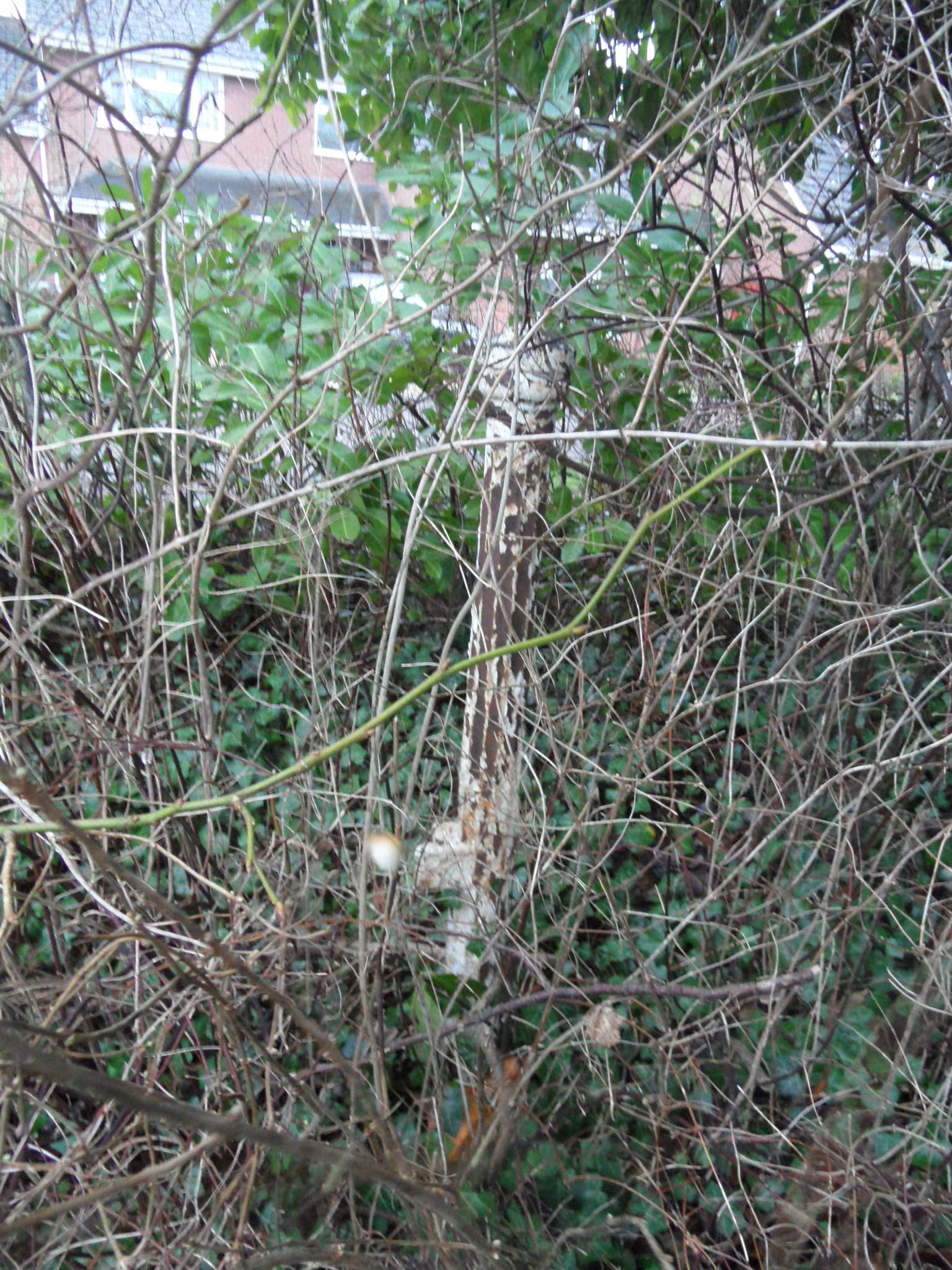
I had intended to walk down this lane, but it was blocked off due to the building work and so I was forced to negotiate the labyrinth that is the Walsall Rd estate. I eventually found my way out and was rewarded for my efforts by the discovery of an old metal gatepost in some shrubbery near to the old Conduit Lands Pumping Station cottage on the Walsall Road which may be a left over relic from those days. More info on the pumping station on Brownhillls Bob’s blog here.

I was chuffed to spot this. I am very easily pleased.

I was chuffed to spot this. I am very easily pleased.

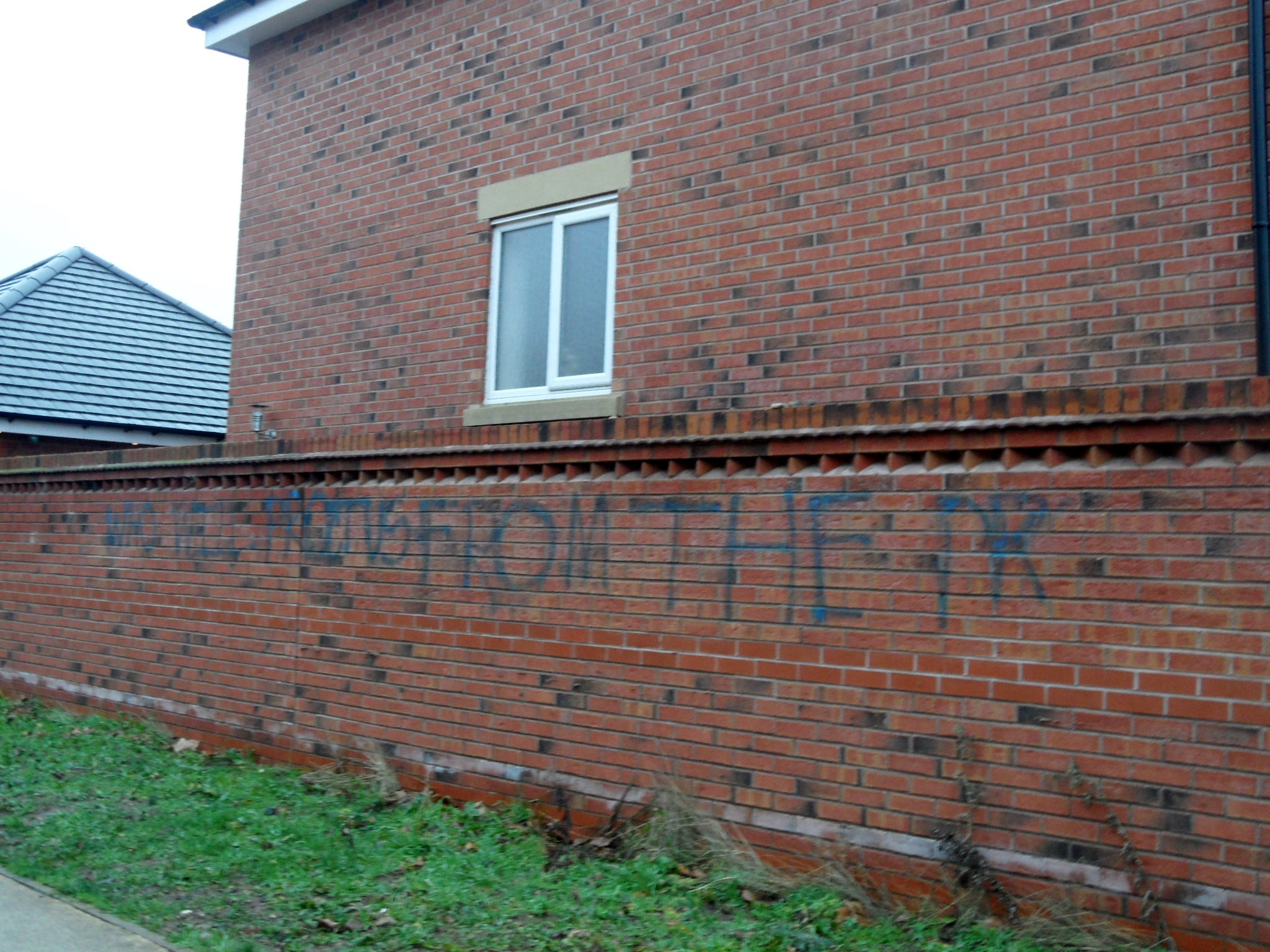
I also saw some graffiti on the side of a house. I don’t condone it but I do confess to being a little intrigued…..

PR Graffiti

Question mark?


Sources:

Lichfield: Economic history’, A History of the County of Stafford: Volume 14: Lichfield(1990), pp. 109-131

Click to access cstaffs.pdf

Click to access lichfieldeusreportfinal.pdf

L is for…

Back in October, during the Lichfield Discovered group walk around Leomansley, a friend of mine, Kerry, happened to mention that she’d discovered a large stone, buried at the bottom of her Leomansley garden. Not just any old stone either – it has a perfect ‘L’ carved into it which clearly has some significance. The question is what?

leomansley stone 2

My initial thought was that it was a boundary stone of some kind. As far as I can see, the area where the stone was discovered was undeveloped until the mid 20th century and was previously agricultural land known as Parnell’s field. I know that there was also common land in Leomansley, stretching south and east from Leamonsley Mill Pond to the Walsall Road  as well as a Lammas meadow, and so my best guess is that this could be a dole stone or similar, used to mark out strips of land or perhaps to mark the common land from land owned by others?

There’s a reference from May 1659, transcribed by Thomas Harwood in 1806 from a ‘Boke made in the 16 yere of the regne of kynge Edward the Fourthe. Thomas Dodde being Mastur of the Gilde of our Ladye Saynt Marie and of Seynt John the Baptiste in Lichfelde of all the lands and tenements lungyng to the forsaide Glide and the fyldes abowte Lychefeld and yn the towne” (1) including the following:

Parnelle’s Fylde – It’m, won acre in the myddyes of Parnelle’s fylde lyyng in brede betweene the londe of the Prioris of St Johanes and the londe of theres of Stafford in brede and shotes upon Lemonsley. It’m won crofte lying betwene Pipemyre and Lemonsley in lenkythe and betwene the londe of William Byrde and Lemonsley in brede.

To be honest, I can’t visualise how the jigsaw of land fitted together and so I think a trip to the record office, first stop the St Michael’s Tithe Map, is in order. (2)

In the meantime, Kerry and I would love to hear from anyone who may have any ideas on what the stone is, what it was for and of course, what the L might stand for. Leomansley? Lammas?  Also, as greedy as ever, I’m wondering if more stones might be out there somewhere. Time to do some gardening I think….

Big thanks to Kerry for sharing her discovery and for letting me share her photograph.

Notes

1) The spellings are as they are found in Harwood’s book. I like how even the spelling of Lichfield is inconsistent!

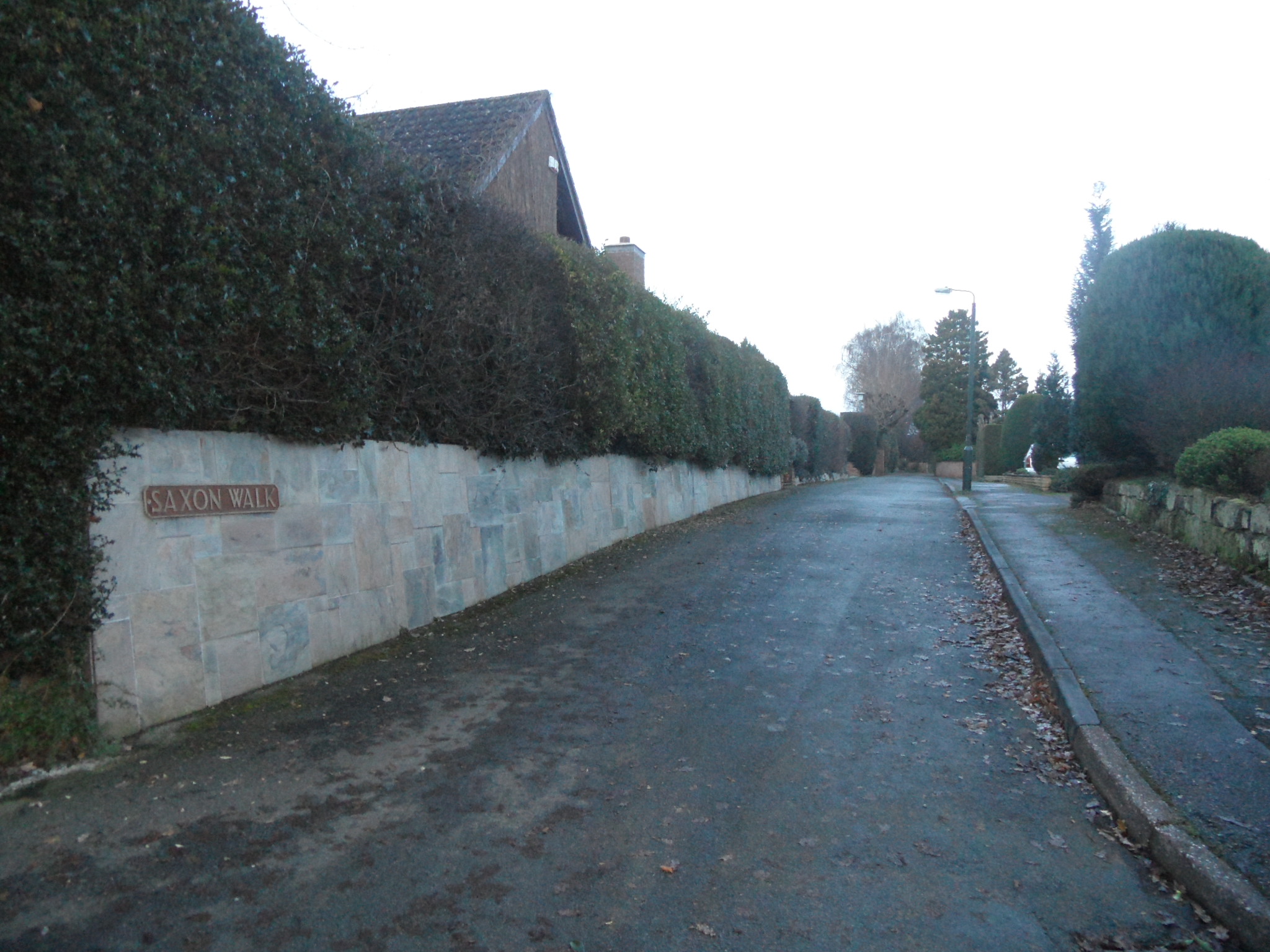
2) Something else Leomansely agriculture related. I had wondered why Saxon Walk, a cul-de-sac off the lane leading off Christchurch Lane, past Leomansley Woods, towards Pipe Green was so called. According to John Shaw, the name was taken from the name of the field which it was built on – Saxon’s Nook. Might be a good opportunity to take a look at some of the other old field names whilst I’ve got the Tithe Map out. Place names carry meanings.

3) I suppose I should consider the possibility that the stone actually came from elsewhere and ended up here through use as a garden feature or something.

Sources:

The History and Antiquities of the Church and City of Lichfield, Thomas Harwood

A History of the County of Stafford: Volume 14: Lichfield

Street Names of Lichfield John Shaw

Saxon Walk


Review of the Year…1884

Around this time, we seem to get the urge to look back and reflect on the events of the dying year. However, as I’m sure memories of 2013 are still fresh in your mind, let’s imagine instead that it’s the year 1884 that is drawing to a close and take a tour of the ‘Chronological List of the Principal Local Events’ of that year, courtesy of the Lichfield Mercury.
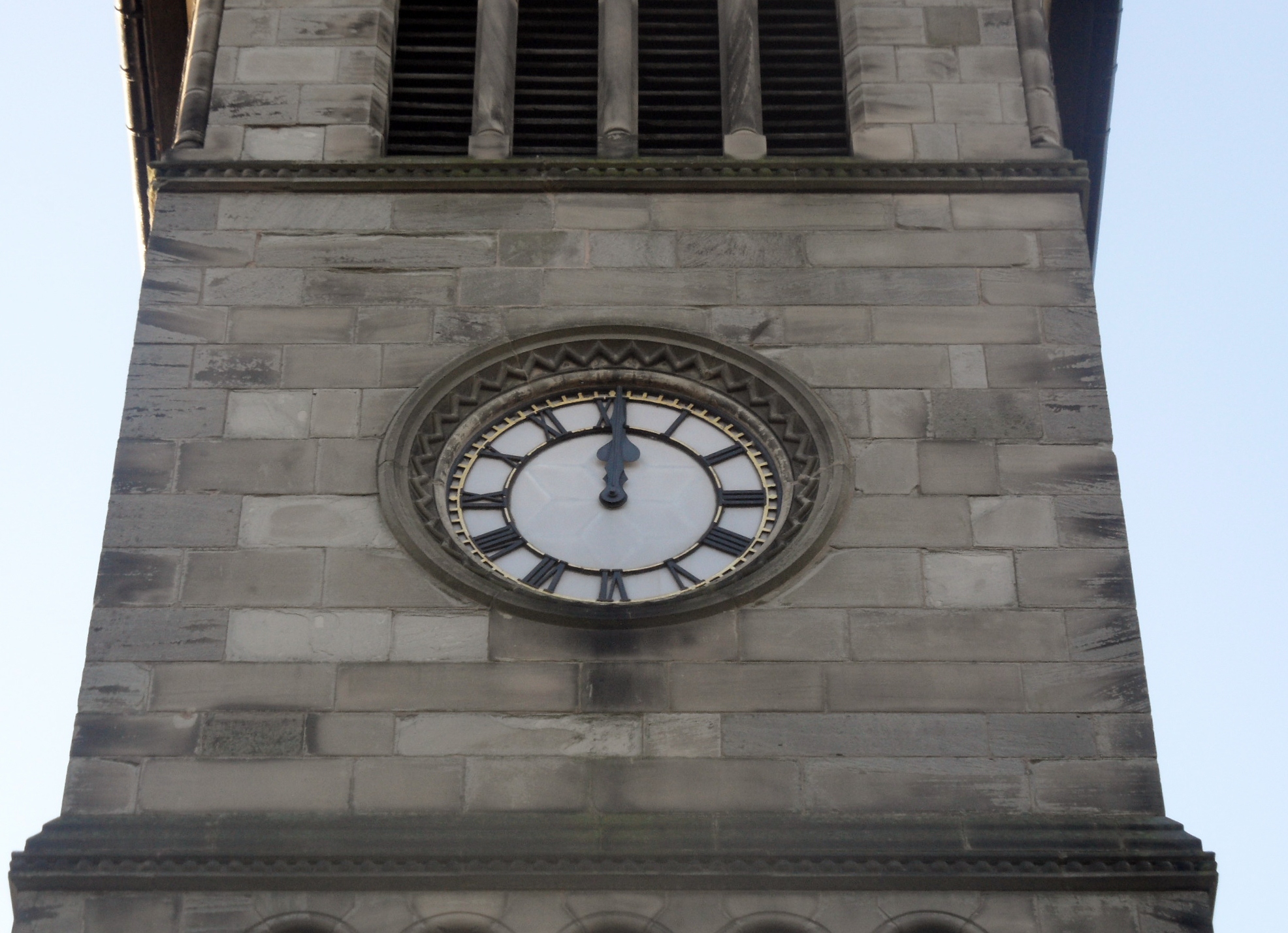
I never did get around to arranging that New Year's Eve party at the Friary Clock Tower...

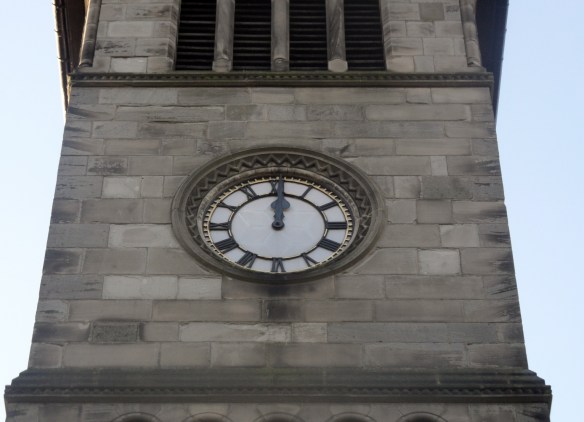
I never did get around to arranging that New Year’s Eve party at the Friary Clock Tower…

In January, we have the adoption of fish dinners in the Lichfield Union Workhouse and a local government board enquiry into the affairs of Walsall Workhouse.  Whatever those affairs may have been, the next entry informs us they were concluded and moves on to the conviction of Thomas Skelton, a Lichfield Jockey and Trainer, fined £5 for assaulting a commercial traveller at Nottingham. The Trent Valley Brewery Company were in trouble too, alleged to have illegally seized the goods of a Southwell brewer. There was yet more excitement towards the end of the month with a ‘daring till robbery’ at Mr R Cleaver’s shop on Tamworth St.

Sports news in February when Lichfield Cricket Club decided to rent the ground previously known as the County Ground, to raise funds for a pavilion and to obtain the services of a professional cricketer. Over at Hednesford, the Poultry and Pigeon show took place over two days. Mrs Scott’s annual sale of work in Lichfield (who Mrs Scott was and what she was selling is tbc). More seriously, there was an inquiry into the sanitary conditions at the Birmingham Road Barracks in Lichfield, and a railway accident at Sutton Coldfield left an engine and guard’s van wrecked. As the month progressed,  the Brethren of St John’s Masonic Lodge decide to present a statue of Queen Victoria to fill in one of the niche’s on the Cathedral’s Western Front and the Lichfield Board of Guardians decided not to extend the workhouse. The month ended on a high with the Lichfield Old Fair.

March began with trouble on the railways –  a ‘slight accident’ at Lichfield and the commitment for trial of a Cannock Chase miner for attempting to wreck trains near Lichfield, both of which events warrant further exploration. Sir Arthur Scott at Great Barr passed away, as did Lichfield Workhouse Master, Mr Winkely, replaced almost immediately by Mr and Mrs Williams.

At the beginning of April, there was a meeting at Rugeley to condemn the ‘Deceased Wife’s Sister Bill’, and the sad discovery of a soldier found dead in an entry of Rotten Row in Lichfield. The inquest, unable to determine a cause of death, simply returned a verdict of ‘Found Dead’. In the middle of the month, the Lichfield Spring Races took place and the Sister Dora Memorial Convalescent Hospital at Milford was opened. On the 22nd, the Bishop of Lichfield said goodbye to the Derbyshire Clergy, as the county left the Diocese. and over at Brownhills, William Henry Wombwell was convicted of non-delivery of voting papers in the Local Board of Brownhills elections.

May 1884 was a grim month.  Two miners were committed for trial for shooting a man at Gentleshaw and the trial of the seventeen year old miner who attempted to wreck at train on the Trent Valley Line concluded with him being convicted and sentenced to seven years penal service. There was more trouble at Walsall Workhouse when the Master, William Pritchard, was accused of embezzlement and there was a tragic accident on the Walsall Rd, when a young man shot himself. One positive thing that took place this month was the rededication of the restored Western Front of Lichfield Cathedral.

Festivities in the month of June included the Court of Array and the Greenhill Bower, and the decoration of Dr Johnson’s Statue by the Staffordshire Yeomanry who were assembled in Lichfield for a week’s training under the command of Colonel Bromley-Davenport. Yet within days, things had taken a sour turn with a disturbance between the Yeomanry and Lichfield civilians and then the sudden death of Colonel Bromley-Davenport in St John St. In the days that followed, an inquest into the Colonel’s death, returning a verdict of ‘death by natural causes’, was held, as was a Military Court of Inquiry at Yeomanry House on St John St into the disturbances which had taken place.

July brought with it the closing of Fair Oak Colliery, a ‘Great Temperance Fete’ at Hagley Park, Rugeley and a guilty verdict for Mr Pritchard, the Walsall Workhouse Master, who was sentenced to fifteen months imprisonment for fraud.

August was a quiet month. The cornerstone of a new mission church was laid at Chase Terrace and there were a lot of sheep sales – the Beaudesert Flock and the Freeford Flock amongst them.

September was more eventful with the opening of the Lichfield and Sutton Coldfield Railway for goods traffic and of course, the annual Sheriff’s Ride. There was a fire at Mr Williams’ chemist on Bird St and Mr Peattie, of the Old Crown Hotel died from injuries sustained after being thrown from a trap near Whittington Barracks.  There was an Autumn race meeting at Lichfield, as well as the fifth annual Working Men’s Association Produce and Poultry Show.

In October, the Mercury reported on riots and destruction of property at a Conservative rally in Aston, Birmingham and the presumably much more sober affair that was the ‘Annual Festival of the Lichfield Diocesan Church of England Temperance Society’ rounded the month off.

November saw the opening of the new Lichfield City Station, an event seemingly marked with tragedy when, ten days later, a railway porter was killed there. Councillor J H Hodson was elected Mayor and there was a dinner at the Swan Hotel for the outgoing Mayor, T H Hunt. The Lichfield Board of Guardians were back to discussing the extension of the Workhouse again.

As the year drew to a close, there was another railway tragedy when a guard was killed on a siding at Shenstone, on the same day that the new Lichfield and Sutton Coldfield Railway was opened. The year ended with Lichfield Cricket Club deciding to purchase their pavilion for £150, a performance of Handel’s Messiah at St James’s Hall, a bazaar at Elmhurst Hall to raise funds for St Chad’s Church tower and finally, on 30th December 1883, a Great City Tea.

As well as the obvious interest of following up on some of these stories, something I find fascinating about something like this is how it’s so locally orientated, but then every now and then, you get glimpses of what was going on in the big wide world outside of Lichfield, and our corner of Staffordshire. I’m also tempted to look back over copies of the Lichfield Mercury for 1884 to see if I agree that these were the ‘Principal Local Events’ of that year or just something that the writer threw together in a hurry.

Of course, as well as looking back, it’s also a time to look forward. I may not be reviewing 2013 here but do just want to mention that I am looking forward to 2014, and especially the upcoming walks, talks and workshops that we’ve got planned for our group Lichfield Discovered. More to come on that shortly.  This history lark is always more fun when you do it with others and on that note, I’d just like to say thanks for reading the blog, especially to those who contributed in some way, whether by providing information or support and encouragement along the way. A very Happy New Year to you all!
Bones of Contention

Last week, together with other members of the Lichfield Discovered group, I enjoyed a Gruesome and Ghostly tour around the city lead by one of Lichfield’s Green Badge Guides. Some tales were familiar (although it’s always fascinating to hear someone else’s version of a story you know), others were complete revelations. I was particularly intrigued by the story of an ancient adult male skeleton, apparently discovered with the remains of a tiny baby in his arms when an access road was being built behind Bakers Lane. (1) Obviously when listening to stories in these circumstances, you’re never quite sure where truth ends and anecdote, myth and legend creep in, and I was interested to know whether there was any substance to this story. As of yet I haven’t been able to find anything on this particularly, but as you might expect, searching for skeletons in Lichfield turns up all sorts of intriguing information….

In 1925, the Tamworth Herald got very excited when it heard that workers digging a trench in the grounds of St John’s Hospital in Lichfield had discovered human remains, announcing that the skeletons discovered were ‘probably over 700 years old’ and that they may be ‘priors and their bretheren’. The Rev John Ernest Auden, chaplain at the hospital, wrote to the Lichfield Mercury to set the record straight – yes, ten bodies had been discovered but it was unlikely that they were seven hundred years old, or even half that. It was also unlikely that they were priors as such burials were usually discovered alongside an article of their service, often a chalice and patten, as had been discovered in 1917 at the former leper’s hospital at Freeford (2).  It was much more likely that they were old residents of the hospital. Archaeological evidence in the form of tiles and pottery found alongside the bodies suggested that they had been there for around two hundred years. Rev Auden also recalled how, when he was curate of St Mary’s in 1886 to 1889, he could remember funerals taking place at St Johns and several older people he had known, including former resident of the hospital Henry Cartmale and City Coroner Charles Simpson, could recollect burials taking place in the grounds. Rev Auden also pointed out that there were three fairly modern gravestones under the Yew Tree supporting this.

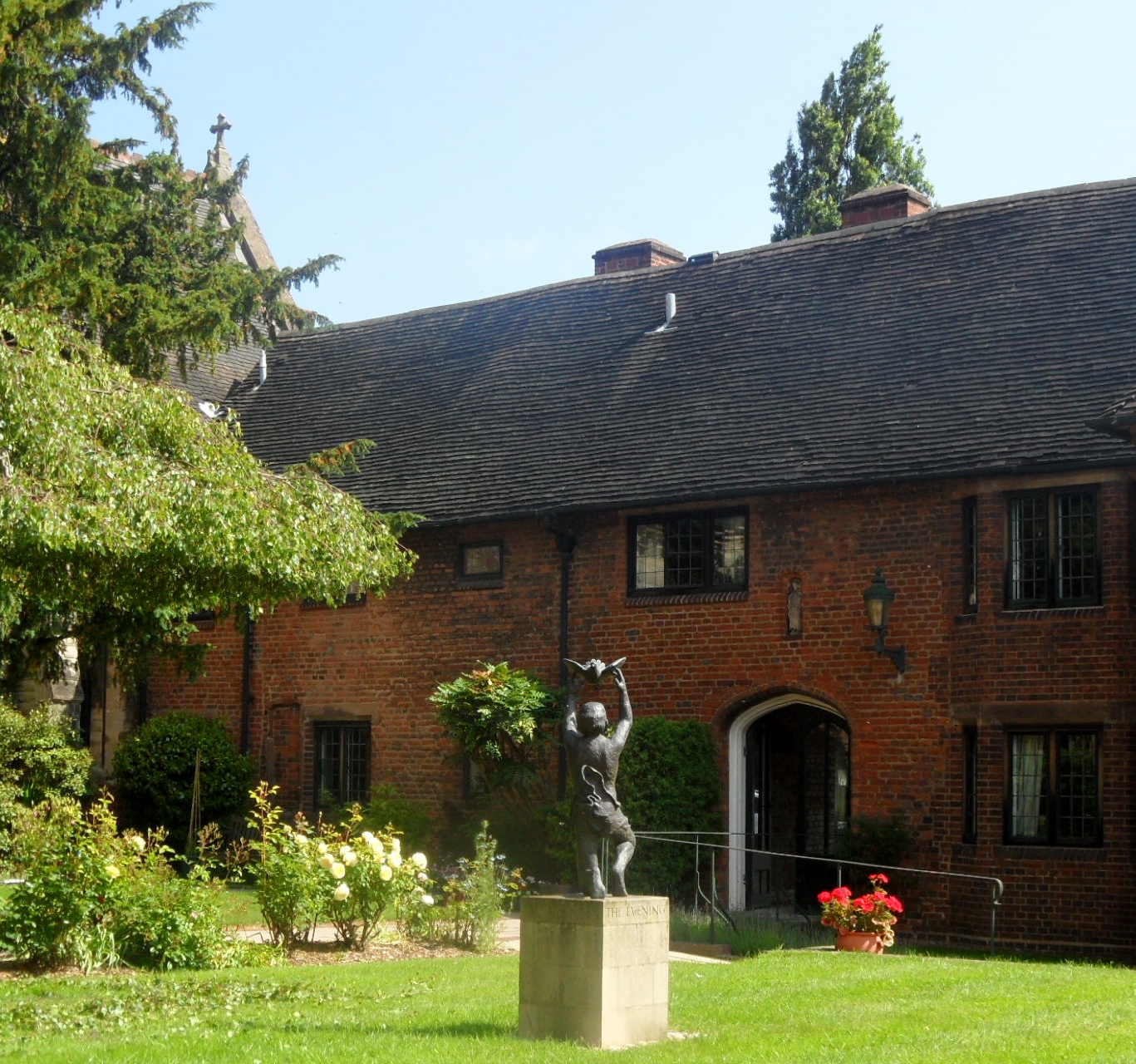
Part of the courtyard at St John’s Hospital

Apparently one woman had protested at ‘the hideous sacrilege and desecration in using ground solemnly consecrated and dedicated as God’s acre for ever, for a bed for sewers’, and so Rev Auden took the opportunity to reassure her, and anyone else that was concerned about the work that was being carried out, that the bones had been collected and reburied together and that the Hospital Quadrangle would soon resume its peaceful aspect, plus the manholes.

Although they did make assumptions in this particular instance, to be fair to the Tamworth Herald, evidence for much older burials, in and around the hospital, was discovered in 1967, when according to the County History, a medieval burial was found during alterations to the almshouses. In June last year, Annette Rubery and local newspapers reported that further remains were found just one metre below the pavement outside the hospital, when workers were repairing a gas pipe, although I don’t think the date of this burial was ever confirmed?

In another post, I’ll look at ‘Councillor Moseley’s Graveyard’, the nickname given to the site of the Friary after Thomas Moseley secured permission to excavate the site in the 1930s, uncovering several skeletons and other archaeological remains, and also the area in and around Lichfield’s Cathedral Close, where amongst other discoveries, a very unusual burial was reportedly found within the walls of one of the buildings in the early eighteenth century. They don’t call this the Field of the Dead for nothing you know (4).

Notes:

(1) One of the reasons I find this particularly interesting is that it seems unusual that it’s a male skeleton with a young child. Over in St Michael’s churchyard, the remains of an adult with a child were discovered, but this was thought to be a mother who had died in childbirth (and was of course in consecrated ground). For more information on that see here. Also, it makes you think about past uses of land and what discoveries like this can tell us. Edit: I’ve just re-read the report and the actual wording is ‘an adult and tiny baby found buried together…it is possible they represent a mother and child who died at childbirth’, so I should make it clear.

(2) For more information on the human remains discovered at Freeford, and thought to be related to the fomer lepers hospital there, see here

(3) Mr Charles Simpson b. April 9th 1800. Solicitor, Town Clerk and Coroner for the City of Lichfield, and Clerk of the Peace for Staffordshire 1825.  d. April 22nd 1890Details from the Shrewsbury School Register 1734 – 1908, edited by….Rev J E Auden!

(4) As I’m sure everyone knows by now, Lichfield doesn’t really mean Field of the Dead, it’s just an old myth that’s most likely stuck because it’s more evocative than the real meaning of the the name which is thought to be something like ‘common pasture in or beside the grey wood’. For more on the place name and yet more Lichfield bones see here 

Sources:

:Lichfield Mercury Archive

Tamworth Herald Archive

www.annetterubery.co.uk

Hospitals: Lichfield, St John the Baptist’, A History of the County of Stafford: Volume 3(1970), pp. 279-289

Shrewsbury School Register 1734 – 1908, edited by Rev J E Auden

Know Your Boundaries

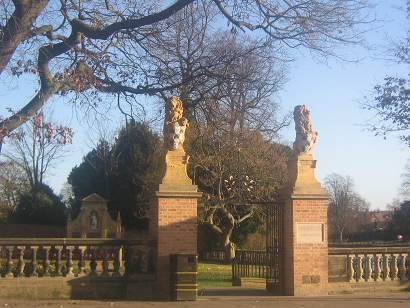
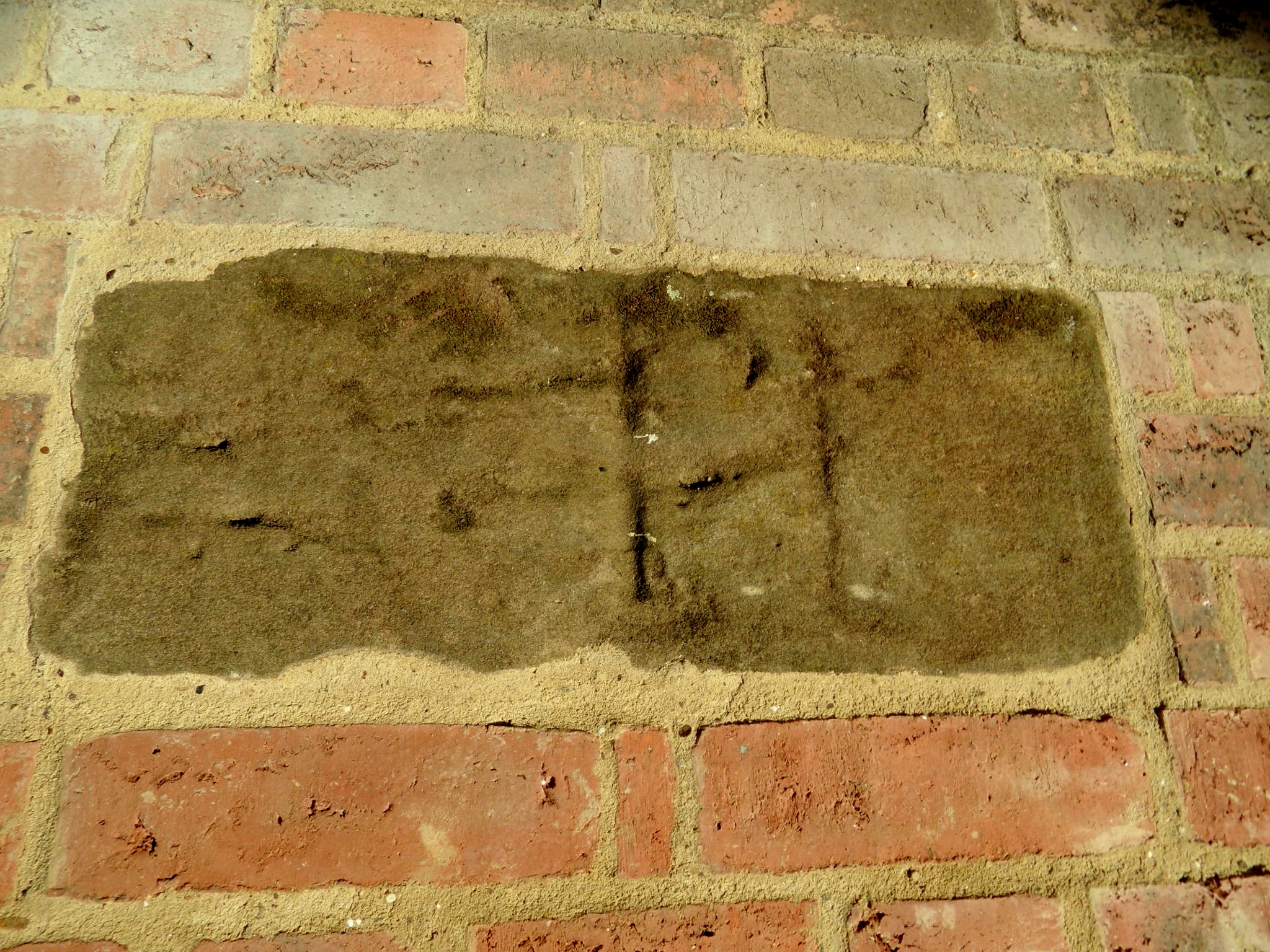
I’d wondered about this curious sandstone block, embedded in one of the gate posts of the Garden of Remembrance on Bird St, but it wasn’t until I read a newspaper article on the unveiling and dedication of the war memorial that I learnt that it is apparently an ‘ancient’ boundary stone. The article in the Lichfield Mercury, dated October 22nd 1920, describes how a high wall running along Bird St was demolished and replaced by the stone balustrade that now runs along the edge of the garden. Prior to its demolition, the boundary stone was originally incorporated into this wall, but whether that was its original location, or was an earlier effort to preserve the stone, I don’t yet know. It seems to be marked and I’m wondering whether this is deliberate or not (or if I’m imagining it!). Also, just how ancient is ancient?

Boundary stone embedded in lower part of right gate pier of Lichfield’s Garden of Remembrance

Close up of the ‘ancient’ boundary stone

A newspaper report from May 1936 describes how the Cathedral Choristers observed the tradition of ‘Beating the Bounds’ each Ascension Day. Accompanied by members of the clergy, the boys would start opposite St Mary’s Vicarage and stop off at places were there was, or had been, a well – ‘midway between the pool and Gaia Lane’, the Bishop’s kitchen garden, the Dean’s kitchen garden, Milley’s Hospital, the boundary stone on the Minster Pool Bridge and the Verger’s house in the corner of the Close before finally gathering at the old pump to the North West of the Cathedral, to which water from the Conduit Heads up near Maple Hayes once flowed along a lead pipe. The boys would carry elm boughs, and at each of the stop off points there was a reading from the scriptures and a verse of a hymn was sung. In 1936, the elm boughs were brought inside the Cathedral and laid on the font. An account from 1910 describes how choristers would collect boughs from the Dimbles and then return to the Close where they would decorate the houses before commencing their perambulation. I understand that these days Ascension Day is marked by the choristers singing from the roof. It’s interesting that elm boughs used to play a part in the custom; it makes me think of old traditions related to the Lichfield Bower which takes place in the same month.

‘Beating the bounds’ apparently dates back to a time before maps and was a way of ensuring that the knowledge of where the boundaries of an area, or a parish, lay was passed on. The tradition in The Close seems to have been centred around wells and water, but in other places boundaries were also marked by other natural features.  A Gospel Tree is marked on OS maps of Gentleshaw up until the 1930s and Gospel Oak is a common place name, found all over the country.

On the subject of maps, there’s a great version of John Snape’s 1781 map on BrownhillsBob’s Brownhills Blog here. I think that the boundary of the Close, similar to that described above, is shown clearly on this map in the form of a dotted line running around the Close.

There’s a lot more to be said on boundaries and their markers, including the exciting possibility (for me at least!) that if this one is still here, there just might be others preserved somewhere in or around the city. In fact, we may even have located a couple, purpose as yet unknown.

Edit: Just had one thought myself actually! In many places it seems boundary stones and trees were actually hit with sticks (as can be seen here in Oxford) or physically marked in some other way, as people passed by them on their perambulation. Is it possible the marks on our boundary stone are evidence of it being ‘beaten’ over the centuries?


Fire and Water

This battered wooden case, once used by the Lichfield Aerated Water Co, was recently rescued from a garden bonfire in the village of Selston, Nottinghamshire by Michael Leivers.

The crate must date from the early 1930s as the Lichfield Aerated Water Co was set up in 1931, as a subsidary of Samuel Allsopp & Sons Brewery which had taken over the Lichfield Brewery and its 182 public houses in 1930, before merging with Burton neighbours Ind Coope Ltd in 1934 to become Ind Coope and Allsopp Ltd. (1) On 1st December 1935, the Aerated Water Co was taken over by Burrows and Sturgess, a Derby firm who also produced SPA Grape Fruit, SPA Ginger Ale and SPA Iron Brew alongside soda and tonic water. Burrows and Sturgess moved the business from the old Lichfield Brewery on St John Street to a new factory based at the former maltings on the Birmingham Rd, but kept on the existing manager, a Mr Bourne(2). As part of the take over deal, Burrows and Sturgess were able to supply their products to a large number of premises owned by the newly formed Ind Coope and Allsopp Ltd.

The Derby Telegraph Bygones page features the memories of several people who once worked for Burrows and Sturgess, including a Mr Tipper who was a driver’s mate in the 1950s. Mr Tipper recalls driving to the Lichfield Depot in an AEC Mammoth Major which they would load up with metal, two dozen bottle crates, stacked six high and six wide. At the depot, these would be unloaded and replaced with the empties which were then taken back to Derby to be refilled. There’s a photo here on the Staffordshire Past Track website showing a steam wagon making deliveries for Henson’s Aerated Waters in the 1920s in Burton-on-Trent – would Michael’s wooden crate and its contents have been transported in a similar way?

Thanks so much to Michael for sending me the photo. It’s a great reminder of a long disappeared part of Lichfield’s industrial past and I’m so glad it has been saved from being reduced to a pile of ashes and given a new lease of life as a coffee table. I wonder what other uses it may have had during its eighty or so years? Michael thinks it was being disposed of as part of a house clearance. It’s a bit sad that some people don’t look a bit deeper to see the value in things like this. There’s a lot to be said for ordinary, everyday objects.   Of course, it would be great to hear from anyone who knows more about the short-lived Lichfield Aerated Water Co, or its successor Burrows and Sturgess.

Notes

(1) The VCH has it as a subsidary of Ind Coope and Allsopp, but as this merger between the two didn’t happen until 1935, The Lichfield Aerated Water co would, at least initially, have been a subsidary of Allsopp only. I think.

(2) Does this mean the fomer maltings originally belonging to the City Brewery, but most recently Wolverhampton & Dudley breweries and now being converted into residential accomodation?

Sources:

The Brewing Industry: A Guide to Historical Records edited by Lesley Richmond, Alison Turton

Lichfield: Economic history’, A History of the County of Stafford: Volume 14: Lichfield(1990), pp. 109-131

http://www.midlandspubs.co.uk

Holy Stones

Although St Peter’s Church at Elford was largely rebuilt in the nineteenth century, it is famous for its medieval monuments.  The most well known is the ‘Stanley Boy’, said to depict young John Stanley, last of the male line, holding a tennis ball in his left hand, and pointing to the place where it fatally hit him with his right. On face value, it’s a great story, but the fact that it has been cast into doubt by some makes it even more interesting in my opinion. Nikolaus Pevsner and an article called ‘The so-called Stanley boy monument at Elford’ by Sophie Oosterwijk for the Church Monument Society date the monument as thirteenth century whereas, according to the story, John Stanley died in around 1460. It has been suggested that at some point the effigy may have been modified to add weight to the local legend. It’s a nice reminder that when it comes to history, you can’t even trust what’s carved into stone. There’s a drawing of the effigy from the eighteenth century here on Staffordshire Past Track.

Unfortunately, on my recent visit, I didn’t manage to see the Stanley Boy (or whoever it may be!) close up. The wooden gates separating the Stanley Chapel from the rest of the church seemed to be locked and I didn’t try to hard to open them.  A lady doing her stint on the flower rota had told me that the church had suffered from a recent lead theft and I didn’t want to add to its troubles by breaking anything. Anyway, there were plenty of consolations including the beautiful Minton tiles, stained glass and another curious monument outside.

Just one of the lead pipes stolen for scrap metal, leaving the church vulnerable to water damage.

I’ve walked around my fair share of churchyards and although I’ve seen plenty of worn and weathered stones,  I can’t remember having ever seen a hole in one like this before and would be grateful for any explanations (or failing that, guesses!) for what’s happened here.