Well Wishers

I’ve written previously about how the appearance (and apparently, the actual location!) of St Chad’s well has changed over the years here, but I’ve recently found some contemporary accounts of the well’s previous incarnation – a ‘vertical tube built of engineering bricks, covered with a kind of gloomy sentry-box of stone’, which had apparently become so neglected in the 1940s that only a few inches of stagnant water covered in a green scum remained in the bottom of the pool. (1)

In November 1946, the Bishop of Stafford lamented that the well had once been a place of great pilgrimage but had fallen into a state of neglect and considerable disrepair and in April 1948, E Sutton, a former caretaker of the well, described it as having degenerated into a wishing well. A few weeks later, Mr Sutton submitted a further letter to the Mercury, advising, ‘I have again visited the site and found it in a worse state than on my visit there last Autumn. Then boards covered the Well. These are now removed and the Well is full of rubbish, among brick-bats and wood being a worn out coal bag! I noticed too, among the bricks and stonework lying around in wild confusion the ancient ‘St Chad’s Stone’, which the historian Leland, writing of his visit to the Well some four hundred years ago, states was then believed to be the very stone upon St Chad stood in the icy water as an act of penance, it then being the bottom of the Well. When the small building was erected over the Well in Stuart times, this stone was incorporated into the building, no doubt in order to preserve it. Many hundreds of hands have been placed upon it, mostly with reverence, since. It now lies among the rubbish, one corner broken. A fitting symbol of the ideals of 1948!’ (2)
St Chads Well

St Chad’s Well today

Saint Chad's c.1915. Taken from Wikipedia

Saint Chad’s Well c.1915. Taken from Wikipedia

I’m intrigued by this reference to ‘the ancient St Chad’s stone’. When James Rawson described the site prior to his restoration in the 1830s, he noted that, ‘the well-basin had become filled up with mud and filth; and on top of this impurity a stone had been placed, which was described as the identical stone on which Saint Chad used to kneel and pray!’. Despite Rawson’s apparent scepticism about these claims, was he somehow persuaded to use this stone in his new well structure, thereby perpetuating the myth? I’d love to see what went on in those discussions and I’d really like to know what happened to this legendary stone. St Chad may not have been anywhere near it, but the fact that people believed he had should have made it worth saving for posterity’s sake.

Water in the well

Water in the well

Unfortunately for Mr Sutton, the restoration of the well did not put a stop to people using St Chad’s Well for wishes, as evidenced by the layer of coins that still glint beneath the water, tossed in at some point over the last half century or so. It’s often suggested that this is the continuation of a ritual that our ancestors were carrying out a long, long time before St Chad arrived in Lichfield. Some things change. Some stay the same.

Notes

(1) The octagonal stone well structure erected by Rawson in the 1830s, as described by the Lichfield Mercury on May 6th 1949!

(2) A little off topic, but it’s amusing to see that it’s not just nowadays that letters appear in the Lichfield Mercury suggesting that society is going to hell in a handcart. Once again, some things stay the same…

A Grave Matter

Recently, someone told me that there were some interesting gravestones at Holy Cross Catholic church on Upper Saint John St. As David Moore is on the lookout for examples of symbolism in the city’s churchyards for his upcoming Lichfield Discovered talk on the subject in September, I went to take a look.

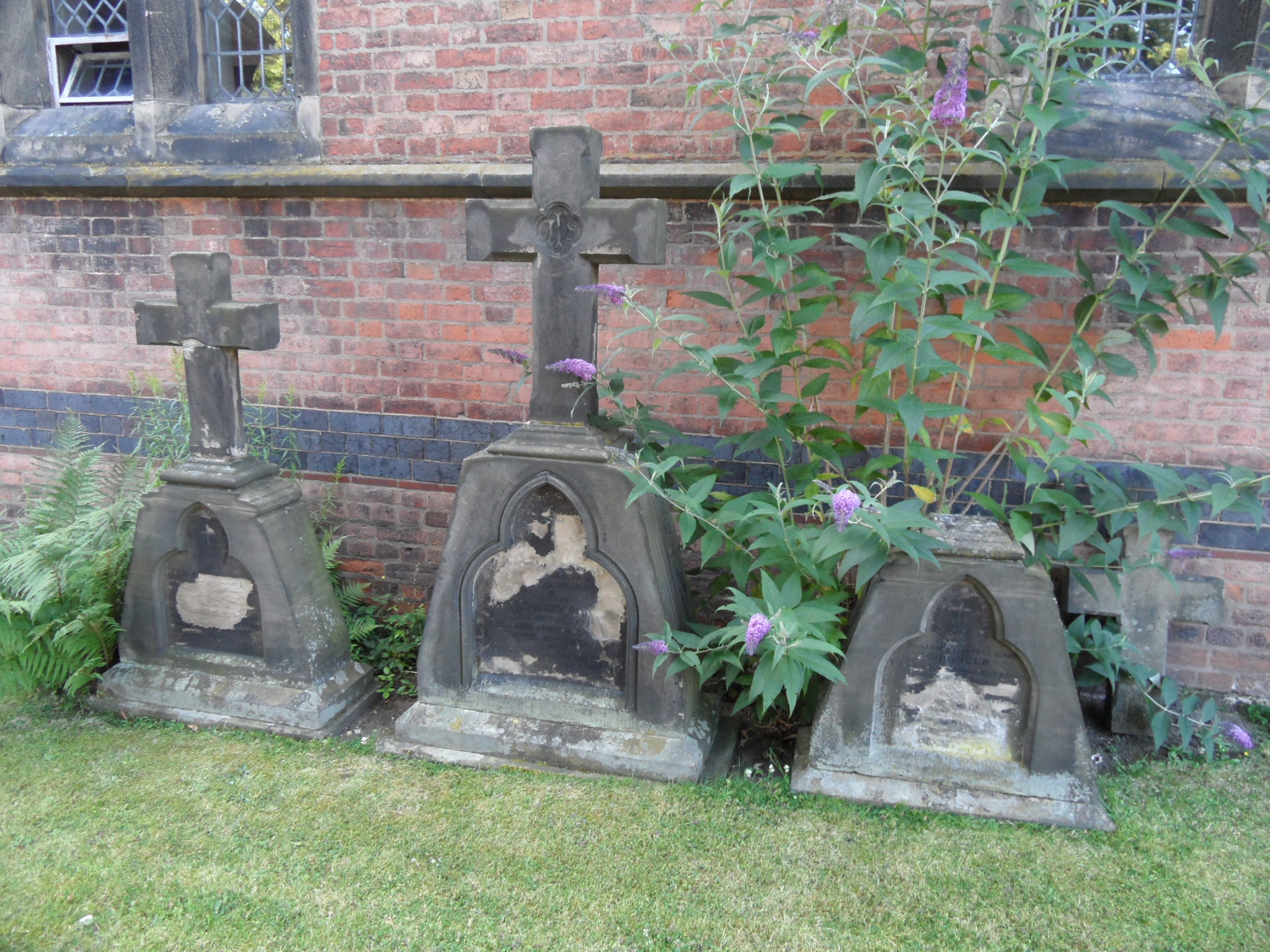
Initially, I thought there had been a mistake as I couldn’t see any gravestones at all, but tucked around the side of the church I found just the three of them, side by side.

SAM_2123

The inscriptions are worn but the names are still legible. Names that I recognised at once. Around this time last year,  I wrote about the Corfield family who lost their lives when a fire swept through their home and business premises in Market Street in January 1873 (see here) and how rumour and legend had grown up around the tragedy.  It’s not so much the symbolism that is interesting here but the additional inscription on the middle stone – ‘Refused admission into St Michael’s Churchyard’. What does this mean exactly? It seems to contradict the Lichfield Mercury report from January 18th 1873 that,

‘The remains of the seven members of the family were conveyed in three hearses to St Michael’s Church-yard on Thursday afternoon and laid together in a square grave. The whole of the burial service was read at the grave by the Rector, the Rev J J Serjeantson; the burial service according to the Roman Catholic ritual, to which community the deceased belonged, had been read over the bodies by the Catholic priest at the Guildhall on Wednesday evening. The bodies were not taken in the church’.

All I can think is that it was these memorial stones which were not admitted into the churchyard at St Michael’s? Any thoughts or comments would be welcome.

SAM_2124

SAM_2125

Daisy, Daisy

Recently, I’ve spent more time in churches than ever before in my life (with the possible exception of the Summer of 2004, when I went to so many weddings that I was able to recite 1 Corinthians 13 off by heart). When I was younger, history for me was all about the castles. Churches were boring. The only remotely interesting thing about them was that, with their crenellations, some of them looked a bit like castles. Now I know that they can tell stories just as good as any castle, but you just need to know where to look.

SAM_1851

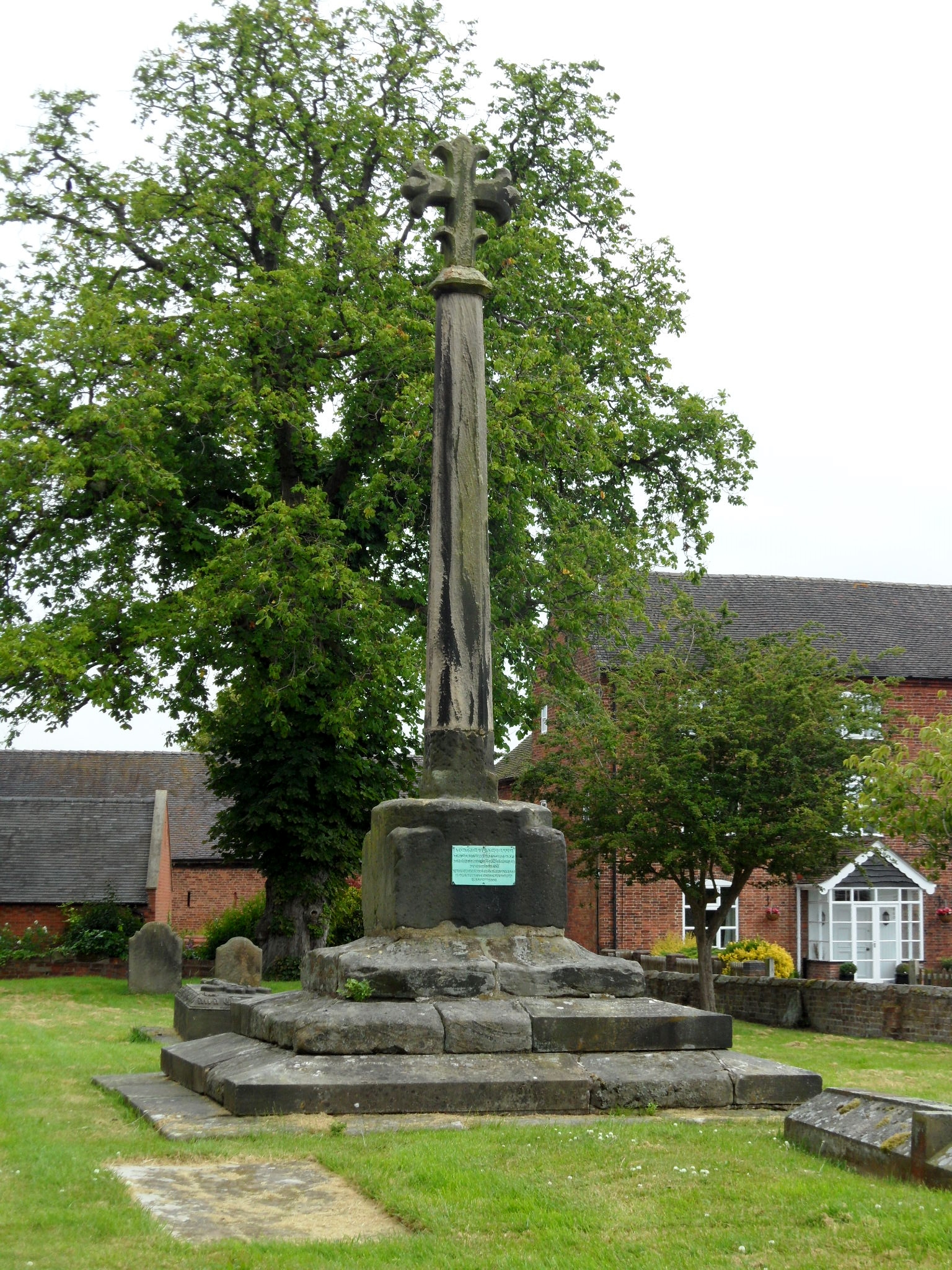
Before even stepping inside All Saints in Kings Bromley, there are plenty of interesting tales. ‘Lady Godiva’s’ cross in the churchyard, originally dates back to the 14th century, but was restored in 1897.

SAM_1842

I was delighted but intrigued to see a reference to one of my childhood heroines here. The story I knew as a little girl was that Godiva pleaded with her husband Leofric, Earl of Mercia, to reduce the taxes he imposed on the people of Coventry. Leofric tried calling her bluff by saying he would do so, if she rode through the marketplace in the buff. Unfortunately for him, his wife not only had compassion, but also really, really long hair which according to Roger of Wendover who first recorded the story, ‘covered the whole of her body like a veil’, as she climbed onto her horse and successfully carried out her legendary protest. The connection with Kings Bromley is that Godiva and Leofric had a summer residence or hunting lodge here, where Leofric died in 1057 and may well have been involved with an earlier church which could have stood on this site.

SAM_1844

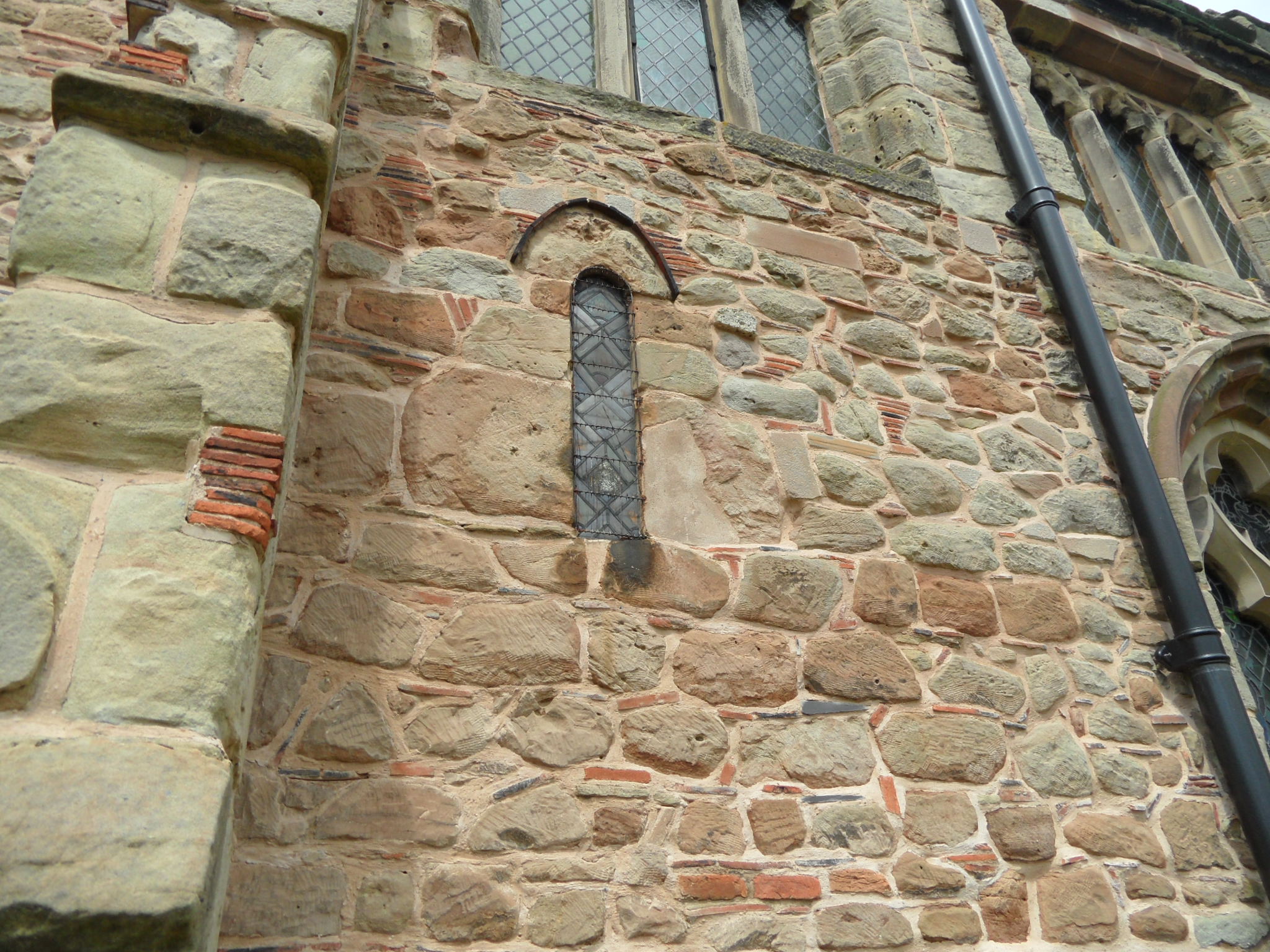
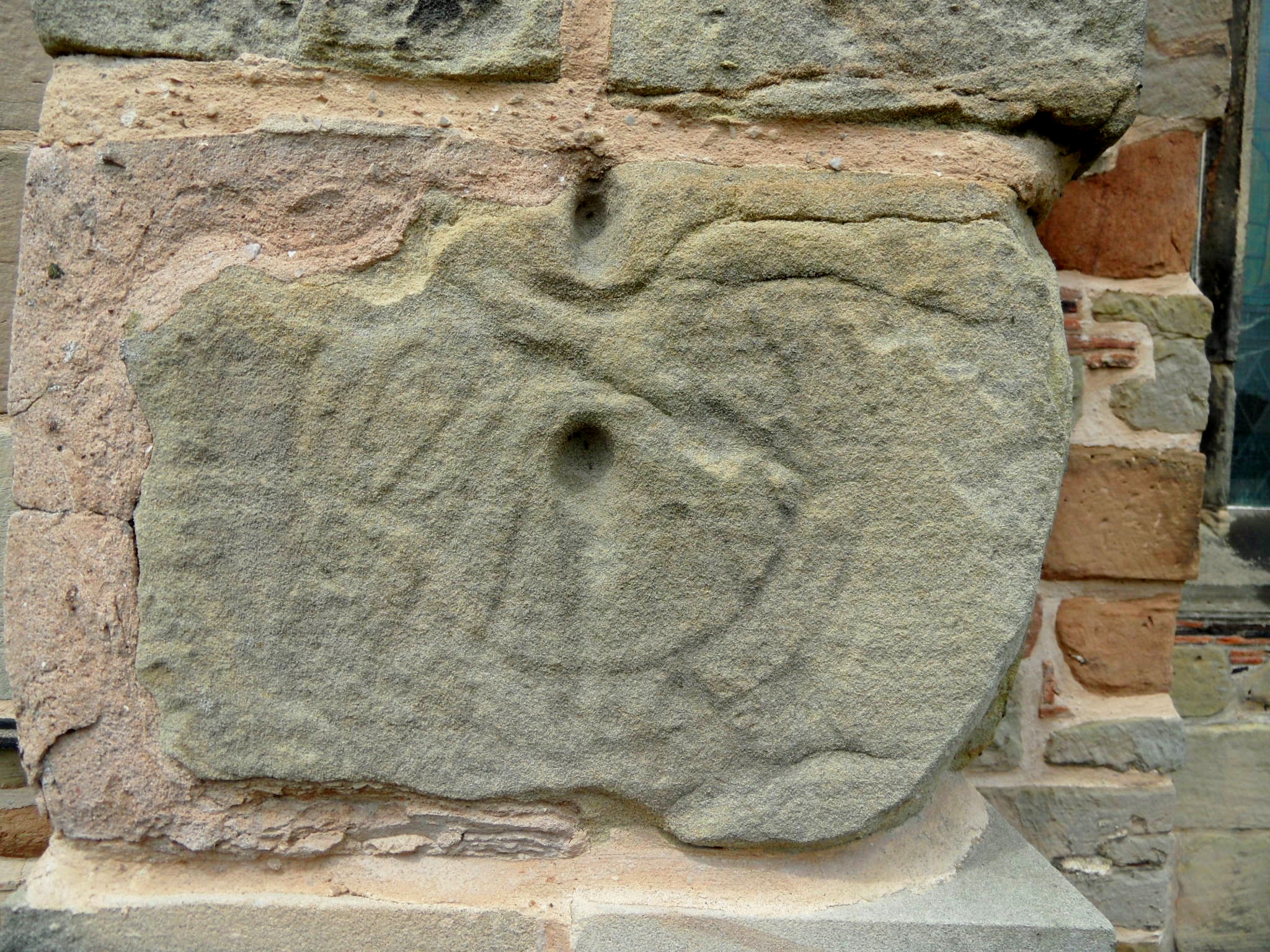
Unlike others I’ve seen recently, I’m pleased to say the church itself hasn’t been fully restored by those pesky Victorians, but has a range of architectural styles and features dating back to at least the eleventh century, but possibly even earlier than that – the HER description says that this is an Anglo-Saxon wall, and somewhere within it there is possibly even a Romano-British brick. On a buttress near to this ancient wall is a medieval scratch dial which, with the assistance of the sun, would once have helped the priest be on time for mass. On the buttress in-between the porch and the sixteenth century tower there is another carving, but unlike the scratch dial, no-one is quite sure of its significance.

SAM_1845

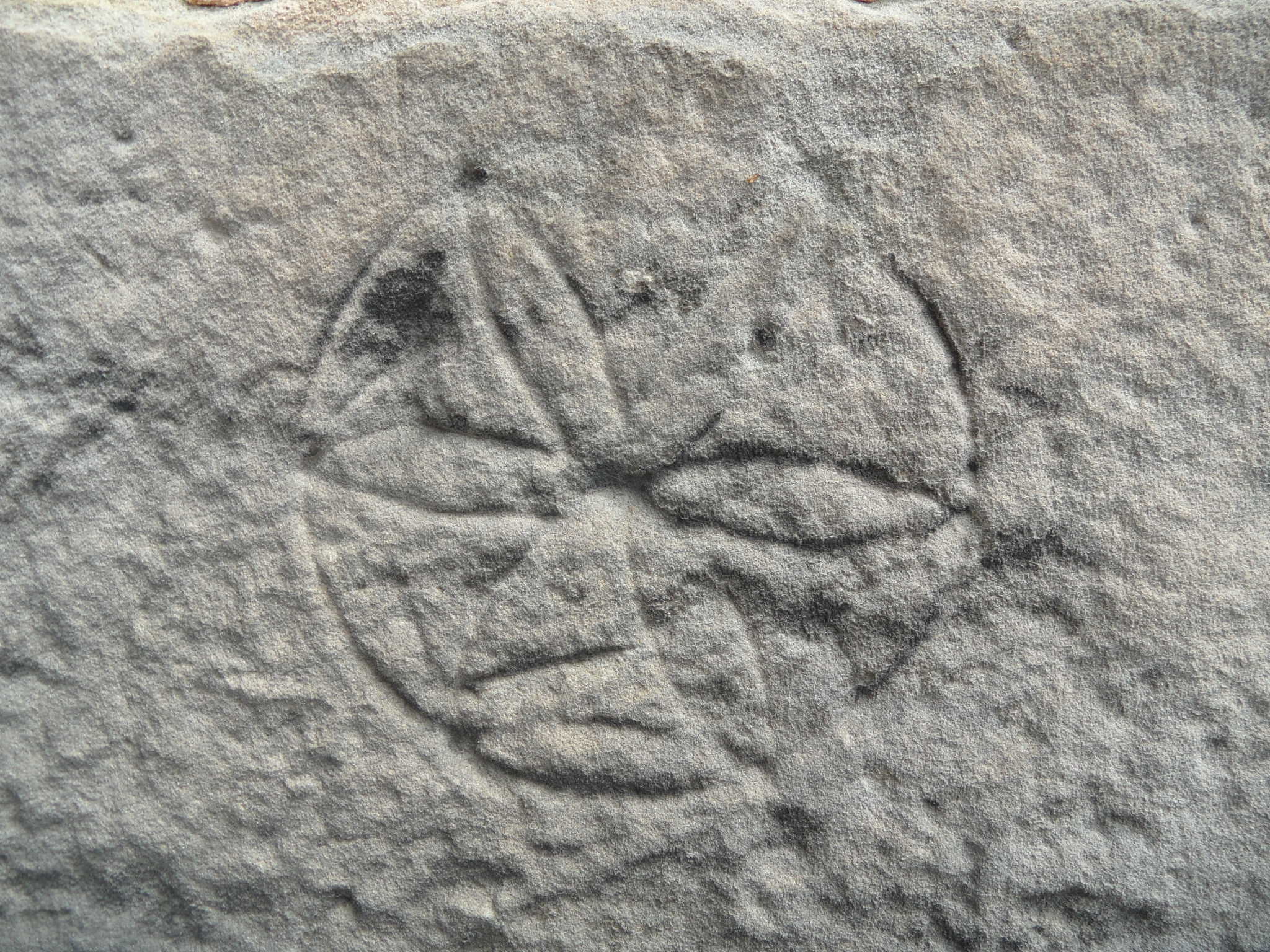
The daisy wheel carving is described as a mason’s mark in the churches information sheet. Although this is the first I’ve seen, this symbol regularly crops up on old buildings, especially churches. Whilst some believe these carvings have a practical function, others believe they were carved for good luck or protection against evil spirits.

SAM_1846

On a bit of a tangent, on the subject of childhood and daisies and folklore, I did wonder about some of the little rituals surrounding these flowers that we unthinkingly carried out as kids. The name is thought to come from the old English ‘Daes Eage’ meaning ‘day’s eye’, and refers to the way the flower opens and closes with sunlight. I’ve read that wearing daisy chains was thought to protect you from being abducted by fairies (must work, I’m still here!) and that one of its folk names is ‘Measure of Love’, from the game where you pull off the petals one by one, chanting, ‘He loves me, he loves me not’. Apparently, there is another less risky version of this game in which you chant, ‘He loves me, he loves me lots’. If only someone had told me this at the time, I wouldn’t have had to cheat so much.

SAM_1858

Anyway, as it says in those half remembered lines from Corinthians, I’ve put away childish things. Well, most of them anyway….

SAM_1866

Sources

http://www.medievalgraffitisurrey.org/circles.html

The Road to Ruins

When they were excavating the Wyrley to Essington canal at Pipehill at the end of the eighteenth century, a 500 yard section of a Roman military barricade (or palisade) made from trunks of oak trees was discovered.It was thought to have originally stretched from Pipe Hill to the Roman settlement at Letocetum. Well, unfortunately I didn’t come across that (if it even exists anymore) on my walk from Pipe Hill to Wall and back. But here’s what I did find…

A lovely view of the city accompanied me for part of the way (although I can only count four spires. If it’s Five Spires you’re after, look here)

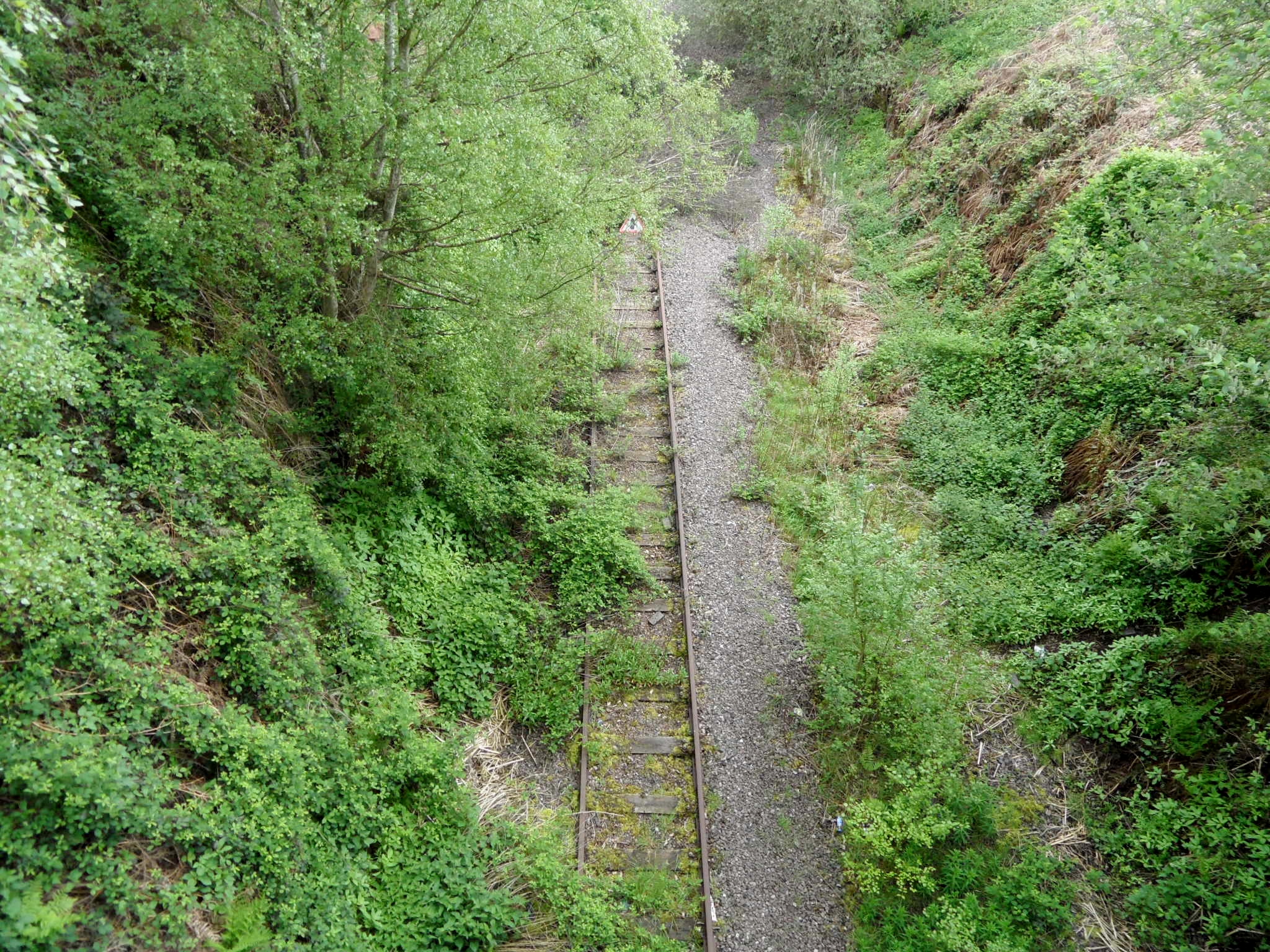
SAM_0896Not too far down the road, I peered over a bridge to see the disused railway line that runs from Lichfield to Walsall. You can get down to the track, although as I was on my own I didn’t risk it, the bank being steep and me being notoriously clumsy. I wonder how far you could walk along the overgrown rails? Rather than regurgitate a history of the railway here, far better is to direct you to the people who really know what they are talking about – the South Staffs Rail group. Their website, full of information, photographs and videos of the line, as it was and is, can be found here, and you can also find out about their campaign to have the line reopened.

Rail bridge Pipehill

SAM_0905

As I continued along Wall Lane, the wind was blustery and the sky dark and it almost felt autumnal. However, with bluebells and stitchwort along the roadside, hawthorn in the hedgerows and the swallows flitting over the fields of oilseed rape there was no real mistaking this was the merry month of May. I saw pheasants and rabbits and heard and saw all kinds of birds whose names I don’t know, but wished I did. However, all attempts to photograph them ended like this. I’m sticking to bricks and stuff that doesn’t move.

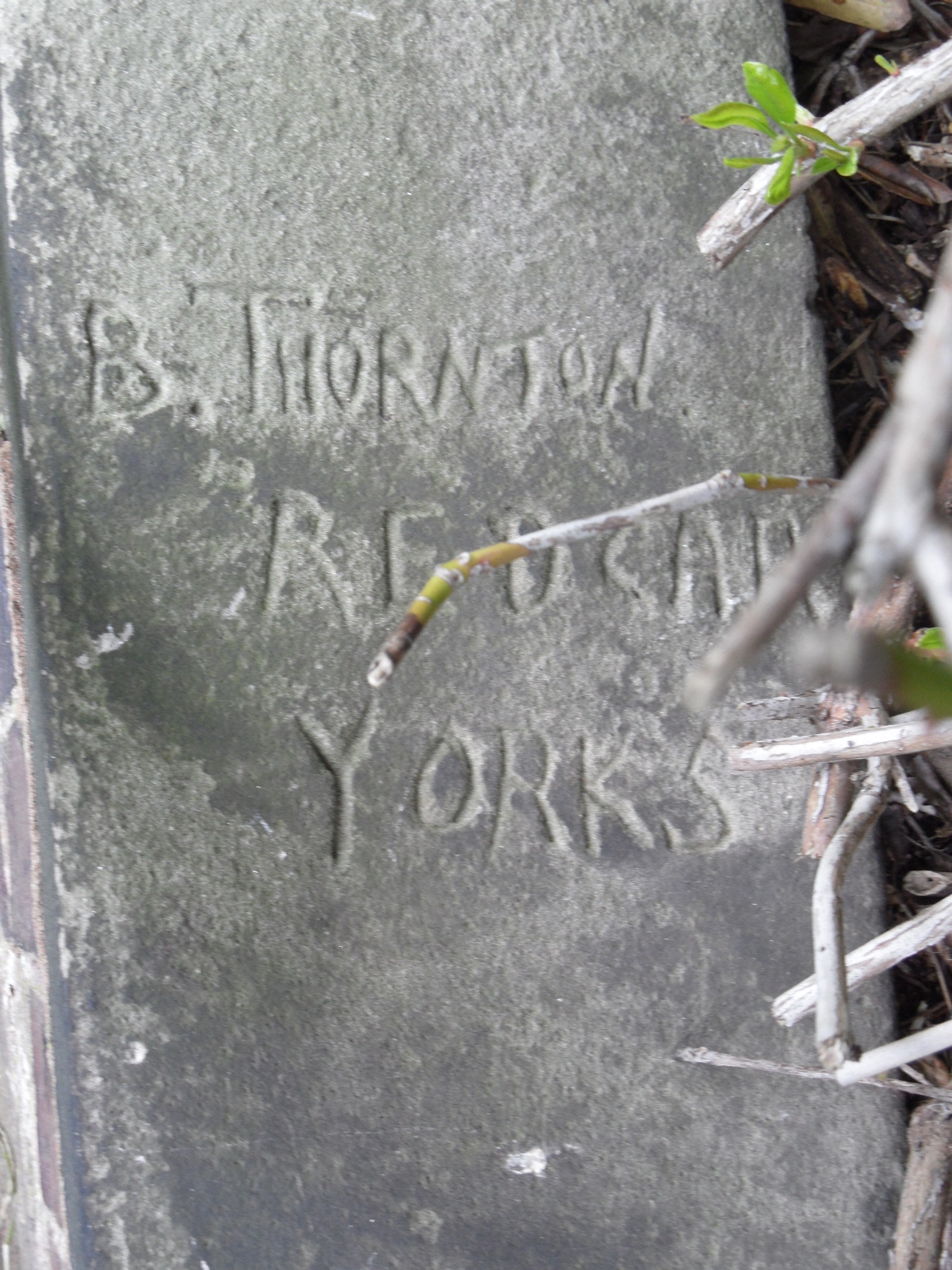
SAM_0879Up at St John’s in Wall, I was pondering what might have once stood here on the site of the modern(ish) church built in 1830. Some have speculated a shrine to Minerva, but my thoughts were interrupted by this graffiti on the church yard wall.

SAM_0922

I’ve got a real thing about names carved into stone anyway, but I really have to admire the chutzpah of B Thornton of Redcar in Yorkshire for leaving  practically a full postal address. Wish there was a date though… It seems he or she wanted people to know that that they’d been here but just what were you doing in this small, ancient Staffordshire village B Thornton of Redcar? Were you here to see the ruins too?

SAM_0931

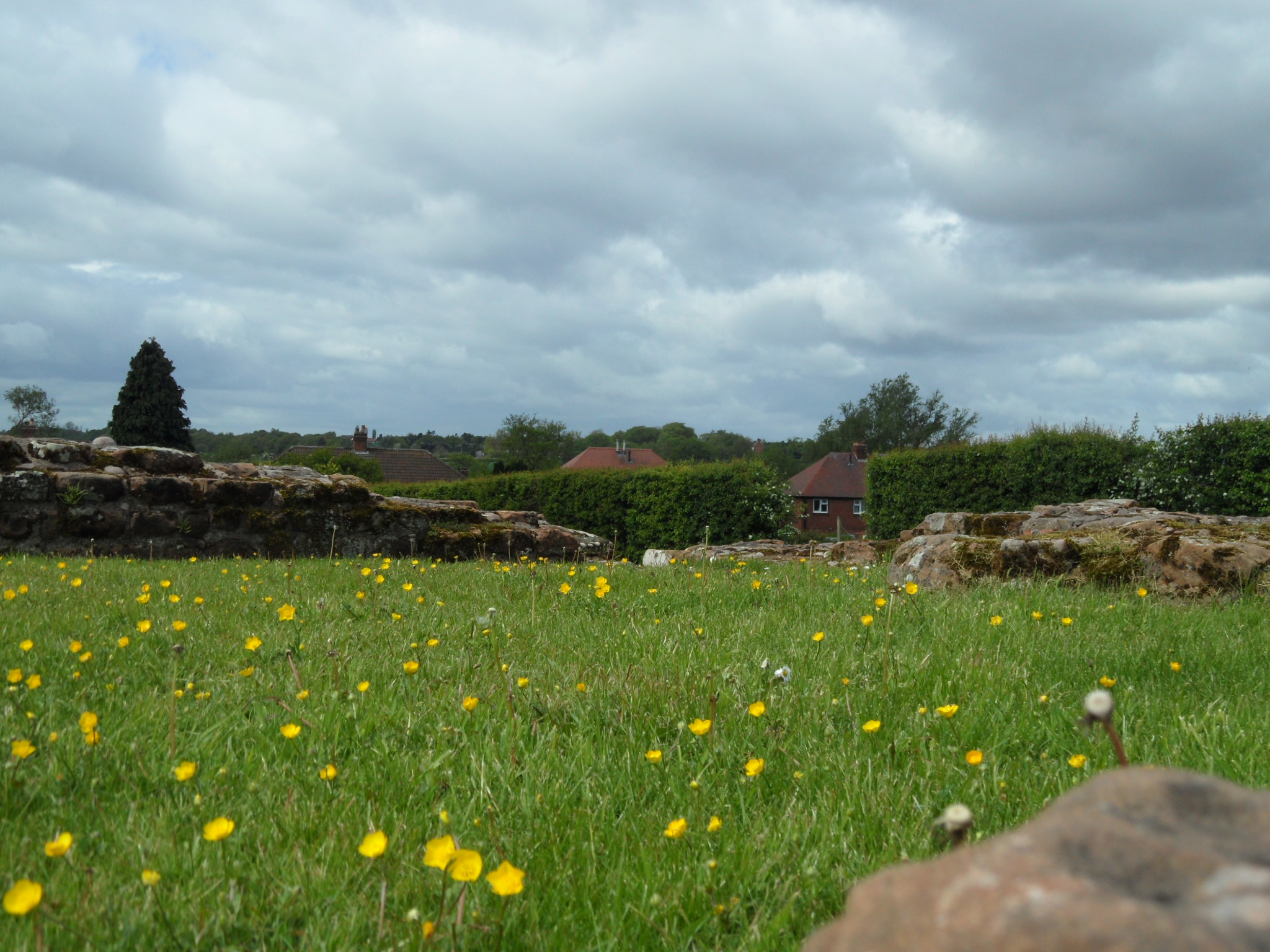
Whilst I was taking this photograph of buttercups growing where Romans once slept, I remembered that bit of childhood folklore about holding one beneath your chin to see if you liked butter. If you’re interested in science stuff, the explanation for how buttercups make our chins glow is here. It seems appropriate to share its Latin name here – ‘Ranunculus acris’. I think the acris bit means bitter, and I wonder if the flower’s common name started out as bitter cup and got corrupted on account of its beautiful golden colour? Anyway, back to the ruins.

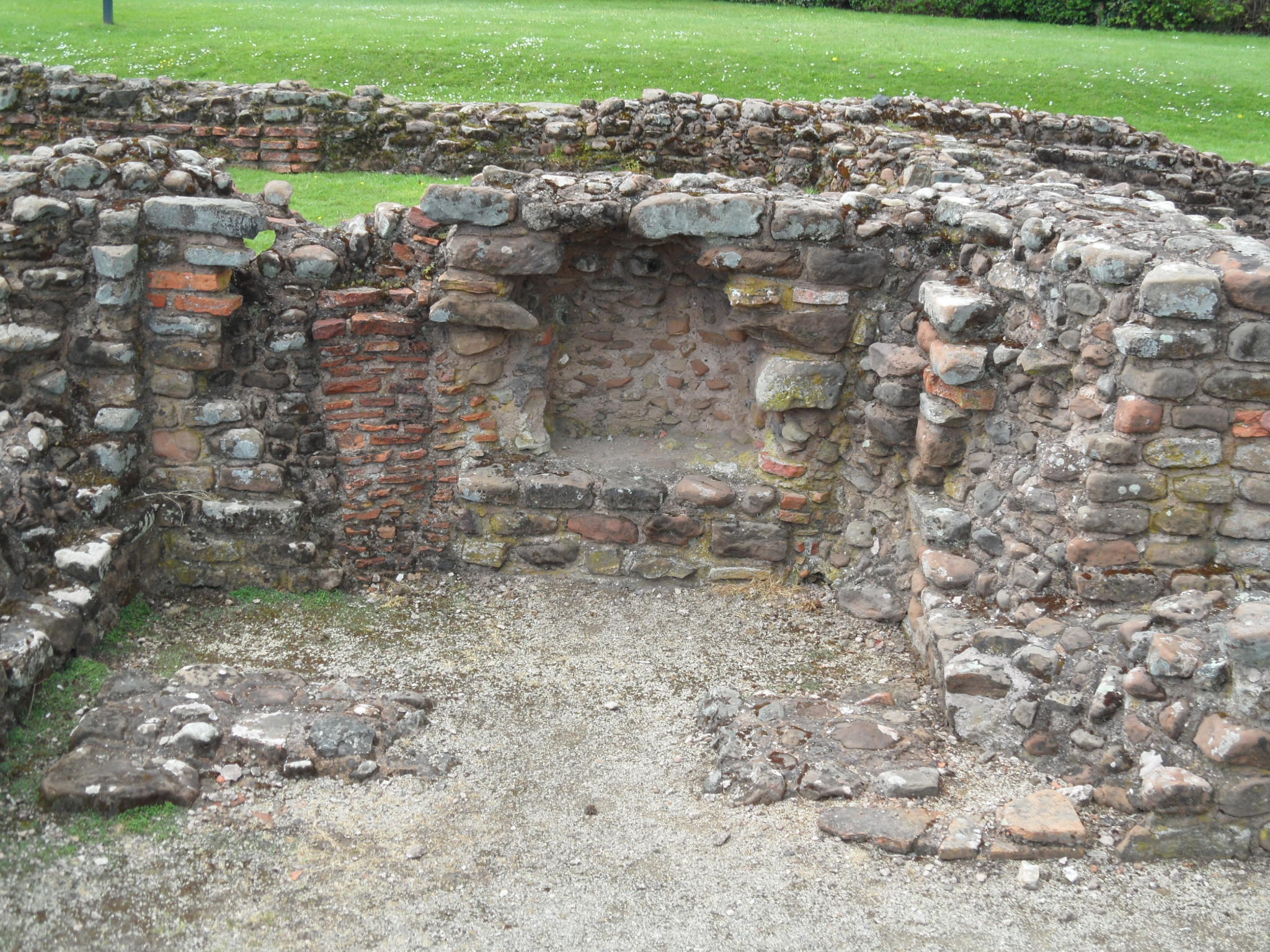
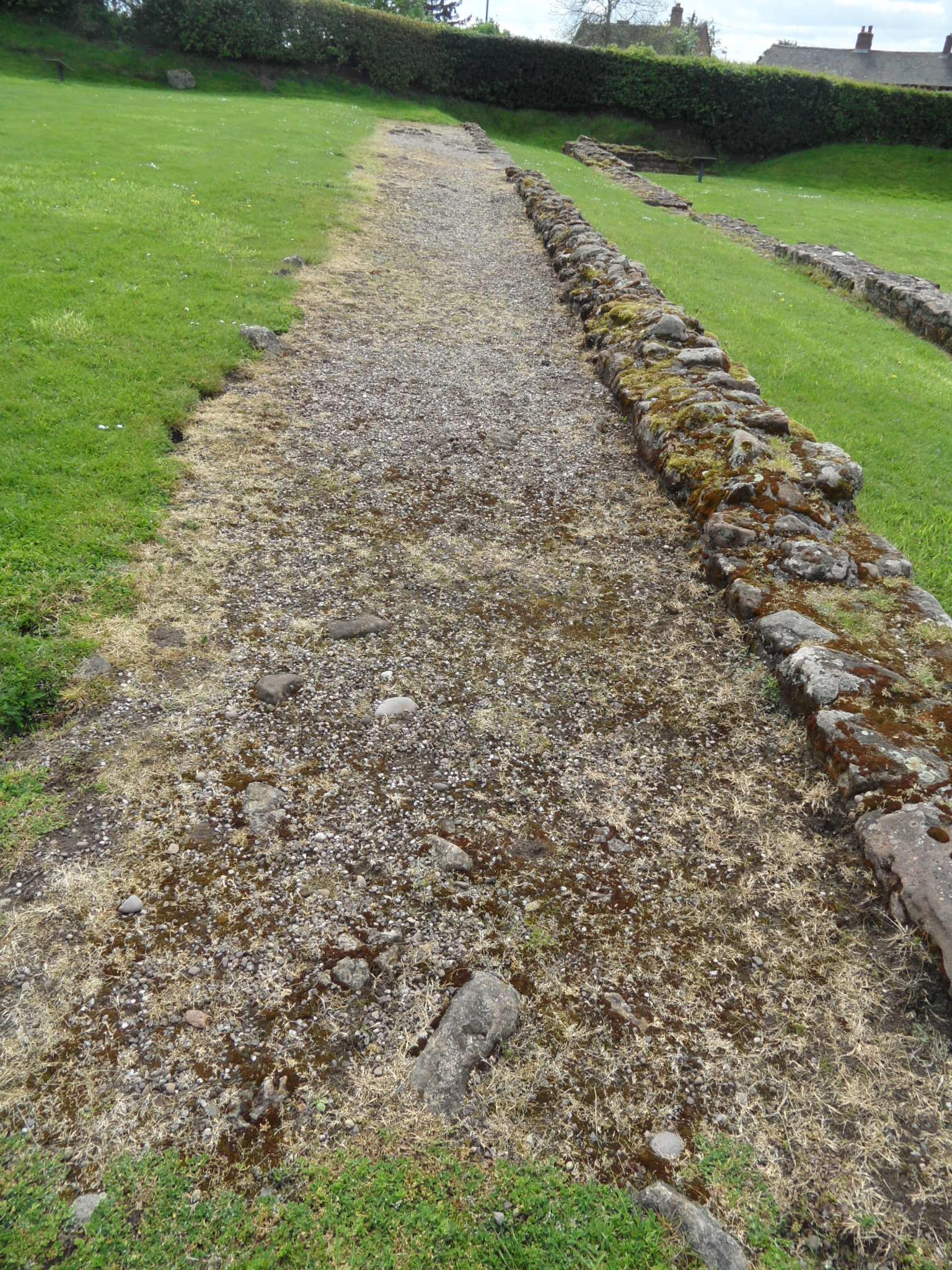
SAM_0940 SAM_0944Out of everything, it’s the remains of this small Roman street, with some of its cobbles still intact that gives me the strongest sense of connection with the past. Perhaps it’s the knowledge that you are treading the exact same ground as those who walked here thousands of years ago? Or perhaps I’d spent too much time here, alone with my thoughts….

SAM_0933

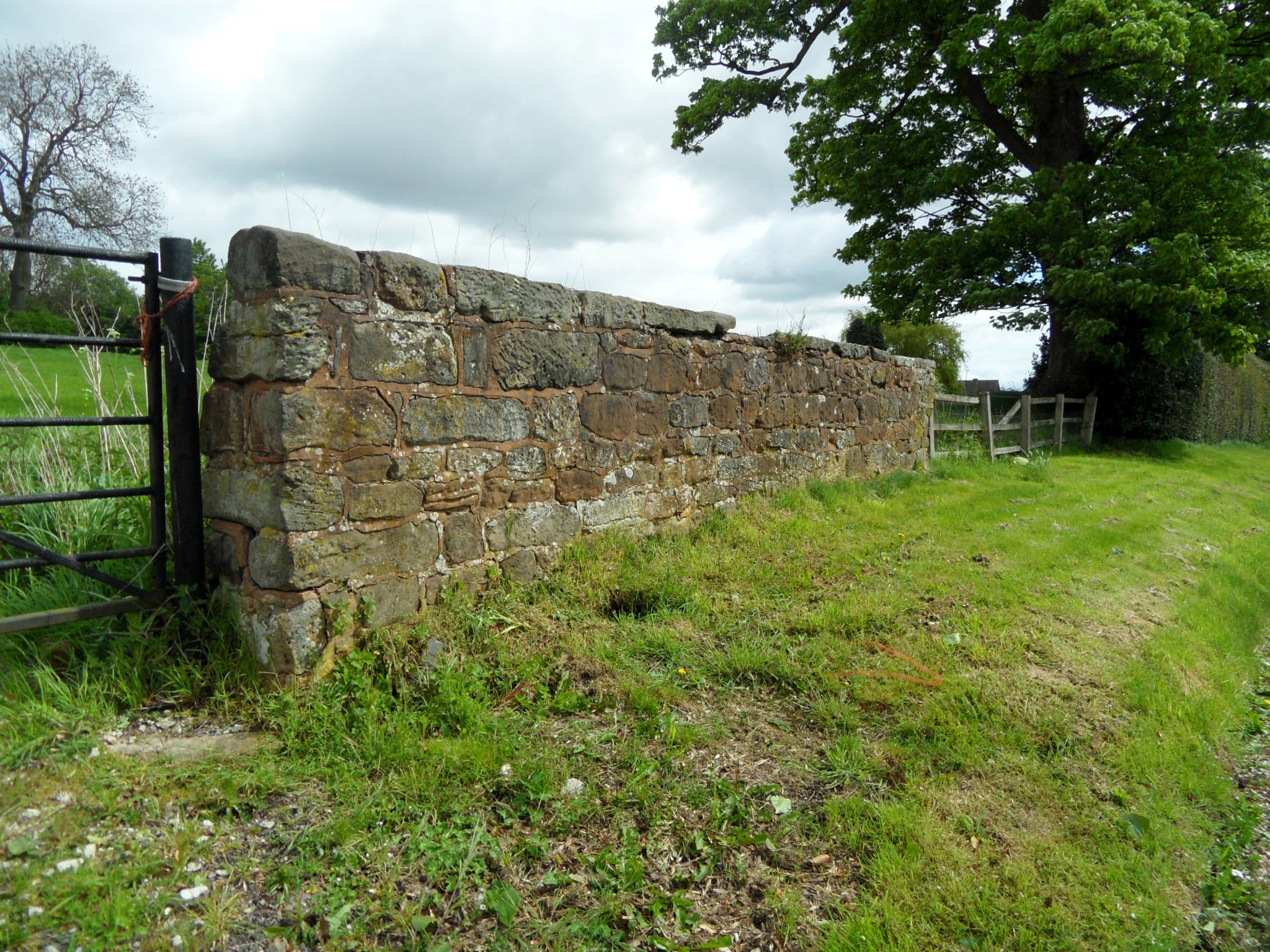
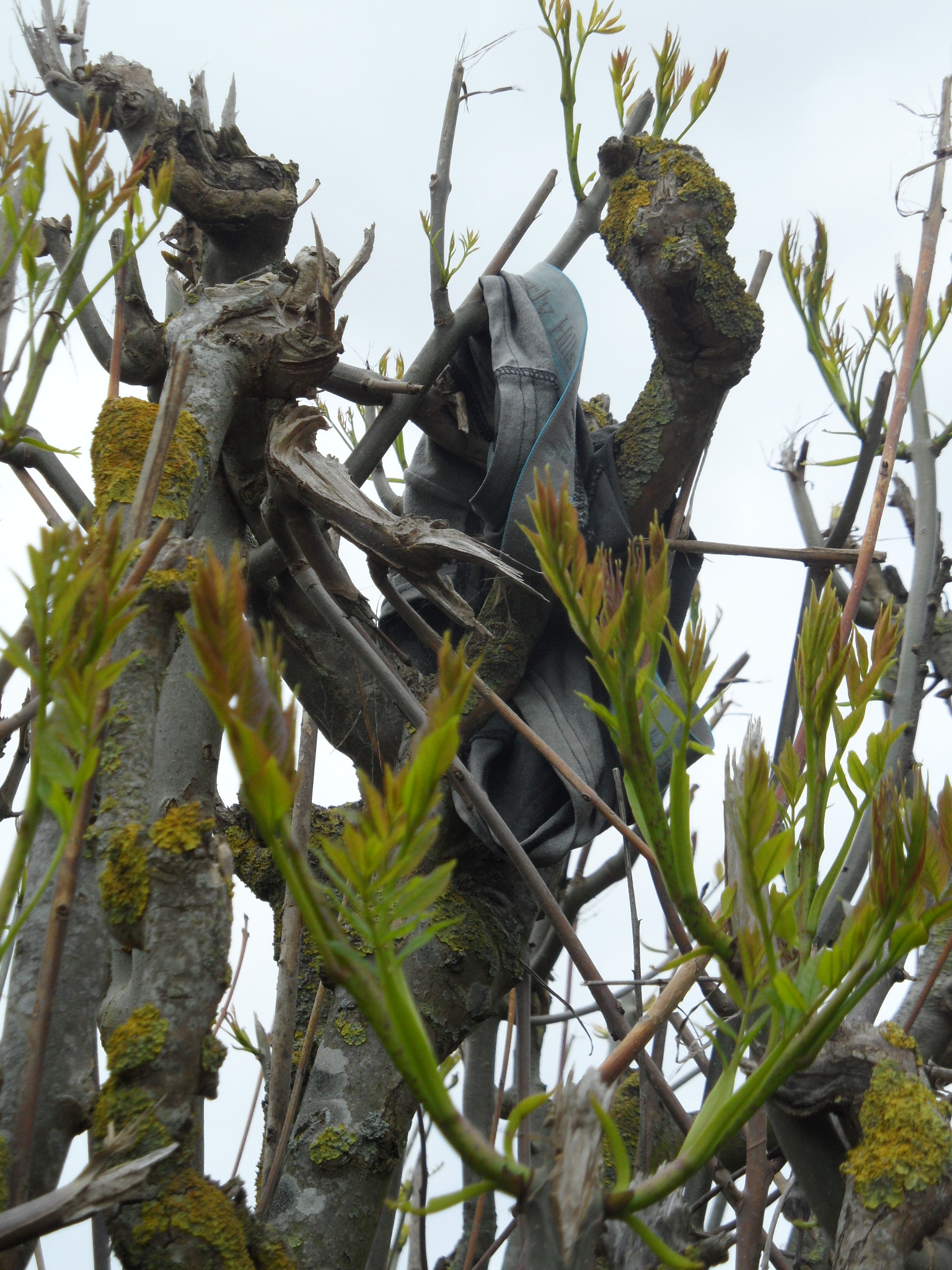
Heading out of Wall, there’s a farmyard wall which I believe was built using stone robbed out from the Roman site. Oh and another little mystery – just how does a pair of pants end up in a hedgerow like this? On second thoughts, this is one I probably don’t want to know the answer to.

SAM_0951

SAM_0919

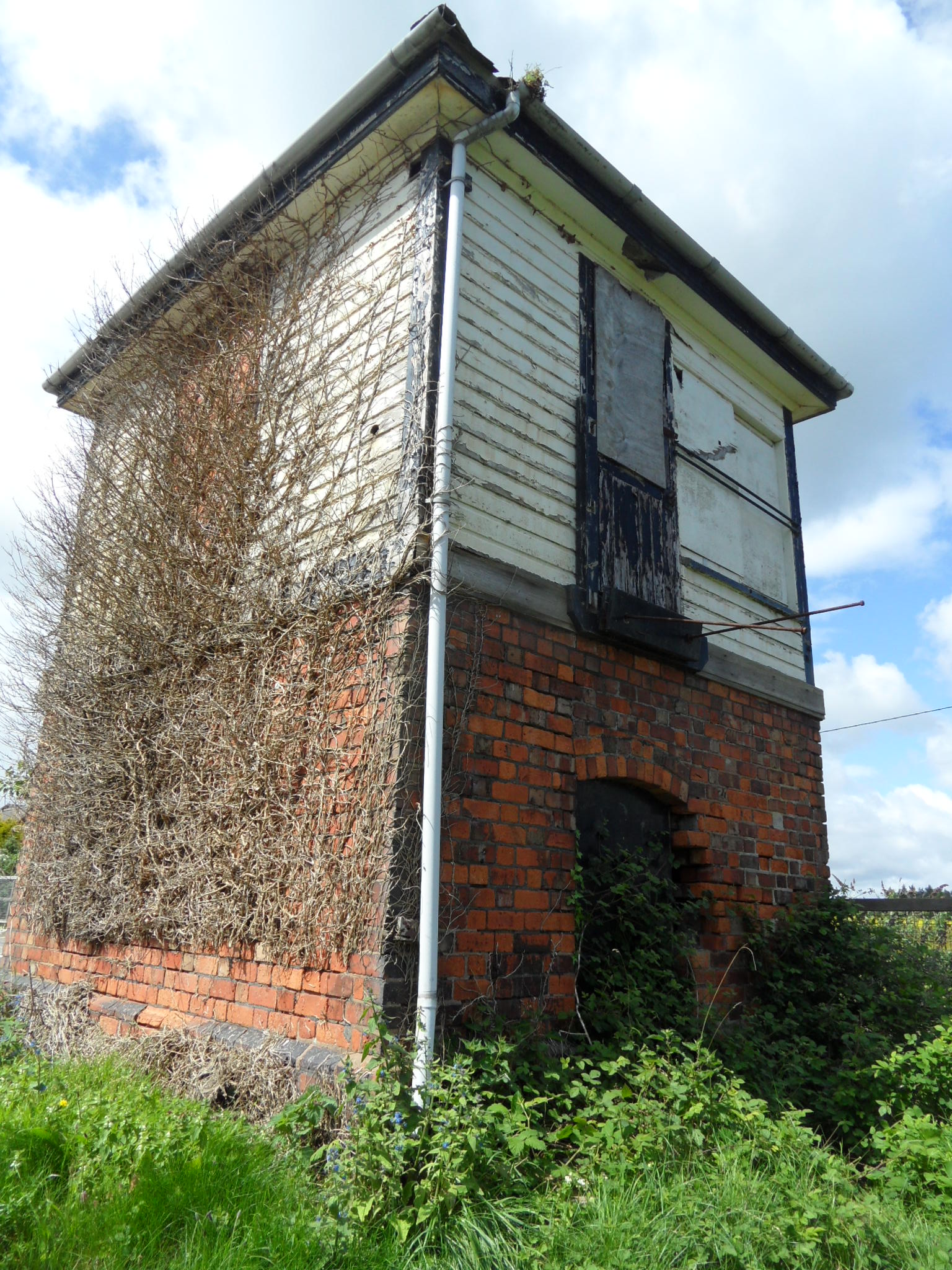
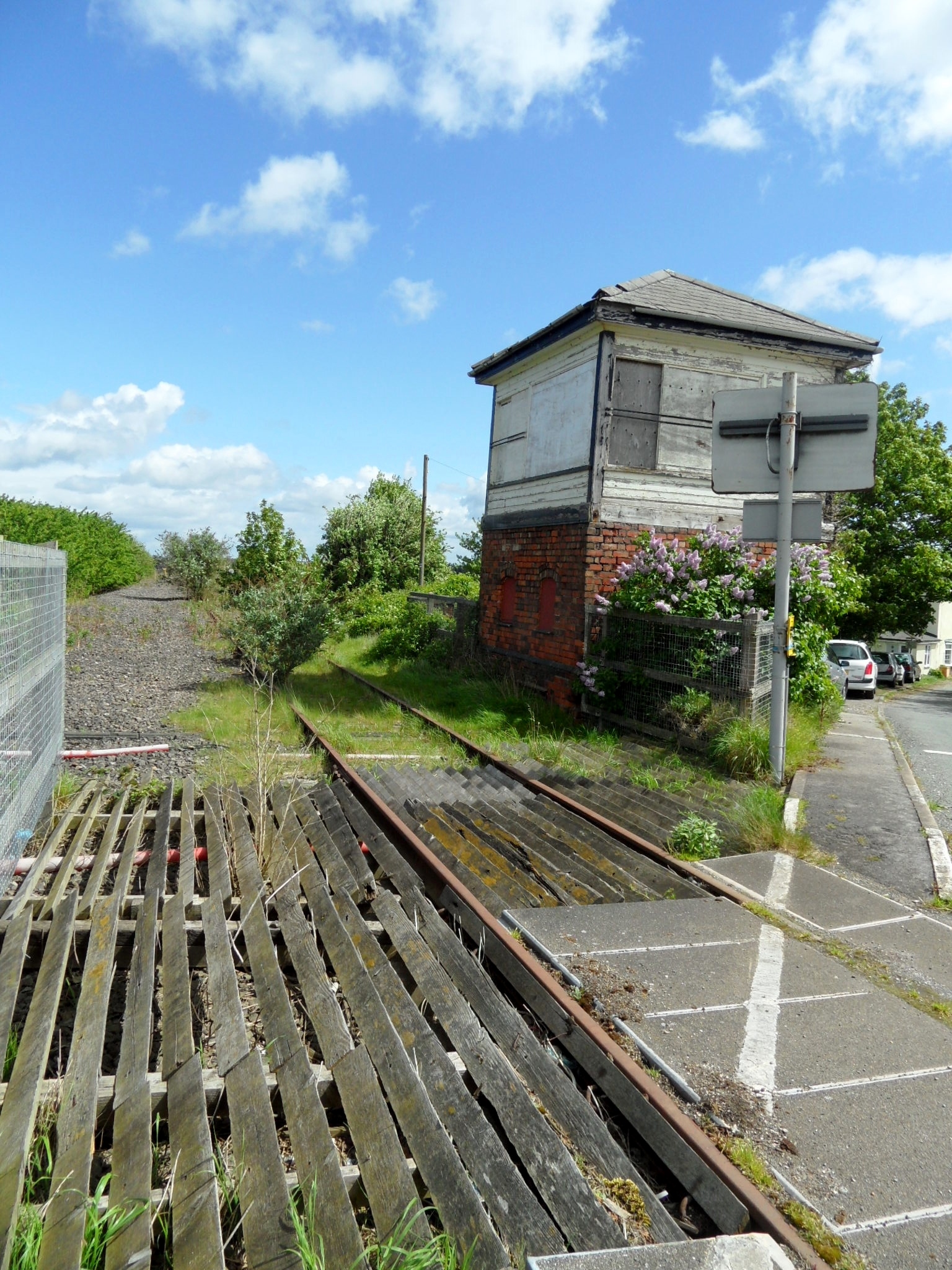
On the road back to Lichfield, down Claypit Lane I came across another relic of the railway. On the Fosseway Level Crossing is a signal box, built in 1875. Once again, I shall point you in the direction of the South Staffs rail site who have more information on this small but wonderful part of our history, and some photographs of the interior here. Also, there is a fantastic article on the South Staffs blog from a few years back, which I remember reading via Brownhills Bob’s blog, on Emily, who worked and lived at this crossing from 1946. You really should read it  – it’s brilliant and it’s here.

Fosseway signal box

SAM_0981

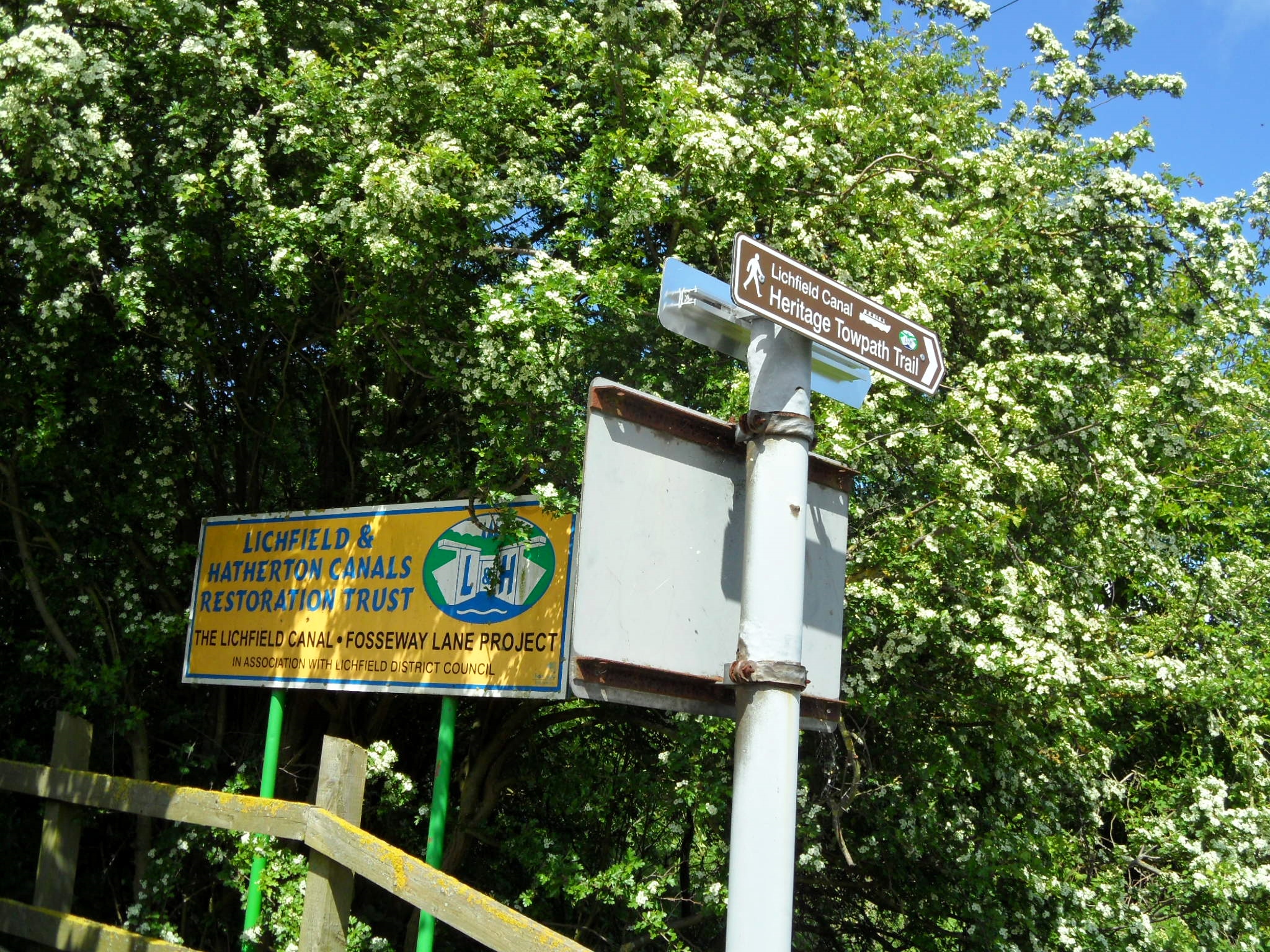
I was just about to leave the crossing and carry on back to Lichfield down Claypit Lane when I saw this.

SAM_0976

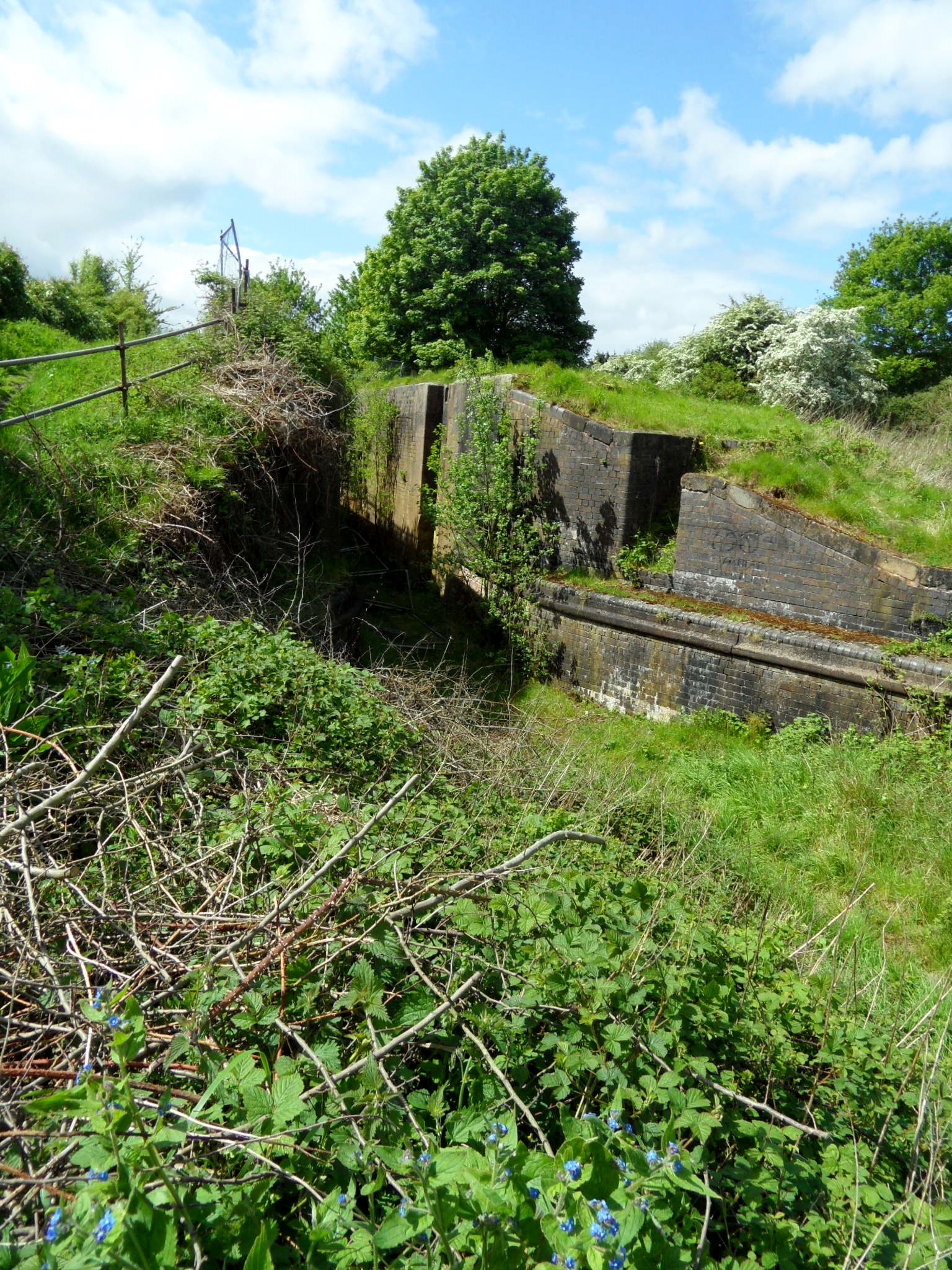
I’d heard about the trail via a talk that L&HCRT very kindly did for our Lichfield Discovered group, but hadn’t ever got around to finding it and now here it was! Once over the stile, the path takes you past what is left of this stretch of the Lichfield Canal.

SAM_0988

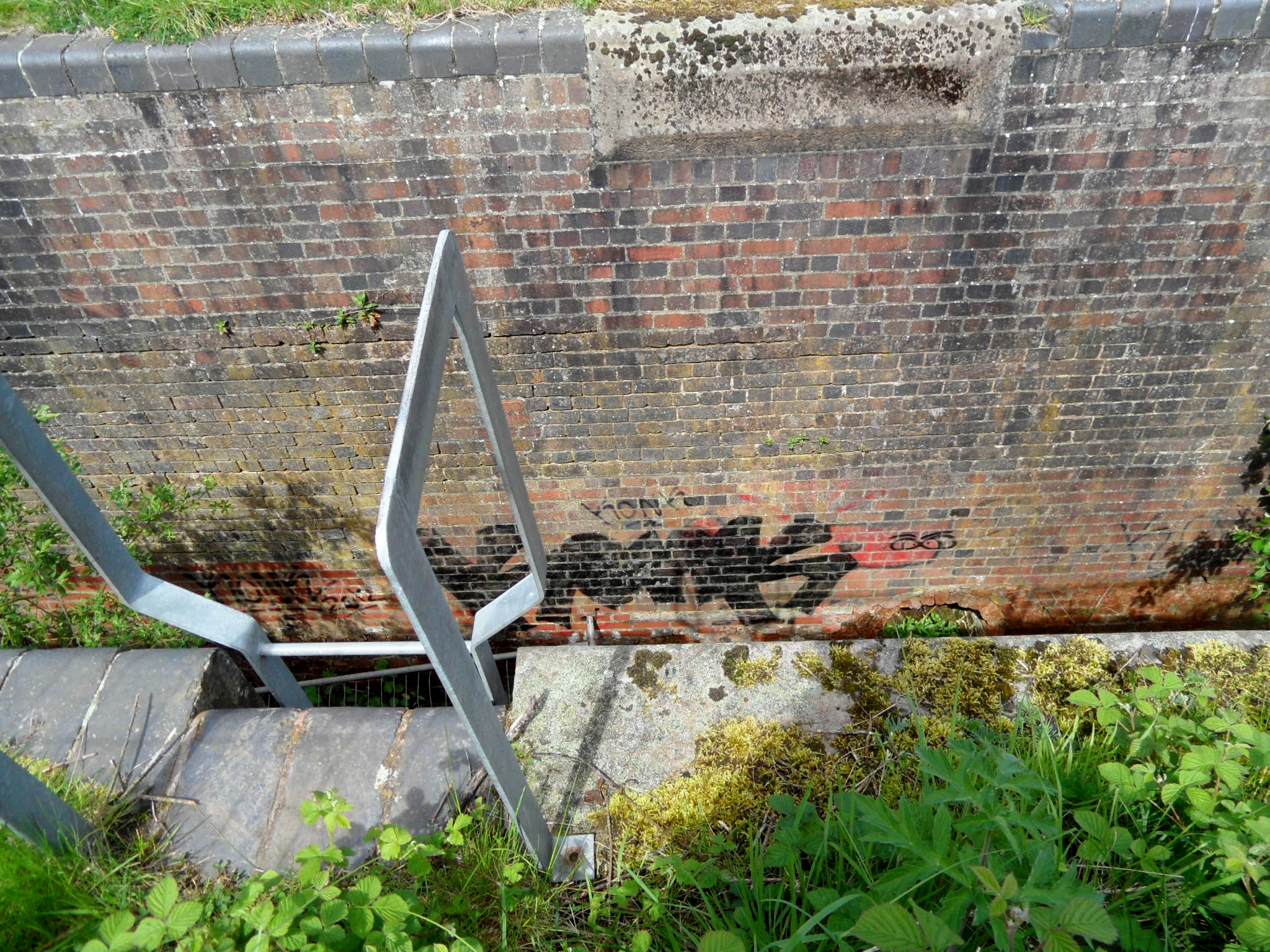
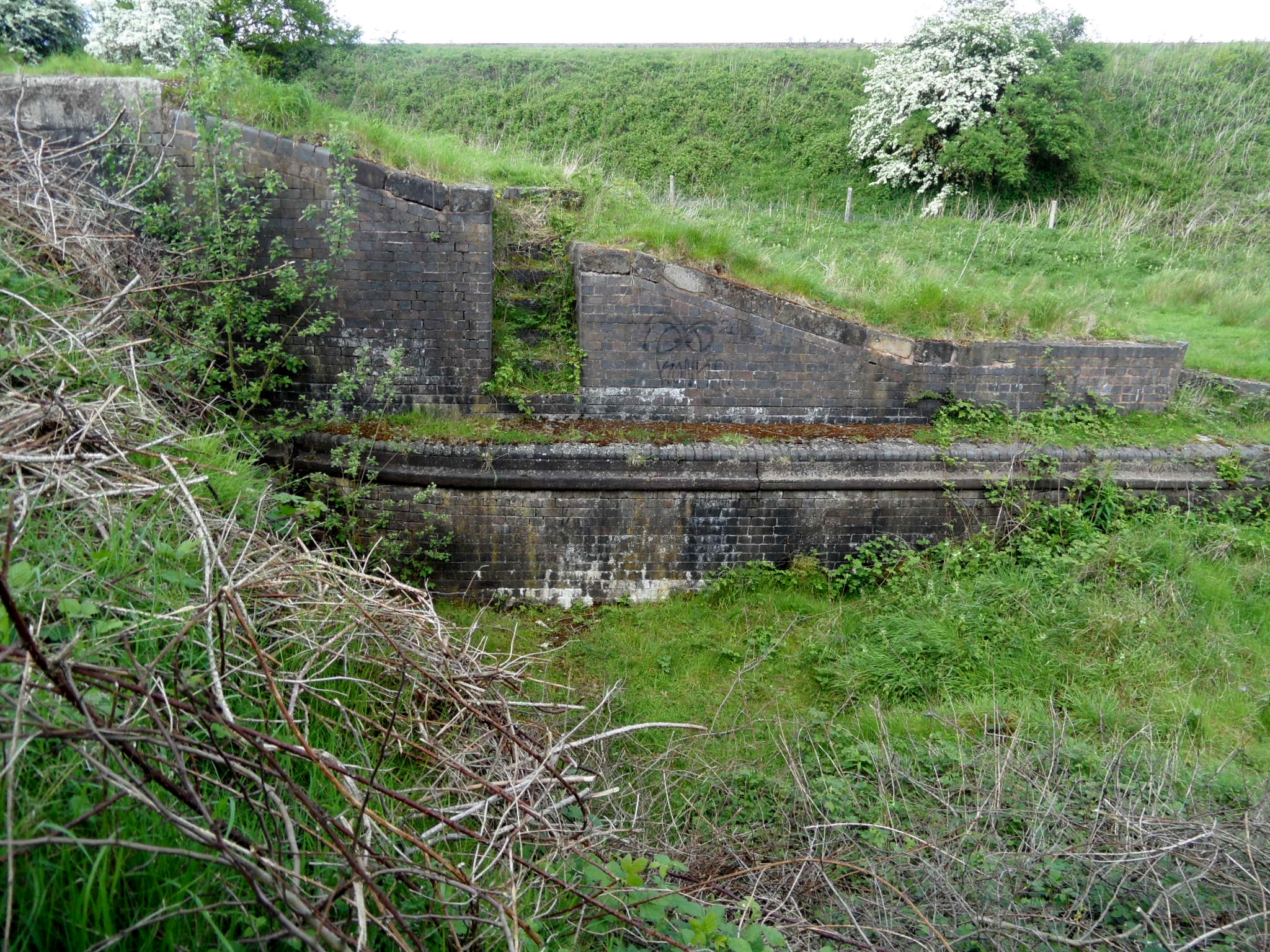
SAM_0990 SAM_0991

As with the railway line, much of it has been reclaimed by Nature who has decided that if us humans aren’t going to use it, then she’ll have it back thank you very much. I don’t know much about wildlife and ecology, but even I can see that this corridor is an amazing habitat for all sorts of flora and fauna. What does remain of the canal itself is fascinating, and being able to see it like this, in all its emptiness, really made me realise what an epic task building these structures would have been. And how deep it was.

I finished the walk near to Waitrose, once again amazed and delighted at just how much history and beauty there is so close to home. I’m certainly going to do it again and I recommend that you do too – it’s an easy five miles walk and even I didn’t get lost!

Sources:

file:///C:/Users/Kate/Downloads/50e_App4-Archaeological_Desktop_Survey_By_On_Site_Archaeology_Lt%20(7).pdf

http://www.pastscape.org.uk/hob.aspx?hob_id=304434

A Study in Orange

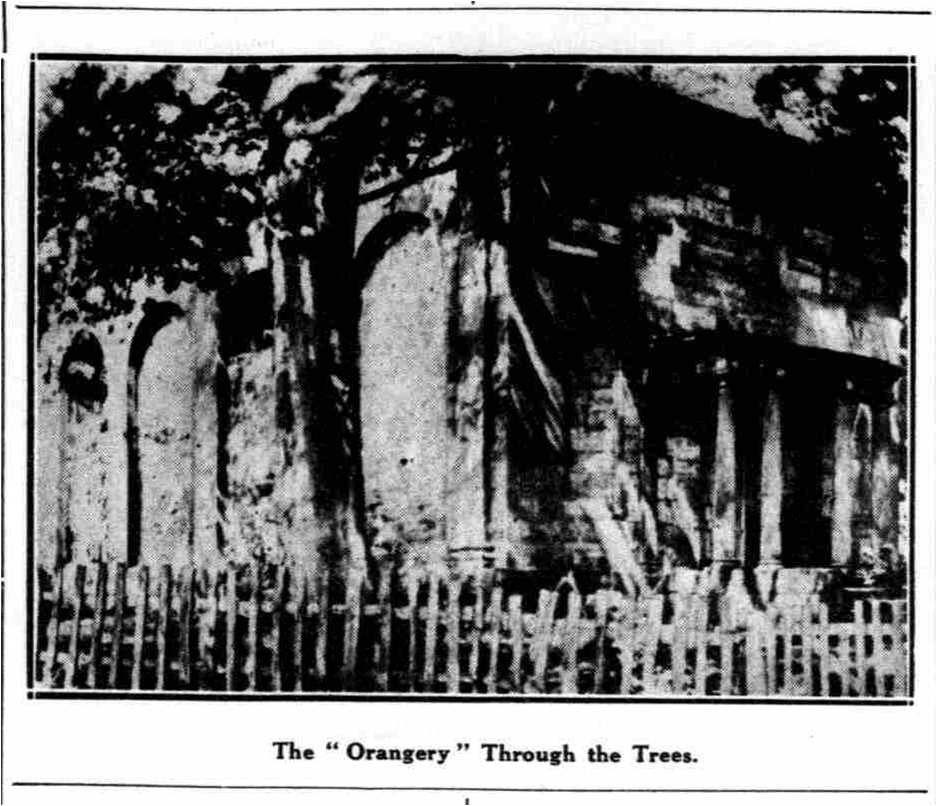
The fascination for all things Fisherwick Hall continues. Recently, I discovered that the Marquess of Donegal’s Orangery once sported a rather fine portico supported by four carved pillars. Although the Orangery itself is still miraculously standing in the grounds of what is now Woodhouse Farm, despite being struck by lightning and used as a cow shed for decades, the portico has disappeared. We know it was still there in July 1935, when the Lichfield Mercury ran their, ‘The Beauty that is England’ feature on local country houses past and present, and included both a description and a photograph of it. However, it was gone by January 1947 when an article by ‘A Contributor’ suggested that the portico had been made use of at Moor Hall and Shenstone Court before eventually being purchased by the Lichfield Corporation in the 1930s to mark the entrance to the public gardens on the site of the old Friary opposite what is now the Library and (not for much longer sadly) the Record Office. However, although the portico at the Friary is thought to have come from Shenstone Court I think its highly unlikely that it started out at Fisherwick.

Much more convincing is the detective work carried out by Patti Wills.  Patti contacted me last week to say she knew of a farmhouse in Elford with a portico. Although locally it had been suggested that the structure originated at Elford Hall, Patti noticed the similarity between the portico at Upfields Farm and the old photograph of the Fisherwick Orangery portico. What’s more, the listed building description for Upfields says, “The porch is reputed to have come from Fisherwick Hall (demolished) by Capability Brown”. I think Patti is right but have a look below and see what you think.

Upfields Farm, Elford. Photograph used with kind permission of Patti Wills

The Orangery, Woodhouse Farm, part of Fisherwick Estate taken from the Lichfield Mercury

The Orangery, Woodhouse Farm, part of Fisherwick Estate taken from the Lichfield Mercury

I’m very grateful to Patti for this information and so pleased that another piece of the Fisherwick jigsaw puzzle has been found.  It’s not over yet though! It’s said that a staircase from Fisherwick was taken to a house on Beacon Street known as Ardmore, solid mahogany doors were made use of at 15, Bird Street and various bits and bobs can be found in Tamworth, including monogrammed wrought iron gates at Bole Hall On a slightly more macabre note, the location of the remains of the Marquess of Donegall and other members of his clan is also a mystery, after the family mausoleum was destroyed during work on St Michael’s church in the mid nineteenth century. The Fisherwick treasure hunt continues….

Sources:

Lichfield Mercury Archive

Parishes: Bolehall and Glascote’, A History of the County of Warwick: Volume 4: Hemlingford Hundred (1947), pp. 248-249.

Starry Eyed

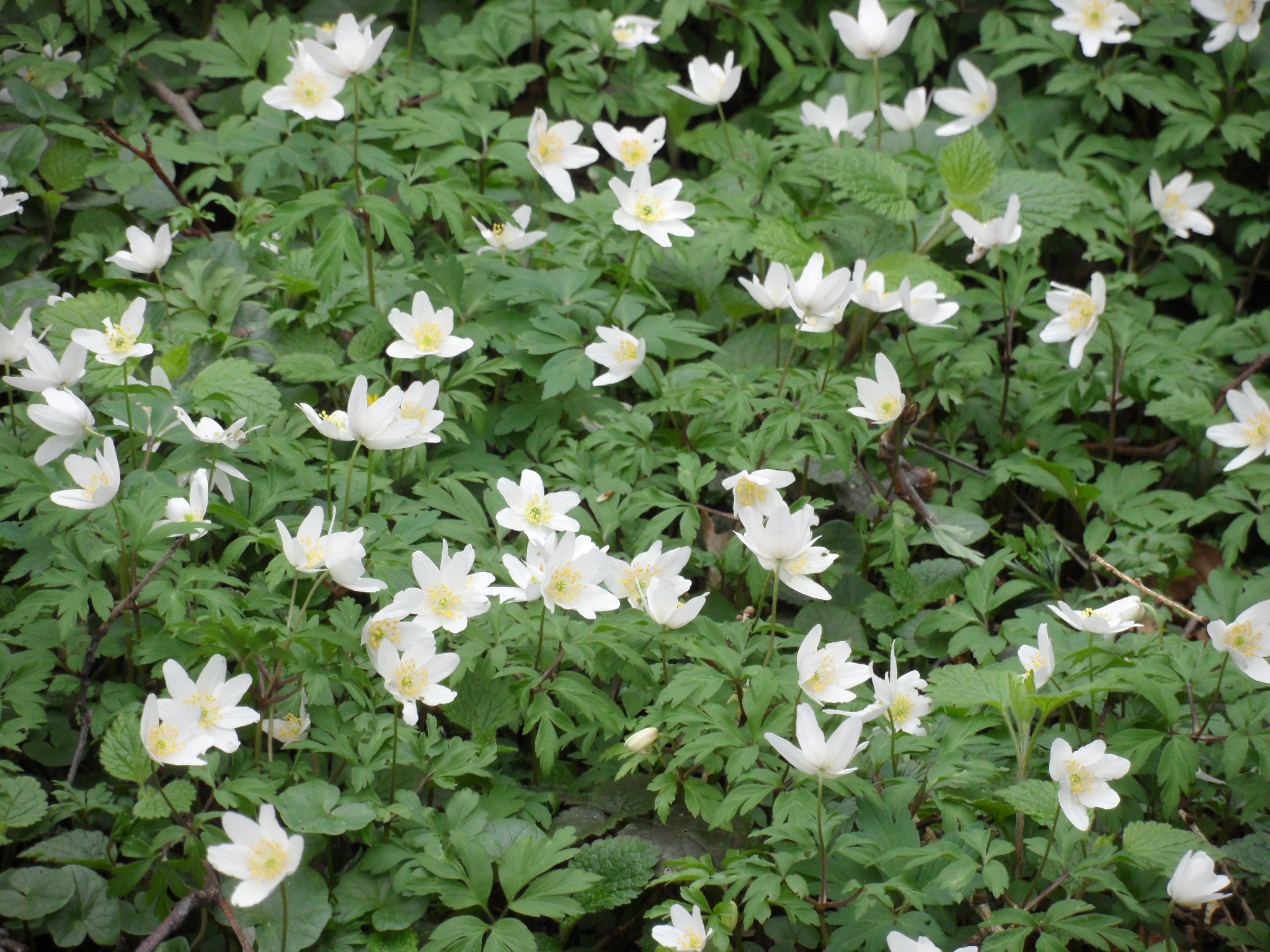
Walking through Leomansley Wood (or was it Sloppy Wood? I’m never sure where one stops and the other starts), I came across hundreds of wood anemones growing alongside Leomansley Brook. Up until now, I can only ever remember seeing two small patches of these pretty star like flowers – one near to the path that skirts the edge of the woods and the other near to the old mill culvert on Pipe Green.  As they are growing in one of the muddier areas of the woods (actually it was probably Sloppy Wood!), it may be that I’ve always missed them, having turned off to find a drier route. At the risk of sounding like one of the motivational sayings people share on Facebook, it just shows that sometimes it’s worth persevering with the trickier path!

Anemones in Leomansley

As well as their obvious beauty, the thing I love about wildflowers is their associated folklore and their alternative names. Nicholas Culpeper tells me that the anemome, “is called the windflower because they say the flowers never open unless the wind bloweth”. Wet weather has the opposite effect, and the flower also closes as night falls, giving rise to the story that fairies use anemones both as somewhere to shelter from the rain, and somewhere to sleep, tucked beneath the petals.

SAM_0206

For superstitious folk, I imagine that disturbing sleeping fairies was probably best avoided and may be why it’s generally considered unlucky to pick the plant, especially here in Staffordshire. According to Roy Vickery,  the wood anemone was known as ‘thunderbolt’ in the county, because, as as the name suggests, picking it would result in a storm. Mr Vickery also relays the experience of the Rev E Deacon, a member of the North Staffordshire Field Club in 1930.  One day, Deacon arrived at a farm where a wedding party was taking place. Apparently, the expression of the smiling person who opened the door changed to one of alarm when he or she realised that Mr Deacon had brought bad luck to the wedding in the form of a wood anemone in his lapel.

SAM_0202

Along with several other species, including bluebells which are just starting to appear, anemones are indicator species of ancient woodland i.e. one which has been around since 1600AD. The way I understand it, their presence in Leomansley Wood isn’t proof that it is an ancient woodland (or more accurately, a replanted ancient woodland, where the area has been continuously wooded but trees have been felled and replanted), but a suggestion that it might be. Ancient or not, it’s always a beautiful place for a walk but especially at this time of year.

SAM_0189

Edit: you know how in Finding Nemo, he can’t say anemone? Well ‘m having trouble spelling it – anemone, that’s right isn’t it?

Sources:

Roy Vickery, Oxford Dictionary of Plant Lore

Orange Peel

In the mid 1930s, the Lichfield Mercury ran a series of articles called ‘The Beauty that is England’, featuring local country houses – ‘what they are and have been’ – around Lichfield. Each article blends the author’s description of the house (if still standing) and grounds with a heady mix of folklore, hearsay, historic records and poor quality photographs. Taken with a pinch off salt, they make for fascinating reading. As well as describing the past, they are now the past, providing us with a snapshot of almost eighty years ago – a ‘Now and Then and Then’, if you like.

The Orangery at the old Fisherwick Estate. Just about.

The Orangery at the old Fisherwick Estate. Photo from the Lichfield Mercury July 19th, 1935.

I was delighted that number eight in the series was Fisherwick, the site of a once grand mansion built for the Marquess of Donegal in the 1760s, but torn down and sold off to pay family debts after barely half a century. It’s a place I know well and I recognise much of it from the description from the 1930s – the beauty of its woods, the old arched bridges, the River Tame meandering through rich and colourful meadows. Yet of course in eighty years there have been changes. The red brick of the now demolished Elford Hall can no longer be seen in the distance, Fisherwick Hall’s ice house, ‘a brick enclosed fissure, built into the side of the hill’, near Home Farm has since disappeared, as has the pub in nearby Whittington which took its name from Robert Peel who purchased some of the dismembered Fisherwick estate.

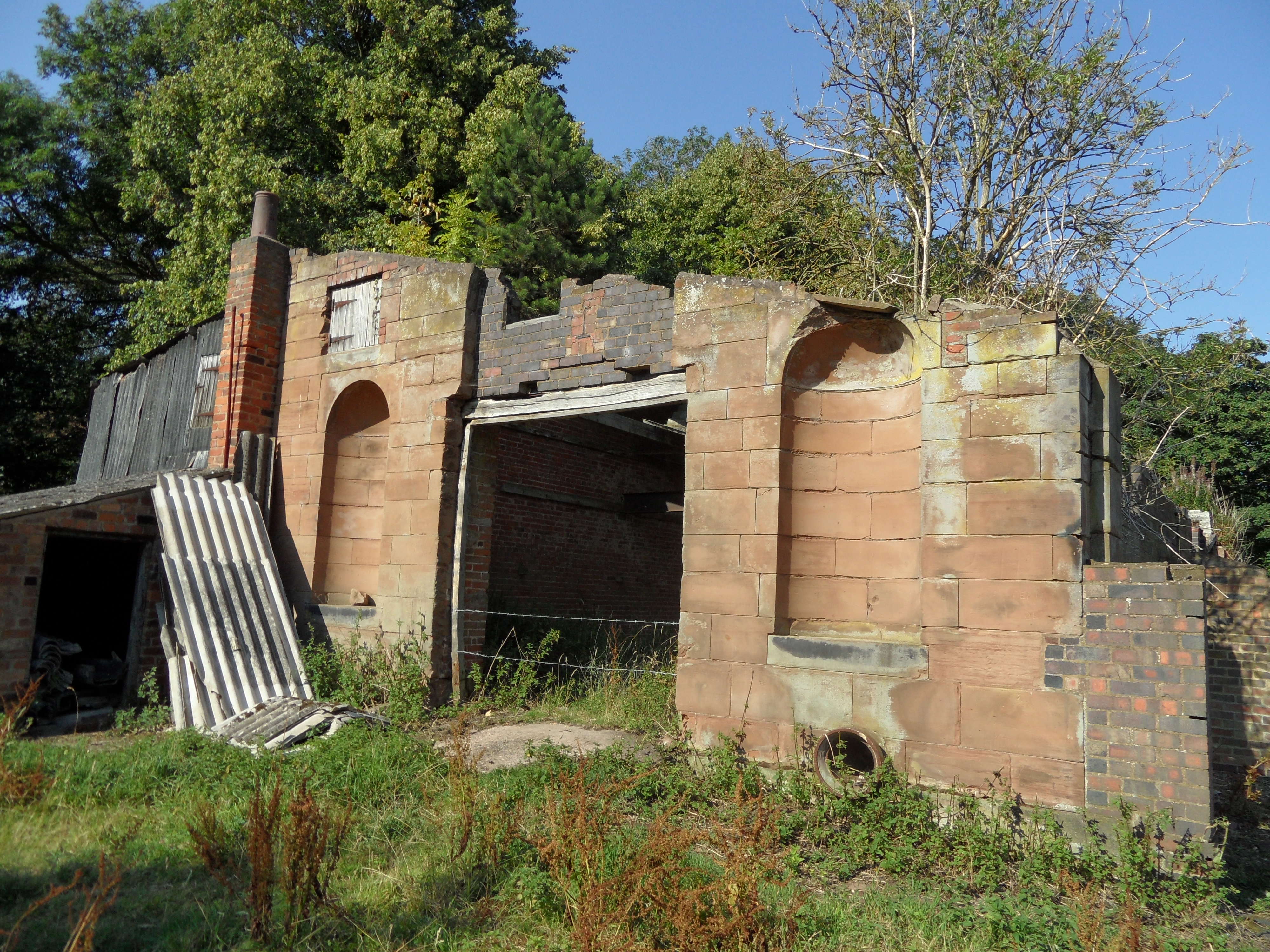
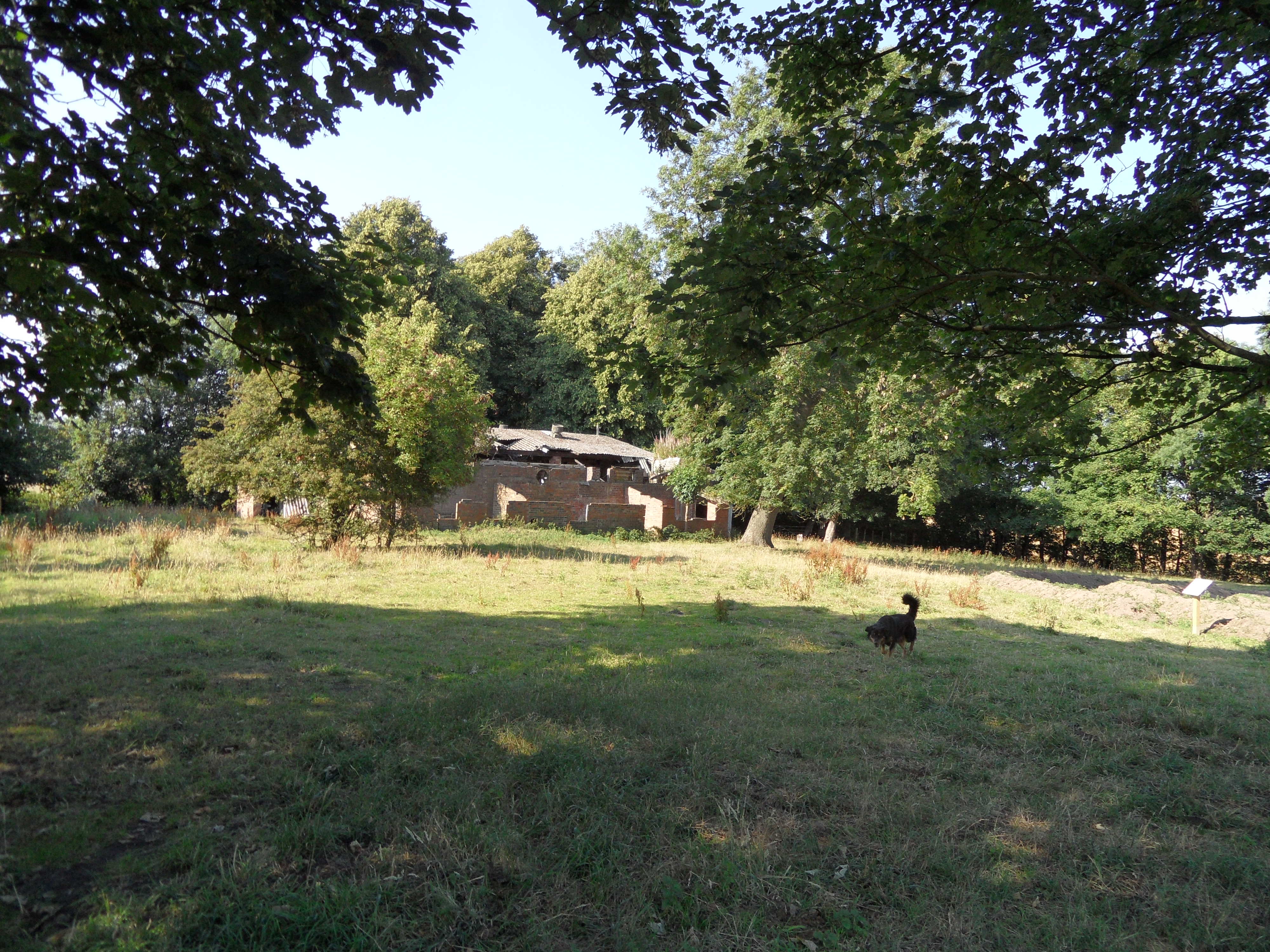
Still hanging on in there just is the Orangery, although its portico (just visible in the above image), supported by four pillars with carved ionic capitals and reached by four worn steps has vanished since the 1930s, as has the frieze around the walls, said to have been carved in white stone with goats’ or sheep skulls linked by flowers. It’s a miracle anything survives at all. Even eighty years ago the author described its ‘crumbling sandstone, rotting bricks and decaying beams’, noting how ‘the ravages of time and nature are playing havoc with the beauty it barely possesses’. Then, in the 1970s, Nature upped her game and the Orangery was struck by lightening and scheduled for demolition. Why this never took place, I don’t know but I’m pleased it didn’t. It gives us an idea of what the rest of the estate may have looked like, and has the added interest of carved graffiti – the author thought everyone in Lichfield had added their signatures, based on the number and variety of names scribbled all over it.

Orangery

SAM_5150

Fisherwick 016

The Lichfield Mercury article ends with a tantalising yet unsubstantiated snippet of a story, saying that, ‘in 1800, a fatal duel was fought at Fisherwick, where a suitable enclosure near the hall had been lent for the combat’. I don’t know who the two gentlemen were, or what their quarrel was over, but this is just one of the many tales which have weaved their way around this intriguing place.  If you’d like to hear more Fisherwick Stories and explore the Orangery and whatever else remains of the estate today, including the community farm which has grown up in and around the former walled garden, then you are more than welcome to join us on our Lichfield Discovered walk –  2pm on Saturday 5th April at Woodhouse Farm and Garden.


Lamb Carvery

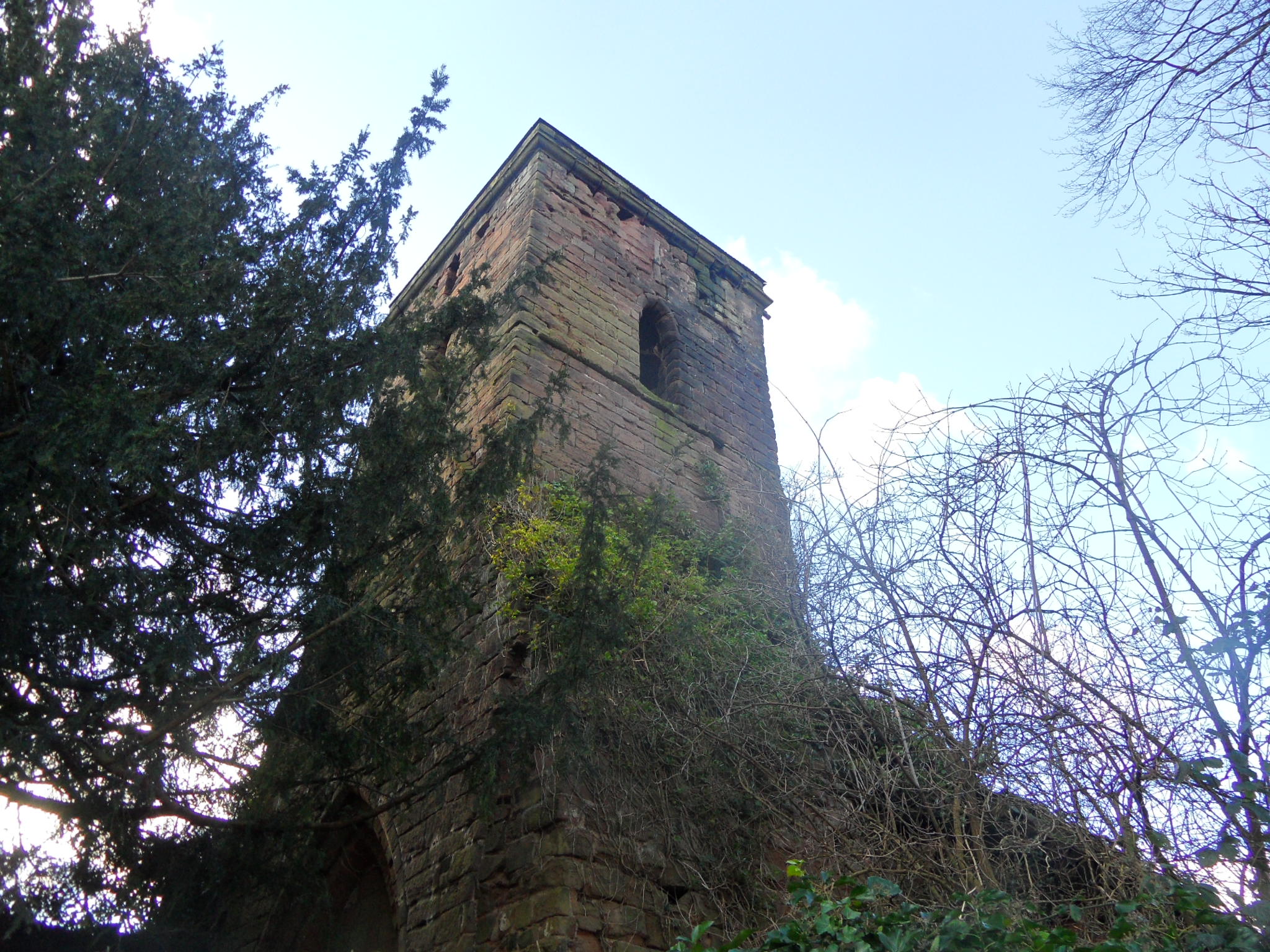
Just a very quick update on the old church tower at Shenstone. I haven’t had chance to get over there since writing the previous posts on the subject and so this morning, I was really grateful to receive a couple of photographs, taken just today, which show the carved stone on the tower really clearly.

In the churchyard at the top of the hill is an old tower...

In the churchyard, at the top of the hill, there is an old tower…

...and in the old tower is a door...

…and in the old tower, there is a door…

The carved stone at the ruined old church at Shenstone

…and next to the door is this carved stone. 

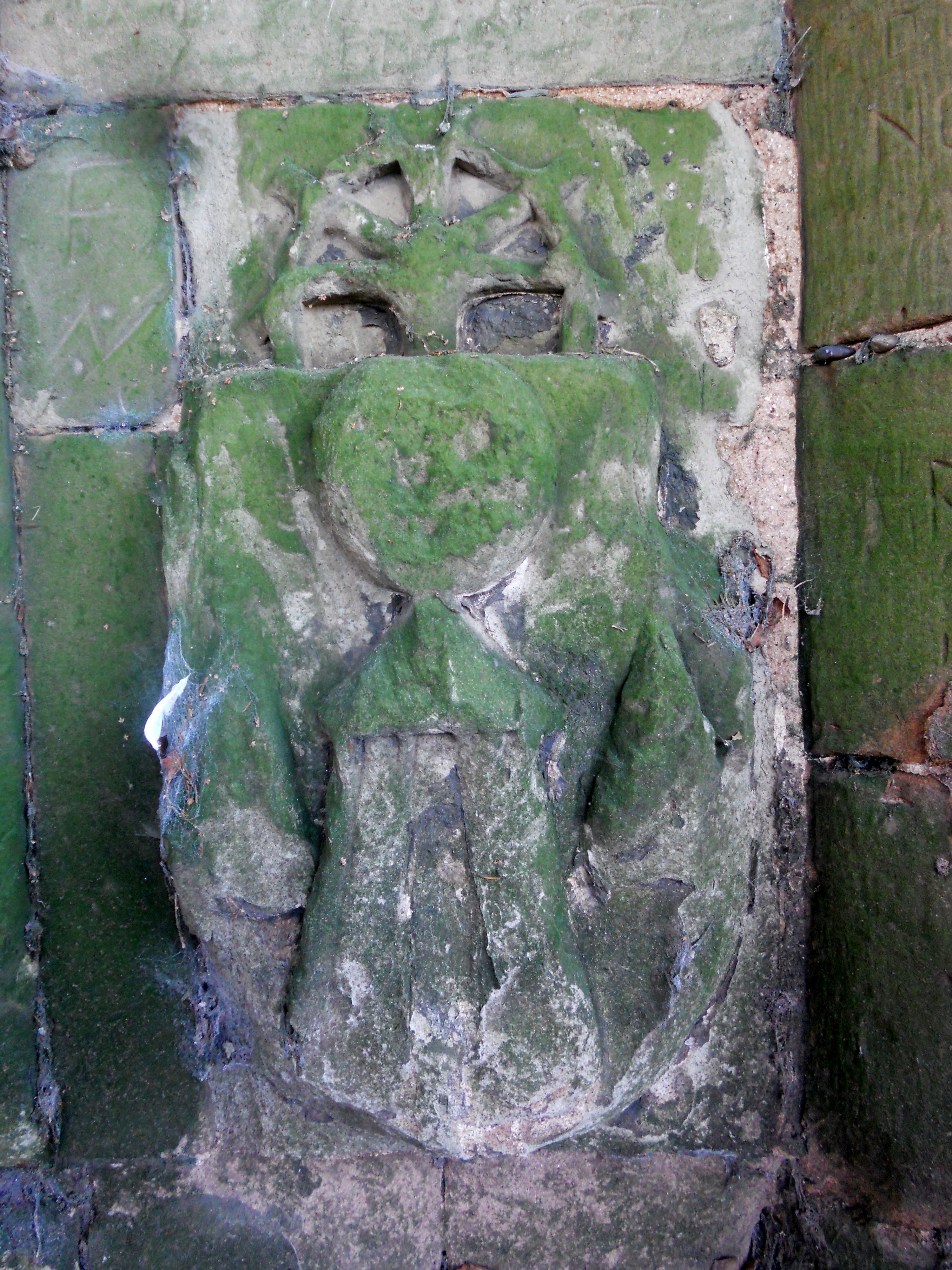
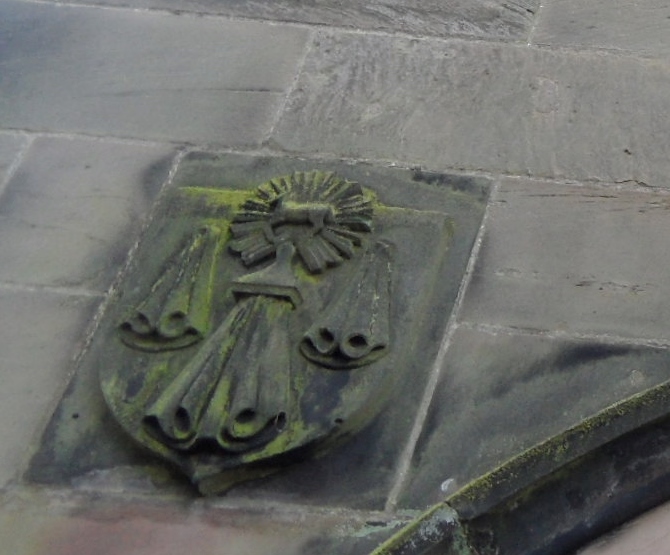
Although centuries of exposure to the elements has worn away much of the detail, including the lamb (which Mr Foulkes may have been referring to when he reported seeing a stone with a carving of a lamb near to the north door in the late 1890s), it can be identified as the arms of the Merchant Taylors, one of the twelve great Livery Companies of London. It shows a tent (which apparently the Taylors would once have made for jousting tournaments) with an ermine robe either side (another nod to their trade) beneath a lamb within a sun. The lamb represents John the Baptist, the saint whose name was given to both the old church and the more recent church here.  It looks like there is some graffiti carved into the old sandstone blocks of the tower too, which may also be of interest.

St Michael's Church at Lichfield's version of the arms

St Michael’s Church at Lichfield also has a version of the arms on the porch.

There was a story that after the old church was abandoned as it was deemed unsafe, ‘it was found to be so remarkably sound that blasting operations were required to demolish the masonry’. Eventually they succeeded and materials from the old church were sold in 1853/54 for £111 2s 8d.

I am not sure what the connection between the Worshipful Company of Merchant Taylors of the City of London, and parish churches at Shenstone and Lichfield could have been, but I’ll keep looking and if anyone has any ideas or suggestion in the meantime, please share them!

Sources:

Parliamentary Papers, House of Commons and Command, Volume 48

Nail Art

As objects are the theme of our Lichfield Discovered meeting on Monday, and I had an hour to myself this afternoon, I decided to head over the border to have a look for the nailers’ stones that I’d been told were in the churchyard at Christ Church, Burntwood. The only reference to them I’ve found is on the Christ Church website which says,

‘Visitors will firstly note the magnificent west doors, believed to be original. The huge nails which have been used are indicative of Burntwood having been a nail making area due to the plentiful supply of charcoal and iron ore. (Nail making was very much a cottage industry, and should the visitor wish to, enter the churchyard, will find there several nail stones of different sizes).’

I wasn’t exactly sure what I was looking for and had to rely on the, ‘I’ll know it when I see it’ method, which I’ve used many times before, with varying degrees of success. On this occasion it worked out just fine.

Nailer's Stone. Burntwood

Nailer's Stone. Burntwood 2

Group of nailers' stones

The above arrangement of stones reminds me of a stone circle of sorts

Group of nailers' stones, Burntwood 2

I wonder whether the nails in this door really were created locally?

I wonder whether the nails in this door really were made locally?

The first church in Burntwood. Apparently before it opened in 1820, the area was part of the St Michael's, Lichfield parish meaning a very long walk on a Sunday morning!

Before Christ Church opened in 1820, the area was part of the parish of St Michael’s, Lichfield, meaning a very long walk on a Sunday morning!

I couldn’t come all the way to Burntwood and not visit the world’s smallest park (is this official now?) with its trees known as Faith, Hope and Charity and so I had a five minute sit down and a bit of ‘We need a bigger park’ banter with a passerby, before heading to the Star Inn.

World's Smallest Park...or is it?

SAM_9977

According to the Burntwood Heritage Trail booklet, the Star Inn was where local nailers would take their products to be be weighed and paid for by ‘middle men’, who would also replenish their supplies of iron. The pub building itself is relatively modern but, according to the booklet, there has been a drinking establishment on this site since at least 1600 when a local blacksmith was licensed to keep an alehouse here, becoming known as the Star Inn by 1790.

The Star Inn. Burntwood

Unintentionally shining Star

Star Inn Plaque

One of the blue plaques on the Burntwood Heritage Trail, created by the fantastically named ‘Keepers of the Archive’.

Back home, I had a look for other examples of nailers’ stones and found that the Black Country History website has a photograph here of one very similar which they describe as a nail making anvil from St Peter’s Rd, Darby End.

I notice that there appear to be initials or names on the stones and it would be fantastic to know more about their provenance. The heritage booklet says that making nails was a way for a farming family to make extra money, and that the work was often carried out by the woman of the household.

I know these are Burntwood objects, rather than Lichfield ones but they tell the story of everyday folk trying to make a living for themselves and their families in an industry that’s now long gone, and that’s got to be worth sharing.

(For more on the nailmaking industry, please see the ‘Nailed it’ post on Brownhills Bob’s Brownhills Blog here)

Objects of My Affection Pt 1

Our next Lichfield Discovered meeting is fast approaching (7pm on 10th March at Lichfield Heritage Centre) and this time round we’re having a bit of a show and tell. We’ll be having a go at telling one hundred years of Lichfield History in twelve objects and we want people to get involved by bringing along their Lichfield related objects to show us all.

There are loads of objects that I’d love to be able to bring along with me, but can’t, either because they’re lost, immovable or I’d be arrested. So instead, over the next week or so, I’ll share some of them here instead.

First up, the earthenware jars found in the south wall of Farewell Church during its partial demolition.

Farewell Church

St Bartholomew’s in Farewell was once the site of a Benedictine Nunnery. The place name refers to the ‘pure or clear’ spring which still flows here. The original church incorporated material from the nunnery, but much of it was demolished and rebuilt in brick in the 1740s.

Trust me, there is a spring beneath here.

Trust me, there is a spring beneath here.

In my opinion, it takes something pretty special to top an ancient spring, but here at Farewell, the most interesting thing for me is the discovery of three rows of different sized earthenware vessels in the south wall of the church at the time of the renovations. The jars were lying on their sides, their openings facing inside the church, covered with a thin coat of plaster. Sadly most were broken during the work but one of the jars found its way to Mr Greene’s Museum of Curiosities on Market St, Lichfield. Its whereabouts is now unknown but luckily, someone did make a woodcut engraving of it, as seen here on Staffordshire Past Track. The purpose of the jars remains a bit of a mystery. The accepted explanation is that they were ‘acoustic jars’, used, as the name suggests, to improve the acoustics in the church, based on a theory from a Roman architect called Vitruvius. However, others have suggested that they may be related to the idea of votive offerings (interesting article here).

It’s a good example of how important is it to not to separate objects from their stories . Without knowing the context in which it was found, the jar becomes just another piece of pottery and without being able to examine the jar itself, the real reason why (and when) it was placed in a church wall in Farewell centuries ago may never be known.

When Spring finally does arrive, do try and visit Farewell via Cross in Hand Lane, the old pilgrims route & former road to Stafford. It’s a lovely walk to a lovely place with the banks of the ancient holloways covered in flowers and the Ashmore Brook running alongside if you fancy a paddle.

farewell