Angel Delight

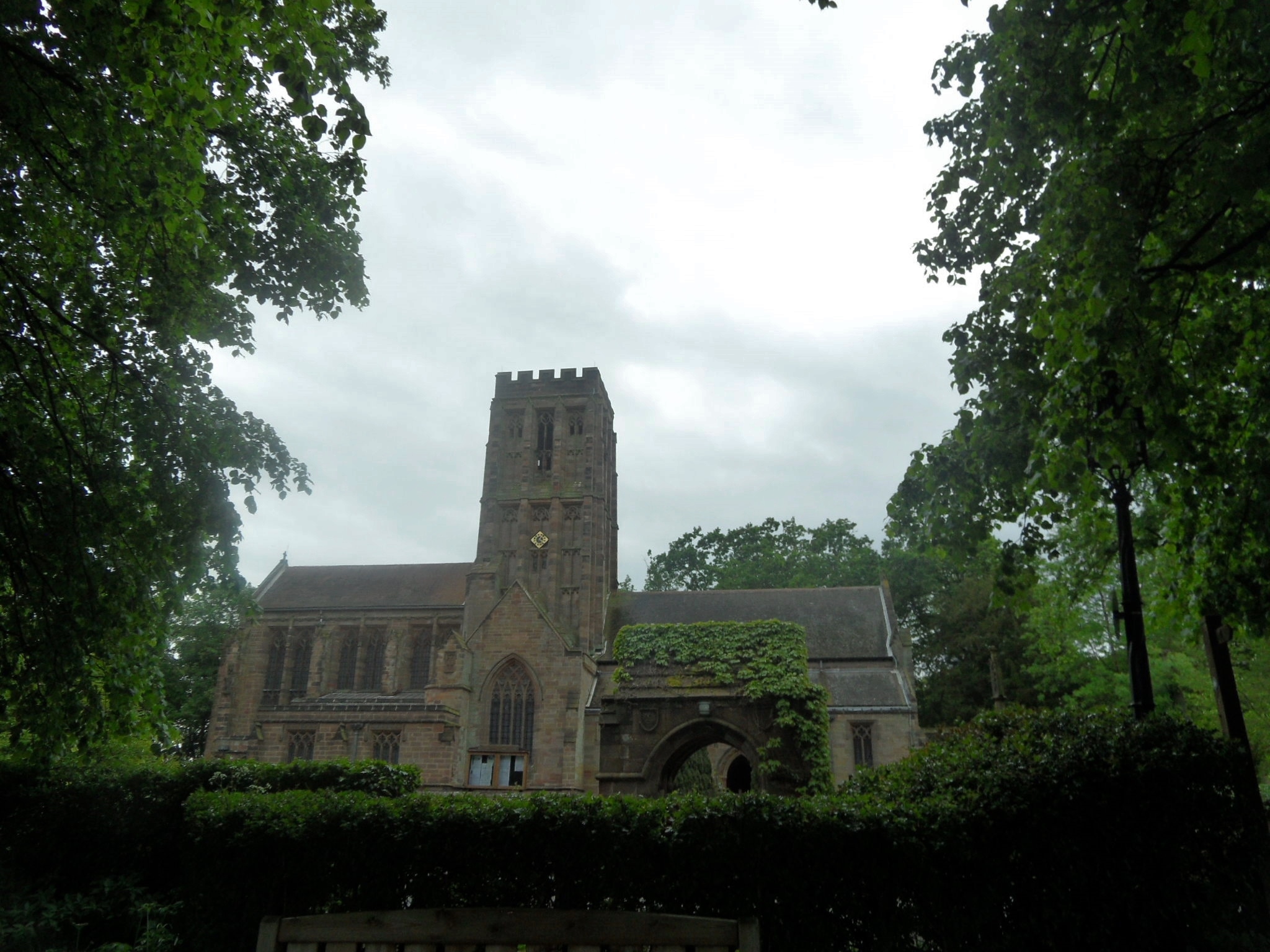
Inspired by Brownhills Bob’s love of the place and the inclusion of Holy Angels in Simon Jenkins’ list of England’s Thousand Best Churches, I finally visited Hoar Cross last weekend.
SAM_1271

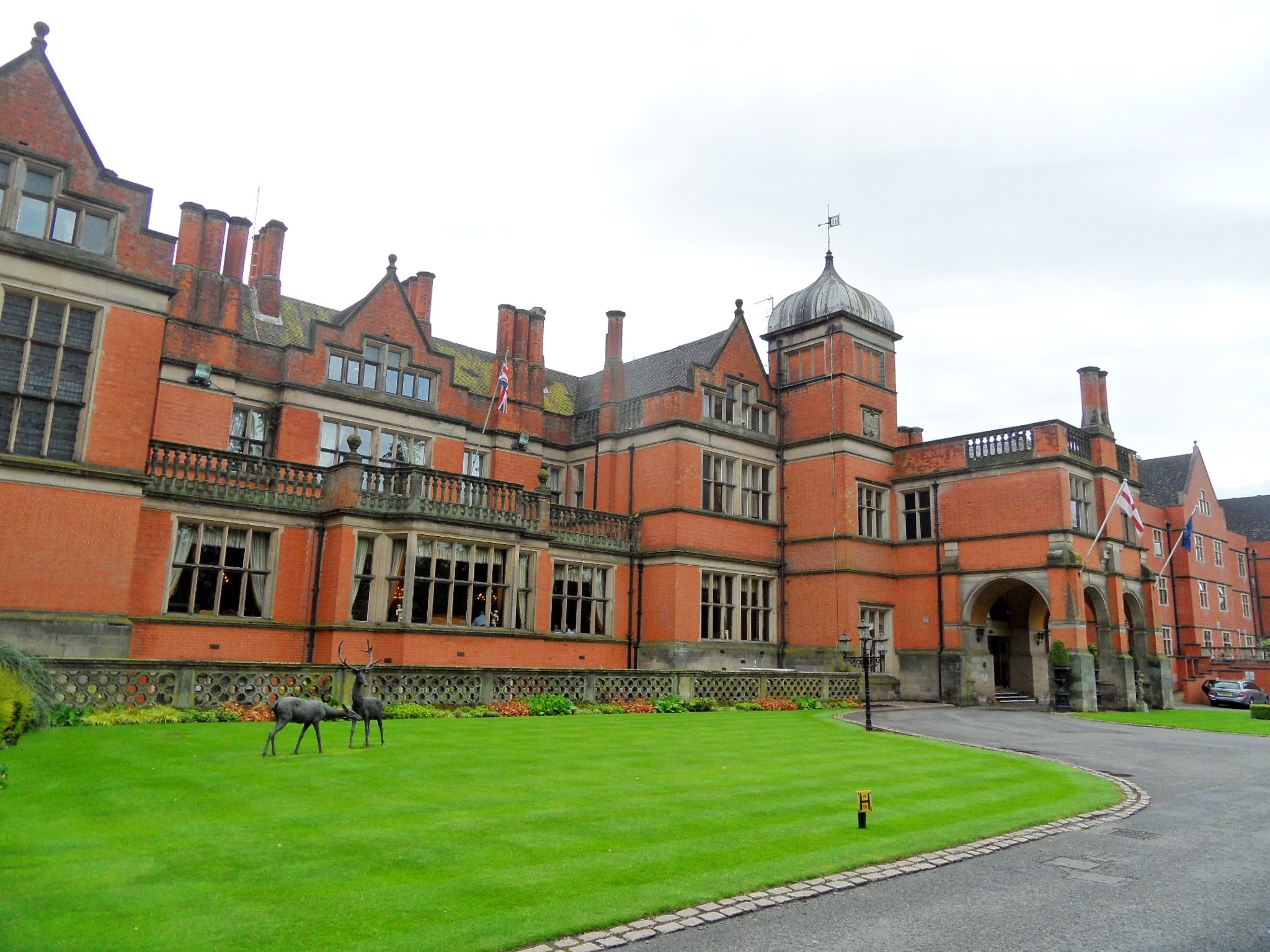
As Nikolaus Pevsner says in his book on Staffordshire buildings,‘The story of Hoar Cross is well known enough’, but it bears repeating here. Work on the red brick, Jacobean style hall, now used as a spa resort, began in 1862, shortly before Hugo Meynell Ingram married Emily Charlotte Wood. The hall was completed in 1871, but in that same year Hugo was killed in a hunting accident. The widowed Emily employed George Frederick Bodley and his partner Thomas Garner to build a church in his memory, in the grounds of the home they had shared. Emily died in 1904, her remains interred near to those of her husband, whose body had been brought here from the parish church at Yoxall, after the dedication of Holy Angels in 1876. It’s said that Emily was never completely satisfied with her creation, but from what I’ve read it’s considered a masterpiece by all those who know their stuff architecturally. For what it’s worth, I think it’s beautiful too.
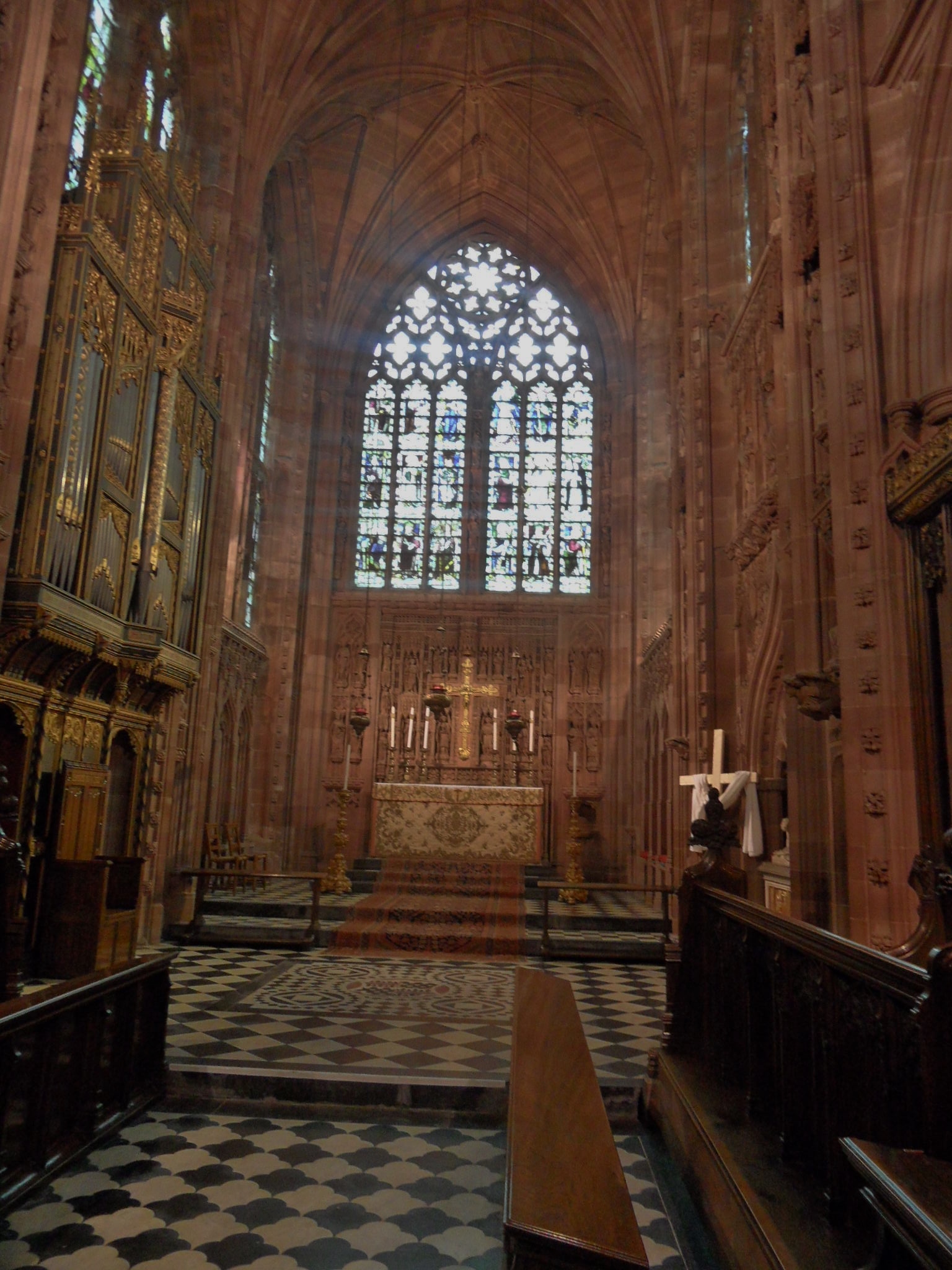
SAM_1245

If anyone wants to give me a lesson in how to take photos of windows & getting the light right I will be eternally grateful.
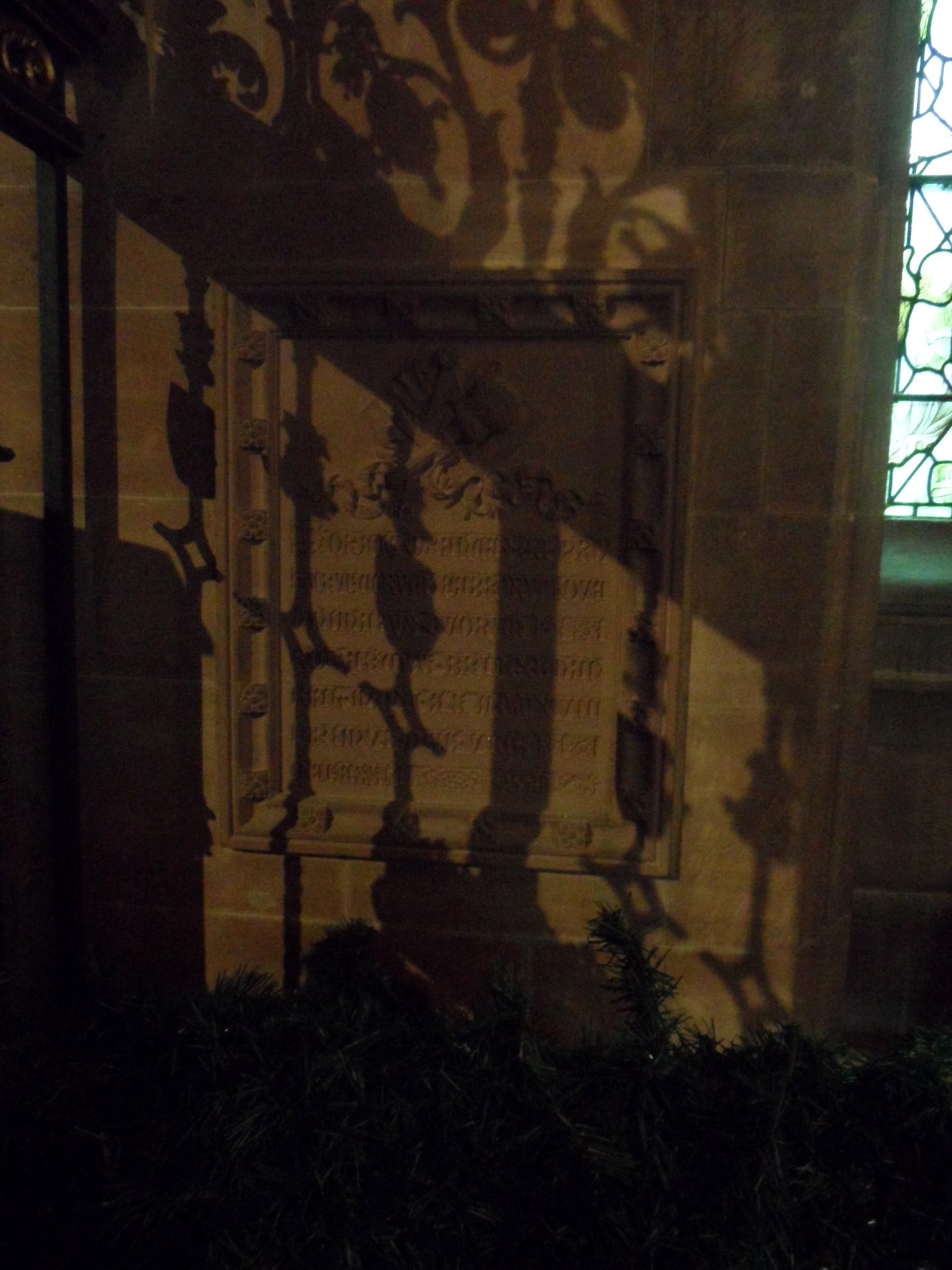
The contribution of Lichfield sculptor and stone mason Robert Bridgemans is acknowledge on thois tablet, decorated with a mallet, chisel and other tools.

You wouldn’t be able to tell, because the photo is so bad, but this tablet acknowledges the contribution of Lichfield sculptor and stone mason Robert Bridgeman and is decorated with a mallet, chisel and other tools.

However, as well as this story of love, loss and incredible architecture, I’m also interested in the earlier chapters in Hoar Cross’s history.  According to Horovitz’s Staffordshire place name study, the name of the village was first recorded in 1230 as ‘Horcros’ and is thought to refer to a grey cross or boundary cross. Whether this was a marker for the point where the four wards of Needwood Forest once met, or whether it indicated the extent of land owned by Burton Abbey in these parts, or whether something else entirely is a matter for ongoing speculation. Whatever its purpose, the cross that gave the place its name is long gone and now it is only the name that remains.
SAM_1172

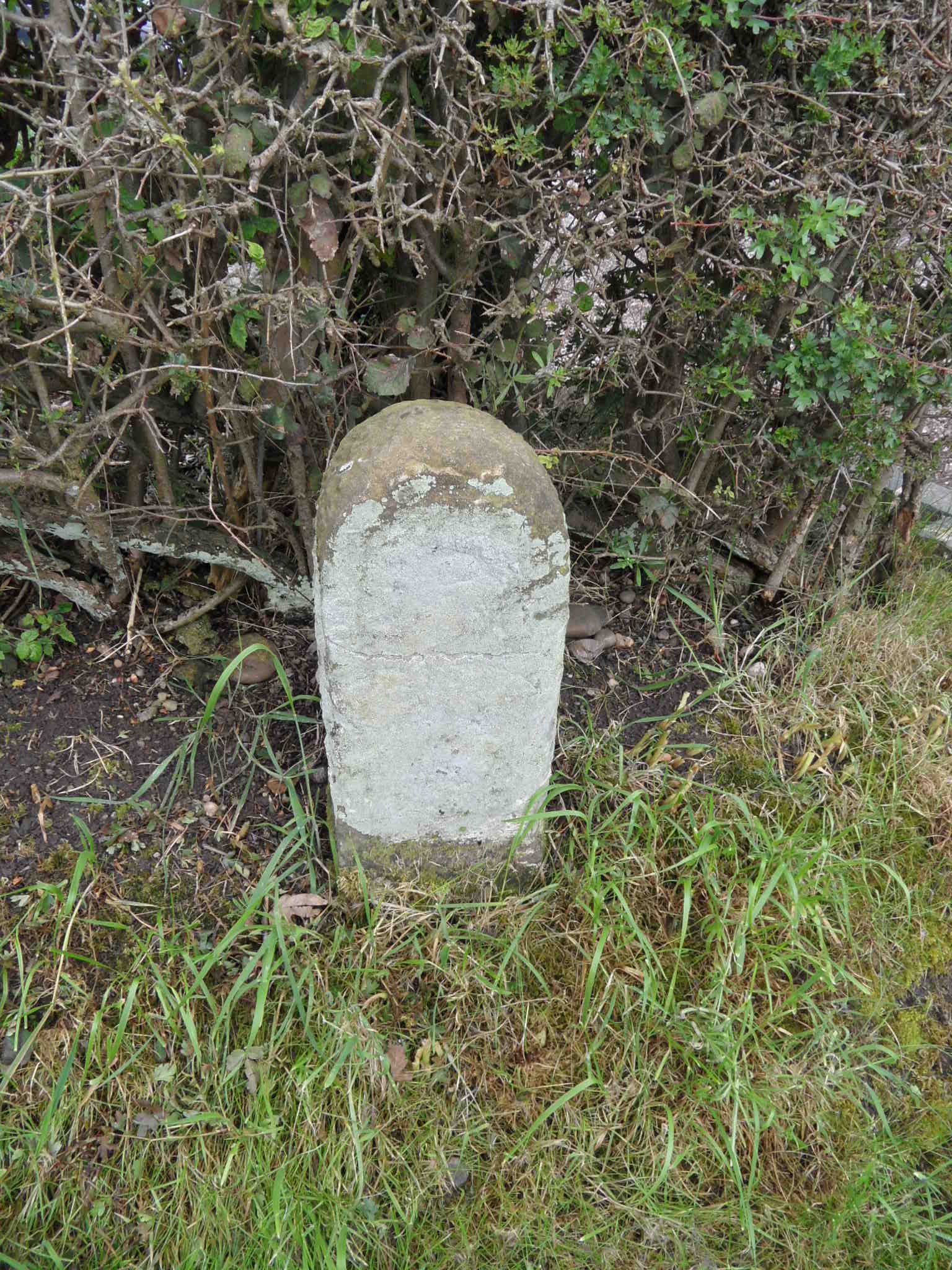
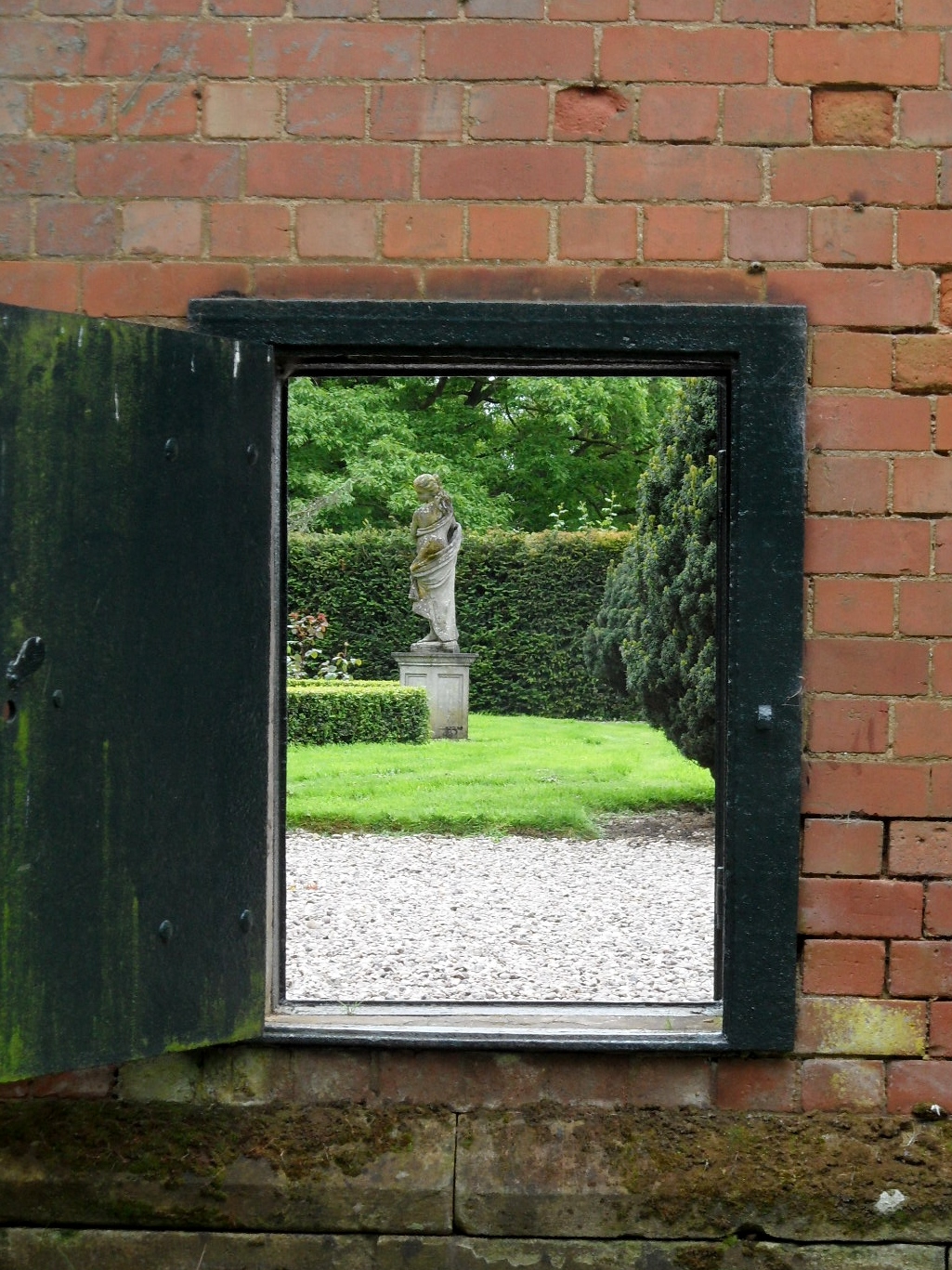
There is another boundary marker on one of the grass verges in the village. It appears on a 1923 Ordnance Survey map as a ‘boundary stone’ and seems to mark a parish boundary – Hoar Cross sits between Yoxall and Newborough.
SAM_1191

I’d also like to know more about the original Hoar Cross Hall – the medieval moated house, known as the ‘Manor of the Cross’. According to Stebbing Shaw’s History of Staffordshire, the hall was destroyed in the 1700s and a farmhouse built on the site. According to the English Heritage Pastscape record, there is little in the form of maps or archaeology to back up this anecedotal evidence but the fact that there is an 18thc farmhouse known as Hoar Cross Old Hall suggests that Shaw was probably correct.
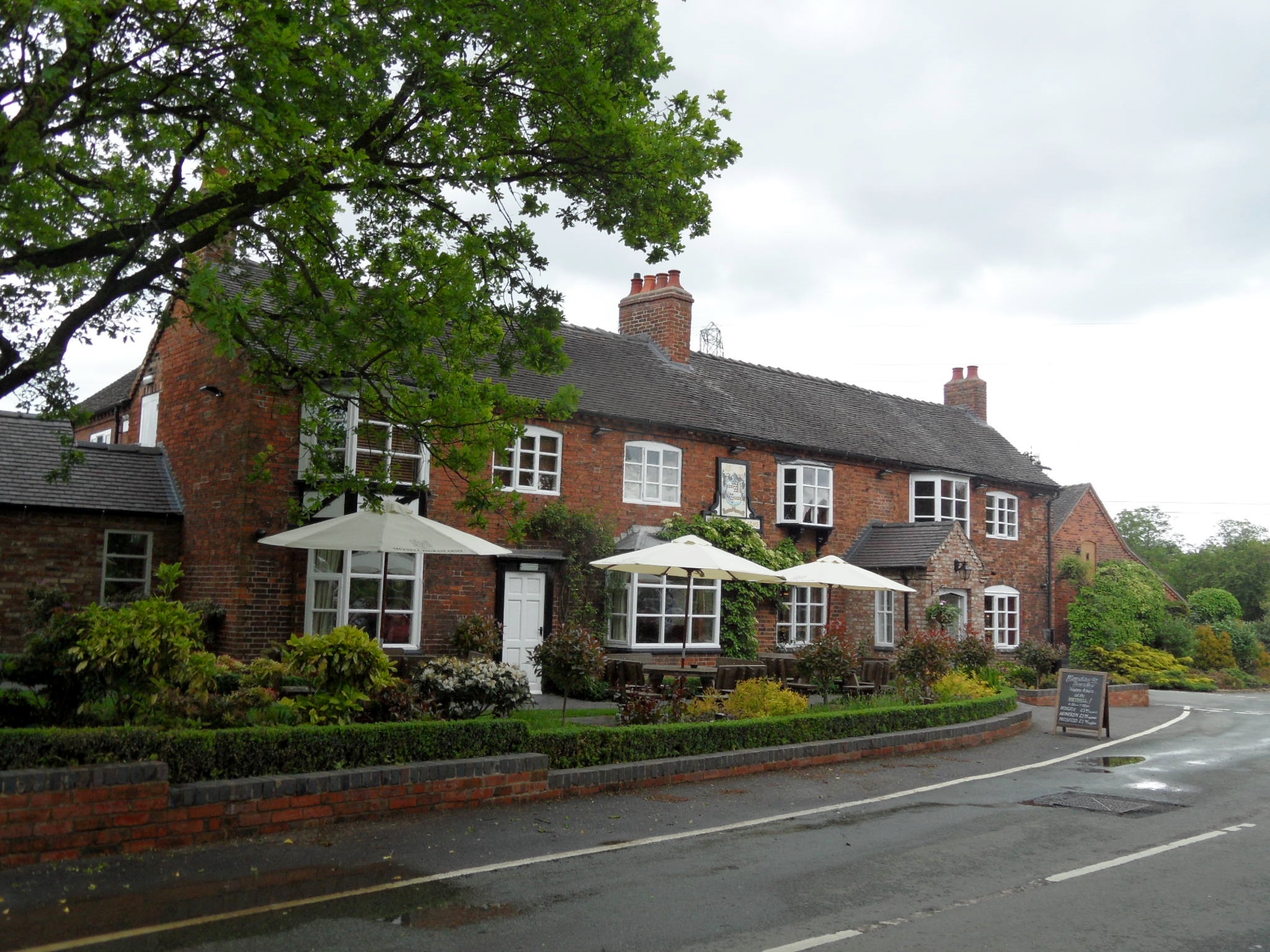
Meynell Ingram Arms

Despite not setting foot in the spa (not really my cup of herbal tea), my trip to Hoar Cross left my mind and spirit feeling indulged. Before leaving, I stopped off to indulge my body too, with a drink at the Meynell Ingrams Arms. Dating back to the seventeenth century, this former farm house became a coaching inn known as the Shoulder of Mutton. The name was changed in the 1860s, around the time of Emily and Hugo’s wedding, and the rebuilding of the Hall. Sadly, there was no sign of Basil, the horse who attracted media attention several years ago for actually walking into the bar and enjoying a pint of pedigree, but after a couple of hours at Hoar Cross, I had anything but a long face as I headed back to Lichfield.
SAM_1188

Sources:

Click to access Hoar%20Cross.pdf

Midlandspubs.co.uk
‘A Survey and Analysis of the Place-Names of Staffordshire’ by David Horovitz, LL. B https://lichfieldlore.co.uk/wp-content/uploads/2014/05/397633_vol2.pdf
Lichfield Mercury Archive
http://www.patrickcomerford.com/2014/04/art-for-lent-36-two-portraits-of-emily.html
Staffordshire (A Shell Guide) by Henry Thorold
The Buildings of England – Staffordshire by Nikolaus Pevsner
Something Old, Something Neo

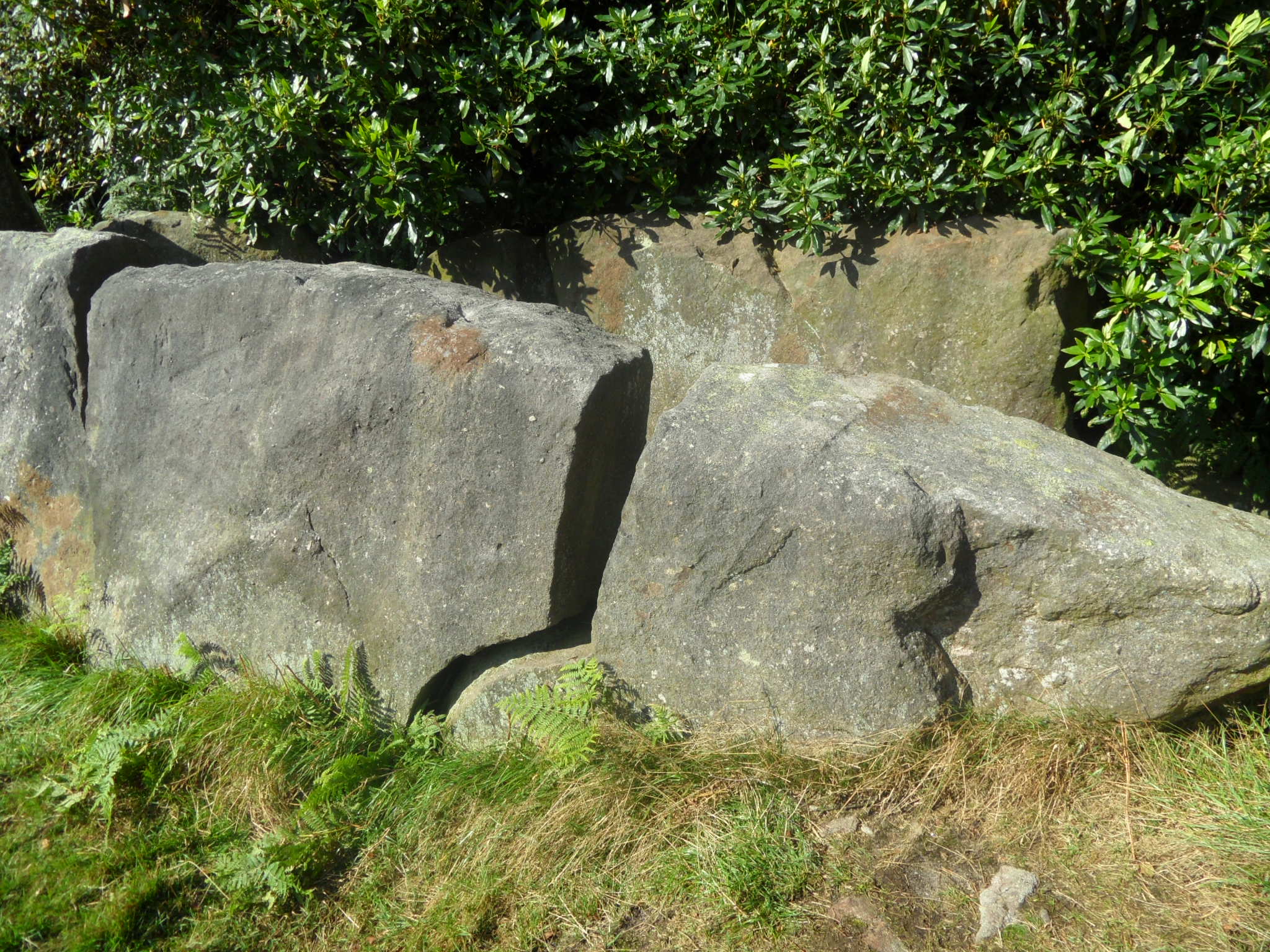
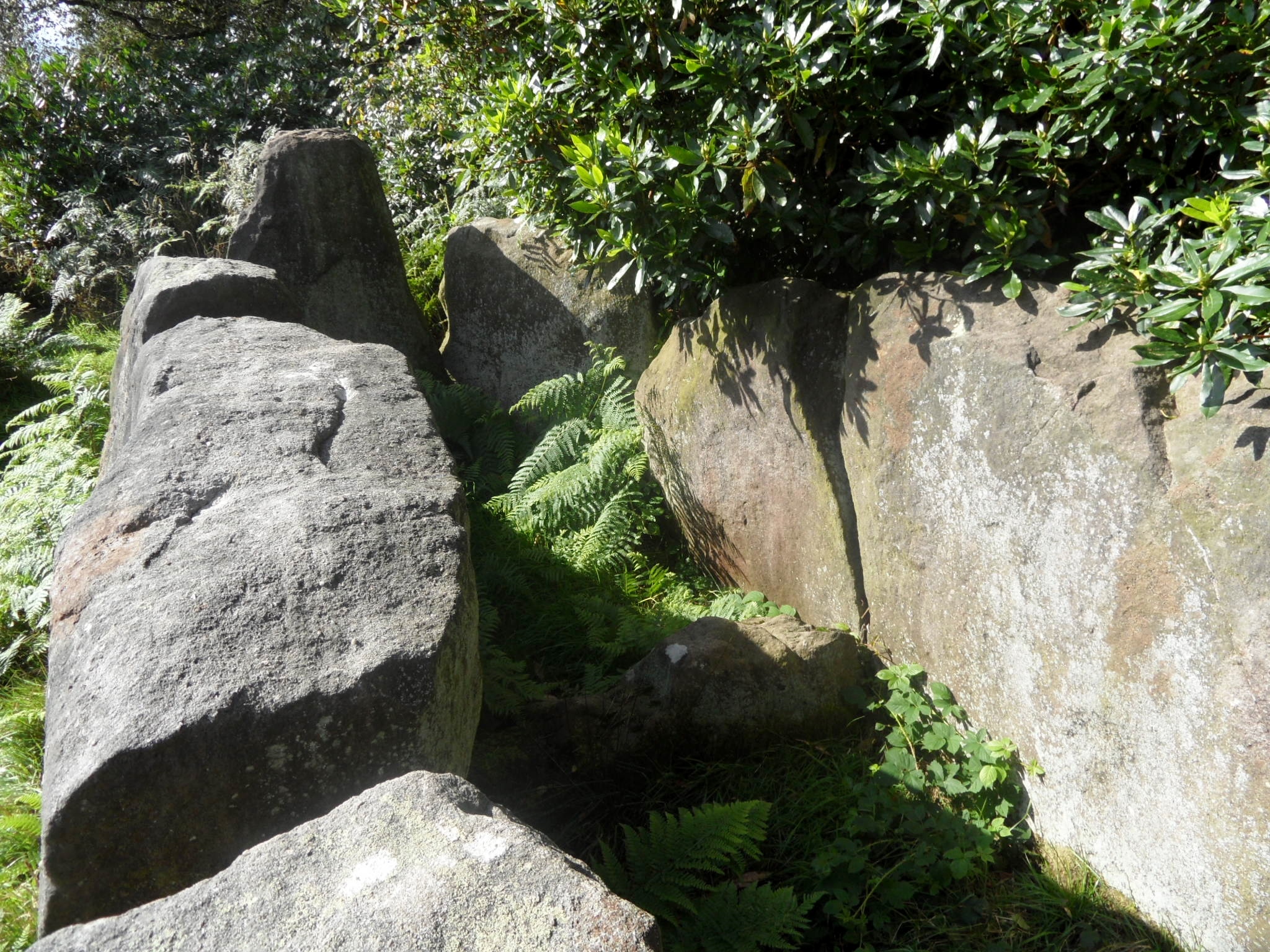
At the end of the summer I went with friends to visit the Bridestones. Admittedly, this Neolithic burial chamber is a fair few miles from Lichfield and technically is not even in Staffordshire but definitely worth an excursion both in real life and also, I hope, via the blog.

The Bridestones are thought to be somewhere between six thousand and four thousand years old. When you think that the estimate for the monument’s age alone covers a range of around two thousand years, you realise just how little we can be certain of and how vast the time scales are when it comes to ‘prehistory’. It’s an absolute wonder that these stones are still standing, and all the more remarkable when you read of their treatment in the past. Back in the eighteenth century, the site was regarded as a convenient quarry and was plundered for its stone, some of which was used to build local houses and some of which was taken to build the nearby toll road, as described in Henry Rowlands’ 1766 Mona Antiqua Restaurata

There was a large heap of stones that covered the whole an hundred and twenty yards long, and twelve yards broad These stones have been taken away from time to time by masons and other people for various purposes. And in the year 1764 several hundred loads were carried away for making a turnpike road about sixty yards from this place which laid it open for examination.


There are also rumours that some of the stone can be found in the ornamental gardens at Tunstall Park, which was opened to the public in June 1908. I’m a little sceptical about this but it does once again raise that interesting idea of recycling materials from older structures. The stones are said to have sustained yet more damage in the nineteenth century, both accidentally, when a fire lit at the site caused the stones to crack, and deliberately, when an engineer working on the Manchester Ship Canal supposedly demonstrated how detonation worked on one of the larger stones.

When trying to understand sites like the Bridestones, we look to archaeology to provide us with answers. The Stoke on Trent Museum Archaeological Society have a fascinating report on their website which contains drawings of what the Bridestones may have looked like back in the eighteenth century together with details of the archaeological investigations which have since taken place and what they can tell us about this ancient structure. You can read it here. However, as well as evidence provided by science, I also enjoy the folklore and myths that grow up around sites like the Bridestones. There are stories that they mark the resting place of a murdered pair of newly weds, a Saxon woman and her Viking groom. Others say weddings once took place here. Was the name ‘Bridestones’ given to the site to reflect these stories, or were they invented to explain an already existing name? I think it’s worth considering that stories were (and still are) ways of sharing and passing on information and that perhaps sometimes this information might yet be contained within such stories, however naive and implausible they seem upon first listen.

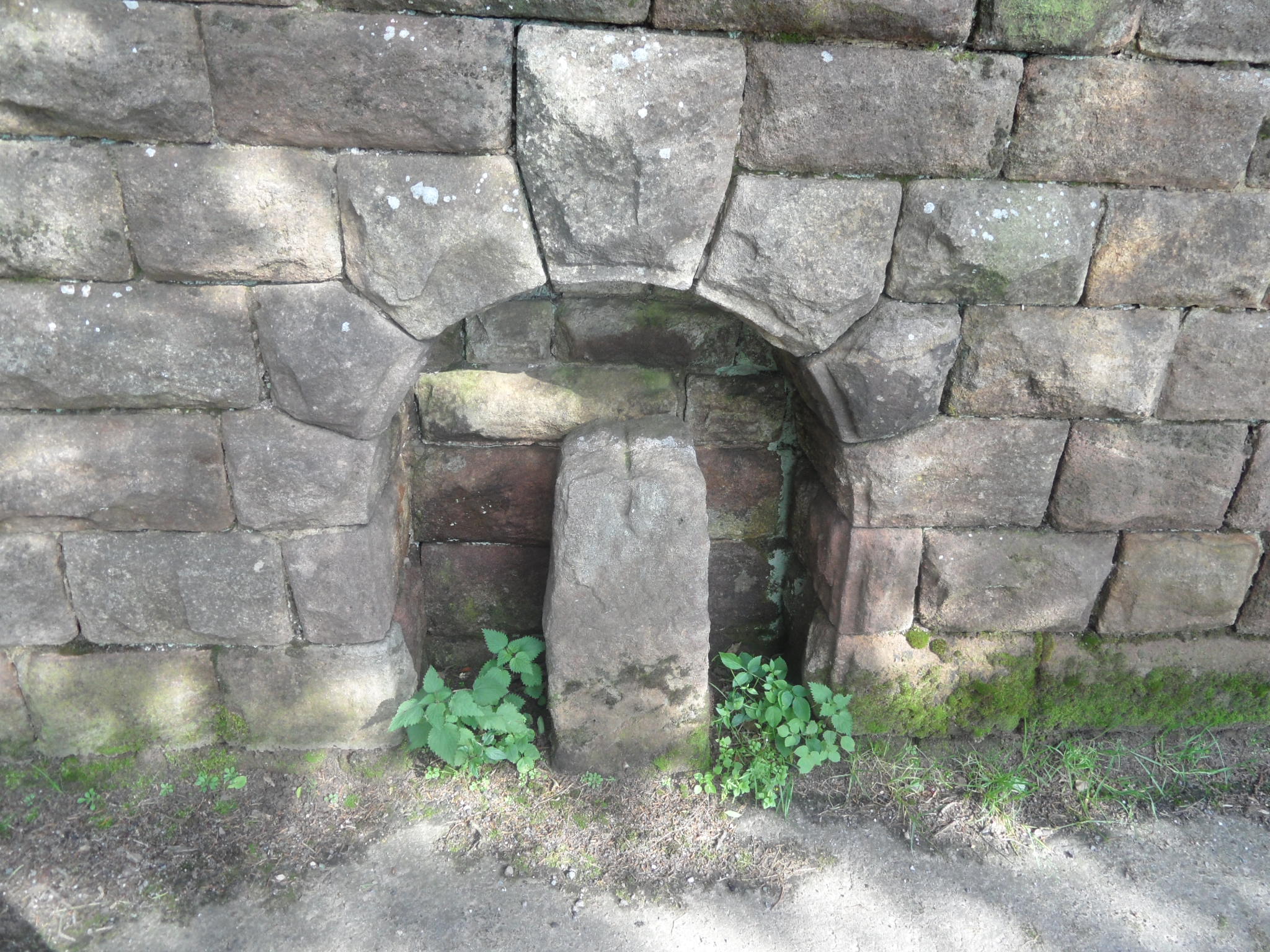
As I mentioned at the start, the Bridestones sit on the Staffordshire/Cheshire border, just inside the latter county. There’s a boundary stone very close by on the drive leading to the site and surely it was due to the presence of the Bridestones themselves that the border was established here in the first place, acting as a memorable boundary landmark. Why did our ancestors chose to erect their monument at this particular spot in the first place though?

Despite being ransacked and not looked after properly over the years, this is still an incredible place and you should definitely take the time to hop over the border and pay this old Cheshire couple a visit.

A Dance to the Music of Time

Hot on the hooves of Lichfield’s Sheriff’s Ride comes another ancient Staffordshire tradition – the Abbots Bromley Horn Dance. No one knows just how ancient though. The earliest written record of the dance seems to be from Dr Robert Plot’s ‘Natural History of Staffordshire’ in 1686, yet the reindeer antlers themselves have been carbon dated to around one thousand years ago.

The Horn Dance c.1900. Apparently the splendid costumes are a Victorian invention. The original costumes were made by the vicar’s daughters from old bed curtains! The latest set of costumes were created at the turn of the millenium. On the subject of costumes, I love that the man dressed as a woman is wearing his shirt and tie beneath his!
Image from Sir Benjamin Stone’s Pictures – Festivals, Ceremonies and Customs. Published by Cassell & Co. London. 1906 (taken from Wikipedia)

Last night, we arrived as the dancers were weaving their way around the back lanes of Abbots Bromley, and so we settled for a while in The Crown and awaited their return to the village green. Outside the crowds were entertained by the Lichfield Morris Men and the Beggars’ Oak Clog Dancers amongst others. Sitting there in the pub I saw horns everywhere – antlers on the village sign, antler inspired light fittings and, sitting on a bench opposite, a man wearing furry antlers. We rejoined the crowd, as the dancers made their way up the High Street, taking up their position outside the Crown to applause. At first it’s the horns that command your attention – they’re enormous (apparently, the largest set weighs over 25lbs). Then gradually your peripherary vision kicks in and you spot the other characters – a man dressed as a woman, the young boy shooting the hobby horse, over and over again and the musicians accompanied by a child playing the triangle. Fortunately, I managed to avoid the Fool and his fertility aiding pig’s bladder…

In ‘England in Particular’, the authors describe the dance as both unsettling and reassuring. I know what they mean. What you’re watching has a significance that no longer makes much sense to our modern eyes, its symbolism like some long forgotten language. Yet there’s also something very British and familiar about the occasion in the scout tent set up over on the green, selling curry to the beer drinking crowds chatting together beneath umbrellas.

If this is a pagan fertility ritual, it seems to get along well with Christianity these days. The horns are kept in St Nicholas’s church for 364 days a year, and before the horns are taken out on their annual excursion around the village there is a short blessing. The dance is performed outside the Abbots Bromley throughout the year but I understand that a second set of horns are kept for this purpose, these original horns never leave the village. There is a great story in a book on the dance by Jack Brown of the English Folk Dance and Song Society that I bought from the Oxfam bookshop. Apparently, in the 19th century, the dancers took a set of elk horns dancing in Burton and having consumed quite a lot of rum, managed to lose them. Some say the horns were stolen; others say the dancers decided they were too heavy and deposited them into the River Trent so they didn’t have to carry them all the way back to Abbots Bromley.

It’s fantastic to have such a unique tradition taking place just ten miles or so up the road from Lichfield and although I’ve popped a few (rubbish) photos on here to give you an idea, it goes with out saying that there’s nothing like going along and experiencing it for yourself. So, put it in your diary for the next Monday after the first Sunday after the fourth of September 2014!

Note – I could claim that the blurriness of the dancers and musicians on the following photographs is an artistic statement on the passage of time or something, but in actual fact they’re just really BAD photos! Anyway, the chap with furry antlers is on one of them which warrants its inclusion.

Sources:

England in Particular by Sue Clifford and Angela King

The Abbots Bromley Horn Dance by Jack Brown

Forge and Ford

As the afternoon’s weather in Longdon was not quite warm enough for basking in the beer garden of the Swan with Two Necks, I took myself off for a little wander. The pub has a late 19th century map mounted on the wall, and it shows that the building next door was once a smithy. I’ve always had a soft spot for these simple buildings, softened even further by the discovery that one of my ancestors was an innkeeper with a sideline in blacksmithing. One of these days I’ll stop romanticising about it and actually get around to visiting Cirencester to see whether the forge is still there.  For now though, back to Longdon, where in May 1918, the then blacksmith, a Mr T Broadhurst had decided to give up the business and was selling the tools of his trade. On offer was a grindstone on a iron frame, two circular double blast bellows (nearly new), a treadle drilling machine, two black staple vices and other useful tools. The building remained a forge until 1938 and now is home to the WI.

Something else that appears on the pub’s map is a ford, which as the name suggests, is at the end of this lane. I had a walk down and within minutes found myself alongside the Shropshire Brook. I stood for a while on the little footbridge watching tiny yellow birds flit between the trees and the water’s edge. Interestingly, on earlier maps this seems to be called the How Brook.

Fords “shine in the memory” according to the writers of England in Particular

I don’t know much about fords, other than they are a way of crossing streams and rivers, presumably at their shallowest points. Whilst reading up on them at home, I came across a surprising account of an event that seems to have taken place here or very nearby (1).

Sir William Wolseley … lost his life about the beginning of the last century* in a very singular manner. He went to Lichfield one morning about nine miles from his house in his coach and four and on his way passed a little brook which runs across the road at Longdon and which is so shallow that a foot passenger can easily step over it the water being kept up by a mill dam at some distance from the road. When Sir William Wolseley reached this brook on his return home in the evening the mill dam just at that instant suddenly gave way the water rushed across the road overturned the carriage and drowned Sir William with his horses. The coachman was thrown off the box into a tree and escaped.

*July 8th 1728 according to the inscription on the monument to Sir William in Colwich church

Could this these gently flowing waters really have caused such devastation? It’s hard to imagine. A reminder, I suppose, that whether it’s the fire of the blacksmith, or the water turning the mill wheel, we can manipulate the elements of nature, but we are never fully in control.

Sources

(1) – A topographical and historical description of the Parish of Tixall in the County of Stafford, Sir Thomas Clifford and Arthur Clifford Esq, 1817.


Blue Sunday

My second ‘starting off at pub, and exploring the surrounding area’ type walk of the week, but this time with real life swans with just the one neck.

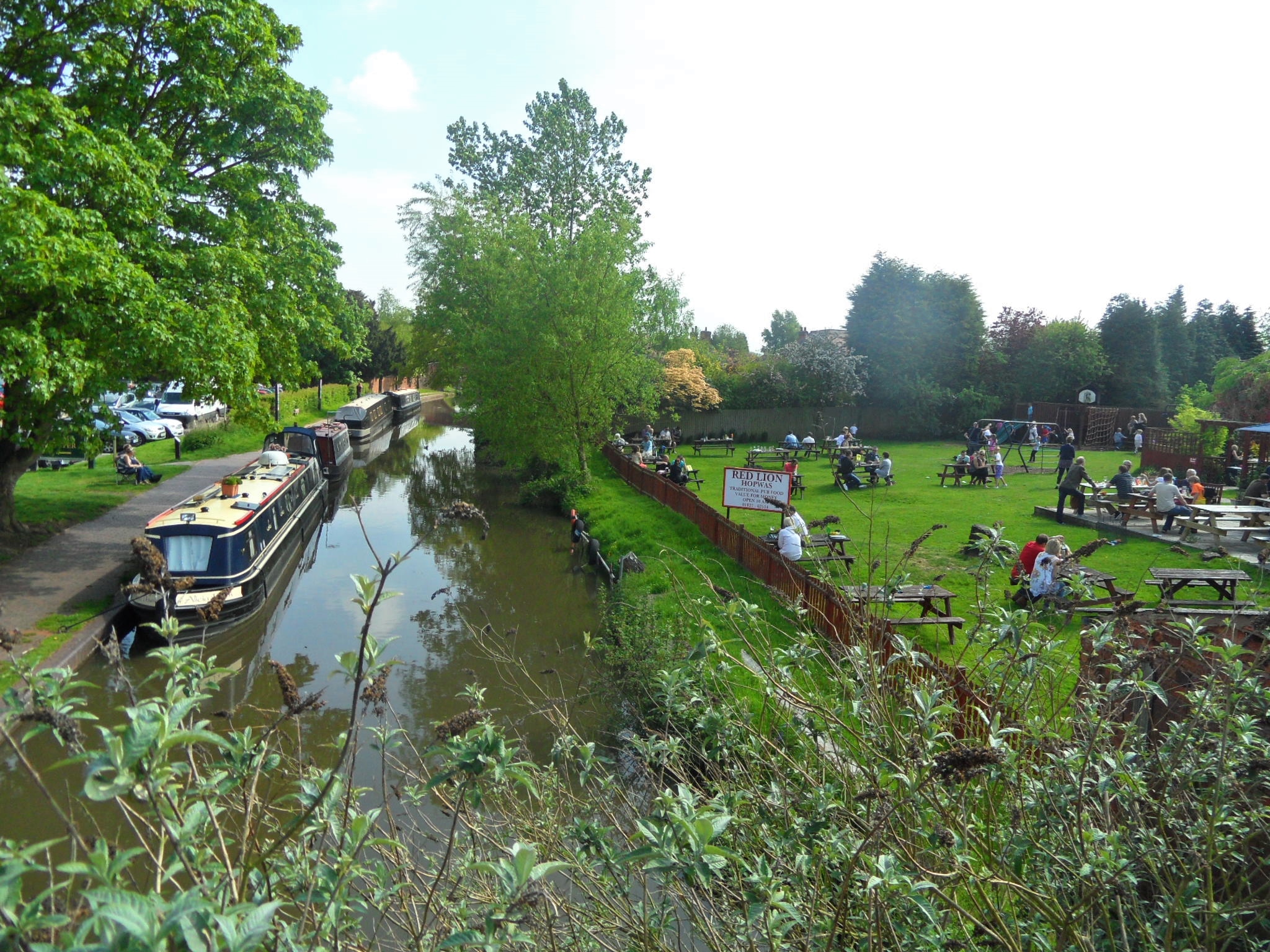
The sunny beer garden at the Red Lion was busy and I couldn’t help but feel that those who chose to remain inside the pub were missing out.  They were, and it wasn’t just the just the sun but also the wonderful sight of a pair of swans gliding down the canal with their eight cygnets. At one point the young ones were startled by a barking dog on one of the moored boats and darted back to huddle around one of their parents.

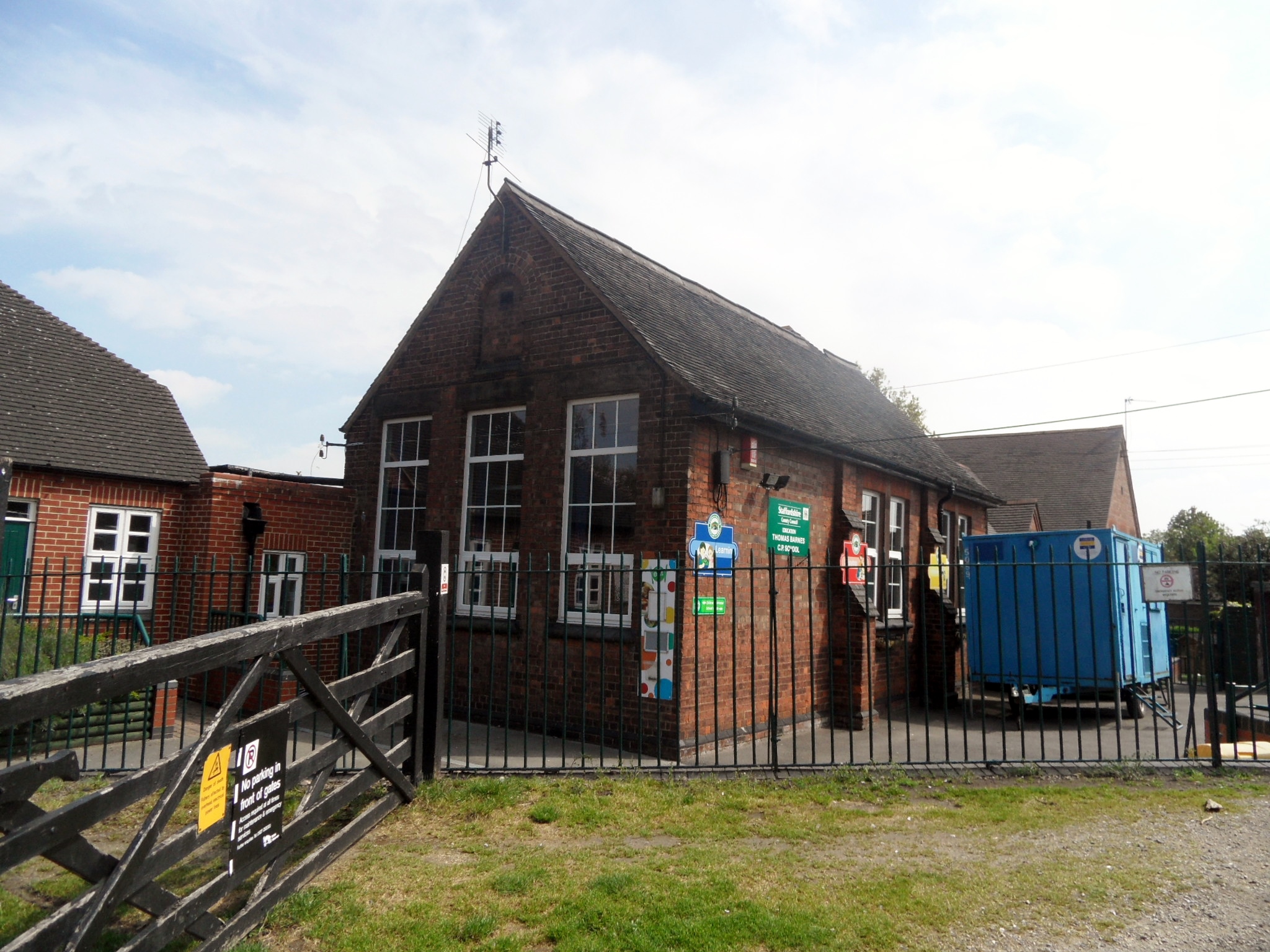
We began our walk by crossing the Lichfield Road Bridge (aka the Tummy Bridge in my house) to get to the towpath on the opposite side of the canal to the Red Lion. The next bridge along is the Hopwas School Bridge. As the name suggests it is near to the village school, named after founder Thomas Barnes. A lovely example of the local lad made good story, Thomas is said to have been abandoned as a baby, and discovered in a barn by villagers who gave him a surname to represent his humble beginnings. Educated and cared for by the villagers, Thomas became a successful London merchant. Had I walked a little to the right of the school, I would have seen the original schoolmaster’s house with a plaque reading ‘This house was built at the charge of Mr Thomas Barnes native of this place and a citizen of London in the year of our Lord 1717 for the dwelling of a person to teach the children of this village to read English’.

Instead, we kept on walking under the bridge and along the tow path. Something I did wonder about but couldn’t think of any explanation for at the time was the small door in the bridge itself. After doing a bit of post-walk googling it seems it might be a storage place for stop planks, used to block off part of the canal when maintenance work needs to be carried out. I think.

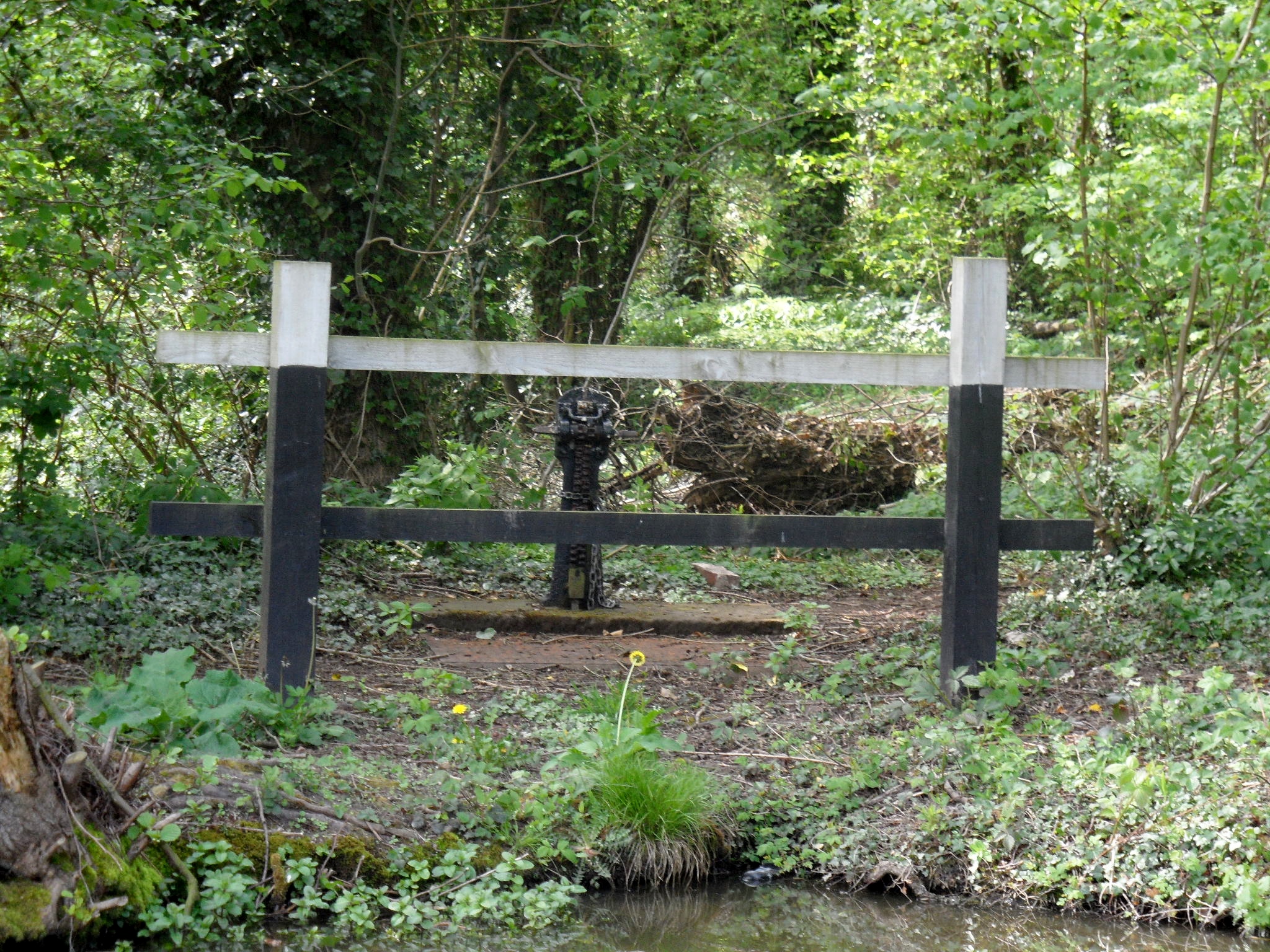
There was also some machinery on the other side of the tow path that looked interesting but again, I’m not quite sure of its purpose.

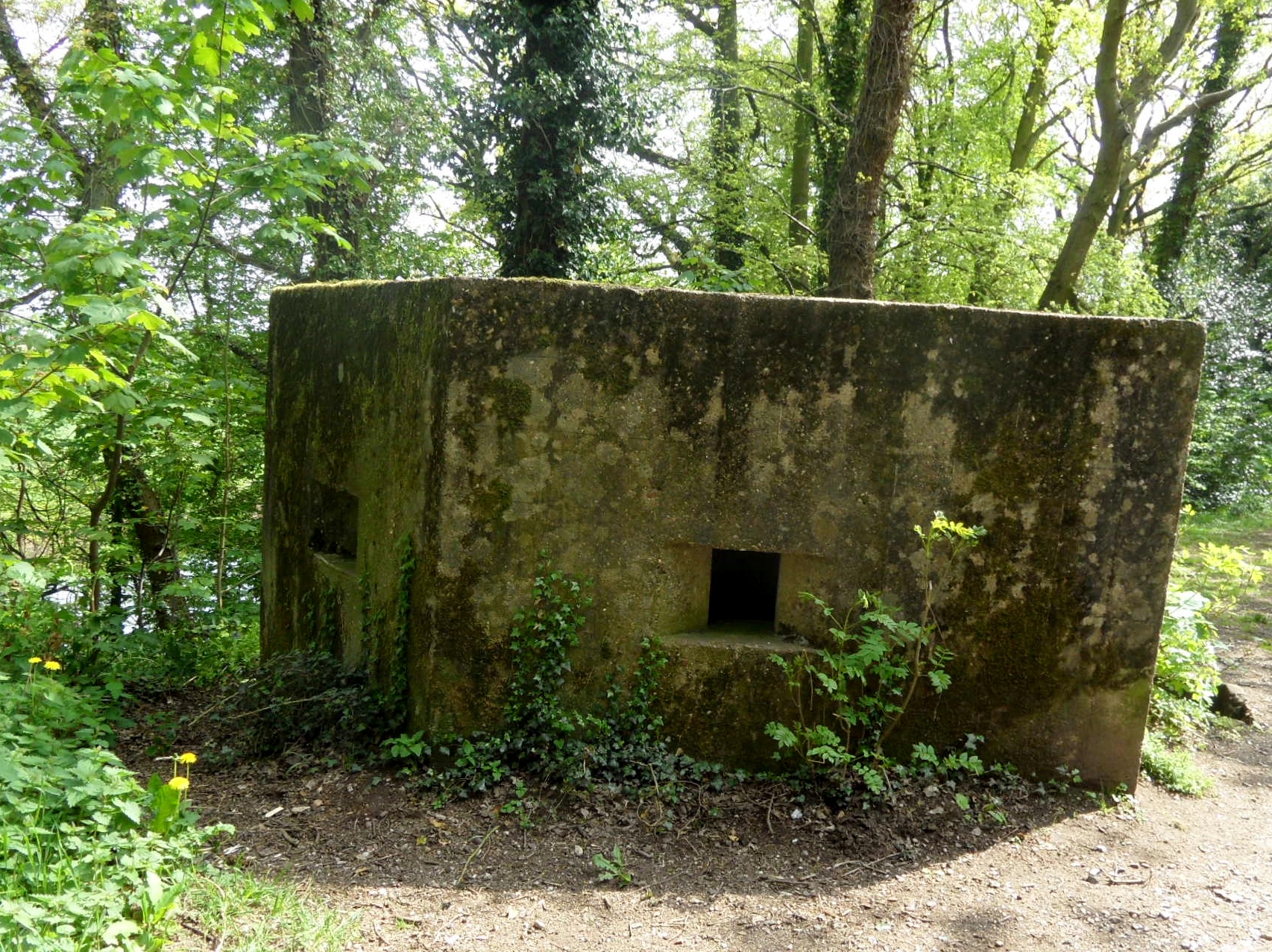
This, however, I did recognise to be one of the well documented pillboxes that stand in this area, defences against an invasion that thankfully never came.

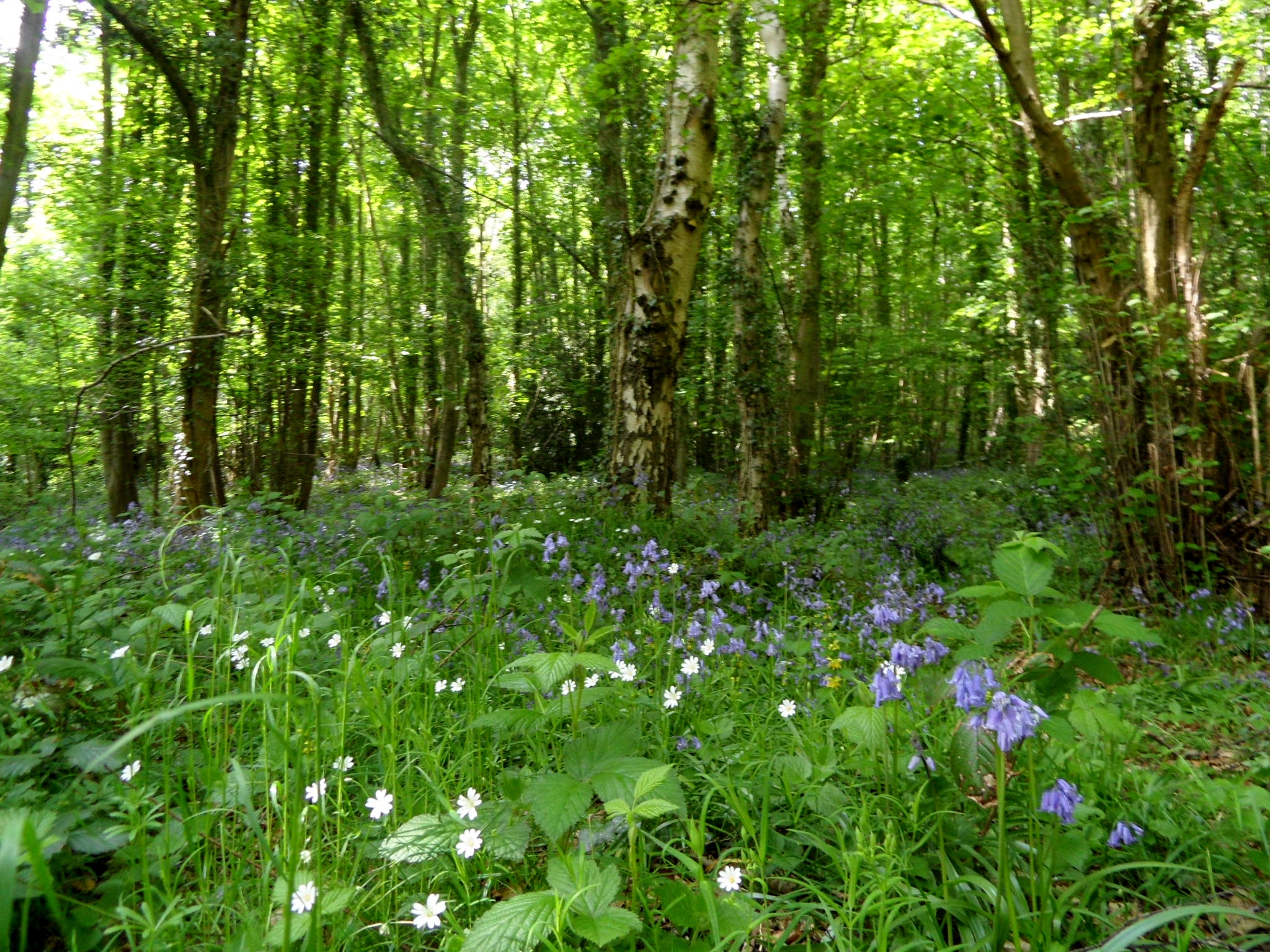
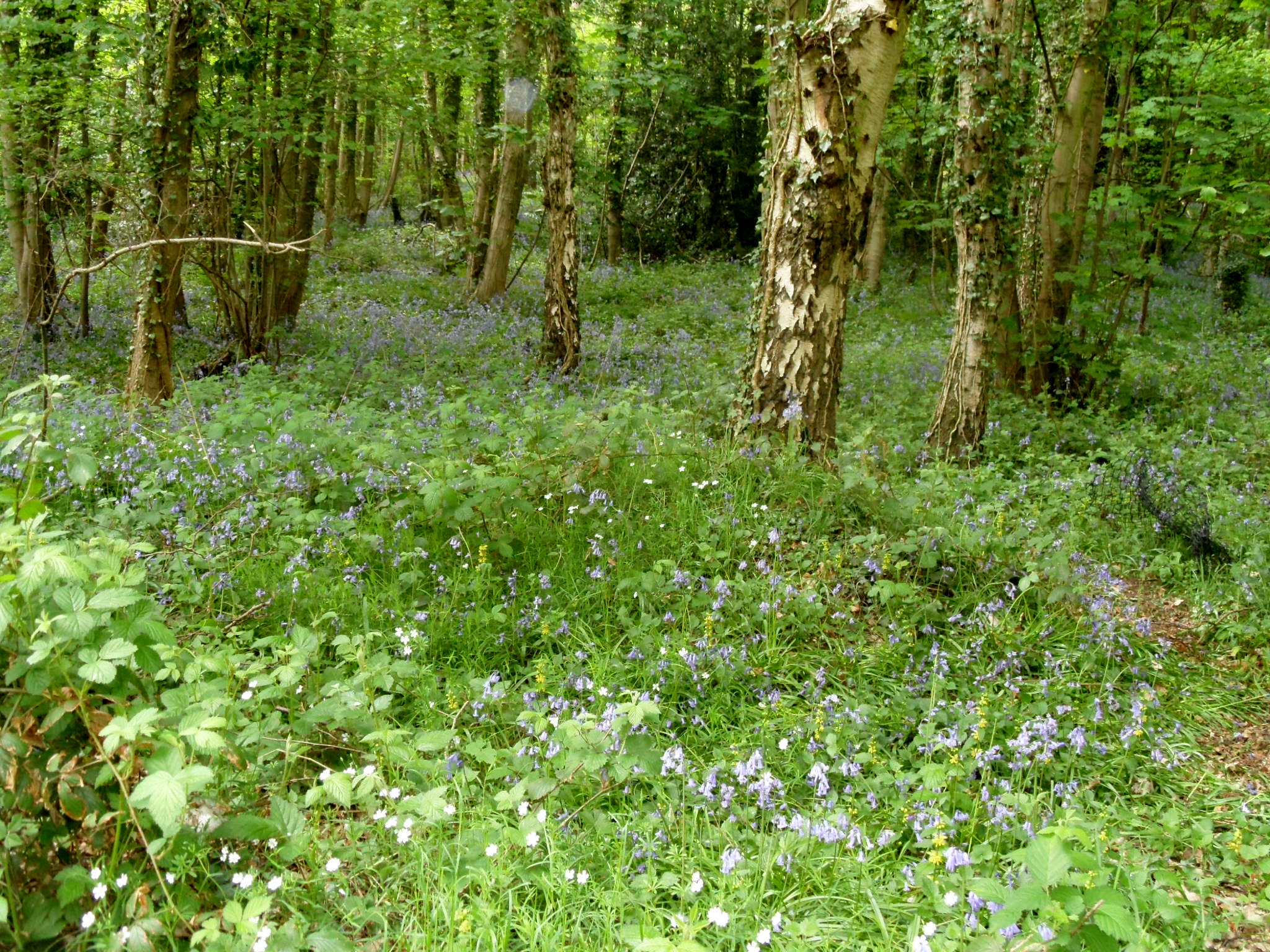
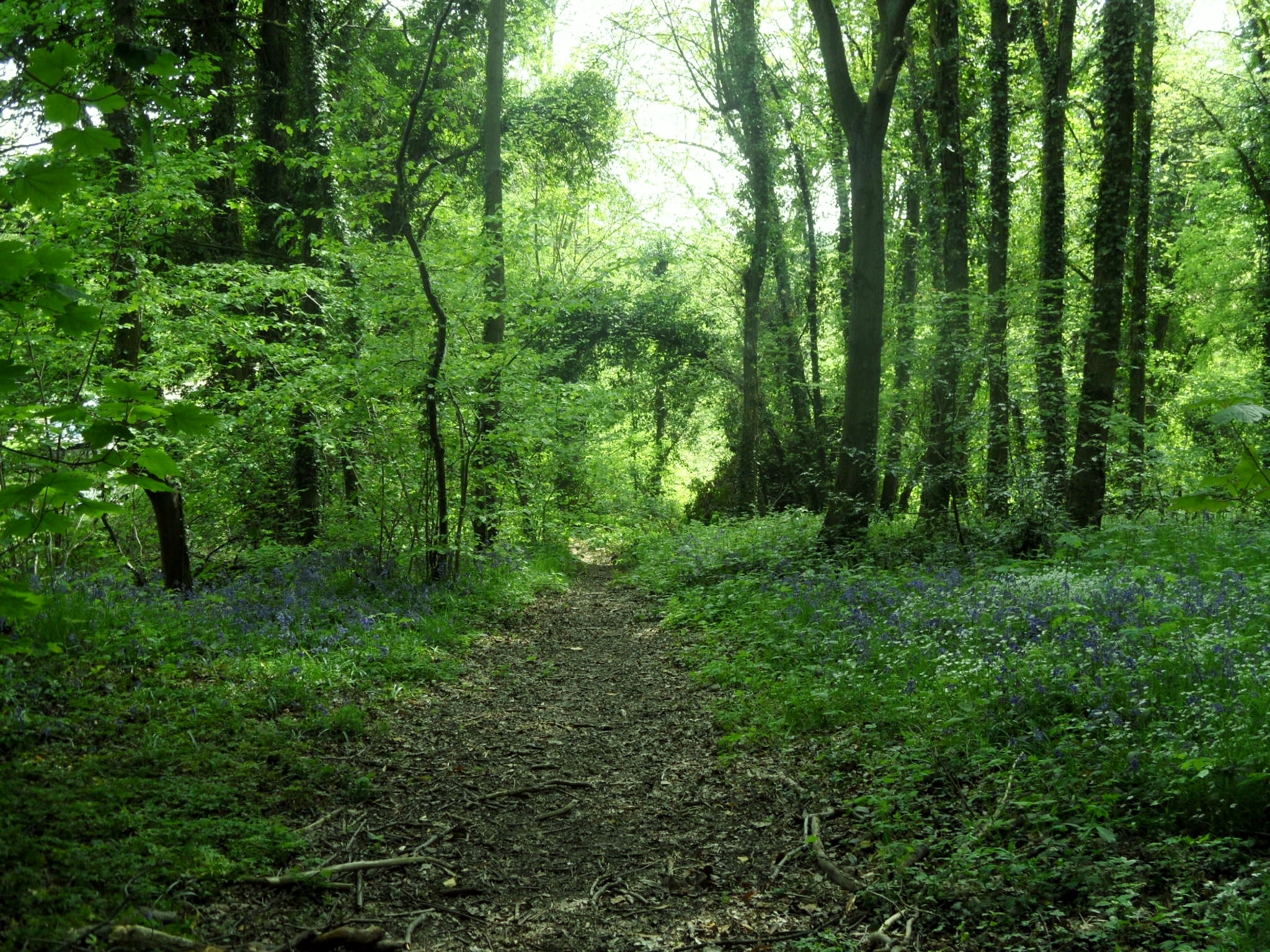
Growing alongside the pillbox was a hint of what was to come in those infamous and ancient woods about which I’ve heard so much but seen so little, only ever passing by in the car. I’m pleased to say that Hopwas Woods lived up to my expectations, with a display of bluebells that put even my beloved Leomansley Wood in the shade. I attempted to capture it in photos, although they could never do it justice.

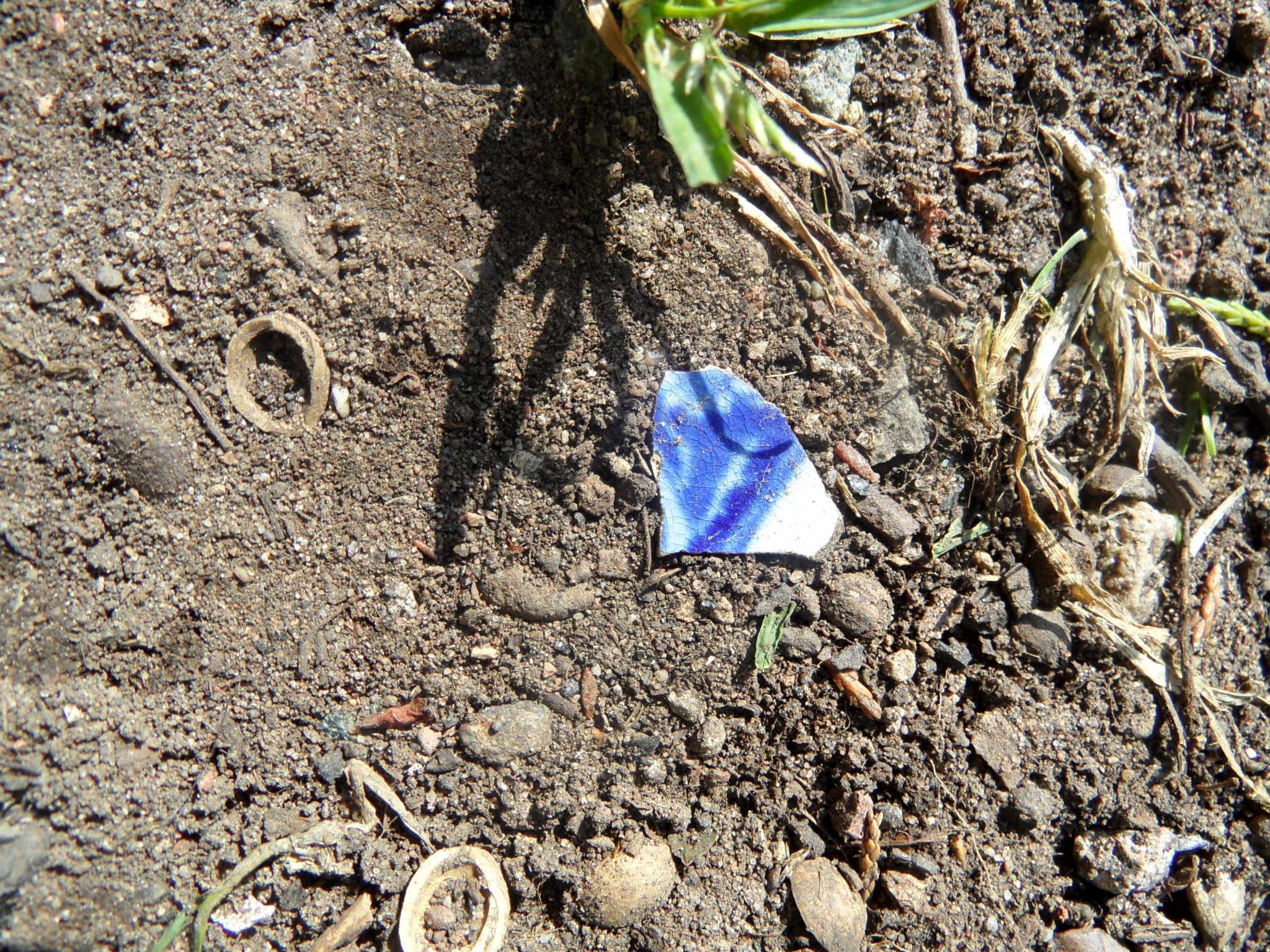
From then on I saw blue everywhere – the boats, the sky over the distant towers of Tamworth, a piece of pottery by the side of the canal and, after a big lunch and this short walk, a hammock at the water’s edge that looked very inviting indeed….


Watering Hole

On the way home from Tixall (of which more later), I stopped off at Longdon village and called into the Swan With Two Necks for a drink. I only had time for a very quick look around the village but even in this short space of time managed to find lots of interest, much of it water-related, which seems only natural in a place also known as Brook End. I hope to return to Longdon and the surrounding area (and of course the pub!) in the not too distant future. Amongst other things, I want to see if there are any nuggets of truth in an old ghost story I found about Lysways Hall….

The pub name Swan with Two Necks is apparently a distortion of ‘Swan with Two Nicks’, referring to the marks made on the birds’ beaks to denote ownership. More info here

Talking of ownership, the SWTN has been under the management of Mary McMeechan since 1st March 2013, the latest in a long line of landlords stretching back to 1755!

Brook End Mill dates back to the 1700s and appears on the Yates Map of Staffordshire.

The mill race still runs and you can follow it for a way up a public footpath.

This area is full of wells, some with brilliant names & legends attached. I think if I’d have carried on up past here, I’d have come to my all time favourite – Giddywell! Never mind, I did find this one near to the mill and there’s always next time…

I’m not sure if this pump is original. There are some other Staffordshire water pumps on this website, perhaps I should send them the photo and get their expert opinion?

These cottages are thought to be a 16th timber framed building that was divided up into separate houses at some point in the last half a millenium or so!

Over to the experts again, and this time John Higgins of the Mile Stone Society who researched Staffordshire Mileposts and found that in 1893, 335 posts were ordered from Tipton firm Charles Lathe & Co at a cost of 19s.6d each, including this one in St James’ Close

Scratching the Surface

I had an hour to spend in Abbots Bromley and so I grabbed my camera and went for a walk.

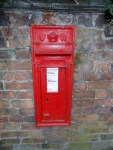
The theme seemed to be ‘things found on buildings’, be it wooden and painted signs, carved heads and crosses on the church, horns outside a restaurant alluding to the village’s famous tradition (the Abbots Bromley Horn Dance), or an old post box.  Until I got home and did a bit of reading, I had no idea that a very famous visitor had also left her mark on one of the village’s buildings. Mary, Queen of Scots is believed to have stayed overnight at Abbots Bromley’s Manor House during what was to be her last journey. A pane of glass with the inscription ‘Maria Regina Scotiae quondam transibat istam villam 21 Septembris 1585 usque Burton’, said have been scratched by Mary with a diamond ring, was taken from the house and is now in the William Salt Library.

I’m back in Abbots Bromley for another hour next week! In the meantime, maybe I’ll look a bit deeper…

Paper Flowers

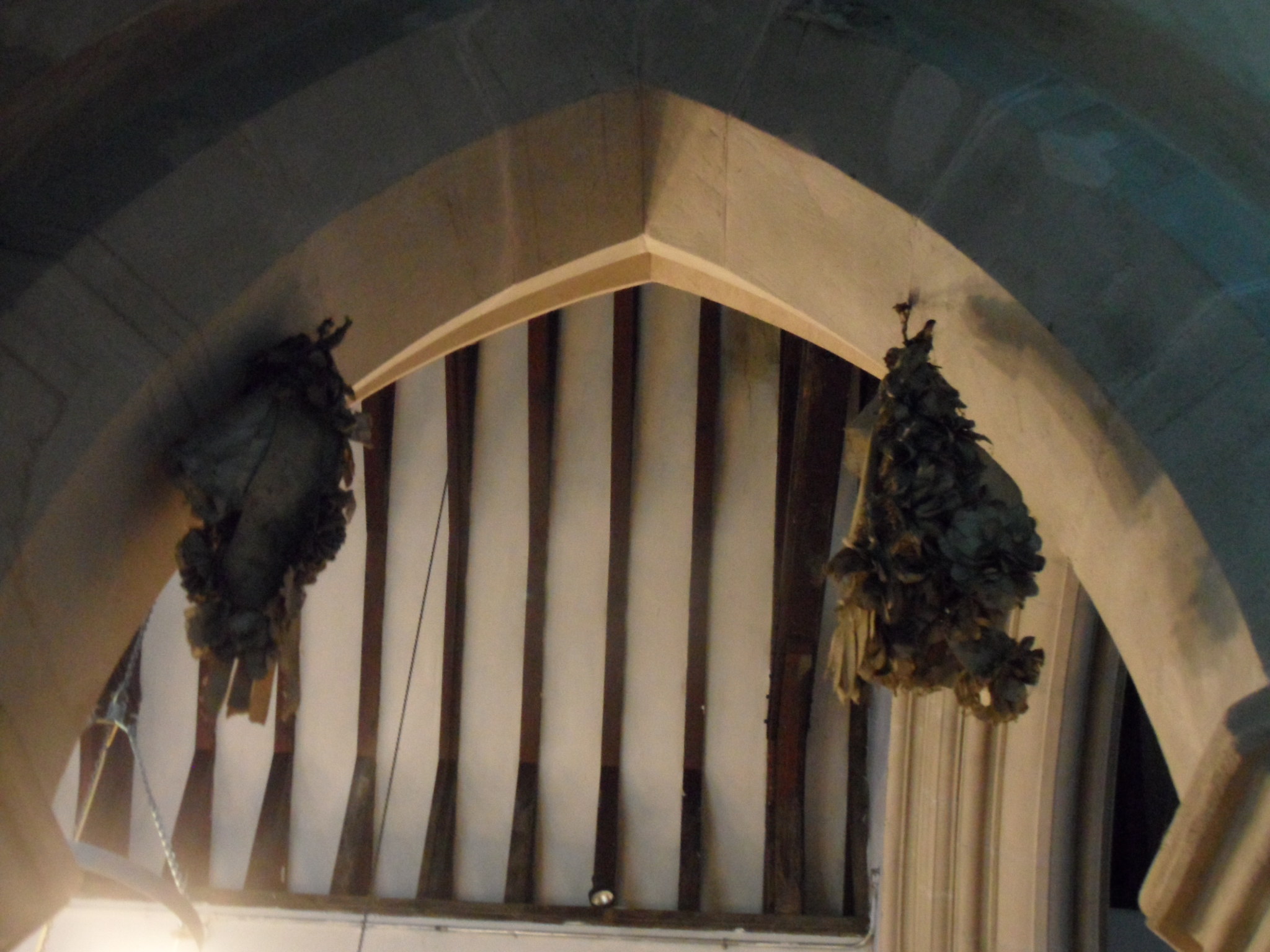
As you walk through the archway into the chapel of St Betram, in the Church of the Holy Cross, IIam in Staffordshire, you notice these.


They are Maidens’ Garlands and relatively few churches in England are thought to have surviving examples. It’s thought they may have been used during the funeral service of an unmarried woman, but there is evidence in other parts of the country that they may have been made for young men too.  Further information can be found in this article in the Birmingham Post a few years ago, but most importantly there is the work undertaken by Rosie Morris who as a child saw garlands hanging from hooks in her church in Shropshire and wondered what they were. Years later having been unable to find much information on them, decided to make them the subject of her dissertation and later Phd. Rosie’s website on Maidens’ Garlands is here.

Not only do I think the garlands and the stories attached to them are of interest, I also really like the idea that Rosie’s curiosity for an object she saw as a child led to her doing such great work to research and share this tradition.

Cross County

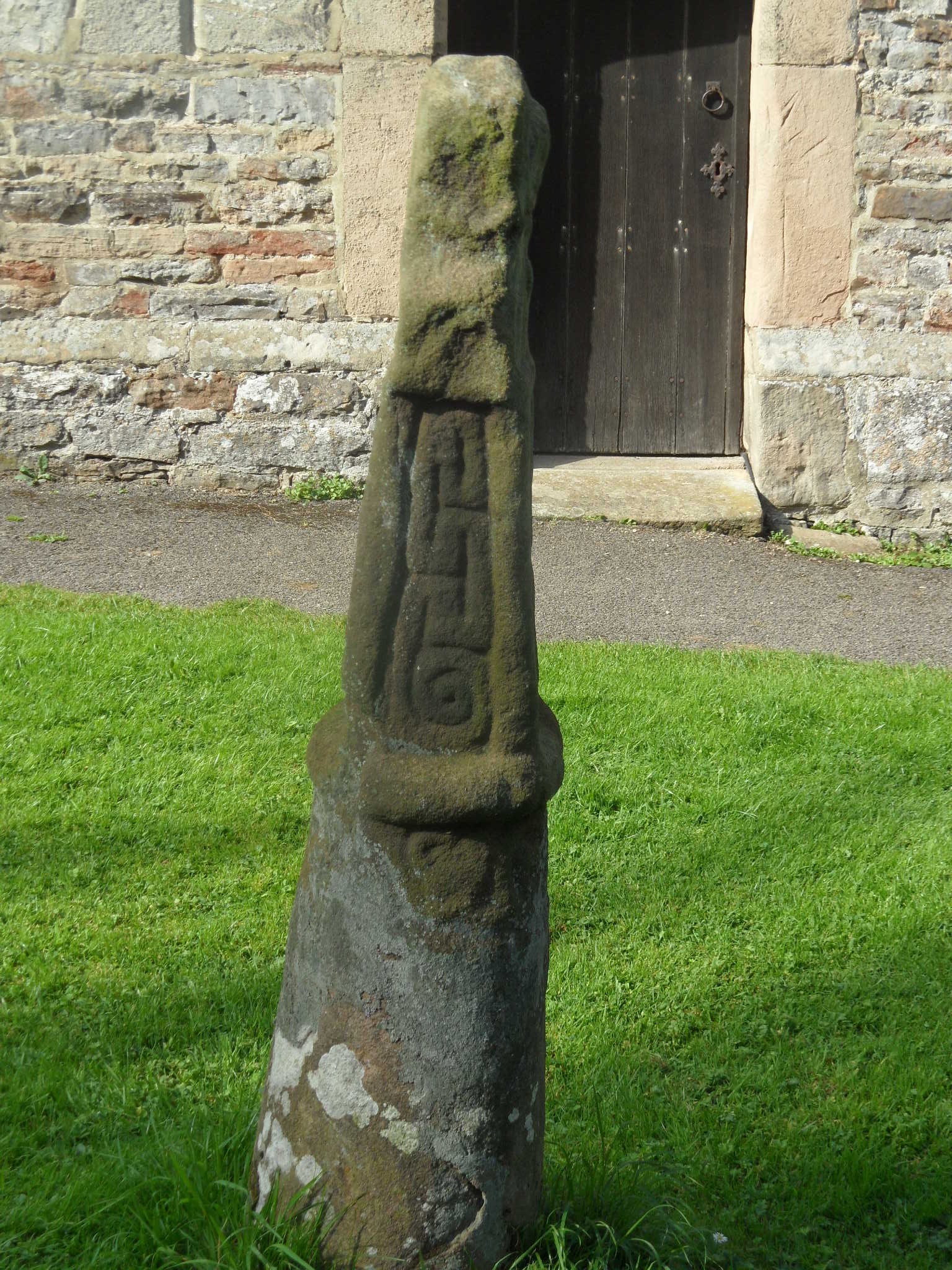
Looking for ancient crosses in Lichfield, has so far lead only to hints of their existence – a one line reference in an old book here, a placename there. Nothing concrete (or should I say stone?).  So imagine how happy I was when I visited Ilam Park yesterday and found that were two thought to date back to the 10thc standing in the churchyard with a third shaft incorporated into the church wall…..

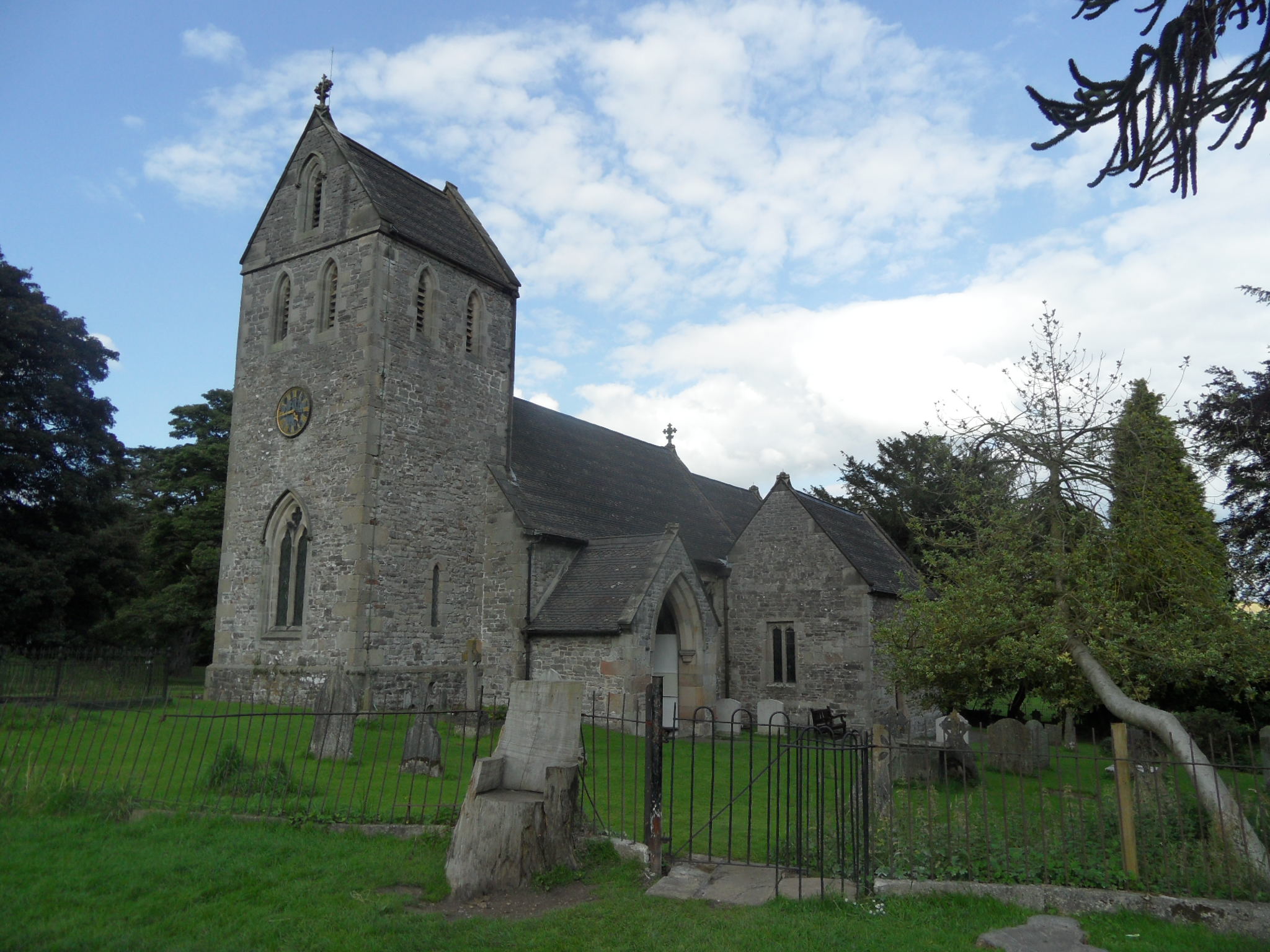
Church of the Holy Cross, Ilam, Staffs


…..and imagine how much I kicked myself when I got home and found out there was yet another stone, known as ‘The Battle Stone’, located in the grounds of Ilam Hall that I had missed!

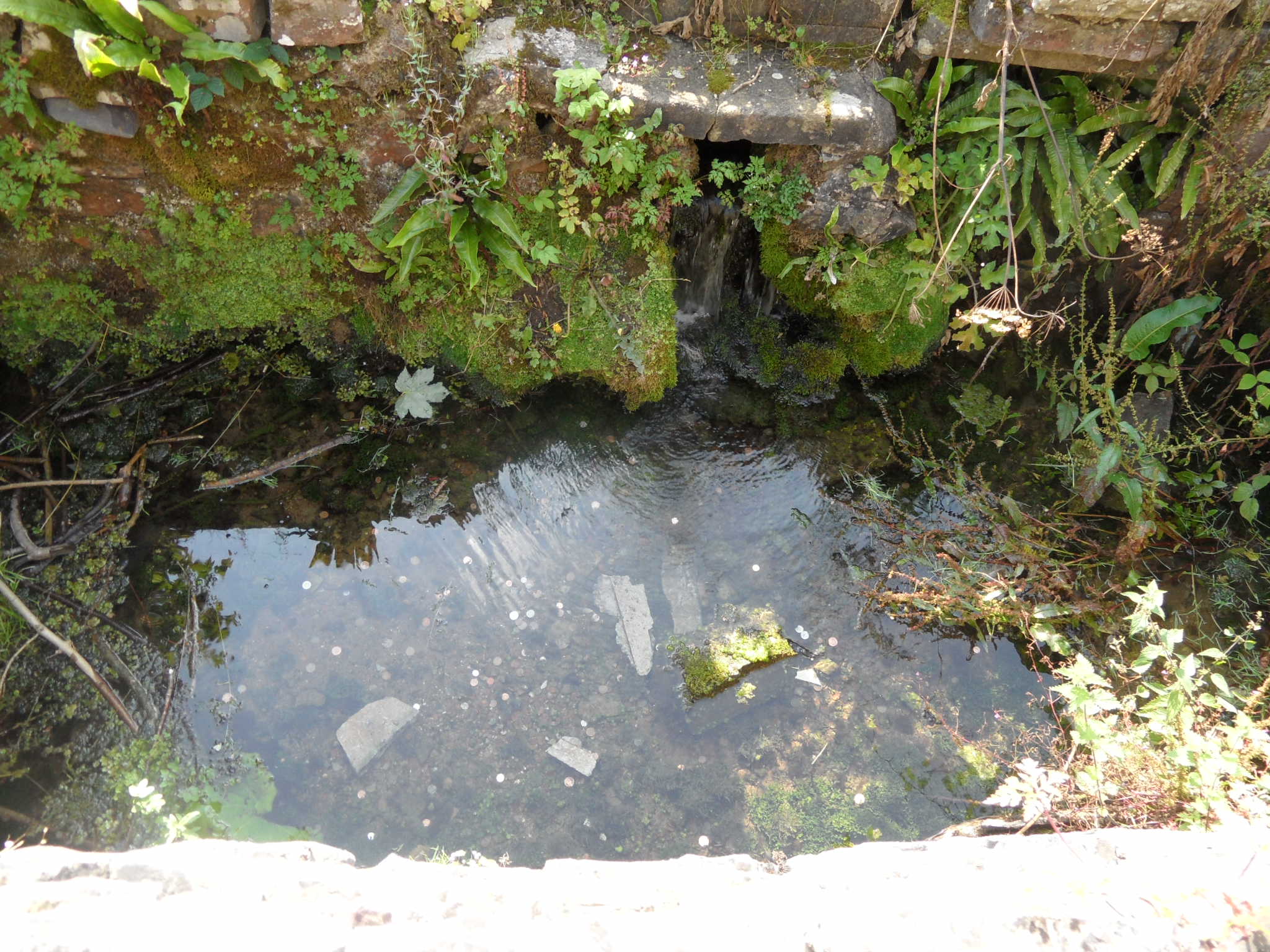
However, as a consolation, I learnt at home that this spring near to the church is thought by some to be St Bertram’s Well (although others place this on a hillside near to the village).

St Bertram’s Well?

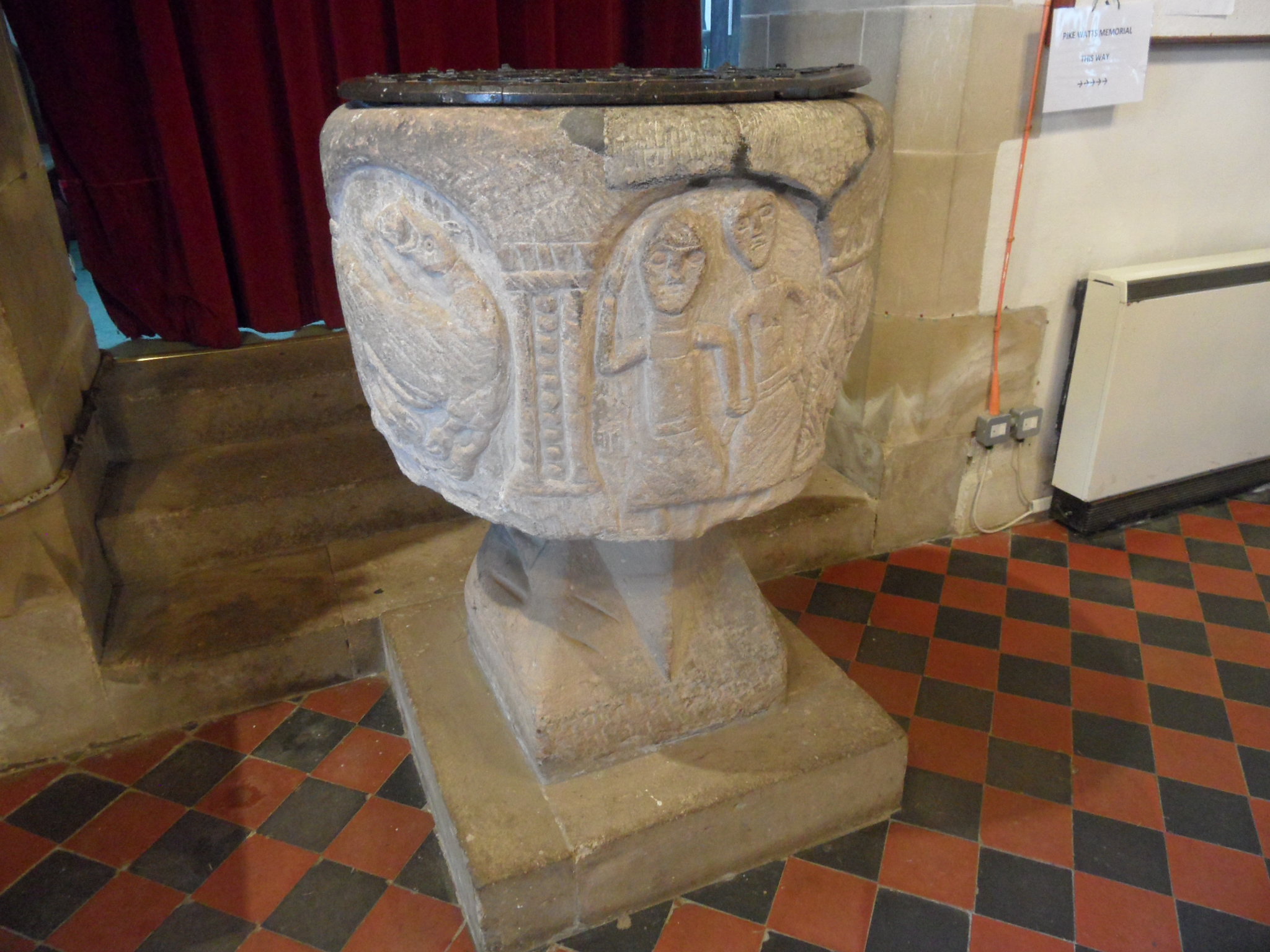
The Shrine of St Bertram (also known as St Bertelin or maybe Beorhthelm of Stafford) is inside the church. As you might expect, there is more than one account of St Bertram’s life. The most well known version seems to be the tragic story that he was a Mercian Prince whose wife gave birth to a child in a forest. The wife and baby were killed by wolves and St Bertram became a hermit near to Ilam, It’s thought this story might be represented on the churches font, which dates back to around the 12thc.

You can decide for yourself, if you look at this website on Romanesque sculpture, which gives a detailed description of the font, together with photos.

However, Stafford Borough Council have this version on their website, which doesn’t feature the tragic part of the legend.

The legend of St Bertelin derives from the 14th century account of him by Capgrave in his ‘Nova Legenda Anglie’, retold by Dr Robert Plot in his ‘Natural History of Staffordshire’ (1686). He is reputed to have been the son of the Mercian prince, the friend and disciple of St Guthlac who, after St Guthlac’s death c 700, continued his holy vocation on the islet of Betheney now Stafford. Here, he remained until forced to retreat from the ill-will of jealous detractors, when he repaired to Ilam, in Dovedale, Derbyshire where ultimately he died. His burial place in Ilam church was once a place of pilgrimage.

His burial place still seems to be a place where people come, not just seeking out history like me, but for spiritual reasons. As you can see from the photo of the shrine, prayers (I didn’t read them) and candles are still left there.

I have found a copy of the ‘Nova Legenda Anglie’, but as my Latin only stretched to ‘Caecilius est pater’, I need a bit of time alone with google translate.  So, I’ll leave the legend of St Bertram/Bertelin there for now other than to say that it’s believed that the remains of St Bertelin’s chapel in Stafford were excavated in the 1950s and they discovered part of a 1,000 year old cross. And this one is made of wood!

Ilam, Stafford and I’ve seen references to existing crosses in Wolverhampton, Leek, Chebsey (between Eccleshall & Stafford), amongst other places. With the discovery of the ‘Battlestone’ in Ilam (the one that I missed!) in the foundations of a cottage, during a restoration in 1840, I’m still clinging to the hope that at least a fragment of one survives somewhere in Lichfield!

Sources:

http://www.heritagegateway.org.uk/gateway/

http://list.english-heritage.org.uk/ (Entry numbers 1038113, 1012654, 1012653,

Corpus of Romanesque Sculpture in Britain & Island http://www.crsbi.ac.uk/index.html

http://www.geograph.org.uk/photo/705619

http://www.megalithic.co.uk/ (St Bertram’s Well http://www.megalithic.co.uk/article.php?sid=14731)

http://www.staffordbc.gov.uk/in-touch-with-the-past