The Odd Couple

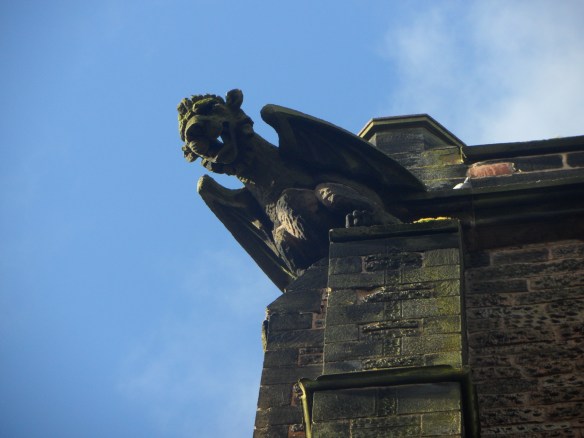
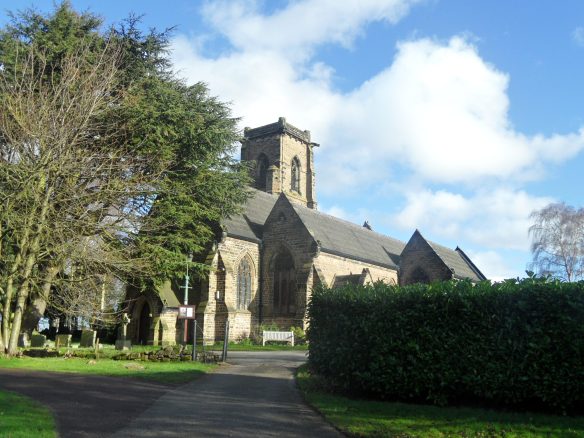
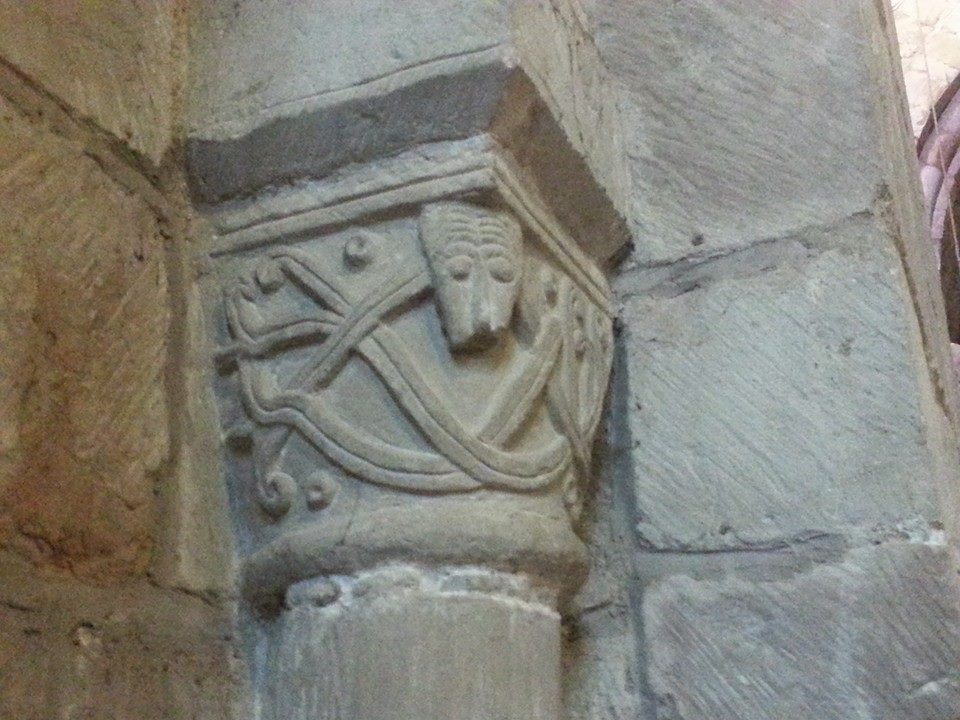
According to Pevsner, the Church of St Lawrence features some of the most exciting Norman work in the county.  Here be dragons and other fantastical creatures, Saxon and Scandinavian influences, a green man and other ancient faces. There are no wolves though.
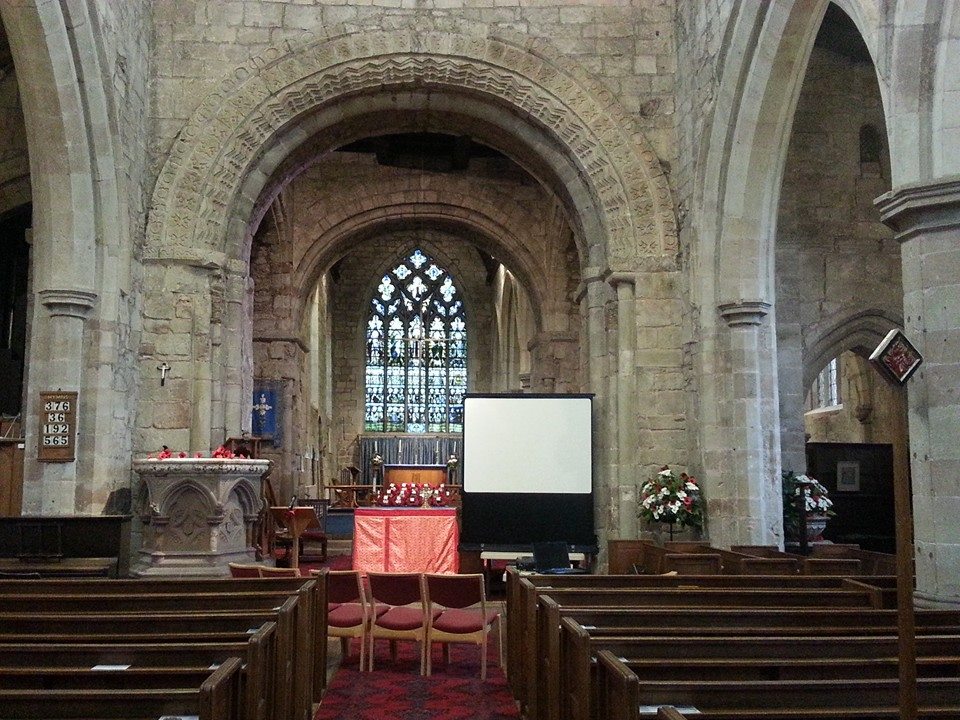
Norman arch, Gnosall church
Norman arch, Gnosall church

Carving at Gnosall
Carving at Gnosall

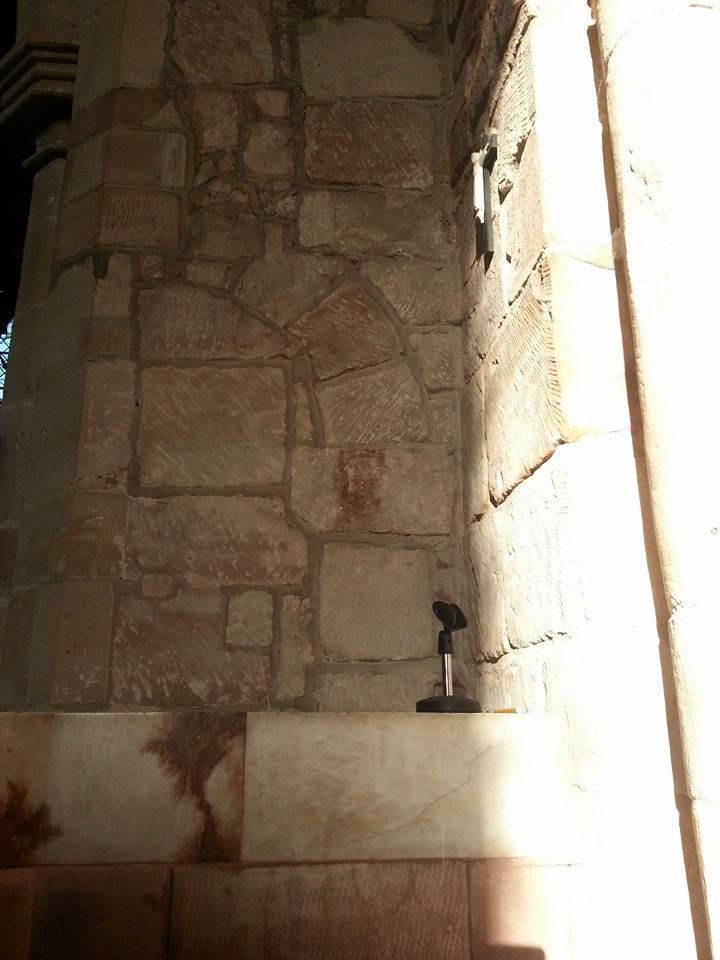
Possible Saxon stonework, Gnosall

Possible Saxon stonework, Gnosall

Legend has it that the last wolf in Staffordshire was killed here in Gnosall in a pit near Brough Hall and that the effigy in the Lady Chapel is that of its slayer, Baron Brough  As much as I wish it were true, there is no evidence for this tale and no reason to believe the Baron ever even existed outside of Gnosall mythology. Several other names have been linked with the alabaster knight over the years, but his true identity remains unknown. Whilst such personal details are lacking, there is physical detail here in abundance, from the broken angel and the helmet at his head, to the lion at his now missing feet and experts have used these features to date the monument to the early fifteenth century. In recent years, the knight has been joined by the church’s only other effigy, taken from the recess on the opposite side of the church known as the Easter Sepulchre.
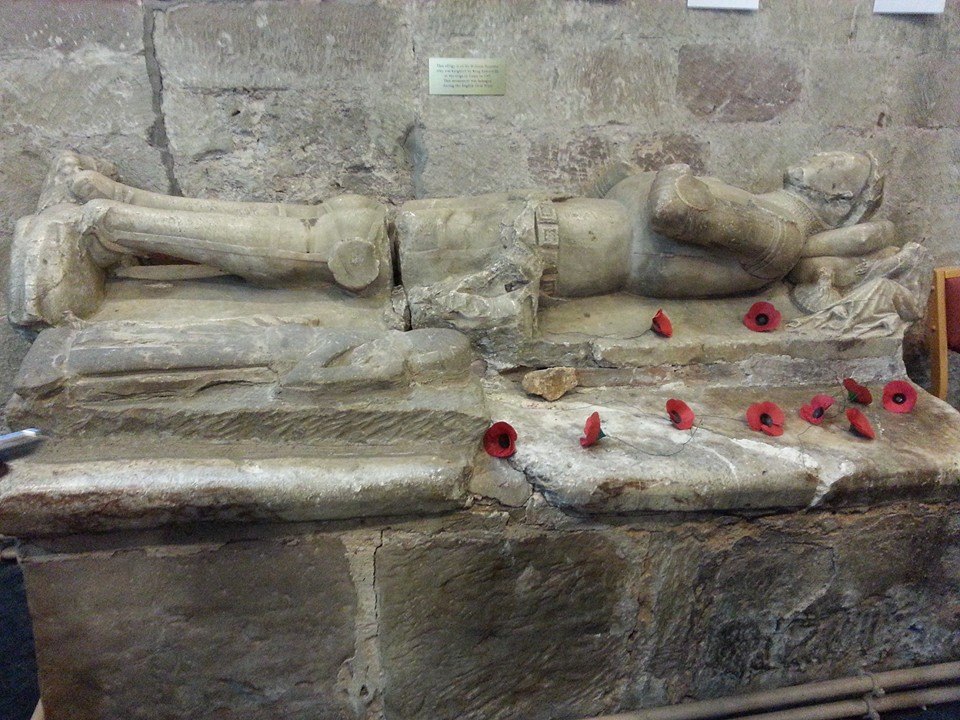
Two effigies at Gnosall church
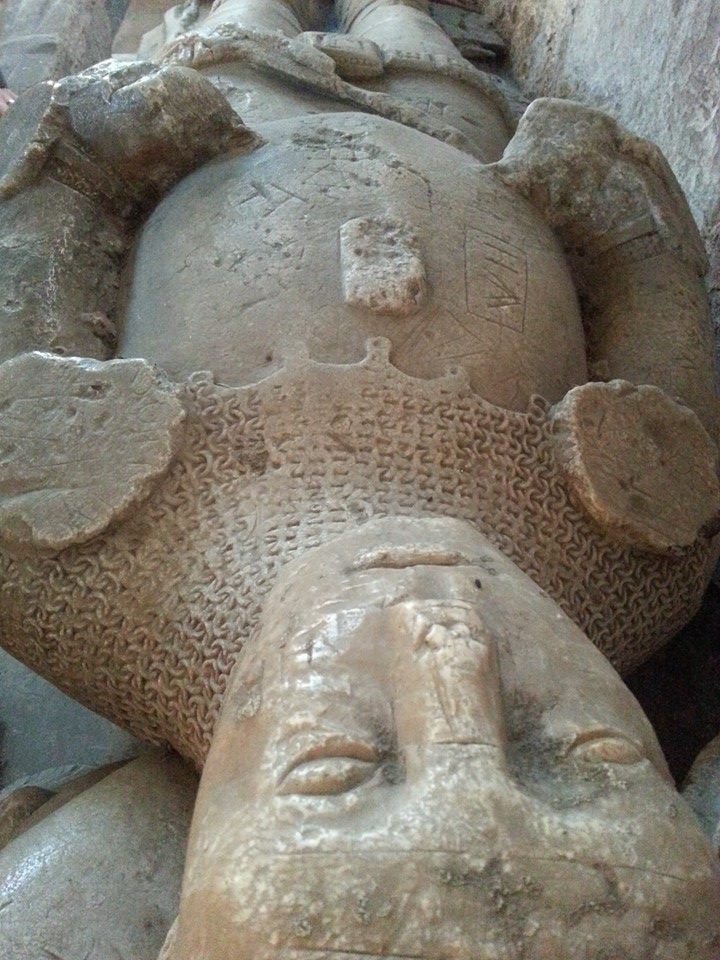
Two effigies at Gnosall church

The unknown knight of Gnosall

Defaced – the unknown knight of Gnosall
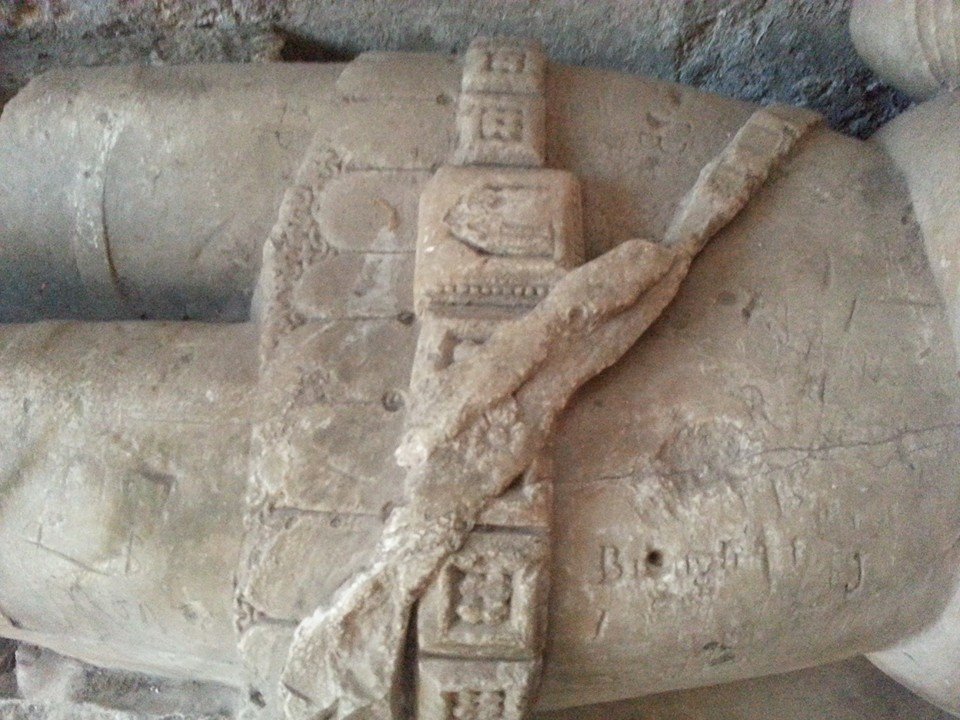
Gnosall effigy belt

Even less is know about this second effigy, but due to its diminutive stature, it is often described as depicting a child. However, after visiting the church, words that I’d read in a paper by Dr Sophie Oosterwijk in relation to the famous Stanley Boy monument at Elford came back into my mind – “A small-sized tomb may deceive the beholder into thinking that it must commemorate a child, but there may be other explanations”. One of Dr Oosterwijk’s other explanations is that these tiny tombs may represent heart burials. It’s not only the size of the effigy that’s convinced me that someone left their heart here in Gnosall, but also the position of his or her hand over the chest, a feature it has in common with another example thought to be a fourteenth century heart burial at Coberley in Gloucestershire.
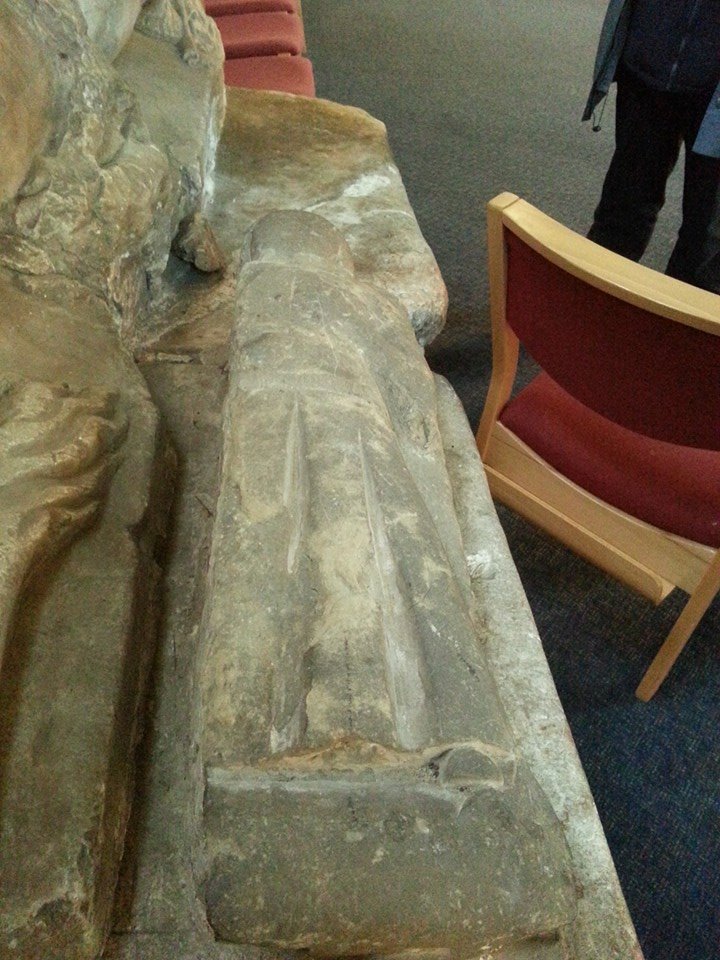
Effigy possibly depicting a heart burial at Gnosall

Effigy possibly depicting a heart burial at Gnosall

Despite the abundance of surviving Romanesque architecture here, the church is missing its original font.  However, at nearby Bradley. and Church Eaton there are examples which date to the twelfth century and recall some of the patterns and themes found at Gnosall, perhaps giving us an idea of what the Norman font at St Lawrence may have looked like. Interestingly, the broken Church Eaton font was reinstated at St Editha’s after apparently being found buried in a garden, and so it’s possible that Gnosall’s is out there somewhere, awaiting discovery under someone’s lawn.

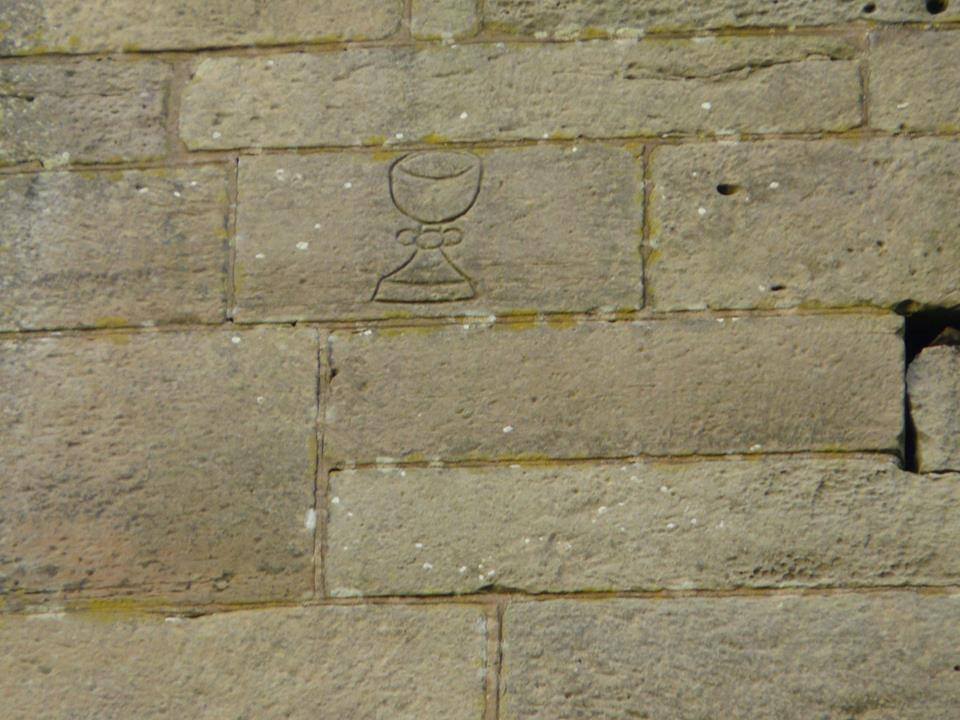
One of Gnosall’s most intriguing features can be found outside, high on the south side of the church where stonemasons (we assume) who extended the tower in the mid fifteenth century have carved a large chalice into the stonework alongside the belfry window.
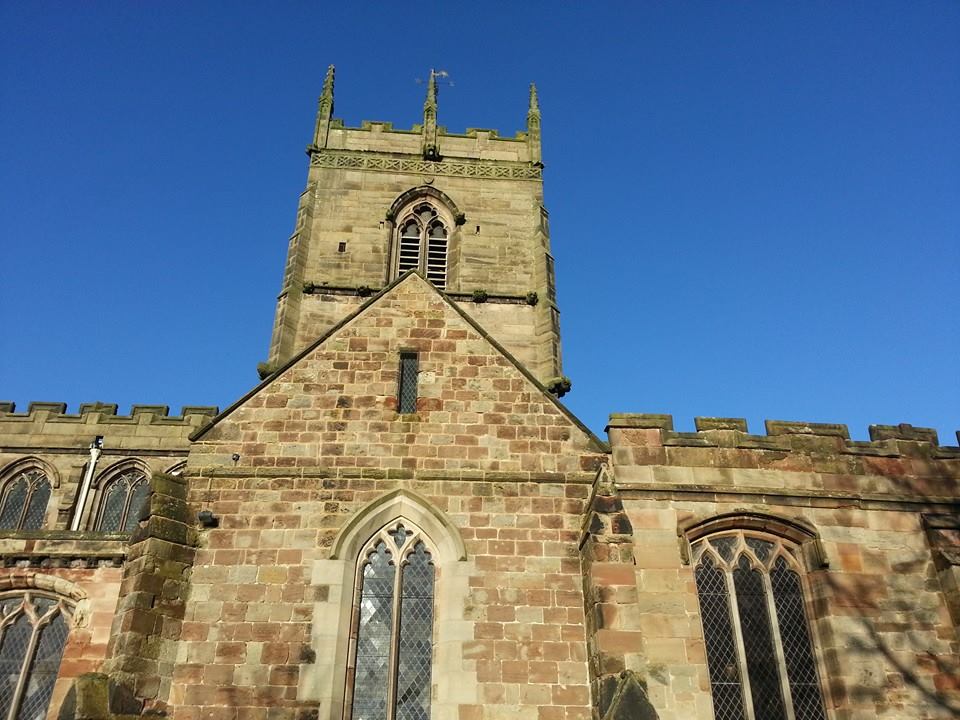
South face of the church tower at Gnosall
South face of the church tower at Gnosall

Chalice carving on Gnosall church tower (photo by Kenneth Ingram)

Chalice carving on Gnosall church tower (photo by Kenneth Ingram)

Less mysterious in origin, but still of interest, are the grooves along the wall, said to have been created by the sharpening of arrows when the grounds were used for archery practice.
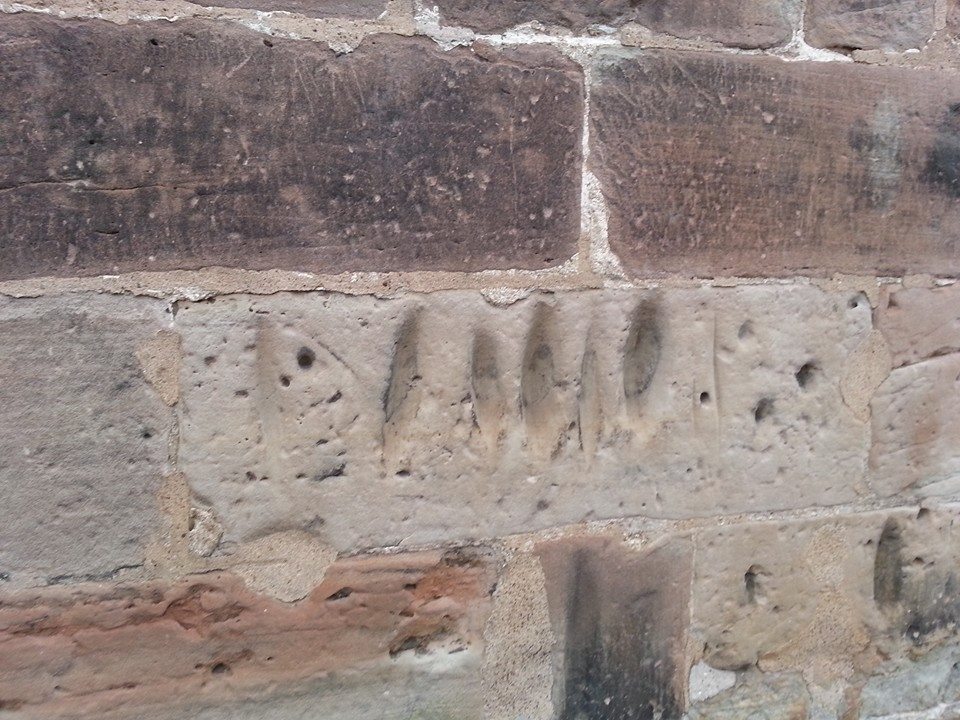
Arrow grooves, Gnosall Church

Arrow grooves at Gnosall Church

There is also a rumour that this wall of the church bears the scars of target practice during the Civil War (Rodwell: 223). What we do know for certain about the church of St Lawrence and the civil war is that there are two soldiers buried here. The parish register records that on 1st October 1642, a tall young man known as John Bayne (or Bayle), ‘one of the King’s souldiers’, was buried here and that on 25th March 1643, David James, another of ‘the King’s souldiers’, was laid to rest. The date of the second may be especially significant, coming less than a week after the Battle of Hopton Heath, fought just ten miles away. Amidst the other burials and baptisms of the parish register, an interesting entry appears on an otherwise blank page. At some time between 20th March 1684 and 19th April 1685, an ‘unlettered’ hand has written the following:

Fere god and honour the King
Honor your parents at all times
Wimins tongues air like [unfinished]

Whether the writer of the verse was interrupted or simply ran out of inspiration is unknown, but we are left to draw our own conclusions on the nature of  ‘wimins tongues’. However, when it comes to singing the praises of this incredible building, I shall not be holding mine. See it for yourself on the weekend of 4th/5th July 2015, when the Church of St Lawrence, including the tower, will be open for tours as part of the G-Fest celebrations held in the village each year. Now that is exciting.

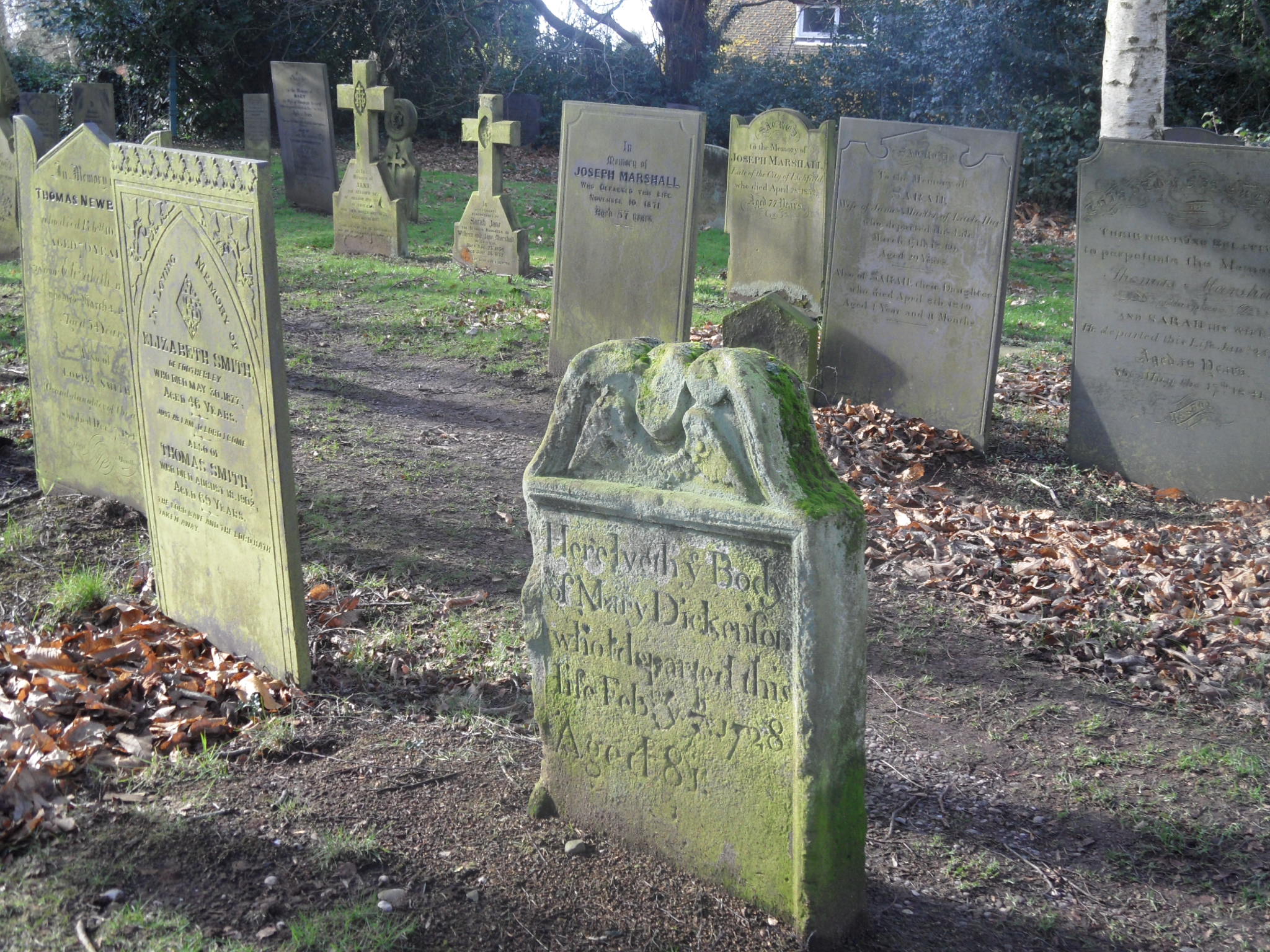
Tombstone in the graveyard at the Church of St Lawrence, Gnosall/

Tombstone in the graveyard at the Church of St Lawrence, Gnosall

With thanks to Norman and Sheila Hailes, for their tour and invaluable knowledge of the church, and to Kathleen Ingram and Cllr Kenneth Ingram and the other residents of Gnosall, for showing us around not once, but twice!

References:

Rodwell,W. (2012) The Archaeology of Churches Stroud: Amberley

Oosterwijk, S. (2010)  Deceptive appearances. The presentation of children on medieval tombs Ecclesiology Today

http://www.gnosallweb.org.uk/articles/stlawren.htm

Heads and Tales

Just outside of Lichfield, in the village of Wall, are the remains of the Roman settlement of Letocetum, a latinized version of an Iron Age place name meaning ‘grey wood’. The foundations of the bath house and guest house (or mansio), established here to provide rest and recuperation and a change of horses to those travelling along Watling Street, are still visible.  As you’d expect, some fascinating archaeological finds have been unearthed at the site, giving us a glimpse of what life in Letocetum was like almost two thousand years ago. Many of these are displayed in the site museum, including my favourite – a carved stone, discovered built into the foundations of the mansio, along with seven others, which I suspect not many people even realise exist.

Stone on display at Wall museum, featuring two carved heads and what's thought to be a shield.

Carved stone on display at Wall museum, featuring two carved heads and what’s thought to be a shield.

The carving seems to show two horned heads facing each other, with a circular object, interpreted as a shield, to their right. Heads also appear on some of the other stones found alongside it.  One depicts a figure with a club in one hand, and a severed head or skull at its feet. Another features a head in what may be some sort of niche and a fourth has a head with an open mouth, that may suggest it is screaming.

Carved onto a fifth stone are two ‘warrior’ figures with shields, stood side by side. A pattern of sorts around their legs has been interpreted as representing water. A second pair of figures, enclosed in a frame or box of some sort lie at right angles to these ‘warriors’. Two further stones have inscriptions, or at least partial inscriptions CUINTI…CI and DDBRUTI, and on the eighth stone is a carving which resembles a Christian cross, although it may be a pagan symbol representing the sun.

All but one of the stones were built into the foundations of the mansio in an inverted position, and there is a theory that they were originally part of a Romano-British shrine dedicated to a native god or gods (the names of whom may be recorded on those inscripted stones), which was demolished sometime around the building of the mansio. The reason for the shrine’s demolition at this stage is unclear, but it has been suggested that it may have been replaced by a yet to be discovered temple dedicated to a Roman god built elsewhere on the site. Incorporating the stones upside down suggests that the native gods represented by the carvings were still respected, and perhaps even feared by the builders of the mansio – I understand that inverting an object was thought to neutralise its power.

There is also a ninth carved stone, found separately from the others, in a hypocaust in the north east of the mansio. It appears to depict a phallus, and was inserted after construction to provide additional protection for the building.

Unfortunately, the stone with the ‘cross’ has disappeared and no photographs appear to exist. The other stones are kept at Birmingham Museum and Art Gallery but photographs of them can be found in the eleventh report of excavations at Wall, included in Volume XXI of the Staffordshire Archaeological and Historical Society transactions for 1979-80. Along with all of the Society’s other transactions, this is accessible online to members (it’s well worth joining if you are interested in the area’s archaeology).  I haven’t got around to asking for permission to use the photographs here, and so in an attempt to stay on the right side of copyright law, whilst trying to give a better idea of what the carvings on the stones look like, here are some drawings I did of them. Apologies to archaeologists and artists everywhere.

Carved stone 1

carved stone 2

carved stone 3

carved stone 4

I’m not drawing the ninth stone. You can probably work out what that one looks like for yourselves….

This all fits quite nicely (albeit unintentionally!) with the theme of ‘Hidden Histories’ for this year’s heritage weekend in Lichfield (20th/21st September). If you are interested in finding out more about the story of Wall, and hearing about some of the other archaeological discoveries made here, there is free guided walk around the village led by the Friends of Letocetum on Sunday 21st September.  The walk is free and open to everyone, and will be starting out from the the village car park at 10.30am.

 Sources

Staffordshire Archaeological and Historical Society Transactions for 1979 -80 Volume XX1

The Road to Ruins

When they were excavating the Wyrley to Essington canal at Pipehill at the end of the eighteenth century, a 500 yard section of a Roman military barricade (or palisade) made from trunks of oak trees was discovered.It was thought to have originally stretched from Pipe Hill to the Roman settlement at Letocetum. Well, unfortunately I didn’t come across that (if it even exists anymore) on my walk from Pipe Hill to Wall and back. But here’s what I did find…

A lovely view of the city accompanied me for part of the way (although I can only count four spires. If it’s Five Spires you’re after, look here)
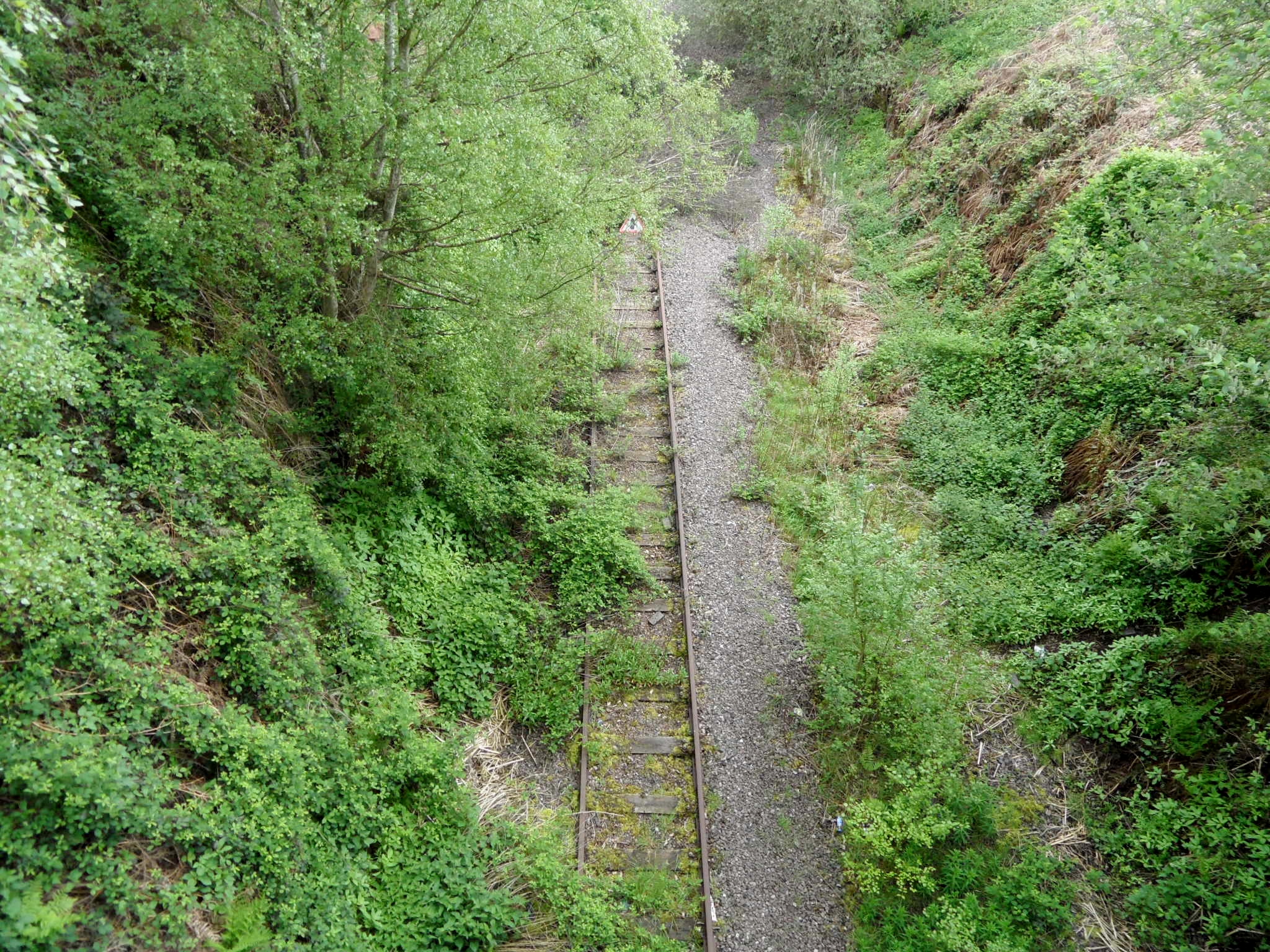
SAM_0896Not too far down the road, I peered over a bridge to see the disused railway line that runs from Lichfield to Walsall. You can get down to the track, although as I was on my own I didn’t risk it, the bank being steep and me being notoriously clumsy. I wonder how far you could walk along the overgrown rails? Rather than regurgitate a history of the railway here, far better is to direct you to the people who really know what they are talking about – the South Staffs Rail group. Their website, full of information, photographs and videos of the line, as it was and is, can be found here, and you can also find out about their campaign to have the line reopened.

Rail bridge Pipehill

SAM_0905

As I continued along Wall Lane, the wind was blustery and the sky dark and it almost felt autumnal. However, with bluebells and stitchwort along the roadside, hawthorn in the hedgerows and the swallows flitting over the fields of oilseed rape there was no real mistaking this was the merry month of May. I saw pheasants and rabbits and heard and saw all kinds of birds whose names I don’t know, but wished I did. However, all attempts to photograph them ended like this. I’m sticking to bricks and stuff that doesn’t move.

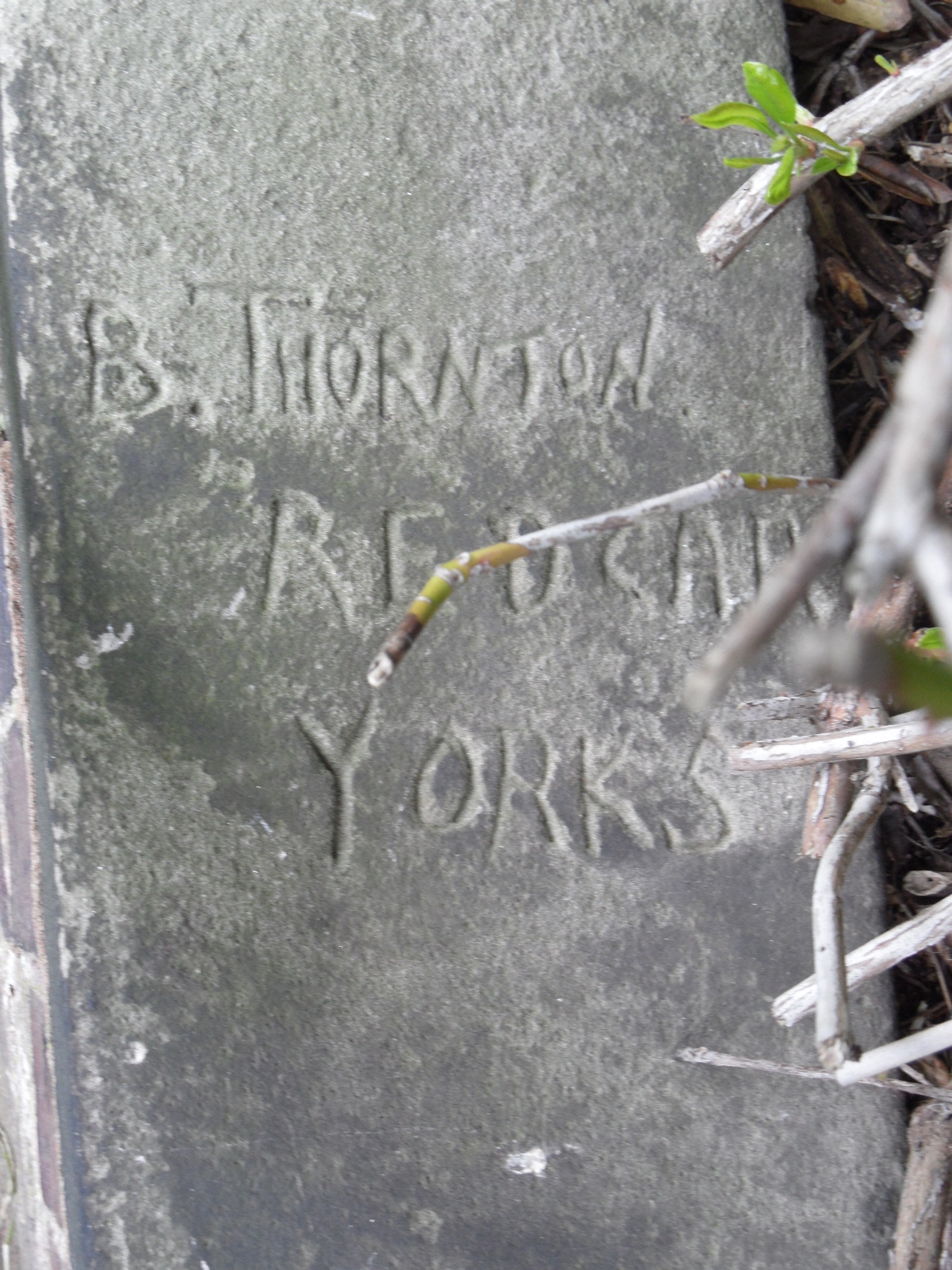
SAM_0879Up at St John’s in Wall, I was pondering what might have once stood here on the site of the modern(ish) church built in 1830. Some have speculated a shrine to Minerva, but my thoughts were interrupted by this graffiti on the church yard wall.

SAM_0922

I’ve got a real thing about names carved into stone anyway, but I really have to admire the chutzpah of B Thornton of Redcar in Yorkshire for leaving  practically a full postal address. Wish there was a date though… It seems he or she wanted people to know that that they’d been here but just what were you doing in this small, ancient Staffordshire village B Thornton of Redcar? Were you here to see the ruins too?

SAM_0931

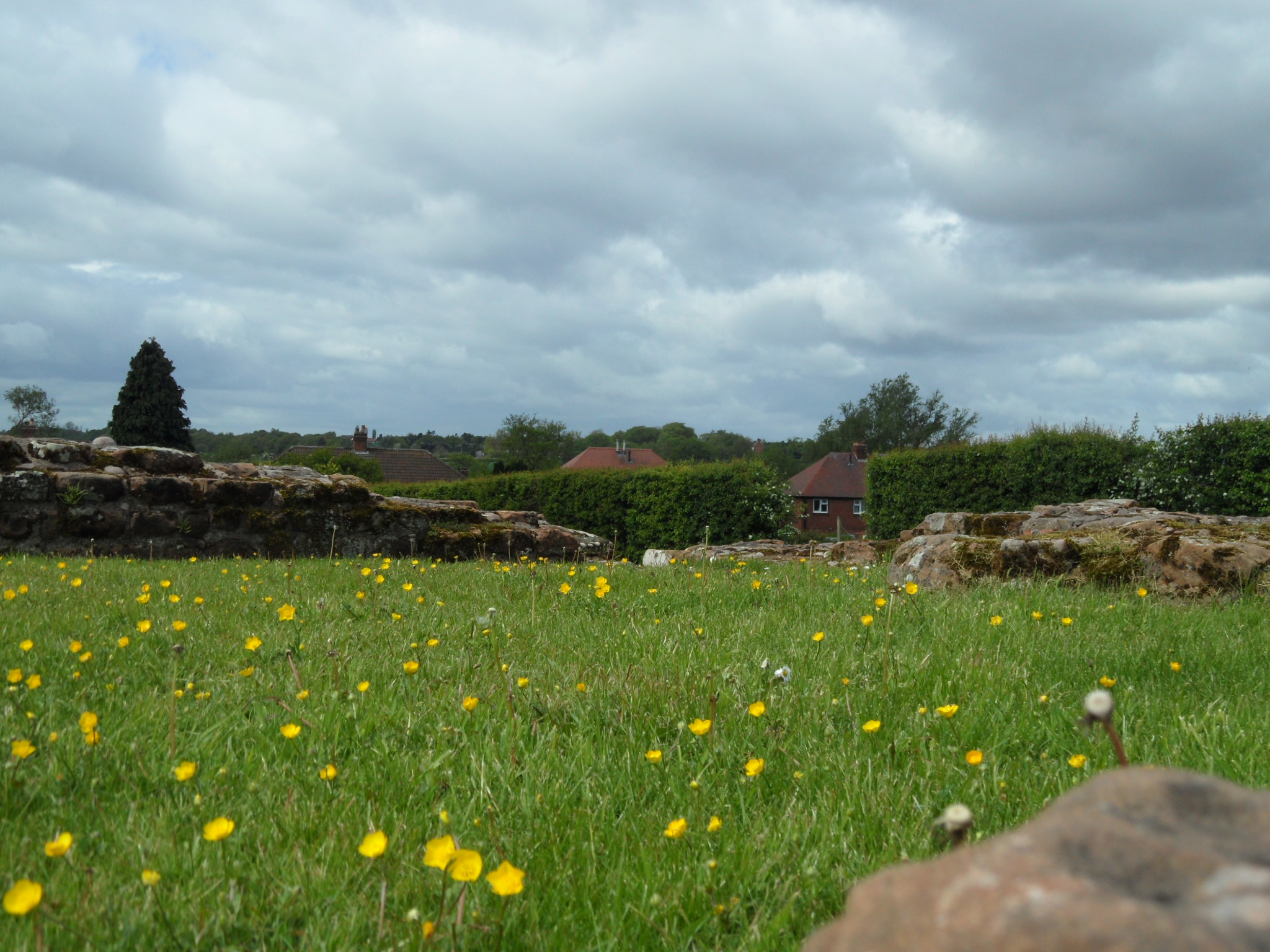
Whilst I was taking this photograph of buttercups growing where Romans once slept, I remembered that bit of childhood folklore about holding one beneath your chin to see if you liked butter. If you’re interested in science stuff, the explanation for how buttercups make our chins glow is here. It seems appropriate to share its Latin name here – ‘Ranunculus acris’. I think the acris bit means bitter, and I wonder if the flower’s common name started out as bitter cup and got corrupted on account of its beautiful golden colour? Anyway, back to the ruins.

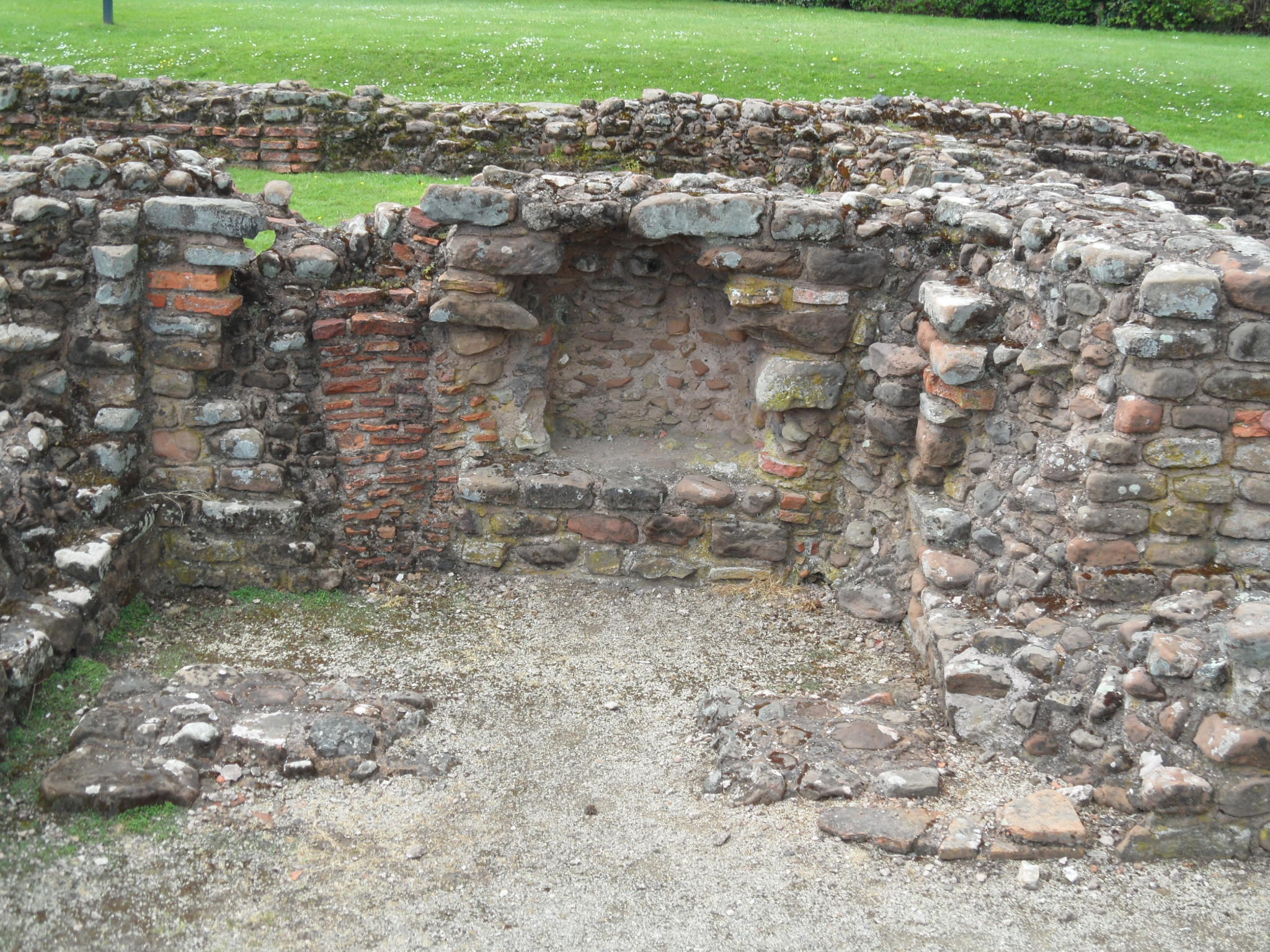
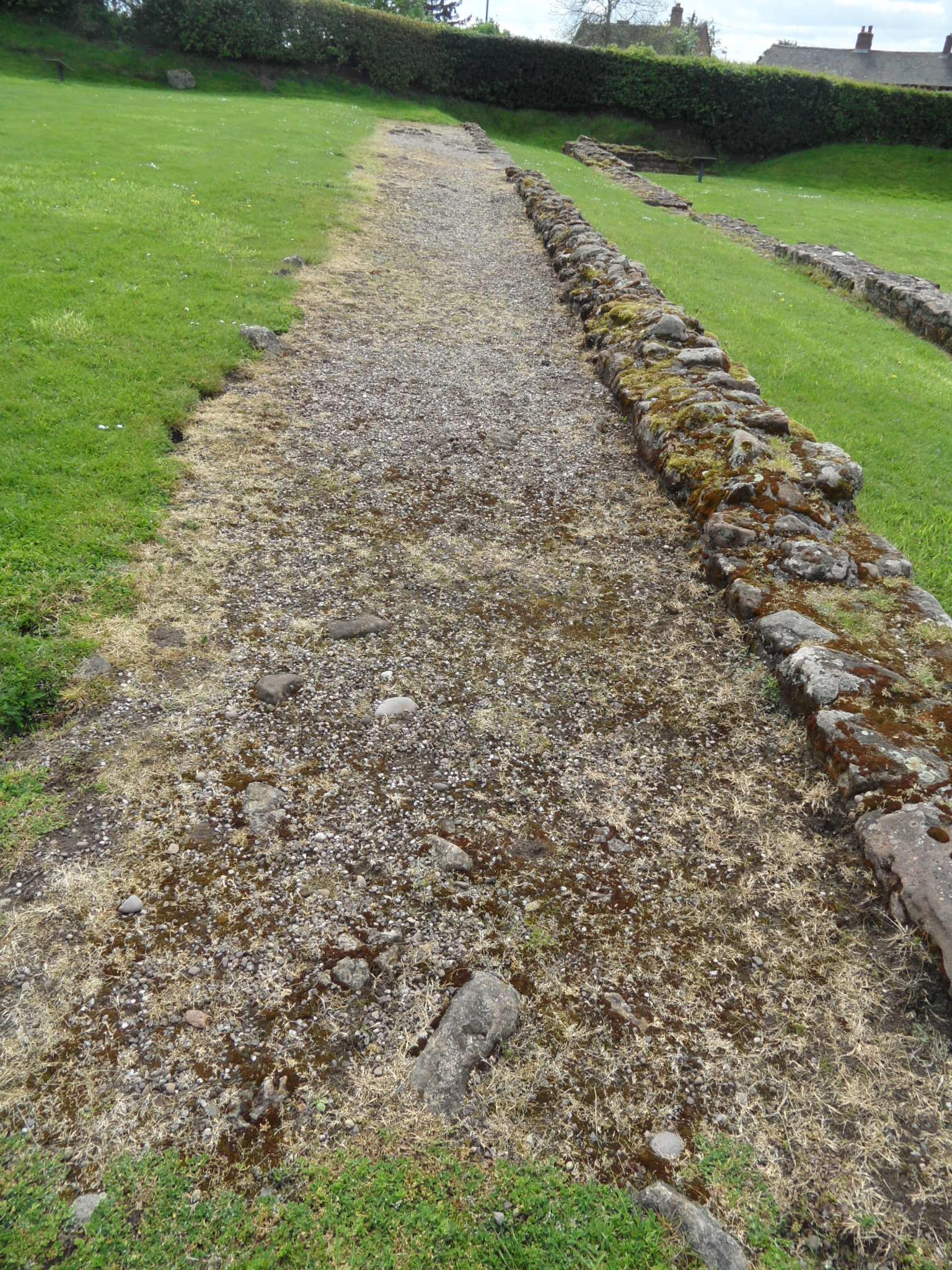
SAM_0940 SAM_0944Out of everything, it’s the remains of this small Roman street, with some of its cobbles still intact that gives me the strongest sense of connection with the past. Perhaps it’s the knowledge that you are treading the exact same ground as those who walked here thousands of years ago? Or perhaps I’d spent too much time here, alone with my thoughts….

SAM_0933

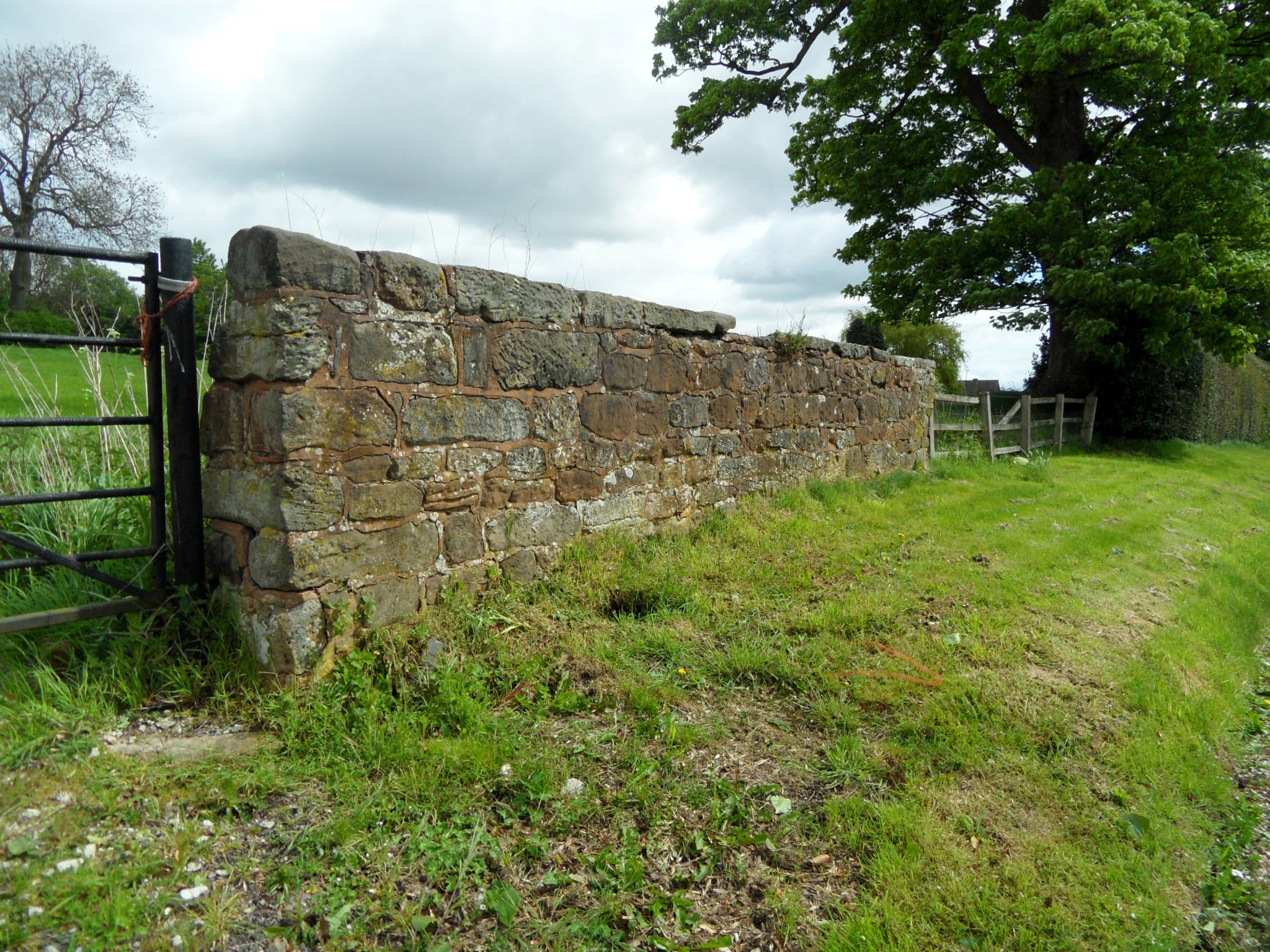
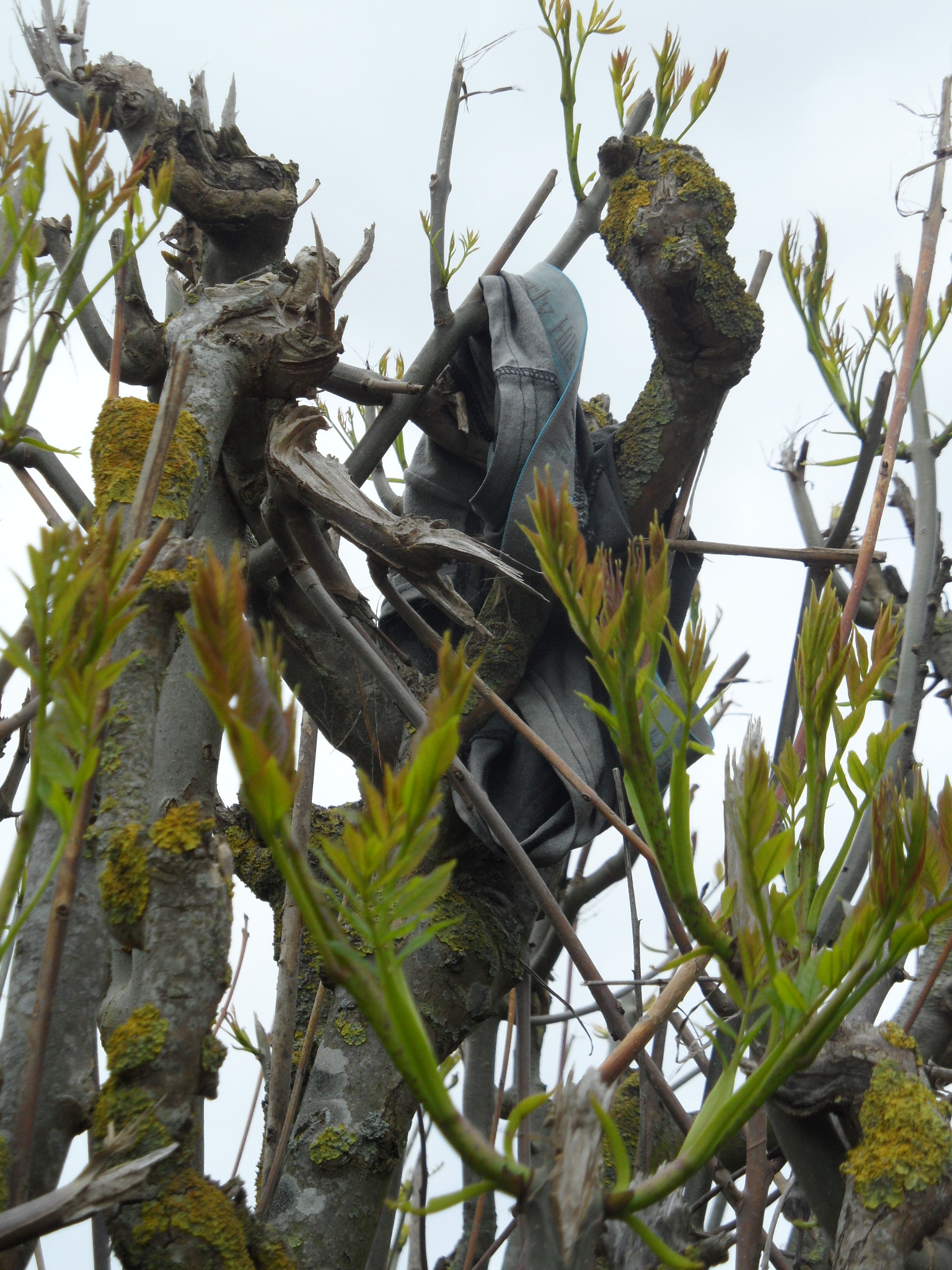
Heading out of Wall, there’s a farmyard wall which I believe was built using stone robbed out from the Roman site. Oh and another little mystery – just how does a pair of pants end up in a hedgerow like this? On second thoughts, this is one I probably don’t want to know the answer to.

SAM_0951

SAM_0919

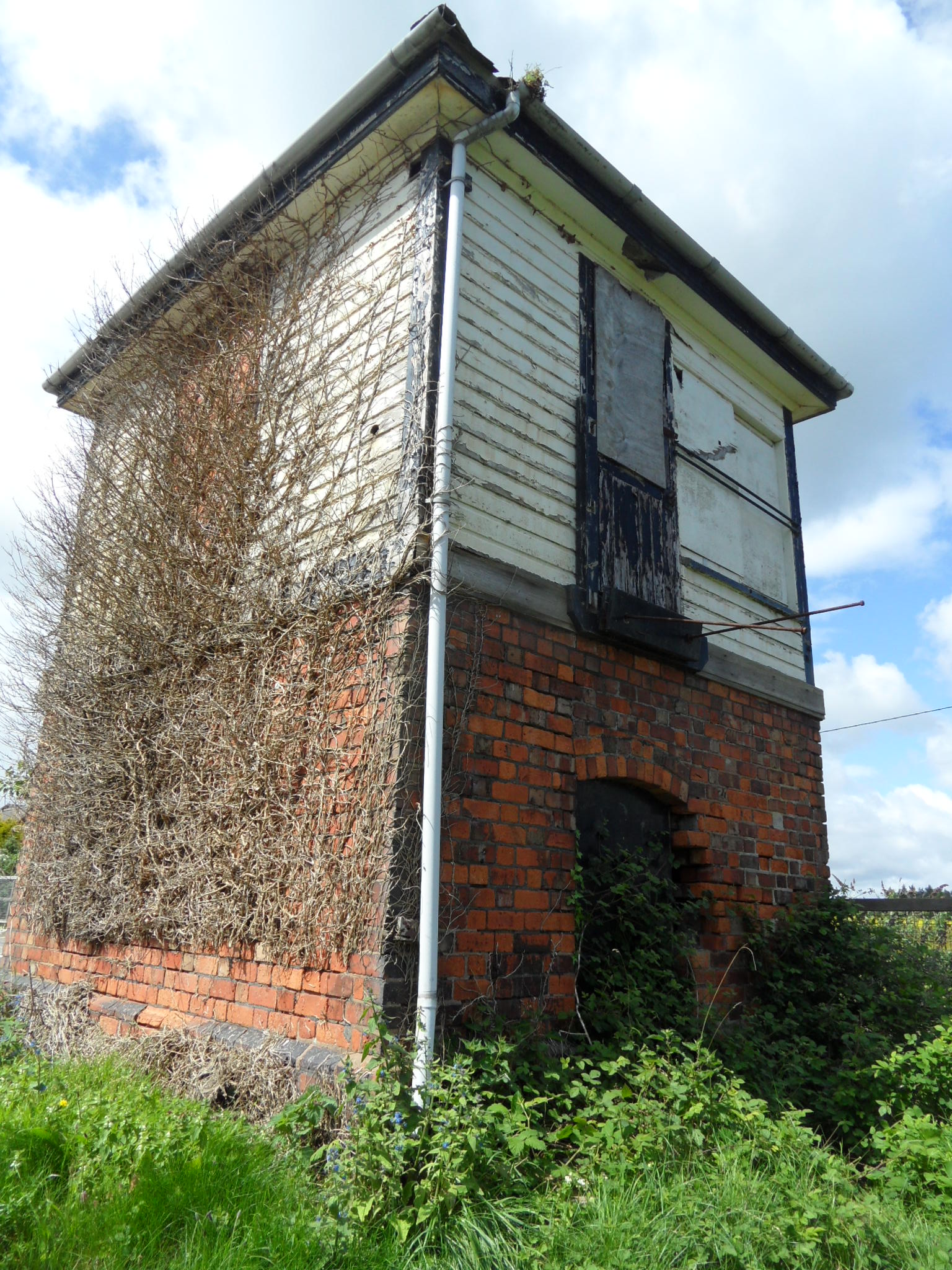
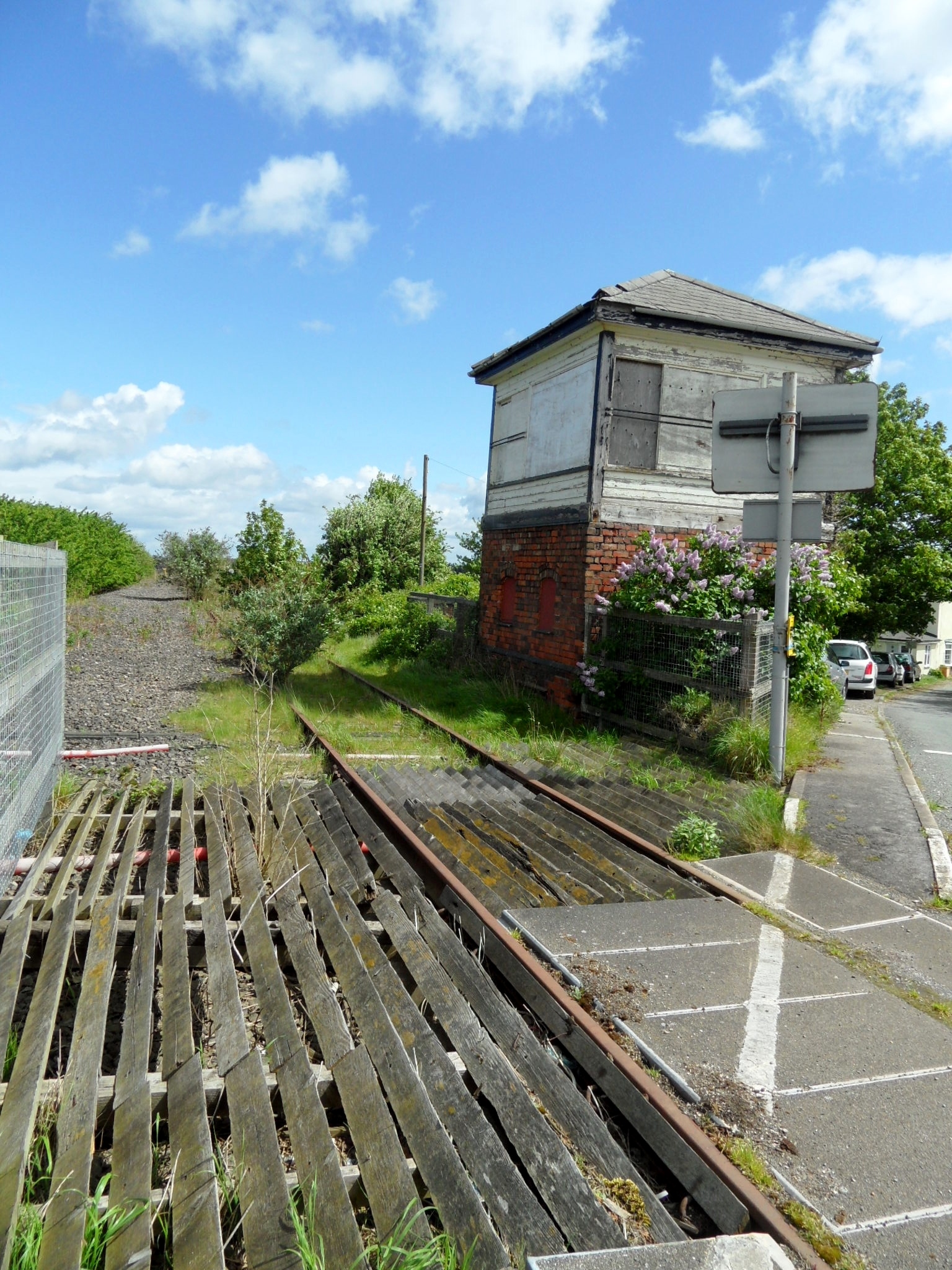
On the road back to Lichfield, down Claypit Lane I came across another relic of the railway. On the Fosseway Level Crossing is a signal box, built in 1875. Once again, I shall point you in the direction of the South Staffs rail site who have more information on this small but wonderful part of our history, and some photographs of the interior here. Also, there is a fantastic article on the South Staffs blog from a few years back, which I remember reading via Brownhills Bob’s blog, on Emily, who worked and lived at this crossing from 1946. You really should read it  – it’s brilliant and it’s here.

Fosseway signal box

SAM_0981

I was just about to leave the crossing and carry on back to Lichfield down Claypit Lane when I saw this.

SAM_0976

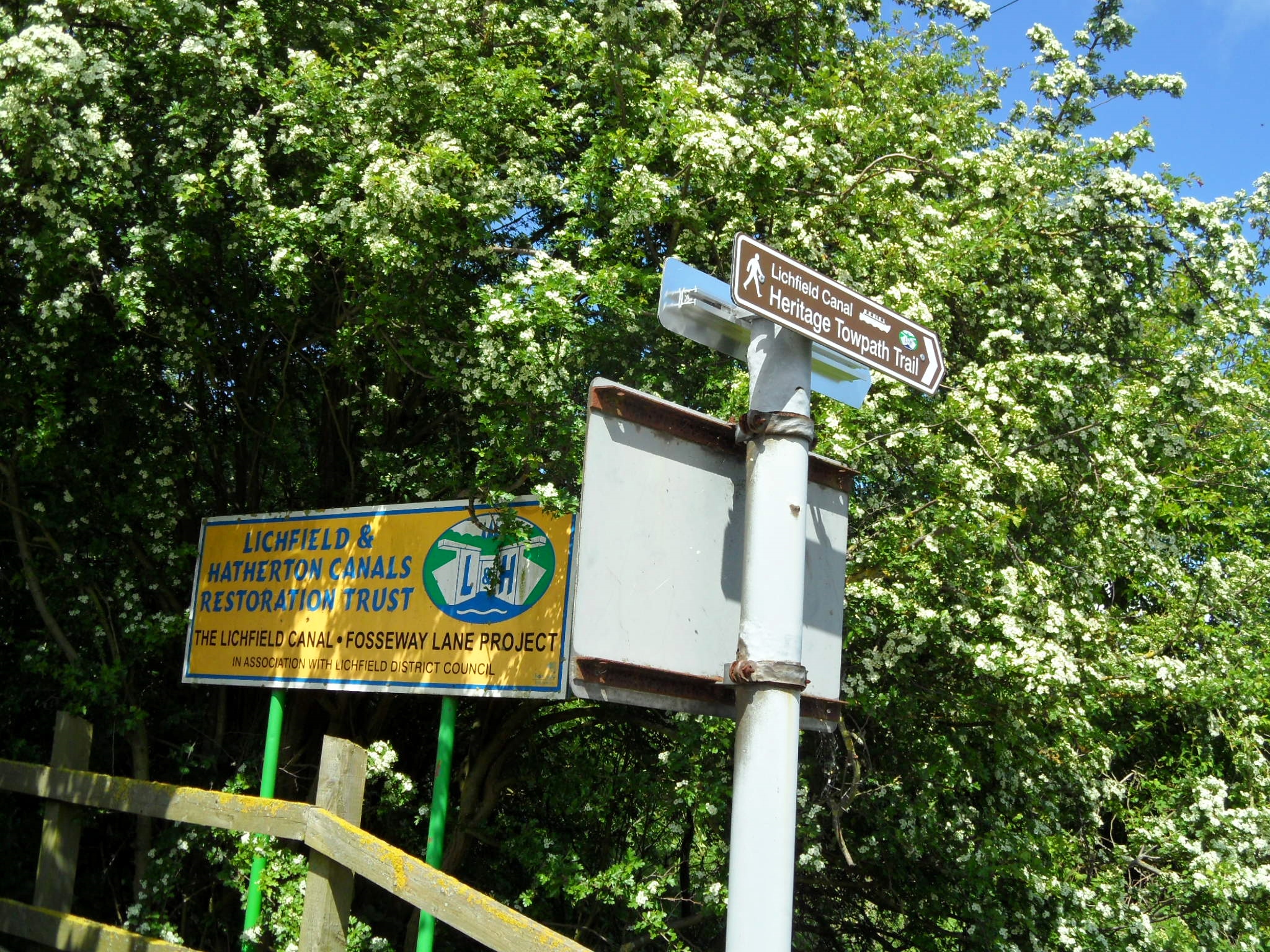
I’d heard about the trail via a talk that L&HCRT very kindly did for our Lichfield Discovered group, but hadn’t ever got around to finding it and now here it was! Once over the stile, the path takes you past what is left of this stretch of the Lichfield Canal.

SAM_0988

SAM_0990 SAM_0991

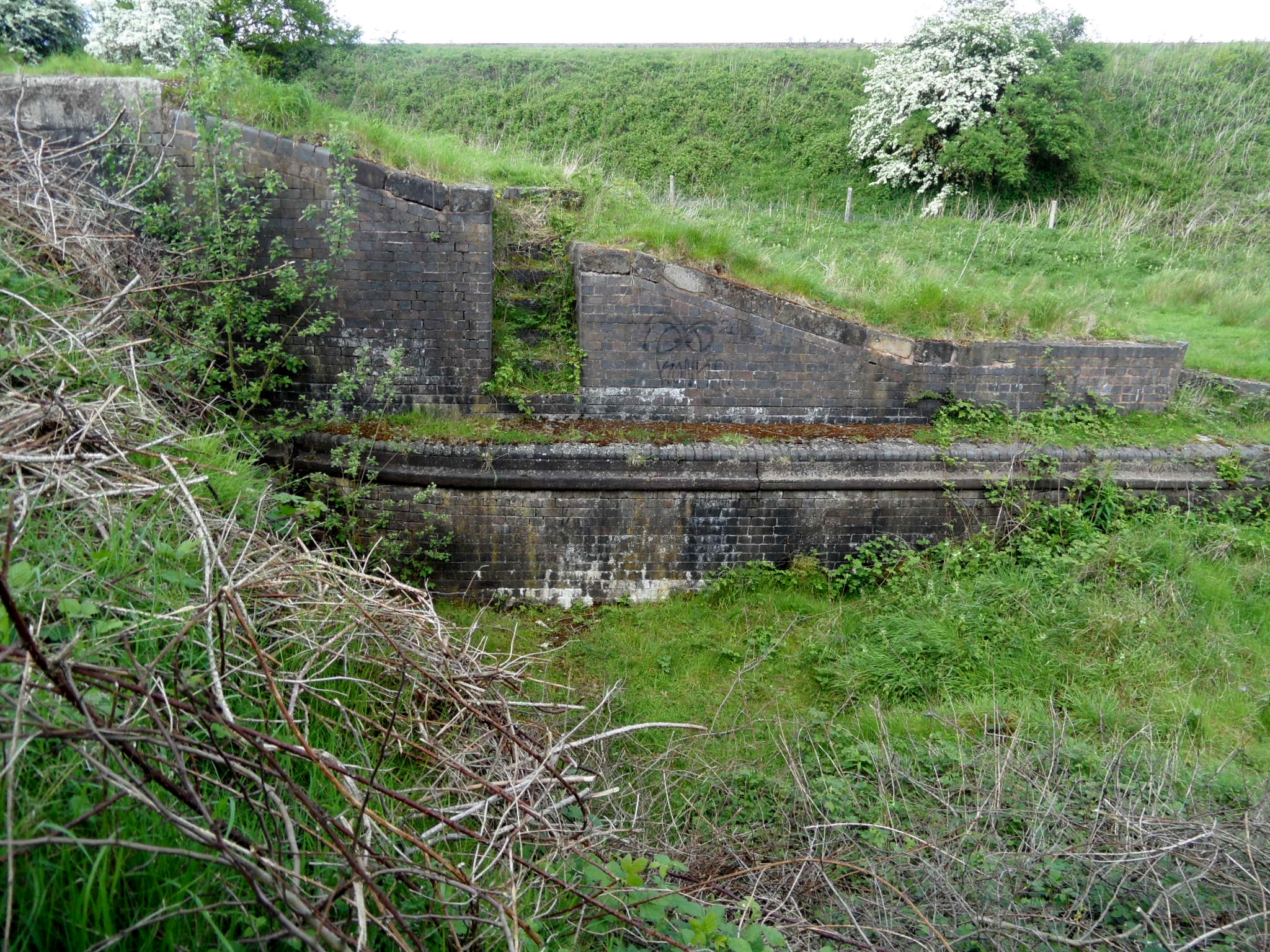
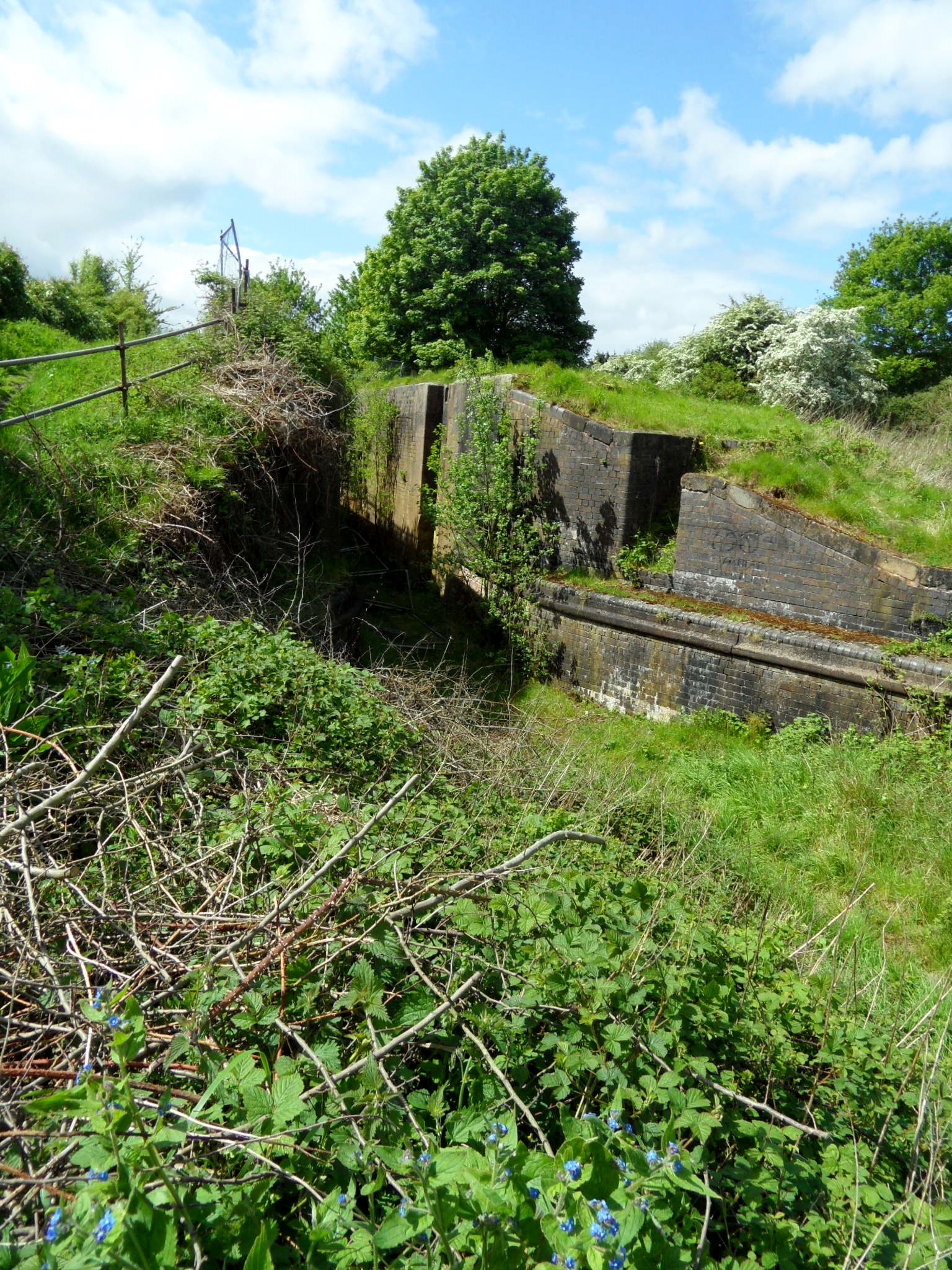
As with the railway line, much of it has been reclaimed by Nature who has decided that if us humans aren’t going to use it, then she’ll have it back thank you very much. I don’t know much about wildlife and ecology, but even I can see that this corridor is an amazing habitat for all sorts of flora and fauna. What does remain of the canal itself is fascinating, and being able to see it like this, in all its emptiness, really made me realise what an epic task building these structures would have been. And how deep it was.

I finished the walk near to Waitrose, once again amazed and delighted at just how much history and beauty there is so close to home. I’m certainly going to do it again and I recommend that you do too – it’s an easy five miles walk and even I didn’t get lost!

Sources:

file:///C:/Users/Kate/Downloads/50e_App4-Archaeological_Desktop_Survey_By_On_Site_Archaeology_Lt%20(7).pdf

http://www.pastscape.org.uk/hob.aspx?hob_id=304434

The Two Towers

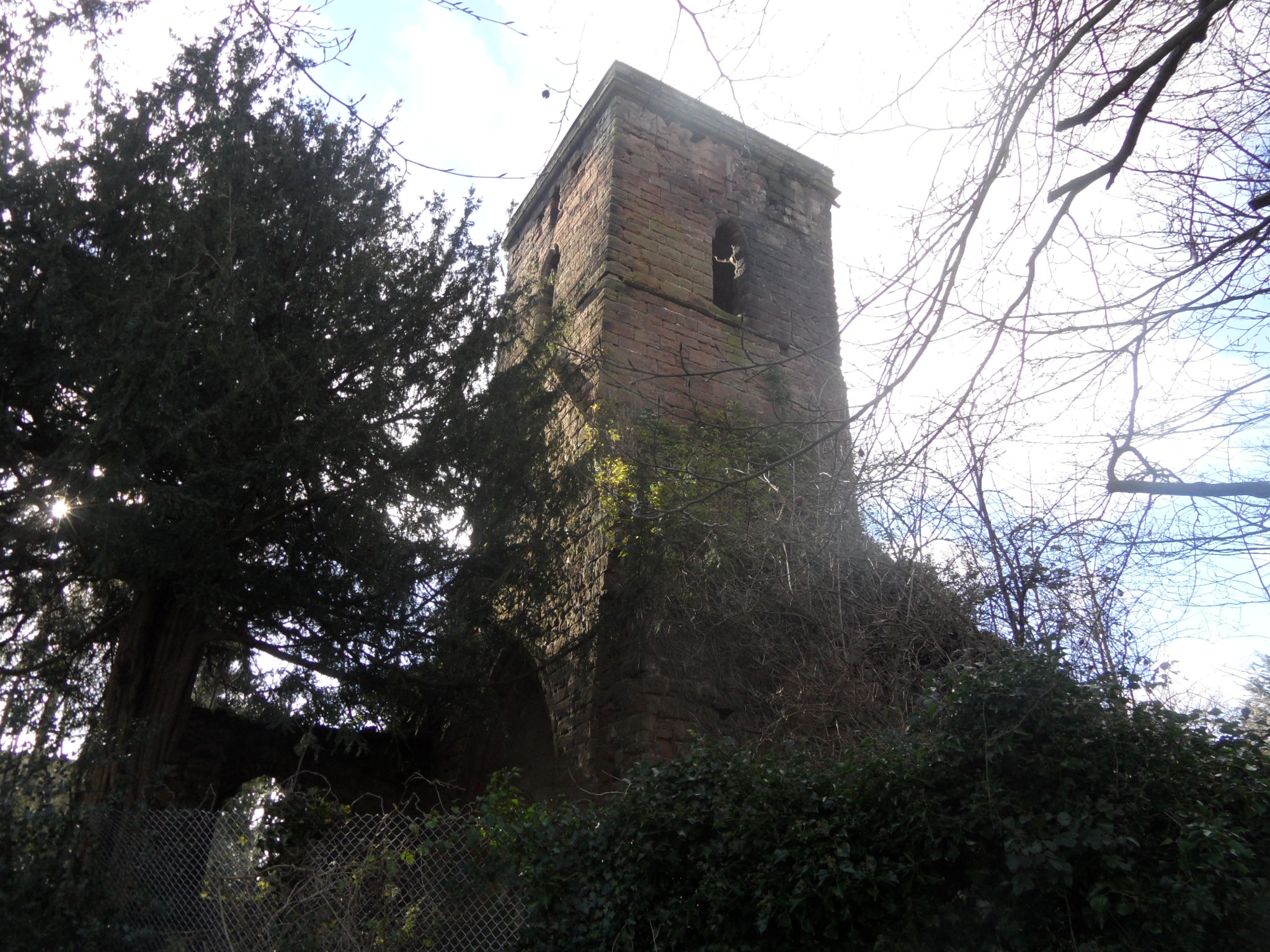
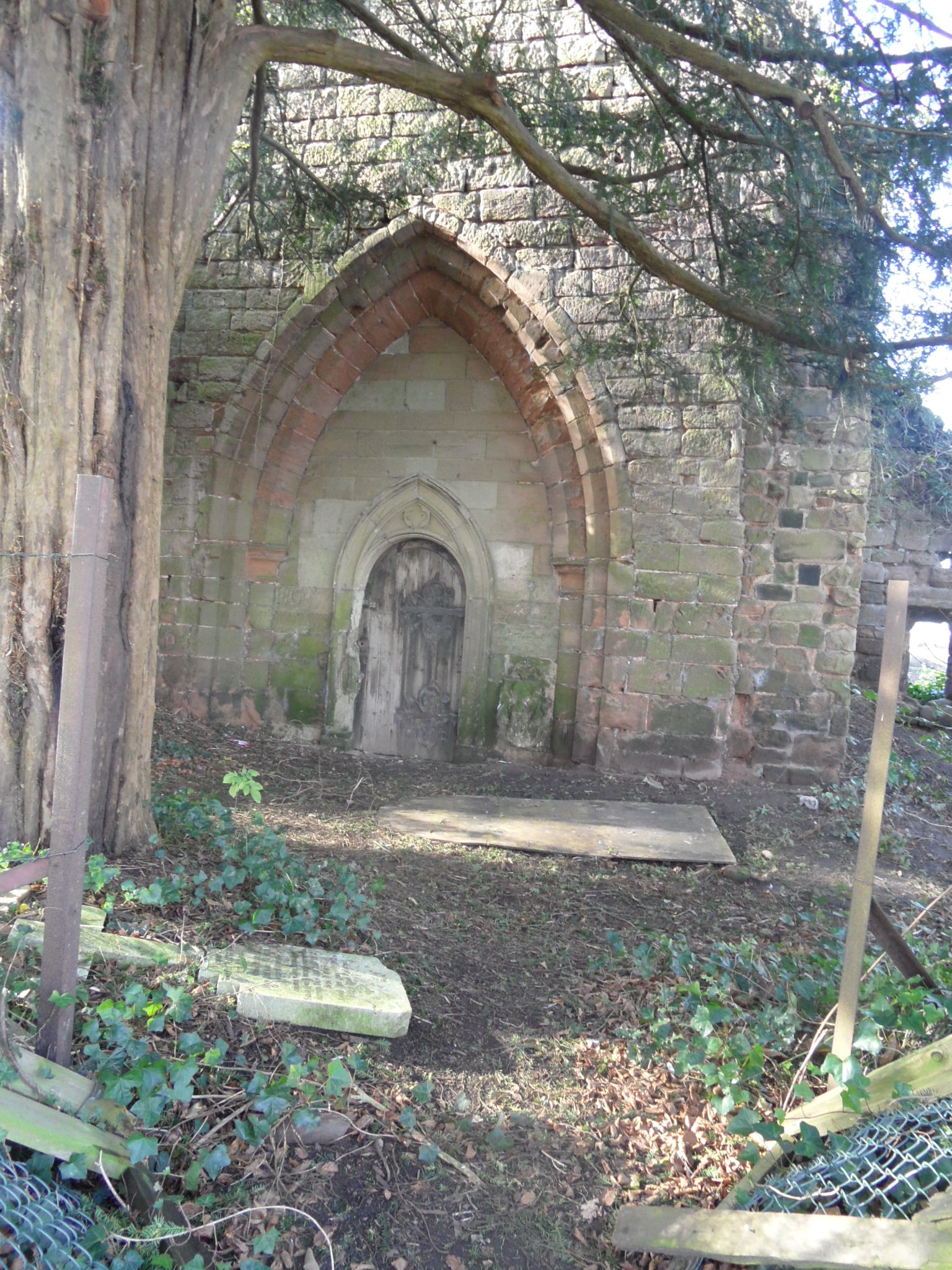
With ‘Heritage at Risk’ the theme of our Lichfield Discovered meeting this month, I was having a flick through the English Heritage At Risk Register to see whether there were any other buildings in the district keeping the Angel Croft Hotel company on the list. It seems much of what’s considered ‘at risk’ in these parts is landscape features – a causewayed enclosure and settlement sites in Fradley/Streethay, a round barrow at Alrewas and a site near Elford, although built heritage does appear in the form of the walls and gate piers at Colton House, the ruined remains of an old manor house at Hamstall Ridware and the old church tower at Shenstone. The inclusion of the latter was of particular interest as I’d been there for a nose just days before.

SAM_9814SAM_9807

When the present church of St John’s was built in the 1850s, the existing church was partly demolished leaving just the tower and the south door visible. Time and nature are doing their best to finish the job the Victorians started – English Heritage have assessed it as being category A meaning that it is at ‘Immediate risk of further rapid deterioration or loss of fabric; no solution agreed’.

SAM_9830

The tower had a wooden ladder but no staircase

The ruins are thought to incorporate Norman features and possibly some Anglo-Saxon masonry.

As you’d expect, many of the village’s old residents are to be found here in their eternal rest. According to William Pitt, at least one of them did not go gentle into that good night – Susannah Southwell of Shenstone was married at the age of 112 (although he doesn’t record how old the groom was nor how long it was until death did them part). The Wikipedia entry for Shenstone says that a 2007 survey found that it was one of the ten worst places in England for finding single women. Perhaps that’s always been the case?

SAM_9818

Local sandstone was used to build both new and old churches and it’s this geology that caused David Horovitz to question whether the place name Shenstone really does mean ‘shining stone’, suggesting that sandstone could “hardly be described as ‘bright, shining or beautiful'” (although anyone who has seen Lichfield Cathedral glowing in the late afternoon sunshine may well disagree). Mr Horovitz has suggested that Shenstone may instead refer to a personal name, or even to stone monuments left behind by the Romans (remains of a villa have been discovered on the outskirts of the village and Wall is only around a mile away).One of the reasons I love the study of place names is that it can give us a glimpse of somewhere as seen through the eyes of people who once lived there hundreds, if not thousands, of years ago. The view can be a little hazy though and sometimes we can only guess at why our ancestors chose the descriptions they did.

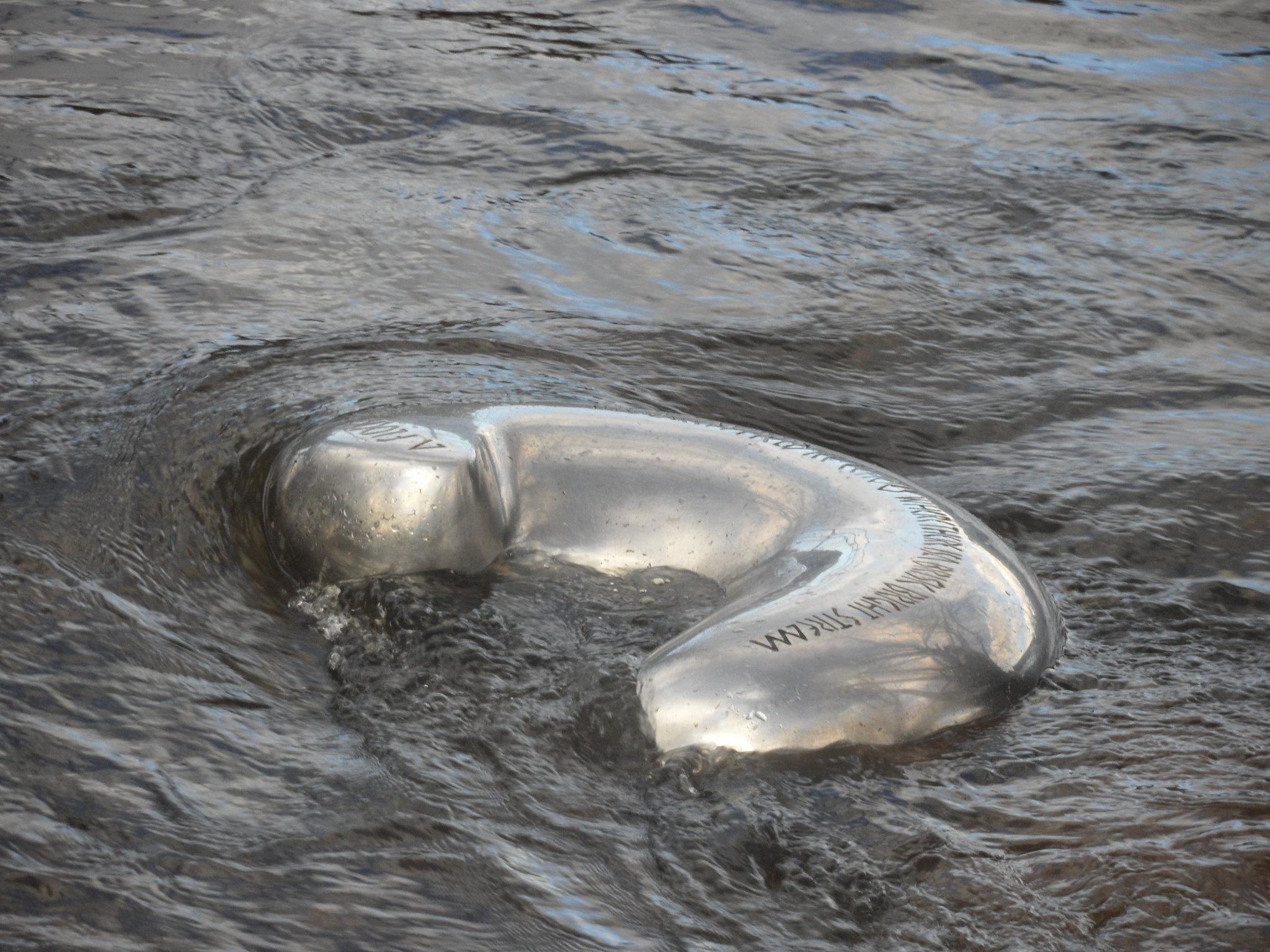
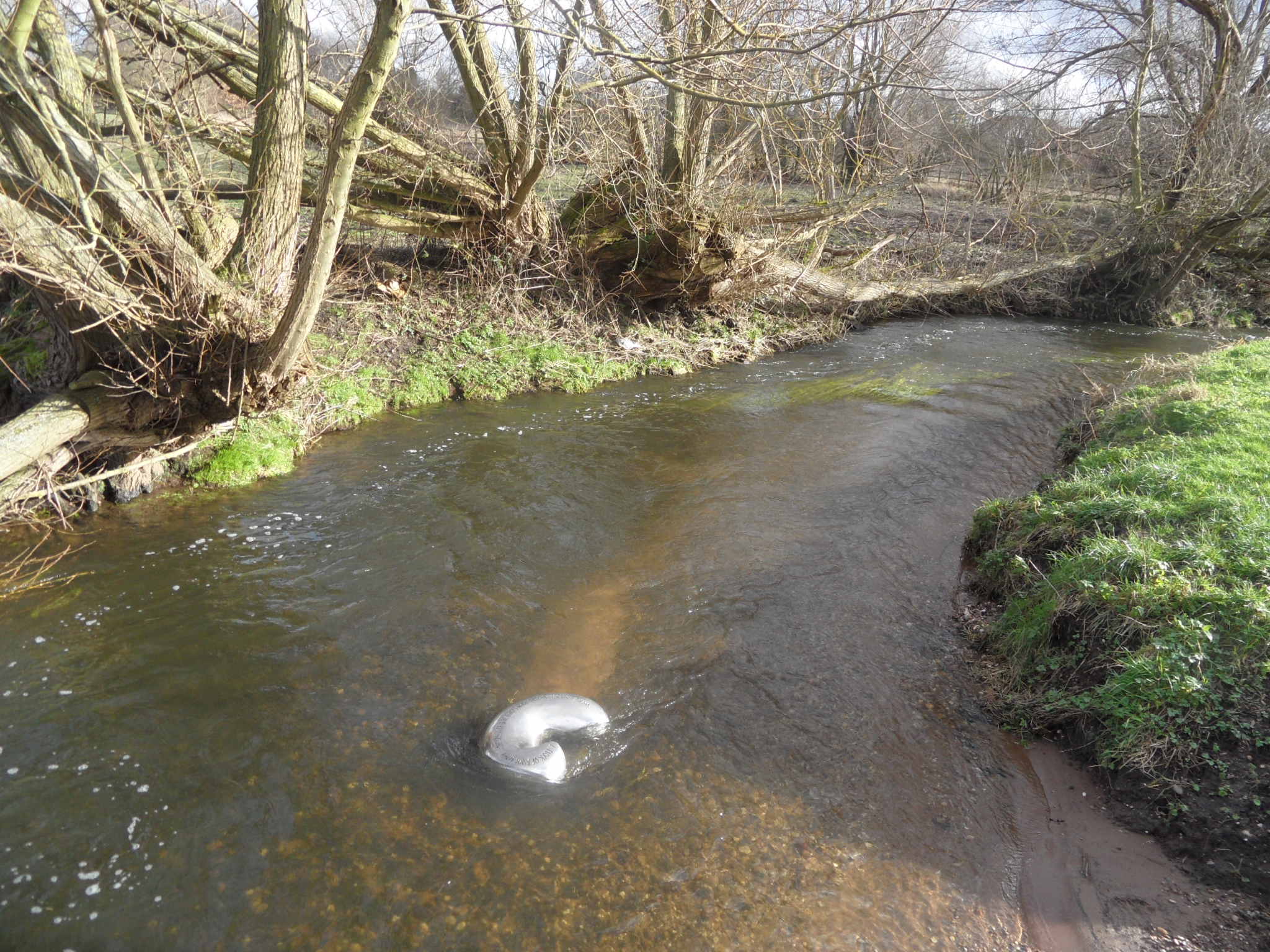
Whatever the true meaning may be, it is the ‘shining stone’ theory that inspired Jo Naden’s steel sculpture for the village’s Lammas Land in 2002, described by the invaluable PMSA website as follows, “(The artist) chose to site her sculpture in the Black Brook, which runs through the Lammas Lands used by the Celts as a site for harvest festival rites, in order to make a connection with Celtic culture. Trees, held sacred by the Celts, are reflected in the mirror finish of the stainless steel, while the text inscribed on it* is taken from the words of an unknown ninth-century Irish author. The placing of the stone at a point near where a bridge built on a north-south orientation crosses a stream running from west to east would have been considered sacred by the Celts because it symbolised the meeting of polar opposites”.
*A flock of birds settle ….. the green field re- echoes where there is a brisk bright stream

I stood on the little footbridge watching the swollen Black Brook flow over the sculpture for a few minutes until I was ordered off by a toddler clutching a handful of twigs ready to make an offering of pooh sticks to the water at this sacred spot.

SAM_9843SAM_9842Sources:

A Landscape Survey of the Parish of Shenstone, edited by Richard Totty for The Staffordshire Archaeological and Historical Society Lichfield 2009

A Topographical History of Staffordshire, William Pitt

‘A Survey and Analysis of the Place-Names of Staffordshire’
by David Horovitz, LLB

Something Old, Something Neo

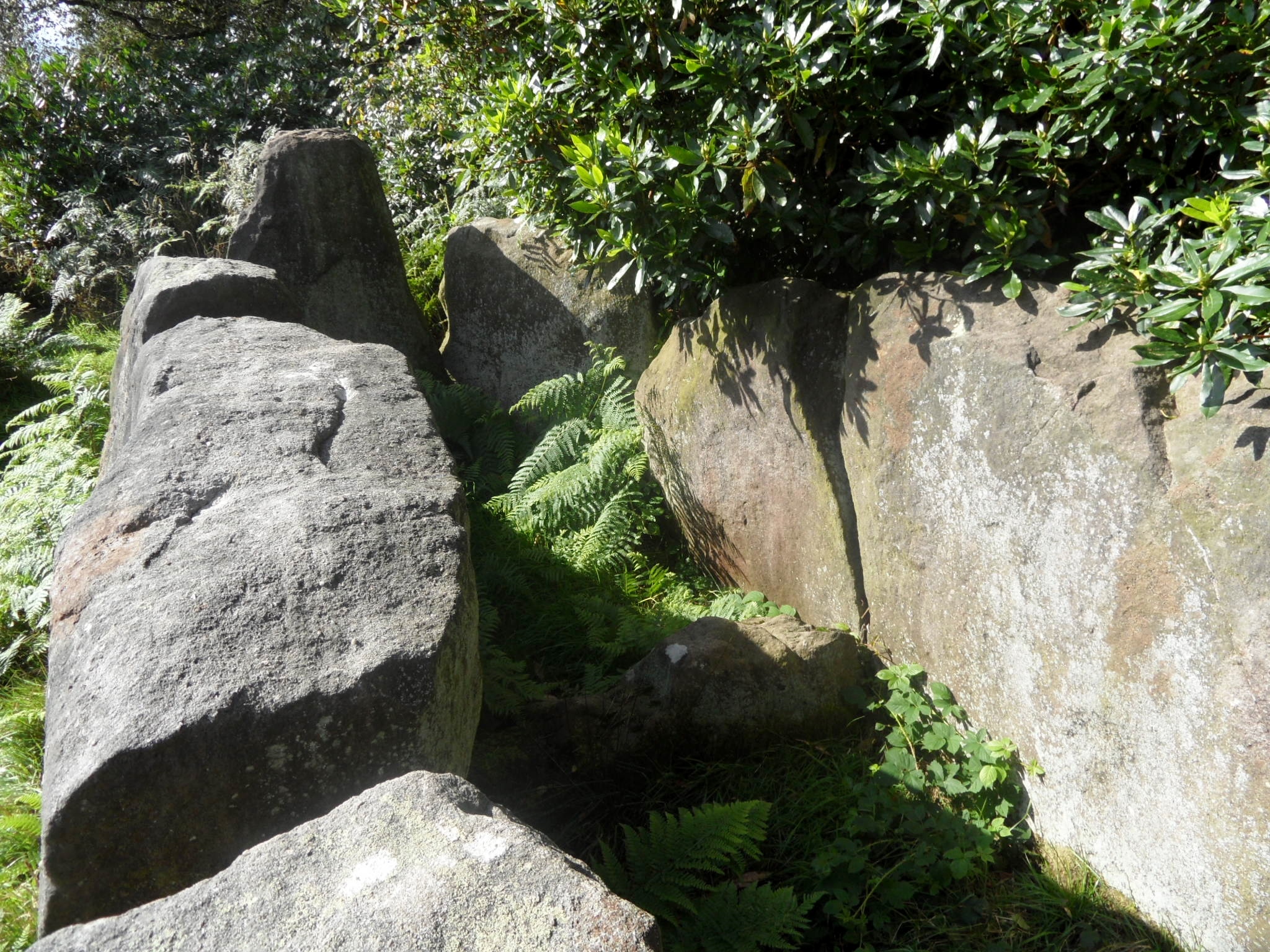
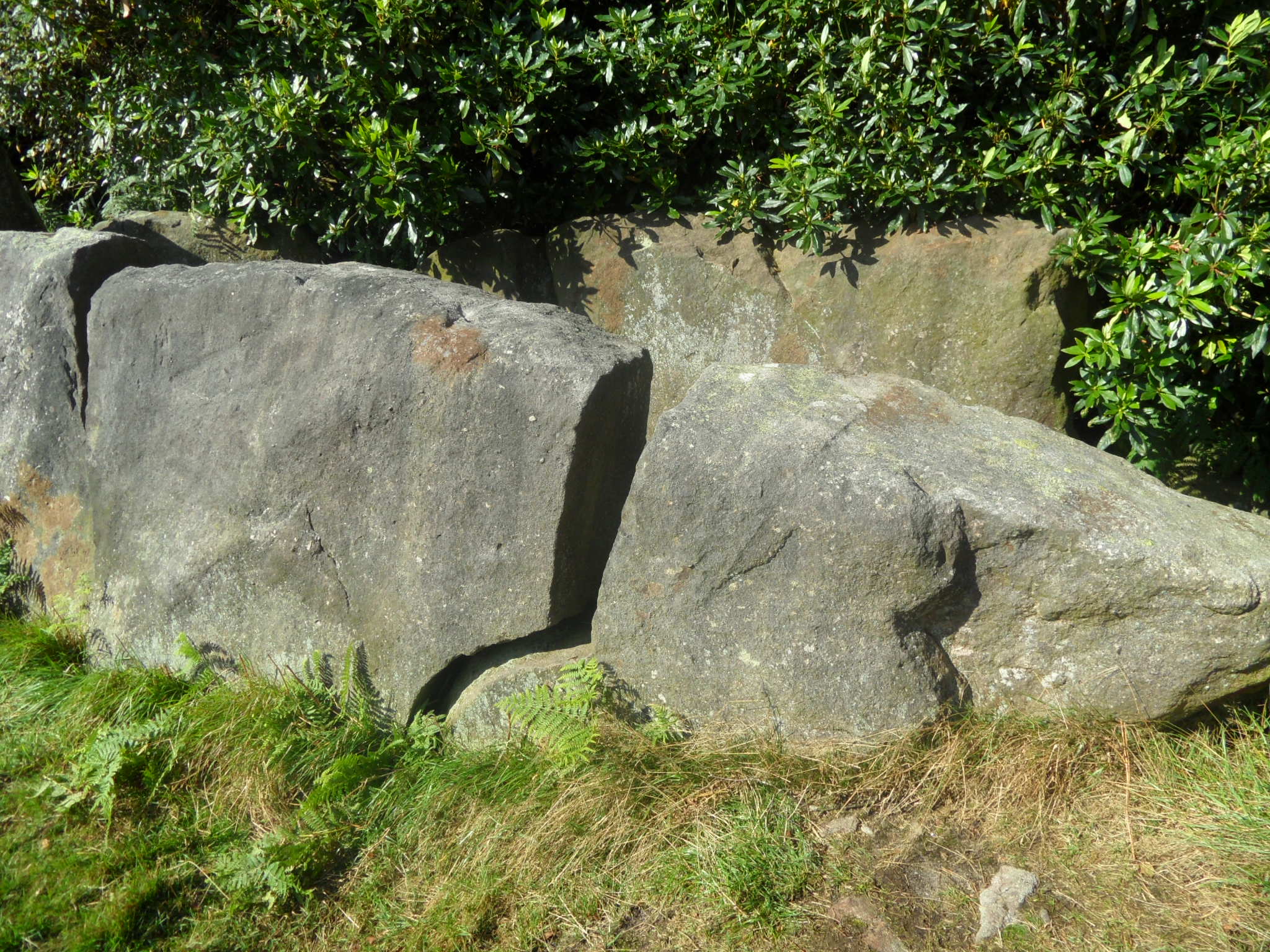
At the end of the summer I went with friends to visit the Bridestones. Admittedly, this Neolithic burial chamber is a fair few miles from Lichfield and technically is not even in Staffordshire but definitely worth an excursion both in real life and also, I hope, via the blog.

The Bridestones are thought to be somewhere between six thousand and four thousand years old. When you think that the estimate for the monument’s age alone covers a range of around two thousand years, you realise just how little we can be certain of and how vast the time scales are when it comes to ‘prehistory’. It’s an absolute wonder that these stones are still standing, and all the more remarkable when you read of their treatment in the past. Back in the eighteenth century, the site was regarded as a convenient quarry and was plundered for its stone, some of which was used to build local houses and some of which was taken to build the nearby toll road, as described in Henry Rowlands’ 1766 Mona Antiqua Restaurata

There was a large heap of stones that covered the whole an hundred and twenty yards long, and twelve yards broad These stones have been taken away from time to time by masons and other people for various purposes. And in the year 1764 several hundred loads were carried away for making a turnpike road about sixty yards from this place which laid it open for examination.


There are also rumours that some of the stone can be found in the ornamental gardens at Tunstall Park, which was opened to the public in June 1908. I’m a little sceptical about this but it does once again raise that interesting idea of recycling materials from older structures. The stones are said to have sustained yet more damage in the nineteenth century, both accidentally, when a fire lit at the site caused the stones to crack, and deliberately, when an engineer working on the Manchester Ship Canal supposedly demonstrated how detonation worked on one of the larger stones.

When trying to understand sites like the Bridestones, we look to archaeology to provide us with answers. The Stoke on Trent Museum Archaeological Society have a fascinating report on their website which contains drawings of what the Bridestones may have looked like back in the eighteenth century together with details of the archaeological investigations which have since taken place and what they can tell us about this ancient structure. You can read it here. However, as well as evidence provided by science, I also enjoy the folklore and myths that grow up around sites like the Bridestones. There are stories that they mark the resting place of a murdered pair of newly weds, a Saxon woman and her Viking groom. Others say weddings once took place here. Was the name ‘Bridestones’ given to the site to reflect these stories, or were they invented to explain an already existing name? I think it’s worth considering that stories were (and still are) ways of sharing and passing on information and that perhaps sometimes this information might yet be contained within such stories, however naive and implausible they seem upon first listen.

As I mentioned at the start, the Bridestones sit on the Staffordshire/Cheshire border, just inside the latter county. There’s a boundary stone very close by on the drive leading to the site and surely it was due to the presence of the Bridestones themselves that the border was established here in the first place, acting as a memorable boundary landmark. Why did our ancestors chose to erect their monument at this particular spot in the first place though?

Despite being ransacked and not looked after properly over the years, this is still an incredible place and you should definitely take the time to hop over the border and pay this old Cheshire couple a visit.

Bones of Contention

Last week, together with other members of the Lichfield Discovered group, I enjoyed a Gruesome and Ghostly tour around the city lead by one of Lichfield’s Green Badge Guides. Some tales were familiar (although it’s always fascinating to hear someone else’s version of a story you know), others were complete revelations. I was particularly intrigued by the story of an ancient adult male skeleton, apparently discovered with the remains of a tiny baby in his arms when an access road was being built behind Bakers Lane. (1) Obviously when listening to stories in these circumstances, you’re never quite sure where truth ends and anecdote, myth and legend creep in, and I was interested to know whether there was any substance to this story. As of yet I haven’t been able to find anything on this particularly, but as you might expect, searching for skeletons in Lichfield turns up all sorts of intriguing information….

In 1925, the Tamworth Herald got very excited when it heard that workers digging a trench in the grounds of St John’s Hospital in Lichfield had discovered human remains, announcing that the skeletons discovered were ‘probably over 700 years old’ and that they may be ‘priors and their bretheren’. The Rev John Ernest Auden, chaplain at the hospital, wrote to the Lichfield Mercury to set the record straight – yes, ten bodies had been discovered but it was unlikely that they were seven hundred years old, or even half that. It was also unlikely that they were priors as such burials were usually discovered alongside an article of their service, often a chalice and patten, as had been discovered in 1917 at the former leper’s hospital at Freeford (2).  It was much more likely that they were old residents of the hospital. Archaeological evidence in the form of tiles and pottery found alongside the bodies suggested that they had been there for around two hundred years. Rev Auden also recalled how, when he was curate of St Mary’s in 1886 to 1889, he could remember funerals taking place at St Johns and several older people he had known, including former resident of the hospital Henry Cartmale and City Coroner Charles Simpson, could recollect burials taking place in the grounds. Rev Auden also pointed out that there were three fairly modern gravestones under the Yew Tree supporting this.

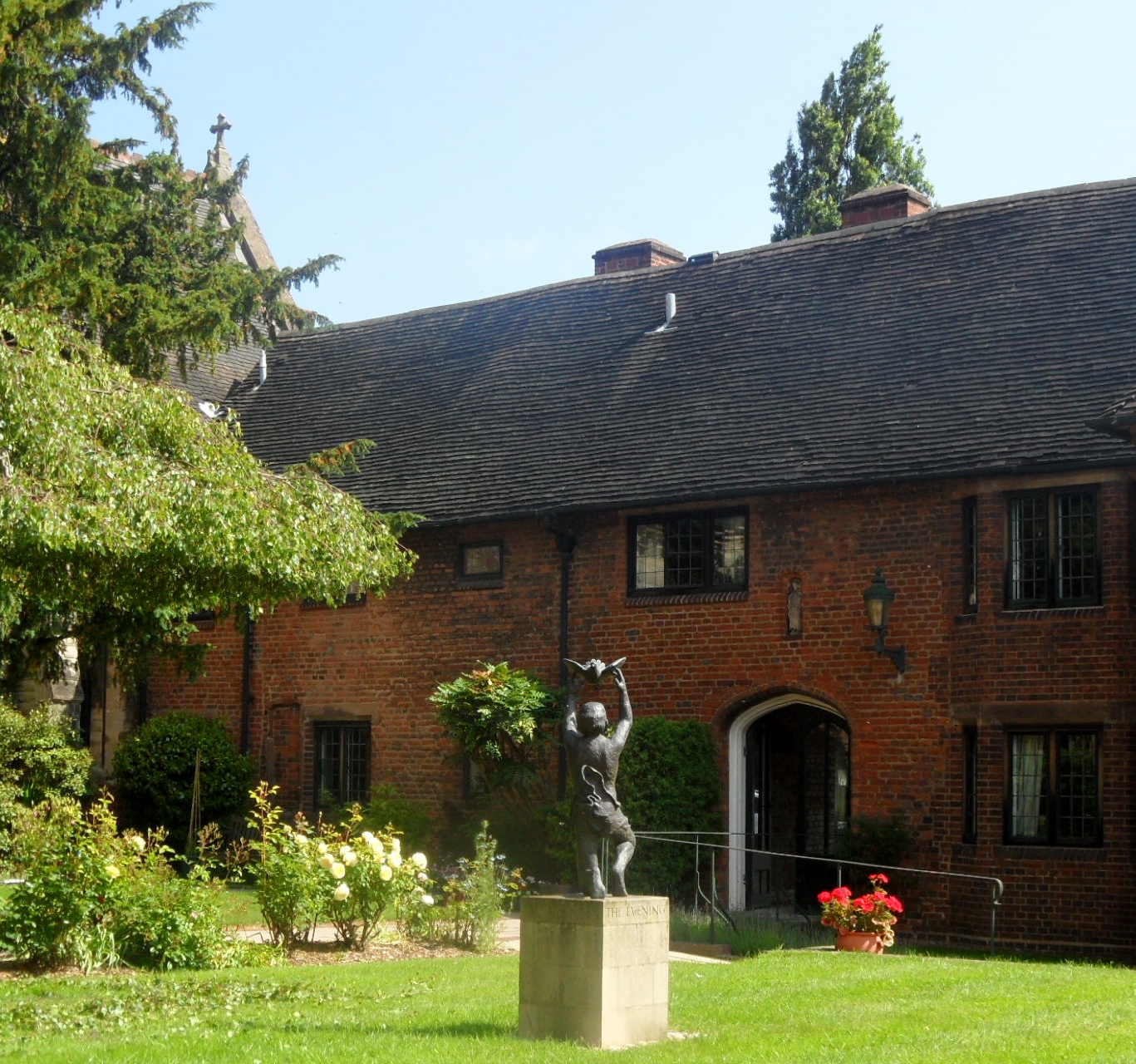
Part of the courtyard at St John’s Hospital

Apparently one woman had protested at ‘the hideous sacrilege and desecration in using ground solemnly consecrated and dedicated as God’s acre for ever, for a bed for sewers’, and so Rev Auden took the opportunity to reassure her, and anyone else that was concerned about the work that was being carried out, that the bones had been collected and reburied together and that the Hospital Quadrangle would soon resume its peaceful aspect, plus the manholes.

Although they did make assumptions in this particular instance, to be fair to the Tamworth Herald, evidence for much older burials, in and around the hospital, was discovered in 1967, when according to the County History, a medieval burial was found during alterations to the almshouses. In June last year, Annette Rubery and local newspapers reported that further remains were found just one metre below the pavement outside the hospital, when workers were repairing a gas pipe, although I don’t think the date of this burial was ever confirmed?

In another post, I’ll look at ‘Councillor Moseley’s Graveyard’, the nickname given to the site of the Friary after Thomas Moseley secured permission to excavate the site in the 1930s, uncovering several skeletons and other archaeological remains, and also the area in and around Lichfield’s Cathedral Close, where amongst other discoveries, a very unusual burial was reportedly found within the walls of one of the buildings in the early eighteenth century. They don’t call this the Field of the Dead for nothing you know (4).

Notes:

(1) One of the reasons I find this particularly interesting is that it seems unusual that it’s a male skeleton with a young child. Over in St Michael’s churchyard, the remains of an adult with a child were discovered, but this was thought to be a mother who had died in childbirth (and was of course in consecrated ground). For more information on that see here. Also, it makes you think about past uses of land and what discoveries like this can tell us. Edit: I’ve just re-read the report and the actual wording is ‘an adult and tiny baby found buried together…it is possible they represent a mother and child who died at childbirth’, so I should make it clear.

(2) For more information on the human remains discovered at Freeford, and thought to be related to the fomer lepers hospital there, see here

(3) Mr Charles Simpson b. April 9th 1800. Solicitor, Town Clerk and Coroner for the City of Lichfield, and Clerk of the Peace for Staffordshire 1825.  d. April 22nd 1890Details from the Shrewsbury School Register 1734 – 1908, edited by….Rev J E Auden!

(4) As I’m sure everyone knows by now, Lichfield doesn’t really mean Field of the Dead, it’s just an old myth that’s most likely stuck because it’s more evocative than the real meaning of the the name which is thought to be something like ‘common pasture in or beside the grey wood’. For more on the place name and yet more Lichfield bones see here 

Sources:

:Lichfield Mercury Archive

Tamworth Herald Archive

www.annetterubery.co.uk

Hospitals: Lichfield, St John the Baptist’, A History of the County of Stafford: Volume 3(1970), pp. 279-289

Shrewsbury School Register 1734 – 1908, edited by Rev J E Auden

Friends and Romans

Wall is just a few miles south west of Lichfield and is of course the site of a Roman settlement known as Letocetum. Remains of a bath house and a ‘mansio‘ are still visible at the site, and there’s also a small museum in the village displaying some of the archaeological finds from the area, although sadly not the statue of Minerva, supposedly broken into pieces shortly after discovery to mend the bank of a drain (assuming that such a statue actually existed in the first place…)

Since visiting Wall last month, my interest in the place has grown and grown. As well as the occupation of the site by the Romans themselves, I’m also interested in the period prior to their arrival –  several carved stone thought to indicate the presence of a Celtic shrine at the site have been discovered.

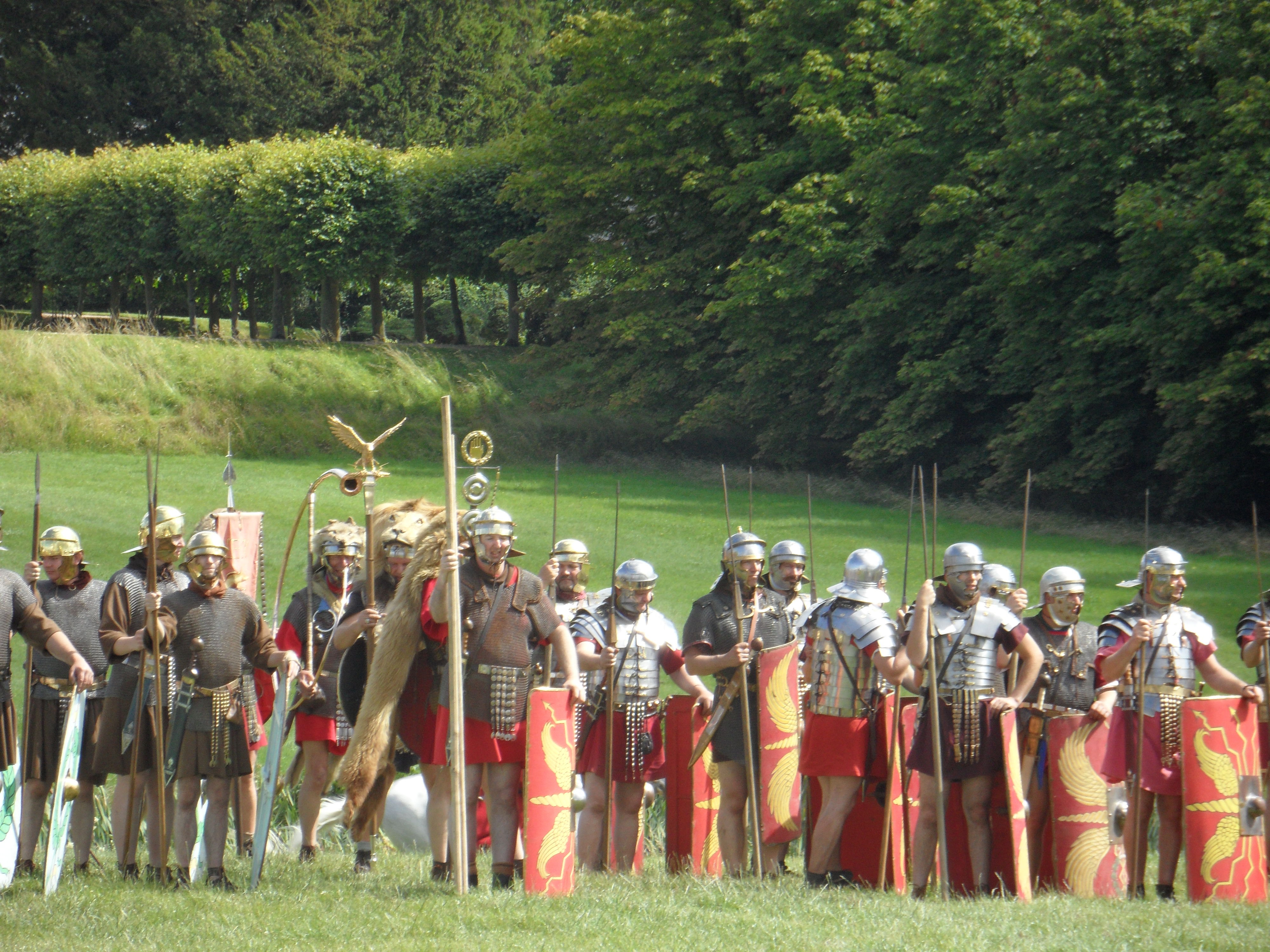
Roman re-enactors at Kelmarch 2013 A D, but was the real thing in Lichfield in 300 A.D?

I’m also intrigued by how Letocetum relates to the later settlement at Lichfield.  One of the early medieval buildings excavated at Cross Keys, during work on the car park in 2007/08, was found to incorporate reused Roman masonry and there have also been other stray Roman finds in and around the city. Coins have been discovered near Sandfields and at Streethay. Roman pottery, including an inscribed mortarium, was apparently discovered at a place known as ‘Toad’s Hole Piece’, an area later known as Christian Fields and in 1802, a Roman Cyathus, fragments of pottery and human bones were reported to have been discovered during construction of a malt house on the causeway between Bird St and Beacon St.

Some of the finds discovered at Toad’s Hole Piece, later part of the area known as Christian Fields.

Wall is a fascinating place and a lovely village to visit. What’s more, there is a family open day at the site tomorrow (Sunday 4th August) between 11am and 4pm, organised by the Friends of Letocetum. I understand that as well as guided walks around the site and the village, there will also be children’s activities and replicas of items from the Staffordshire Hoard on display. You can find out more via their Facebook site here.

Sources: https://lichfieldlore.co.uk/wp-content/uploads/2013/08/lichfieldeusreportfinal.pdf http://www.pastscape.org.uk/hob.aspx?hob_id=306575 http://www.pastscape.org.uk/hob.aspx?hob_id=307078
http://www.sahs.uk.net/Volume%20XXXIII.pdf

Wall Street Journal

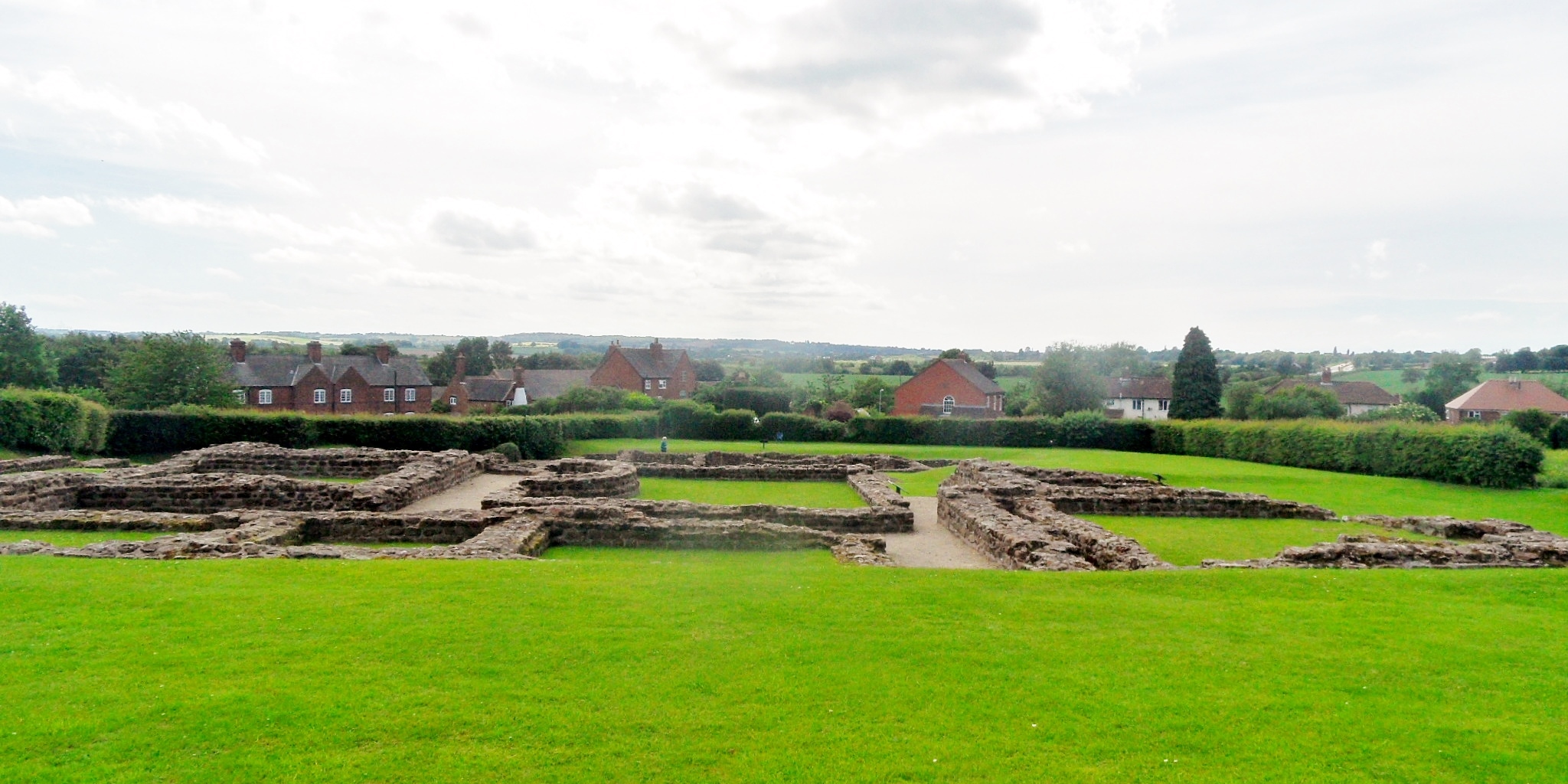
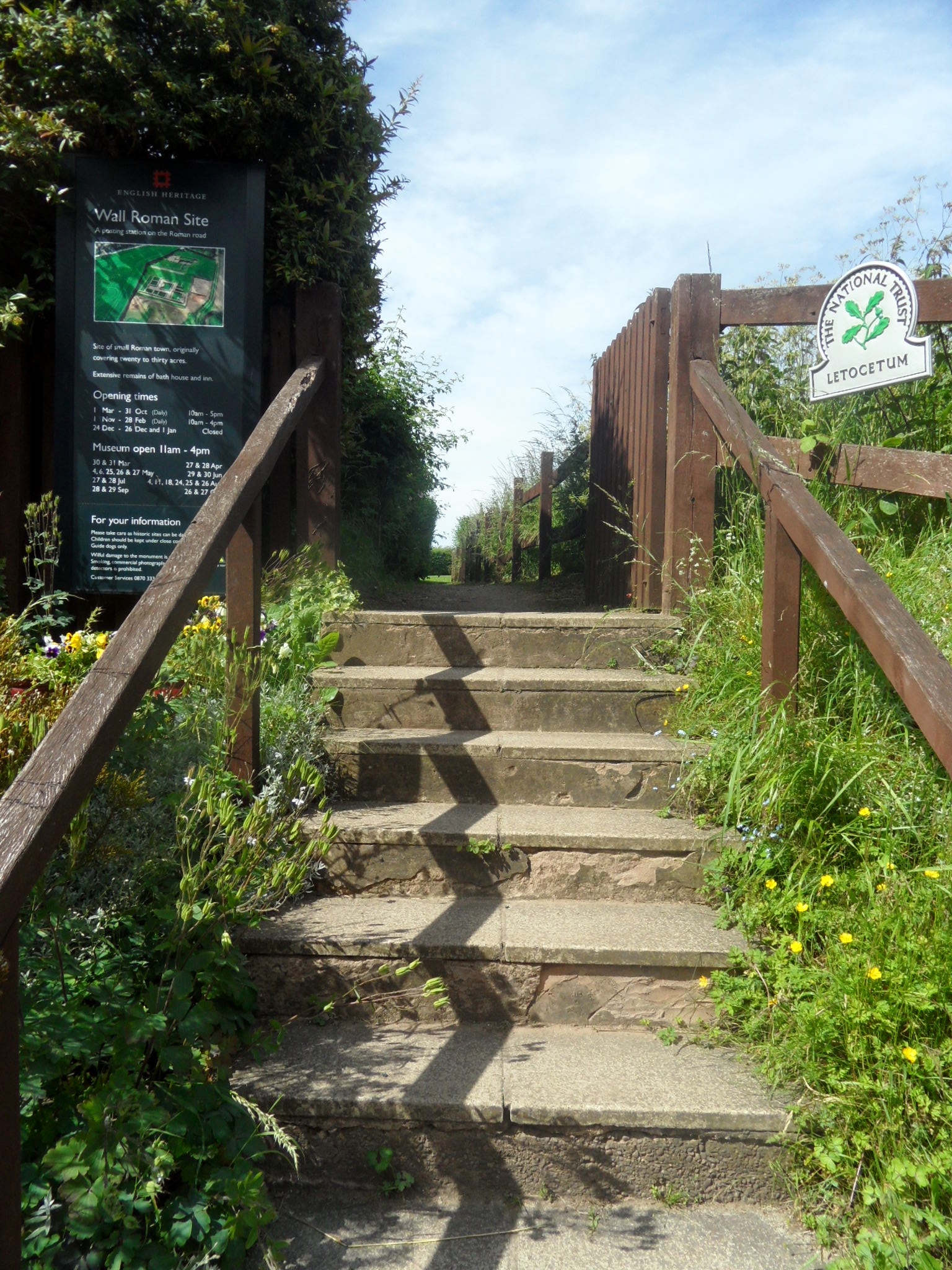
Sunny days should be spent out and about under blue skies, not shopping for bathroom suites in Cannock. However, needs must and afterwards we made up for it by continuing the bath theme in much more pleasant surroundings, spending the afternoon at the Roman bath house at Wall. Although it’s only about three miles away from Leomansley, it’s a while since I’ve been to the ruins of the Roman settlement of Letocetum. My last visit  was in 2011,during an open day organised by the Friends of Letocetum for the National Archaeology Festival. Another visitor on that day, who sadly I didn’t meet, was the late Mick Aston (wearing a stripy jumper of course!), who had one of his first experiences of archaeology at the site as a young man under the guidance of Jim Gould FSA.

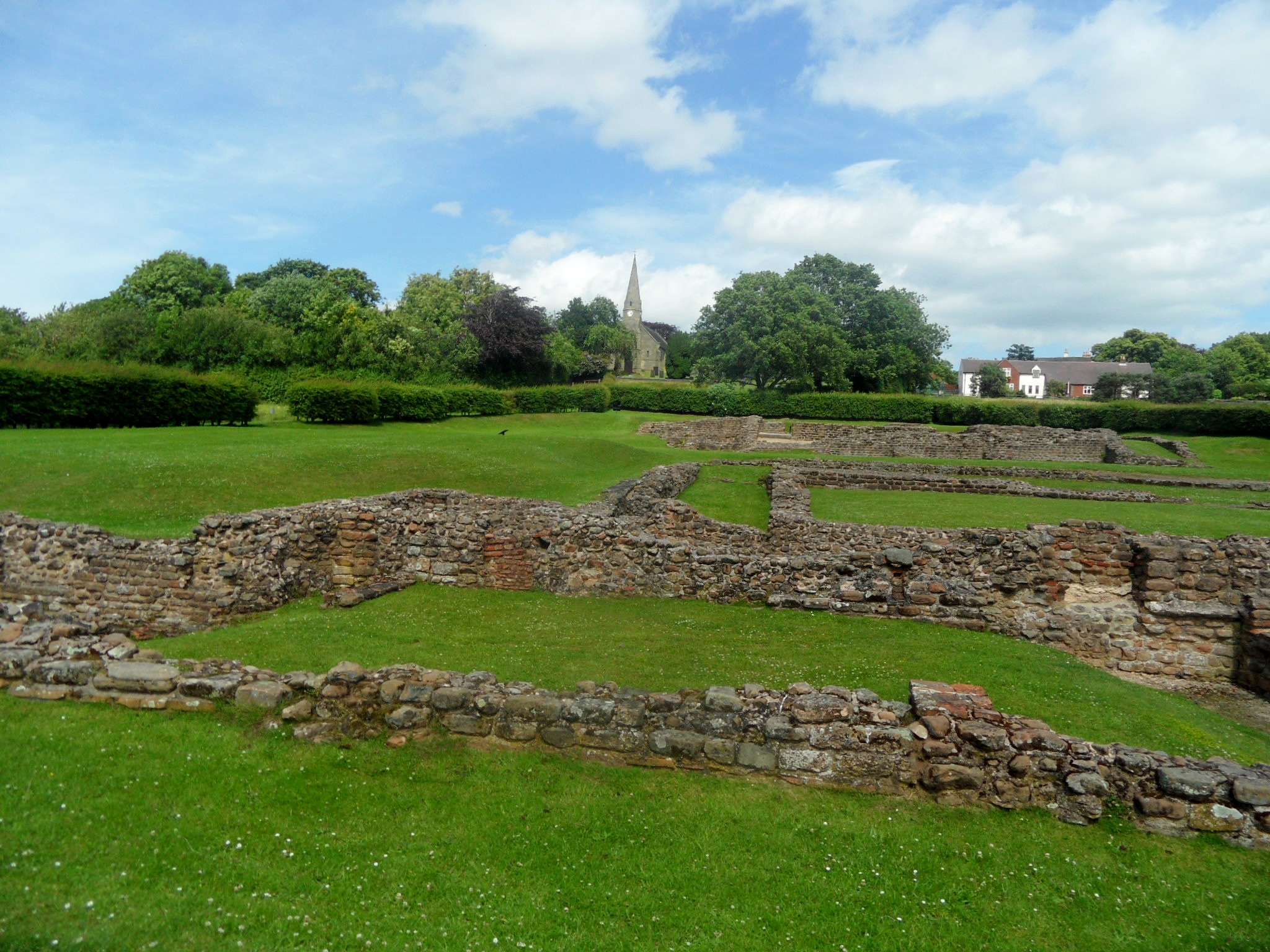
Remains of the guest house and bath house at the Roman settlement of Letocetum

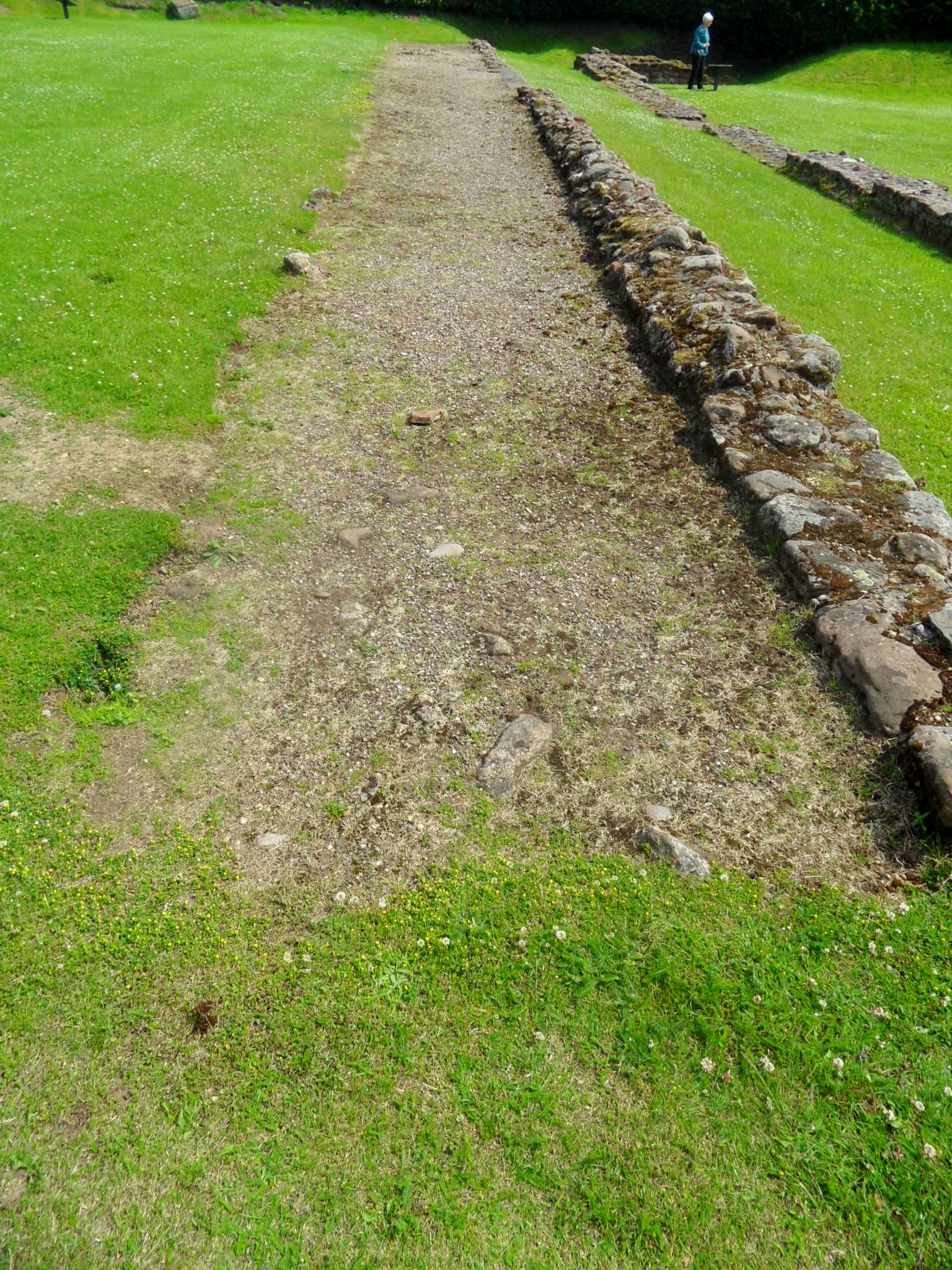
Roman occupation at the site is thought to have begun with the establishment of a military site to protect this important route, later developing into a staging post where those travelling along Watling St could rest and recuperate at the guest house and bath house, (it is the remains of these buildings which are still visible) and eventually a small town.  You can see another Roman road, running between the remains of the two buildings on the site, with some of the original cobbles still intact.

Not quite on Watling Street scale, but a Roman road nonetheless.

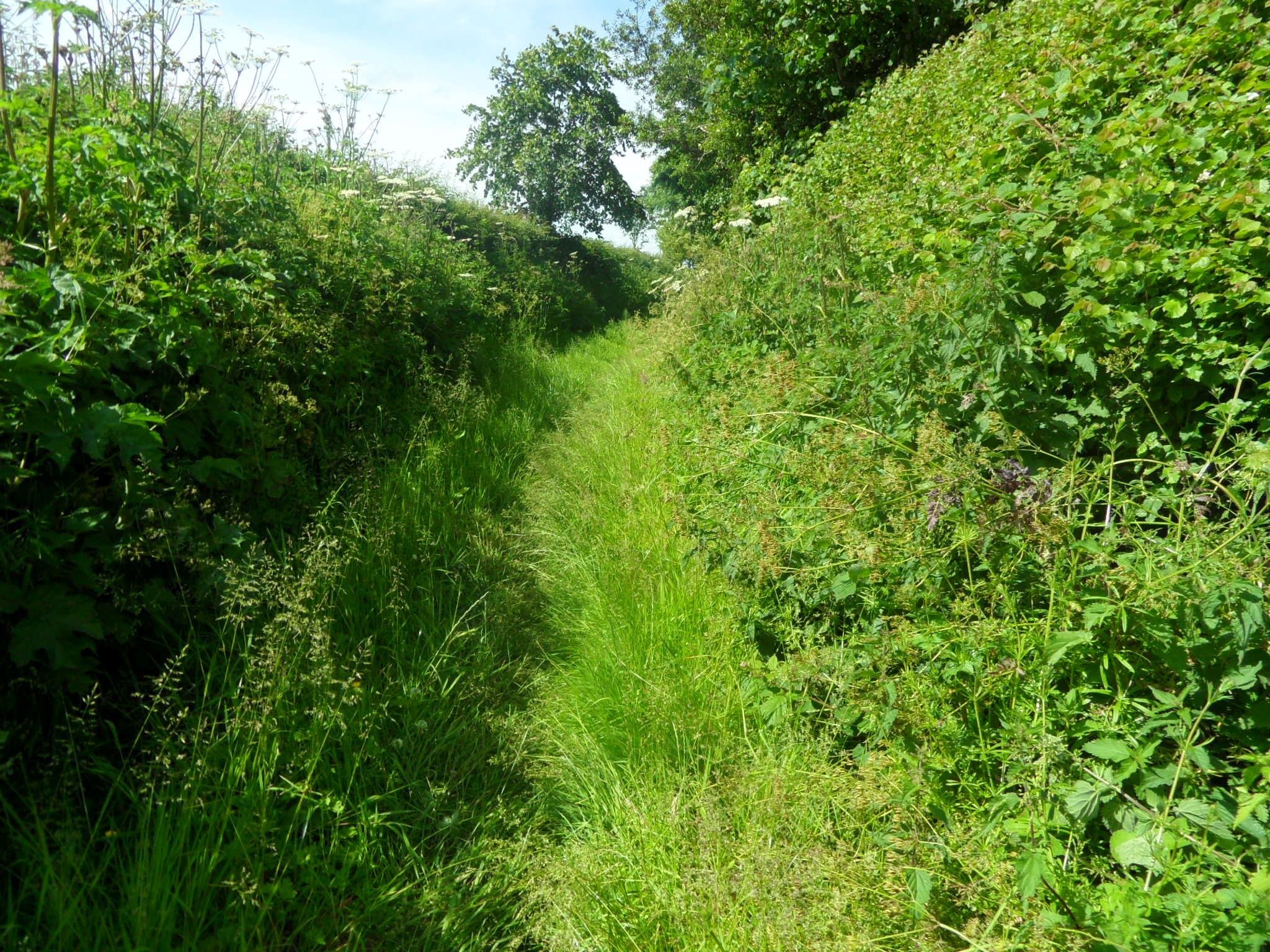
After looking around the ruins, we followed the Wall Heritage Walk (available from the museum) which took us along more ancient routes – the greenways and sunken lanes that surround the village, thought to be old drovers’ roads.

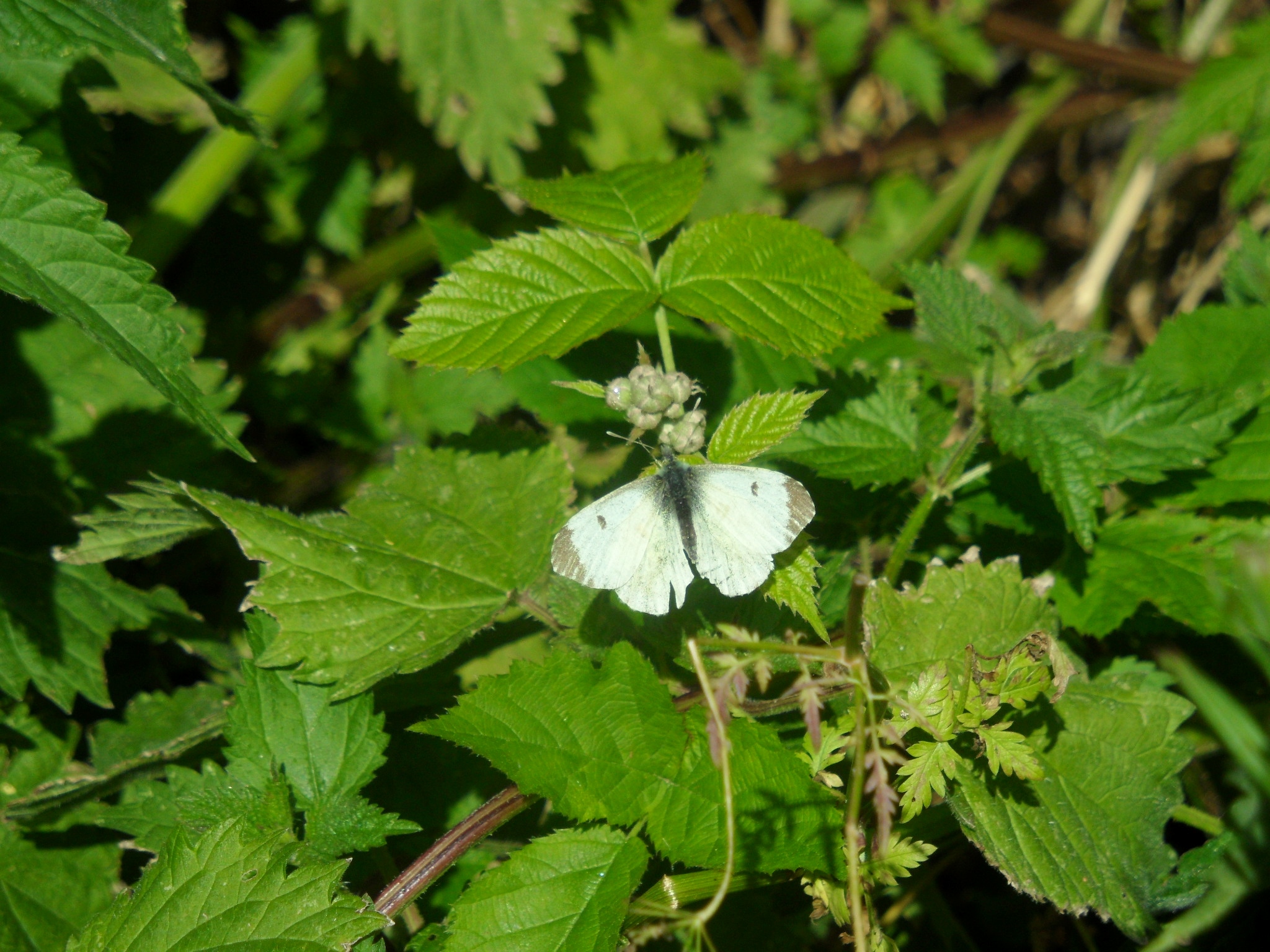
I’m including this, not because I fancy myself as a wildlife photographer, but because I am grateful to the subject for being the only butterfly ever to have stayed still long enough for me to take a photo!

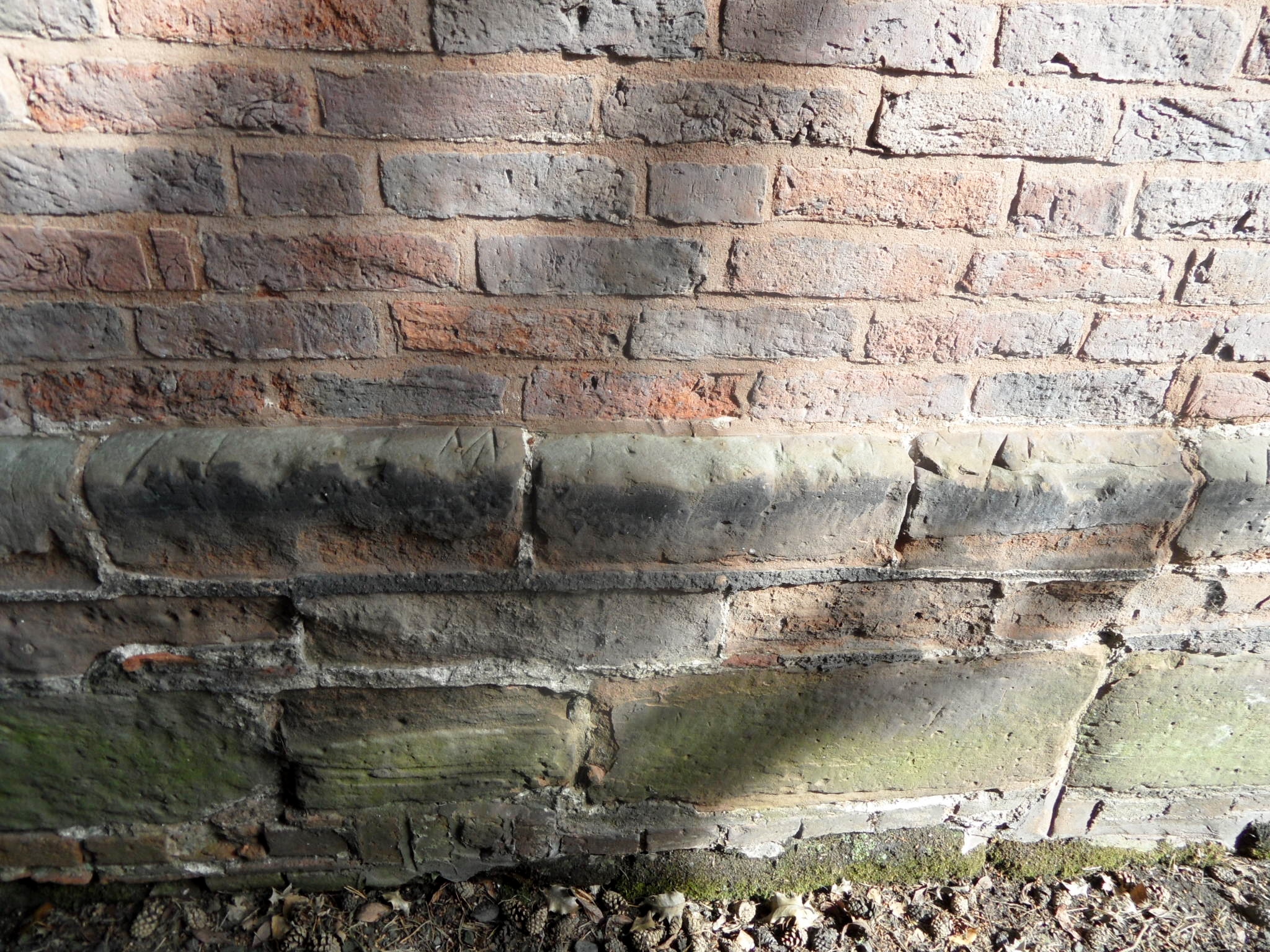
As well as enjoying the views and the wildlife of the hedgerows, I also couldn’t help looking out for buildings in the area that had used stone from the ready made quarry nearby!

Are these Roman stones I wonder?

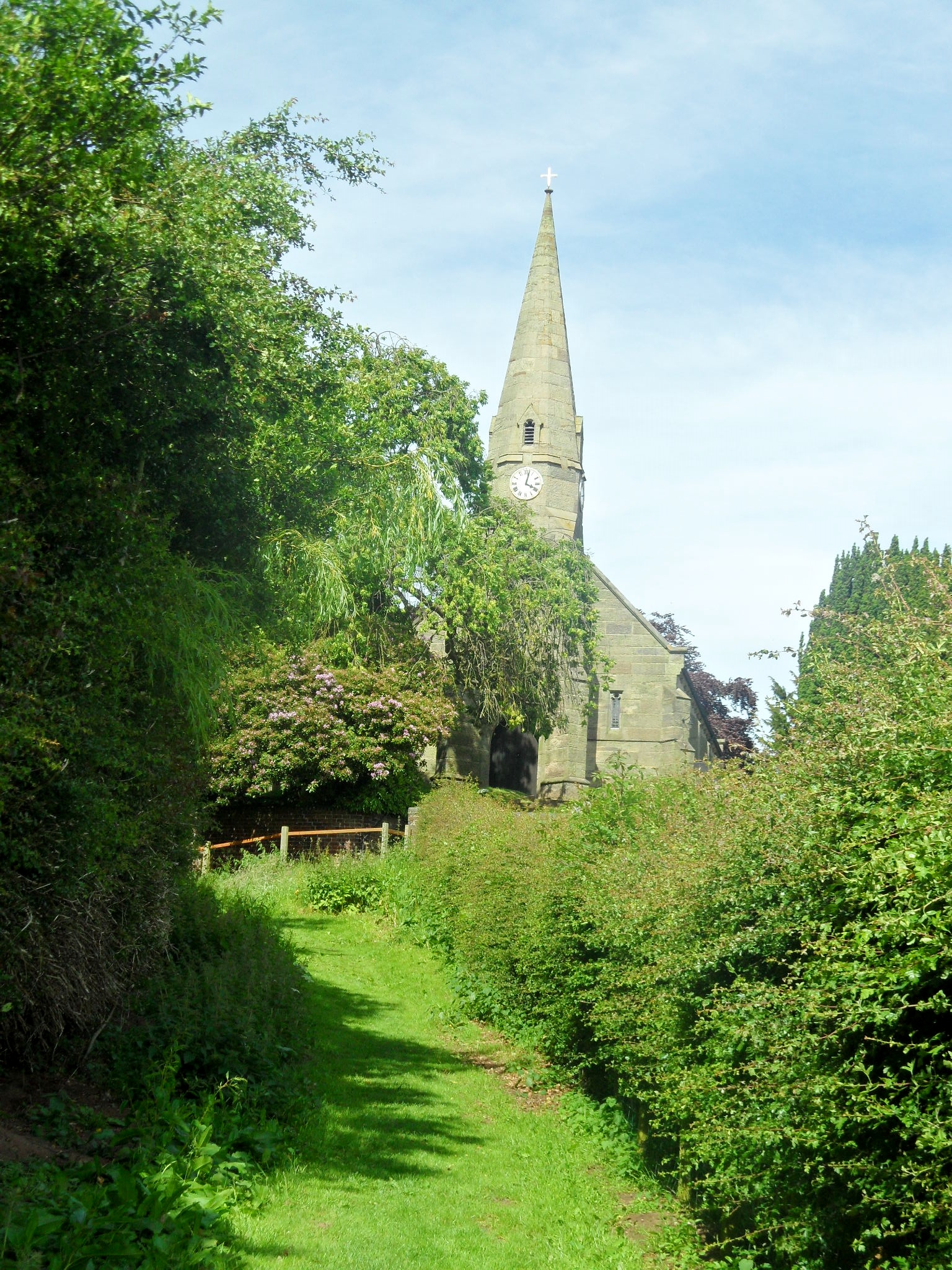
One of the lanes runs past St John’s church. Built in the late 1830s, in comparison to the ruins it overlooks, it’s a young whippersnapper of a building. The architects were George Gilbert Scott and William Bonython Moffat, who it seems were also working on Lichfield’s new workhouse at St Michael’s around the same time.

One of the questions that seems to be subject to much discussion here is, could earlier places of worship once have existed on the site? There has been speculation that there was once a shrine to Minerva here, based on an account of a man who worked draining the lands around Wall. Asked if he had ever found anything in the course of his work, he told how as well as finding lots of old coins, he once found an earthenware figure that he described as being as big as a man, but not a man due to having a bust, and also not a woman as it had a queer dress and a man’s cap like a soldier’s helmet. And what did he do with this amazing find? Prepare to weep – he used it to mend a drain.

However, before getting too upset we can perhaps take some comfort in the fact that Jim Gould (who as well as working extensively at Wall explored and wrote about the archaeology of many of the other sites around here) was not convinced that the statue ever existed, the story being “from an unknown source, of the finding of an impossible statue, by an un-named man, at an unknown spot and date (1). A good lesson that no matter how appealing some stories may seem, they should be taken cum grano salis. 

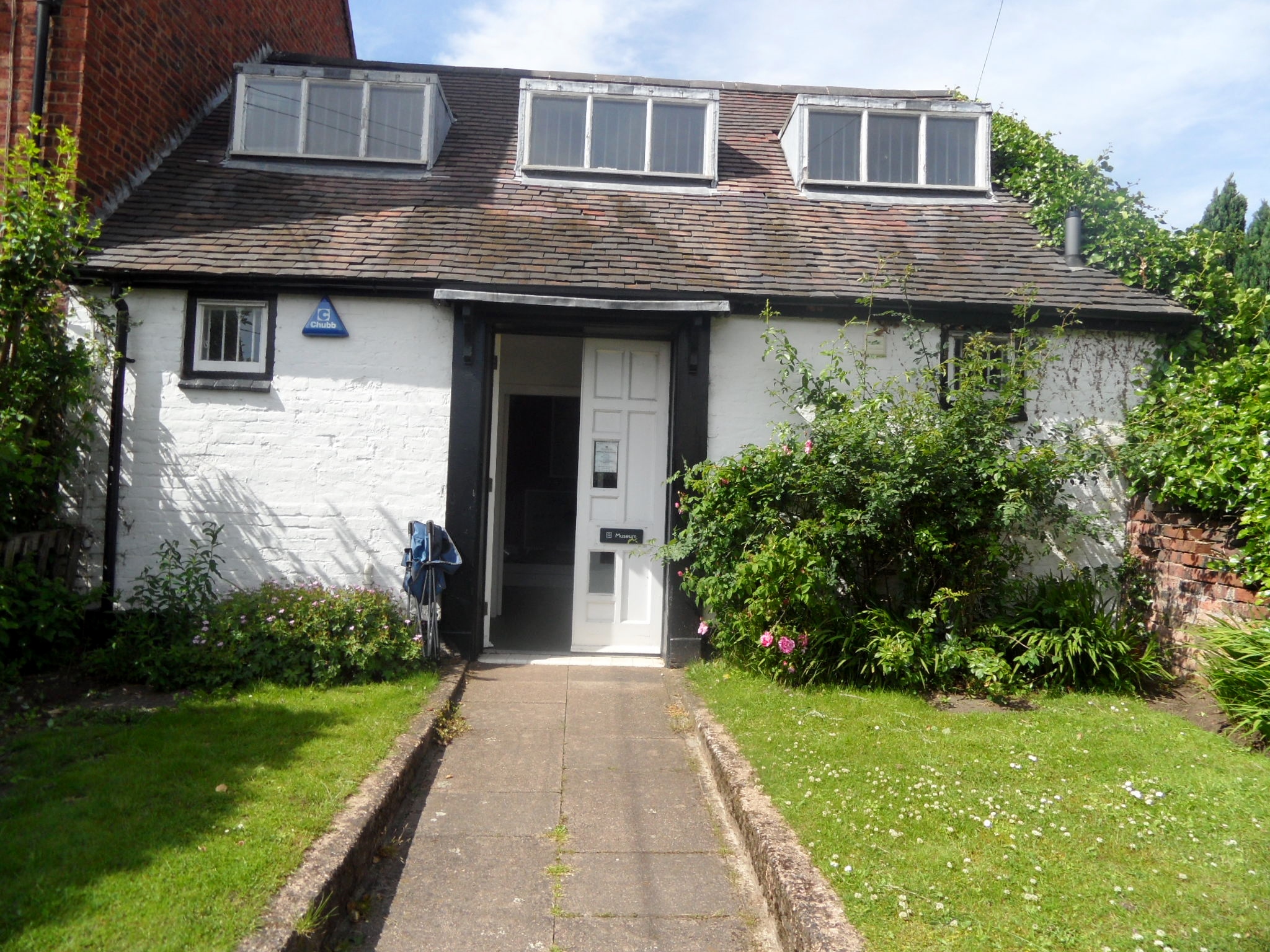
Entry is free but the museum is only open on certain weekends so check first!

Thanks to archaeologists like Mr Gould and others, a great deal of the history and significance of the site has already been discovered, although it seems there are still plenty of crop marks and questions out there (including the relationship between Letocetum and what was to become Lichfield) to keep future generations of archaeologists busy. However, just as sunny days ideally shouldn’t be spent shopping on retail parks, places such as Wall ideally shouldn’t be explored through words and photographs along, but physically instead. The museum even has a collection of objects you can touch! Instead of using this post to further summarise the history of the site (especially as others will have done a far superior job elsewhere!),  I’d rather encourage you to go and have a look for yourself.  In case you need any further convincing, entrance to the ruins and the museum is free and the heritage leaflet I picked up there was worth every one of the 20 pennies I paid for it.

Slightly gratuitous photo of Roman army re-enactors, English Heritage Festival of History 2011

Sources:

(1) http://www.sahs.uk.net/Volume%20XXXIII.pdf

Wall Heritage Walk

Pastscape Record for Letocetum

Co-operation

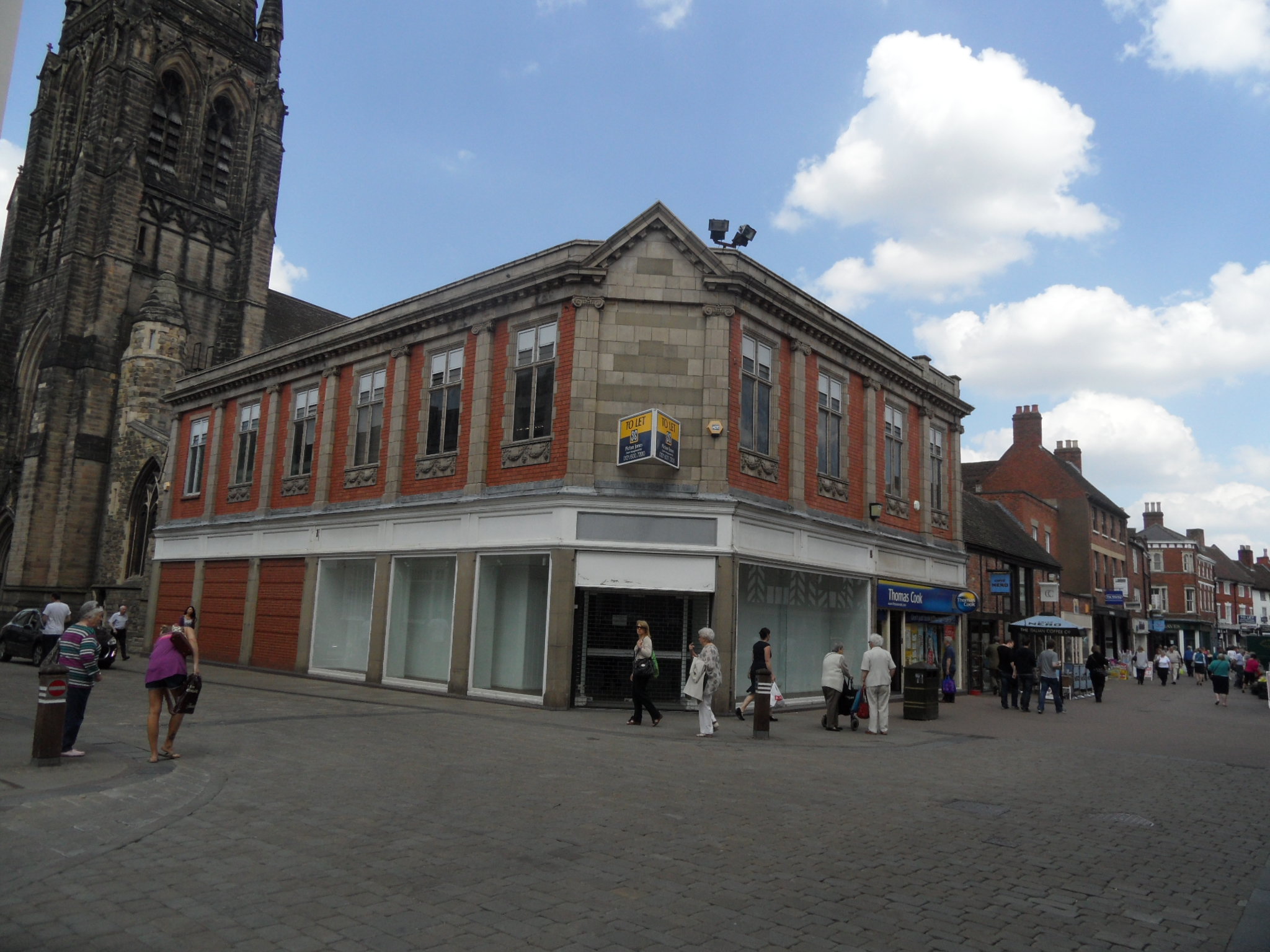
On the corner of Bore St and Breadmarket St is a building that I’ve never paid much attention to before. However, after hearing that someone carrying out some work there in the 1970s had uncovered a dolphin mosaic, I thought I’d fish a bit deeper into the building’s history…

The someone in question was Frank Clarke, a regular contributor to the fabulous Facebook group ‘You’re probably from Lichfield, Staffs if…..’. Frank found the mosaic under rotting floorboards when carrying out renovation work there in the 1970s. According to Frank, the mosaic was concreted over and may still be there to this day. Unfortunately, it seems that due to practicalities (involving concrete and money!) it’s unlikely we’ll ever know for sure.

What we do know though is that the Dolphin Inn once stood on the site, demolished in 1912 and replaced by the current building in 1913 by local builders JR Deacon to house the Walsall and District Co-operative Society Ltd Branch No.13. You can still see where the lettering for this ever so catchy name used to be, as shown in all its glory here, on the Staffs Past Track site. Burtons were the most recent occupiers, but they left in March this year, leaving the property empty. (1)

Built in 1913, this was once the Co-op, more recently Burtons.

According to John Shaw and his now legendary book, The Old Pubs of Lichfield, the Dolphin is first listed in 1818. However,after finding out that the original building on the site was timber framed, dating back to the 16th century, I was hoping to find out something about the building’s earlier uses. After reading the obituary of Rev John Kirk (d.1851),  it seems that prior to becoming an inn, the building had been occupied by a baker, with some of the upper rooms being used as a Roman Catholic chapel created in 1801.(2)

Rev Kirk had been the priest at the chapel at Pipe Hall from 1788 to 1793, where Catholics in Lichfield had previously worshipped. When this chapel was closed following the sale of the property to a non-Catholic he was asked to return to Lichfield as the resident priest at the new chapel. However, Kirk found the location and conditions far from ideal – the sanctuary was apparently directly above the baker’s oven and Kirk wasn’t happy about living in such close quarters with the baker and his family. By 1803, Rev Kirk had built a new chapel dedicated to St Peter and St Paul in Upper St John St.  Due to religious sensitivities, the chapel was originally designed to look like a dwelling house, but 1834 a turret and a new entrance was added, and the name changed to Holy Cross. The congregation was relatively small, but numbers were often boosted by those passing on their way to London and French Prisoners of War.

Holy Cross, Lichfield.
Source: Dennis Blenkinsopp (http://www.geograph.org.uk/profile/43370)

Back to the mosaic, which started all of this off! You would have to assume that its depiction of a dolphin is a reference to the name of the Inn. No great mystery there (although I would like to know why that particular name was chosen for a Lichfield pub!). What is more of a puzzle is how the mosaic came to be in the new building. Was it rescued during the demolition of the old one? Was it created to reference the history of the building that previously stood on the site? Or was the previous building not fully demolished, just significantly altered? I don’t know, and it seems probably never will.

I’m very grateful to Gareth Thomas for bringing the matter to the attention of the experts at Lichfield District Council, and also to the Civic Society for making enquiries as well. I think it’s great that members of the facebook group, the Civic Society, the council and even me have all been able to contribute to the discussion. This is how it should be, and I would like to see people working together more in the future, building on the great work that Gareth has done to bridge the gap between council and its residents, not least by making historic photographs and documents available through his own blog, and elsewhere.

I understand that talks are ongoing, however, the general feeling at present seems to be that without further evidence, the cost and disruption arising from trying to retrieve the mosaic (if indeed it has survived the last forty years) could not be justified. A shame, but for now it seems we shall have to let sleeping dolphins lie….unless anyone out there knows any more?

Edit 12/5/2013 Just reading about the opening of the Co-op. Apparently the builder, Councillor Deacon handed the chairman of the Co-op a walking stick made from one of the wooden beams of the old Dolphin Inn, which is quite a nice little addition to the story. No mention of a mosaic yet though 😉 

Notes

(1) Burtons previously had a branch on Market St, where you can still see the two foundation stones commemorating the opening by two of business founder Montague Burton’s sons. The post I did on this ages ago is here 

(2) So that takes us back to 1800-ish. Still three hundred years or so of the building’s history to account for though!

Sources:

Thanks to Frank Clarke for allowing me to share the story of his discovery here.

The Old Pubs of Lichfield, John Shaw

Catholic Staffordshire 1500 – 1850, M R Greenslade

The Gentlemans Magazine Volumes 191 – 192

Lichfield: Roman Catholicism and Protestant nonconformity’, A History of the County of Stafford: Volume 14: Lichfield (1990), pp. 155-159

http://www.staffspasttrack.org.uk/

Treasure Hunt

I love finding bits of old pottery in the lanes around Leomansley. I was told by the archaeologist at the Polesworth Abbey dig last year that there are two types of pottery finds, those that indicate occupation of the land, and those that have been deposited there, through processes such as manuring (1).

Two of my most interesting finds (Disclaimer: interesting to me that is! Don’t get too excited, we aren’t talking Leomansley Hoard here!) were in the lane leading from Christ Church Lane, past Martin Heath hall and ending at the football field on the A51 (I have seen it referred to as Moggs Lane). Judging by old maps, it seems to have existed for at least 180 years.

I found this girl guide badge, and it made me think about the old scout hut behind Martin Heath hall that was replaced by a new one in September 2009. The old hall was a bit of a wreck, and quite clearly needed to be replaced, as you can see from these photos here, but I’m glad someone did document it as it has an interesting history. Apparently, it started life as a WW1 cadet hut at Cannock Chase. It was then acquired by the Electricity Board and found its way to Queen St, Lichfield. In the 1950s, it was donated to the scouts and was relocated to Christ Church.

The lane past Martin Heath hall, off Christ Church Lane.

I also found this piece of pottery. Unlike most of the other bits I find, this had a very distinctive pattern i.e. a dog! and I thought that because of that it might be easier to find out more about what it was part of and how old it was.

Thanks to extensive googling, using phrases like ‘dogs on bowls’, I eventually sifted through the many, many pet feeding related search results to find that it was possibly a Brampton stoneware jug from the early to mid-nineteenth cenutury, featuring a pattern known as ‘The Kill’. Yes, my pottery sherd depicted a dog tearing a fox to shreds. Nice.

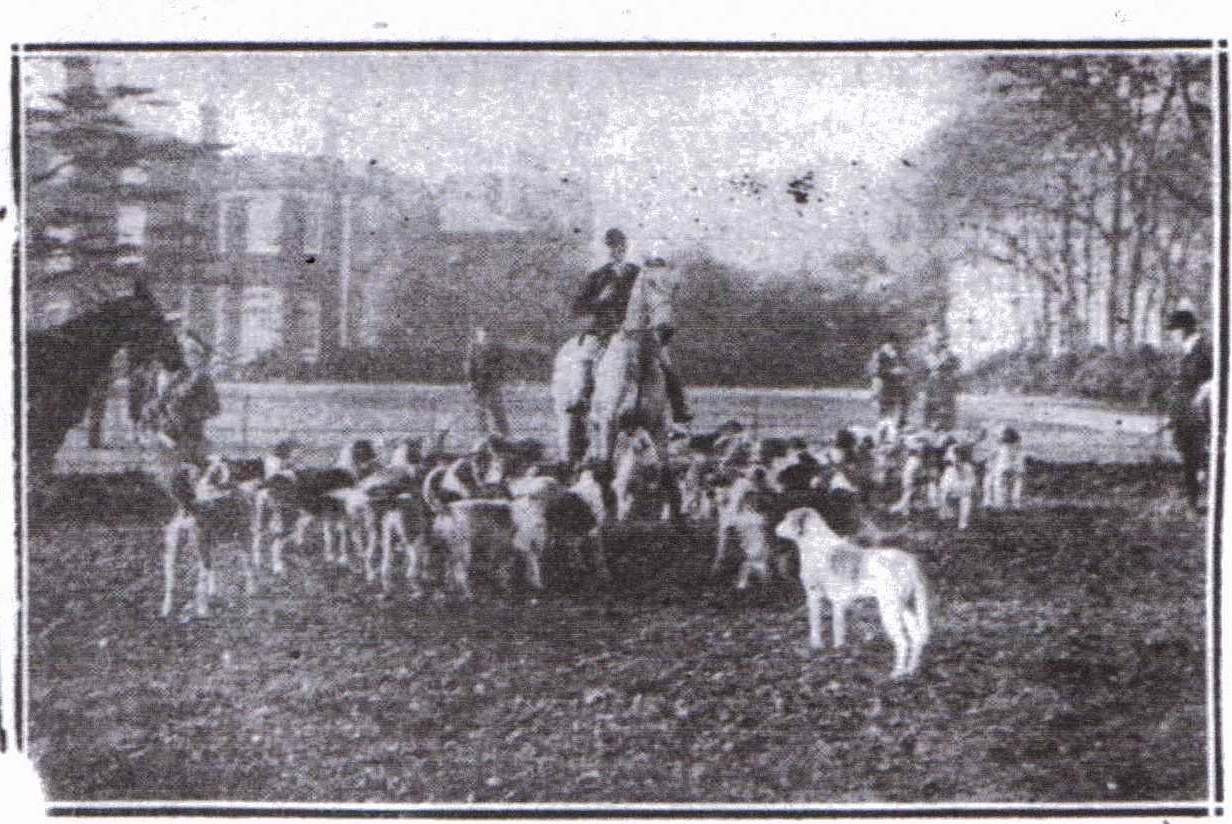
I know from reading old newspaper articles that once upon a time, not so long ago, Leomansley was quite the hunting ground. The Lichfield Mercury used to carry reports of the hunts through Leomansley and Sloppy Woods.  This photo is from a 1936 edition of the Mercury, and shows the South Staffordshire Hounds gathered at Maple Hayes. I have no idea whether the pottery sherd is related to this in anyway, but I thought it was an interesting find, especially in view of this past association with hunting. A little echo of the area’s history that managed to worked its way free of the soil.

PS Off to have my own hunt in Leomansley Woods later. This time for bluebells.

Notes

(1) Domestic rubbish such as broken pots was mixed with the animal manure and then spread on the fields to fertilise the soil.