Mercian Murders

There are fields full of Cavaliers and Roundheads, still fighting over the fate of England. Roman soldiers marching along the roads they built. Tragic Tudor queens, often minus their heads. And you can’t move for Victorian phantoms, presumably conjured up from all of those seances they were holding. What does seem to be in short supply in this spectred isle however are the ghosts of Saxons.
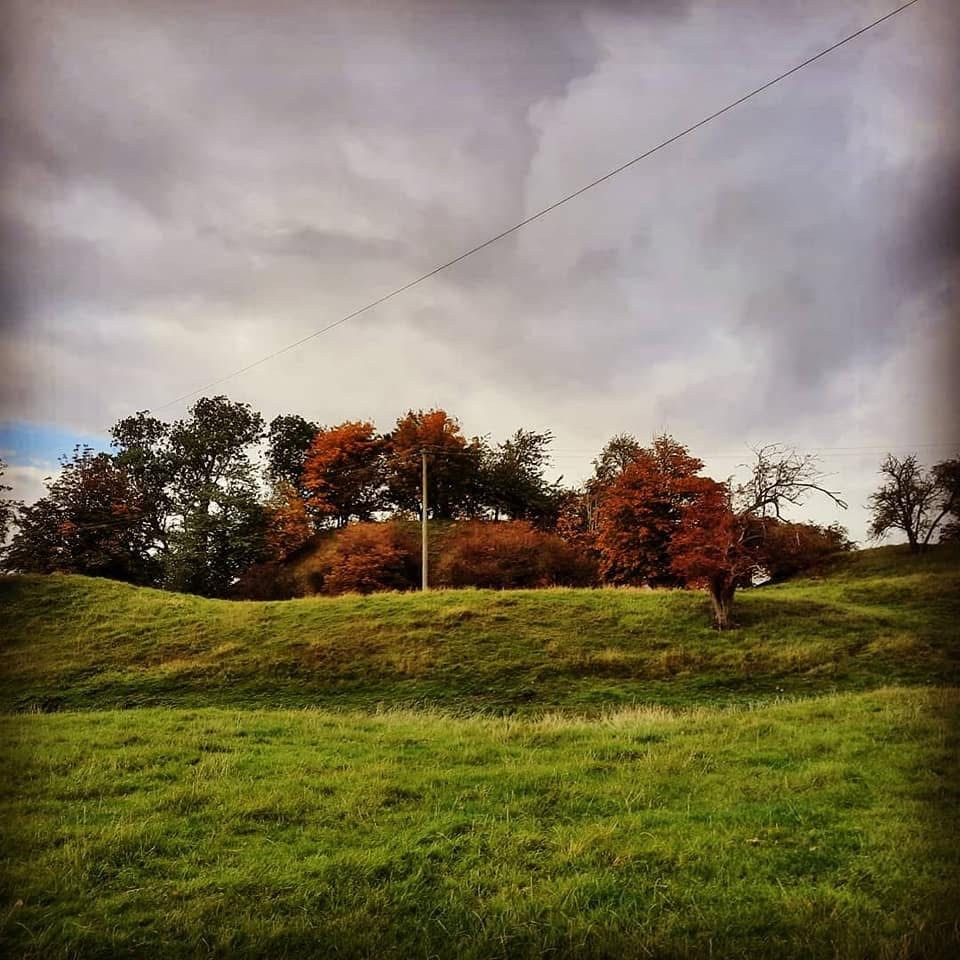
If somewhere was going to be haunted by a Saxon spirit, it would be Seckington. The Saxon Chronicle states that in 755, ‘Æthelbald, king of the Mercians, was slain at Seckington and his body lies at Repton‘. The account of the assassination is minimal but accounts say he was betrayed by his own bodyguards, some suggesting that his successor, Beornred of Mercia, was behind the treachery.
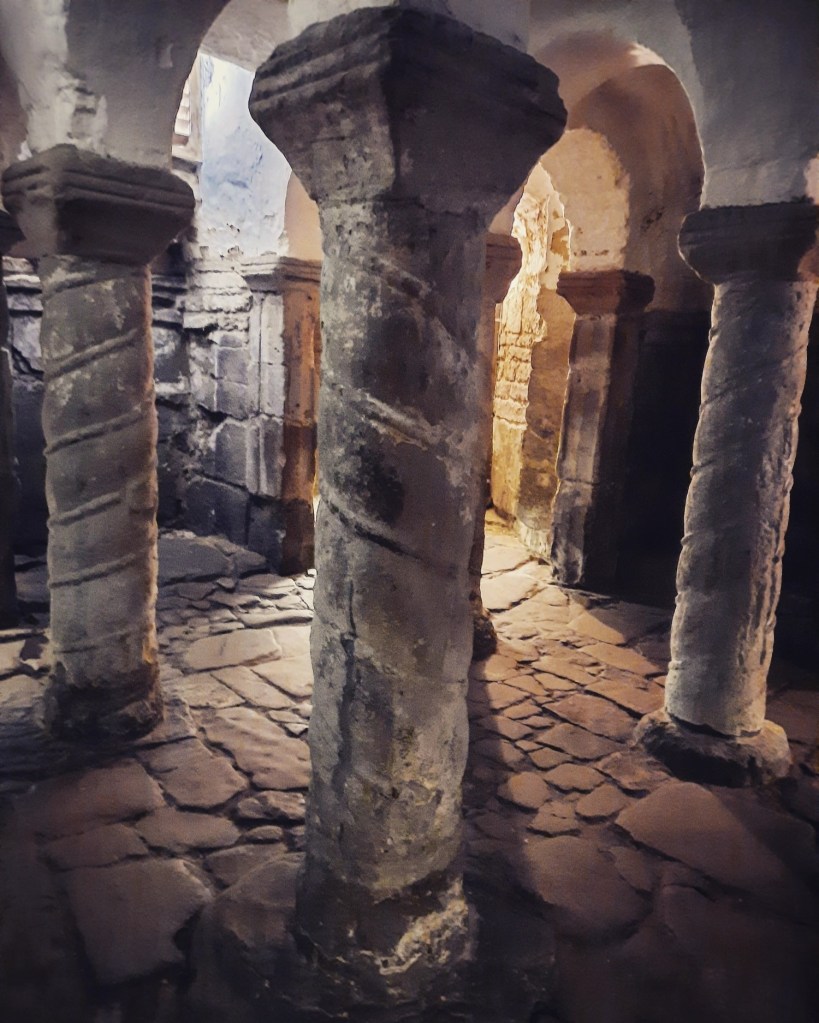
The crypt at Repton

After Æthelbald’s death, Beornred seized the Mercian throne. Little is known about him and within a year, Æthelbald’s cousin Offa launched his own claim to the throne and most likely offed him in the process. By contrast, there is much to be said about Offa, but as I started on the subject of murder, let’s continue on that theme.
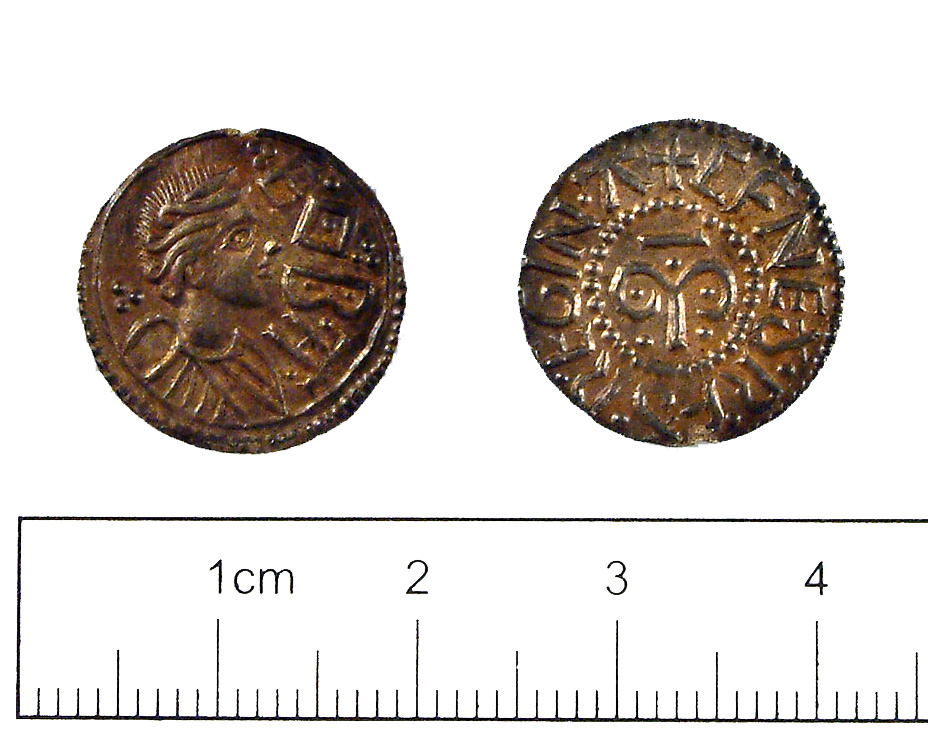
Penny depicting Cynethryth, Queen of Mercia.
(C) The Portable Antiquities Scheme

A marriage between King Æthelberht of East Anglia and one of the daughters of Offa and Cynethryth of Mercia was arranged to take place at a palace on Sutton Walls in Herefordshire. Yet before the bridegroom could make it to the altar and pledge his hand in marriage, he was beheaded. The Anglo-Saxon Chronicle attributes the deed to Offa. By the twelfth century there’s a shift in narrative and blame to Cynethryth. Was she really the wicked queen she is depicted as by chroniclers like Roger of Wendover or was it a cynical attempt to wash at least some of the blood off Offa’s hands? We know Cynethryth was powerful, her name appearing on charters and her face appearing on coins. Perhaps there’s an element of medieval misogyny involved in the tarnishing of her image? After Offa died in 796, Cynethryth took holy orders and became the abbess of a monastery at Cookham. In 2021, archaeologists found the foundations of this abbey alongside Cookham church and further excavations may even find the final resting place of this misrepresented Mercian queen.

We’ve wandered a long way from Lichfield so let’s end our journey much closer to home. In 716, King Ceolred of Mercia was buried at the Cathedral, despite the fact that he had died at a feast, ‘gibbering with demons and cursing the priests of God’. St Boniface believed him to have been possessed by a demon but I strongly suspect he was poisoned. I’d be very interested to see if his successor Æthelbald was on the guest list, bringing us a full and vicious circle back to the beginning of this post.
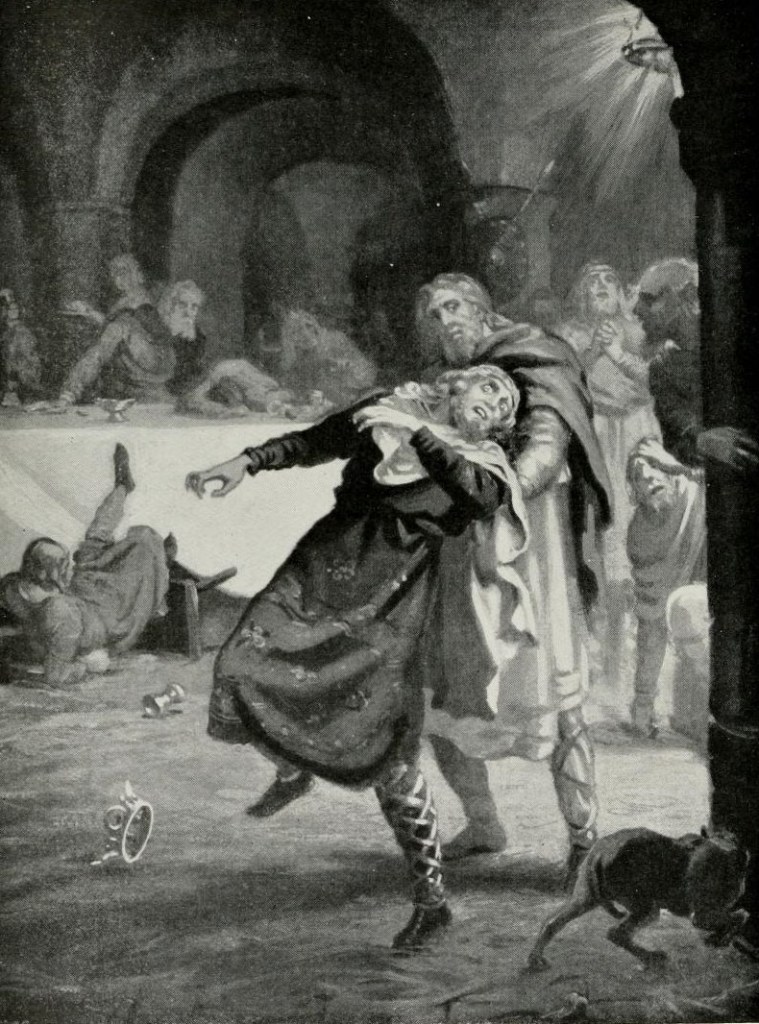
Black and white print of an oil panting by Margaret Dovaston depicting King Celored of Mercia smitten with madness

Sources:

The wanderings of a pen and pencil by F. P. Palmer

https://www.suttonwalls.co.uk/fact-pages

Women of Power in Anglo-Saxon England, Annie Whitehead
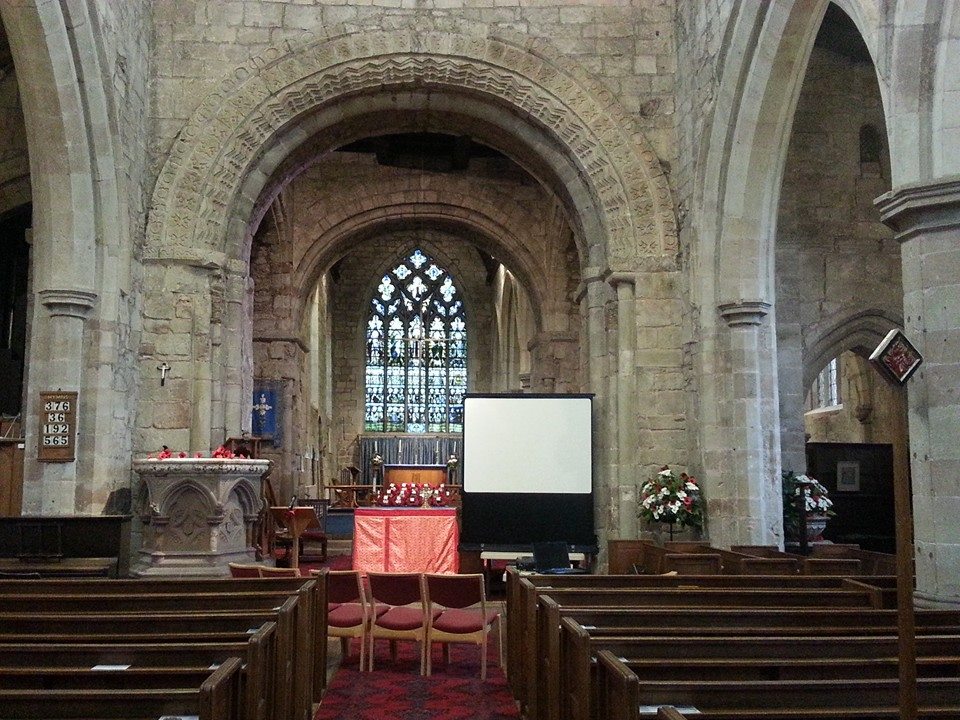
The Odd Couple

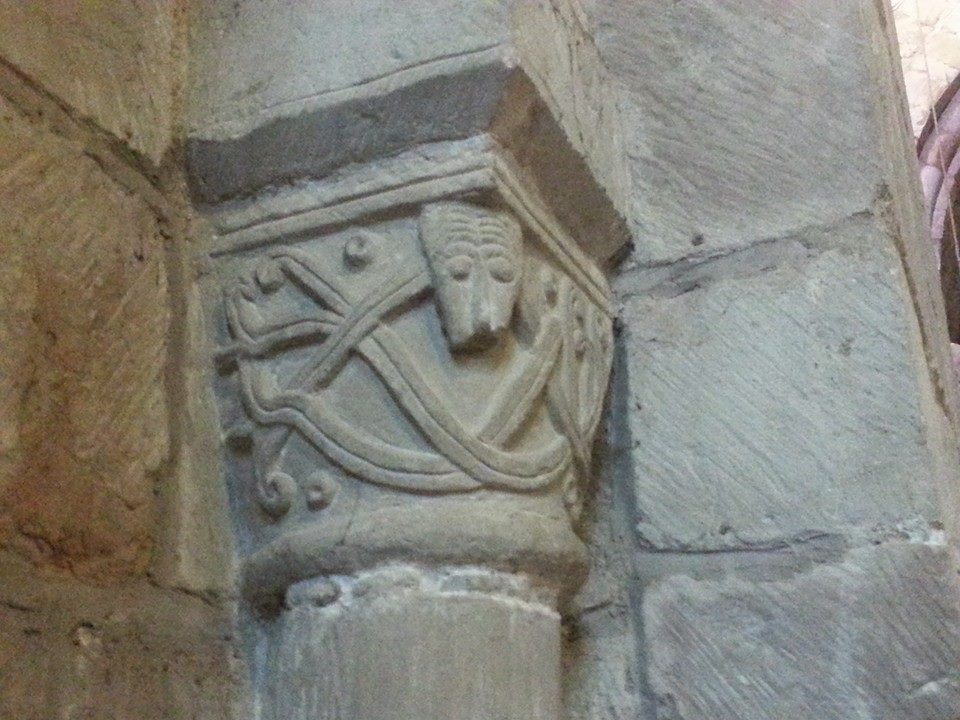
According to Pevsner, the Church of St Lawrence features some of the most exciting Norman work in the county.  Here be dragons and other fantastical creatures, Saxon and Scandinavian influences, a green man and other ancient faces. There are no wolves though.

Norman arch, Gnosall church

Norman arch, Gnosall church

Carving at Gnosall

Carving at Gnosall

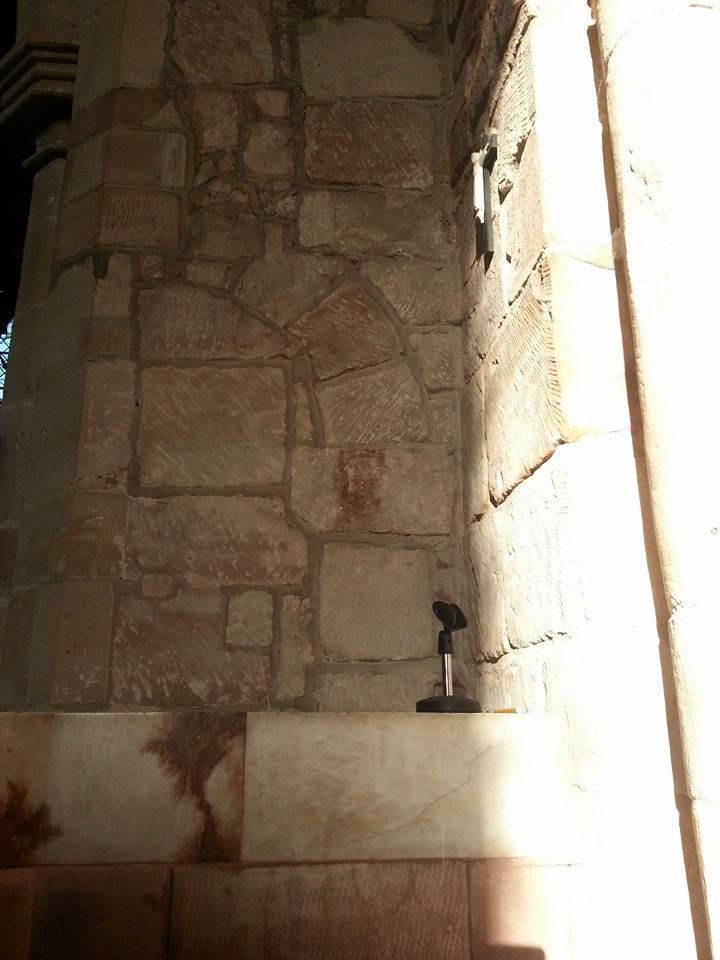
Possible Saxon stonework, Gnosall

Possible Saxon stonework, Gnosall

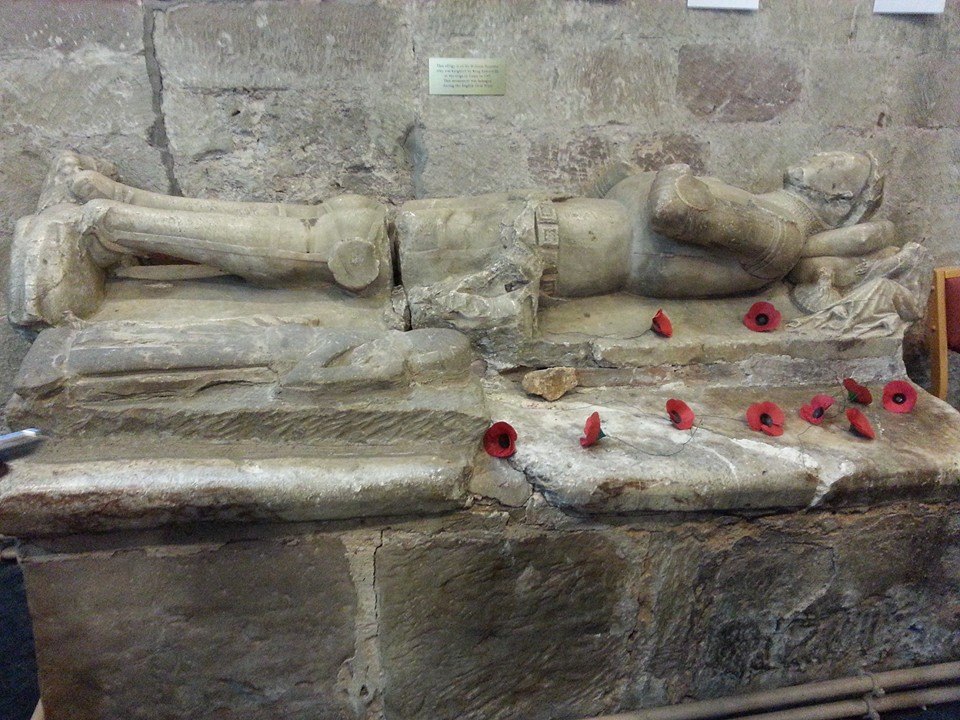
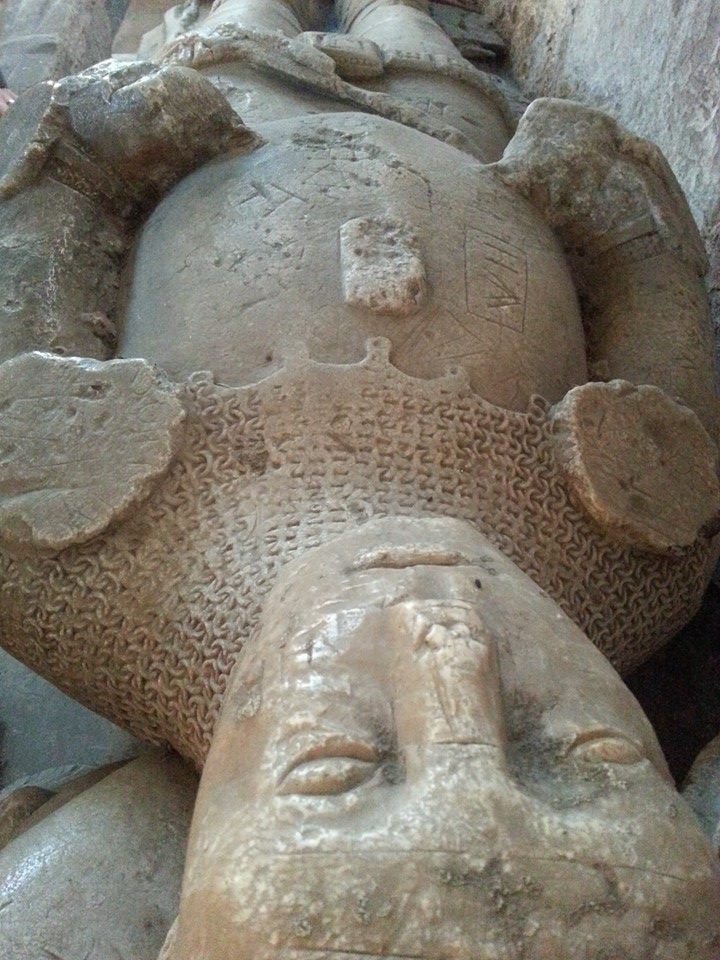
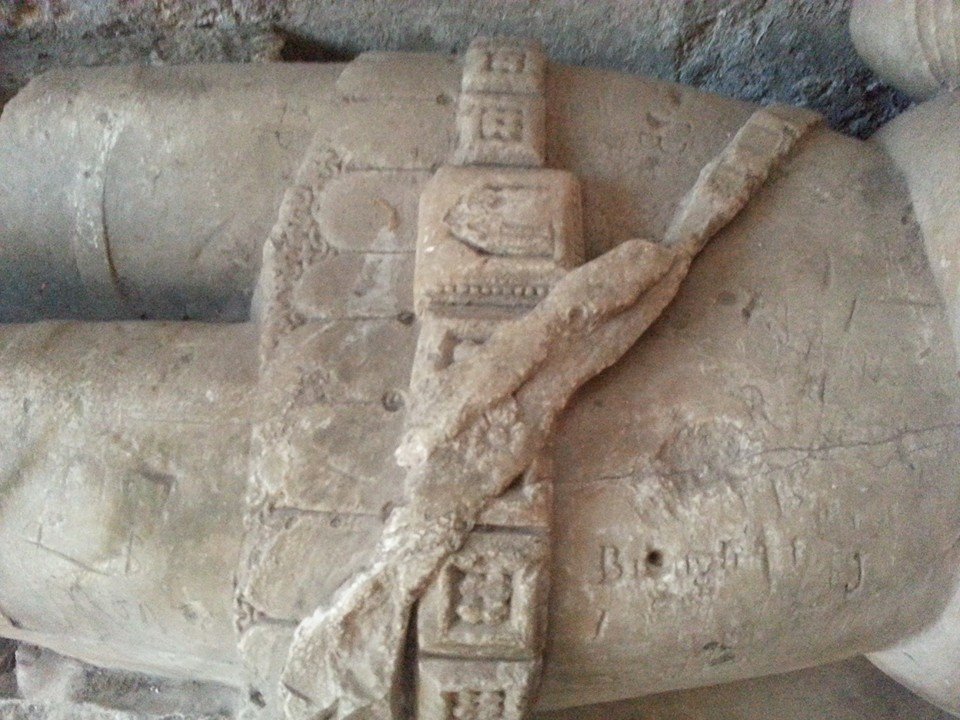
Legend has it that the last wolf in Staffordshire was killed here in Gnosall in a pit near Brough Hall and that the effigy in the Lady Chapel is that of its slayer, Baron Brough  As much as I wish it were true, there is no evidence for this tale and no reason to believe the Baron ever even existed outside of Gnosall mythology. Several other names have been linked with the alabaster knight over the years, but his true identity remains unknown. Whilst such personal details are lacking, there is physical detail here in abundance, from the broken angel and the helmet at his head, to the lion at his now missing feet and experts have used these features to date the monument to the early fifteenth century. In recent years, the knight has been joined by the church’s only other effigy, taken from the recess on the opposite side of the church known as the Easter Sepulchre.

Two effigies at Gnosall church

Two effigies at Gnosall church

The unknown knight of Gnosall

Defaced – the unknown knight of Gnosall

Gnosall effigy belt

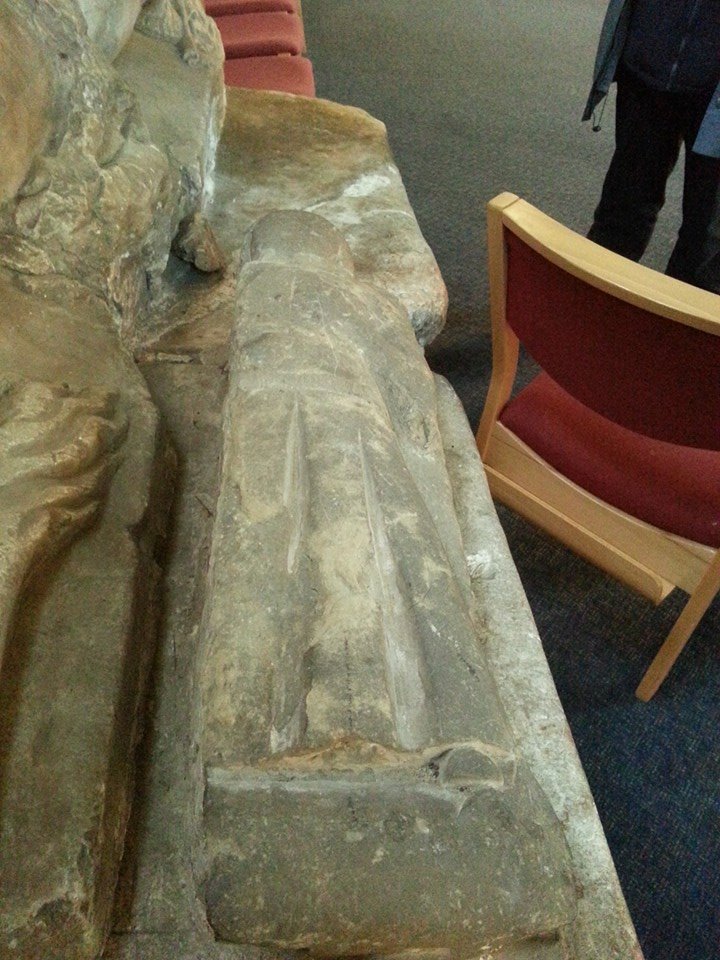
Even less is know about this second effigy, but due to its diminutive stature, it is often described as depicting a child. However, after visiting the church, words that I’d read in a paper by Dr Sophie Oosterwijk in relation to the famous Stanley Boy monument at Elford came back into my mind – “A small-sized tomb may deceive the beholder into thinking that it must commemorate a child, but there may be other explanations”. One of Dr Oosterwijk’s other explanations is that these tiny tombs may represent heart burials. It’s not only the size of the effigy that’s convinced me that someone left their heart here in Gnosall, but also the position of his or her hand over the chest, a feature it has in common with another example thought to be a fourteenth century heart burial at Coberley in Gloucestershire.

Effigy possibly depicting a heart burial at Gnosall

Effigy possibly depicting a heart burial at Gnosall

Despite the abundance of surviving Romanesque architecture here, the church is missing its original font.  However, at nearby Bradley. and Church Eaton there are examples which date to the twelfth century and recall some of the patterns and themes found at Gnosall, perhaps giving us an idea of what the Norman font at St Lawrence may have looked like. Interestingly, the broken Church Eaton font was reinstated at St Editha’s after apparently being found buried in a garden, and so it’s possible that Gnosall’s is out there somewhere, awaiting discovery under someone’s lawn.

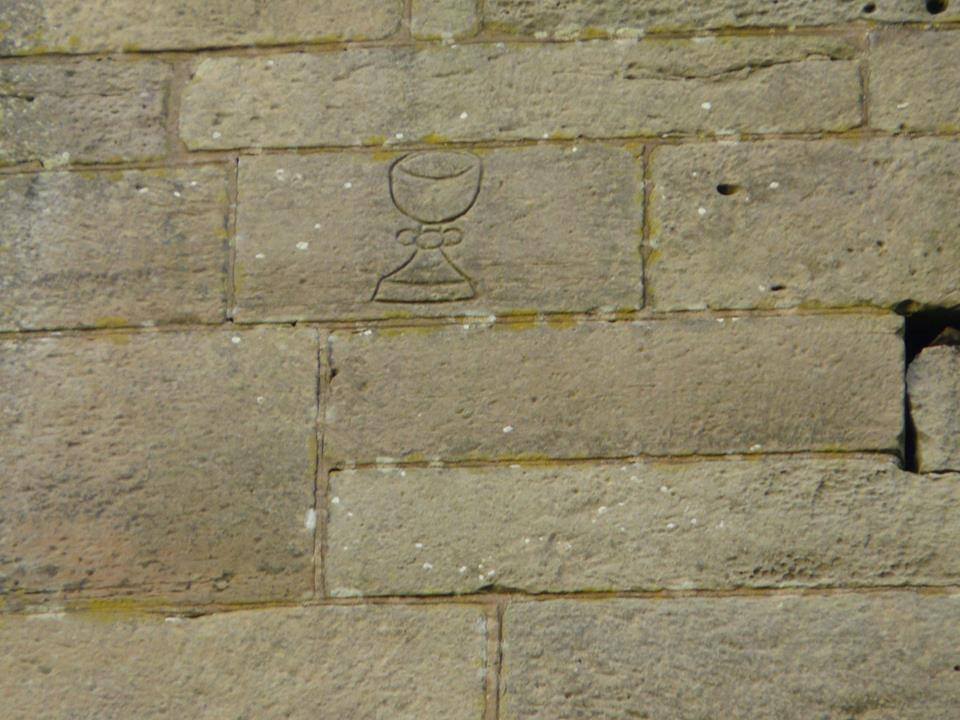
One of Gnosall’s most intriguing features can be found outside, high on the south side of the church where stonemasons (we assume) who extended the tower in the mid fifteenth century have carved a large chalice into the stonework alongside the belfry window.

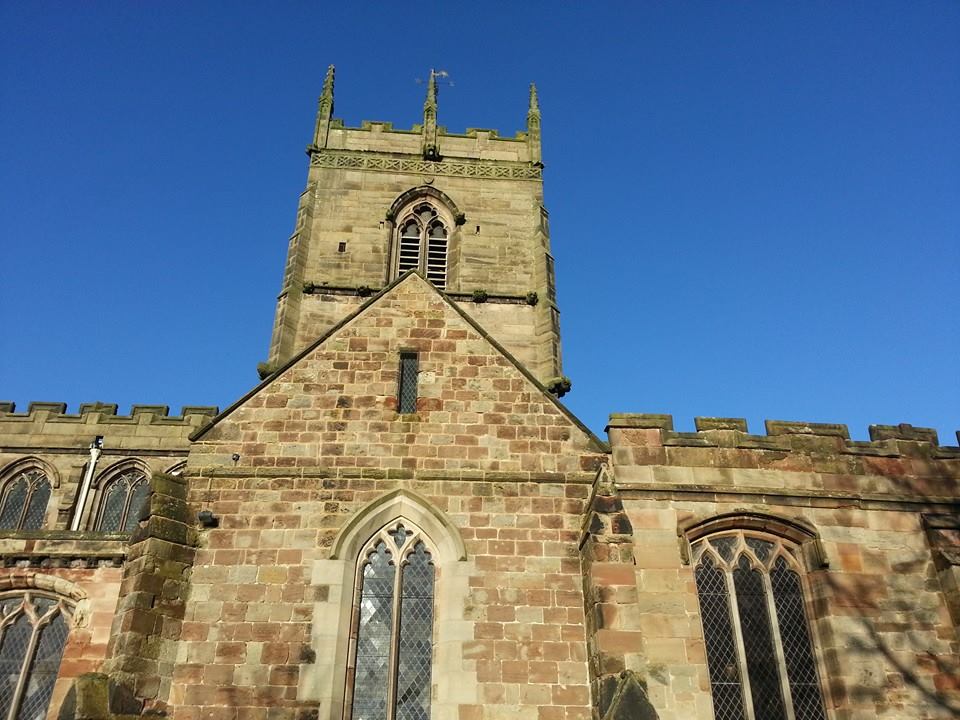
South face of the church tower at Gnosall

South face of the church tower at Gnosall

Chalice carving on Gnosall church tower (photo by Kenneth Ingram)

Chalice carving on Gnosall church tower (photo by Kenneth Ingram)

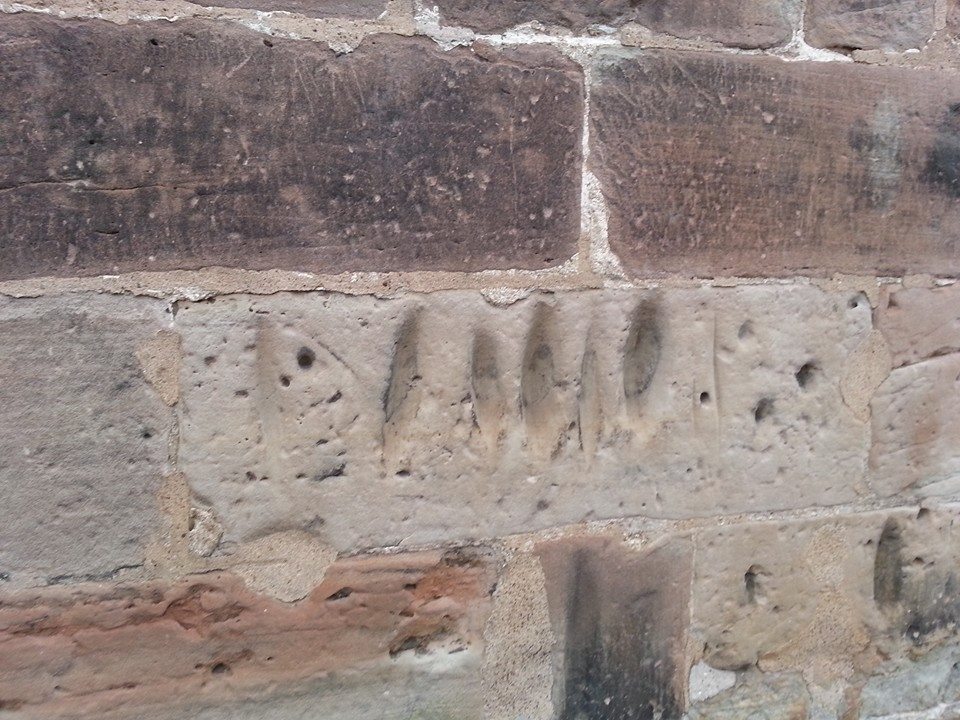
Less mysterious in origin, but still of interest, are the grooves along the wall, said to have been created by the sharpening of arrows when the grounds were used for archery practice.

Arrow grooves, Gnosall Church

Arrow grooves at Gnosall Church

There is also a rumour that this wall of the church bears the scars of target practice during the Civil War (Rodwell: 223). What we do know for certain about the church of St Lawrence and the civil war is that there are two soldiers buried here. The parish register records that on 1st October 1642, a tall young man known as John Bayne (or Bayle), ‘one of the King’s souldiers’, was buried here and that on 25th March 1643, David James, another of ‘the King’s souldiers’, was laid to rest. The date of the second may be especially significant, coming less than a week after the Battle of Hopton Heath, fought just ten miles away. Amidst the other burials and baptisms of the parish register, an interesting entry appears on an otherwise blank page. At some time between 20th March 1684 and 19th April 1685, an ‘unlettered’ hand has written the following:

Fere god and honour the King
Honor your parents at all times
Wimins tongues air like [unfinished]

Whether the writer of the verse was interrupted or simply ran out of inspiration is unknown, but we are left to draw our own conclusions on the nature of  ‘wimins tongues’. However, when it comes to singing the praises of this incredible building, I shall not be holding mine. See it for yourself on the weekend of 4th/5th July 2015, when the Church of St Lawrence, including the tower, will be open for tours as part of the G-Fest celebrations held in the village each year. Now that is exciting.

Tombstone in the graveyard at the Church of St Lawrence, Gnosall/

Tombstone in the graveyard at the Church of St Lawrence, Gnosall

With thanks to Norman and Sheila Hailes, for their tour and invaluable knowledge of the church, and to Kathleen Ingram and Cllr Kenneth Ingram and the other residents of Gnosall, for showing us around not once, but twice!

References:

Rodwell,W. (2012) The Archaeology of Churches Stroud: Amberley

Oosterwijk, S. (2010)  Deceptive appearances. The presentation of children on medieval tombs Ecclesiology Today

http://www.gnosallweb.org.uk/articles/stlawren.htm

Paths that Cross

On my way to pick up some tickets from the Garrick the other day, I passed Lichfield Library. I couldn’t resist popping in to have a quick peek at the local history section to see if they had any more information on the history on the grammar school,  following on from Gareth’s graffiti photographs.  (They did. A whole book in fact and I’ve updated the post accordingly!). So inevitably, my quick peek turned into two hours.

There was an added bonus to the visit too. Anyone who read my Cross City and Cross County posts will know that I was hoping there would be an ancient cross somewhere in Lichfield. Well, I finally found one! Actually that’s a fib. What I found is a photograph in a book of archaeologists finding one. A decorated cross shaft was discovered built into the foundations of the north wall of the nave of Lichfield Cathedral. It’s thought to be Saxon or Saxo-Norman, and could be a surviving remnant of the earlier church on the site. I wish I could share a photograph here, but all I can do is tell you that it’s on plate 1 in the ‘South Staffordshire Archaeological and Historical Society Transactions 1980-1981 Volume XXII’ book, on the local history shelves at the library!.

I have a confession to make. Generally, I’ve thought that places like the Cathedral are so well known, there’s nothing much left to say. Yet, now I recognise that this was wrong. Whether it’s the magnificent discovery of the Lichfield Angel in 2003, the downright curious tale of a live frog embedded in one of the stones used to repair the Cathedral during the restoration*, or rolls of parchment, beer and tobacco found in the gilded balls on the top of the central spire – the Cathedral, as everywhere, is made of stories, as much as it is made of stone. There are those we know well, those we don’t, and those that haven’t even been told yet.  We need to make sure we  are listening, just as Gareth was when he discovered and questioned that graffiti on the walls of the old Grammar school.

*I’m not making this up…..but someone else may well have been!

Hidden Depths

Circuit Brook marks part of the northern boundary of the city and runs through the Christian Fields Local Nature Reserve.  Last week I went for a walk to find the brook and found a whole lot more besides.

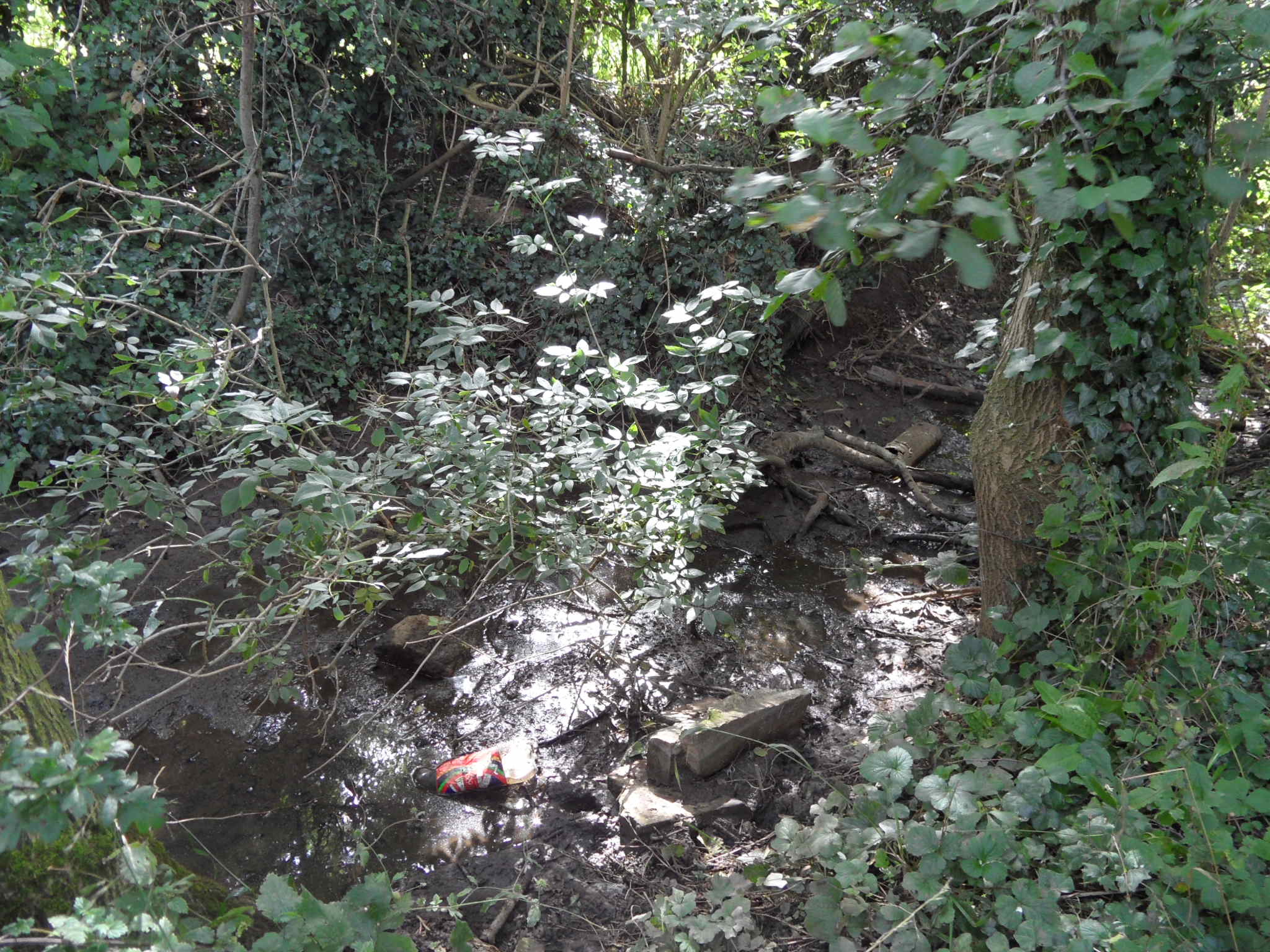
Despite the blue lines on the map, water was scarce, although some evidence of its presence lingered on in the channels it had forged over the centuries.

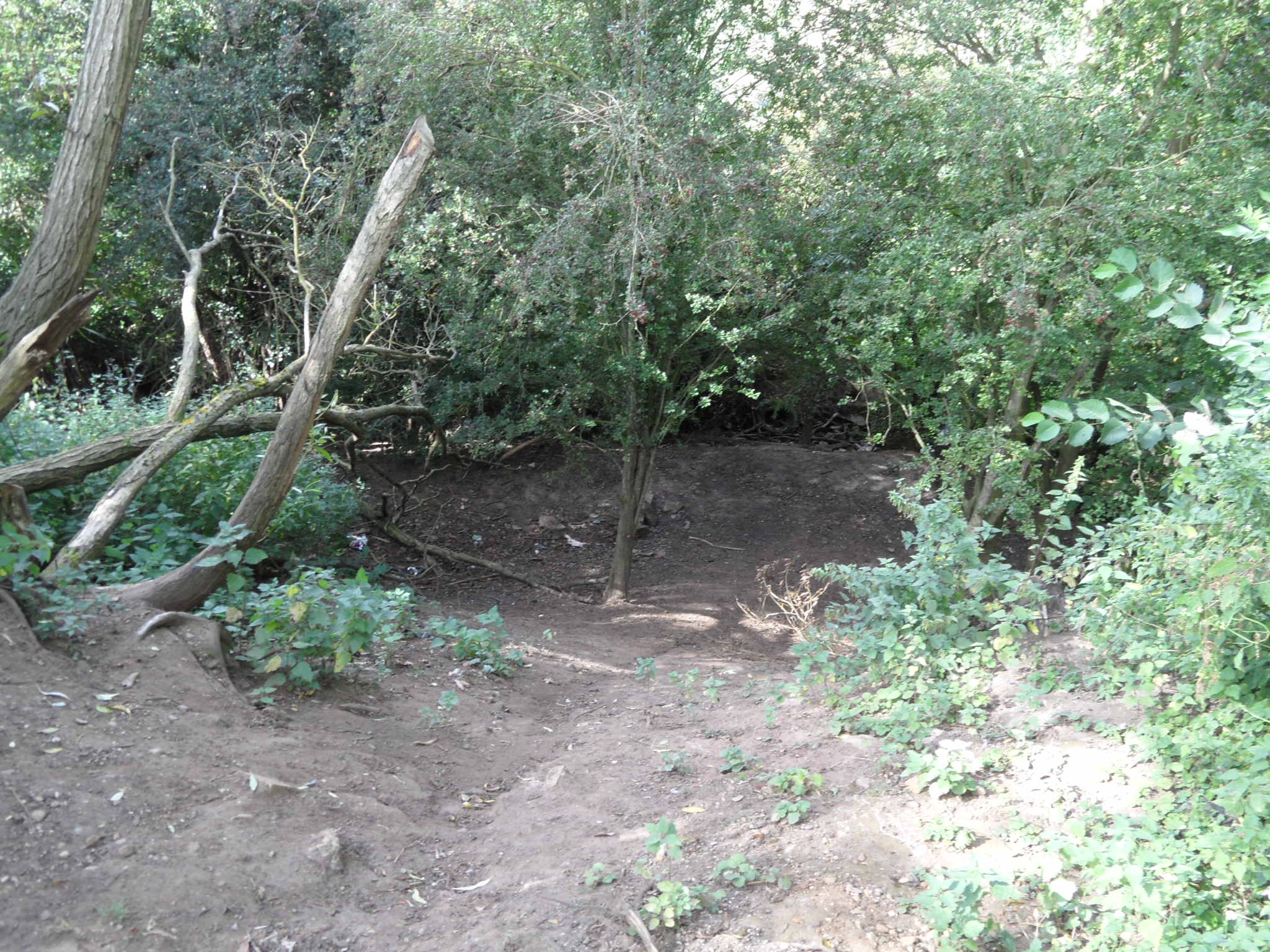
For much of the walk, we were separated from the route of the stream by steep embankments and rampant nettles, and at particularly challenging points, both!  Concerned about both the possibility of broken limbs and the availability of dock leaves, I didn’t stray far from the path, and used the zoom on my camera instead. Not very adventurous I know, but at least I lived to tell the tale!

Steeper than it looks! No, really it is!

Zoom.

Amidst the nettles is this green post. Any ideas?

A little way into the walk, watery looking plants and a visible outline convinced us that we’d found the site of the well marked on our Ordnance Survey map.

The smell of mint is what first alerted us to what we think is a well

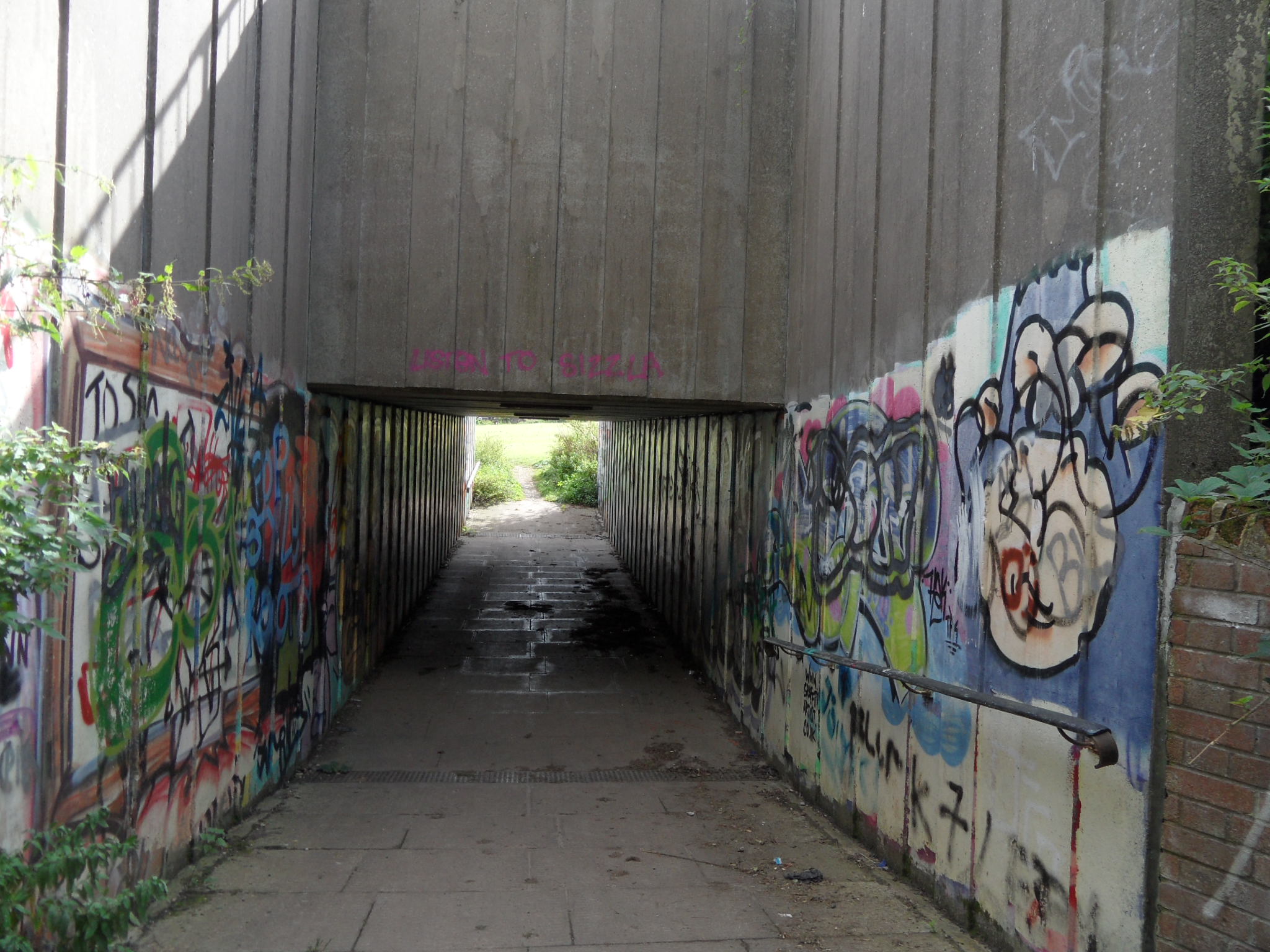
At the point where we lost the route of the brook altogether we retraced our steps back and tried to pick it up again further upstream. This time the route took us along a flat, public footpath with woodland and fields to our left and the busy western bypass and underpasses to our right,  reminding us that we were right on the fringe of the city here.

Bypass underpass

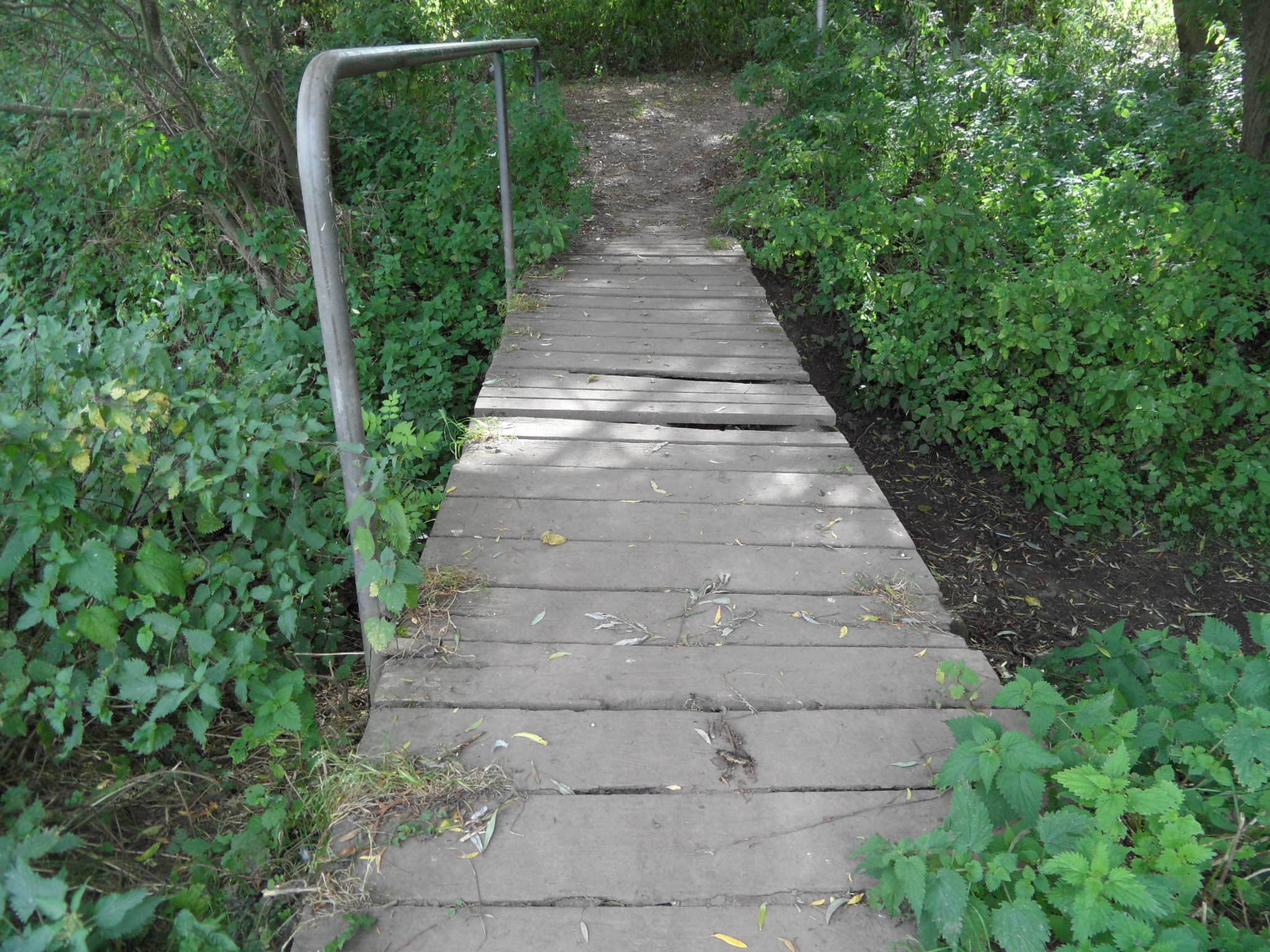
A footbridge gave us easy access to the stream here, but once again it was dry.

Had we not turned back, we’d have found ourselves in Elmhurst.  What I hadn’t realised at the time was that part of the route apparently dates back to Saxon times, and incorporates an archaeological feature known as ‘The Dimble’. It’s great that the name is still evident in the area today. I’d like to find out more about this ancient walkway (the information I’ve included here is pretty much all I’ve been able to find so far), and also clarify exactly what  a ‘Dimble’ is, as I’ve seen a couple of different definitions.

I was also unaware until reading up on it, that the Christian Fields LNR was a landfill site until the 1980s when it was capped. Twenty or so years of allowing nature (and volunteers) to reclaim the site, has resulted in a place reclaimed for people to enjoy and explore. So go and enjoy & explore!

Notes:

Big thanks to Brownhills Bob for providing me with a map of the site and information about the nature of water, especially the advice to keep an eye on that well…..

Information on Christian Fields LNR taken from http://www.lichfielddc.gov.uk/info/200029/countryside/83/site_management/4