Dog Days

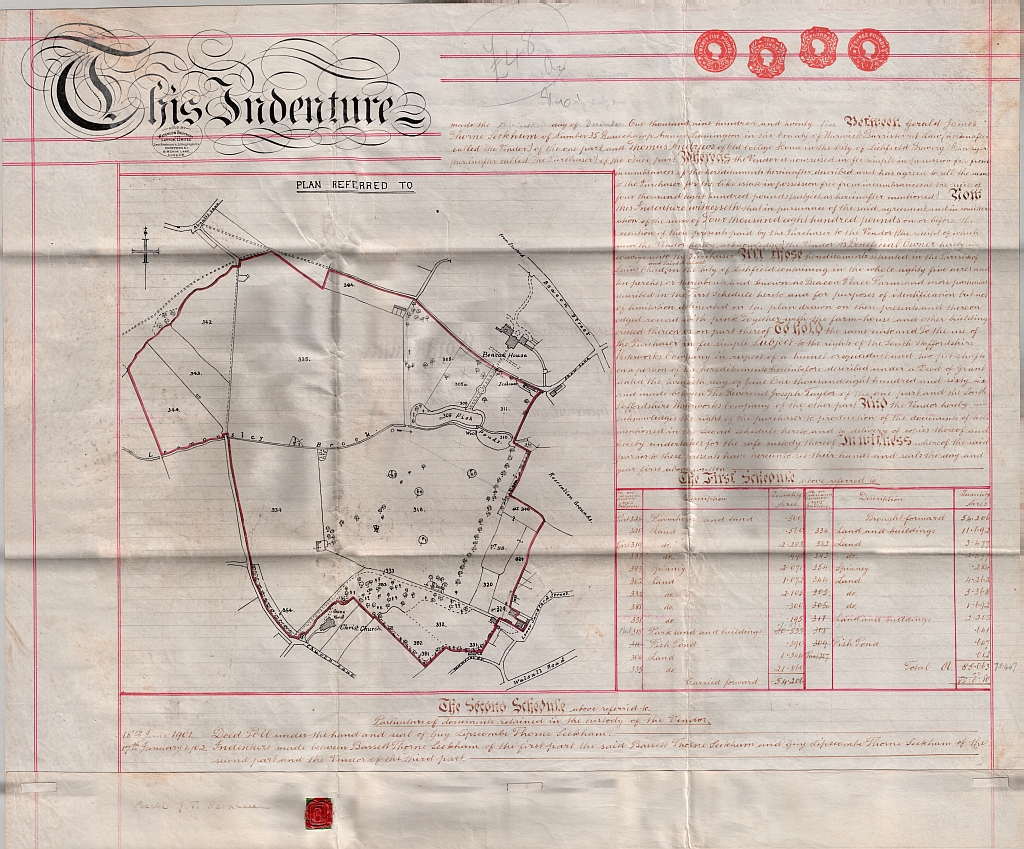
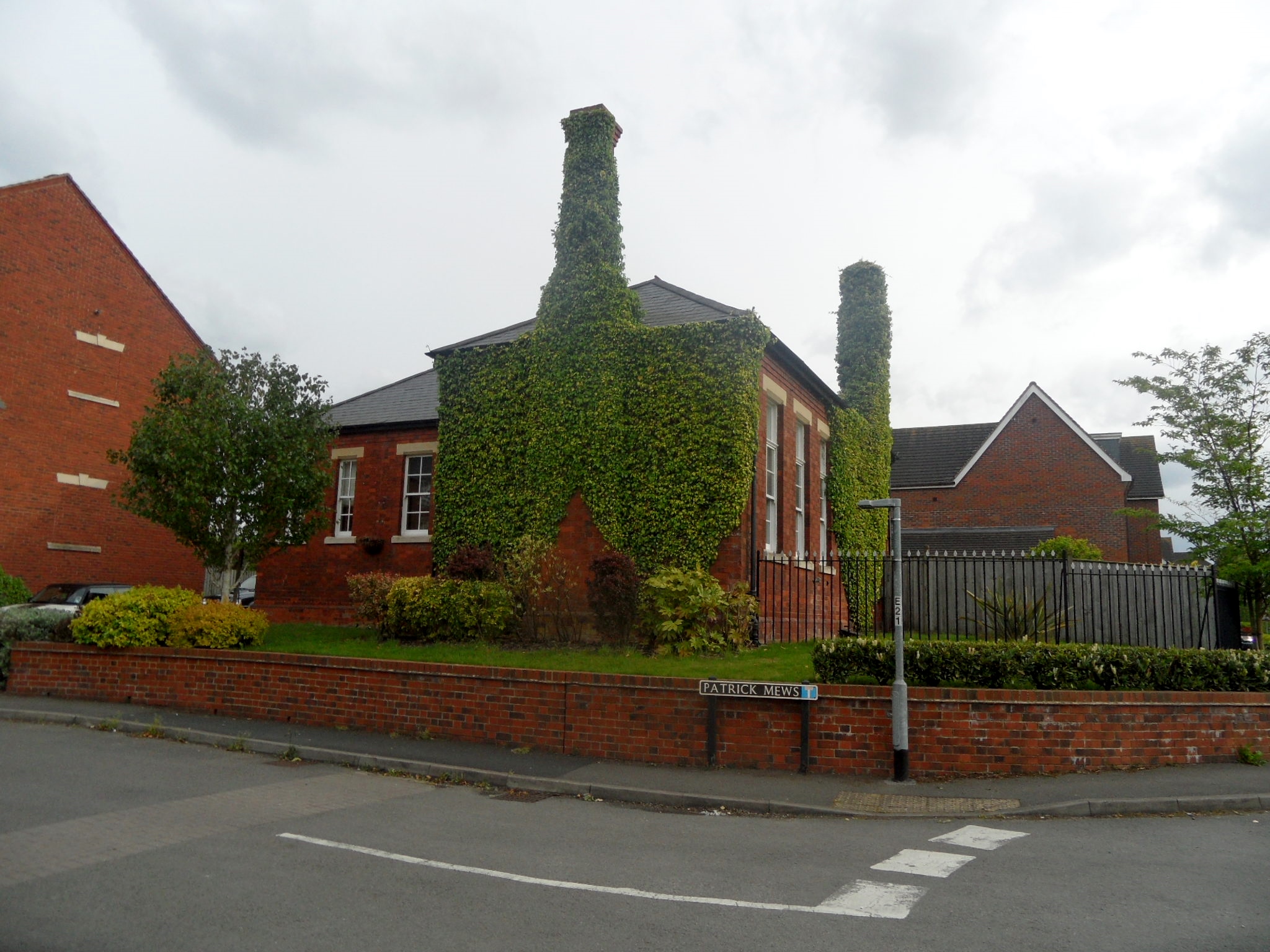
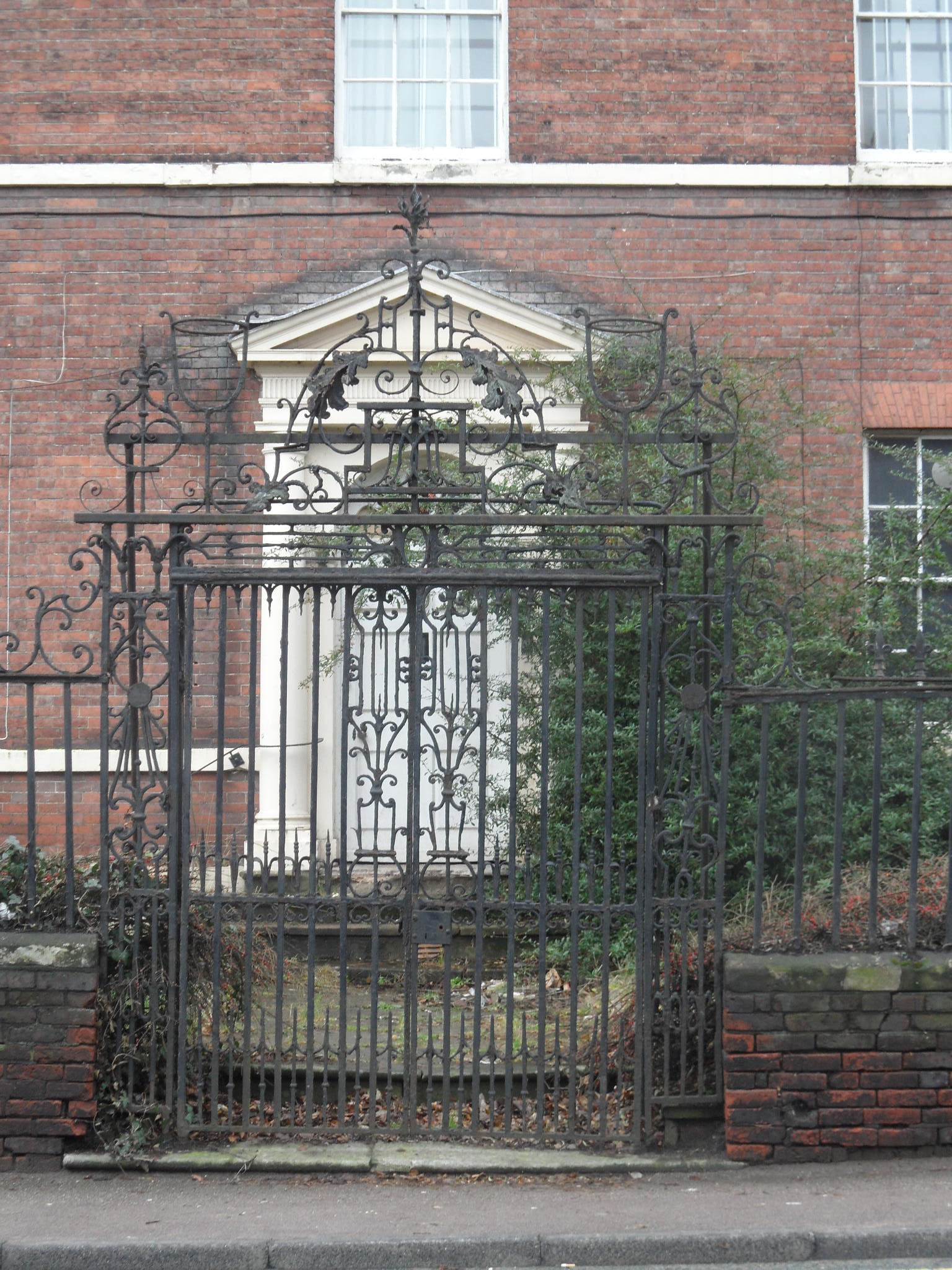
At the weekend, I received an email from Lorna Bushell, asking if I’d ever come across Purchaser’s grave. Purchaser and his fellow canine, Vendor, are buried in the grounds of a building that was home to a firm of solicitors for many, many years – hence the unusual pet names! Although I found the headstone marking Purchaser’s grave easily, the memorial to Vendor wasn’t as obvious and may even be missing altogether.

I can only make out some of the writing on the stone, which I think testifies to the dog’s ‘personable disposition’, endearing him to all who knew him. If anyone has better eyes than me and can transcribe the full epitaph, please do!

I’ve seen memorials to animals at several former country houses I’ve visited in the past including these headstones at Trentham Gardens last summer, and up at Brocton on Cannock Chase, there is a headstone to Freda, the mascot dog of the New Zealand Rifle Brigade during the First World War. Brownhills Bob visited the memorial a while back and wrote a lovely article on it here.

One of the inscriptions at Trentham Gardens reads ‘Dolly – The Duke Cromartie’s Shooting Pony Died March 1923 Aged 12 (?) years.

I’m being deliberately vague about the location of Purchaser’s Grave, as on leaving I was stopped by someone and quizzed about what I was doing in their car park. I’m assuming that they may not take kindly to more people traipsing around their property searching for a dog’s lost grave.  Fair enough, I suppose, although it always seems a shame to me when parts of our history, no matter how big or small, are tucked away in unseen corners or hidden behind locked doors and gates, at risk of being forgotten about or lost for good. Down in London, there is a pet cemetery in Hyde Park – a fascinating piece of social history that few know about and even fewer get to see.

Back to Lichfield and if anyone does know any more about those solicitors’ best friends, Purchaser and Vendor, I’d love to hear about it.

 With thanks to Lorna Bushell for the information

Forge and Ford

As the afternoon’s weather in Longdon was not quite warm enough for basking in the beer garden of the Swan with Two Necks, I took myself off for a little wander. The pub has a late 19th century map mounted on the wall, and it shows that the building next door was once a smithy. I’ve always had a soft spot for these simple buildings, softened even further by the discovery that one of my ancestors was an innkeeper with a sideline in blacksmithing. One of these days I’ll stop romanticising about it and actually get around to visiting Cirencester to see whether the forge is still there.  For now though, back to Longdon, where in May 1918, the then blacksmith, a Mr T Broadhurst had decided to give up the business and was selling the tools of his trade. On offer was a grindstone on a iron frame, two circular double blast bellows (nearly new), a treadle drilling machine, two black staple vices and other useful tools. The building remained a forge until 1938 and now is home to the WI.

Something else that appears on the pub’s map is a ford, which as the name suggests, is at the end of this lane. I had a walk down and within minutes found myself alongside the Shropshire Brook. I stood for a while on the little footbridge watching tiny yellow birds flit between the trees and the water’s edge. Interestingly, on earlier maps this seems to be called the How Brook.

Fords “shine in the memory” according to the writers of England in Particular

I don’t know much about fords, other than they are a way of crossing streams and rivers, presumably at their shallowest points. Whilst reading up on them at home, I came across a surprising account of an event that seems to have taken place here or very nearby (1).

Sir William Wolseley … lost his life about the beginning of the last century* in a very singular manner. He went to Lichfield one morning about nine miles from his house in his coach and four and on his way passed a little brook which runs across the road at Longdon and which is so shallow that a foot passenger can easily step over it the water being kept up by a mill dam at some distance from the road. When Sir William Wolseley reached this brook on his return home in the evening the mill dam just at that instant suddenly gave way the water rushed across the road overturned the carriage and drowned Sir William with his horses. The coachman was thrown off the box into a tree and escaped.

*July 8th 1728 according to the inscription on the monument to Sir William in Colwich church

Could this these gently flowing waters really have caused such devastation? It’s hard to imagine. A reminder, I suppose, that whether it’s the fire of the blacksmith, or the water turning the mill wheel, we can manipulate the elements of nature, but we are never fully in control.

Sources

(1) – A topographical and historical description of the Parish of Tixall in the County of Stafford, Sir Thomas Clifford and Arthur Clifford Esq, 1817.


Pillars of the Community

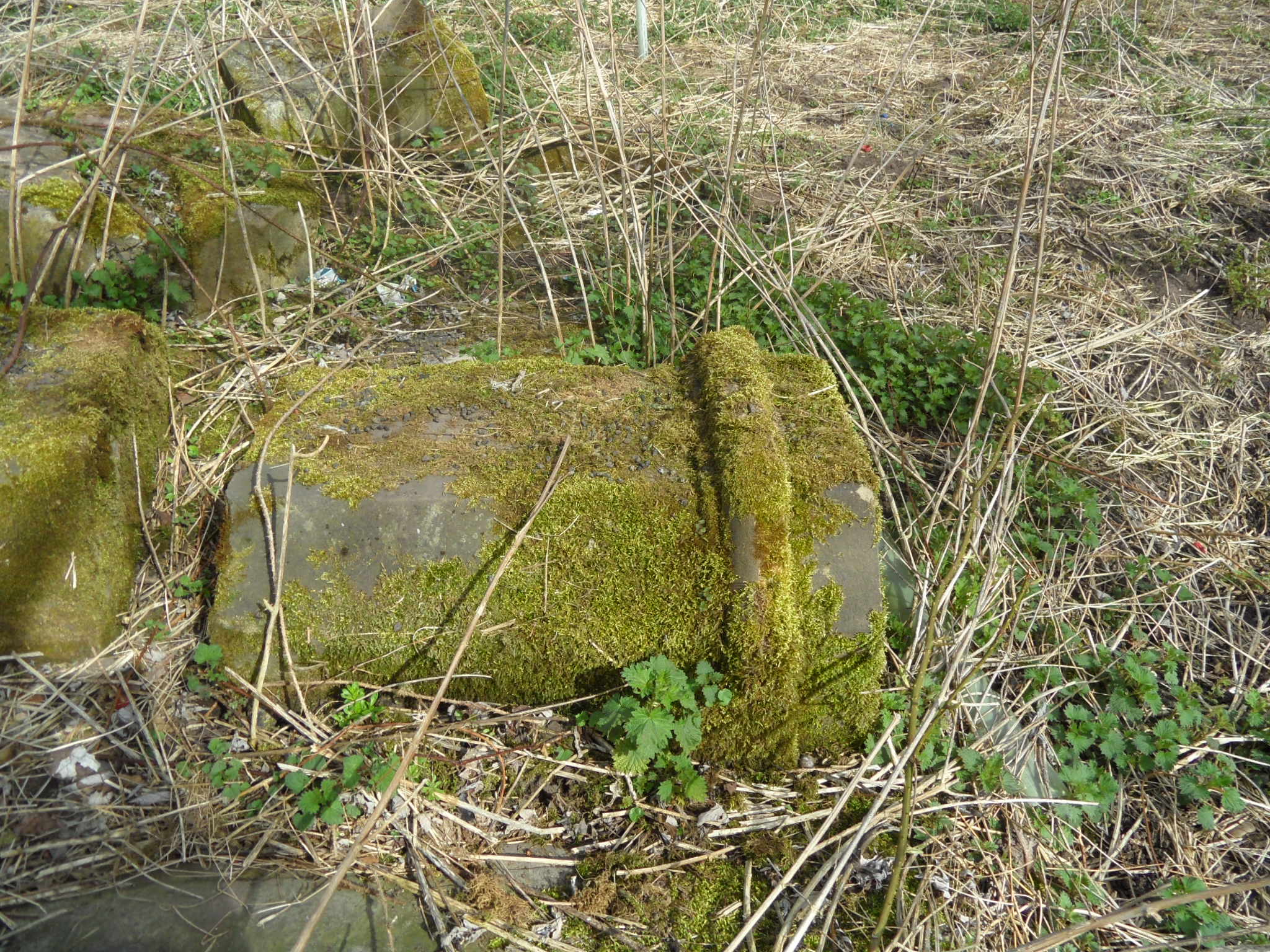
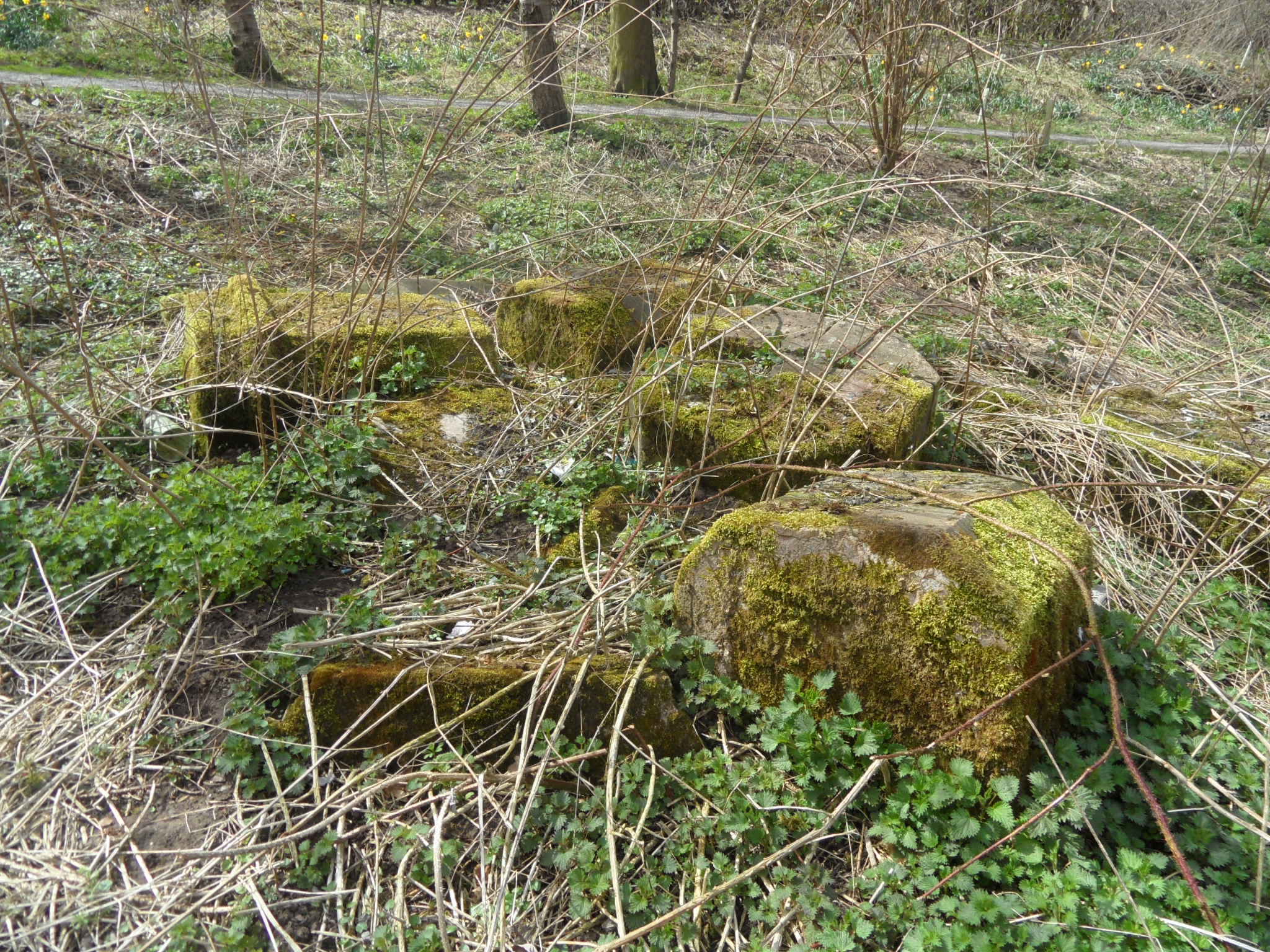
Back in April, I found what I thought were moss covered stone pillars in the undergrowth at Beacon Park, and asked if anyone knew what they were, or where they had come from. Well now, thanks to members of Lichfield District Council and the Beacon Street Area Residents Association, we have not one possible solution but three!

Could they be:

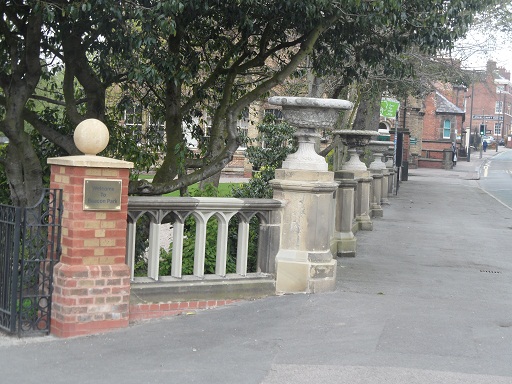
a) a section of balustrading from the Bird St/Beacon St side of the park, removed in the 1980s to create a corner entrance to the park over by the new Chandlers kiosk and the public toilets?

b) part of a structure used by a dairyman to shelter in during bad weather? There was once a farm in the vicinity of the Bunkers Hill Car Park, and a dog walker remembers that before the war, dairy cows were kept on the land that is now the football pitches and woodland.

Beacon Park map. Source: Gareth Thomas and his excellent blog – http://allaboutlichfield.blogspot.co.uk/

c) part of a “tower” that was originally at Stowe pool?  Apparently, after it became unsafe, the tower was dismantled and some of the stonework was put in the woodland.

d) None of the above?!

It’s great how by trying to uncover the story behind the stones, it’s also uncovered other things – the memories of cows on what’s now the football pitch and the possibility of a tower at Stowe Pool for starters! It’s also a good reminder that the version of a story we’ve been told, or the one we remember, might not be altogether correct. That’s not to say that such stories don’t have value, it’s just we need to be careful about accepting things at face value.

By the way,  if I was betting woman I’d go for option a….

A Fleeting Present

A while back I wrote about Mr J W Jackson, the ghost hunting city librarian who wrote a local history column for the Lichfield Mercury in the 1930s and 40s. Last night I found an article about ‘dear old Beacon Street’, written by Mr Jackson in November 1943, in response to a letter from one of his old school friends who emigrated to Canada in 1870, at the age of twelve. Of course, in describing the changes that have taken place in seventy years, Mr Jackson gives us a glimpse of Beacon St in both his past and his present, which is actually now our past. Before things get too wibbley wobbley timey wimey, let’s move on to a summary of the changes Mr Jackson noted in Beacon Street over the seventy years leading up to 1943.
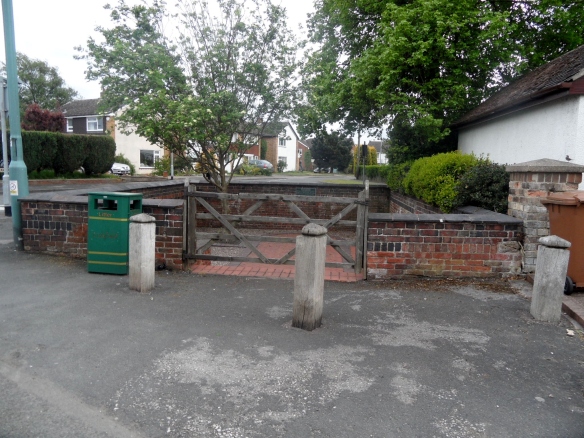
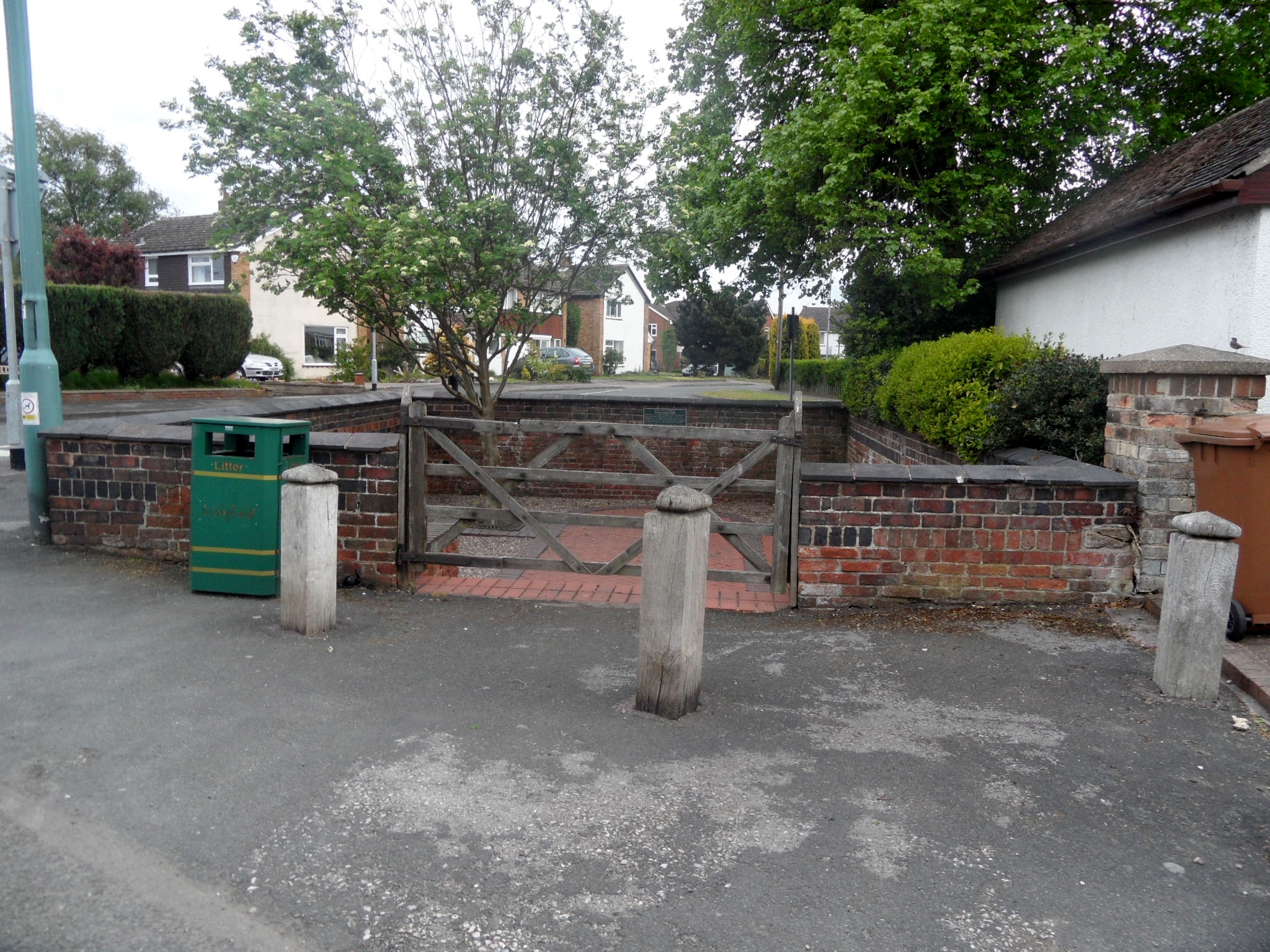
Mr Jackson says the old pinfold still remained but was hardly, if ever, used for its original purpose – in the past it frequently containing horses, cattle or sheep caught straying on the road and penned by official pinner, Watty Bevin.  Fifty yards away from the pinfold as you walked back towards the city there used to be an old iron pump where the children used to fill up the vinegar bottles they were taking home from Hagues in Beacon St, after enjoying a couple of sips.  The Anchor Inn kept by Billy Godwin had been cleared away and the field between the Inn and Smith’s Brewery was now the residential school. The brewery itself where the children took cans to be filled with barm had been converted into a foundry.
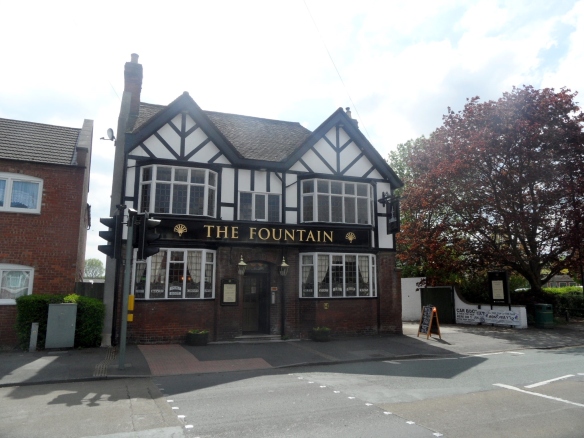
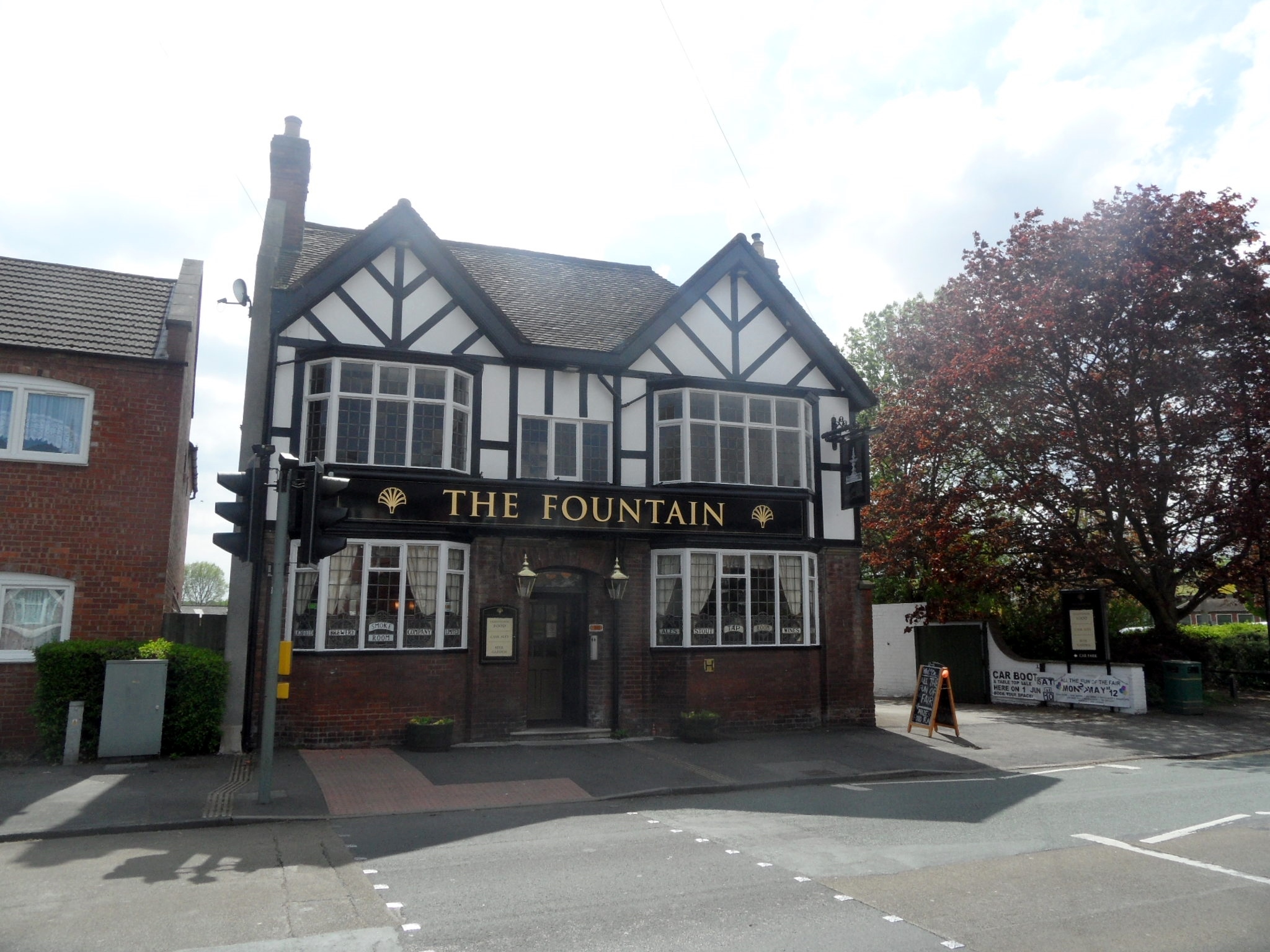
The Fountain Inn still remained  but visitors from the Black Country no longer came to play bowls on its lawns. The Lemon Tree Inn, kept by Sam Boston was now a house, as was the old butchers shop (kept by Mr Yeomans) and the Pheasant Inn previously kept by Mr Stone is also a house.  The wall shutting off Beacon Hall had been partly taken down and was now a garage and a residence. The old fashioned grocery shop at corner of Shaw Lane, owned by Mr Hall had been sold and replaced by a much larger shop, eventually becoming an antiques shop. Whitehall and Milley’s Hospital remained as they were in 1870 but the Free Library & Museum had been built near to the site of Griffith’s Brewery. (Note: Think this was probably earlier – Free Library & Museum built 1859?)
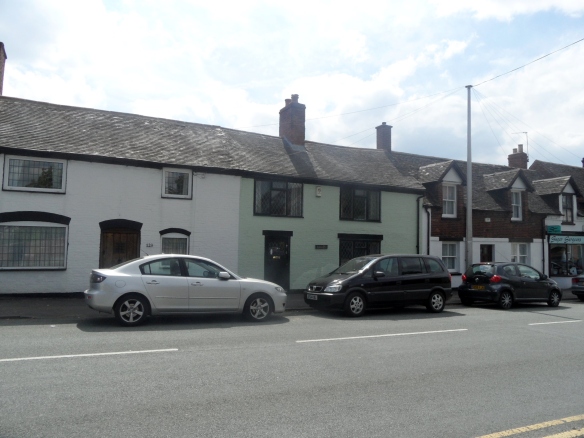
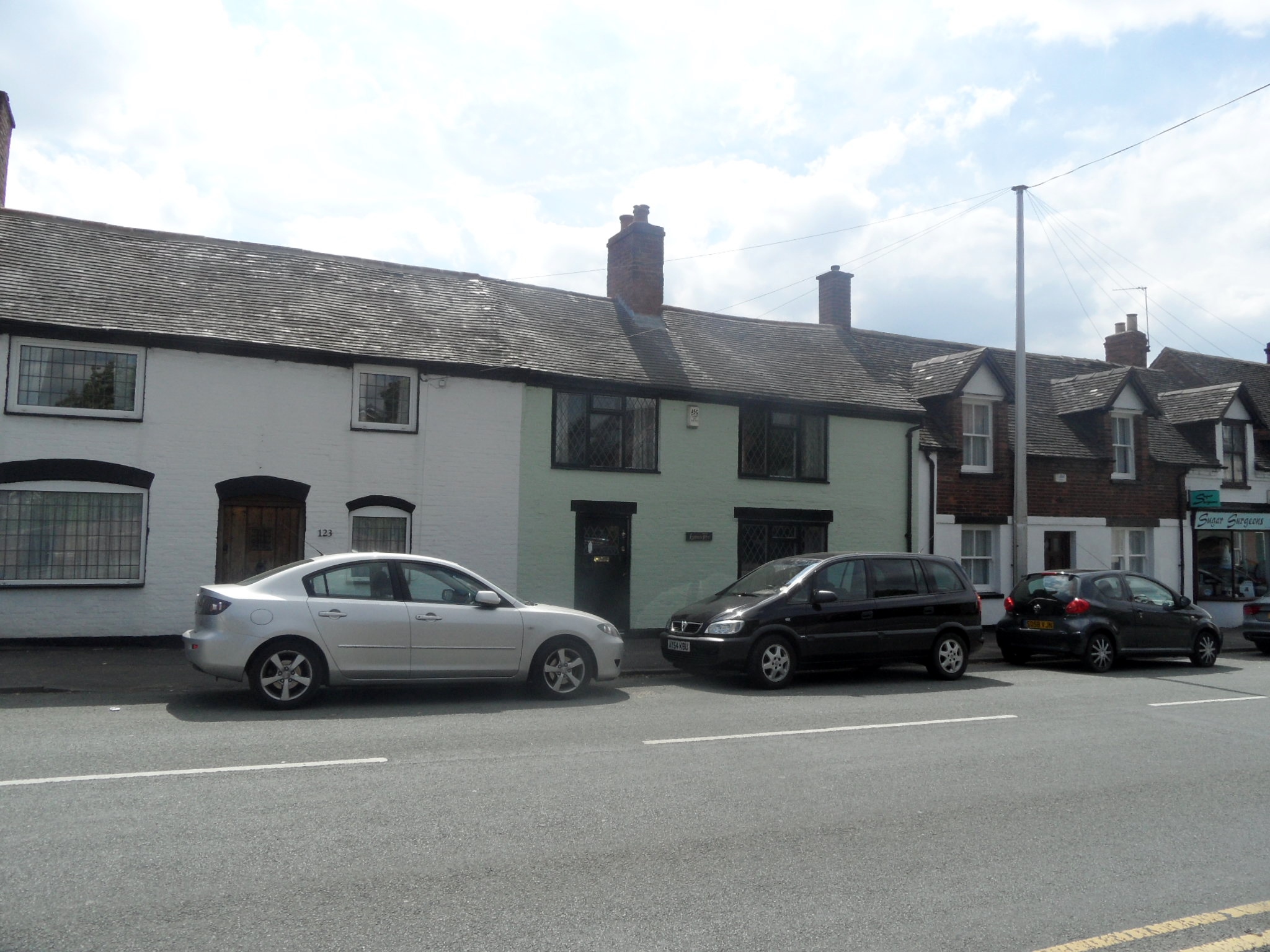
Green house was formerly the Lemon Tree Inn

The Angel Croft was described by Mr Jackson as ‘now a hostel’. The Old Beehive Inn had also been converted into a residence as had the Wheel Inn at the corner of Wheel Lane. The windmill where Mr Jackson played as a child was no longer in use but converted to a picturesque residence. Apparently the miller came in a considerable fortune and disappeared leaving everything as it stood and nothing was heard of him again.
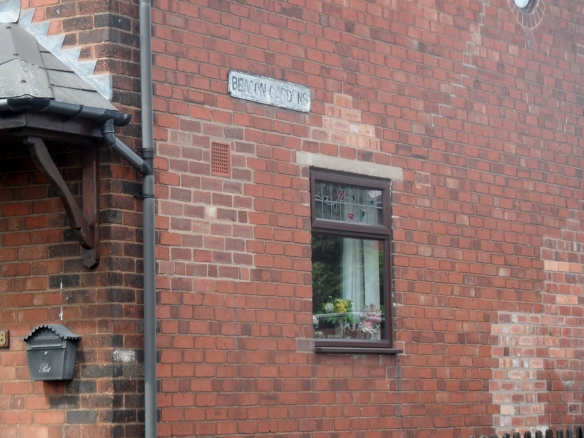
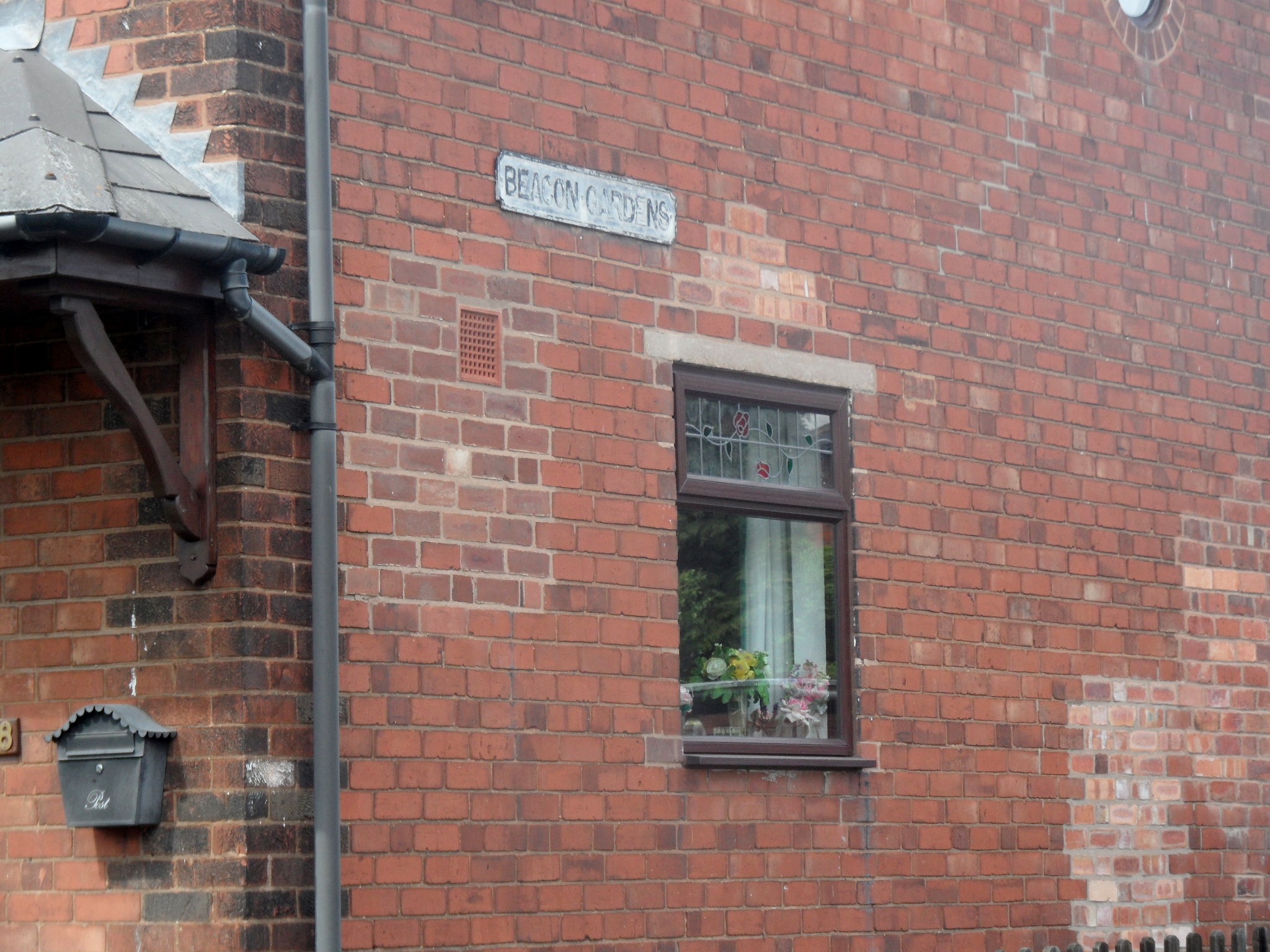
Beacon Gardens built 1925

Council houses known as Beacon Gardens had been built on the fields in front of the Fountain Inn. The old blacksmiths, where legend has it that a French man once took his dancing bear to be shod was still going strong.  The Feathers Inn was still licensed and the row of cottages adjoining was much the same. The Old St Chad’s Rectory garden and field had been built over, the new road known as Nether Beacon. By 1943, the wheelwrights shop on brow of Beacon Hill had long since disappeared but the Little George Inn still stood as did the George & Dragon.

Of course, we can also now compare Beacon St seventy years on from when Mr Jackson did his comparison. I took most of the photos on Sunday (before I found the article weirdly!). The old pinfold still remains, but I doubt anyone now even remembers it being used to lock up straying animals.
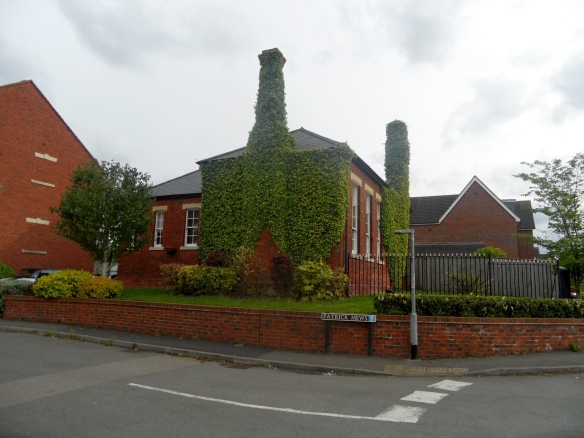
Beacon Street School Sanatorium

The residential school has now been converted into apartments and the site of the Foundry is now Morrison’s Supermarket. Funnily enough you can probably get barm, or something similar there once again, as I think it’s a type of yeast (as in the northern ‘Barm Cake’). The Fountain Inn is still open, and Milley’s Hospital and Whitehall are still there. The Free Library and Museum building is of course now used as the Registry Office. As we are all too aware the Angel Croft is still there, but for how much longer in its desperate state?
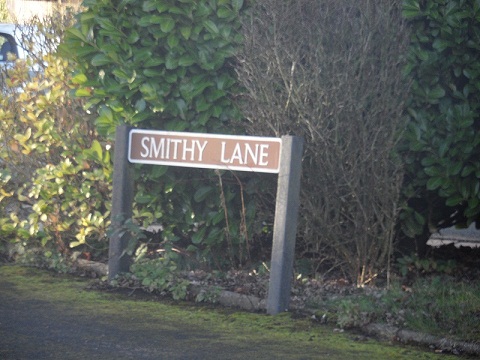
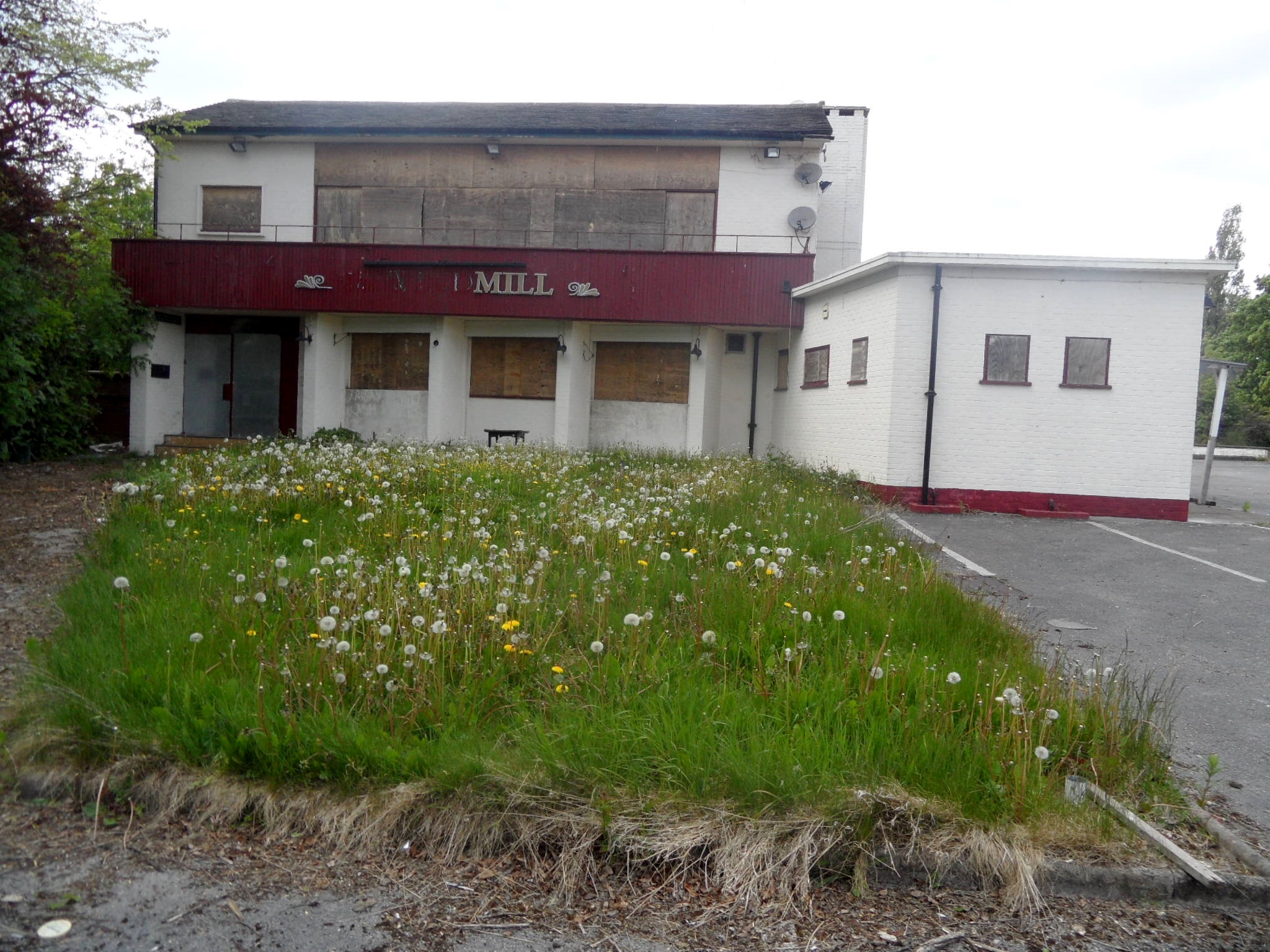
The blacksmiths has gone but is not altogether forgotten with road names ‘Forge Lane’ and ‘Smithy Lane’ to remind us. The Feathers Inn is still licensed but has now expanded into the row of cottages adjoining (for the record, I had a very nice jacket potato in the beer garden there on Bower Day this year). The George and Dragon, thankfully, still stands but the Little George is now a private, rather than public house. According to John Shaw’s Old Pubs of Lichfield, after WW2, the licence of the pub was transferred to the new pub on Wheel Lane, known as the Windmill. This ‘new’ pub which, wasn’t around in Mr Jackson’s time will probably not be around for much longer, as it is has been closed for some time and the site earmarked for development.
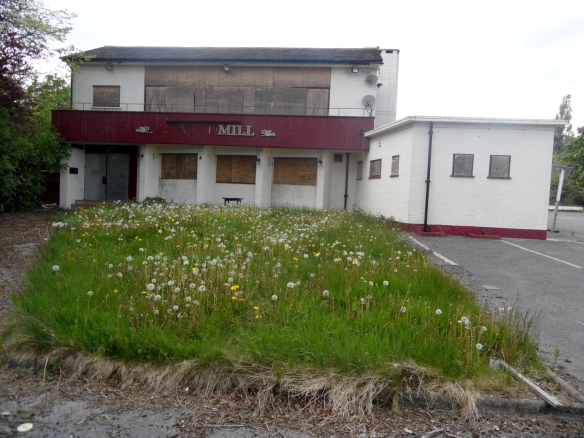
Mr Jackson’s article reminds me of the need for recording the everyday and the seemingly ordinary, as one day the present will be the past and what was once commonplace may no longer be.  I’m a big believer in using place names that reflect the history of a place, but on its own, a street sign for ‘Smithy Lane’ only tells you part of the story. Had Mr Jackson not added the story of the dancing bear’s shoes and the missing miller and his money to his reminiscences, they may well have been forgotten. “So what?” some may say, dismissing them as mere trivialities, but I disagree. I think stories matter.

Perhaps in seventy years time someone will look back at how Beacon St was in 2013. I wonder what will have changed and if we’ll have left them with any good stories?

Sources:
Lichfield Mercury archive
The Old Pubs of Lichfield, John Shaw
The Dunk Cow

Trying to find a bit more out about the old Dolphin pub in Bore St, I had a look through the newspaper archives. I did find one really nice snippet – at the grand opening of Lichfield’s Co-op in 1914, Councillor JR Deacon, who built the new Co-op on the site of the Dolphin, presented the chairman with a walking stick made from one of the old inn’s beams.

However, I confess that sometimes when trying to find information in old newspapers, I often find myself distracted. I am utterly incapable of passing by a story with an intriguing headline.  If you think you could stay focused after turning up ‘Antics of Mad Cow. Swam Stowe Pool Twice’ in a search, then I salute your willpower. I, however, needed to know more about these events immediately and thought I’d share the unusual story here.

Ducks but no cows. By the way, is this Johnson’s Willow (well its replacement anyway)?

In 1946, two young men were spending a quiet Monday afternoon fishing at Stowe Pool Suddenly, they noticed a cow swimming towards them. The heifer got out of the water, charged at them and then started swimming back towards Stowe St. However, something must have changed its mind, as the cow then decided to come back, charging at a policeman who had just arrived on the scene. By this time, the fishermen and the pool attendant, a Mr Boston, were hiding behind Johnson’s Willow. Deciding to make a run for it Mr Boston headed for the Boathouse and the two lads jumped over the hedge. Unfortunately, so did the cow. With PC King in hot pursuit, the poor beast ran up The Windings and into a field, where finally having calmed down, it stayed overnight, before ‘being removed’ the following morning (the Mercury reporter thought it had been destroyed). Where the cow came from, and what caused this odd behaviour is not known. For those involved, I’m sure that this was quite a frightening experience at the time, but I do wonder if, once the shock had subsided, it went on to become a favourite family story e.g. “Tell us about the time you got chased by a cow, Grandad…”?

By coincidence the story is actually linked to the previous post about the Dolphin in a way – the two young men were butchery assistants at the Co-op! From a dolphin in Bore St to a cow in Stowe Pool, I love how you just never know what story is going to turn up next!

A Lost Place

A couple of years ago, I learned that there had once been a place in Lichfield known as Bessy Banks Grave. Appearing on several old maps, the name is also referred to in a newspaper advertisement from 1914, but seems to have disappeared shortly afterwards. The plot of land was in The Dimbles area and I suspect that the name may have been lost when the council began building houses there in the early twentieth century.

Attempts to discover the story behind the name led to a poem written by Anna Seward for her friend Honora Sneyd, at the place known as Bessy Banks Grave, which Miss Seward refers to as ‘the grave of a suicide’.

“It suits the temper of my soul to pour
Fond, fruitless plaints beneath the lonely bower,
Here, in this silent glade, that childhood fears,
Where the love-desperate maid, of vanish’d years,
Slung her dire cord between the sister trees,
That slowly bend their branches to the breeze,
And shade the bank that screens her mouldering form,
From the swart Dog-Star, and the wintry storm….”

David Garrick also knew the place, adding that it was supposedly haunted and in 1805, John Jackson remarked that the spot was ‘once the famous rendezvous of lovers….now no more is remembered than that poor Betsy (sic) is said to have fallen victim to hapless love’.

After reading the original post, “Margaret” left a comment to say that she had found a poem called ‘The Circuit Lane’, in the 1859 book ‘Rustic Rhymes’, by Frederick Price. The Circuit Lane marked part of the boundary of Lichfield, as can be seen in the following extract which appears in several history books from the early nineteenth century:

“… and so along that little cross lands unto another lane that leadeth from Lichfield to King’s Bromley and then along that lane towards Lichfield unto a little lane lying between the Grange Ground and Collin’s Hill Field commonly called the Circuit lane unto the further end of it betwixt two fields the one called Hic filius and the other Piper’s Croft and so over across a lane that leadeth from Lichfield to Elmhurst and then into another little lane between Stichbrooke Ground and Gifforde’s Crofte and so along that little lane to a green lane at the further side of the Lady Leasowe being the land of Zachary Babington Esquire and down that lane to a brook called Pone’s Brook and so over that brook into another lane called Stepping stones lane…”

As well as painting a picture of a disappeared landscape, Frederick Price’s poem also refers to the lost story of Bessy Banks. The full poem is here, but I have included an excerpt below

Daisy, ladysmock, and kingcup,
And the broad-leaved flag so gay,
With which we in pride would prink up
Doorsteps on the first of May –
Where bright flies their wings are sunning
Where shells strangely marked are found
Where the rippling brook is running
In which Bessy Banks was drowned.

Pass we these, and onward pressing
Where o’er head tall elm trees wave,
‘Tween banks rich in Nature’s dressing
Till we come to Bessy’s grave:
Here four cross-roads meet; a green mound
Indicates her place of rest;
Few spots are more lone, I ween, found
On old England’s face imprest.

Hawthorn blossoms fall and slumber
O’er where the betrayed one lies –
One more victim to the number
Sung in great Hood’s ‘Bridge of Sighs’
The betrayer, in corruption,
Lies in fetid church-yard soil,
Where e’en earthworms meet destruction
Fit ‘last home’ for one so vile.

Hence the lane has been neglected
From that time : the rustic swain
Since that hour the road rejectes
Nor dare traverse it again
Burdocks, thistles, nettles, tansy,
And the nightshade flourish there;
But the primrose or the pansey
Scarce are known to blossom near.

You’ll notice that Price’s version of the story differs from the earlier one told by Anna Seward. Perhaps the clue to this lies in the reference Price makes to ‘Hood’s Bridge of Sighs’, relating to the poem by Thomas Hood, written in 1844 and said by the Victoria and Albert Museum to be a ‘classic stereotype of the harlot and her destiny‘?


A Stone's Throw Away

I recently read a great post about the map maker John Ogilby on Kate Shrewsday’s wonderful blog. In 1675, Mr Ogilby was the creator of the first ever British road atlas, and after reading Kate’s post, I took another look at the section of his map of the London to Chester road, as it passed over the Warwickshire border into Staffordshire and on through Lichfield. You can see the map here.

The majority of the place names are recognisable and in use today, albeit with some changes to the spelling –  Burowcop Hill, Cank Wood and Sutton Cofield amongst others.There are however a handful of names that appear to have been lost over the last three hundred or so years. One intriguing feature marked on the route is the ‘Bishop’s Heap of Stones’, eight miles or so from Lichfield, between Canwell Hall (or Sir Francis Lawley‘s Cannell Hall as it’s shown on the map) and Hints.

The name seems to refer to a literal heap of stones, and it seems there are at least two  possible explanations for why this pile of pebbles was associated with a bishop. Thomas Pennant, when writing about his journey from Chester to London, discovered a handwritten note in a copy of William Dugdale’s ‘Warwickshire’, added by Dugdale himself, which read as follows:

There is a common report (which passeth for currant amongst the vulgar) that the great heape of stones, which lyeth near the road way from Litchfeild towards Coleshill, upon Bassets heath, called the Bishops Stones, and those other lesser heapes, which lye in the valley below; were at first laid there in memorie of a bishop and his retinue, who were long since rob’d and killed, as they were travailing upon that way: but this is a meere fabulous storye: for upon an inquisition made in King James his time, concerning the extent of common upon that heath, betwixt Weeford and Sutton;there was an old woman, called old Bess of Blackbrooke, being then above an hundred yeares of age, who deposed (inter alia) that the Bishop of Exeter living then at Moore Hall: taking notice how troublesome such a number of pibble stones as then lay in the roade thereabouts, were to all passengers, caused them to be pickt up, and thus layd upon heapes

In 1769, in his book The History and Antiquities of Shenstone, in the County of Stafford, the Reverend Henry Sanders, gives a similar but more detailed explanation. Sanders says that a woman from Blackbrook came to the inquiry into the parish boundaries and testified that in the reign of Henry VIII, or just after, John Vesey, the Bishop of Exeter had decided to become a benefactor to his birthplace of Sutton Coldfield. Bishop Vesey obtained a charter of incorporation for the town, revived the market and also built a number of stone houses (1) as part of an attempt to create an industry manufacturing Kersey, as they did in Devon. Bess (I’m assuming that she is ‘the woman from Blackbrook’ Sanders refers to), also told how when the Bishop was at Sutton he was annoyed by the rolling pebbles on the road which caused travellers’ horses to stumble and sometimes fall and so he employed poor people to gather them and lay them in heaps. Sanders describes the position of these heaps as follows:

On the hollow way between Weeford Hills or rather between Swynfen and Canwell lie divers heaps and one great one at the top of the hill at Weeford park corner which according to the tradition of the country people were placed there in memory of a bishop of Lichfield who riding with many attendants was slain with those servants by robbers and that these heaps were where the bodies were found which agreeable to this account and to honest and accurate antiquaries is entirely fabulous

I also think these stories are fabulous, but I suspect not quite in the way that the Reverend meant! It seems the tale of the murdered bishop didn’t ever hold much weight, but what about the version given by the local centenarian (who sounds like a legend in her own right!)? Were the stones gathered by the poor at the request of a Bishop or did they serve another purpose?  It’s interesting that there may have been more than one heap. Piles of stones are of course found across the world, and have many meanings and significances. I suspect that the Bishop’s heaps of stones will have been swept away, perhaps gradually scattered back onto the roads from where they came. It’s interesting to think that even a humble pebble beneath your feet may once have been part of a much bigger story.

Notes:

1 You can see one of the stone houses built by Vesey here

2 Kersey was a coarse cloth, often used to make servants clothing, and although it takes its name from the village in Suffolk, I understand that in Vesey’s time it was Devon that was at the centre of the Kersey industry in England.


Friars on the Run

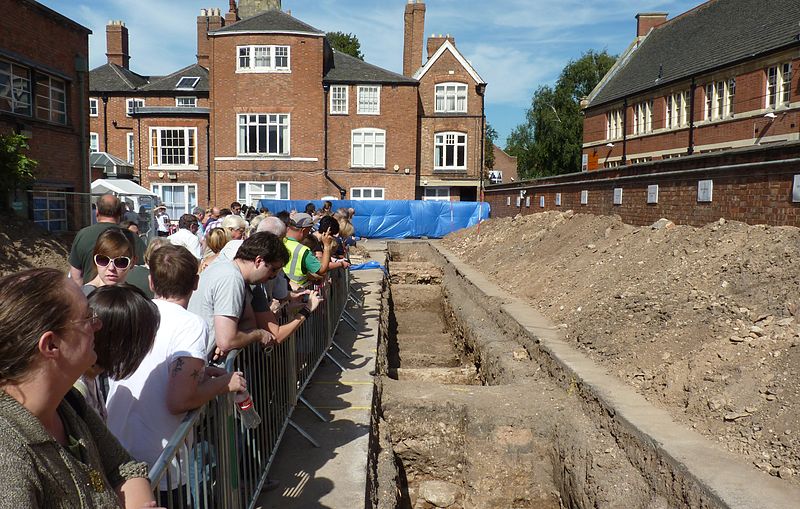
On Monday morning we’ll learn if human remains found beneath a car park in Leicester are those of Richard III, buried in the city’s Greyfriars church after his defeat at Bosworth in 1485.

Archaeological Dig Open Day at Greyfriars Leicester. 8th September 2012.
Image by RobinLeicester, Wikimedia Commons.

Naturally, the possible discovery of England’s lost king has generated a huge amount of interest and last week I had an email from someone in Lichfield who has been doing some background reading on the subject. In trying to find out more about the story of Greyfriars and King Richard III, they found that the Greyfriars were also linked to King Richard II. The reason for the email was to see if anyone knew anything more about the role of Lichfield in the story, as per the the following passage from the ‘History of the County of Leicestershire’.

The sympathies of the Leicester Franciscans for Richard II brought serious consequences upon the friary in 1402. A Franciscan declared to Henry IV that he and ten other friars of the house at Leicester, together with a master of divinity, had conspired in favour of the deposed Richard. In consequence eight Franciscans of Leicester, with the master of divinity, were arrested and brought to London for trial. The remaining two friars escaped. After two juries had failed to convict, a third jury found the prisoners guilty, and they were executed. Two other Franciscans from Leicester, presumably the two who had at first escaped, were executed at Lichfield about the same time.  In 1402, at a general chapter of the Franciscans held at Leicester, it was forbidden to any of the Order to speak against the king.


My anonymous correspondent wondered why the friars were executed here in Lichfield? What had brought them here in the first place, and was there any sympathy for them or Richard II amongst the Franciscan population here?

Remains of North Wall of Nave of Lichfield’s Franciscan Friary.

Other sources expand on the story a little to tell us that it was Prince Henry, the future Henry V (or at least members of his household) who caught and beheaded the friars at Lichfield. Our own county history tells us that in 1402, Henry IV had ‘ordered knights, squires, and yeomen from various parts of the country to meet him at Lichfield for his campaign against Owain Glyn Dŵr‘. This explains perhaps in part why the friars came to be executed here, but if there’s anyone who can add anything further to this story of fugitive Leicester friars in Lichfield, it’d be great to hear from you.

Notes:

A programme called ‘Richard III:The King in the Car Park’ will be shown on Channel 4 at 9pm on Monday 4th February.

Talking of archaeology digs in car parks, I believe that the report on the Friary Outer is due out anytime now – as far as I’m aware Victorian cellars and medieval pottery were the main discoveries. Of course, everyone knows that if you want to find lost kings in Lichfield, it’s Borrowcop you need to investigate….

Richard II visited Lichfield several times. Most famously he spent Christmas in 1397 at the Bishops Palace, returning to the city two years later as a prisoner of his cousin Henry Bolingbroke, soon to be Henry IV.

Edit 4/2/2013 – I probably don’t need to tell you this but it’s been confirmed beyond any reasonable doubt that it is him! King Richard the Third’s remains will now be interred at Leicester Cathedral. I believe there may be a link between this story and Elford too?

Sources:

Friaries: Friaries in Leicester’, A History of the County of Leicestershire: Volume 2(1954), pp. 33-35. URL: http://www.british-history.ac.uk/report.aspx?compid=38172

Historical Dictionary of Late Medieval England, 1272-1485, page 212 edited by Ronald H. Fritze and William Baxter Robison

Lichfield: History to c.1500′, A History of the County of Stafford: Volume 14: Lichfield(1990), pp. 4-14. URL: http://www.british-history.ac.uk/report.aspx?compid=42336

Concrete Evidence

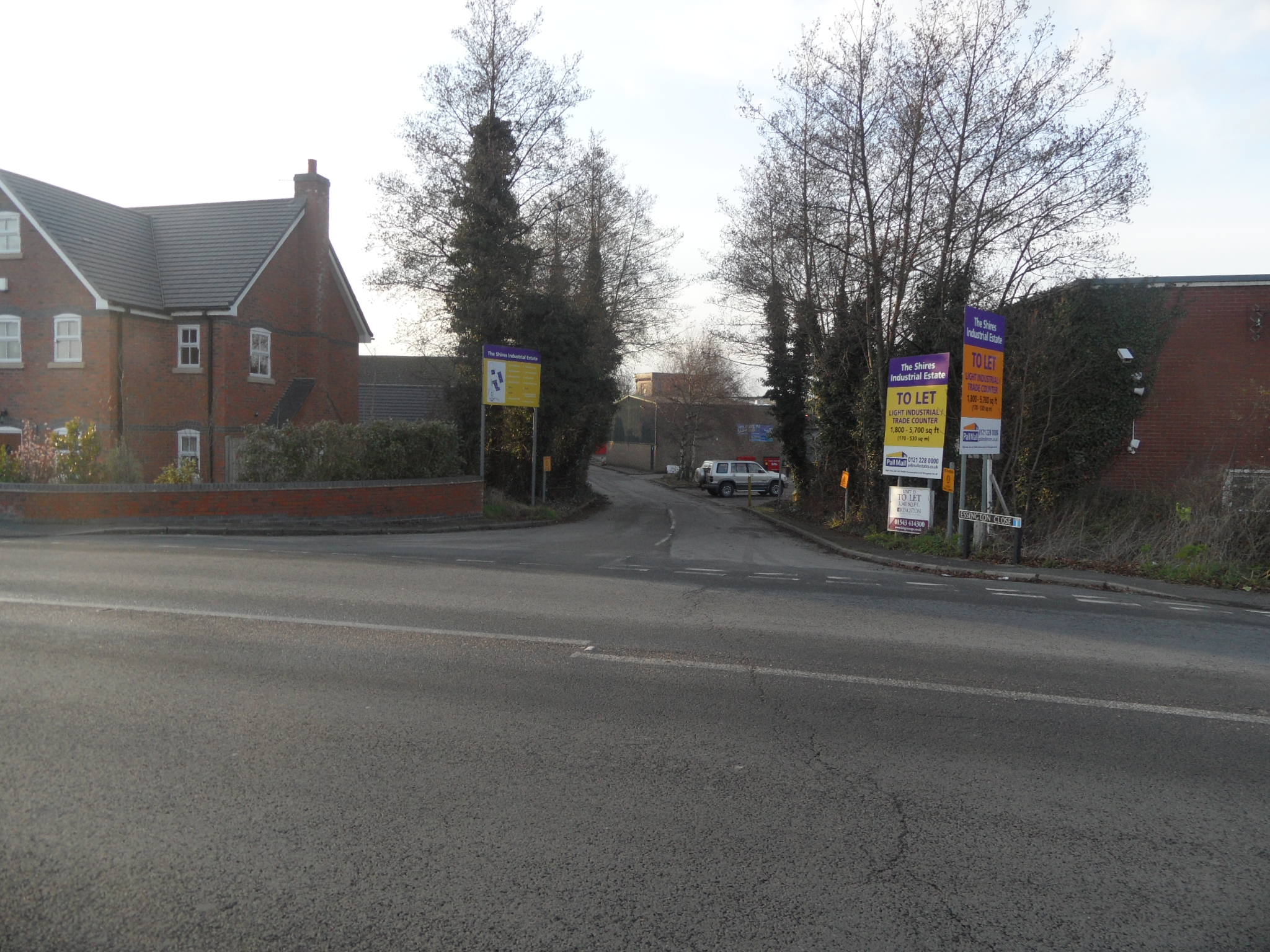
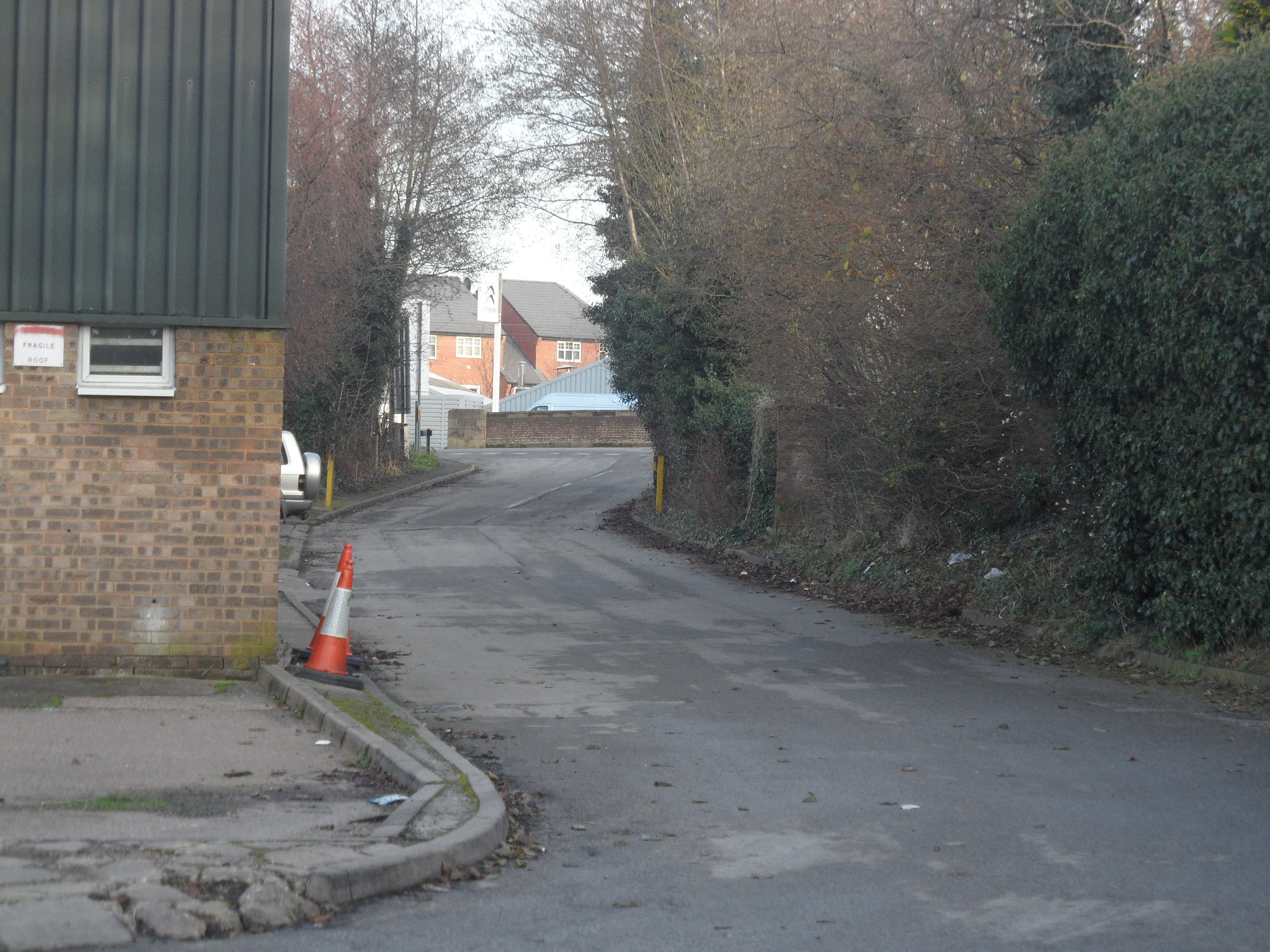
Due to a vague notion I had that canals had to follow a straight line, my previous attempt to follow the route of the Wyrley & Essington canal from the London Rd bridge to Sandfields Pumping Station had not been a resounding success. Determined to find the stretch of the Curly Wyrley (the canal’s nickname derived from the way it, ahem, doesn’t follow a straight line) that I’d missed,  I had a walk along the Birmingham Rd. Near to the Duke of Wellington, half a canal bridge and two modern street names – ‘Wyrley Close’ and ‘Essington Close – confirmed that this had once been part of the route of the canal between Shortbutts Lane and Sandfields.

Canal where?

Essington Close and Wyrley Close to the left as you look at the photo.

Standing in Essington Close looking back up the line of the canal towards the bridge.

In fact, I’d already been over the bridge plenty of times before but just never taken any notice of the clues staring me in the face. My excuse is that my head is always turned the other way, ready to look out for the old Maltings on the other side of the road.

Lichfield Maltings

One of my first friends in Lichfield used to live on the site.  One of our favourite topics of conversation, inevitably, was the history of the building we could see from her house, especially on those occasions when my friend had chatted with one of the employees and was able to regale me with tales of burning buildings, footsteps and orchards.  Through these chats and a bit of reading, we discovered that the malthouse had belonged to The City Brewery Company (Lichfield). In October 1916, a fire destroyed most of the brewery leaving only this building, and the red brick brewery manager’s house and offices (see my earlier post on the fire here). Shortly afterwards, Wolverhampton & Dudley Breweries took over the site.

What we didn’t appreciate enough at the time is that as we were scouring the archives for events that took place nearly a century ago, history was also happening right there under our noses – in 2004, this was one of only six remaining operational floor maltings in the country.The following year, it closed and the building was eventually purchased by a propery developer. Thanks to a Historic Building Assessment and photographs from urban explorers, the architectural features of the building have been documented. However, I wish we’d have talked to more people and asked more questions and recorded the first hand experiences of people doing a job that would very shortly cease to exist, in a building that would soon no longer be used for its primary purpose. You live and learn….

After standing unused for several years, scaffolding now surrounds the malthouse, and the adjoining modern shed has now gone. This could be an indication that the building’s transformation from industrial to residential use is now underway.  It seems to me that giving new life to an old building like this is a good way to balance the need to protect the past and the need to look to the future.  I hope that wherever possible the old features that tell the story of the building’s old life are retained, as recommended by the Historic Building Consultant’s assessment.

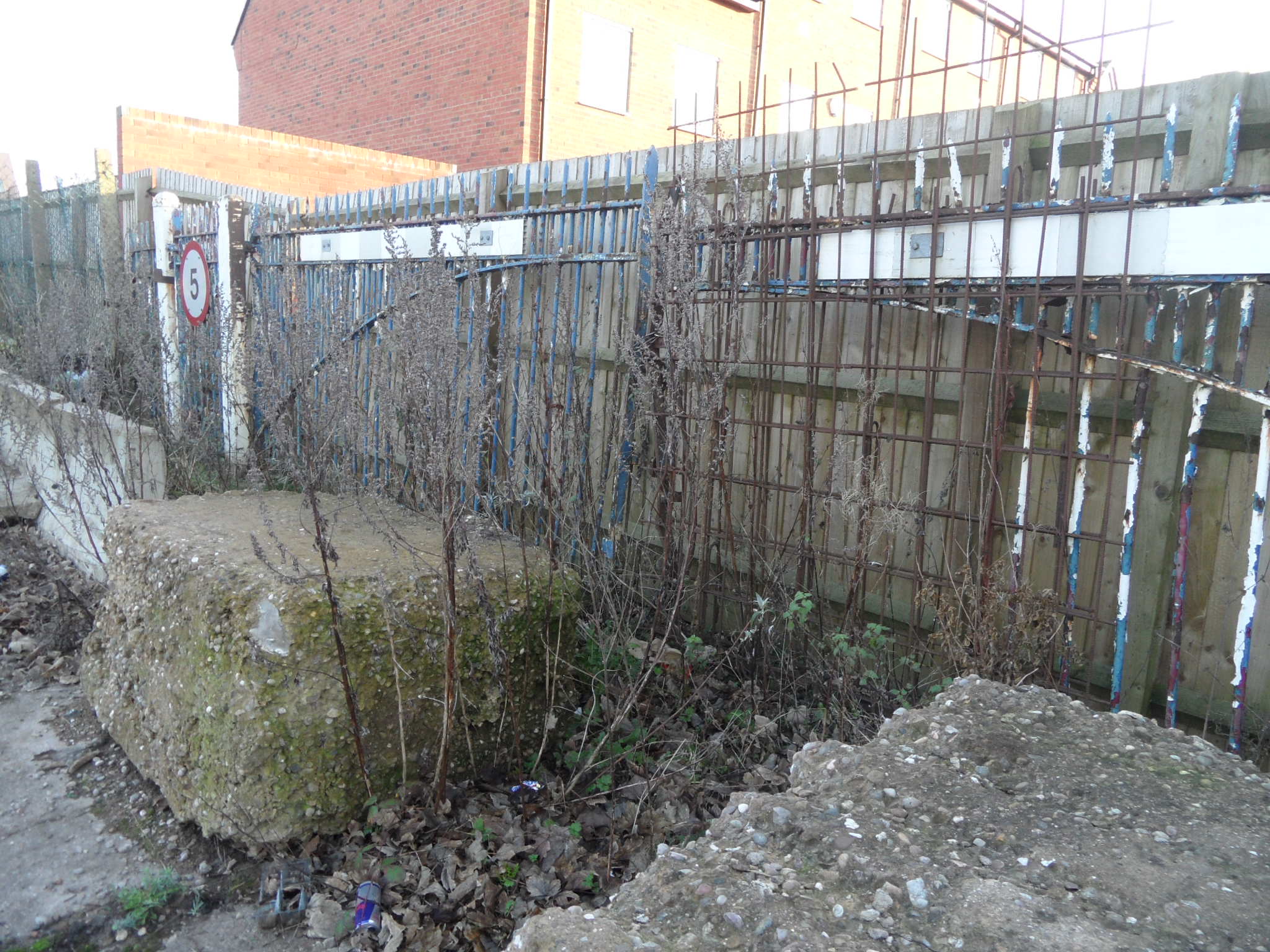
On the opposite side of the road to the Maltings, I followed a drive that lead under a railway bridge to some rusting gates. Until I got home and looked at an old map, I had no idea that this had formerly been a concrete works. Back in 1986, the Domesday project recorded that this was once the site of Bison Concrete. Unlike the canal and the maltings, I can see no reference to the site’s recent history. Maybe the time when we celebrate concrete is still to come…

I think that those of us that don’t have the nerve to explore & photograph the inside of derelict buildings or the necessary funds to pay for the physical restoration of a building, do have another weapon that we can employ in the defence of our history – the ability to listen.

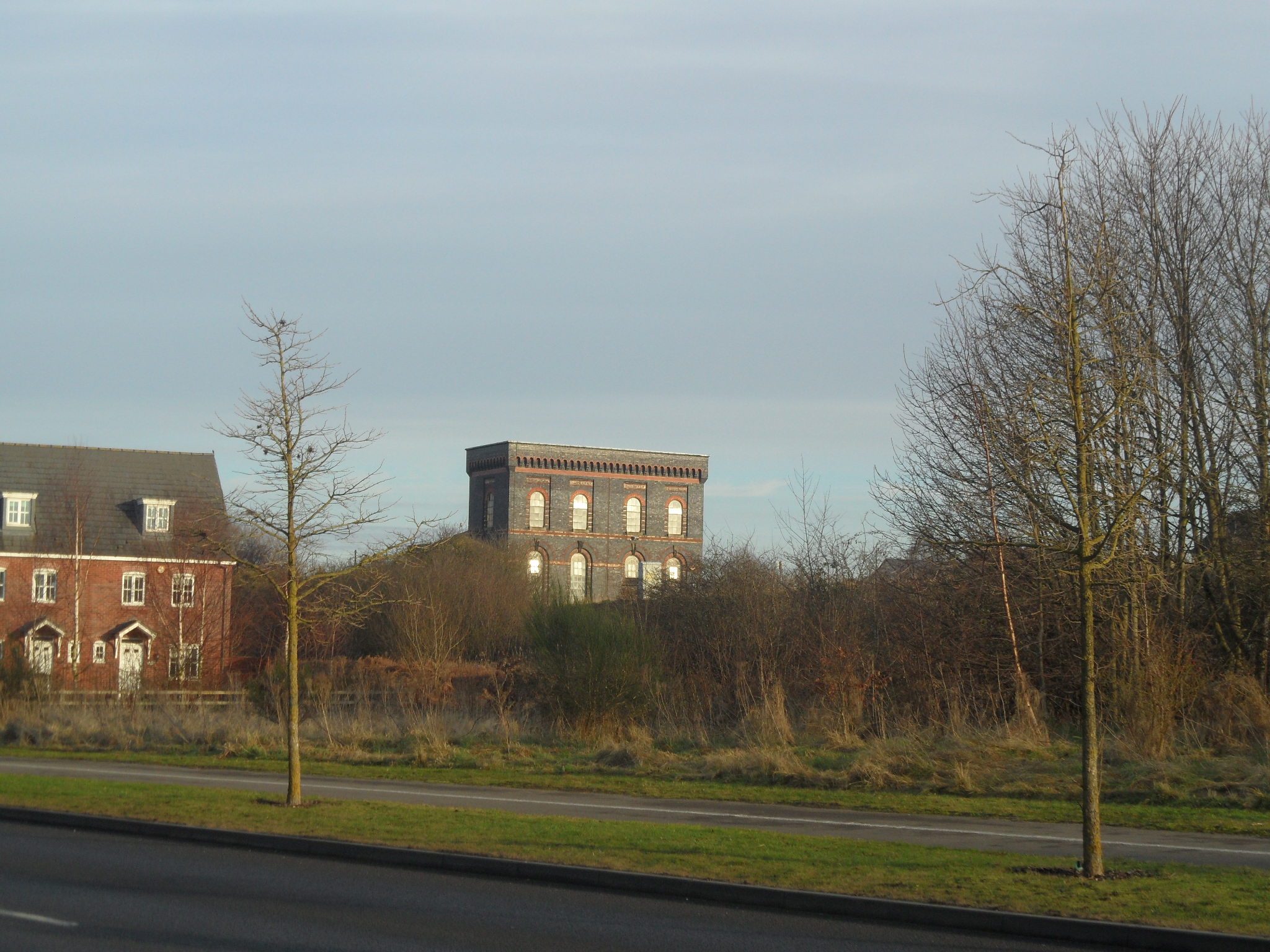
The three places I visited above are all a part of Lichfield’s industrial heritage. On my way over to them, I passed a fourth – Sandfields Pumping Station. David Moore is gaining a lot of support for his campaign to safeguard this overlooked yet important part of our social and industrial history. You can listen to what he has to say by visiting his blog here!

Notes

I think my research could also be described as a bit ‘curly wurly’ as I never seem to be able to resist taking the scenic route instead of going from A to B. When I was on the Domesday site, I read some of the other entries for the Birmingham Rd area and the one that especially caught my eye was ‘Shire Horses – Lichfield’, with an accompanying photograph of said horses emerging from stables on the Birmingham Rd. Does anyone know anything about these in addition to the short description here?

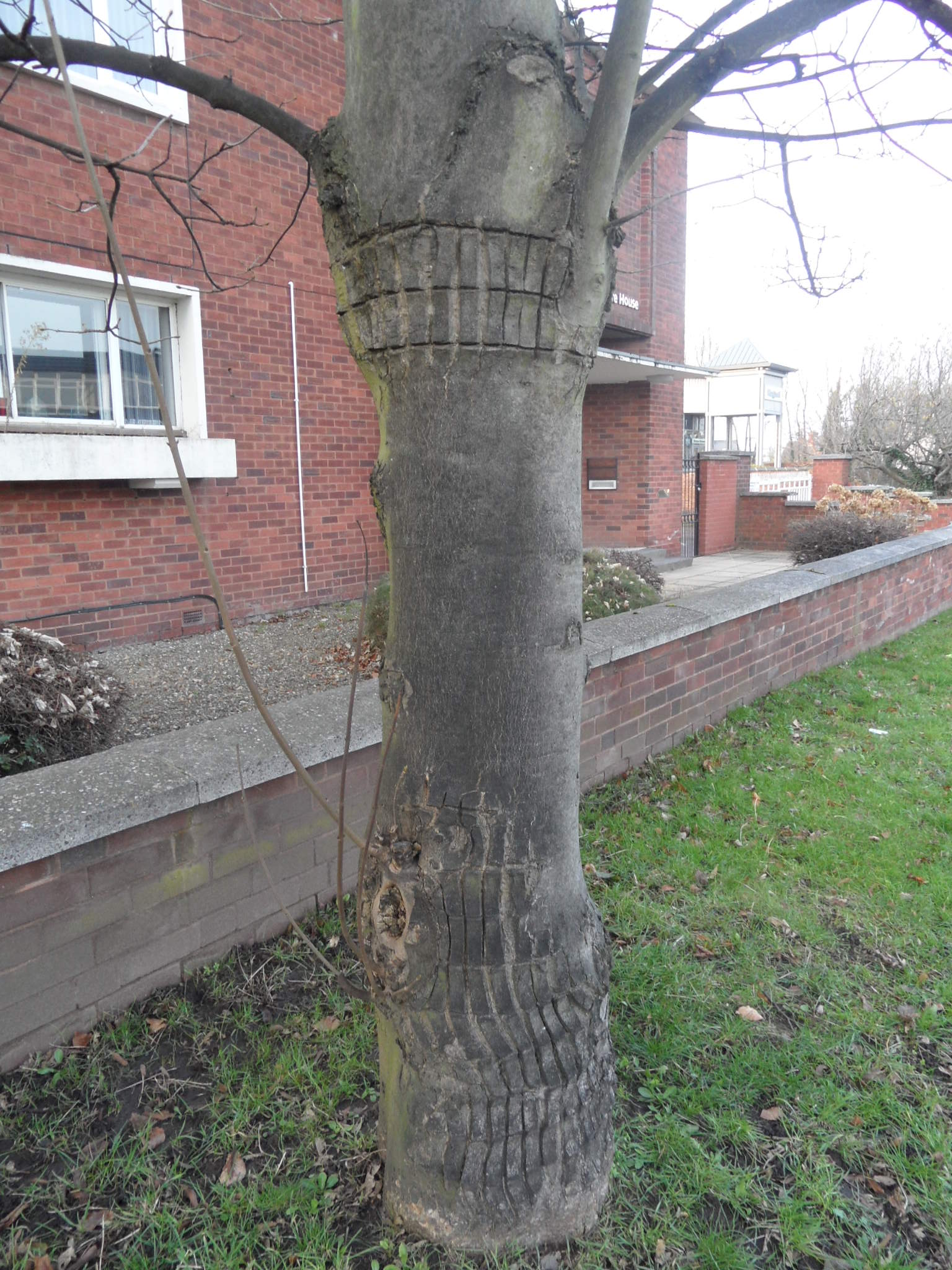
On a final curly wurly note, this tree on the Birmingham Rd looks like it has teeth.  The one next to it doesn’t, so I’m not sure why…

Bark worse than its bite?

Sources:

http://www.english-heritage.org.uk/publications/maltings

Fallen Angel

I’m certainly not the first person to write about the deteriorating condition of the Angel Croft hotel, and I suspect that I won’t be the last – it doesn’t look like it will be relinquishing its place on the English Heritage at Risk register any time soon.

Personally, I have no connection with the building, I’ve never even been inside. As awful as it sounds, I can barely remember the days when it actually was a hotel.  It seems to have taken on a new identity as a case study in decaying grandeur, about which regrets are expressed and rumours abound, but about which no one seems to know quite what to do.

Of course other people will have memories of the Angel Croft – a wedding reception,  a work do, a meeting, a reunion dinner, or even a weekend stay. Walking through The Close recently, I saw this plaque on a bench, and it reminded me of an intriguing story I’d seen on the subject of the Angel Croft and memories a while back.
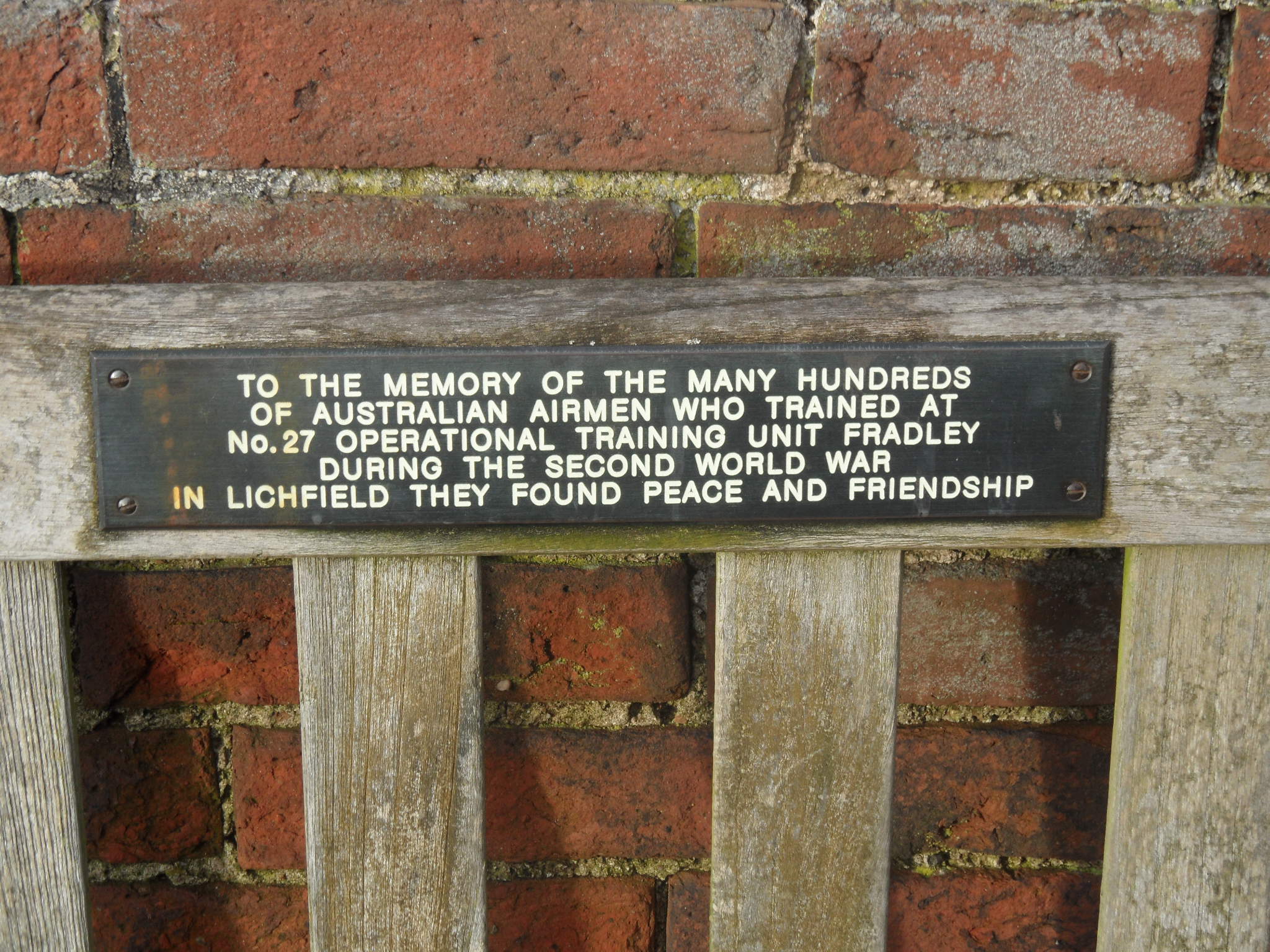
It features on a blog about a man’s research into his great uncle Jack Purcell’ s time in the Royal Australian Air Force. Jack Purcell was posted to RAF Fradley and in the collection of his documents handed down to his great nephew Adam Purcell was a postcard of a view across Minster Pool marked with a small ‘x’. Adam believes the cross could be marking the Angel Croft Hotel… you can read the whole post in full here.

It’s a fascinating story, but also a good reminder that it’s not only buildings that are  vulnerable to the ravages of time, but memories too. Of course, it’s important to preserve architecture of note, but I have to ask, what are we doing to preserve the memories and stories that make buildings so much more than an entry on a list or register?

Note – I hope Adam Purcell doesn’t mind me featuring the story of his Great Uncle’s time in Lichfield. I shall contact him.