Get The Drift?

Over at Curborough Craft Centre today, I noticed a plaque on one of the converted farm buildings explaining that it was a former drift house, possibly built on the foundations of an earlier building.

Back at home, I tried to find out what exactly a drift house was used for.  It seems there are plenty of them around (including one in Stonnall) but no real explanations as to exactly what purpose they served. And believe me I’ve looked – I googled, I read (an English Heritage study into farm buildings of the West Midlands and some ye olde book on farming) and I attempted to apply logic but all to no avail.

However, what I did find was that the drift house at Curborough was surveyed in August 1984 along with other agricultural buildings in the Curborough and Elmhurst area. The report on the Heritage Gateway site includes the following information – “Mrs Hollinshead referred to this as a ‘drift barn’. It is in a poor condition; the doors are blocked with corrugated sheeting, the roof is gone and is replaced with corrugated sheeting and the north-east side has been repaired”. The report was part of the Domesday survey of barns in Staffordshire co-ordinated by the Society for the Protection of Ancient Buildings in 1985 and clearly the building has had a lot of TLC since then. You can read it here.

Anyway, eventually, I gave up and went off on a tangent. I’d read previously that the place name Curborough is thought to derive from the Old English ‘cweorn burna’. However, what I didn’t know is that there have been an abundance of archaeological finds in the area, indicating that Curborough was inhabited long before the Anglo-Saxons decided to build a mill on the stream here.  A site near to the farm has been identified as a possible Roman settlement with large quantities of coins, brooches, pottery, tiles and glass being discovered in the late 1990s. It seems even the Romans were relative latecomers, with Mesolithic, Bronze Age and Iron Age finds also being unearthed nearby. So many wonderful discoveries and so much more to learn about this fascinating place I’m sure. However, at this moment in time, I’ll settle for an explanation of what a drift house (or barn) is, if anyone can help!

Sources

http://www.heritagegateway.org.uk/Gateway/Results_Single.aspx?uid=MST4660&resourceID=1010

‘Townships: Curborough and Elmshurst’, A History of the County of Stafford: Volume 14: Lichfield (1990)

Friends and Romans

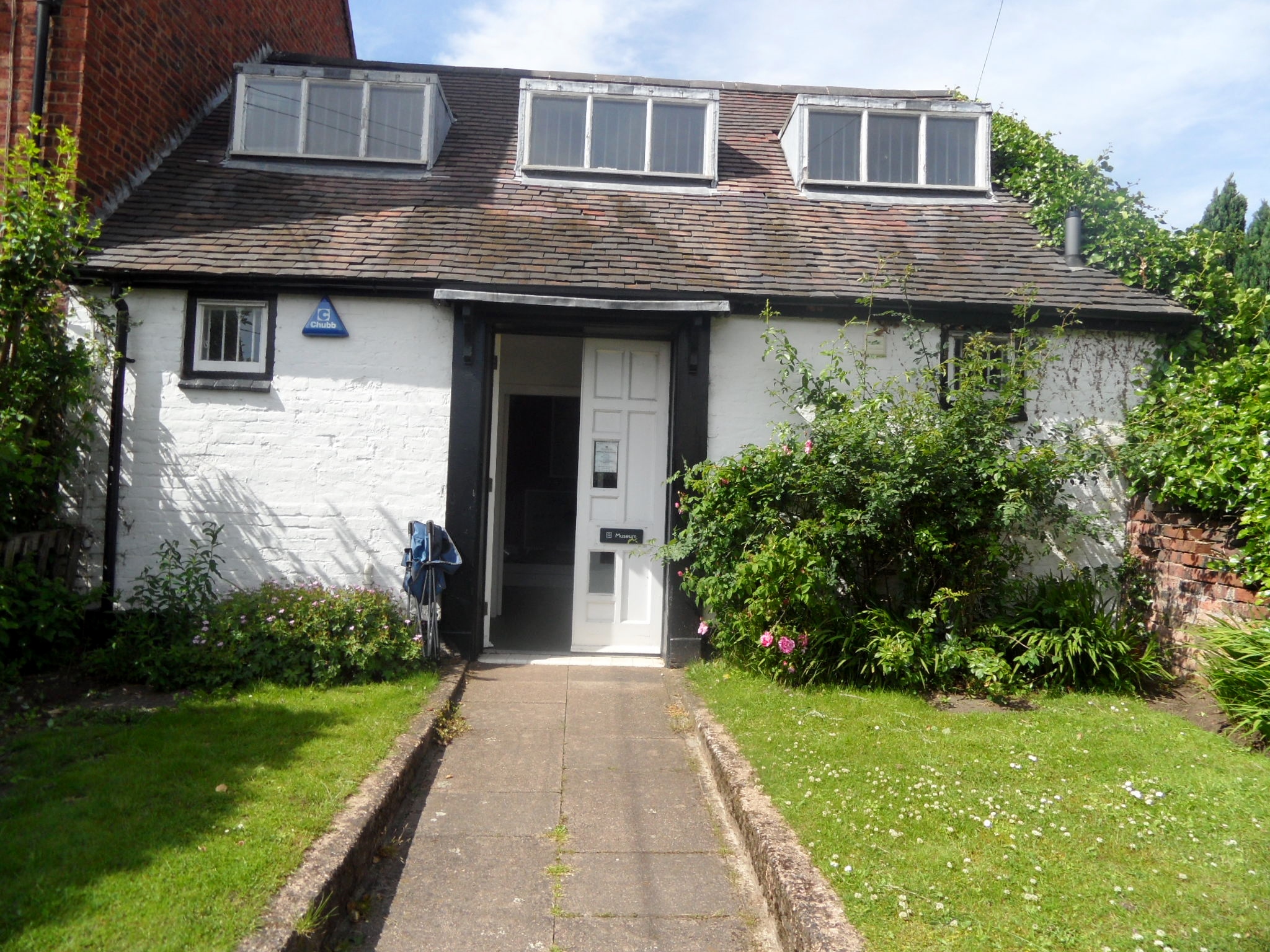
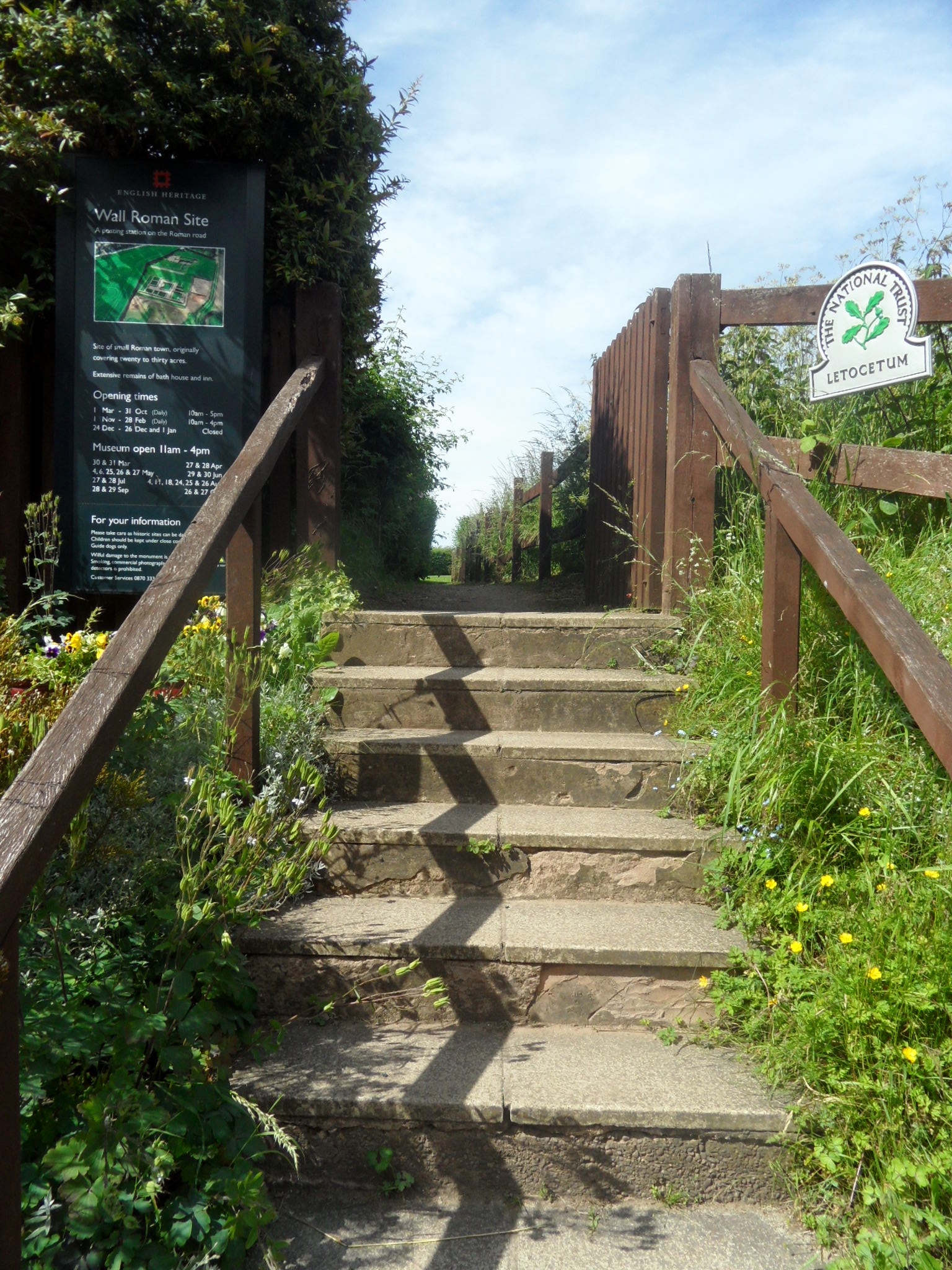
Wall is just a few miles south west of Lichfield and is of course the site of a Roman settlement known as Letocetum. Remains of a bath house and a ‘mansio‘ are still visible at the site, and there’s also a small museum in the village displaying some of the archaeological finds from the area, although sadly not the statue of Minerva, supposedly broken into pieces shortly after discovery to mend the bank of a drain (assuming that such a statue actually existed in the first place…)

Since visiting Wall last month, my interest in the place has grown and grown. As well as the occupation of the site by the Romans themselves, I’m also interested in the period prior to their arrival –  several carved stone thought to indicate the presence of a Celtic shrine at the site have been discovered.

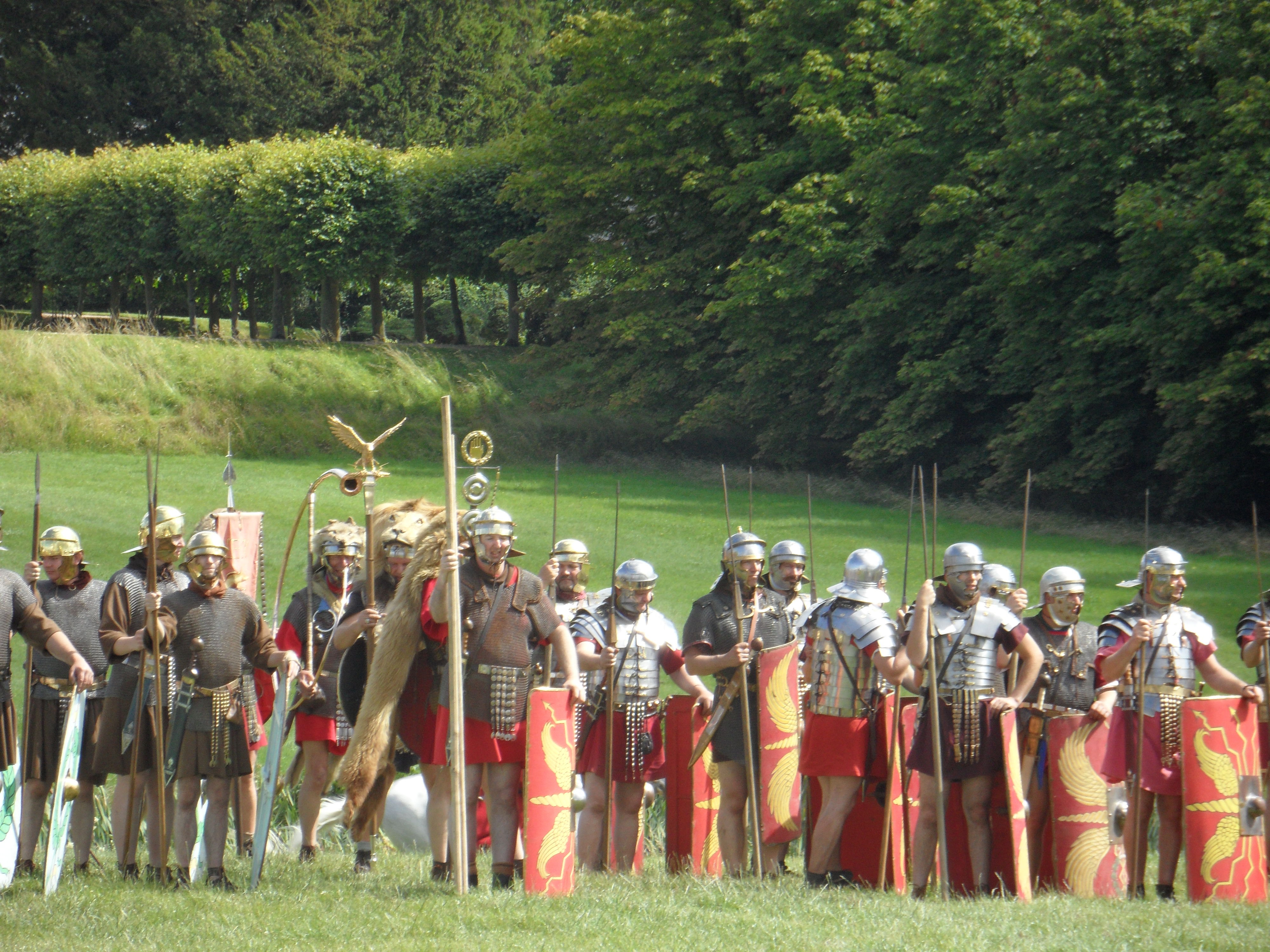
Roman re-enactors at Kelmarch 2013 A D, but was the real thing in Lichfield in 300 A.D?

I’m also intrigued by how Letocetum relates to the later settlement at Lichfield.  One of the early medieval buildings excavated at Cross Keys, during work on the car park in 2007/08, was found to incorporate reused Roman masonry and there have also been other stray Roman finds in and around the city. Coins have been discovered near Sandfields and at Streethay. Roman pottery, including an inscribed mortarium, was apparently discovered at a place known as ‘Toad’s Hole Piece’, an area later known as Christian Fields and in 1802, a Roman Cyathus, fragments of pottery and human bones were reported to have been discovered during construction of a malt house on the causeway between Bird St and Beacon St.

Some of the finds discovered at Toad’s Hole Piece, later part of the area known as Christian Fields.

Wall is a fascinating place and a lovely village to visit. What’s more, there is a family open day at the site tomorrow (Sunday 4th August) between 11am and 4pm, organised by the Friends of Letocetum. I understand that as well as guided walks around the site and the village, there will also be children’s activities and replicas of items from the Staffordshire Hoard on display. You can find out more via their Facebook site here.

Sources: https://lichfieldlore.co.uk/wp-content/uploads/2013/08/lichfieldeusreportfinal.pdf http://www.pastscape.org.uk/hob.aspx?hob_id=306575 http://www.pastscape.org.uk/hob.aspx?hob_id=307078
http://www.sahs.uk.net/Volume%20XXXIII.pdf

Wall Street Journal

Sunny days should be spent out and about under blue skies, not shopping for bathroom suites in Cannock. However, needs must and afterwards we made up for it by continuing the bath theme in much more pleasant surroundings, spending the afternoon at the Roman bath house at Wall. Although it’s only about three miles away from Leomansley, it’s a while since I’ve been to the ruins of the Roman settlement of Letocetum. My last visit  was in 2011,during an open day organised by the Friends of Letocetum for the National Archaeology Festival. Another visitor on that day, who sadly I didn’t meet, was the late Mick Aston (wearing a stripy jumper of course!), who had one of his first experiences of archaeology at the site as a young man under the guidance of Jim Gould FSA.

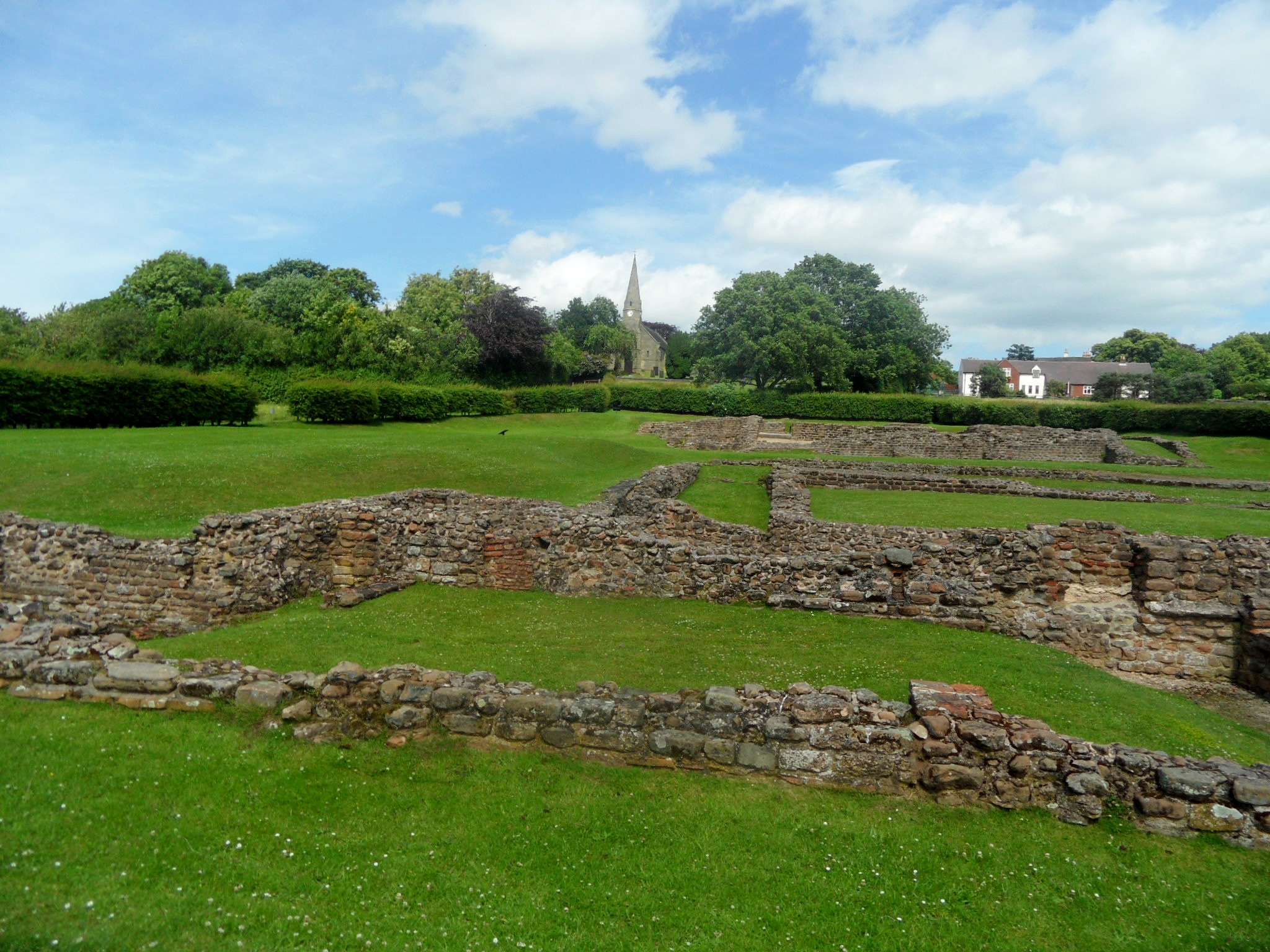
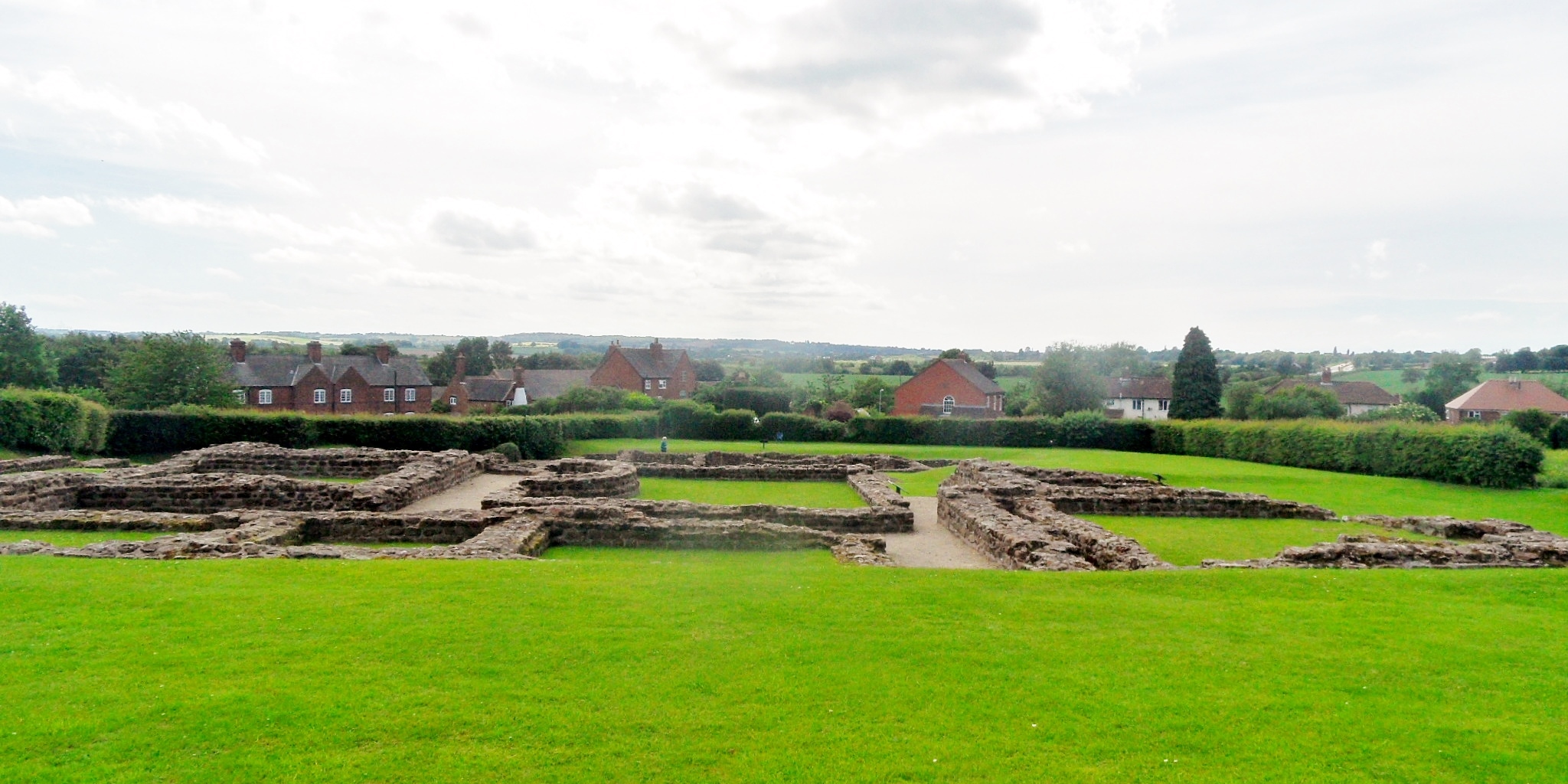
Remains of the guest house and bath house at the Roman settlement of Letocetum

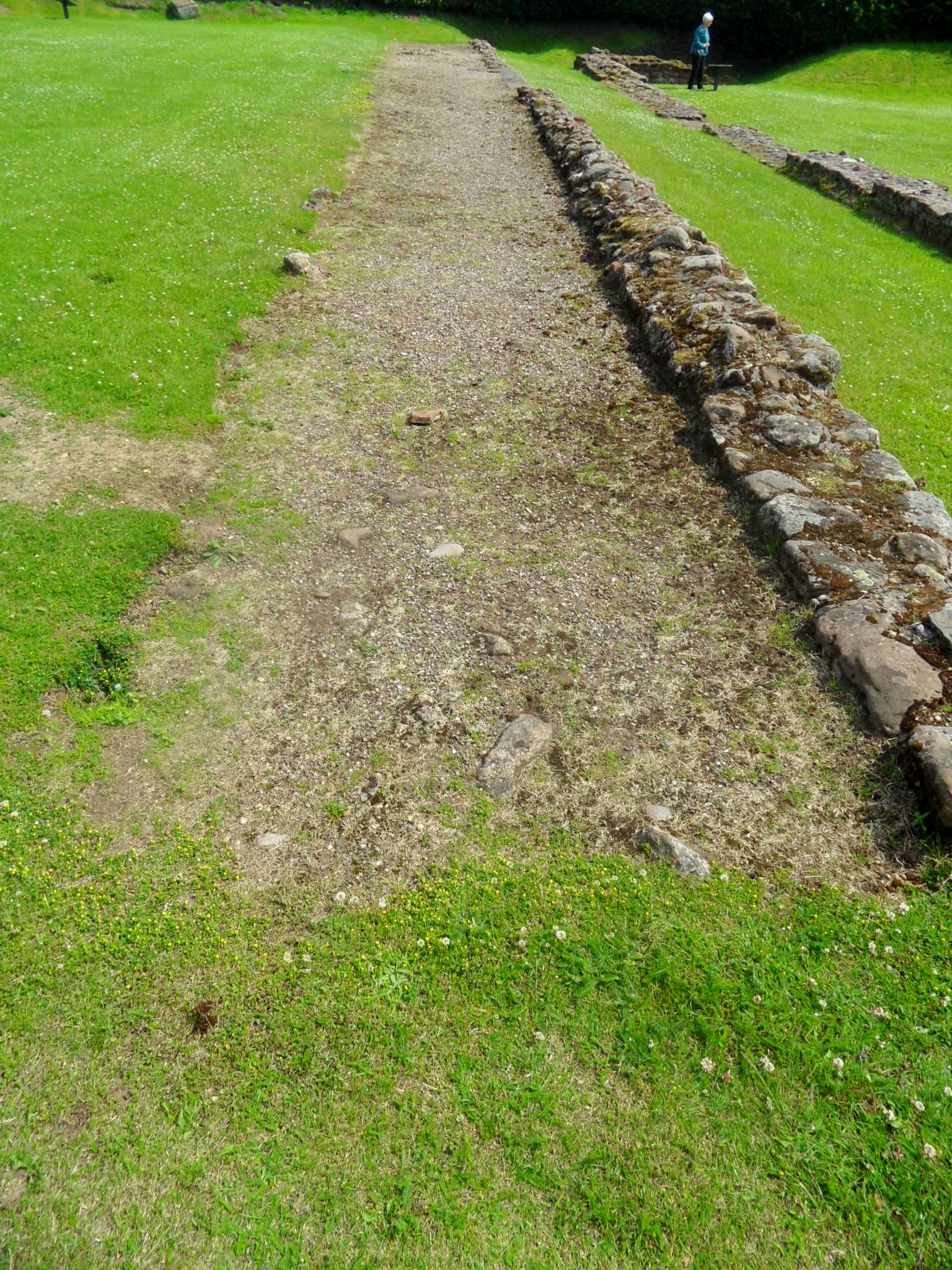
Roman occupation at the site is thought to have begun with the establishment of a military site to protect this important route, later developing into a staging post where those travelling along Watling St could rest and recuperate at the guest house and bath house, (it is the remains of these buildings which are still visible) and eventually a small town.  You can see another Roman road, running between the remains of the two buildings on the site, with some of the original cobbles still intact.

Not quite on Watling Street scale, but a Roman road nonetheless.

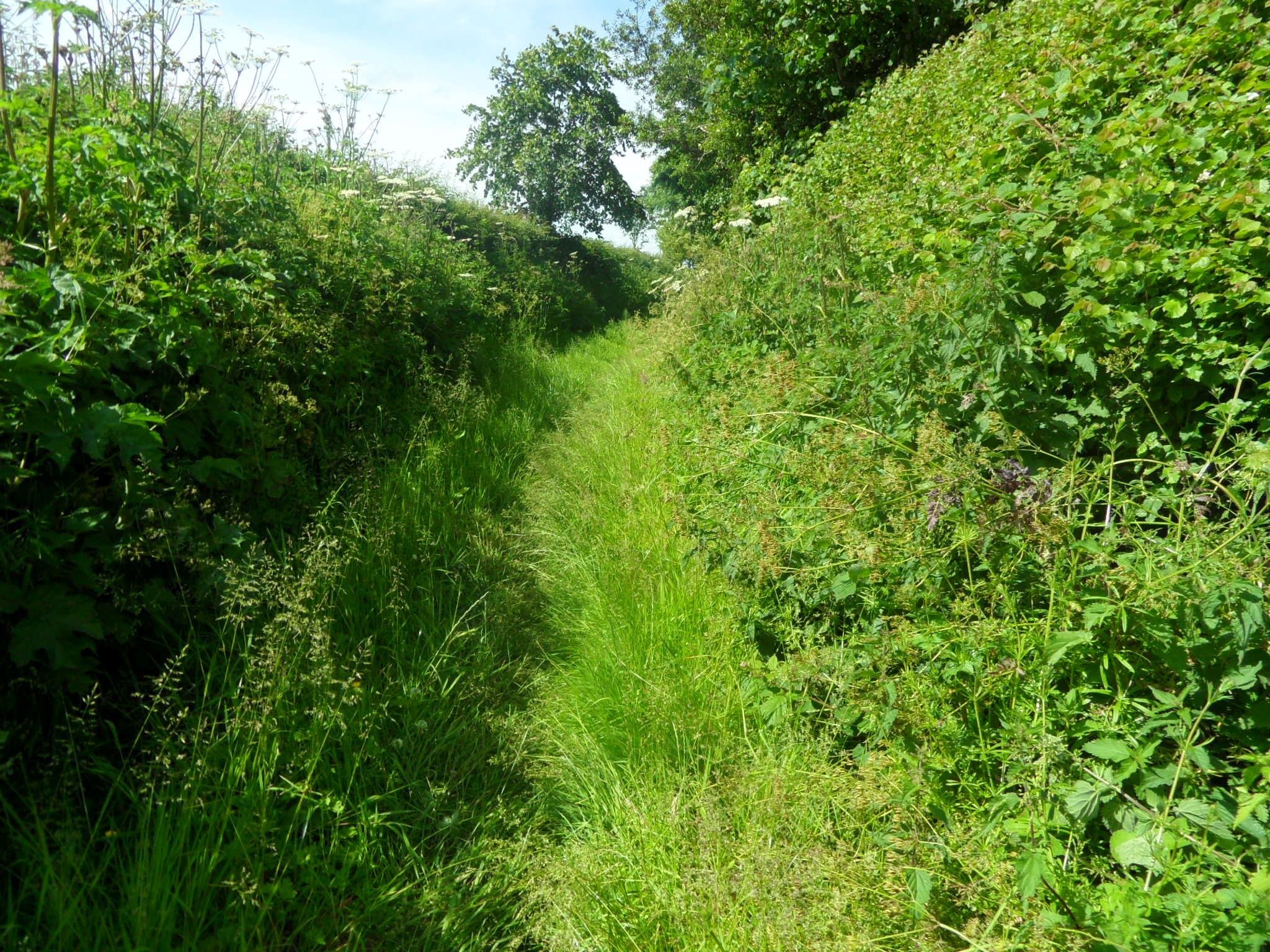
After looking around the ruins, we followed the Wall Heritage Walk (available from the museum) which took us along more ancient routes – the greenways and sunken lanes that surround the village, thought to be old drovers’ roads.

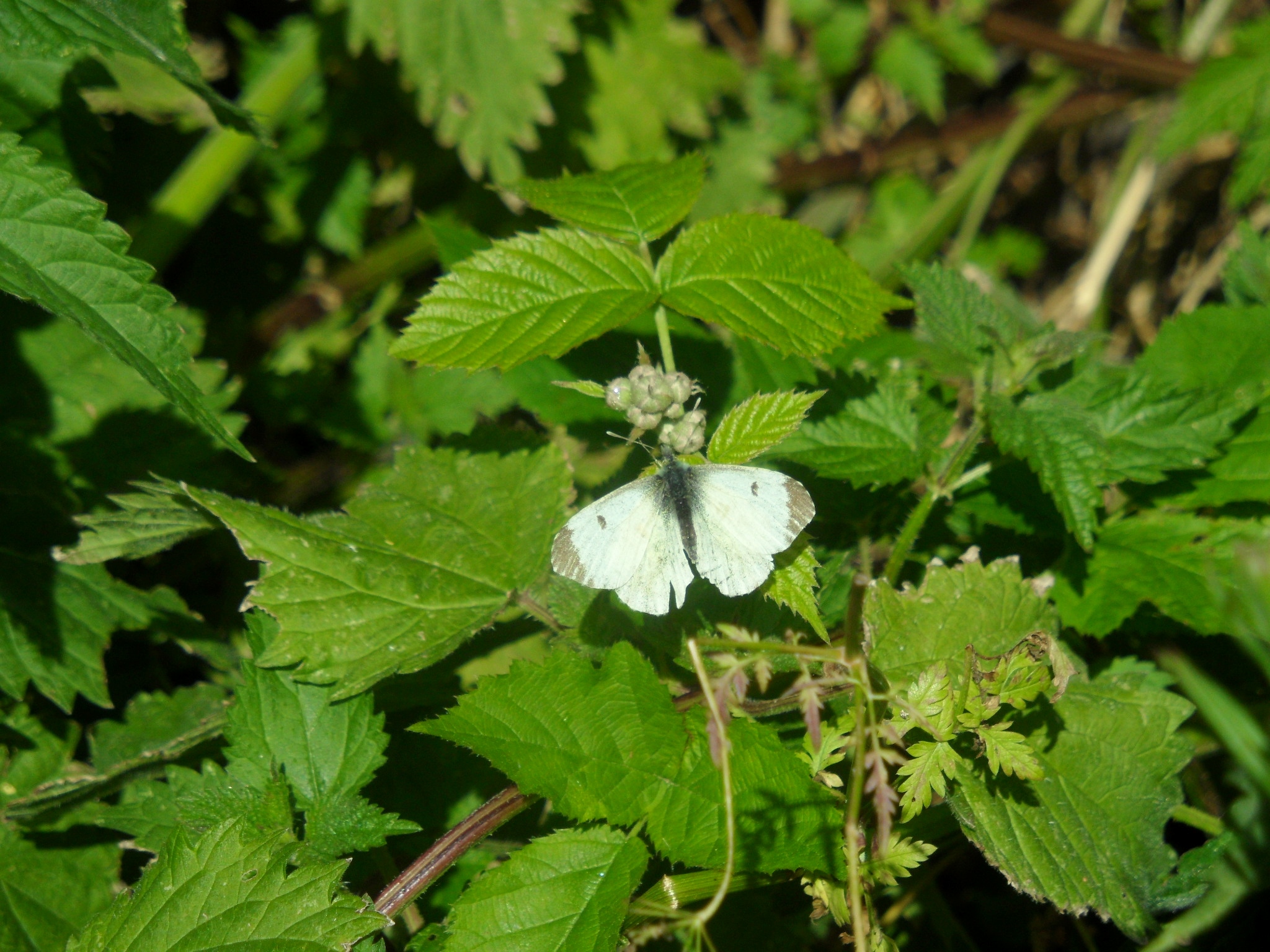
I’m including this, not because I fancy myself as a wildlife photographer, but because I am grateful to the subject for being the only butterfly ever to have stayed still long enough for me to take a photo!

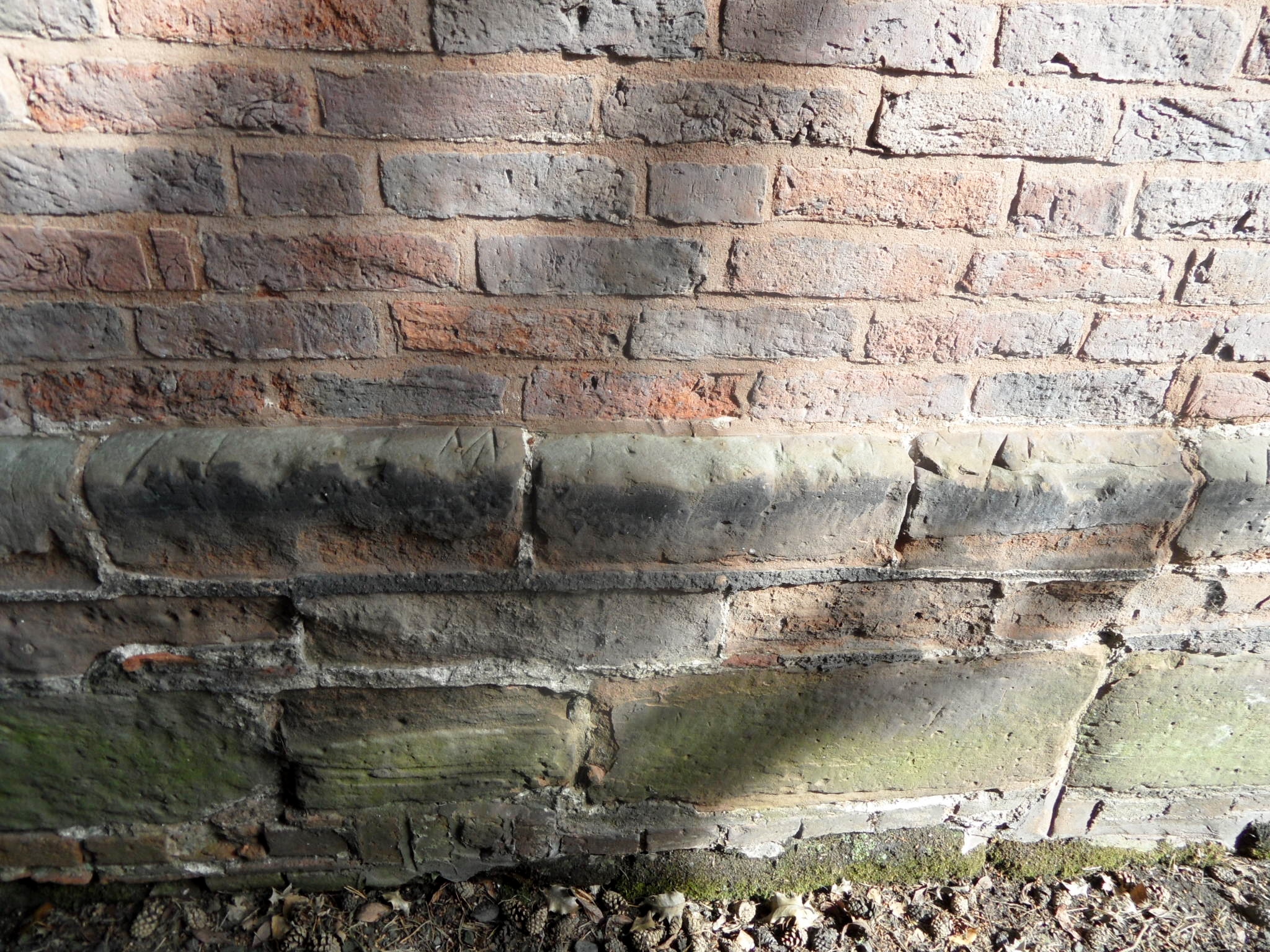
As well as enjoying the views and the wildlife of the hedgerows, I also couldn’t help looking out for buildings in the area that had used stone from the ready made quarry nearby!

Are these Roman stones I wonder?

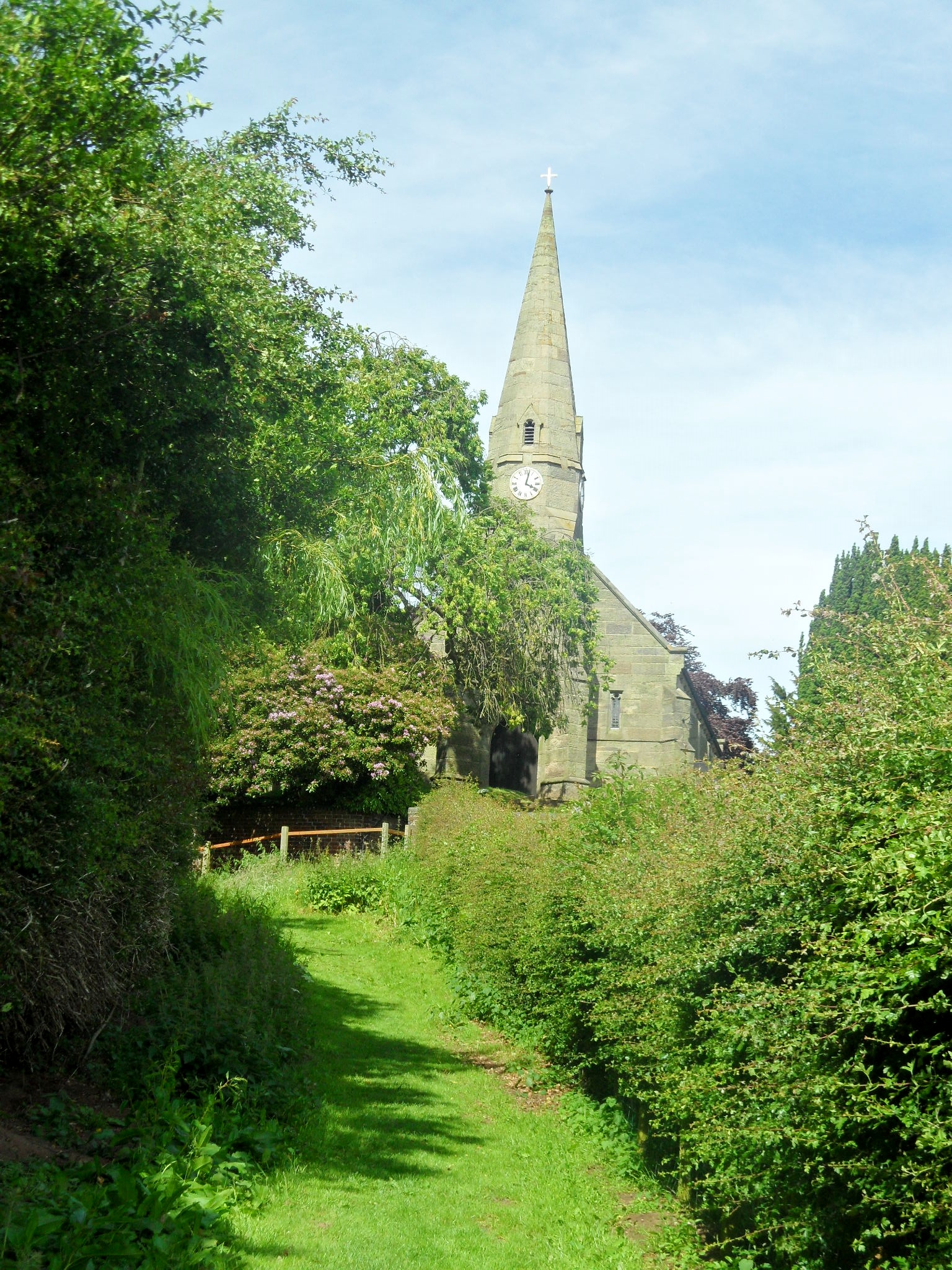
One of the lanes runs past St John’s church. Built in the late 1830s, in comparison to the ruins it overlooks, it’s a young whippersnapper of a building. The architects were George Gilbert Scott and William Bonython Moffat, who it seems were also working on Lichfield’s new workhouse at St Michael’s around the same time.

One of the questions that seems to be subject to much discussion here is, could earlier places of worship once have existed on the site? There has been speculation that there was once a shrine to Minerva here, based on an account of a man who worked draining the lands around Wall. Asked if he had ever found anything in the course of his work, he told how as well as finding lots of old coins, he once found an earthenware figure that he described as being as big as a man, but not a man due to having a bust, and also not a woman as it had a queer dress and a man’s cap like a soldier’s helmet. And what did he do with this amazing find? Prepare to weep – he used it to mend a drain.

However, before getting too upset we can perhaps take some comfort in the fact that Jim Gould (who as well as working extensively at Wall explored and wrote about the archaeology of many of the other sites around here) was not convinced that the statue ever existed, the story being “from an unknown source, of the finding of an impossible statue, by an un-named man, at an unknown spot and date (1). A good lesson that no matter how appealing some stories may seem, they should be taken cum grano salis. 

Entry is free but the museum is only open on certain weekends so check first!

Thanks to archaeologists like Mr Gould and others, a great deal of the history and significance of the site has already been discovered, although it seems there are still plenty of crop marks and questions out there (including the relationship between Letocetum and what was to become Lichfield) to keep future generations of archaeologists busy. However, just as sunny days ideally shouldn’t be spent shopping on retail parks, places such as Wall ideally shouldn’t be explored through words and photographs along, but physically instead. The museum even has a collection of objects you can touch! Instead of using this post to further summarise the history of the site (especially as others will have done a far superior job elsewhere!),  I’d rather encourage you to go and have a look for yourself.  In case you need any further convincing, entrance to the ruins and the museum is free and the heritage leaflet I picked up there was worth every one of the 20 pennies I paid for it.

Slightly gratuitous photo of Roman army re-enactors, English Heritage Festival of History 2011

Sources:

(1) http://www.sahs.uk.net/Volume%20XXXIII.pdf

Wall Heritage Walk

Pastscape Record for Letocetum

A Change of Scenery

Since visiting the new Christian Fields local nature reserve last year, I’d been waiting for an opportunity to return and follow the ancient route which runs from the reserve to the village of Elmhurst.

I was eager to see was whether the dry pool/well we thought we’d found last time had filled with water. Turns out it had, but not necessarily in the way I was expecting… When I went in September it looked like this:
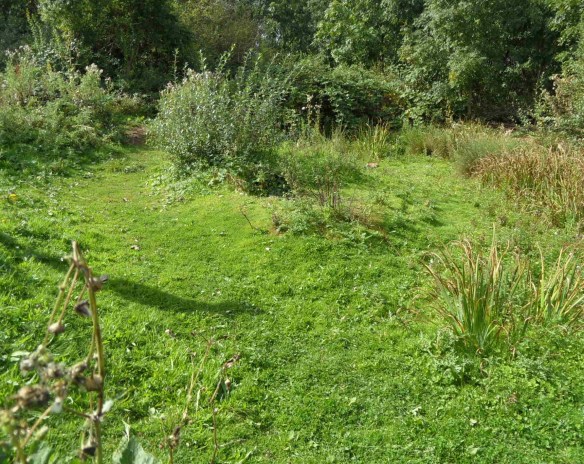
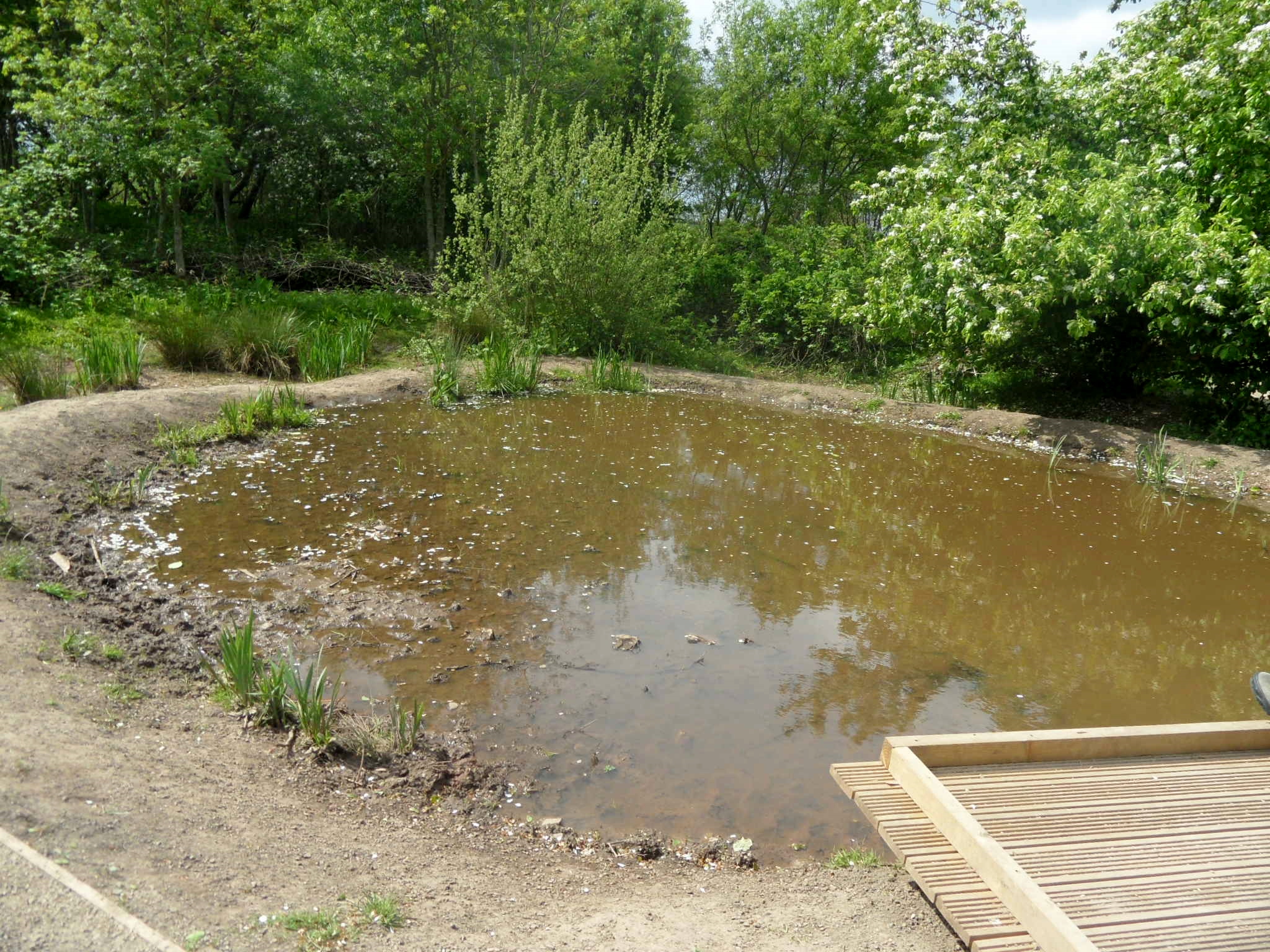
Now (assuming I have got the right place!) it looks like this:
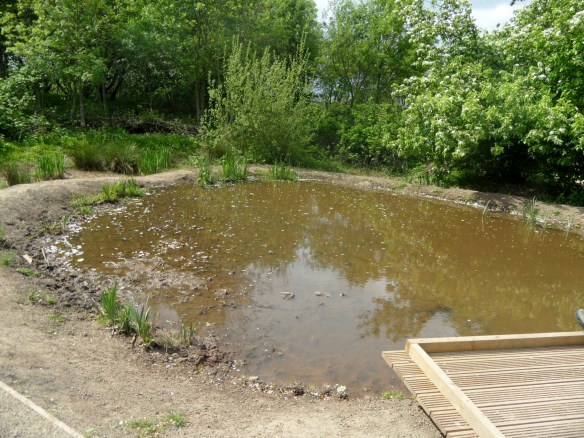
The reason for the change is that site is being developed with £100,000 of funding to attract wildlife (and members of the public!) to the site. As well as the new pond and dipping platform, there will also be picnic areas, wild flower meadows and information boards.  There were lots of tadpoles swimming about in the new pool, so it looks as though efforts to improve the site’s biodiversity may be starting to pay off. You can read more information on the project here.

After watching the tadpoles, we passed two women out dog walking.One was trying to disentangle herself from a bramble that had taken a liking to her, but it seemed the feeling wasn’t mutual. “Bloody nature!”, we heard her shout as we walked past.

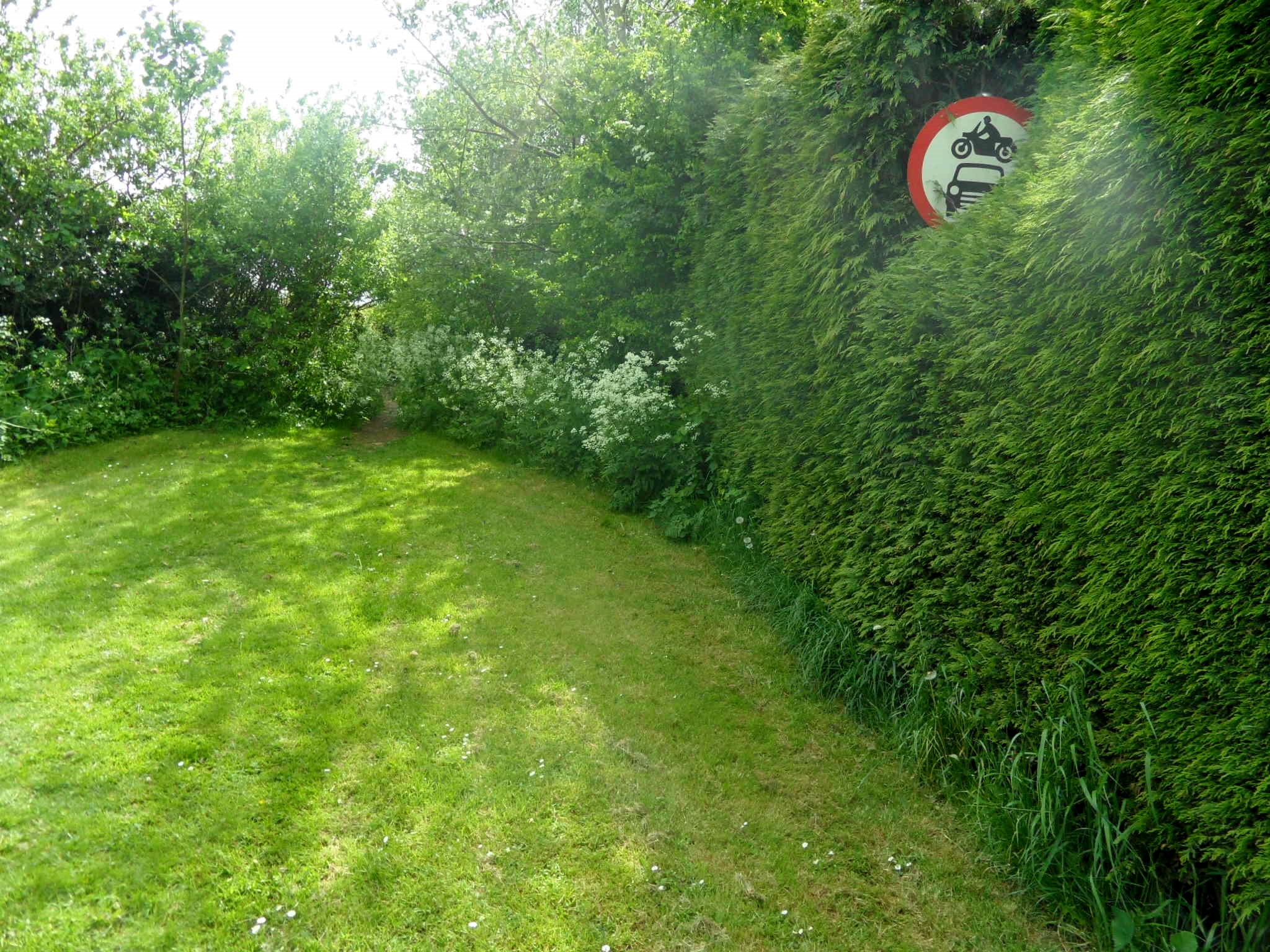
We continued along the wooded path leading to Fox Lane, Elmhurst.  Interestingly, up until the middle of the last century, it seems that both the path and Fox Lane were actually a continuation of Dimbles Lane.  After brushing past wild flowers and negotiating tree roots on the narrow, winding path we emerged from the green corridor into the village. I would love to know how often this path was trod by past generations, but surely none of them have ever tried to take a motor vehicle up there. Have they?
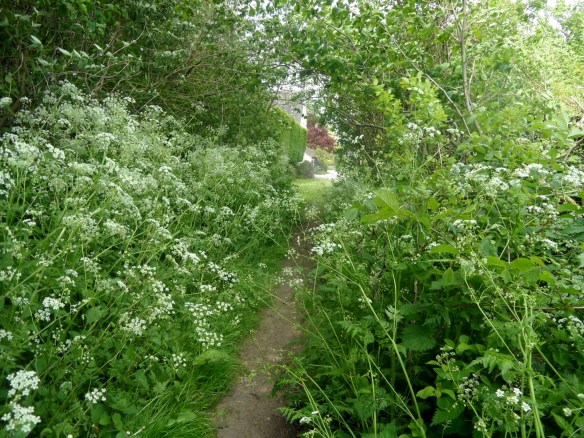
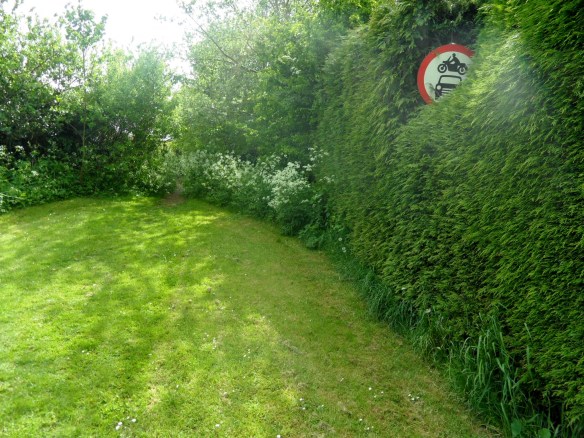
I believe that ‘new’ name for the lane relates to a retired business man, George Fox, who bought Elmhurst Hall in 1875. Fox died in London from a chill in 1894 after moving from Elmhurst to enable the Duke of Sutherland to use the house to host the Prince of Wales on his visit Lichfield for the centenary of the Staffordshire Yeomanry.

The original Elmhurst Hall was built by the Biddulph family in the late seventeenth century and replaced by an Elizabethan style house in 1804, with building materials from the original house being offered for sale. I wonder where these parts of Elmhurst Hall ended up?
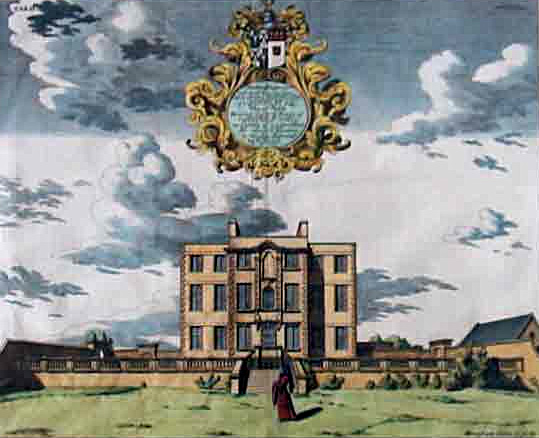
Source: Wikimedia commons
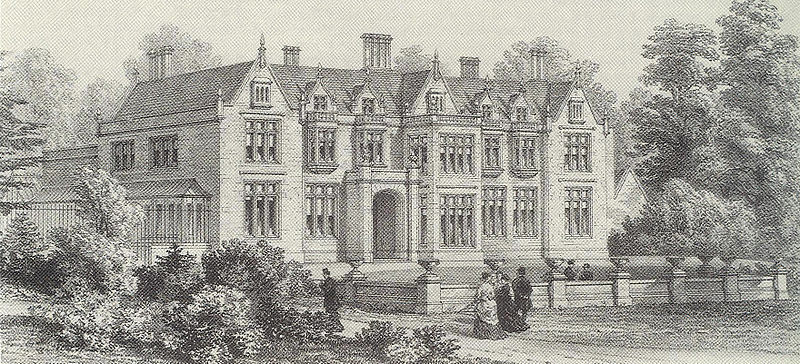
Source: Wikimedia commons

The second Elmhurst Hall was demolished in 1921. Its last owner was the brewer Henry Mitchell (as in Mitchells & Butlers). There are still remains of the estate in evidence including a walled garden which dates back to at least 1740 and a lodge built in the 1870s, in the same style as the main hall, known as High Field Lodge. There was also another earlier lodge on Tewnals Lane but I haven’t been to have a look and see if that still exists.

High Field Lodge

Walled Garden

Whilst at Elmhurst Hall, Mr Fox established a mission room linked to St Chad’s Church, Lichfield to compensate for a lack of a place of worship in the village. I understand that services were taken by students from Lichfield Theological College and  Mr Fox himself.

Wild garlic & a rusty barrow outside the Mission Room

As I was walking, I couldn’t help but think of Alfred Cleveley, a butler a Elmhurst Hall in 1914 and later a recipient of the Military Medal, killed in action in May 1917, who I wrote about here. I later found that Private Joseph Hall, aged 20 and a member of the Mission Room choir also lost his life during the war. Born in Elmhurst in 1897, on the 1911 census Joseph was an errand boy. It’s a sad thought that the names of Joseph and so many like him would not appear on another census but instead on war memorials and rolls of honour. However, there did seem to be some controversy regarding where names should be included.  Whilst reading through the newspaper archive on Elmhurst, I found a letter from someone using the pseudonym ‘A Mother’, wanting to know why her son, born at Elmhurst, who died making ‘the great sacrifice’ on the battlefield aged just eighteen years old, should not be eligible to have his name enrolled on the Lichfield memorial. Apparently, she was told after making a voluntary subscription that the lad did not belong to Lichfield. ‘Then where did he belong to I should like to know?’ ends her letter.

I imagine that both Joseph Hall and the unnamed soldier went to Elmhurst School, opened in 1883 on land given by George Fox who also sat on the board as chairman. A proposal to close the school on account of low numbers was rejected by parents in the 1930s, and the school remained open until 1980 when the building was taken over by the Elmhurst and Curborough Community Association and pupils were transferred to other Lichfield primary schools, including Christ Church.

The Lichfield side of Dimbles Lane now has a very different feel to the rest of the route which shares its name, although the former landscape is reflected in the names of some of the new closes and crescents built by the local authorities after the First World War and throughout the twentieth century – Bloomfield, Greencroft, Willowtree.  The building program meant that the population of Lichfield increased significantly, and it’s a good reminder that housing estates are just as much a part of our history as the old country estates such as Elmhurst Hall. This is something that is being recognised more and more these days with some great work on our recent past going on in other places. For now, I will try and put something together so that others can follow this walk for themselves.
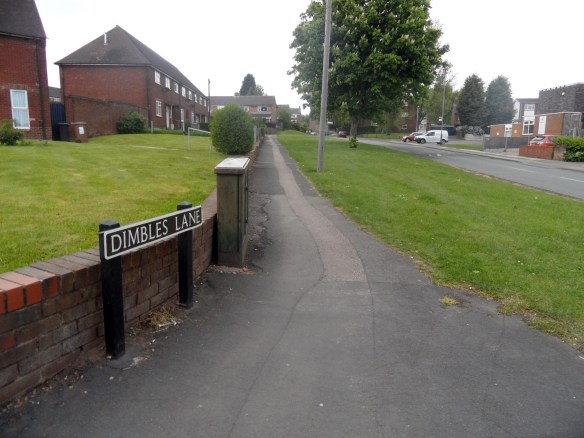
Start of Dimbles Lane at the Lichfield city end
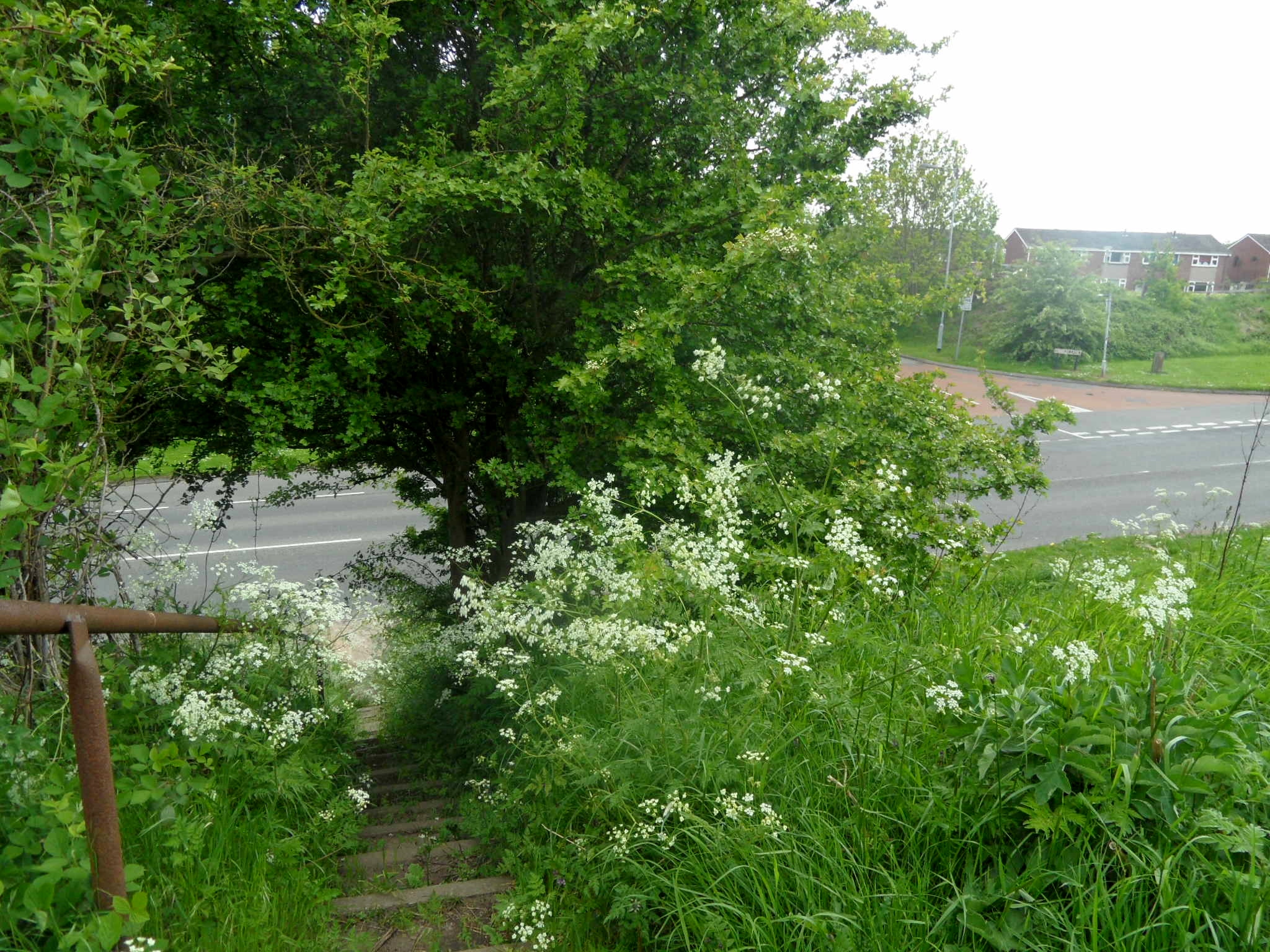
Dimbles Lane as it crosses Eastern Avenue and enters Christian Fields Nature Reserve

Edit: Oh look! There’s a story here on Lichfield Live about volunteering at Christian Fields LNR on June 3rd. If you go, say hi to the tadpoles for me!

Sources:

Townships: Curborough and Elmshurst’, A History of the County of Stafford: Volume 14: Lichfield (1990), pp. 229-237

Lichfield Mercury Archive
Co-operation

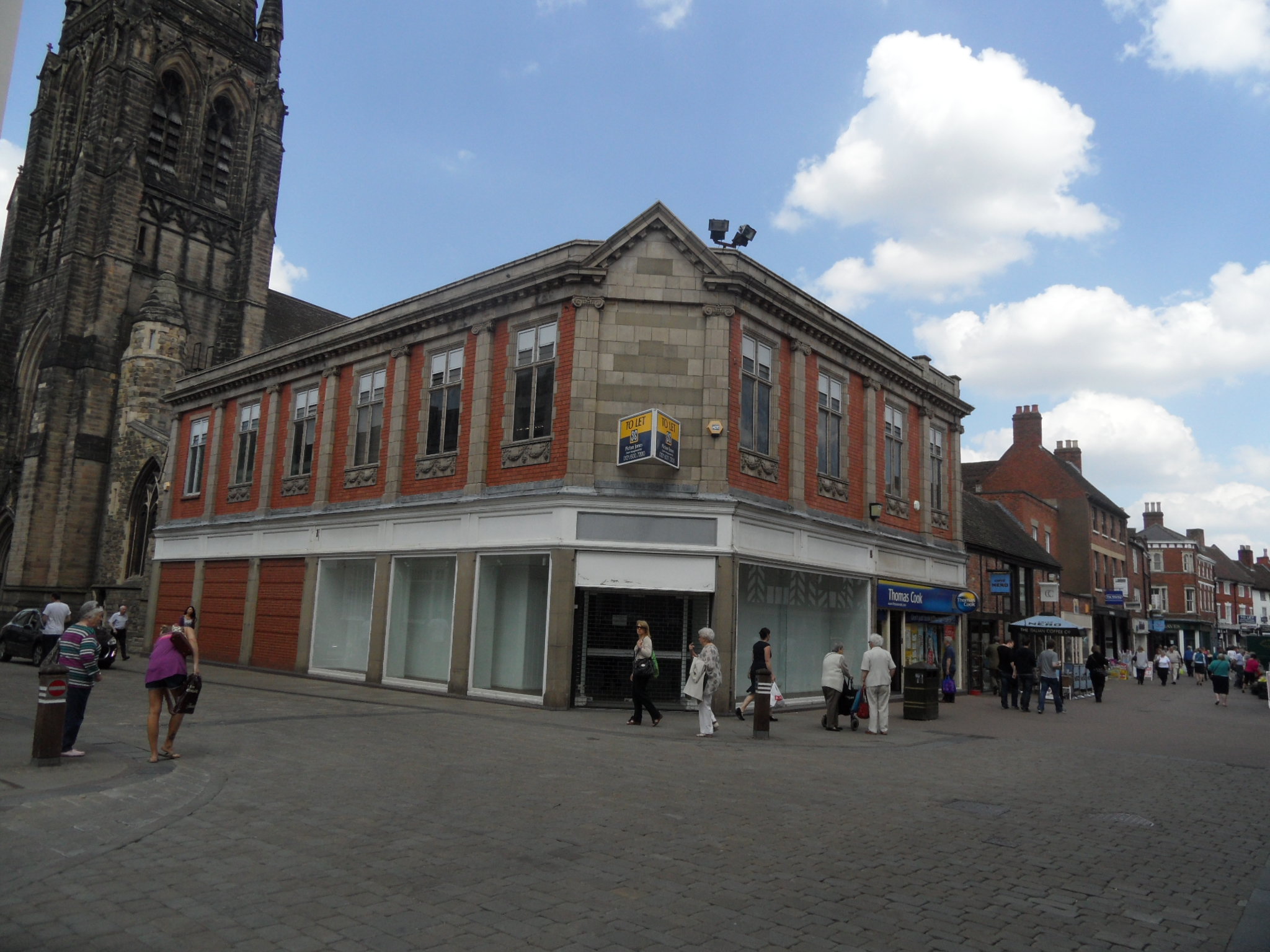
On the corner of Bore St and Breadmarket St is a building that I’ve never paid much attention to before. However, after hearing that someone carrying out some work there in the 1970s had uncovered a dolphin mosaic, I thought I’d fish a bit deeper into the building’s history…

The someone in question was Frank Clarke, a regular contributor to the fabulous Facebook group ‘You’re probably from Lichfield, Staffs if…..’. Frank found the mosaic under rotting floorboards when carrying out renovation work there in the 1970s. According to Frank, the mosaic was concreted over and may still be there to this day. Unfortunately, it seems that due to practicalities (involving concrete and money!) it’s unlikely we’ll ever know for sure.

What we do know though is that the Dolphin Inn once stood on the site, demolished in 1912 and replaced by the current building in 1913 by local builders JR Deacon to house the Walsall and District Co-operative Society Ltd Branch No.13. You can still see where the lettering for this ever so catchy name used to be, as shown in all its glory here, on the Staffs Past Track site. Burtons were the most recent occupiers, but they left in March this year, leaving the property empty. (1)
Built in 1913, this was once the Co-op, more recently Burtons.

According to John Shaw and his now legendary book, The Old Pubs of Lichfield, the Dolphin is first listed in 1818. However,after finding out that the original building on the site was timber framed, dating back to the 16th century, I was hoping to find out something about the building’s earlier uses. After reading the obituary of Rev John Kirk (d.1851),  it seems that prior to becoming an inn, the building had been occupied by a baker, with some of the upper rooms being used as a Roman Catholic chapel created in 1801.(2)

Rev Kirk had been the priest at the chapel at Pipe Hall from 1788 to 1793, where Catholics in Lichfield had previously worshipped. When this chapel was closed following the sale of the property to a non-Catholic he was asked to return to Lichfield as the resident priest at the new chapel. However, Kirk found the location and conditions far from ideal – the sanctuary was apparently directly above the baker’s oven and Kirk wasn’t happy about living in such close quarters with the baker and his family. By 1803, Rev Kirk had built a new chapel dedicated to St Peter and St Paul in Upper St John St.  Due to religious sensitivities, the chapel was originally designed to look like a dwelling house, but 1834 a turret and a new entrance was added, and the name changed to Holy Cross. The congregation was relatively small, but numbers were often boosted by those passing on their way to London and French Prisoners of War.
Holy Cross, Lichfield.
Source: Dennis Blenkinsopp (http://www.geograph.org.uk/profile/43370)

Back to the mosaic, which started all of this off! You would have to assume that its depiction of a dolphin is a reference to the name of the Inn. No great mystery there (although I would like to know why that particular name was chosen for a Lichfield pub!). What is more of a puzzle is how the mosaic came to be in the new building. Was it rescued during the demolition of the old one? Was it created to reference the history of the building that previously stood on the site? Or was the previous building not fully demolished, just significantly altered? I don’t know, and it seems probably never will.

I’m very grateful to Gareth Thomas for bringing the matter to the attention of the experts at Lichfield District Council, and also to the Civic Society for making enquiries as well. I think it’s great that members of the facebook group, the Civic Society, the council and even me have all been able to contribute to the discussion. This is how it should be, and I would like to see people working together more in the future, building on the great work that Gareth has done to bridge the gap between council and its residents, not least by making historic photographs and documents available through his own blog, and elsewhere.

I understand that talks are ongoing, however, the general feeling at present seems to be that without further evidence, the cost and disruption arising from trying to retrieve the mosaic (if indeed it has survived the last forty years) could not be justified. A shame, but for now it seems we shall have to let sleeping dolphins lie….unless anyone out there knows any more?

Edit 12/5/2013 Just reading about the opening of the Co-op. Apparently the builder, Councillor Deacon handed the chairman of the Co-op a walking stick made from one of the wooden beams of the old Dolphin Inn, which is quite a nice little addition to the story. No mention of a mosaic yet though 😉 

Notes

(1) Burtons previously had a branch on Market St, where you can still see the two foundation stones commemorating the opening by two of business founder Montague Burton’s sons. The post I did on this ages ago is here 

(2) So that takes us back to 1800-ish. Still three hundred years or so of the building’s history to account for though!

Sources:

Thanks to Frank Clarke for allowing me to share the story of his discovery here.

The Old Pubs of Lichfield, John Shaw

Catholic Staffordshire 1500 – 1850, M R Greenslade

The Gentlemans Magazine Volumes 191 – 192

Lichfield: Roman Catholicism and Protestant nonconformity’, A History of the County of Stafford: Volume 14: Lichfield (1990), pp. 155-159

http://www.staffspasttrack.org.uk/

Treasure Hunt

I love finding bits of old pottery in the lanes around Leomansley. I was told by the archaeologist at the Polesworth Abbey dig last year that there are two types of pottery finds, those that indicate occupation of the land, and those that have been deposited there, through processes such as manuring (1).

Two of my most interesting finds (Disclaimer: interesting to me that is! Don’t get too excited, we aren’t talking Leomansley Hoard here!) were in the lane leading from Christ Church Lane, past Martin Heath hall and ending at the football field on the A51 (I have seen it referred to as Moggs Lane). Judging by old maps, it seems to have existed for at least 180 years.

I found this girl guide badge, and it made me think about the old scout hut behind Martin Heath hall that was replaced by a new one in September 2009. The old hall was a bit of a wreck, and quite clearly needed to be replaced, as you can see from these photos here, but I’m glad someone did document it as it has an interesting history. Apparently, it started life as a WW1 cadet hut at Cannock Chase. It was then acquired by the Electricity Board and found its way to Queen St, Lichfield. In the 1950s, it was donated to the scouts and was relocated to Christ Church.

The lane past Martin Heath hall, off Christ Church Lane.

I also found this piece of pottery. Unlike most of the other bits I find, this had a very distinctive pattern i.e. a dog! and I thought that because of that it might be easier to find out more about what it was part of and how old it was.

Thanks to extensive googling, using phrases like ‘dogs on bowls’, I eventually sifted through the many, many pet feeding related search results to find that it was possibly a Brampton stoneware jug from the early to mid-nineteenth cenutury, featuring a pattern known as ‘The Kill’. Yes, my pottery sherd depicted a dog tearing a fox to shreds. Nice.

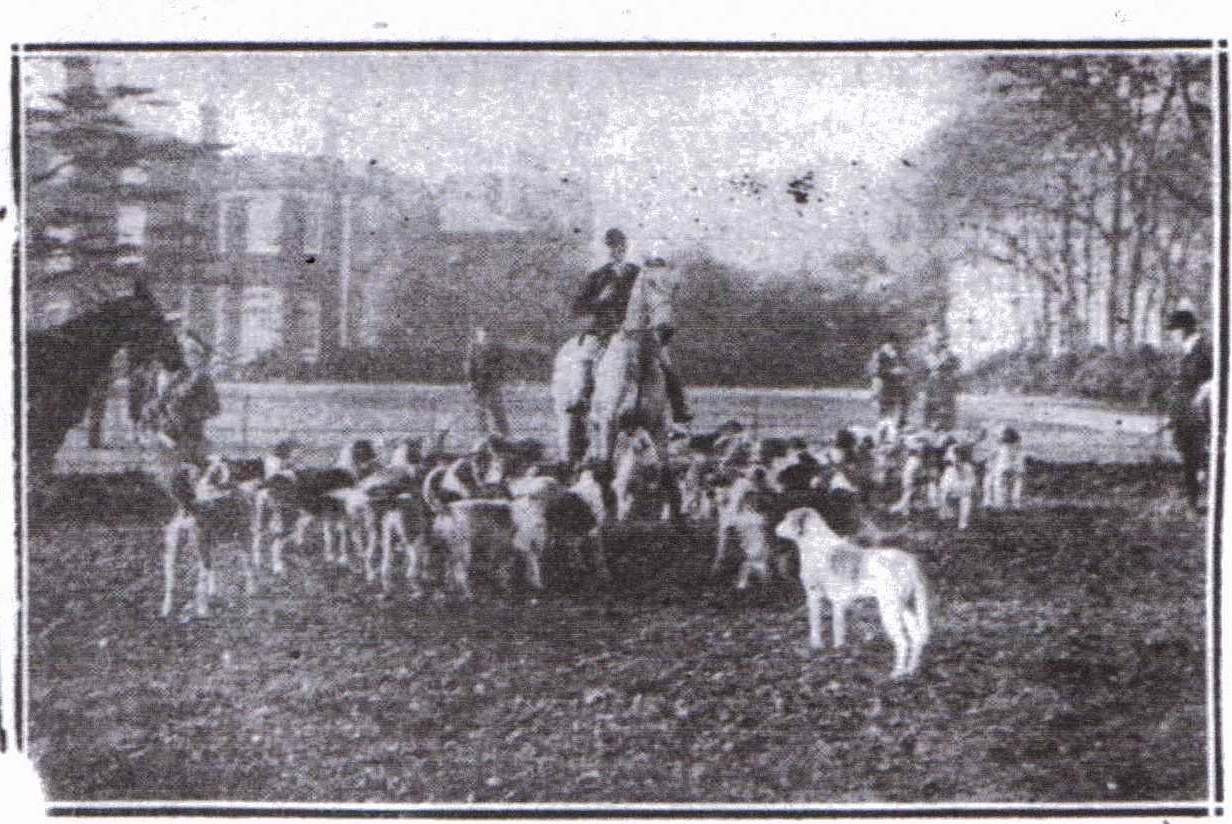
I know from reading old newspaper articles that once upon a time, not so long ago, Leomansley was quite the hunting ground. The Lichfield Mercury used to carry reports of the hunts through Leomansley and Sloppy Woods.  This photo is from a 1936 edition of the Mercury, and shows the South Staffordshire Hounds gathered at Maple Hayes. I have no idea whether the pottery sherd is related to this in anyway, but I thought it was an interesting find, especially in view of this past association with hunting. A little echo of the area’s history that managed to worked its way free of the soil.

PS Off to have my own hunt in Leomansley Woods later. This time for bluebells.

Notes

(1) Domestic rubbish such as broken pots was mixed with the animal manure and then spread on the fields to fertilise the soil.

Gathering Moss

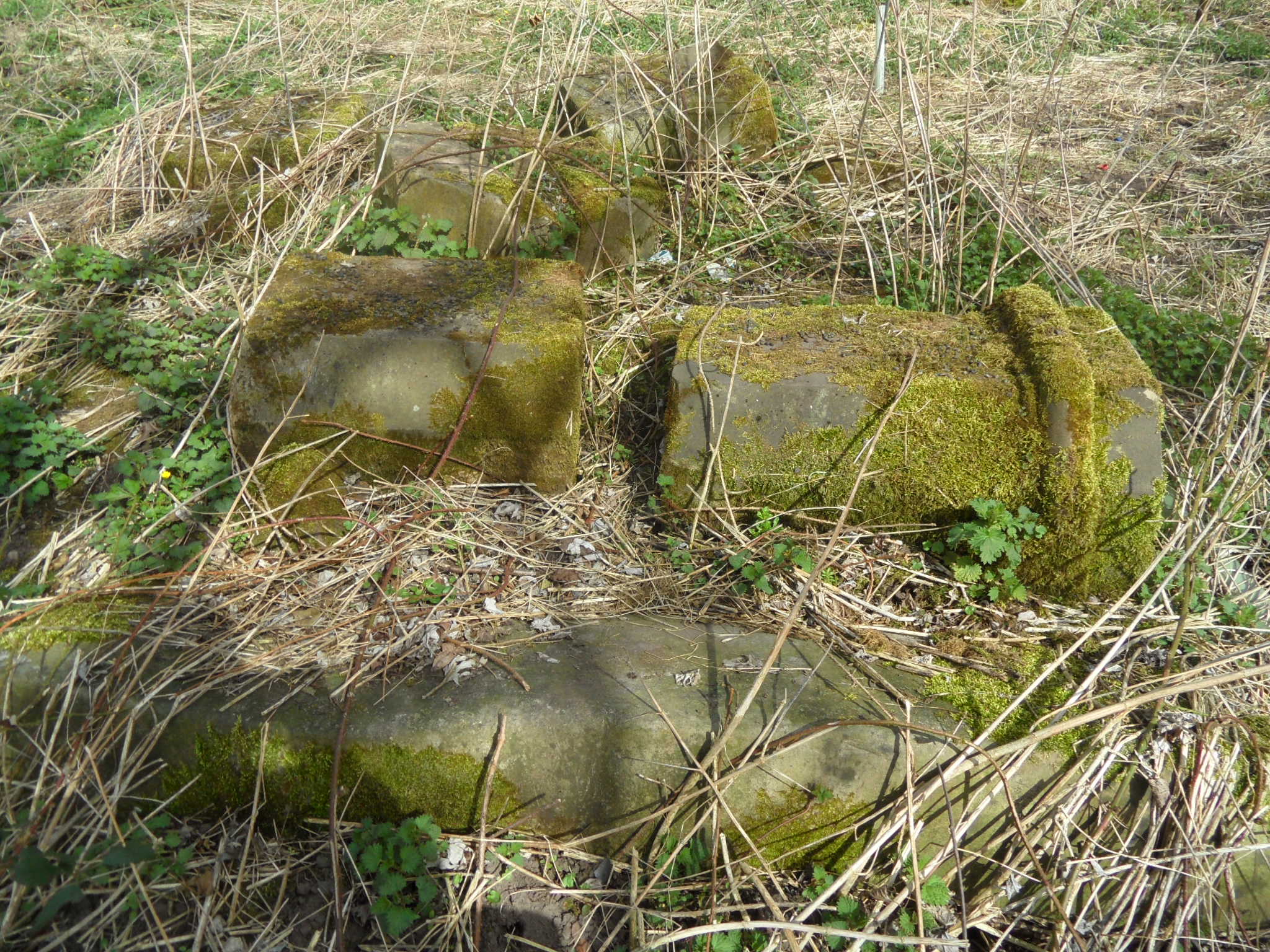
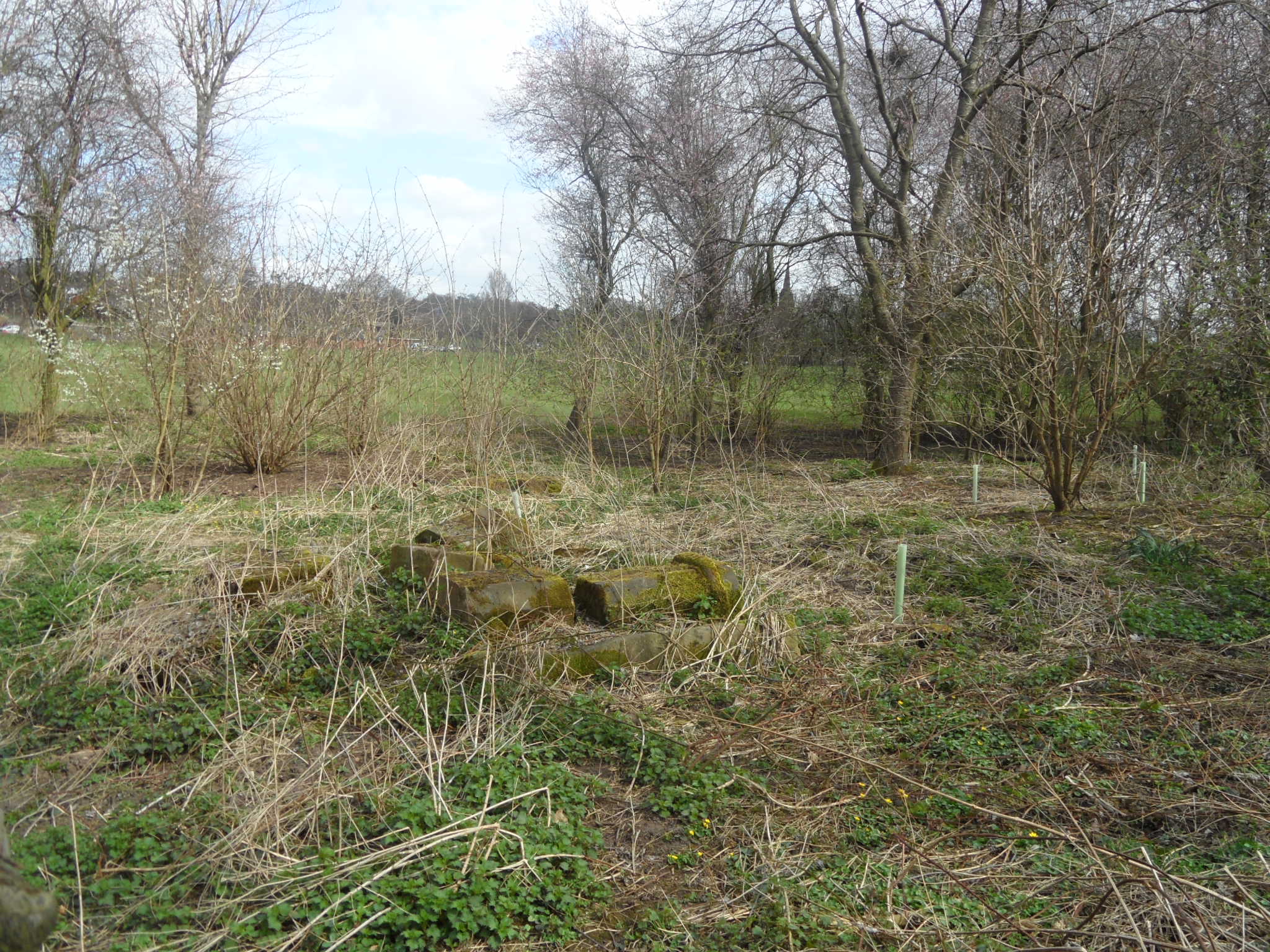
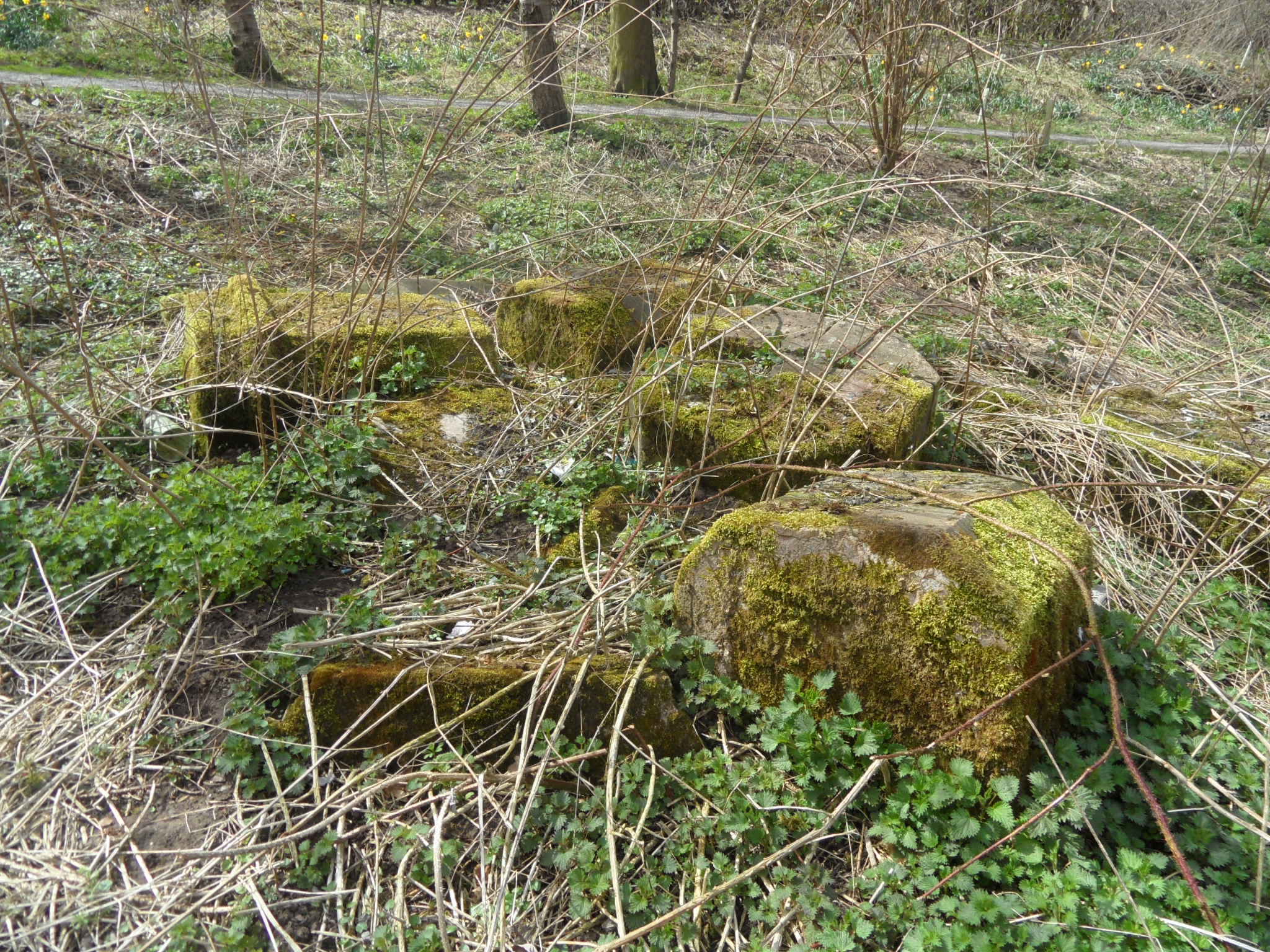
Walking around the edge of Beacon Park, I noticed a pile of moss covered stones in the undergrowth that I’d never seen before.  To me, they look like part of an old building, possibly pillars? It’s a long shot I know, but does anyone recognise them or have any idea as to where these pillars (if that’s what they are!) may have come from?

Whilst on the subject of ‘parts of old buildings found in unexpected places’, I have to mention my old favourite Fisherwick Hall. Back in January, I wrote an article for the Lichfield Gazette which mentioned that the hall had been demolished, but that parts of it had been reused elsewhere. After lying around for some years covered in moss, the pillars from Fisherwick went to the George Hotel in Walsall – you can read the great post written about the hotel by Stuart Williams of Walsall Local History Centre here. However,  I had no idea what had happened to the pillars, following the demolition of the hotel in the 1930s. Therefore, I was delighted when Paul (the editor of the Lichfield Gazette) told me that someone had contacted him, saying that some years ago he had seen them lying on a patch of ground near to the cricket ground in the Highgate area of Walsall. The gentleman described them as lying in pieces and covered with moss and lichen. Sounds familiar! Coincidentally, the site the gentleman described is a stone’s throw from where some of my relatives live, and so the next time I visited I went to take a look, but I had no luck in finding them. So near, yet so far….

Back to our Beacon Park stones, and someone from the Beacon Street Area Residents’ Association has very kindly said that he will ask the people in the know i.e. the Parks team and the Civic Society if they can shed any light on the matter. In the meantime, he’s left me pondering the fact that parts of the old bandstand and cycle track are also apparently also still around in the park somewhere…

Beacon Park bandstand c.1905
Source: Wikimedia Commons

Sole Trader

Whilst having a browse in Lichfield Record Office,  I came across an account of more archaeological finds discovered at Minster Pool.  During the construction of a storm water sewer in the 1970s, surplus soil was taken from the pool to a council rubbish tip. One day Mr Miller, from the city’s Engineering and Surveyoring department, happened to notice fragments of Cistercian ware amongst the peaty earth and alerted local experts. On examining the tip more closely, they discovered that the soil from Minster Pool also contained lots of fragments of leather.

Mr Miller and the others had discovered the remains of medieval leather shoes from a cobbler’s workshop that had been operating near to Minster Pool between the years 1400 and 1550. It’s thought that after being repaired several times, the shoes were in such bad condition that they were discarded by the cobbler (only for them to resurface on another rubbish heap some five hundred years later!). The account I read said that after their discovery, the shoes had been taken to Lichfield Museum. On returning home I was delighted to see that some kind soul had photographed some of them and added them to the Lichfield District Council flickr stream. However, in two and a half years they’ve only had sixteen views (and I think three of those were me!) so now you know the story behind how they were found, please pop and over and take a look at them here! It’s a shame that we’ll probably never know the story of the people the shoes belonged to, or the story of the cobblers who patched them up time and time again….

Three examples of 500 year old leather shoes found in soil from Minster Pool on the council rubbish dump! Image taken from Lichfield District Council flickr stream.

Sources:

South Staffordshire Archaeological and Historical Society (SAHS) Transactions XIV – XVI, 1972 – 1975

Deep and Meaningful

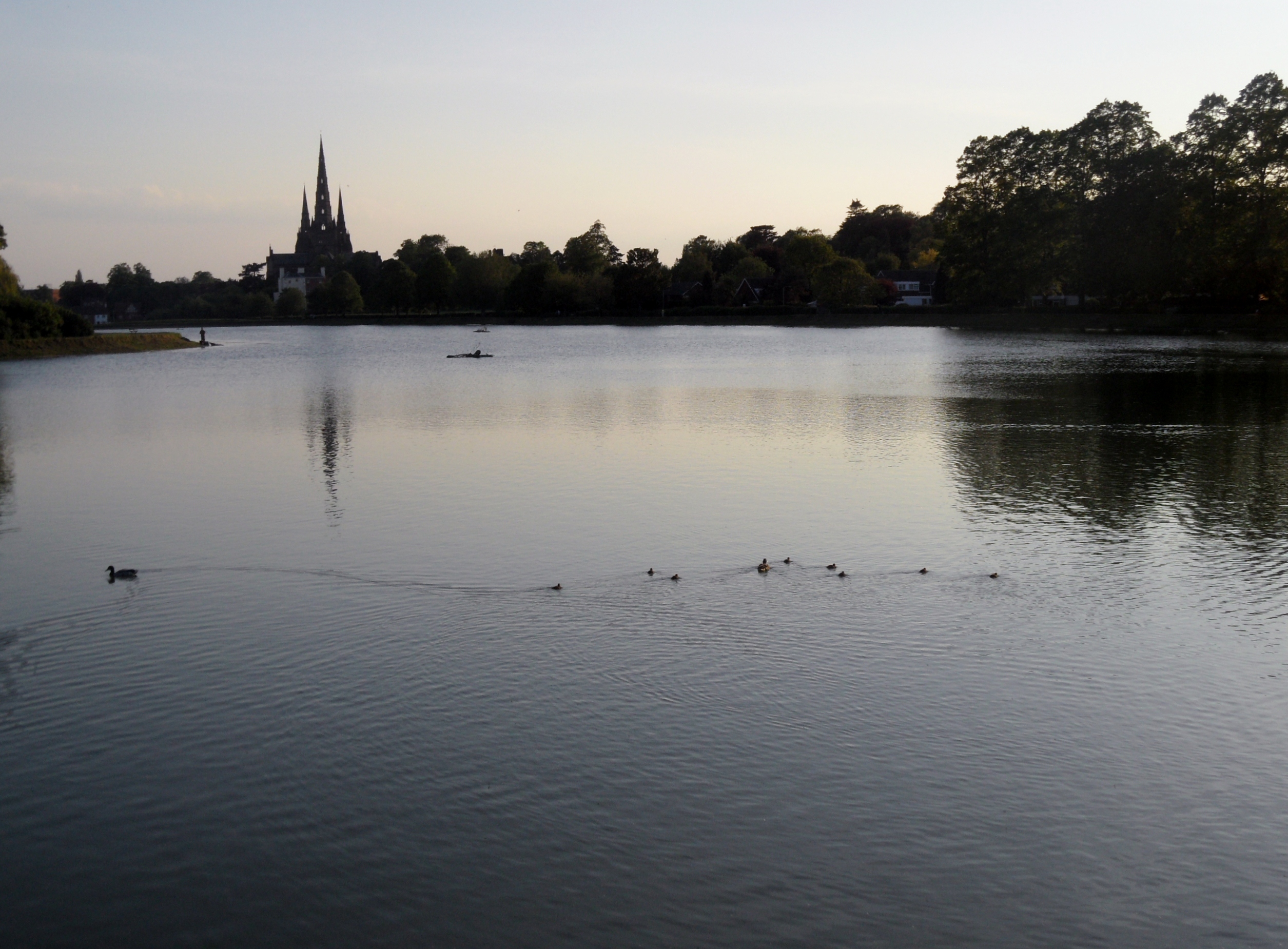
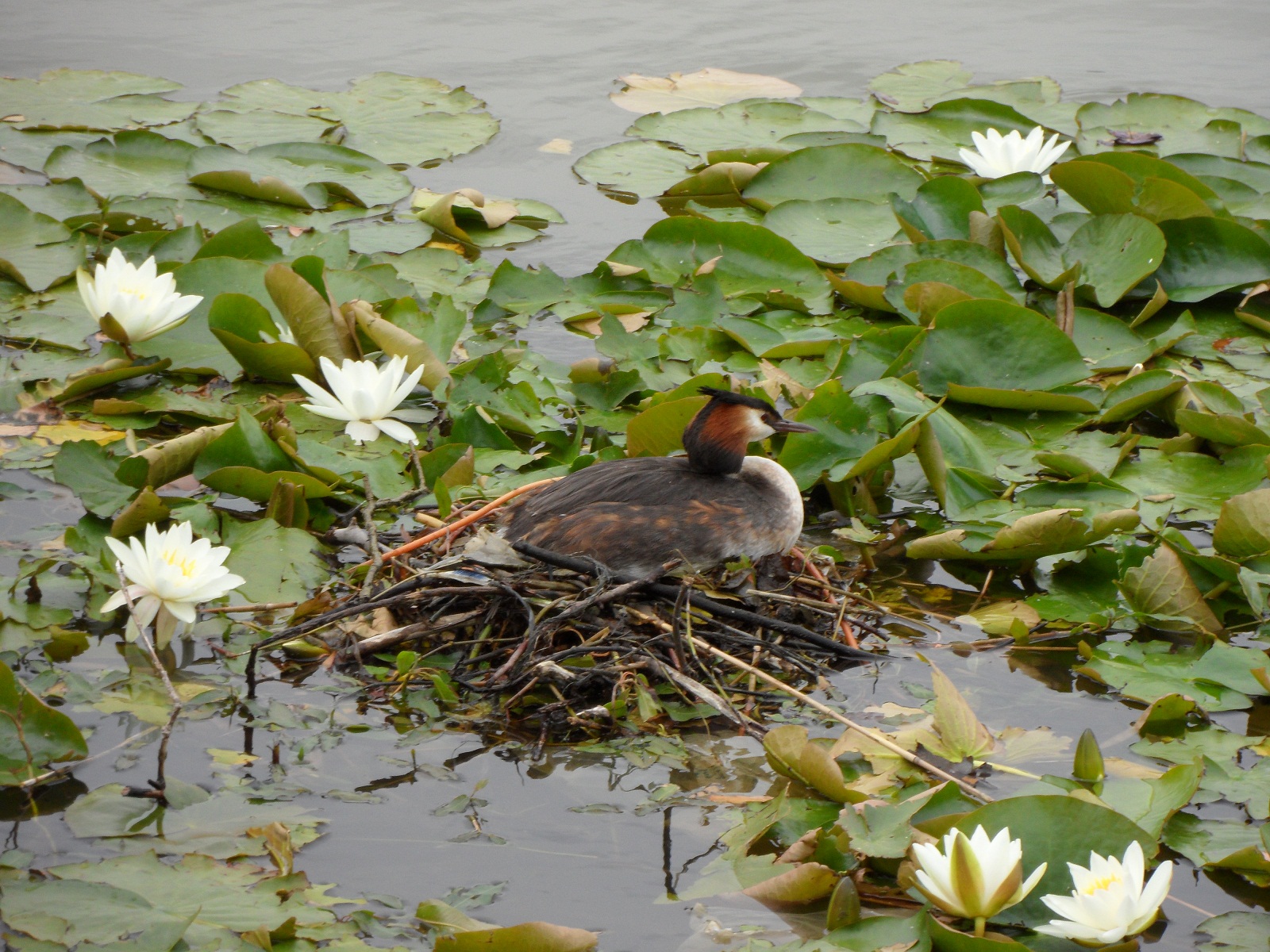
I mostly associate Stowe and Minster Pools with the ducks (or to be more precise the mallards, moorhens, coots, Canada geese, mute swans, and common pochards) that live on these waters. However, for the purposes of this post, it’s what has been found beneath the surface of the pools that I’m interested in.

Ducklings making their way over Stowe Pool last summer

Nesting on Stowe Pool, 2011

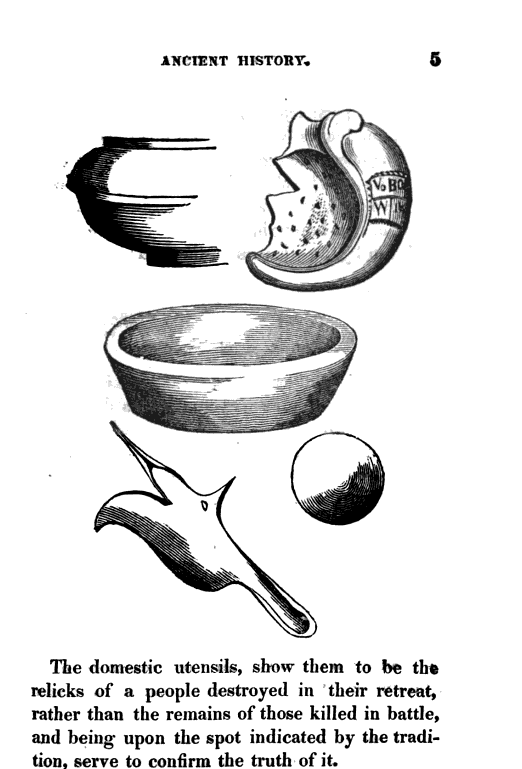
At a meeting of the Leicestershire Architectural Society in June 1858, the Rev J M Gresley produced a number of objects that had been discovered in the city’s pools, during the process of their conversion into reservoirs for the South Staffordshire Waterworks Company. As well as numerous cannon balls and shells, some of the other finds were described, including:

A small iron battle axe, seventeen inches in length

A spur singularly shaped of perhaps the last century

An ancient steel horse shoe by striking the holes for the nails several of which remain in them. The outer edge has a scalloped shape

Several narrow sharp pointed knives from 7 to 9 inches long of the sixteenth century. The shaft of one of them is of black bone inlaid with trefoils and ornaments of brass

A large clasp knife with buck’s horn haft twelve inches in length

Several keys of the fifteenth or sixteenth centuries and a small one of still older date

A piece of early English pottery perhaps of the twelfth or thirteenth century. It is of reddish and grey clay with a green glaze. The head and tail are broken off. It is hollow and has a large aperture at the breast but it does not look as if it could ever have been used as a jug or bottle The length of it is 6 inches

Fragment of the neck of a Flemish stone ware jug called a Greybeard or Bellarmine of the sixteenth or seventeenth century

Soles of shoes of the thirteenth or fourteenth century with small heels narrow instep broad across the ball of the foot and quite a sharp point at the toe

Soles of shoes of the fifteenth century much the same shape as the others but round at the toe

A leaden seal or bull of one of the Popes whose name is obliterated. Two rude faces upon the other side have over them S PA(ULUS) S PE(TRUS)

A number of brass counters commonly called Nuremburg tokens formerly used for making calculations…upon these tokens are various and interesting consisting of ornamental crosses, fleur de lis, heraldic bearings, ships, the globe surmounted by the cross. One was plainly an imitation of the silver pennies of Edward I and II but with pellats in place of the legend

Two leaden counters one of them with the letter K, the other apparently a saint’s head and glory about it

An angel of the seventeenth year of James I with a hole through it for suspension it having been given to a person when touched by the King for the evil. The reverse has a ship with the royal arms on the mainsail

Lichfield Coventry and Tamworth tokens of the seventeenth century

A considerable quantity of stags horns

Another discovery in Minster Pool led to a court case in 1896 between South Staffs water and a labourer named Sharman. This case is still quoted as an example in legal textbooks today. Sharman, the defendant, had been employed by the water company to clean the pool and in the course of this work found two gold rings. The court ruled that it was not a matter of finders keepers and ordered the rings to be handed over.

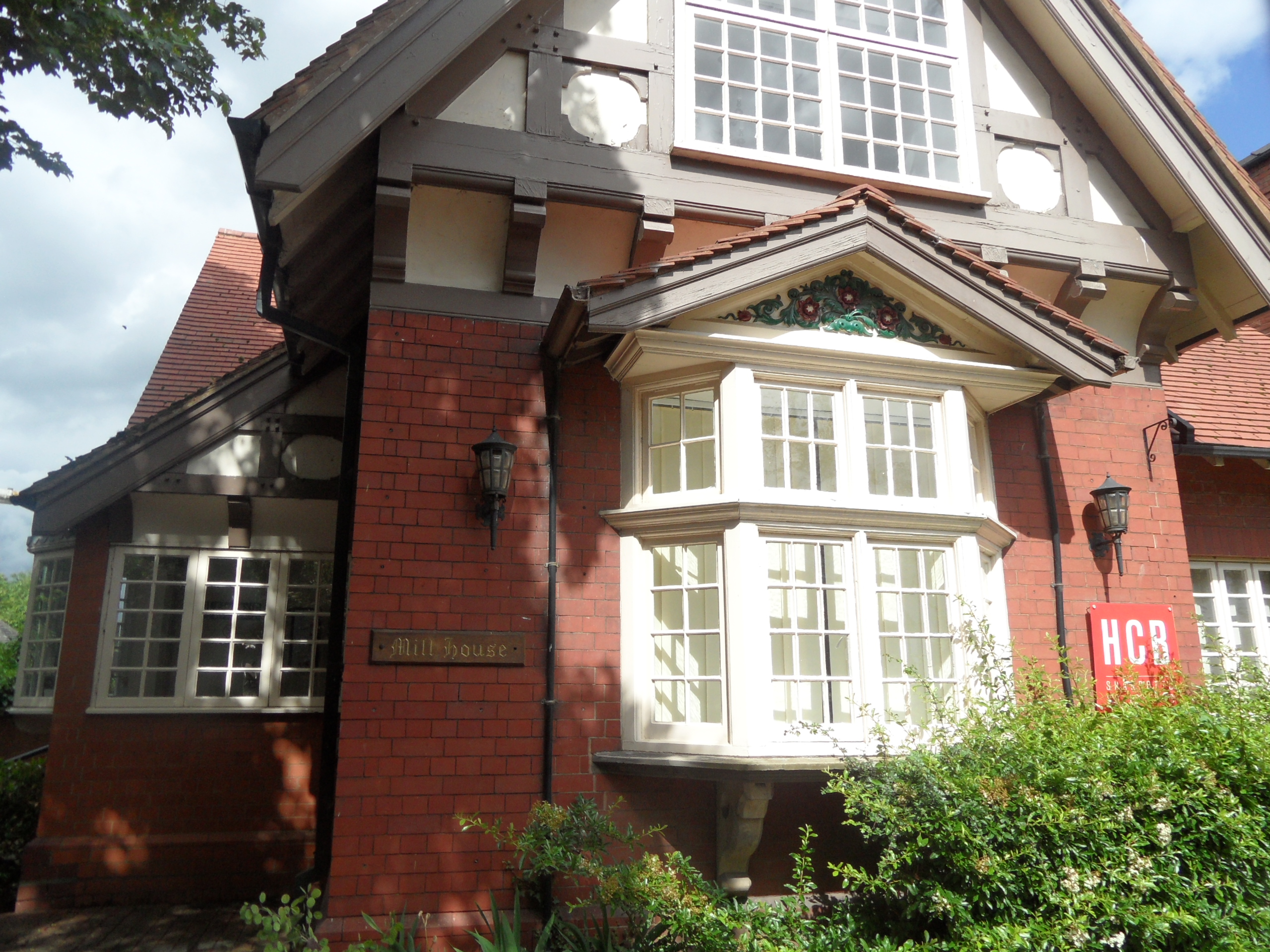
Whilst it seems reasonable to assume that the cannon balls and shells ended up in the pools after falling short of their intended targets during the civil war, how did these other objects end up in the water? Unfortunately I haven’t been able to find a description of the gold rings, not even a date range, and so for now we’ll have to imagine the stories behind them finding their way into Minster Pool!  Perhaps we could have a more educated guess at the origin of some of the other objects though? In the past, both pools were used as mill ponds, with tenters to dry cloth set up along the stream which fed into Stow Pool. There were also tanyards in the area and the site of the parchment works of Michael Johnson (bookseller and father of Samuel) was nearby, as can be seen on the 1781 Snape map of Lichfield (a wonderful, big-res version of the map can be found here on BrownhillsBob’s Brownhills Blog). Possibly related to these industries, the tenant of a skinhouse claimed the privilege to wash skins in Minster Pool.

Mill House, Dam St in the vicinity of the old mill

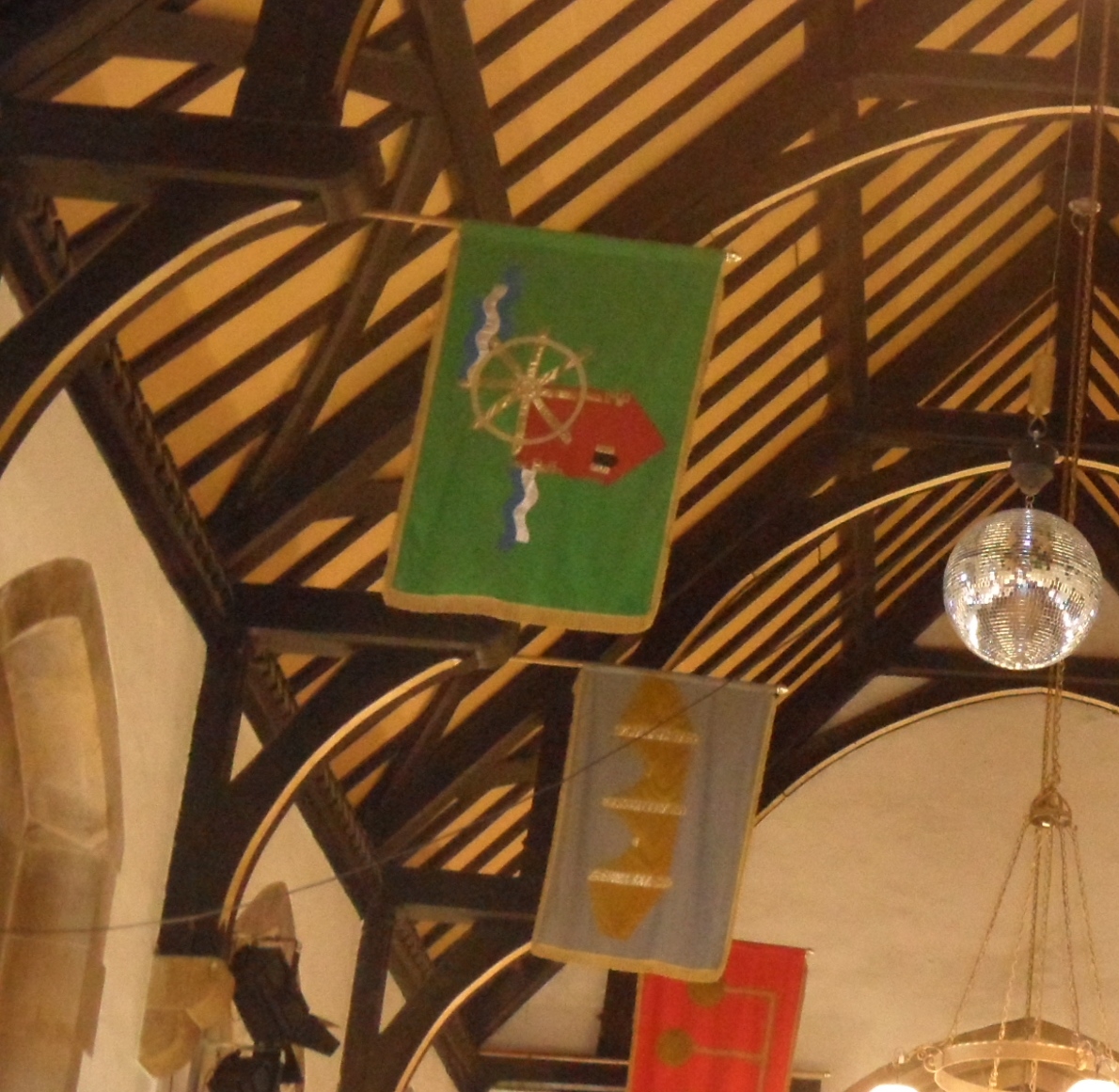
This ward banner in the Guildhall relates to Dam St, and I think it represents the mill between Minster and Stow Pool.

These objects have been lost and found once already, but where are they now? Is it possible to find them once again?

Edit: Philip just asked me about where the tanneries were, and in comparing the Snape map with Googlemaps, I found that in one of the spots marked as a tan yard on the former, there is a little road called the Tanyard (off Stowe St) on the latter!

Sources:

A survey by the Lichfield Wildlife Group in 2009, looking at the natural heritage of The Close http://www.staffs-wildlife.org.uk/files/documents/250.pdf

Thanks to Philip Mantom for drawing my attention to the legal case South Staffs Water Co v. Sharman (1896)

Smith and Keenan’s English Law Text and Cases 15th Edition – Denis Keenan

Transactions, Volume 1,  Leicestershire Architectural and Archaeological Society

Lichfield: Economic history’, A History of the County of Stafford: Volume 14: Lichfield(1990), pp. 109-131

Friars on the Run

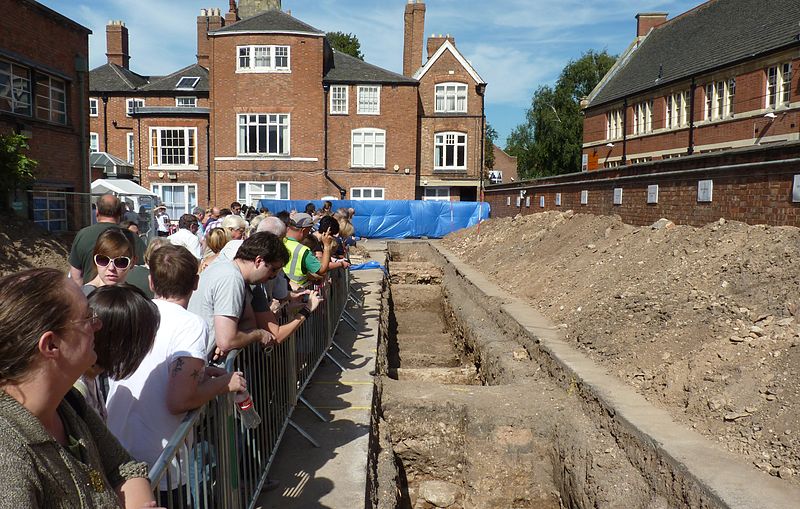
On Monday morning we’ll learn if human remains found beneath a car park in Leicester are those of Richard III, buried in the city’s Greyfriars church after his defeat at Bosworth in 1485.

Archaeological Dig Open Day at Greyfriars Leicester. 8th September 2012.
Image by RobinLeicester, Wikimedia Commons.

Naturally, the possible discovery of England’s lost king has generated a huge amount of interest and last week I had an email from someone in Lichfield who has been doing some background reading on the subject. In trying to find out more about the story of Greyfriars and King Richard III, they found that the Greyfriars were also linked to King Richard II. The reason for the email was to see if anyone knew anything more about the role of Lichfield in the story, as per the the following passage from the ‘History of the County of Leicestershire’.

The sympathies of the Leicester Franciscans for Richard II brought serious consequences upon the friary in 1402. A Franciscan declared to Henry IV that he and ten other friars of the house at Leicester, together with a master of divinity, had conspired in favour of the deposed Richard. In consequence eight Franciscans of Leicester, with the master of divinity, were arrested and brought to London for trial. The remaining two friars escaped. After two juries had failed to convict, a third jury found the prisoners guilty, and they were executed. Two other Franciscans from Leicester, presumably the two who had at first escaped, were executed at Lichfield about the same time.  In 1402, at a general chapter of the Franciscans held at Leicester, it was forbidden to any of the Order to speak against the king.


My anonymous correspondent wondered why the friars were executed here in Lichfield? What had brought them here in the first place, and was there any sympathy for them or Richard II amongst the Franciscan population here?

Remains of North Wall of Nave of Lichfield’s Franciscan Friary.

Other sources expand on the story a little to tell us that it was Prince Henry, the future Henry V (or at least members of his household) who caught and beheaded the friars at Lichfield. Our own county history tells us that in 1402, Henry IV had ‘ordered knights, squires, and yeomen from various parts of the country to meet him at Lichfield for his campaign against Owain Glyn Dŵr‘. This explains perhaps in part why the friars came to be executed here, but if there’s anyone who can add anything further to this story of fugitive Leicester friars in Lichfield, it’d be great to hear from you.

Notes:

A programme called ‘Richard III:The King in the Car Park’ will be shown on Channel 4 at 9pm on Monday 4th February.

Talking of archaeology digs in car parks, I believe that the report on the Friary Outer is due out anytime now – as far as I’m aware Victorian cellars and medieval pottery were the main discoveries. Of course, everyone knows that if you want to find lost kings in Lichfield, it’s Borrowcop you need to investigate….

Richard II visited Lichfield several times. Most famously he spent Christmas in 1397 at the Bishops Palace, returning to the city two years later as a prisoner of his cousin Henry Bolingbroke, soon to be Henry IV.

Edit 4/2/2013 – I probably don’t need to tell you this but it’s been confirmed beyond any reasonable doubt that it is him! King Richard the Third’s remains will now be interred at Leicester Cathedral. I believe there may be a link between this story and Elford too?

Sources:

Friaries: Friaries in Leicester’, A History of the County of Leicestershire: Volume 2(1954), pp. 33-35. URL: http://www.british-history.ac.uk/report.aspx?compid=38172

Historical Dictionary of Late Medieval England, 1272-1485, page 212 edited by Ronald H. Fritze and William Baxter Robison

Lichfield: History to c.1500′, A History of the County of Stafford: Volume 14: Lichfield(1990), pp. 4-14. URL: http://www.british-history.ac.uk/report.aspx?compid=42336