Business Study

I spent the morning with Dave and Angie Gallagher, who are doing a brilliant job of taking the ever growing collection of old photographs out and about into the city, encouraging people to share their stories and memories about Lichfield. I had a great time listening to people reminisce about how Lichfield used to be in days gone by and it’s put me well and truly in the mood to share more of Mr JW Jackson’s memories of the city’s shops and trades back when he was a young boy in the 1870s.

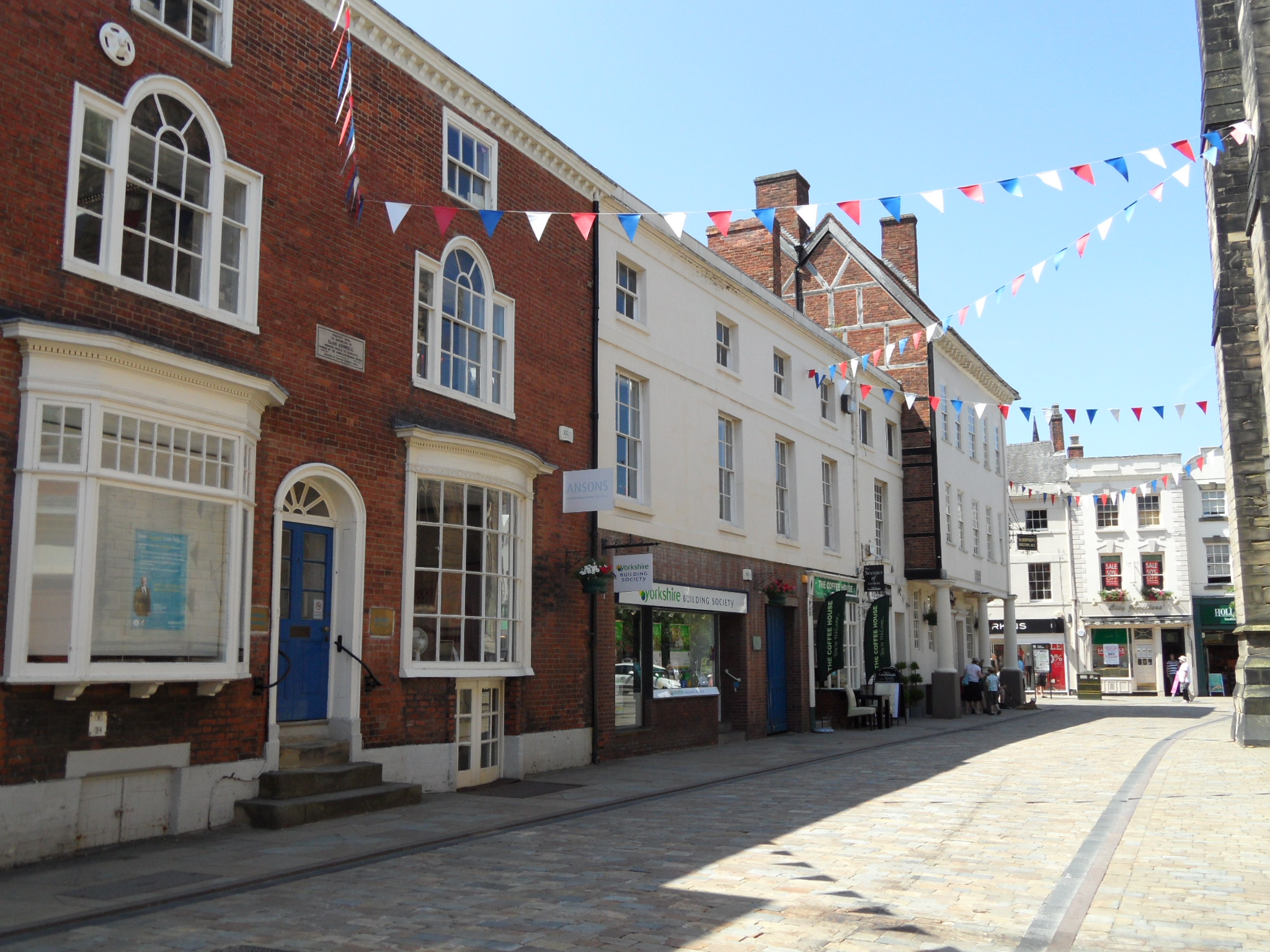
For obvious reasons, I thought this shop, now a bookies, might be Mr Welch’s fish and poultry shop?

Mr Jackson’s article begins with Sedgewick’s fried fish shop in Tamworth St, selling oysters, cockles, mussels, periwinkles, shrimps, bloaters and kippers. He also recalls H Welch’s fishmonger and poulterer’s business opening some years later on Tamworth St (Mr Jackson’s article was written in 1945 and he mentions that at that time Welch’s shop had been rebuilt as a ladies’ hair dressing saloon). Another fish shop was owned by James Clarke on Sandford St, and Mr Jackson recalls Mr Clarke with a ‘large, deep, circular basket suspended with a strap round his neck, filled with fried fish or oysters, shrimps and shellfish or at other times nuts and oranges, of which he found a ready sale in the public houses’. In his spare time, Mr Clarke was a groundsman and umpire for the Cricket Club on the Birmingham Rd.
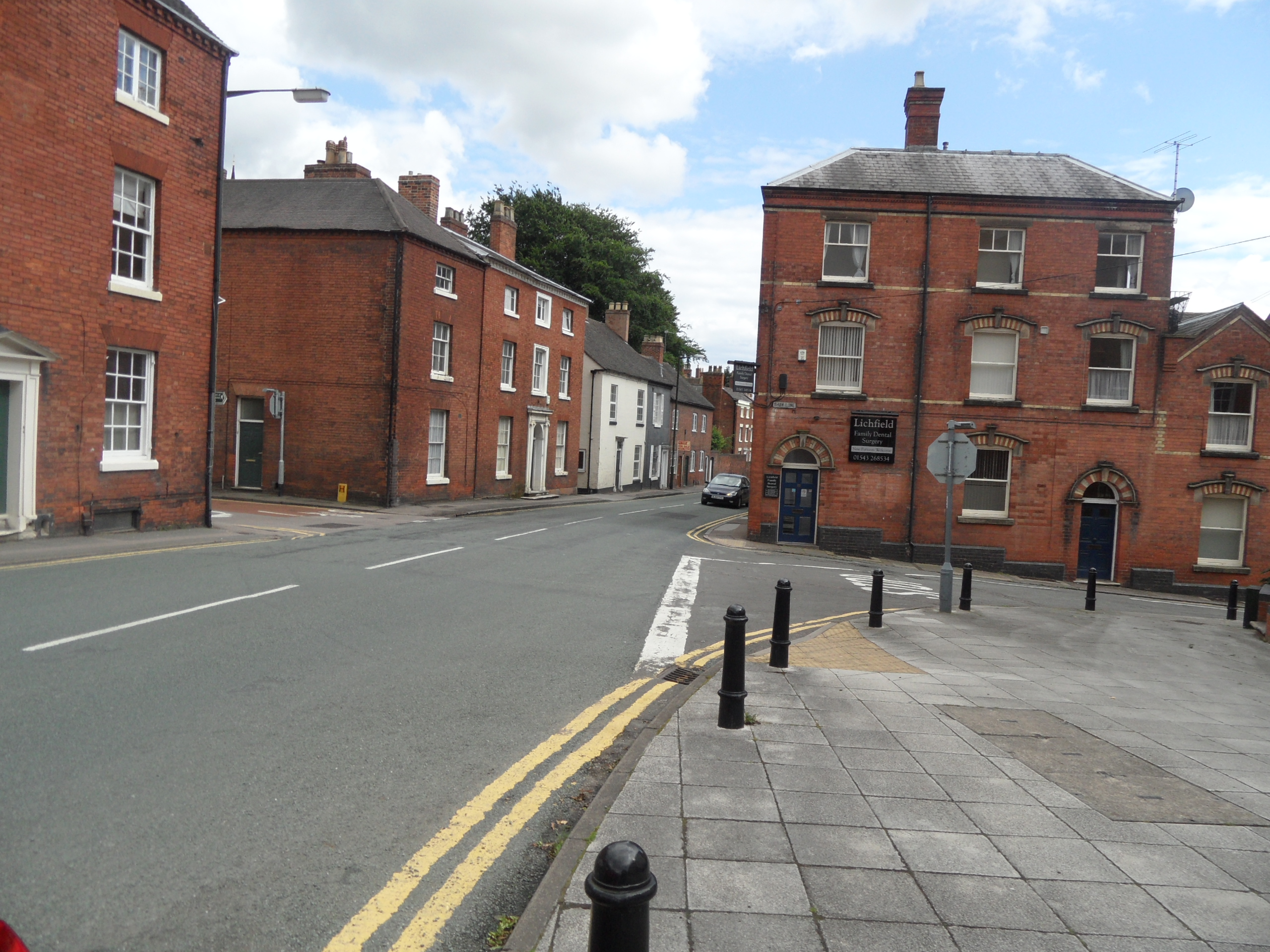
The corner of Beacon St and Shaw Lane

Mr Jackson says that there were a large number of greengrocers in Lichfield, including Elkingston’s in Tamworth St (Wigham’s in 1945) and Tanner’s in Bird St (Perks’ Store in 1945). Adjoining Moss’s Entry on Bird St was Mr Walker’s grocery shop, and further down the road near to the King’s Head was Mr James’s grocers. On the corner of Shaw Lane and Beacon St was another grocers, a step below the pavement and old fashioned in appearance. Originally owned by Mr Hall, it was taken over by a Mr Warmington who rebuilt the old shop and added a bakery. Also on Beacon Street was Mrs Hague’s shop which apparently sold everything from ‘a needle to a sack of flour, including bread, sweets, etc’. The grocery business of old Dan Millington on Stowe Street, was particularly memorable due to the many tallow candles suspended from the ceiling.

Moss’s Entry, leading to Friars Alley is now between Green T and Lichfield Kebab shop.

Apparently, back in the 1870s, few people in Lichfield bought ready made shoes, preferring made to order footwear from places like Heath’s in Conduit St and Playfer’s in Market St (1). Mr Jackson remembers being measured for his own boots by Mr Brockhouse of Beacon St,  who lived in a small cottage opposite St Chad’s Rectory. Mr Hodges at the bottom of Beacon Hill (near Gaia Lane) had a shop which did ‘a large better class trade in boots and shoes made by himself on the premises’. Mr Jackson says there were also many cobblers who concentrated on repairs, including Tommy Lyons who lived in a small cottage in Gaia Lane and was described as a very religious man who could often be seen making his way to a meeting with his old well worn Bible.

I’m thinking we should all take a leaf out of Mr Jackson’s book and document our surroundings. This morning showed that the places we live and work in are continually evolving and it’s not until we stop and look back that we realise how much has changed (for better or for worse, depending on your point of view……).

Notes:

I found a photo of a shop called ‘Shakeshaft and Playfer’ on Market St, Lichfield thought to be from the 1860s on Staffs Past Track here. Is this the same Playfer? After zooming in it seems to be a men’s accessories shop – I can see ties and what look like straw boaters in the window! Also after zooming in, you can see the faces of three young people at the window, looking out onto the funeral procession below. I wonder whose funeral it was? Edit: Later, I found that Shakeshaft and Playfer were also undertakers, and arranged the 1894 funeral of George Fox of Elmhurst Hall amongst others, which would explain the photograph!

Sources:

Old Lichfield Trades and Tradesmen, J W Jackson, Lichfield Mercury, April 6th 1945
http://www.search.staffspasttrack.org.uk

Cornercopia

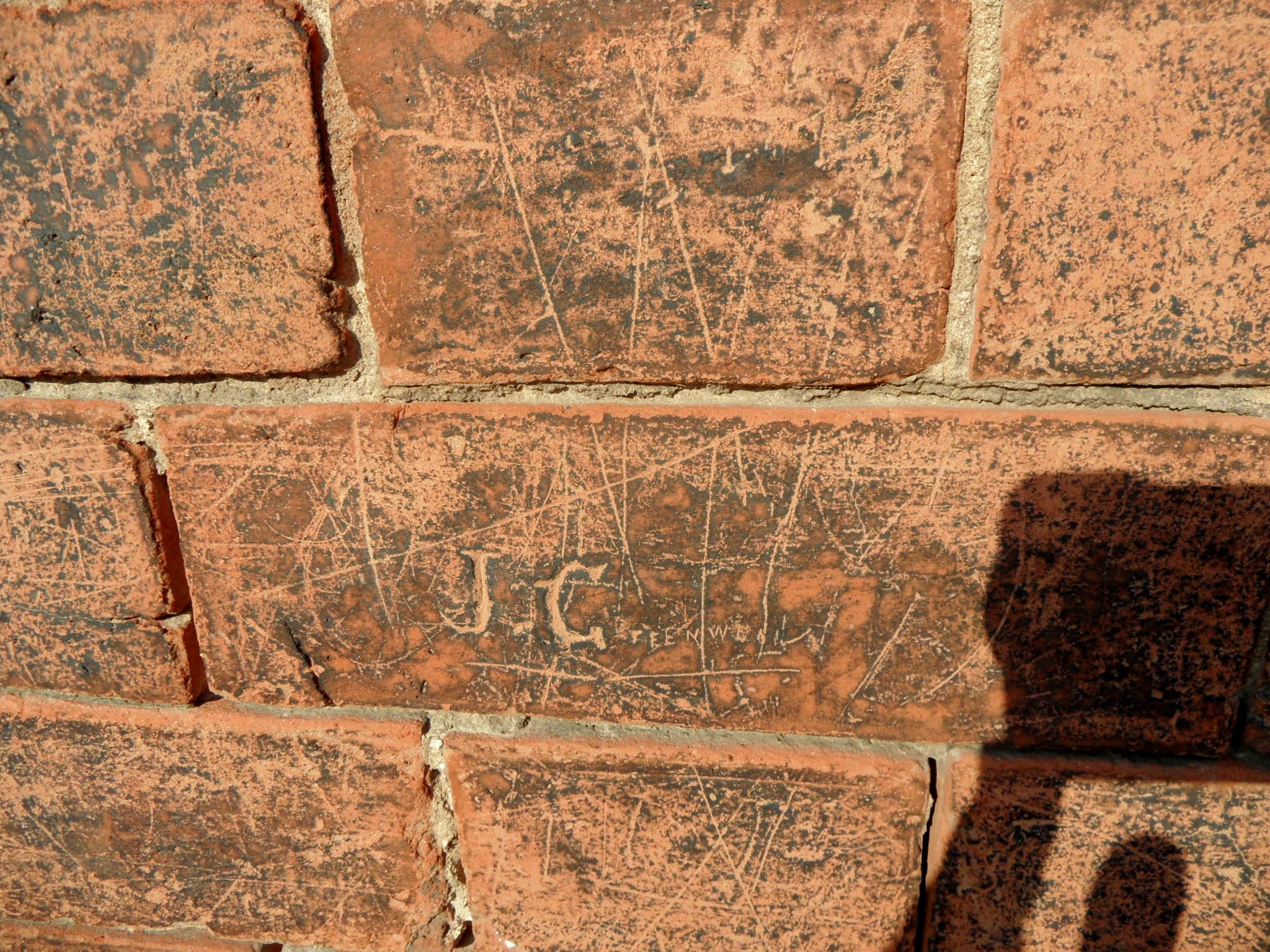
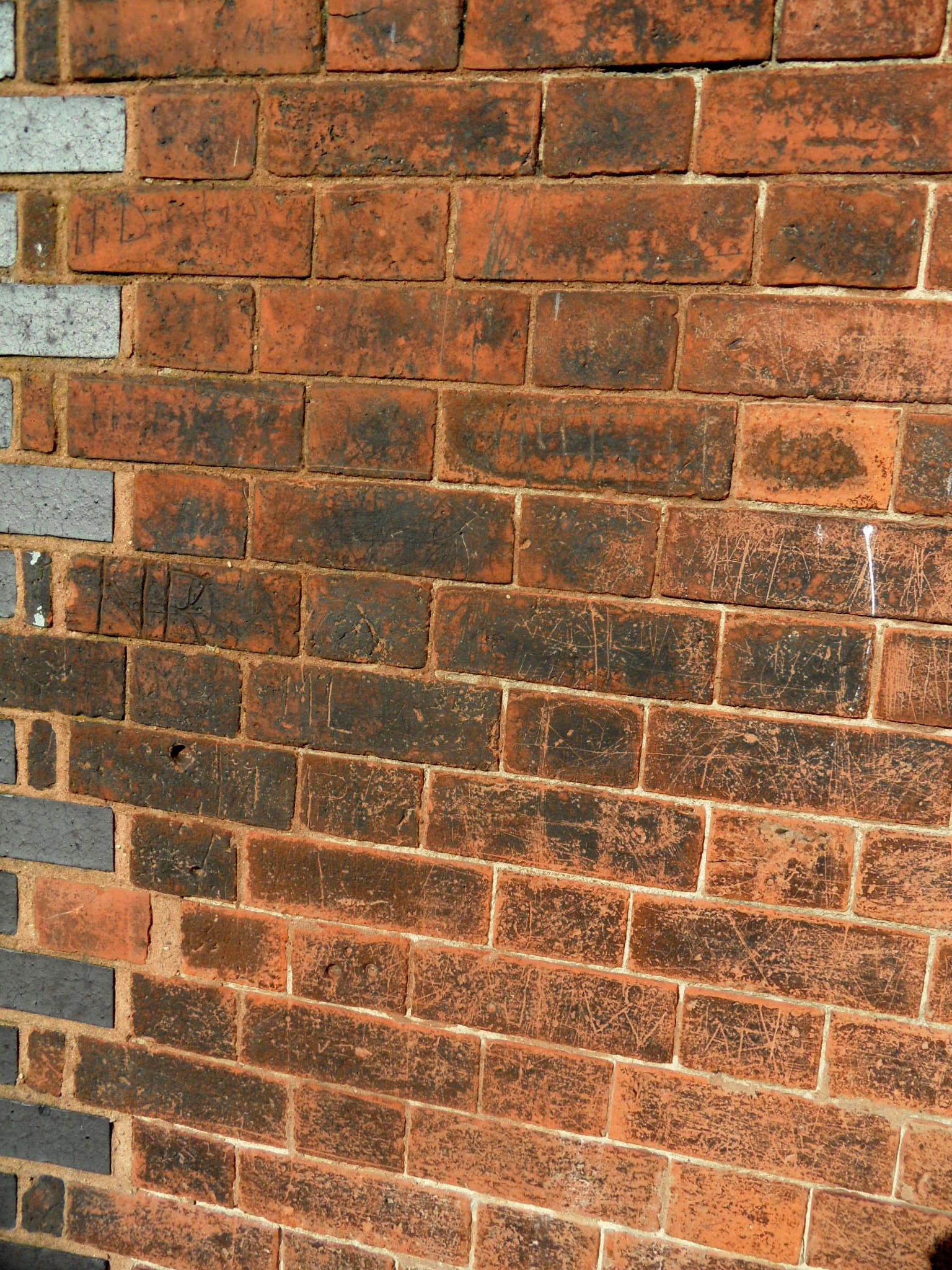
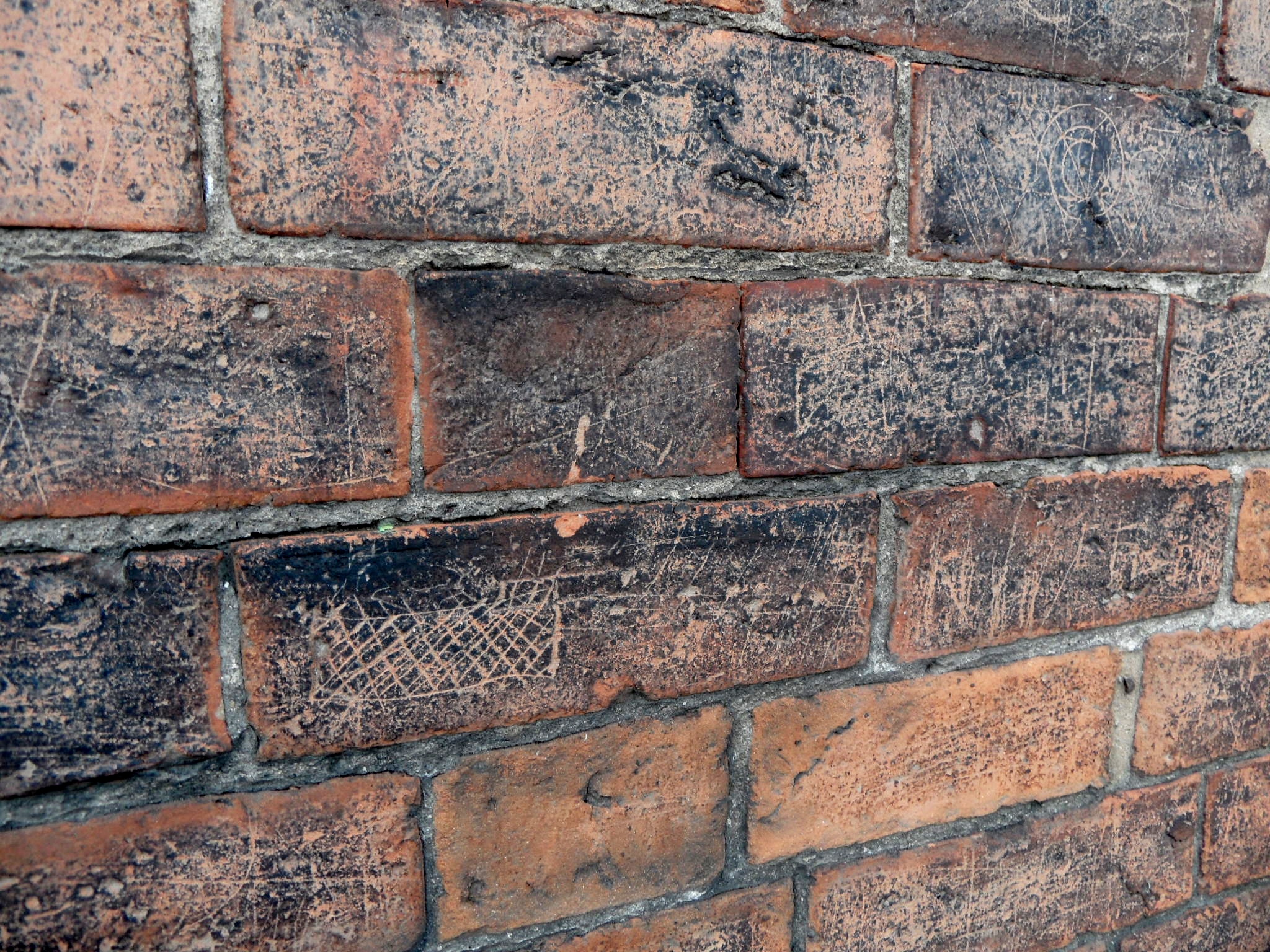
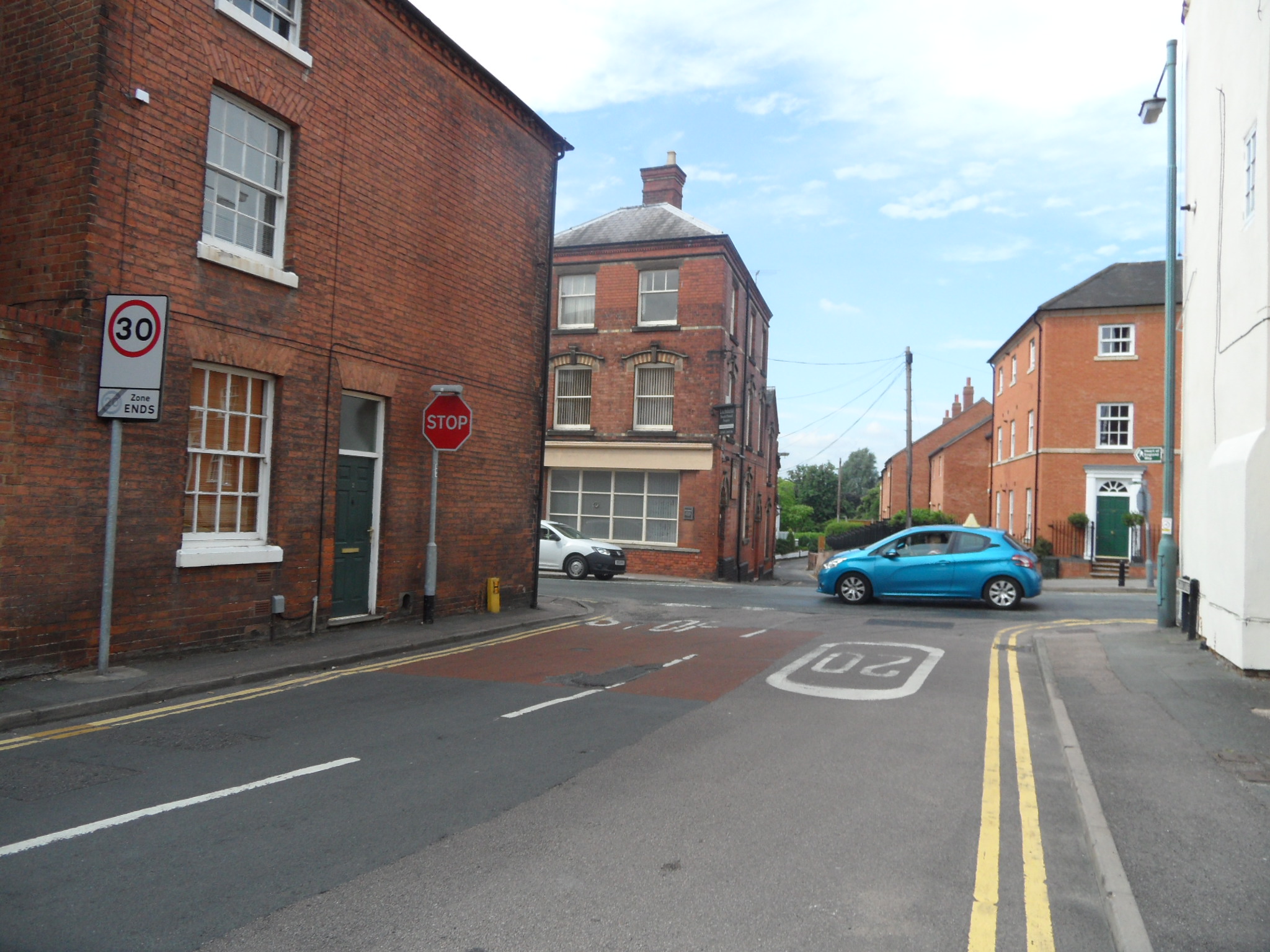
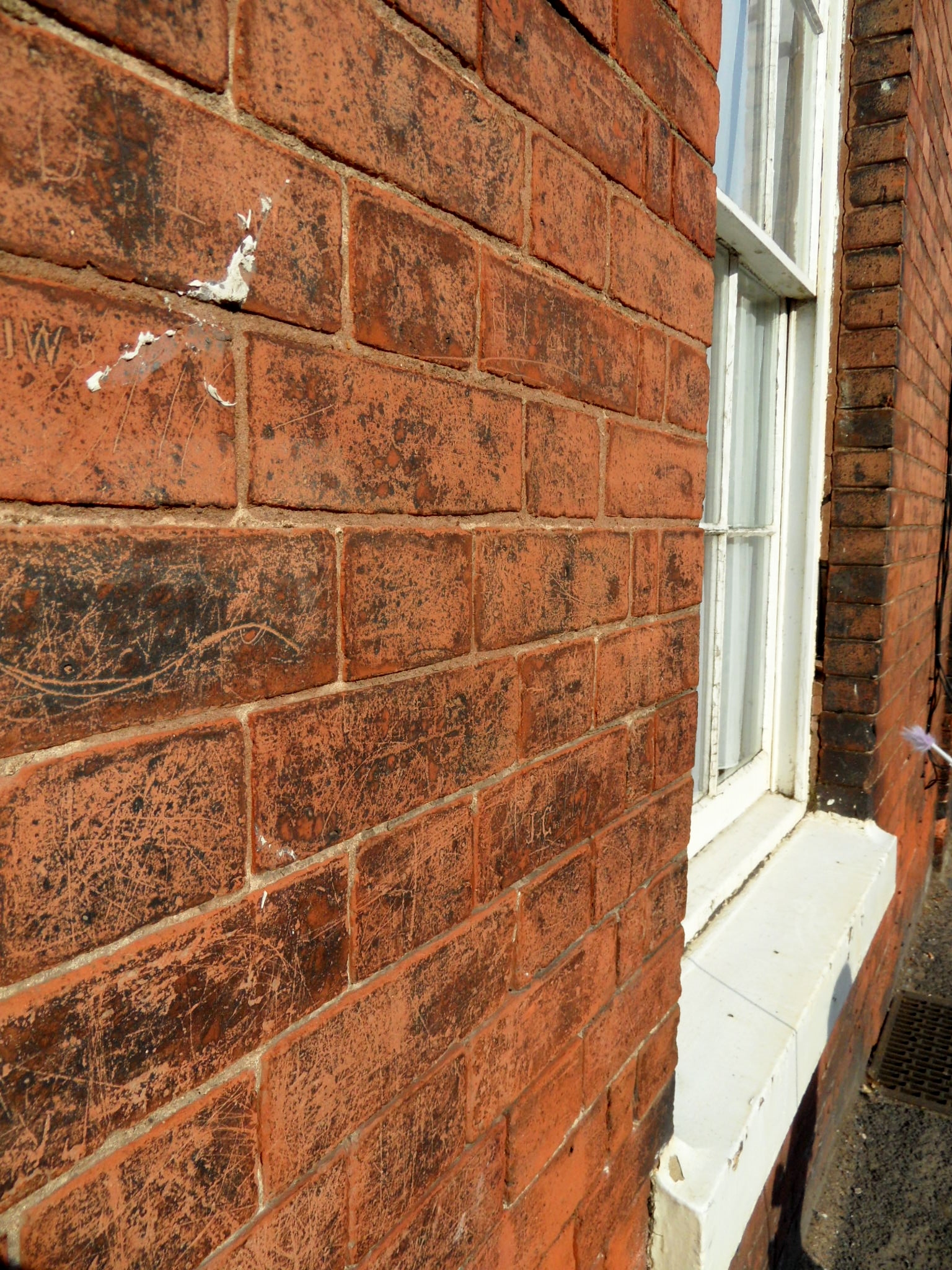
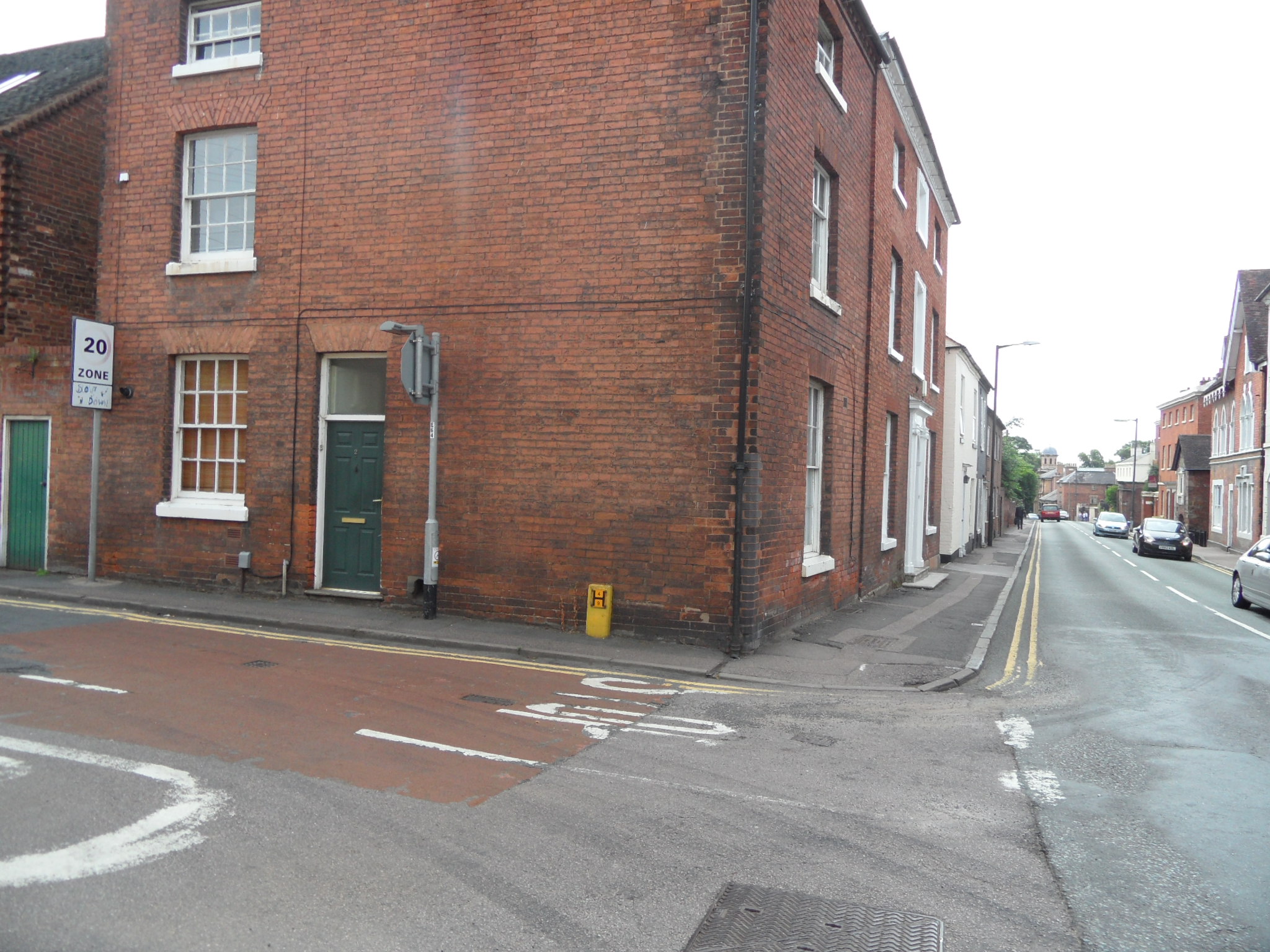
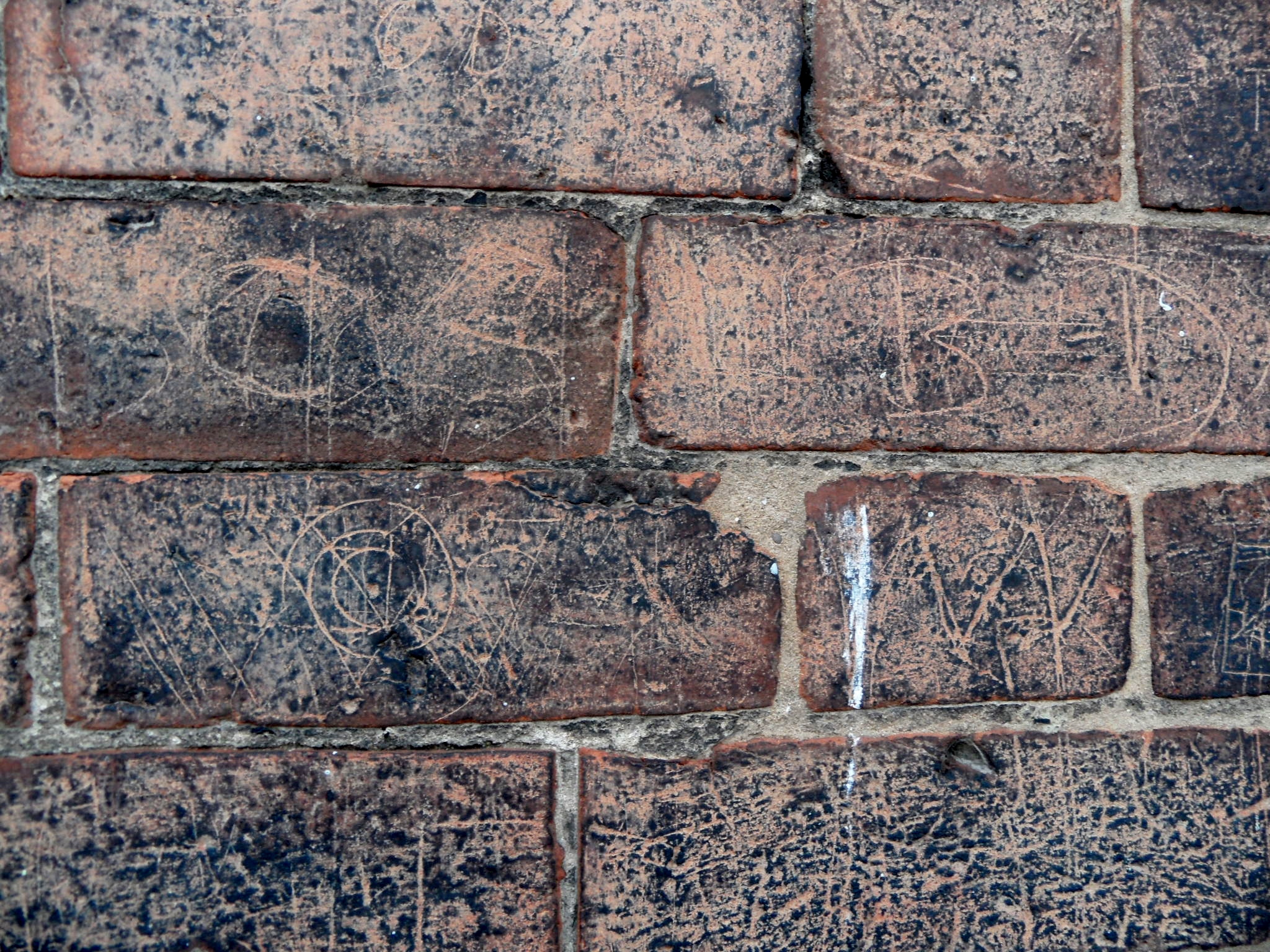
Last week we went to the George and Dragon on Beacon St. After an outstanding pork pie washed down by a cheeky half, it was time to leave. On heading back towards the park, I noticed that the building on the corner of Beacon St and Gaia Lane was covered in graffiti albeit nothing of particular note, just patterns and the usual initials. However, I had a look in both directions and couldn’t see anything similar on the bricks of the adjoining buildings and so I’m curious.  Why this particular building? Is it due to its proximity to the pub, is it simply because it’s a corner where people would wait (for something or somebody…) or do you think there another reason?

The building on the corner of Gaia Lane/Beacon St opp. the George & Dragon


Underneath The Arches

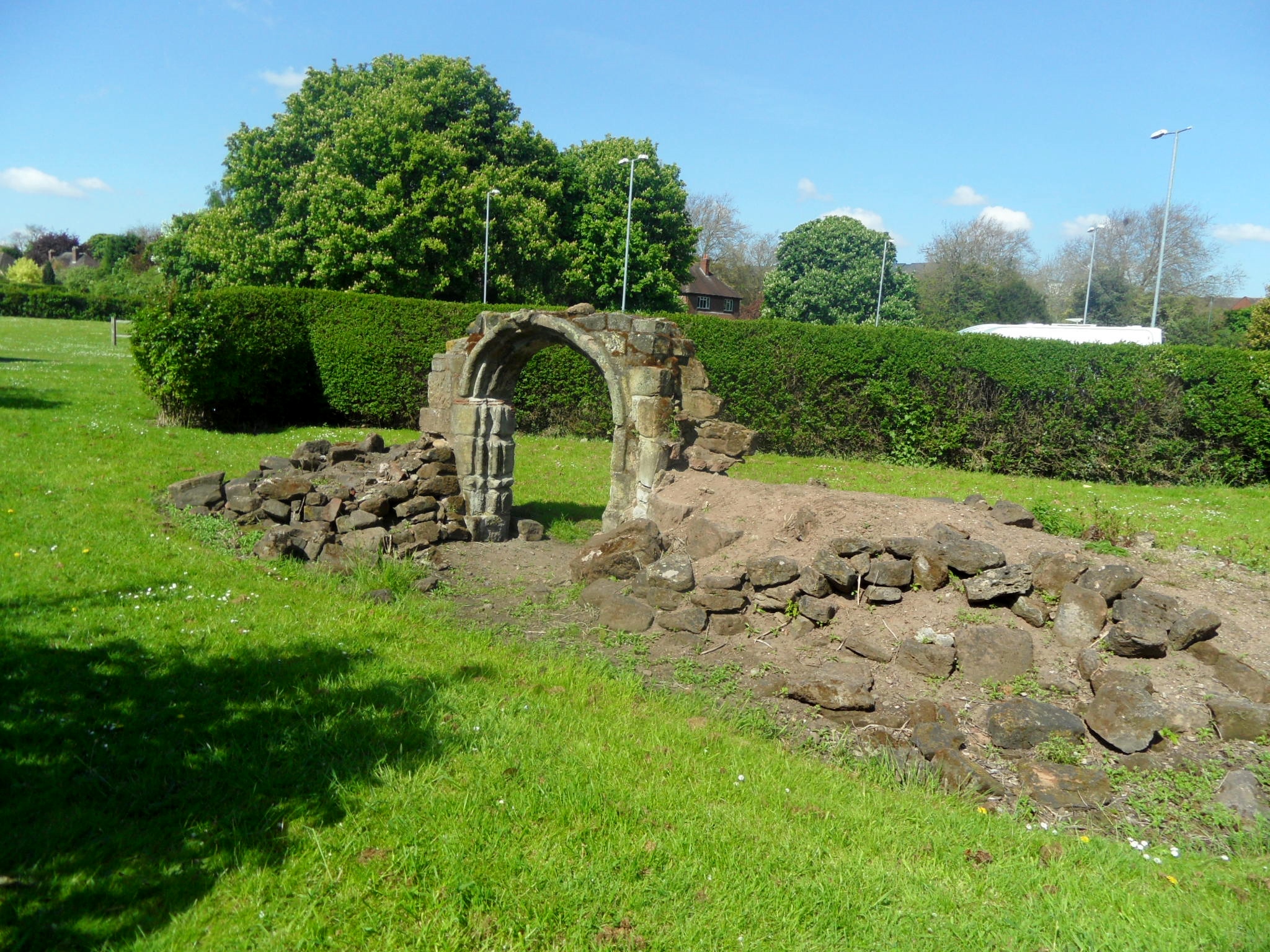
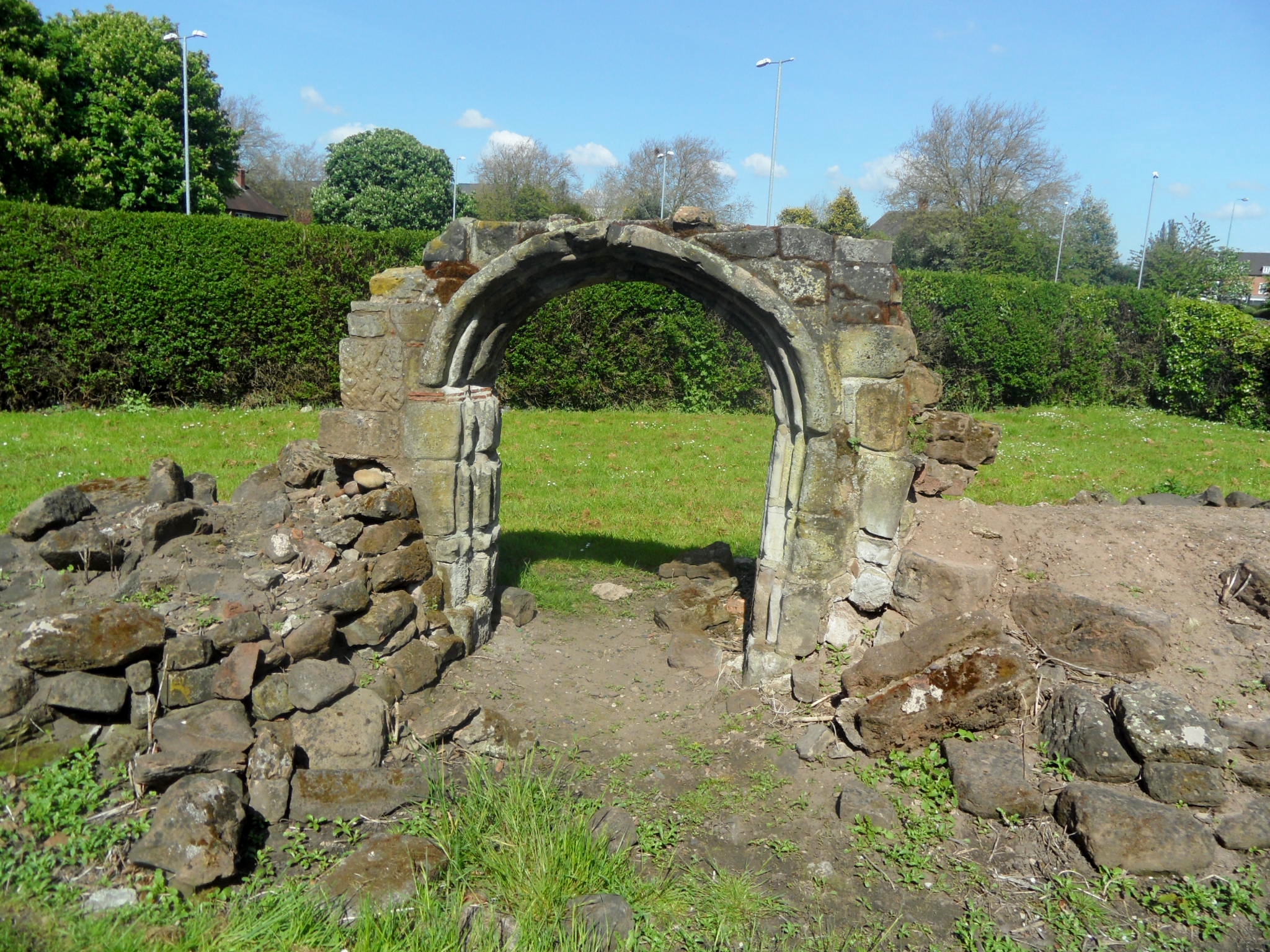
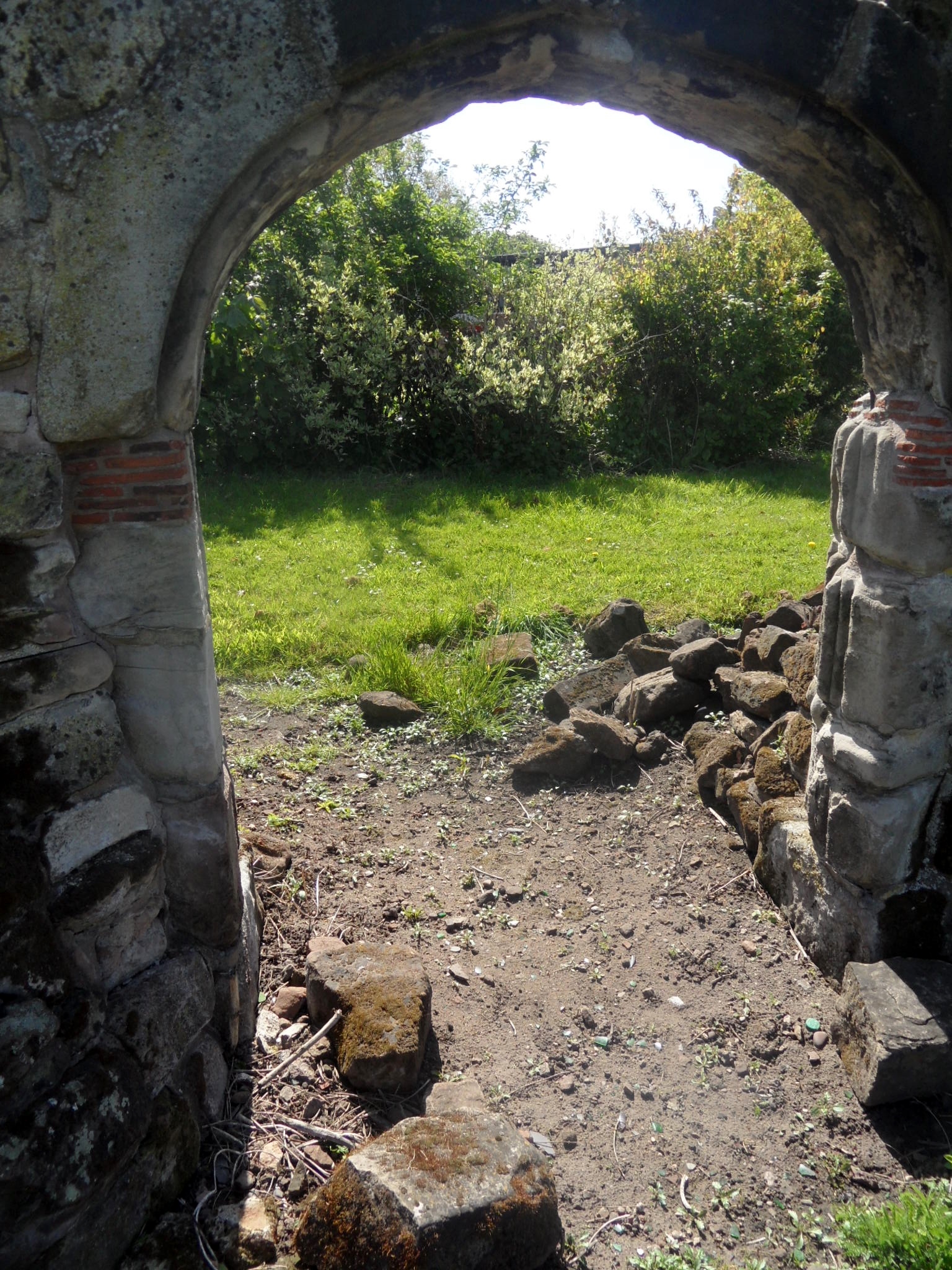
A stone arch stands in the grounds of the Lichfield Campus of South Staffs college and I’ve never been sure whether it is a folly, or part of the Franciscan Friary which once stood on the site. According to a book on the history of the Friary School (1), the arch was discovered in the walls of outbuildings taken down to make way for the new Friary Road in the 1920s. Apparently, it was incorporated into the staff entrance to the school, which used the buildings now occupied by the Library from the 1920s until the 1980s.  A former pupil describes the arch as standing on the lacrosse field during her time at the school. Inevitably, over the years the imagination of school children and the history of the site have combined to create legends and stories, including one about a ghostly monk that people are said to have seen passing through the arch.

Another intriguing discovery made nearby during the 1920s was the gravestone of Richard the Merchant. Actually, rediscovery would be a more accurate description, as the stone had first been uncovered in 1746, when a former owner of the Friary was laying the foundations for a garden wall.  Thankfully, sketches were made of the stone and its inscription as nowadays, its markings can be barely made out and the stone itself is even more hidden away now than when I wrote this post about it back in July 2011.

Tombstone of Richard the Merchant,now in the wall of Lichfield Library

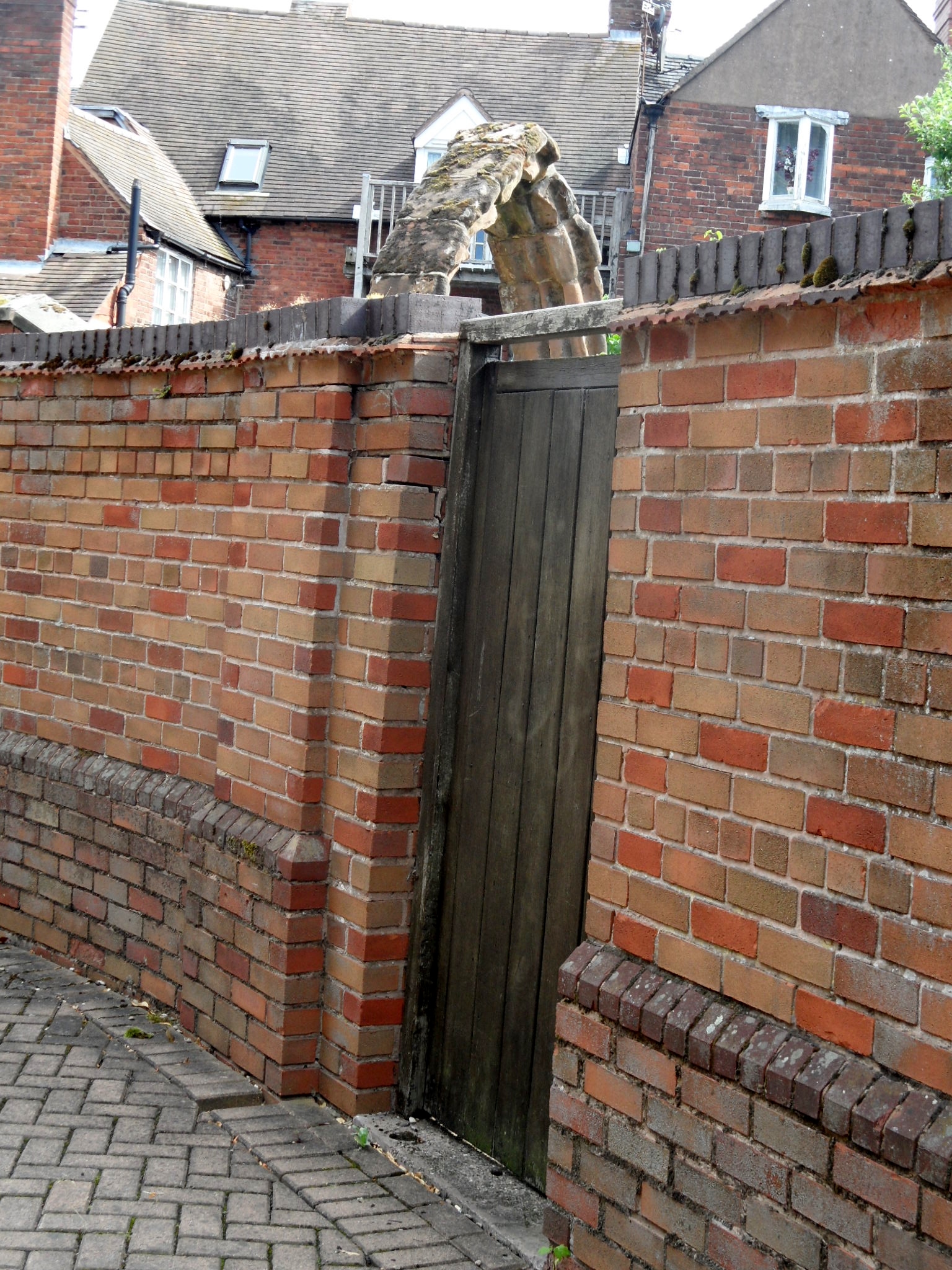
Today I was walking between Dam St and the Bird St car park (which I still call the Woolworth’s car park despite that shop not having been there for years), when I caught a glimpse of what seems to be another arch, over a garden wall which must belong to one of the properties on Dam St. Does anyone have any information on where this arch is from, and why it is here? And of course, if anyone has any stories of ghostly Lichfield residents walking through this one, please let us know!

Notes:

(1) The History of the Friary School, Helen Mullins 1981

(2) I suppose it would actually be a friar, rather than a monk (there is a difference!) but as we’re talking ghost stories here it’s probably not the place to worry too much about historical accurancy!

A Lichfield Tragedy

Years ago, when I first moved to Lichfield, I went on the ghost tour around the city. One of the stories we were told was that of a Catholic family who died in a fire at their home on Breadmarket St. There was apparently an issue regarding burial because of their religion and, unsurprisingly given the nature of the tour, it was said by some that their presence was still felt at the building in some way.  Recently, this story came up again when I was chatting to a colleague. A book about ghosts happened to be nearby and caused our conversation to turn to the supernatural. The colleague in question mentioned the story, wondering if there was any truth in it.

I searched the newspaper archive, and found that the story was essentially true.  I’m not going to transcribe it, as I personally think it’s too graphic and upsetting. However,the facts are that in January 1873 there was a fire at the Breadmarket Street premises of a Lichfield clock and watch maker. Three generations of a family lost their lives and their bodies were laid out on the pavement before being taken to the Guildhall where a Catholic Priest read the burial rites. The family were then taken directly to the graveyard at St Michaels where the Rev J Sejeantson carried out a burial service – they were not taken inside the church. There are reports that no rescue effort had been made, as initially it was thought that the family has already escaped.  The Mercury reports that everyone was at a loss what to do. According to the County History, it was this tragedy that led to the council taking over the responsibility for fire fighting in the city, buying an engine and establishing a brigade, with a building in Sandford Street being used as a fire station.

I am interested in the question as to whether there is any value in ghost stories beyond the obvious ‘entertainment factor’. The mention of ghosts and haunted places can cause the rolling of eyes and mutterings of, ‘There’s no such thing’. Perhaps there’s not, but does that mean that these stories have no interest for us?  If we look beyond the shadowy figures and disembodied footsteps in such tales, can we find something real? Does telling these stories in this way ensure that otherwise forgotten people and events are remembered or is it just an excuse to be ghoulish?


Water Work

One of my favourite weekends in Lichfield is the free and family friendly Fuse festival held at Beacon Park each year. Last year, the appalling weather almost caused the event to be cancelled, yet organisers Lichfield Arts managed to overcome adversity and algae and put on a fantastic festival. This year the weather couldn’t be more different, yet I hear water will still be a feature….

As part of Cafe Fuse, Walsall’s poet laureate, Ian Henery will be reading a poem about Sandfield’s Pumping Station, and the clean drinking water that was distributed to the Black Country from there. Ian will be introduced by David Moore, who as many will know, is passionate about preserving this part of Lichfield’s industrial heritage.

The theme of Fuse this year is ‘Keep it Local’, so get down there his weekend and listen to Ian and other local performers, sample some local food and drink and have yourself a fantastic time in your local park (well, it’s my local park anyway!). Full information on the weekend’s events can be found here.


Hot Fuzz

My interest in cars has always been limited but I do appreciate a good looking classic motor and so I walked through Beacon Park to have a look at some of the examples on display. As I ambled along, daydreaming about which of these vehicles from the past I’d buy if I could ever afford to in the future, one in particular caught my eye.

This is a Morris Six M.S. from 1953. I only know that because it was written on a card in the window along with a short explanation of the car’s history. Apparently it belonged to the Chief Constable of Staffordshire, one of only eleven such models converted to police cars, and now the only one left, rescued from a garage where it had spent twenty eight years. I thought it was interesting – the history of a vehicle is something I’ve never really considered before.

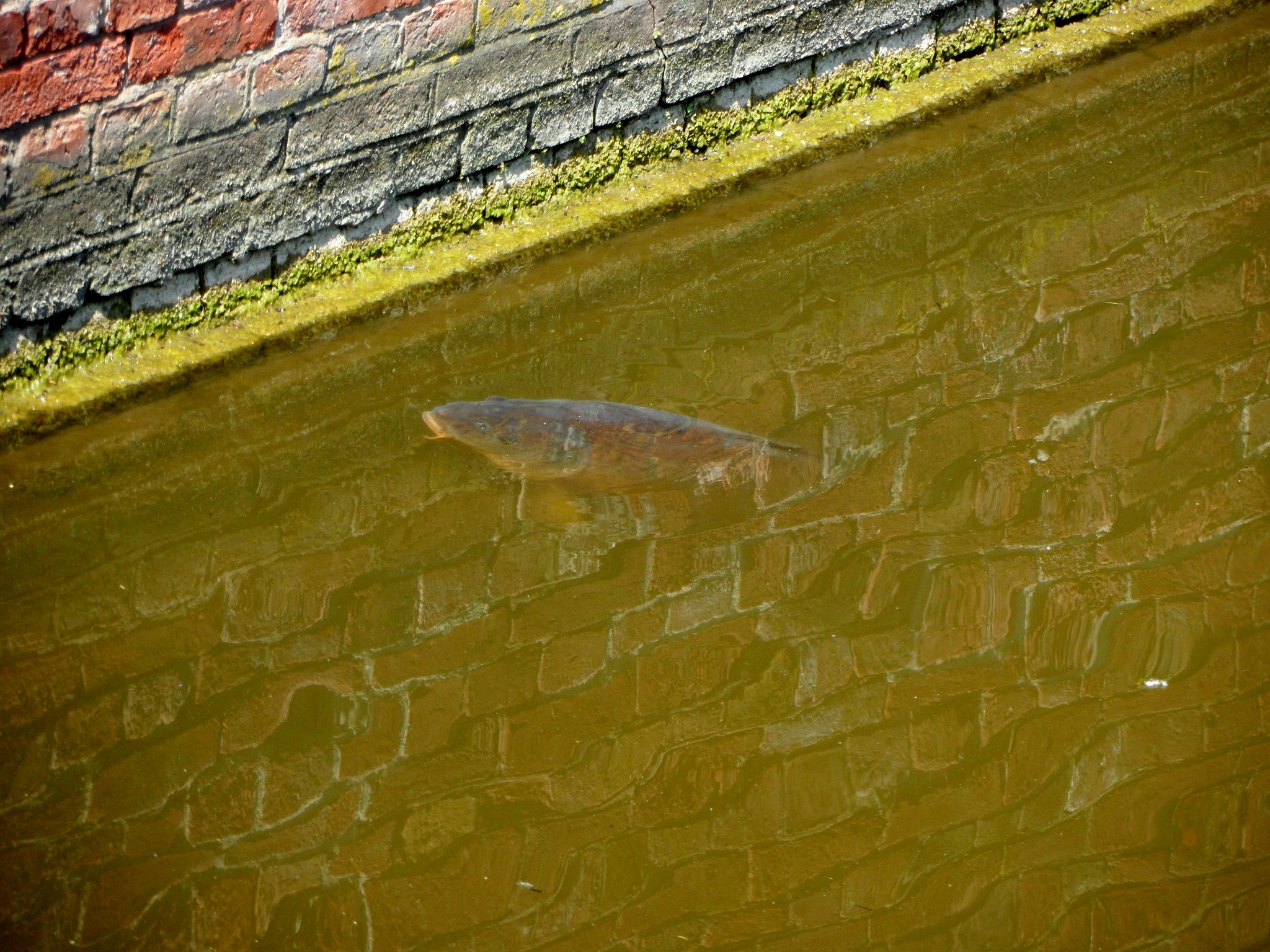
The sun had brought people out in droves and it was great to see the city so busy. As I walked past Minster Pool, resisting the urge to take yet another photo of the spires against the blue sky, the water appeared so green that I peered in to the depths. It soon became apparent that people weren’t the only creatures drawn out by the heat. I knew that there were fish in Minster Pool – I think angling was allowed there some years ago, and believe that hundreds of years ago it was once part of the Vivarium Episcopi, supplying the Bishop with fresh fish  – yet I don’t think I’d ever actually seen one in there. Today, they’d all come to the surface, creating ripples and lots of interest amongst the children on the banks (and me). However, I know as much about fish as I do about cars….

Wall Street Journal

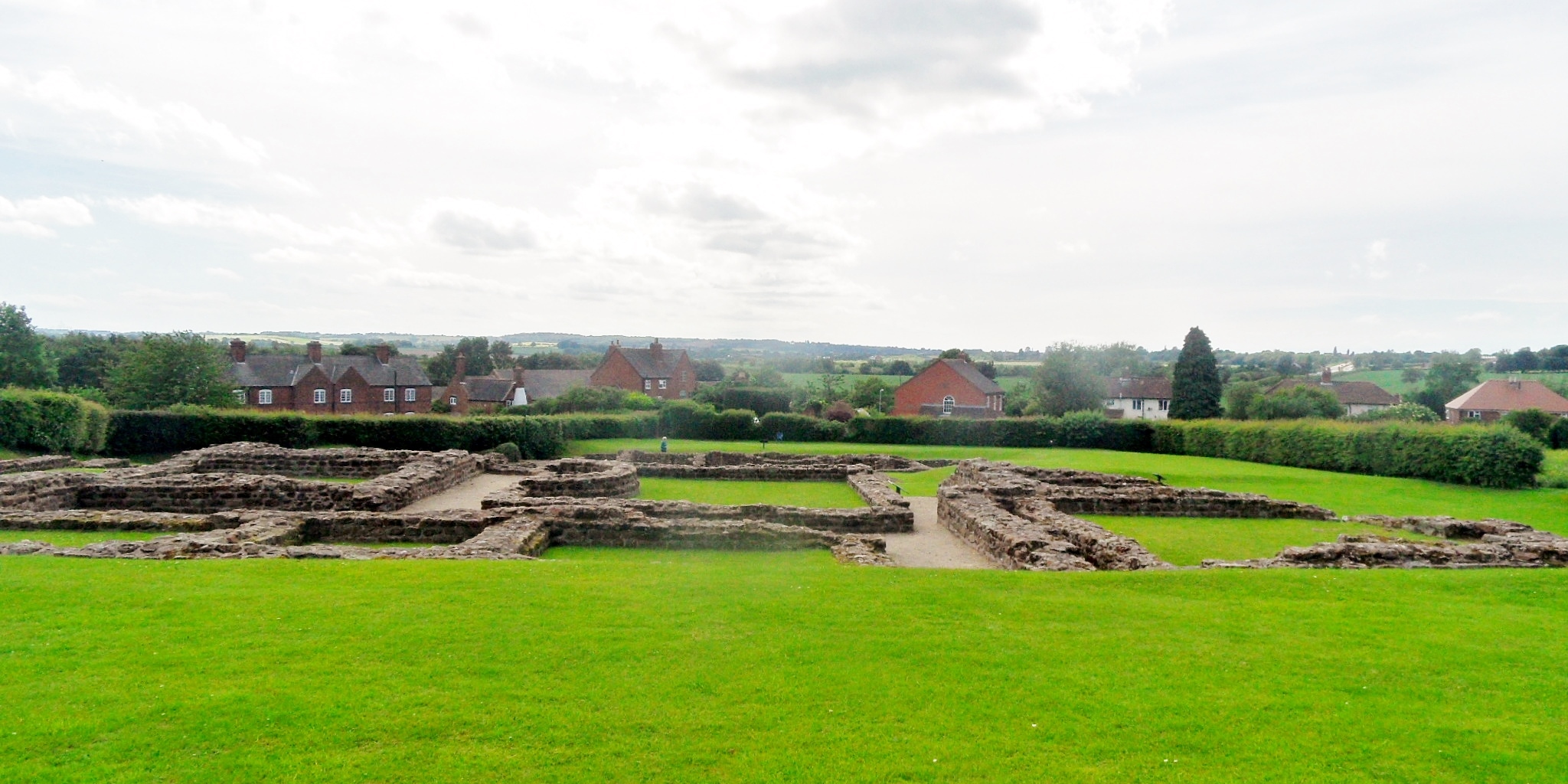
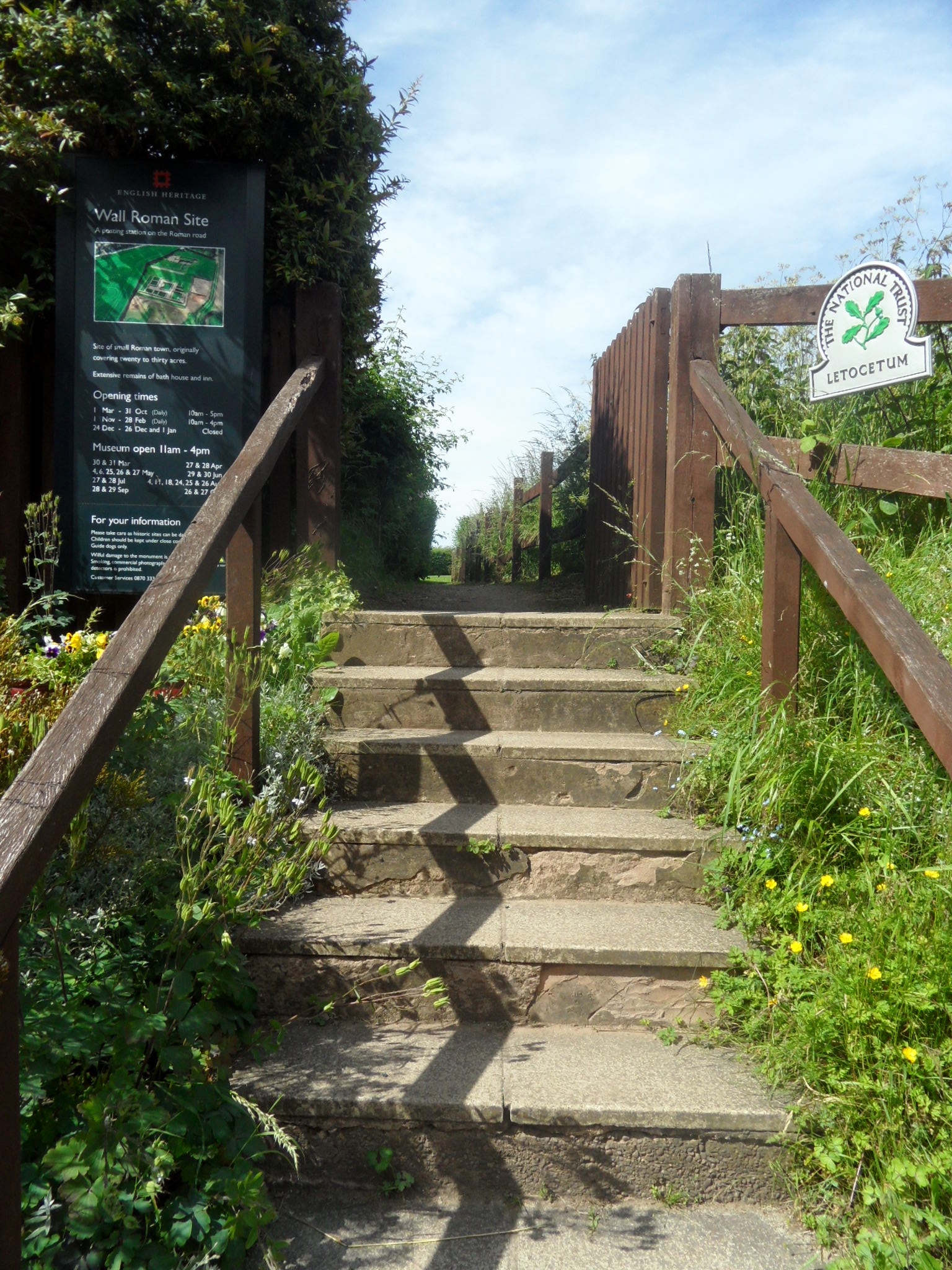
Sunny days should be spent out and about under blue skies, not shopping for bathroom suites in Cannock. However, needs must and afterwards we made up for it by continuing the bath theme in much more pleasant surroundings, spending the afternoon at the Roman bath house at Wall. Although it’s only about three miles away from Leomansley, it’s a while since I’ve been to the ruins of the Roman settlement of Letocetum. My last visit  was in 2011,during an open day organised by the Friends of Letocetum for the National Archaeology Festival. Another visitor on that day, who sadly I didn’t meet, was the late Mick Aston (wearing a stripy jumper of course!), who had one of his first experiences of archaeology at the site as a young man under the guidance of Jim Gould FSA.

Remains of the guest house and bath house at the Roman settlement of Letocetum

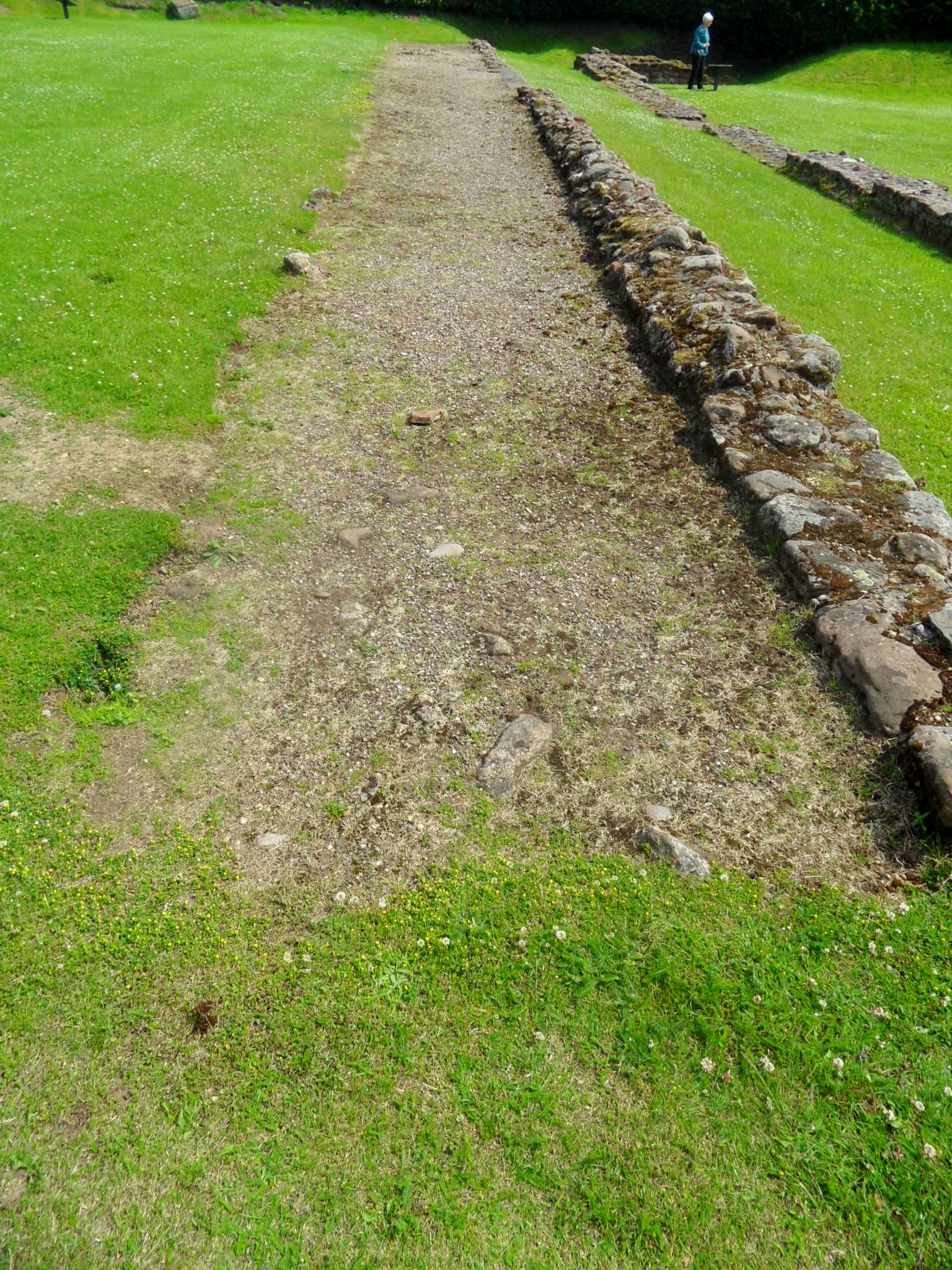
Roman occupation at the site is thought to have begun with the establishment of a military site to protect this important route, later developing into a staging post where those travelling along Watling St could rest and recuperate at the guest house and bath house, (it is the remains of these buildings which are still visible) and eventually a small town.  You can see another Roman road, running between the remains of the two buildings on the site, with some of the original cobbles still intact.

Not quite on Watling Street scale, but a Roman road nonetheless.

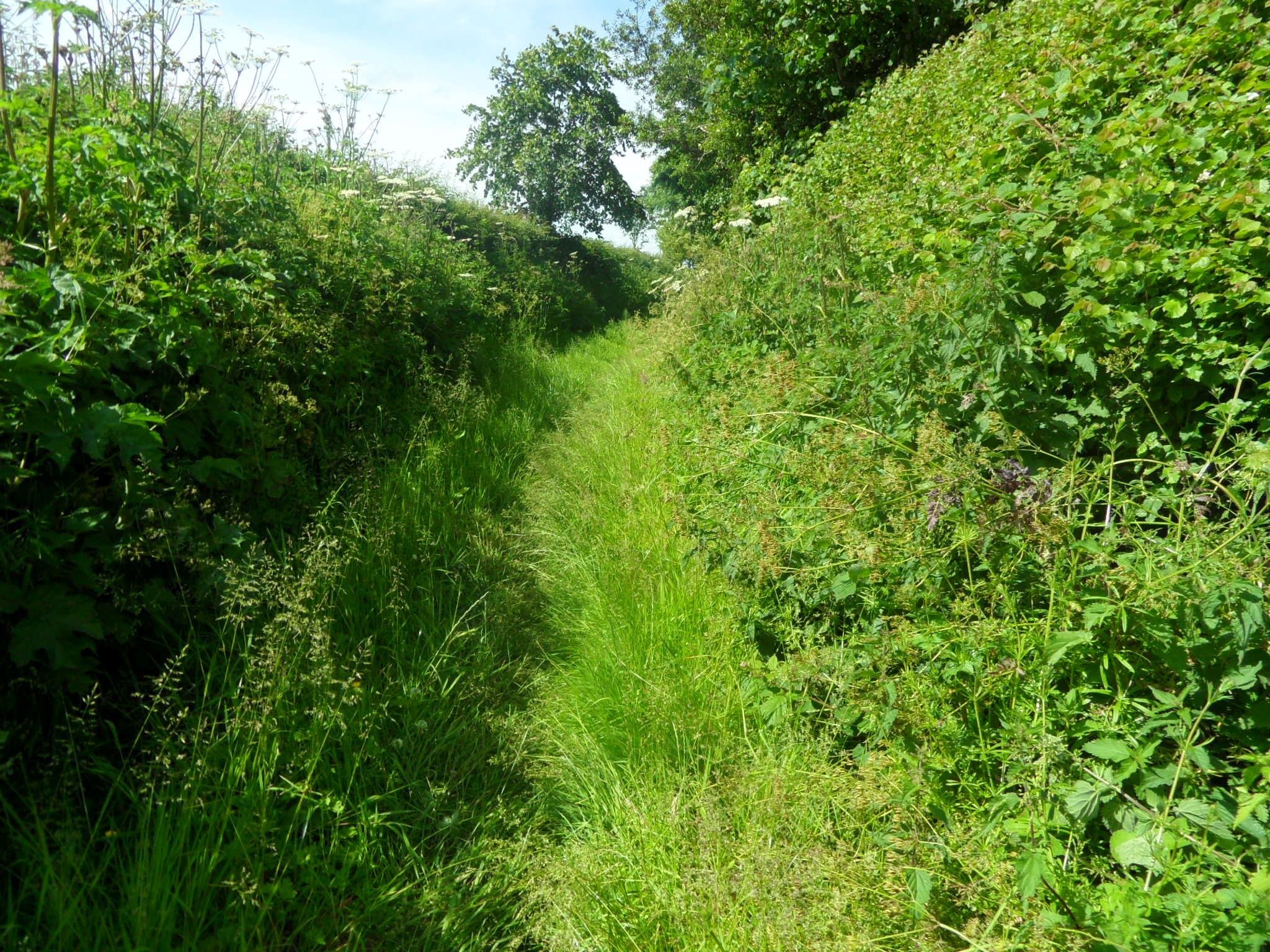
After looking around the ruins, we followed the Wall Heritage Walk (available from the museum) which took us along more ancient routes – the greenways and sunken lanes that surround the village, thought to be old drovers’ roads.

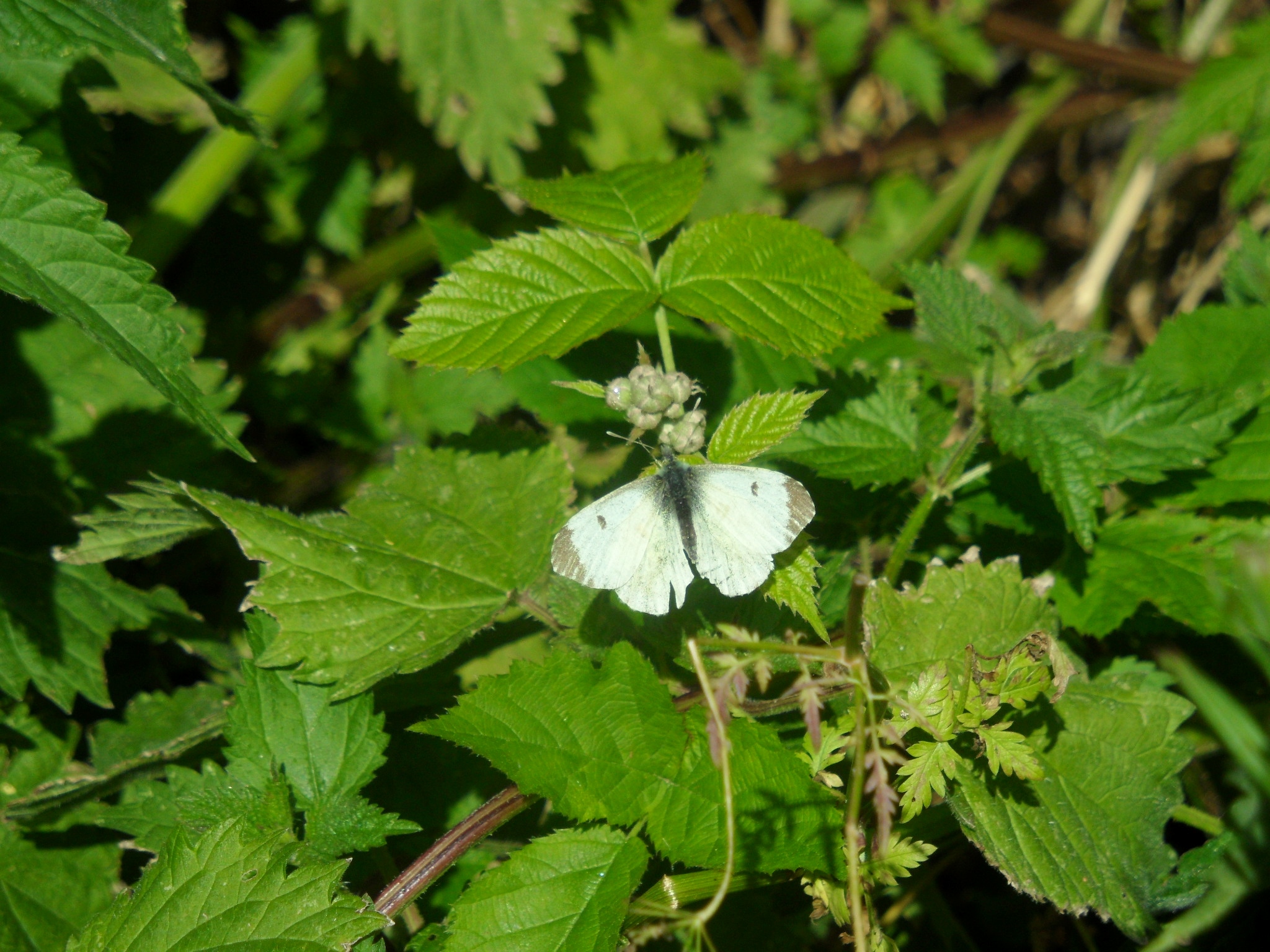
I’m including this, not because I fancy myself as a wildlife photographer, but because I am grateful to the subject for being the only butterfly ever to have stayed still long enough for me to take a photo!

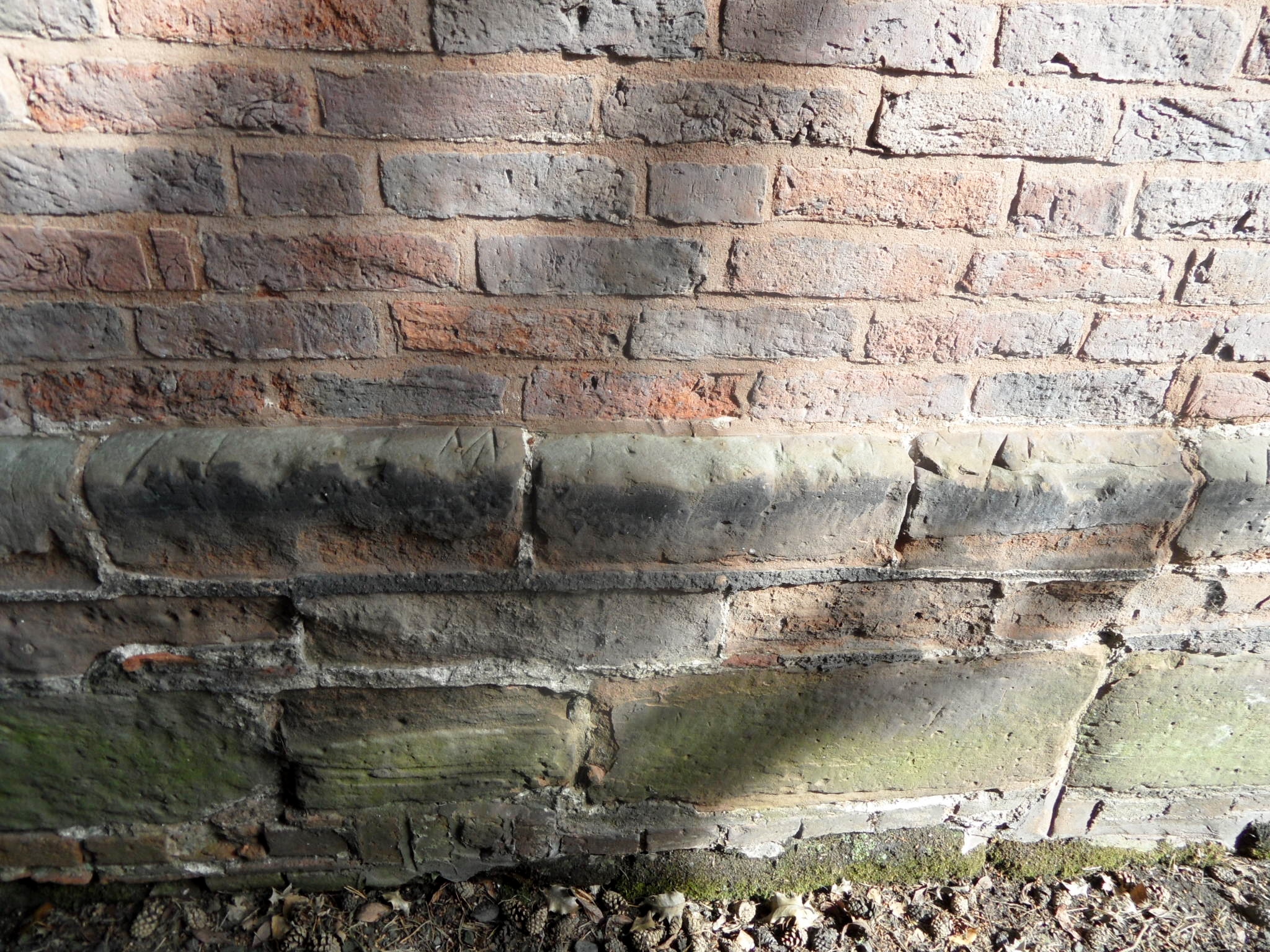
As well as enjoying the views and the wildlife of the hedgerows, I also couldn’t help looking out for buildings in the area that had used stone from the ready made quarry nearby!

Are these Roman stones I wonder?

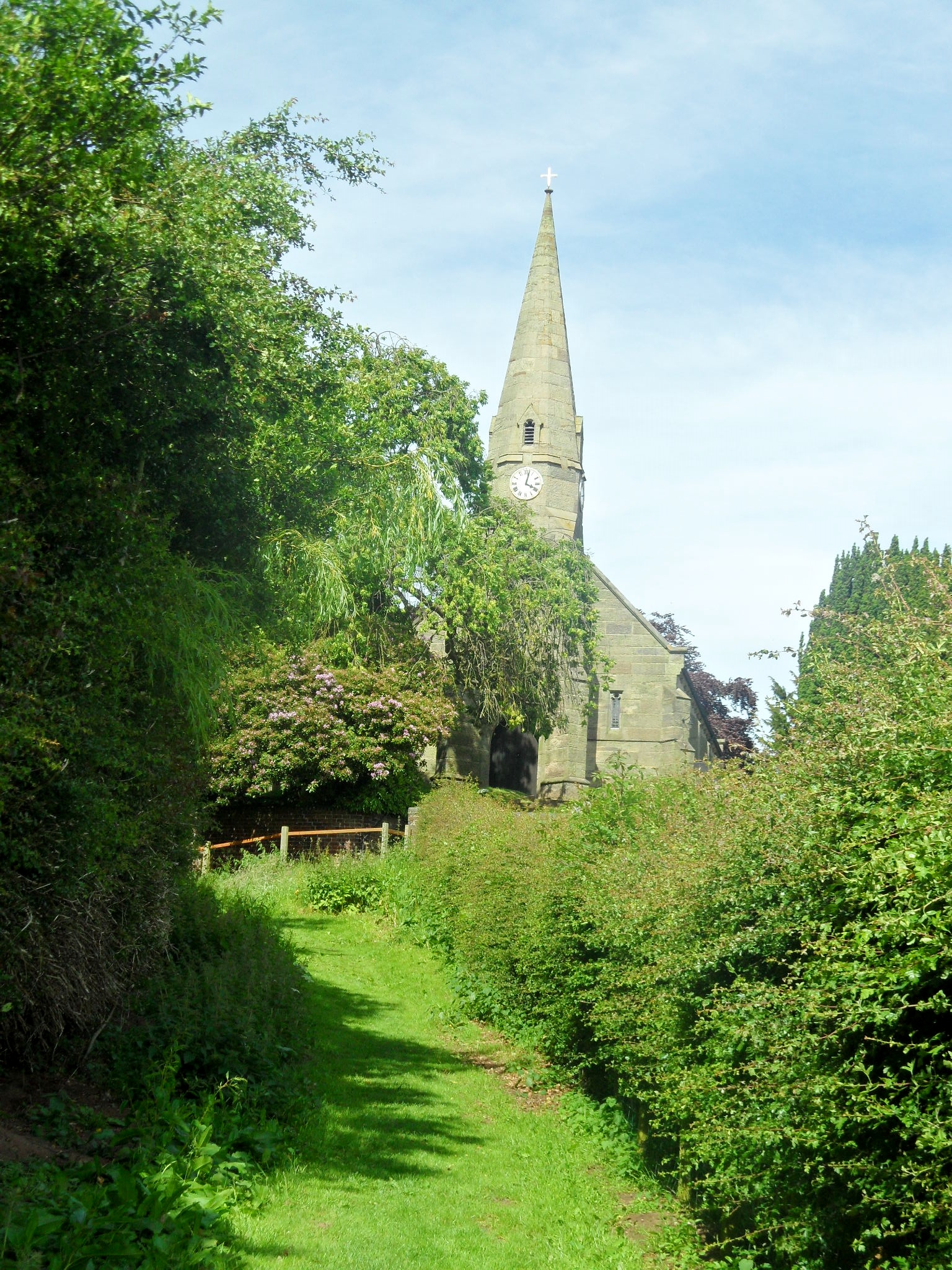
One of the lanes runs past St John’s church. Built in the late 1830s, in comparison to the ruins it overlooks, it’s a young whippersnapper of a building. The architects were George Gilbert Scott and William Bonython Moffat, who it seems were also working on Lichfield’s new workhouse at St Michael’s around the same time.

One of the questions that seems to be subject to much discussion here is, could earlier places of worship once have existed on the site? There has been speculation that there was once a shrine to Minerva here, based on an account of a man who worked draining the lands around Wall. Asked if he had ever found anything in the course of his work, he told how as well as finding lots of old coins, he once found an earthenware figure that he described as being as big as a man, but not a man due to having a bust, and also not a woman as it had a queer dress and a man’s cap like a soldier’s helmet. And what did he do with this amazing find? Prepare to weep – he used it to mend a drain.

However, before getting too upset we can perhaps take some comfort in the fact that Jim Gould (who as well as working extensively at Wall explored and wrote about the archaeology of many of the other sites around here) was not convinced that the statue ever existed, the story being “from an unknown source, of the finding of an impossible statue, by an un-named man, at an unknown spot and date (1). A good lesson that no matter how appealing some stories may seem, they should be taken cum grano salis. 

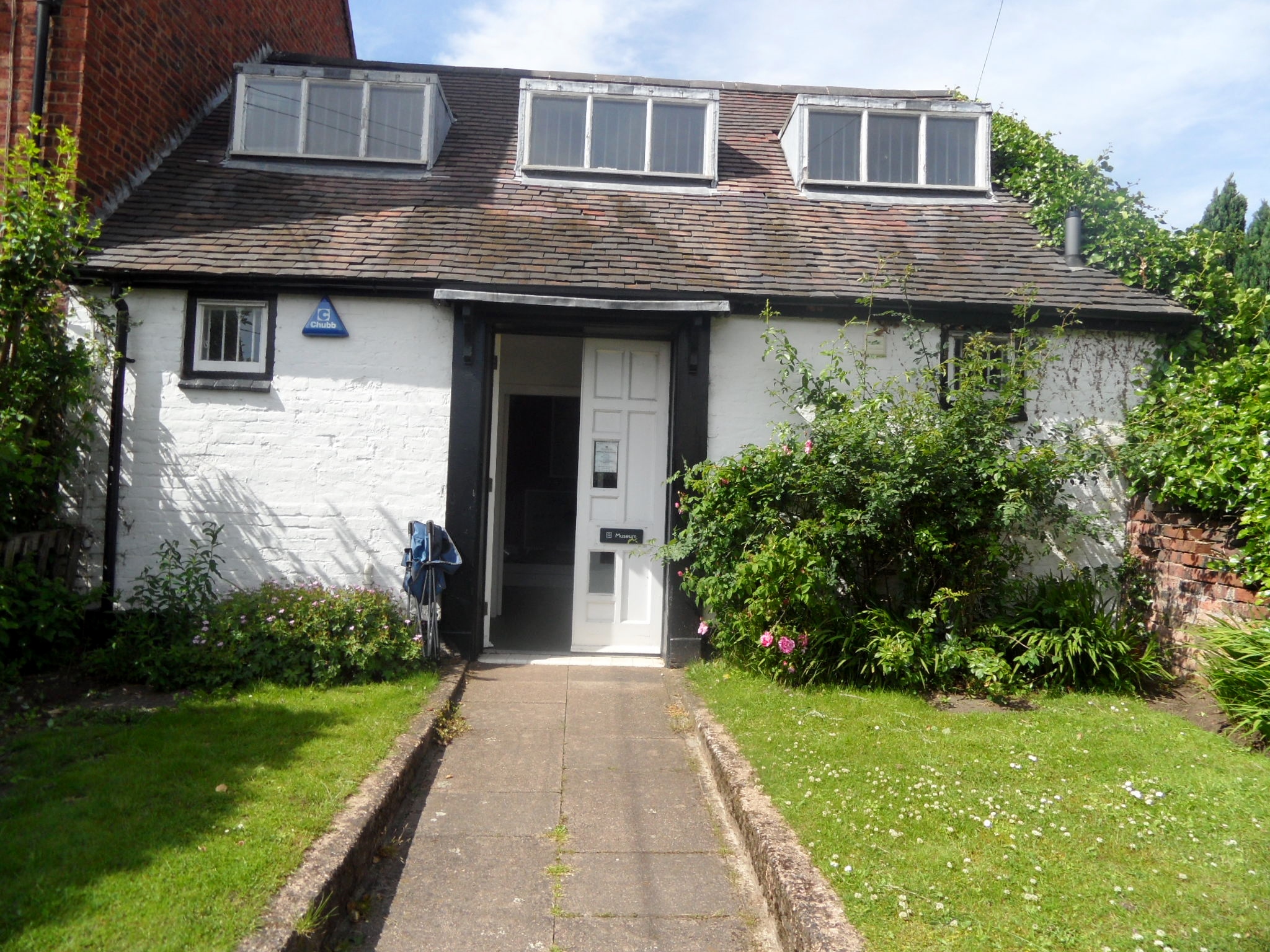
Entry is free but the museum is only open on certain weekends so check first!

Thanks to archaeologists like Mr Gould and others, a great deal of the history and significance of the site has already been discovered, although it seems there are still plenty of crop marks and questions out there (including the relationship between Letocetum and what was to become Lichfield) to keep future generations of archaeologists busy. However, just as sunny days ideally shouldn’t be spent shopping on retail parks, places such as Wall ideally shouldn’t be explored through words and photographs along, but physically instead. The museum even has a collection of objects you can touch! Instead of using this post to further summarise the history of the site (especially as others will have done a far superior job elsewhere!),  I’d rather encourage you to go and have a look for yourself.  In case you need any further convincing, entrance to the ruins and the museum is free and the heritage leaflet I picked up there was worth every one of the 20 pennies I paid for it.

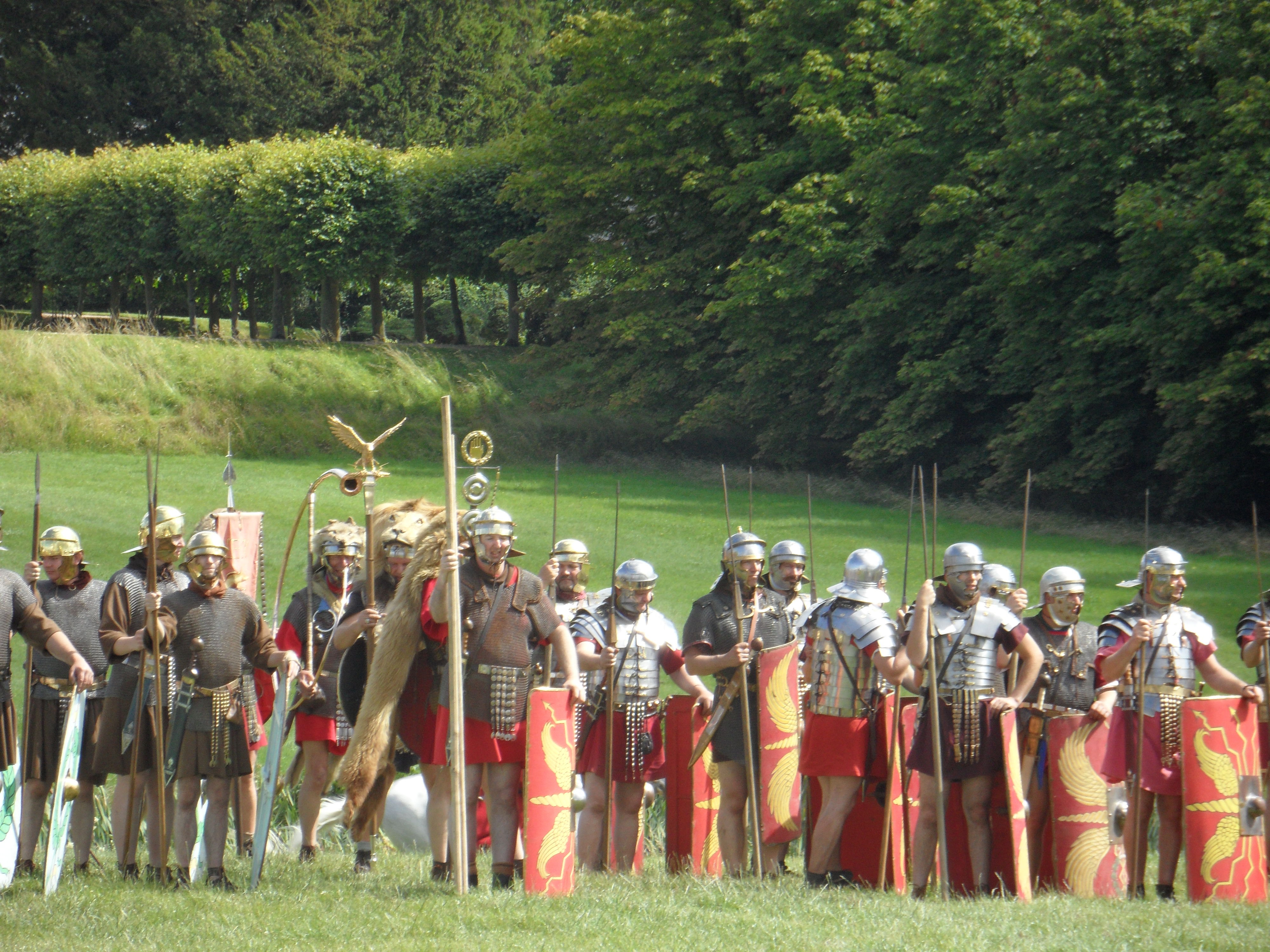
Slightly gratuitous photo of Roman army re-enactors, English Heritage Festival of History 2011

Sources:

(1) http://www.sahs.uk.net/Volume%20XXXIII.pdf

Wall Heritage Walk

Pastscape Record for Letocetum