Bench Marked

Public benches can be found all around our parks and along our city streets. As well as being places to sit (or lie down, although I’ve never found them that comfortable) and rest, read, drink, chat, canoodle, sleep, picnic or daydream, they are also often places where people choose to commemorate a loved one, a group of people or an event, via a small plaque or inscription.

Workhouse BenchOn the current Google street view there is a chap with a stick having a rest on this bench on the corner at St Michael Rd. I suspect he, like most other people, hasn’t even thought about why it’s there. Why would he? It’s just a bench. You may not have even have noticed it is there. There’s no plaque reminding you to sit a while and enjoy the view of Aldi and the churchyard, and facing onto the busy Trent Valley Rd, it’s not the most serene of spots.

I probably wouldn’t have taken any notice of it either had it not been for Bob Houghton (of the Burntwood Family History Group) telling me about a conversation he’d had with a woman who had lived all of her long life in the Trent Valley Road area. She remembered a time before the NHS, when St Michael’s Hospital was still the Workhouse (officially known as the Lichfield Public Assistance Institution from 1930s, but no doubt still known by the majority by its former name and reputation), and told Bob how some of the elderly residents would take a stroll around the area (according to ‘This Won’t Hurt Much’, in 1937 the Master, Mr Standing had put forward a recommendation that male patients over sixty should be allowed out between 6 and 8pm on summer evenings). Apparently at some point, the authorities decided to provide a bench for them to rest their weary legs and although the Workhouse and its successor the Public Assistance Institution are long gone, this bench (not the original bench sadly) still remains in that position. Perhaps it’s still well used by folks making their way to and from appointments at the new Samuel Johnson hospital opened near the site of the old Workhouse in January 2007?

From now on, I’ll always think of this story when I pass, and share it if I happen to be with someone. Perhaps there should be a plaque here to tell people of its origins? Maybe, but I imagine that plaques require permission and money. Sharing stories with each other costs nothing but it keeps them alive. There’s no paperwork to fill in either.  If even the position of a bench has a story to tell us, then who or what else could?

Entrance to the former Workhouse on Trent Valley Road
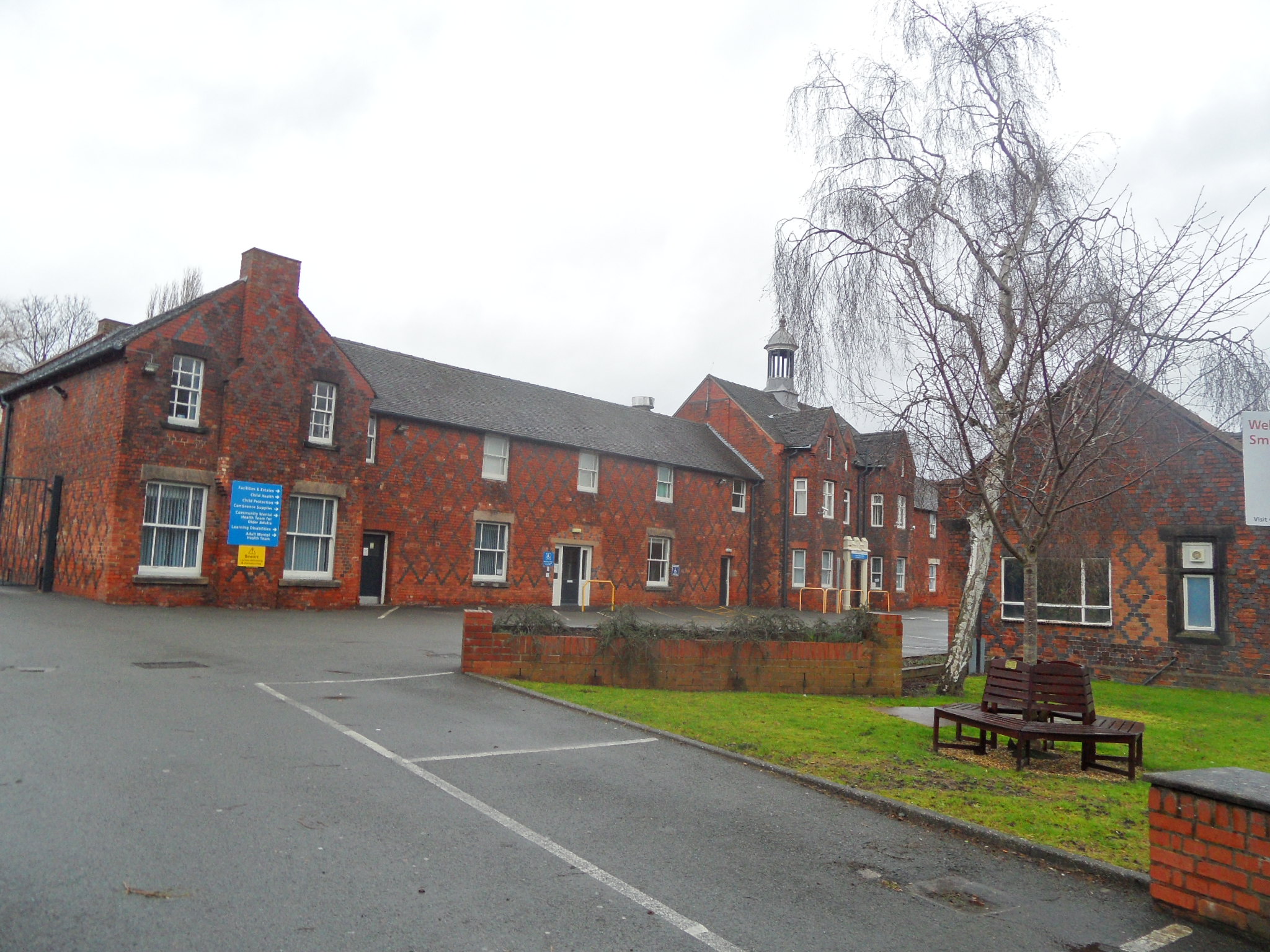
Entrance to the former Workhouse on Trent Valley Road

Buildings at St Michael's Hospital, former Workhouse

Buildings at St Michael’s Hospital, former Workhouse

Behind the former Workhouse

Behind the former Workhouse

Sources:

This Won’t Hurt: A History of the Hospitals of Lichfield, Mary Hutchinson, Ingrid Croot and Anna Sadowski
With thanks to Bob Houghton for sharing this story with me
 

This Ain't A Love Song

I’ll sing you a song about two lovers,
Who from Lichfield town they came, 
The young man’s name was William Taylor,
The lady’s name was Sarah Gray

So begins one version of the ballad ‘Bold William Taylor’ in which William leaves Lichfield to go and fight a war.  Sarah doesn’t get on well with her parents and so decides she too will become a soldier in order to be reunited with her true love. She disguises herself as a sailor but after suffering a wardrobe malfunction aboard the ship she is working on, it becomes apparent to the captain of the ship that she is in fact a woman. Understandably curious, the Captain wants to know what she’s doing on board his ship and Sarah explains that she’s there looking for her lover. The Captain gives her the devastating news that William Taylor has gone off and married a rich young lady but tells her that if she rises before the break of day she’ll find him out walking with his new wife. Sarah does just that and, on spying the happy couple together, calls for a sword and pistol and shoots William dead. In this version, the Captain is so impressed he puts Sarah in command of the ship and all his men. All’s fair in love and war? There’s a great performance of the song by Jim Moray here on YouTube.

As I’m quickly discovering, establishing the origins of folk songs and ballads is nigh on impossible. It seems this may have originated in Lincolnshire but why Lichfield was chosen as the home town of the unhappy couple is a mystery and to confuse matters further, in some versions, Lichfield isn’t mentioned at all. Of course, I wanted to know if there were any more songs or ballads that mentioned Lichfield. I found that the Bodleian Library has a huge, searchable archive of over 30,000 broadside ballads. According to them, ‘Broadside ballads were popular songs, sold for a penny or half-penny in the streets of towns and villages around Britain between the sixteenth and early twentieth centuries. These songs were performed in taverns, homes, or fairs — wherever a group of people gathered to discuss the day’s events or to tell tales of heroes and villains’.  I was really pleased to find that the collection includes several political ballads relating to Lichfield elections in the eighteenth and nineteenth century.

Apparently, these broadside ballads didn’t have their own music, but came with a suggestion of a well known tune that they could be sung to. I’m reading them with an image in my head of people stood around in the Ye Olde City’s pubs and taverns rowdily joining in with lines like,

With the help of Dick Dyott
We’ll keep ’em all quiet
And soon cool their Courage, and Fire:
If I give up this place
May I ne’er show my face
Till I’m hang’d by my Toes on the Spire

The above lines come from a sheet dated 1799 (it has the year handwritten on it). However, this can’t be right as on the same page is the story of Sarah Westwood, a Lichfield woman was executed for murdering her husband, a nailer from Burntwood, in January 1844. If you want to read the full story of the case it’s well documented elsewhere, especially as Sarah was the last woman to be executed at Stafford Gaol. The inclusion of scandals and sensations such as this, along with the songs have led to many describing them as the tabloids of their day. You can search the Broadside Ballad archive yourself here.

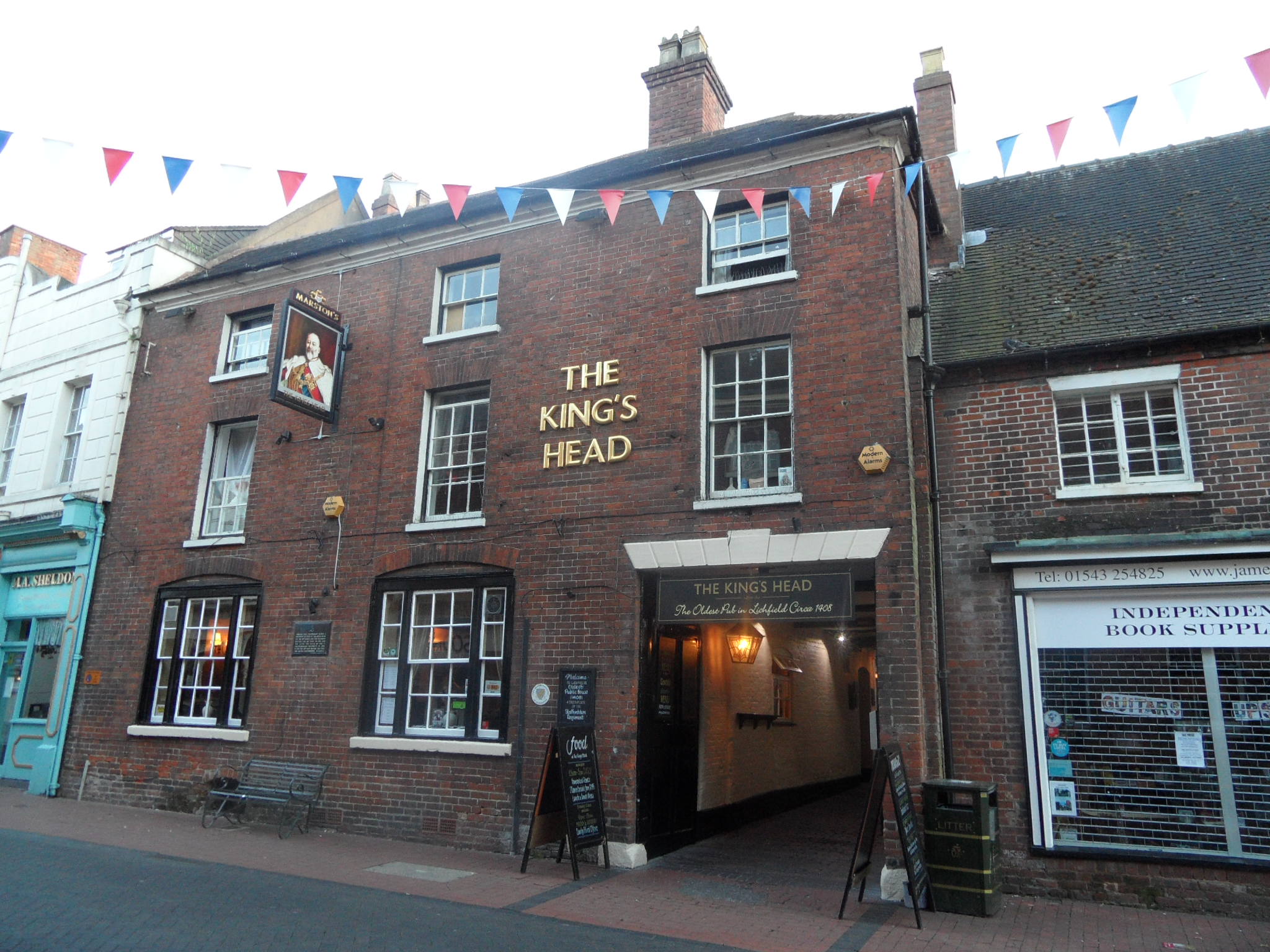
King's Head

As I’ve said before, we often focus on the visual changes of places, but the sounds change as well. I’m thinking that with its mixture of traditional songs, contemporary folk songs, drinking songs, ballads, humour, monologues and poems, the Folk Singaround at the King’s Head looks like a great way to get an idea of what our pubs may once have sounded like and hope to get down there for one of the sessions soon.

Something Old, Something Neo

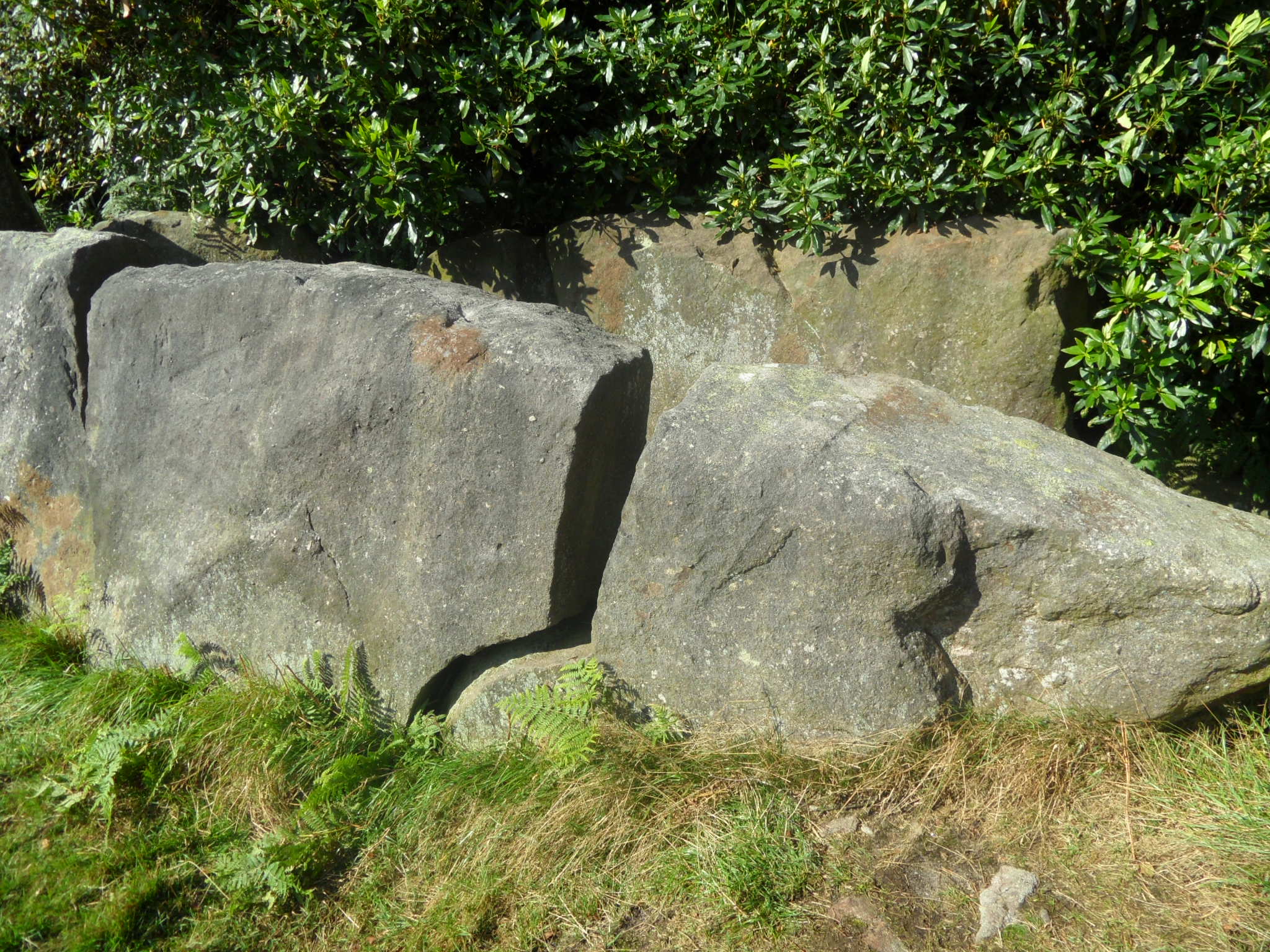
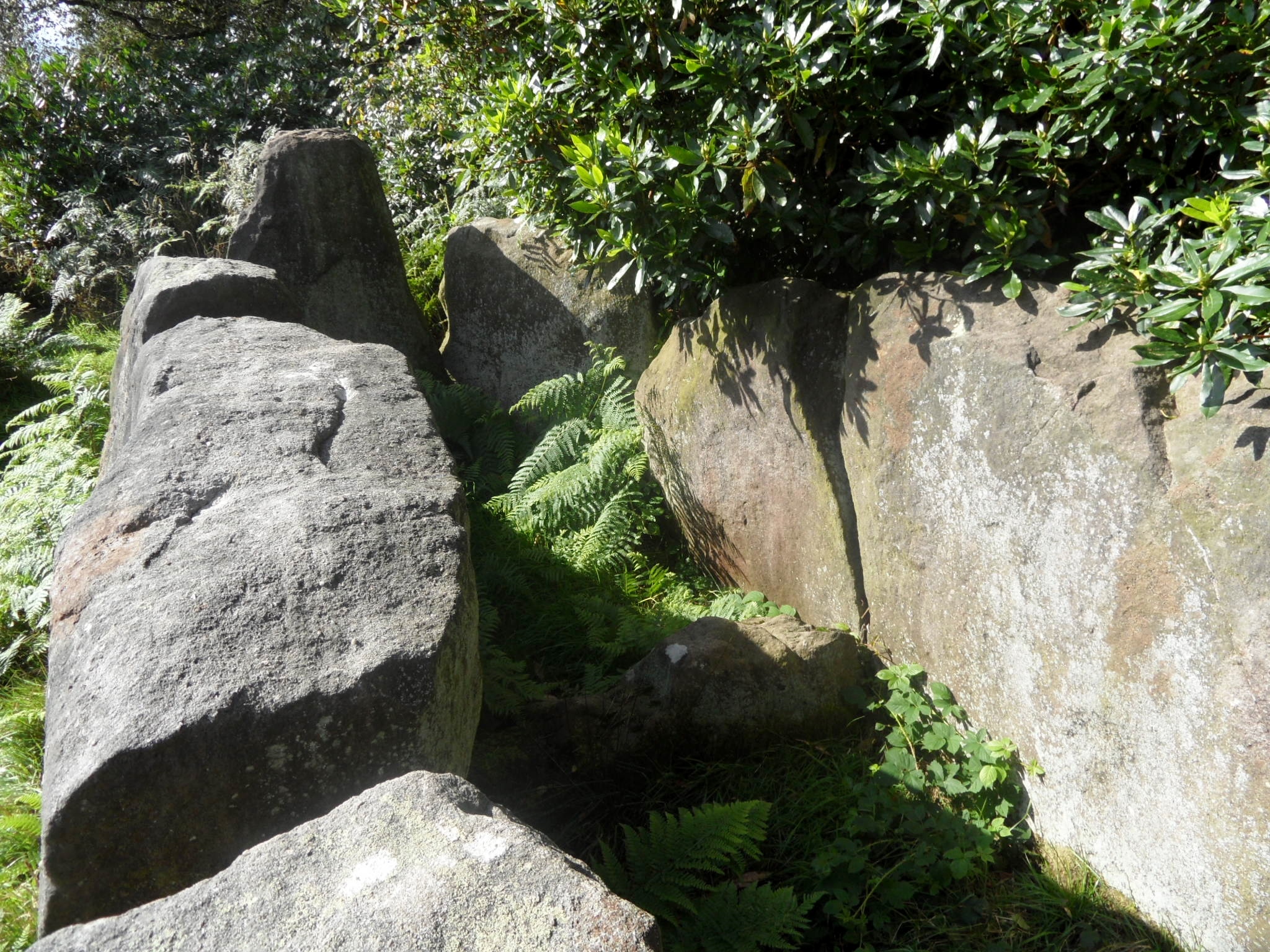
At the end of the summer I went with friends to visit the Bridestones. Admittedly, this Neolithic burial chamber is a fair few miles from Lichfield and technically is not even in Staffordshire but definitely worth an excursion both in real life and also, I hope, via the blog.

The Bridestones are thought to be somewhere between six thousand and four thousand years old. When you think that the estimate for the monument’s age alone covers a range of around two thousand years, you realise just how little we can be certain of and how vast the time scales are when it comes to ‘prehistory’. It’s an absolute wonder that these stones are still standing, and all the more remarkable when you read of their treatment in the past. Back in the eighteenth century, the site was regarded as a convenient quarry and was plundered for its stone, some of which was used to build local houses and some of which was taken to build the nearby toll road, as described in Henry Rowlands’ 1766 Mona Antiqua Restaurata

There was a large heap of stones that covered the whole an hundred and twenty yards long, and twelve yards broad These stones have been taken away from time to time by masons and other people for various purposes. And in the year 1764 several hundred loads were carried away for making a turnpike road about sixty yards from this place which laid it open for examination.


There are also rumours that some of the stone can be found in the ornamental gardens at Tunstall Park, which was opened to the public in June 1908. I’m a little sceptical about this but it does once again raise that interesting idea of recycling materials from older structures. The stones are said to have sustained yet more damage in the nineteenth century, both accidentally, when a fire lit at the site caused the stones to crack, and deliberately, when an engineer working on the Manchester Ship Canal supposedly demonstrated how detonation worked on one of the larger stones.

When trying to understand sites like the Bridestones, we look to archaeology to provide us with answers. The Stoke on Trent Museum Archaeological Society have a fascinating report on their website which contains drawings of what the Bridestones may have looked like back in the eighteenth century together with details of the archaeological investigations which have since taken place and what they can tell us about this ancient structure. You can read it here. However, as well as evidence provided by science, I also enjoy the folklore and myths that grow up around sites like the Bridestones. There are stories that they mark the resting place of a murdered pair of newly weds, a Saxon woman and her Viking groom. Others say weddings once took place here. Was the name ‘Bridestones’ given to the site to reflect these stories, or were they invented to explain an already existing name? I think it’s worth considering that stories were (and still are) ways of sharing and passing on information and that perhaps sometimes this information might yet be contained within such stories, however naive and implausible they seem upon first listen.

As I mentioned at the start, the Bridestones sit on the Staffordshire/Cheshire border, just inside the latter county. There’s a boundary stone very close by on the drive leading to the site and surely it was due to the presence of the Bridestones themselves that the border was established here in the first place, acting as a memorable boundary landmark. Why did our ancestors chose to erect their monument at this particular spot in the first place though?

Despite being ransacked and not looked after properly over the years, this is still an incredible place and you should definitely take the time to hop over the border and pay this old Cheshire couple a visit.

A Dance to the Music of Time

Hot on the hooves of Lichfield’s Sheriff’s Ride comes another ancient Staffordshire tradition – the Abbots Bromley Horn Dance. No one knows just how ancient though. The earliest written record of the dance seems to be from Dr Robert Plot’s ‘Natural History of Staffordshire’ in 1686, yet the reindeer antlers themselves have been carbon dated to around one thousand years ago.

The Horn Dance c.1900. Apparently the splendid costumes are a Victorian invention. The original costumes were made by the vicar’s daughters from old bed curtains! The latest set of costumes were created at the turn of the millenium. On the subject of costumes, I love that the man dressed as a woman is wearing his shirt and tie beneath his!
Image from Sir Benjamin Stone’s Pictures – Festivals, Ceremonies and Customs. Published by Cassell & Co. London. 1906 (taken from Wikipedia)

Last night, we arrived as the dancers were weaving their way around the back lanes of Abbots Bromley, and so we settled for a while in The Crown and awaited their return to the village green. Outside the crowds were entertained by the Lichfield Morris Men and the Beggars’ Oak Clog Dancers amongst others. Sitting there in the pub I saw horns everywhere – antlers on the village sign, antler inspired light fittings and, sitting on a bench opposite, a man wearing furry antlers. We rejoined the crowd, as the dancers made their way up the High Street, taking up their position outside the Crown to applause. At first it’s the horns that command your attention – they’re enormous (apparently, the largest set weighs over 25lbs). Then gradually your peripherary vision kicks in and you spot the other characters – a man dressed as a woman, the young boy shooting the hobby horse, over and over again and the musicians accompanied by a child playing the triangle. Fortunately, I managed to avoid the Fool and his fertility aiding pig’s bladder…

In ‘England in Particular’, the authors describe the dance as both unsettling and reassuring. I know what they mean. What you’re watching has a significance that no longer makes much sense to our modern eyes, its symbolism like some long forgotten language. Yet there’s also something very British and familiar about the occasion in the scout tent set up over on the green, selling curry to the beer drinking crowds chatting together beneath umbrellas.

If this is a pagan fertility ritual, it seems to get along well with Christianity these days. The horns are kept in St Nicholas’s church for 364 days a year, and before the horns are taken out on their annual excursion around the village there is a short blessing. The dance is performed outside the Abbots Bromley throughout the year but I understand that a second set of horns are kept for this purpose, these original horns never leave the village. There is a great story in a book on the dance by Jack Brown of the English Folk Dance and Song Society that I bought from the Oxfam bookshop. Apparently, in the 19th century, the dancers took a set of elk horns dancing in Burton and having consumed quite a lot of rum, managed to lose them. Some say the horns were stolen; others say the dancers decided they were too heavy and deposited them into the River Trent so they didn’t have to carry them all the way back to Abbots Bromley.

It’s fantastic to have such a unique tradition taking place just ten miles or so up the road from Lichfield and although I’ve popped a few (rubbish) photos on here to give you an idea, it goes with out saying that there’s nothing like going along and experiencing it for yourself. So, put it in your diary for the next Monday after the first Sunday after the fourth of September 2014!

Note – I could claim that the blurriness of the dancers and musicians on the following photographs is an artistic statement on the passage of time or something, but in actual fact they’re just really BAD photos! Anyway, the chap with furry antlers is on one of them which warrants its inclusion.

Sources:

England in Particular by Sue Clifford and Angela King

The Abbots Bromley Horn Dance by Jack Brown

Cornercopia

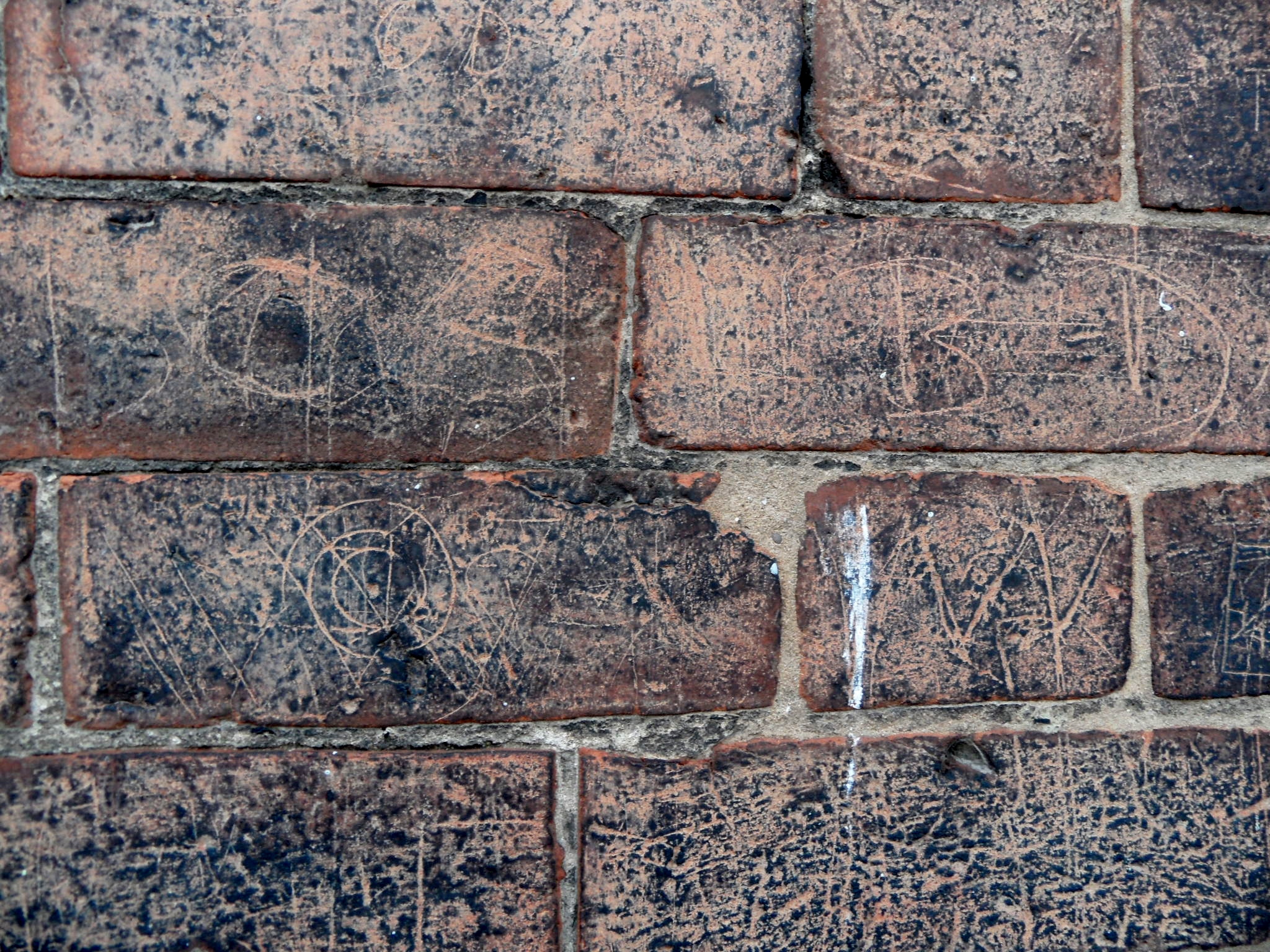
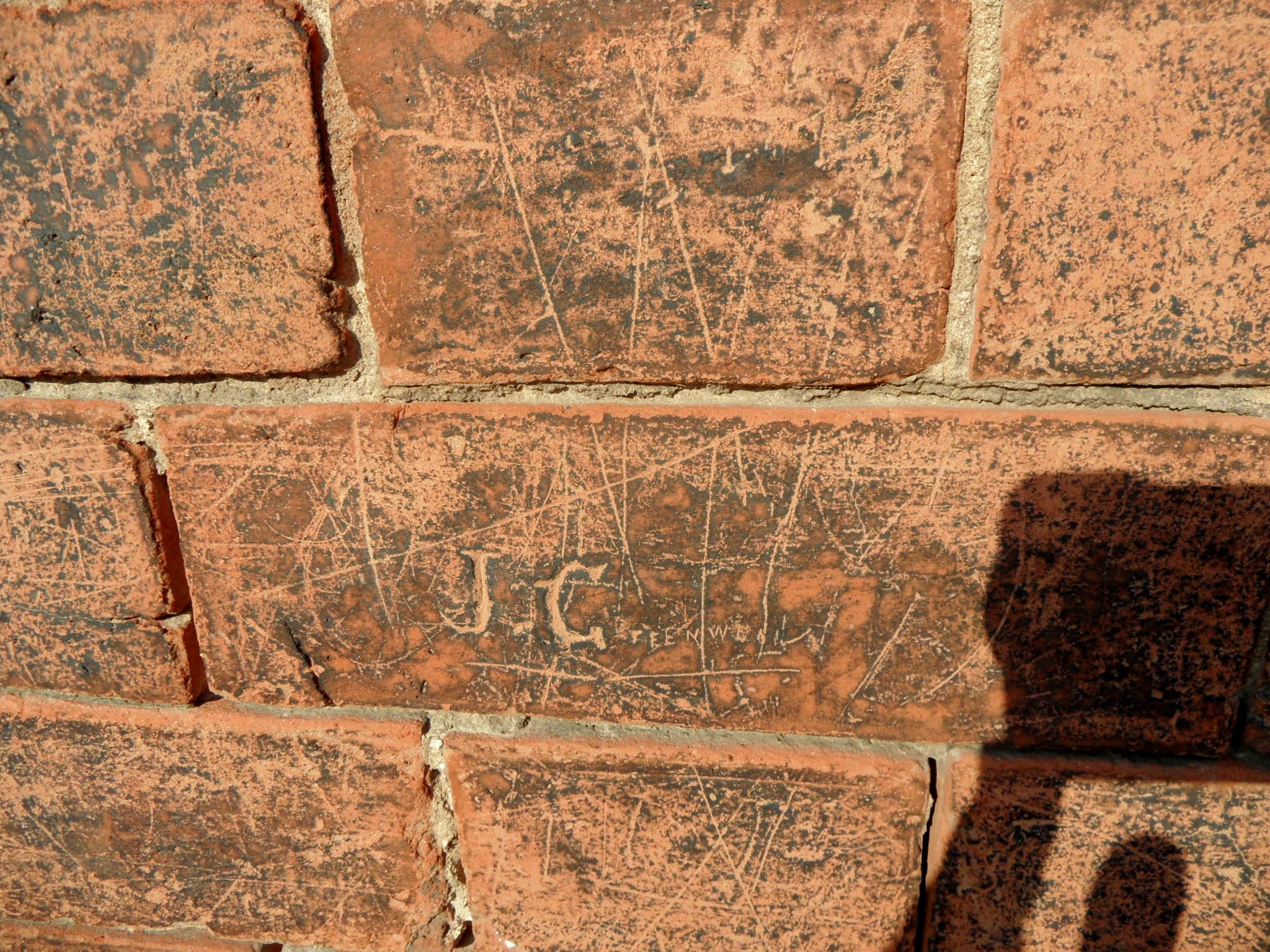
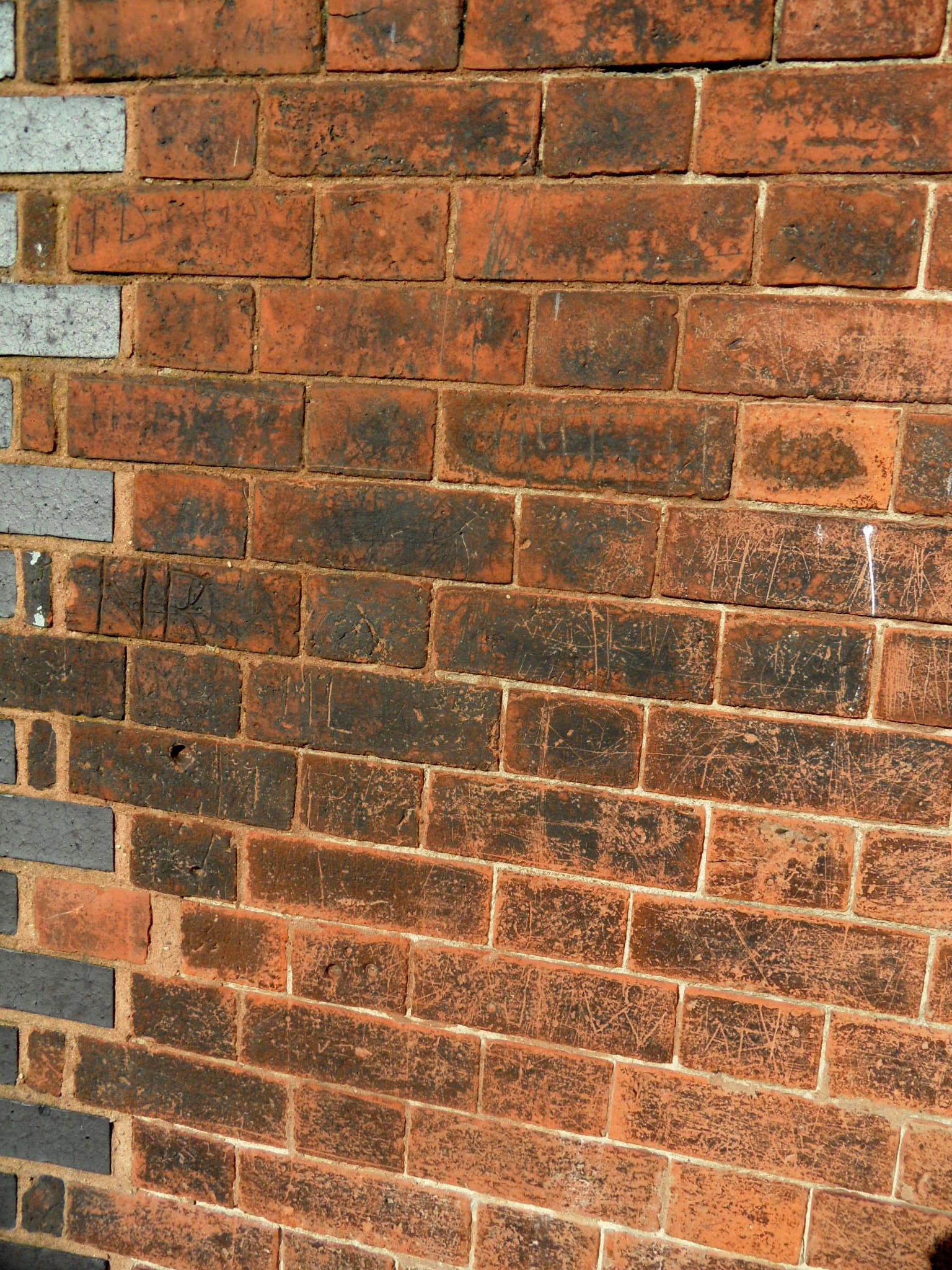
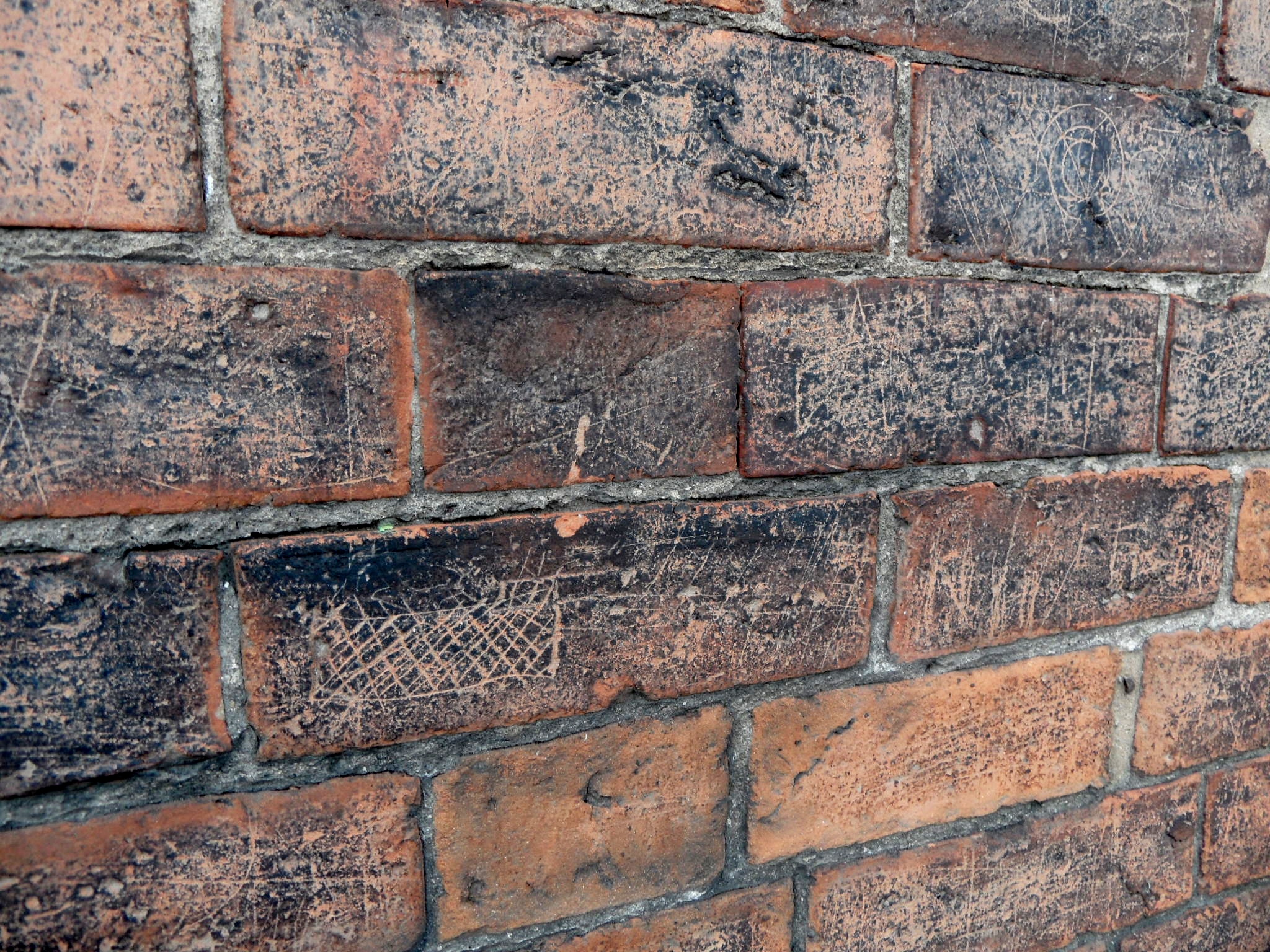
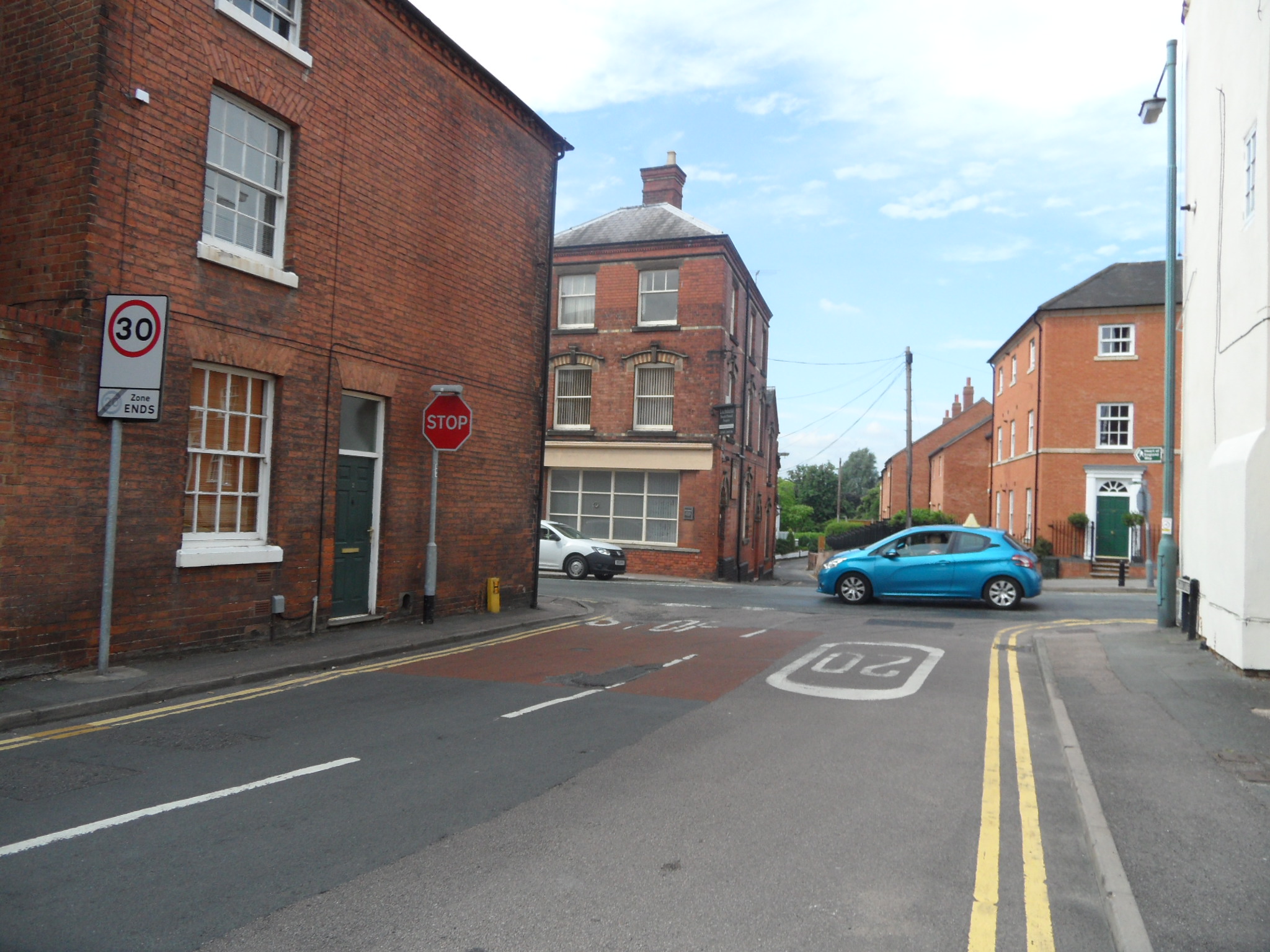
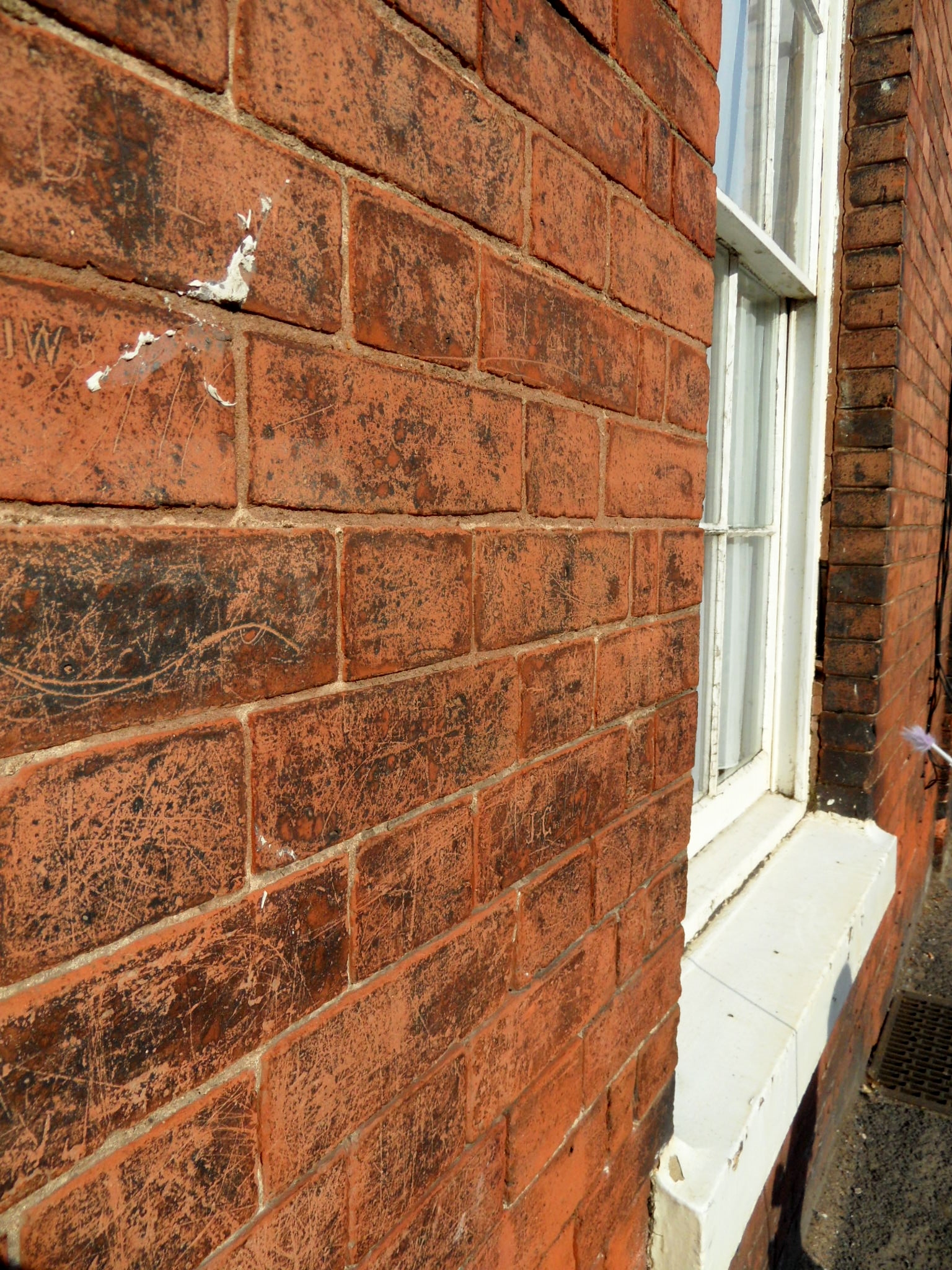
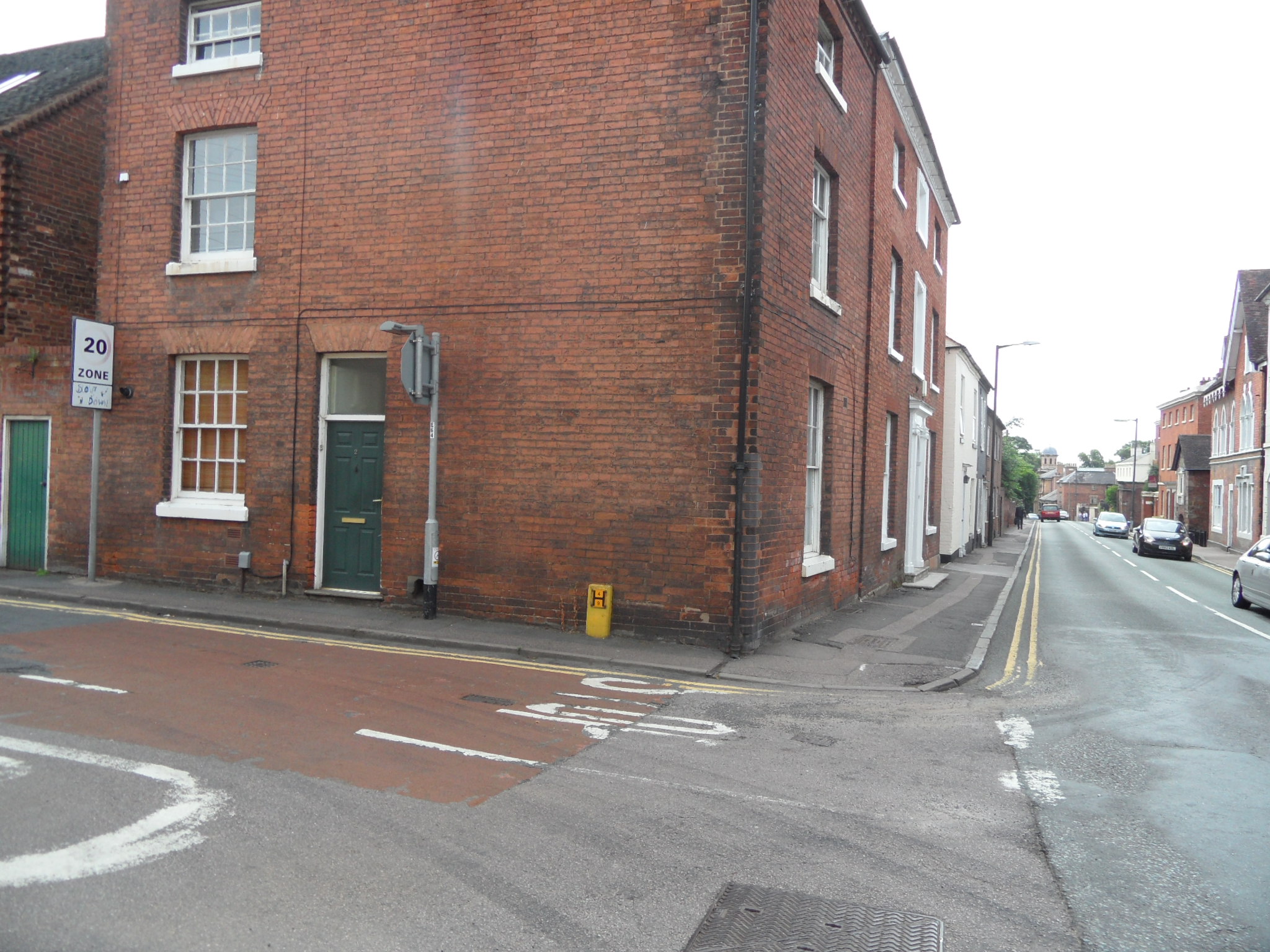
Last week we went to the George and Dragon on Beacon St. After an outstanding pork pie washed down by a cheeky half, it was time to leave. On heading back towards the park, I noticed that the building on the corner of Beacon St and Gaia Lane was covered in graffiti albeit nothing of particular note, just patterns and the usual initials. However, I had a look in both directions and couldn’t see anything similar on the bricks of the adjoining buildings and so I’m curious.  Why this particular building? Is it due to its proximity to the pub, is it simply because it’s a corner where people would wait (for something or somebody…) or do you think there another reason?

The building on the corner of Gaia Lane/Beacon St opp. the George & Dragon


Underneath The Arches

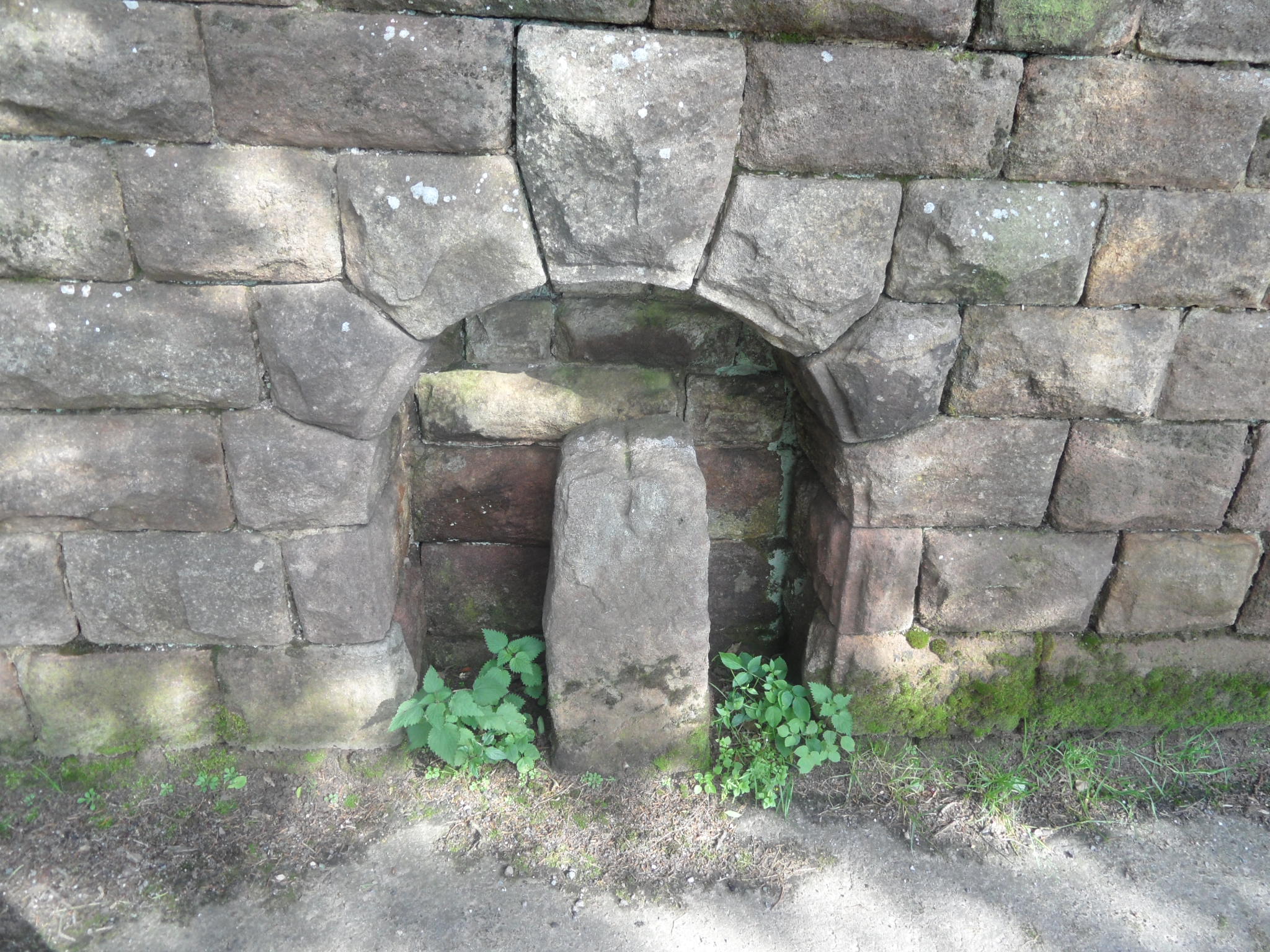
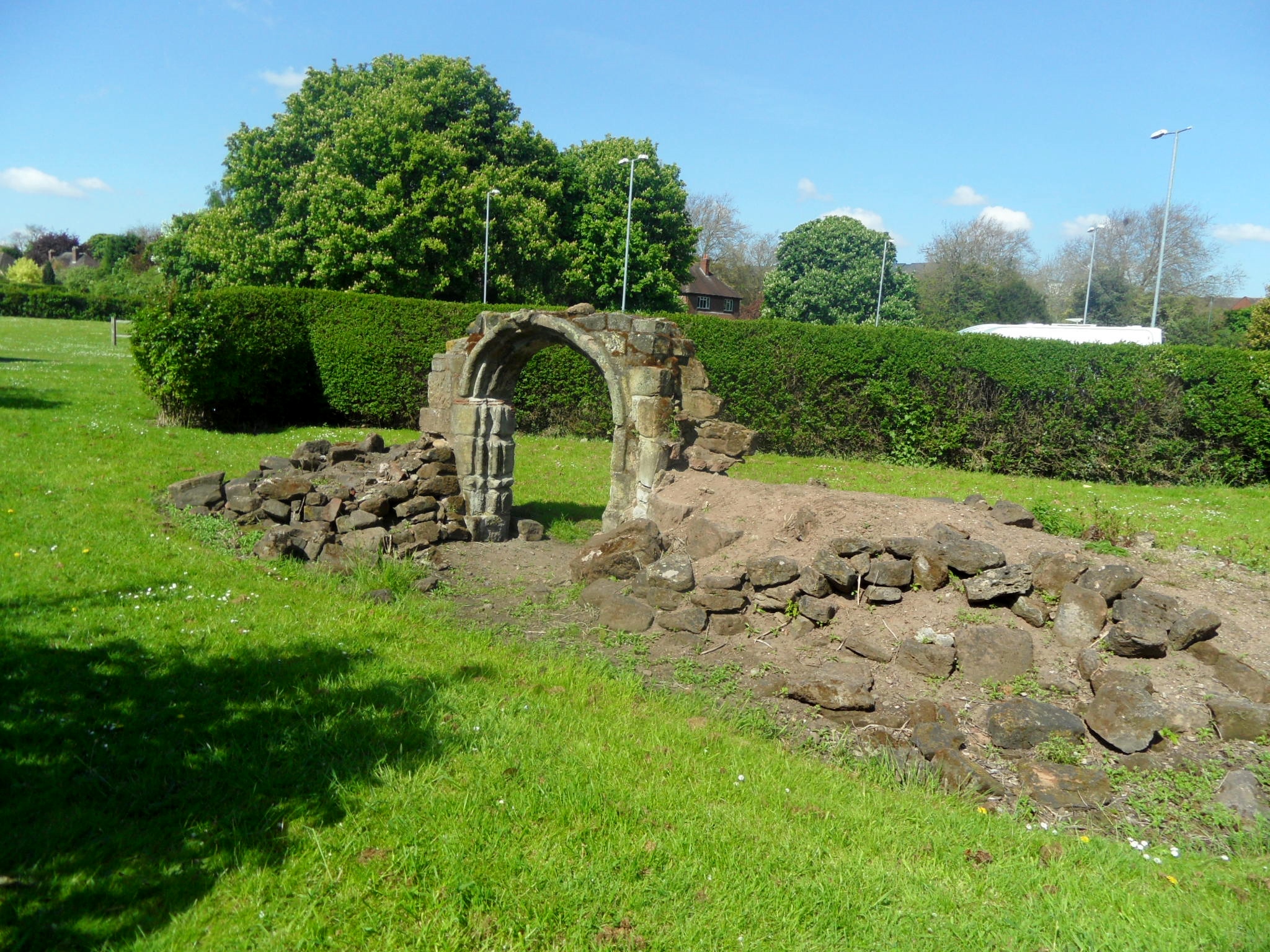
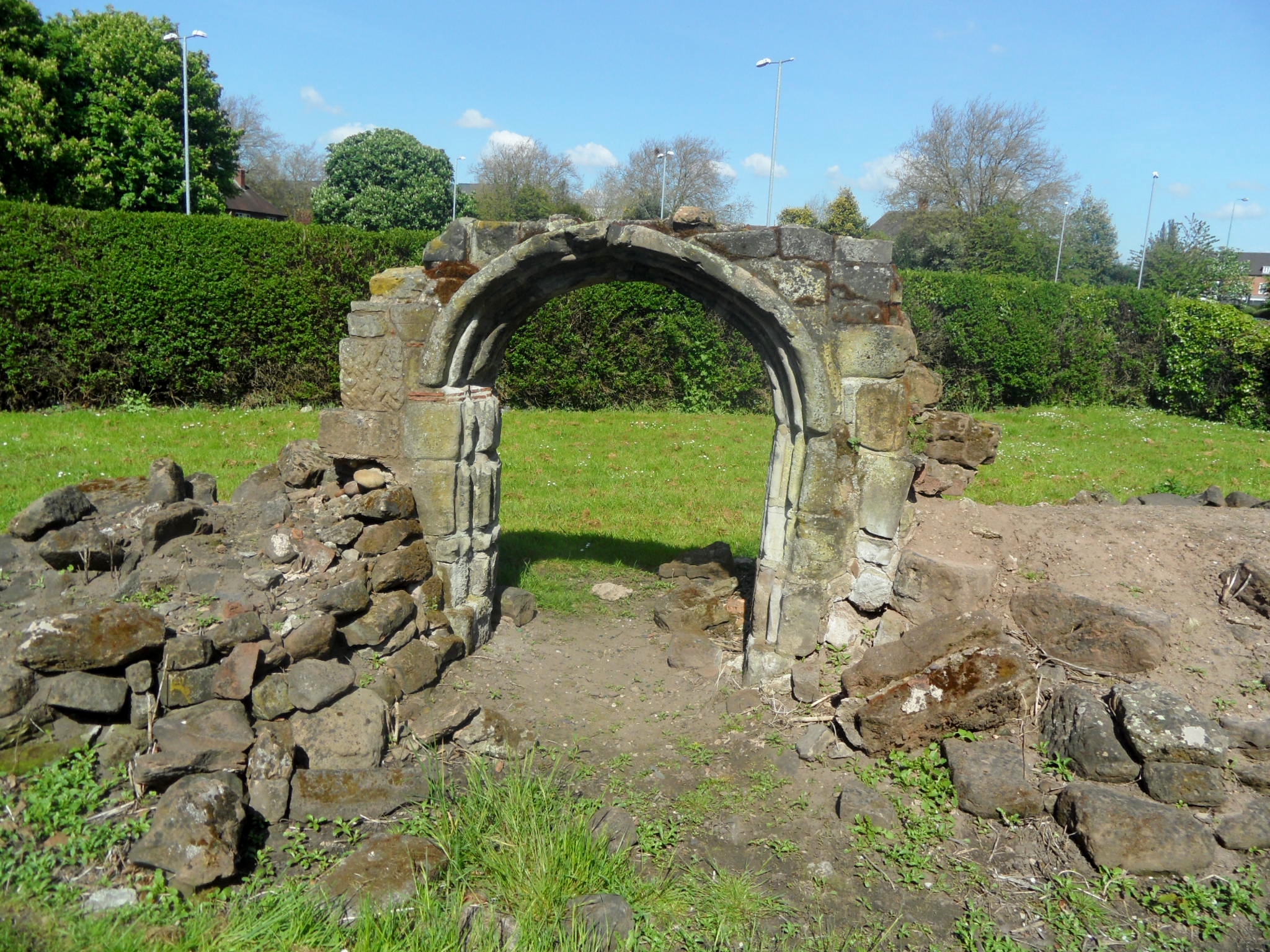
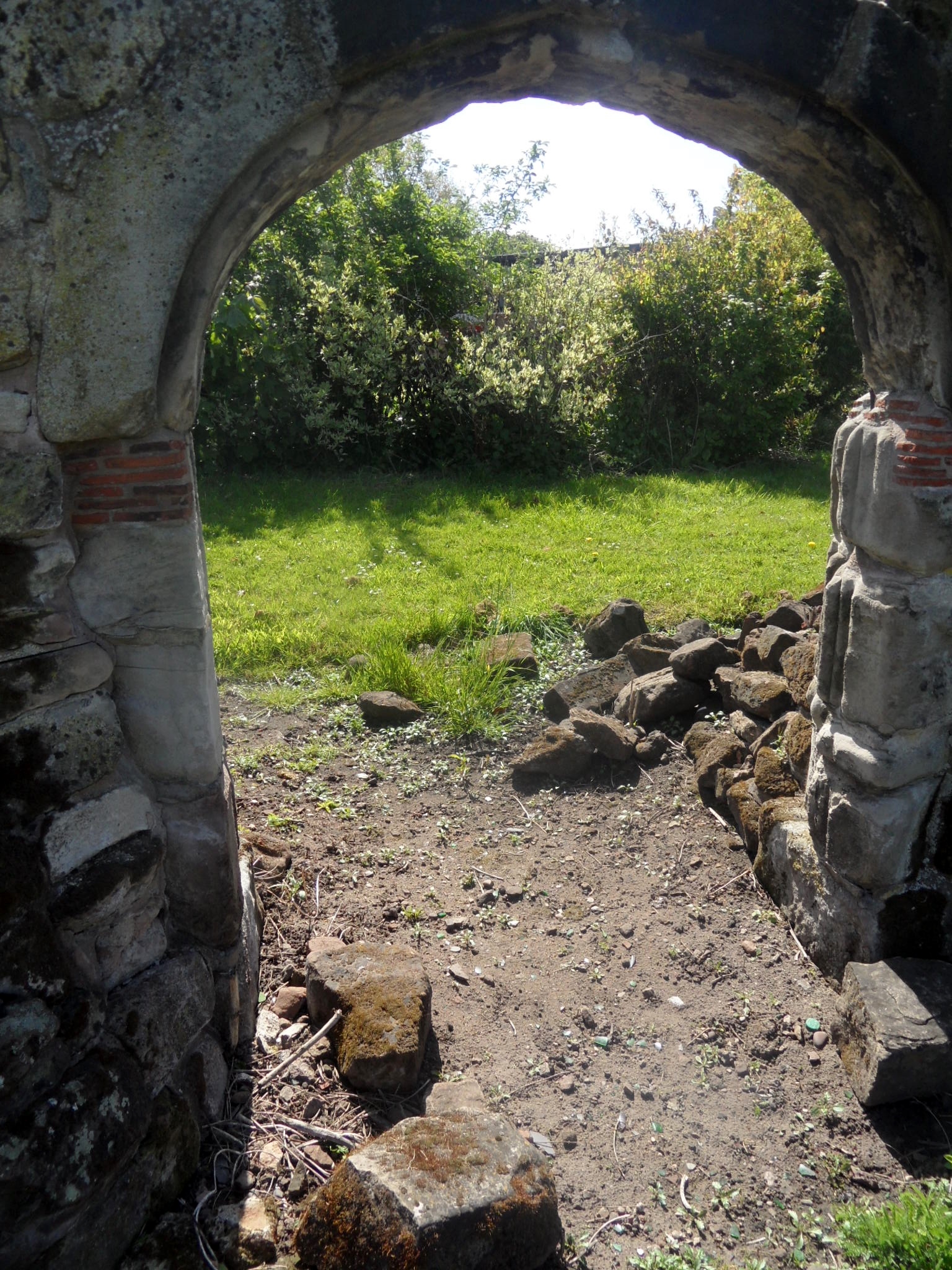
A stone arch stands in the grounds of the Lichfield Campus of South Staffs college and I’ve never been sure whether it is a folly, or part of the Franciscan Friary which once stood on the site. According to a book on the history of the Friary School (1), the arch was discovered in the walls of outbuildings taken down to make way for the new Friary Road in the 1920s. Apparently, it was incorporated into the staff entrance to the school, which used the buildings now occupied by the Library from the 1920s until the 1980s.  A former pupil describes the arch as standing on the lacrosse field during her time at the school. Inevitably, over the years the imagination of school children and the history of the site have combined to create legends and stories, including one about a ghostly monk that people are said to have seen passing through the arch.

Another intriguing discovery made nearby during the 1920s was the gravestone of Richard the Merchant. Actually, rediscovery would be a more accurate description, as the stone had first been uncovered in 1746, when a former owner of the Friary was laying the foundations for a garden wall.  Thankfully, sketches were made of the stone and its inscription as nowadays, its markings can be barely made out and the stone itself is even more hidden away now than when I wrote this post about it back in July 2011.

Tombstone of Richard the Merchant,now in the wall of Lichfield Library

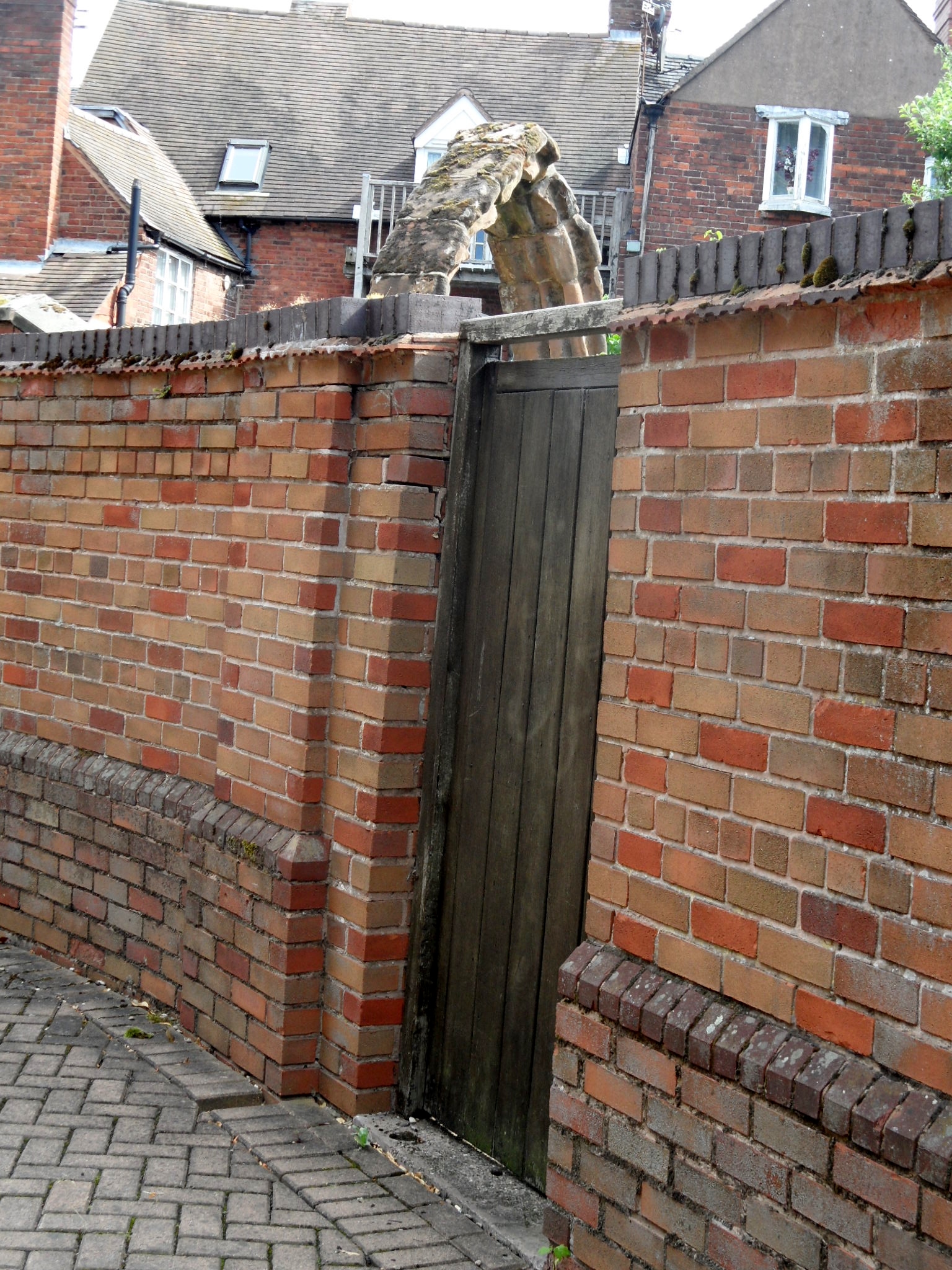
Today I was walking between Dam St and the Bird St car park (which I still call the Woolworth’s car park despite that shop not having been there for years), when I caught a glimpse of what seems to be another arch, over a garden wall which must belong to one of the properties on Dam St. Does anyone have any information on where this arch is from, and why it is here? And of course, if anyone has any stories of ghostly Lichfield residents walking through this one, please let us know!

Notes:

(1) The History of the Friary School, Helen Mullins 1981

(2) I suppose it would actually be a friar, rather than a monk (there is a difference!) but as we’re talking ghost stories here it’s probably not the place to worry too much about historical accurancy!

Multi Story Huts

A while ago I wrote about the old scout hut in Leomansley, triggered by the chance discovery of an old girl guides badge in Moggs Lane (does anyone call it by that name these days I wonder? I’m going to try and resurrect it – it’s much better than calling it ‘the lane that runs past Martin Heath hall towards the football pitches’). The hut is believed to have originally been a cadet hut, from one of the first world war training camps on Cannock Chase.  There is a fantastic section on the Staffordshire Pasttrack website regarding the training camps, including a description of the huts themselves. After the war, many were sold off to towns and villages for use as village halls, workshops, and here in Lichfield, a youth club.

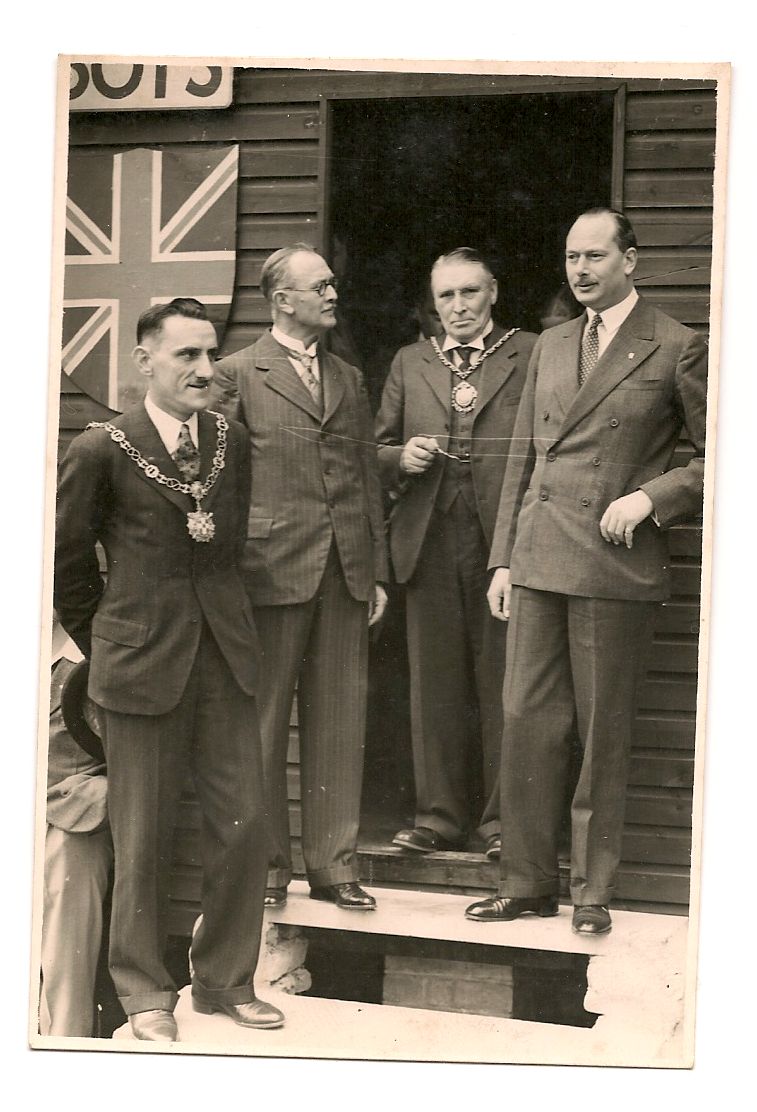
Colin Halfpenny sent me two photographs featuring his father, Frank Halfpenny, and other civic dignitaries welcoming the Duke of Gloucester to the hut in Leomansley in 1939. At the time it was being used at the headquarters of the Christ Church Boys Club on the Walsall Rd but was eventually taken over by the 6th Lichfield Scout Group. The hut was replaced by a new building in 2009.

Cllr Frank Halfpenny (the Sheriff of Lichfield), Alderman Tayler (the Mayor) and the Chairman of the Youth Club Committee stand on the steps of the hut with the Duke of Gloucester in 1939.

The Mayor, the Duke of Gloucester, Mrs Ballard, Mr A.N.Ballard (the Town Clerk), the Sheriff (Mr Halfpenny), the Sheriff`s Lady (Mrs Mary Halfpenny)  and the Mayoress

I have also started to read about Brindley Heath, where the abandoned huts of the military hospital were taken over by the West Cannock Colliery Company, providing homes for miners and their families until the 1950s.

Imagine the stories held within the walls of these simple wooden buildings – those of thousands of men, who called them home (possibly for some their last) as they trained for life, and in far too many cases death, in the trenches abroad.  Once peace was restored, there were new chapters in the stories of the huts themselves, with each one put to a new use amongst a different community.  As the centenary of the first world war approaches, I wonder if any of them are still around in our towns and villages, or have they all now been replaced?

With thanks to Colin Halfpenny for the photographs.

Edit: One of the huts may have been used at Snibston in Leicestershire, as a temporary residence for the Vicar whilst he waited for his new vicarage to be built. Also it appears that the memorial hall and men’s club at Glascote, Tamworth was also a former army hut.


Forge and Ford

As the afternoon’s weather in Longdon was not quite warm enough for basking in the beer garden of the Swan with Two Necks, I took myself off for a little wander. The pub has a late 19th century map mounted on the wall, and it shows that the building next door was once a smithy. I’ve always had a soft spot for these simple buildings, softened even further by the discovery that one of my ancestors was an innkeeper with a sideline in blacksmithing. One of these days I’ll stop romanticising about it and actually get around to visiting Cirencester to see whether the forge is still there.  For now though, back to Longdon, where in May 1918, the then blacksmith, a Mr T Broadhurst had decided to give up the business and was selling the tools of his trade. On offer was a grindstone on a iron frame, two circular double blast bellows (nearly new), a treadle drilling machine, two black staple vices and other useful tools. The building remained a forge until 1938 and now is home to the WI.

Something else that appears on the pub’s map is a ford, which as the name suggests, is at the end of this lane. I had a walk down and within minutes found myself alongside the Shropshire Brook. I stood for a while on the little footbridge watching tiny yellow birds flit between the trees and the water’s edge. Interestingly, on earlier maps this seems to be called the How Brook.

Fords “shine in the memory” according to the writers of England in Particular

I don’t know much about fords, other than they are a way of crossing streams and rivers, presumably at their shallowest points. Whilst reading up on them at home, I came across a surprising account of an event that seems to have taken place here or very nearby (1).

Sir William Wolseley … lost his life about the beginning of the last century* in a very singular manner. He went to Lichfield one morning about nine miles from his house in his coach and four and on his way passed a little brook which runs across the road at Longdon and which is so shallow that a foot passenger can easily step over it the water being kept up by a mill dam at some distance from the road. When Sir William Wolseley reached this brook on his return home in the evening the mill dam just at that instant suddenly gave way the water rushed across the road overturned the carriage and drowned Sir William with his horses. The coachman was thrown off the box into a tree and escaped.

*July 8th 1728 according to the inscription on the monument to Sir William in Colwich church

Could this these gently flowing waters really have caused such devastation? It’s hard to imagine. A reminder, I suppose, that whether it’s the fire of the blacksmith, or the water turning the mill wheel, we can manipulate the elements of nature, but we are never fully in control.

Sources

(1) – A topographical and historical description of the Parish of Tixall in the County of Stafford, Sir Thomas Clifford and Arthur Clifford Esq, 1817.


The Dunk Cow

Trying to find a bit more out about the old Dolphin pub in Bore St, I had a look through the newspaper archives. I did find one really nice snippet – at the grand opening of Lichfield’s Co-op in 1914, Councillor JR Deacon, who built the new Co-op on the site of the Dolphin, presented the chairman with a walking stick made from one of the old inn’s beams.

However, I confess that sometimes when trying to find information in old newspapers, I often find myself distracted. I am utterly incapable of passing by a story with an intriguing headline.  If you think you could stay focused after turning up ‘Antics of Mad Cow. Swam Stowe Pool Twice’ in a search, then I salute your willpower. I, however, needed to know more about these events immediately and thought I’d share the unusual story here.

Ducks but no cows. By the way, is this Johnson’s Willow (well its replacement anyway)?

In 1946, two young men were spending a quiet Monday afternoon fishing at Stowe Pool Suddenly, they noticed a cow swimming towards them. The heifer got out of the water, charged at them and then started swimming back towards Stowe St. However, something must have changed its mind, as the cow then decided to come back, charging at a policeman who had just arrived on the scene. By this time, the fishermen and the pool attendant, a Mr Boston, were hiding behind Johnson’s Willow. Deciding to make a run for it Mr Boston headed for the Boathouse and the two lads jumped over the hedge. Unfortunately, so did the cow. With PC King in hot pursuit, the poor beast ran up The Windings and into a field, where finally having calmed down, it stayed overnight, before ‘being removed’ the following morning (the Mercury reporter thought it had been destroyed). Where the cow came from, and what caused this odd behaviour is not known. For those involved, I’m sure that this was quite a frightening experience at the time, but I do wonder if, once the shock had subsided, it went on to become a favourite family story e.g. “Tell us about the time you got chased by a cow, Grandad…”?

By coincidence the story is actually linked to the previous post about the Dolphin in a way – the two young men were butchery assistants at the Co-op! From a dolphin in Bore St to a cow in Stowe Pool, I love how you just never know what story is going to turn up next!

Gathering Moss

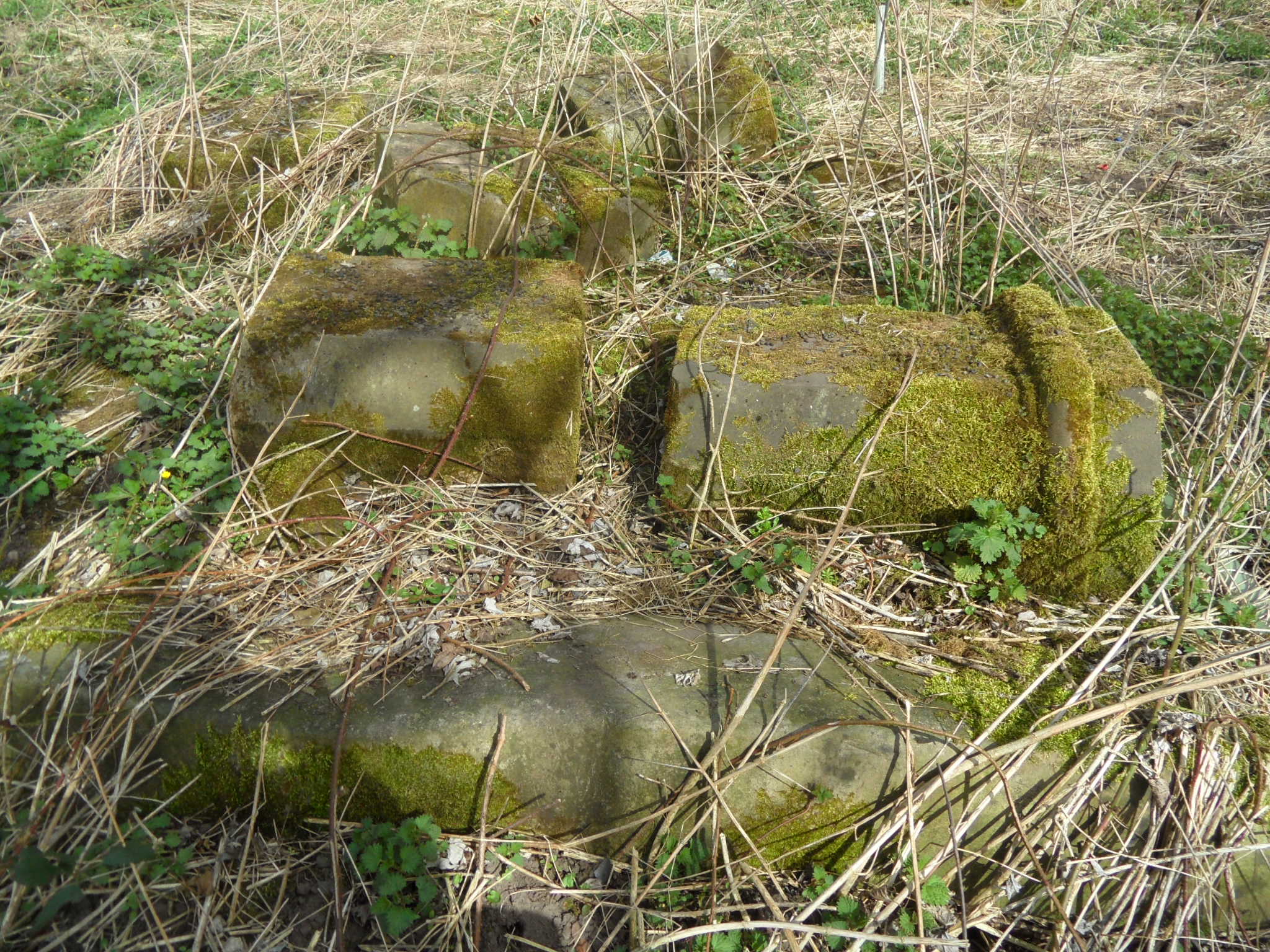
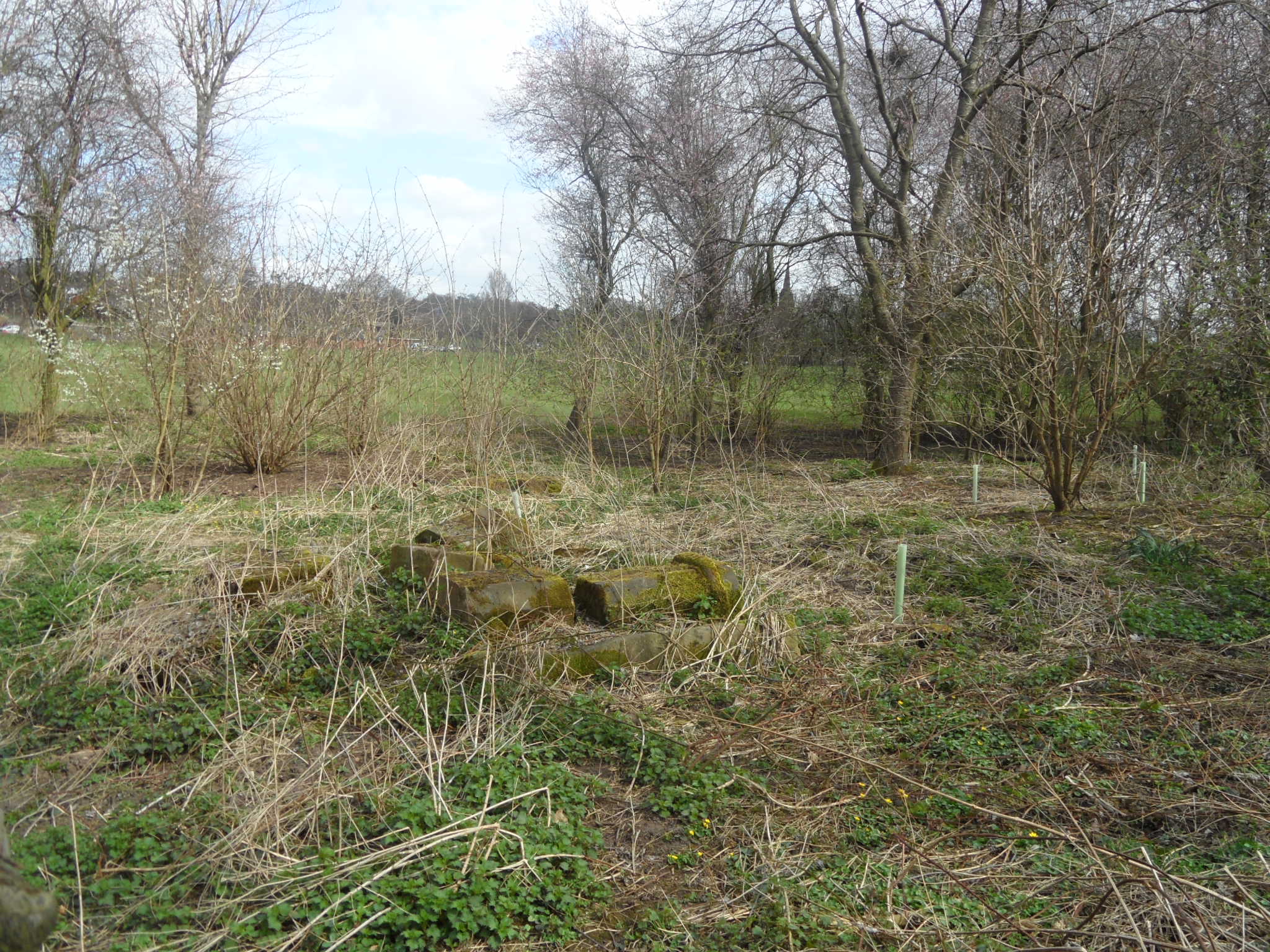
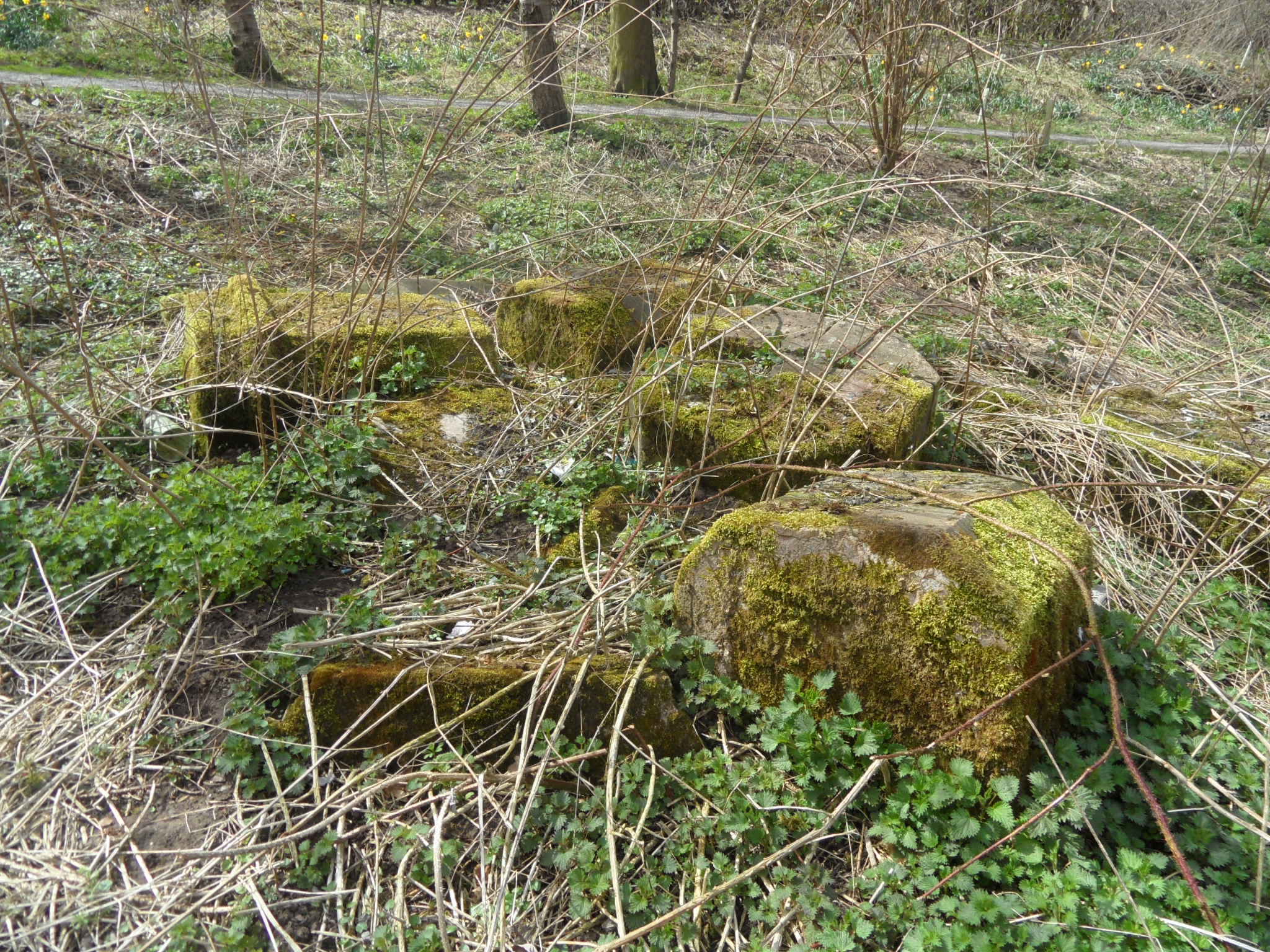
Walking around the edge of Beacon Park, I noticed a pile of moss covered stones in the undergrowth that I’d never seen before.  To me, they look like part of an old building, possibly pillars? It’s a long shot I know, but does anyone recognise them or have any idea as to where these pillars (if that’s what they are!) may have come from?

Whilst on the subject of ‘parts of old buildings found in unexpected places’, I have to mention my old favourite Fisherwick Hall. Back in January, I wrote an article for the Lichfield Gazette which mentioned that the hall had been demolished, but that parts of it had been reused elsewhere. After lying around for some years covered in moss, the pillars from Fisherwick went to the George Hotel in Walsall – you can read the great post written about the hotel by Stuart Williams of Walsall Local History Centre here. However,  I had no idea what had happened to the pillars, following the demolition of the hotel in the 1930s. Therefore, I was delighted when Paul (the editor of the Lichfield Gazette) told me that someone had contacted him, saying that some years ago he had seen them lying on a patch of ground near to the cricket ground in the Highgate area of Walsall. The gentleman described them as lying in pieces and covered with moss and lichen. Sounds familiar! Coincidentally, the site the gentleman described is a stone’s throw from where some of my relatives live, and so the next time I visited I went to take a look, but I had no luck in finding them. So near, yet so far….

Back to our Beacon Park stones, and someone from the Beacon Street Area Residents’ Association has very kindly said that he will ask the people in the know i.e. the Parks team and the Civic Society if they can shed any light on the matter. In the meantime, he’s left me pondering the fact that parts of the old bandstand and cycle track are also apparently also still around in the park somewhere…

Beacon Park bandstand c.1905
Source: Wikimedia Commons