Blue Sunday

My second ‘starting off at pub, and exploring the surrounding area’ type walk of the week, but this time with real life swans with just the one neck.

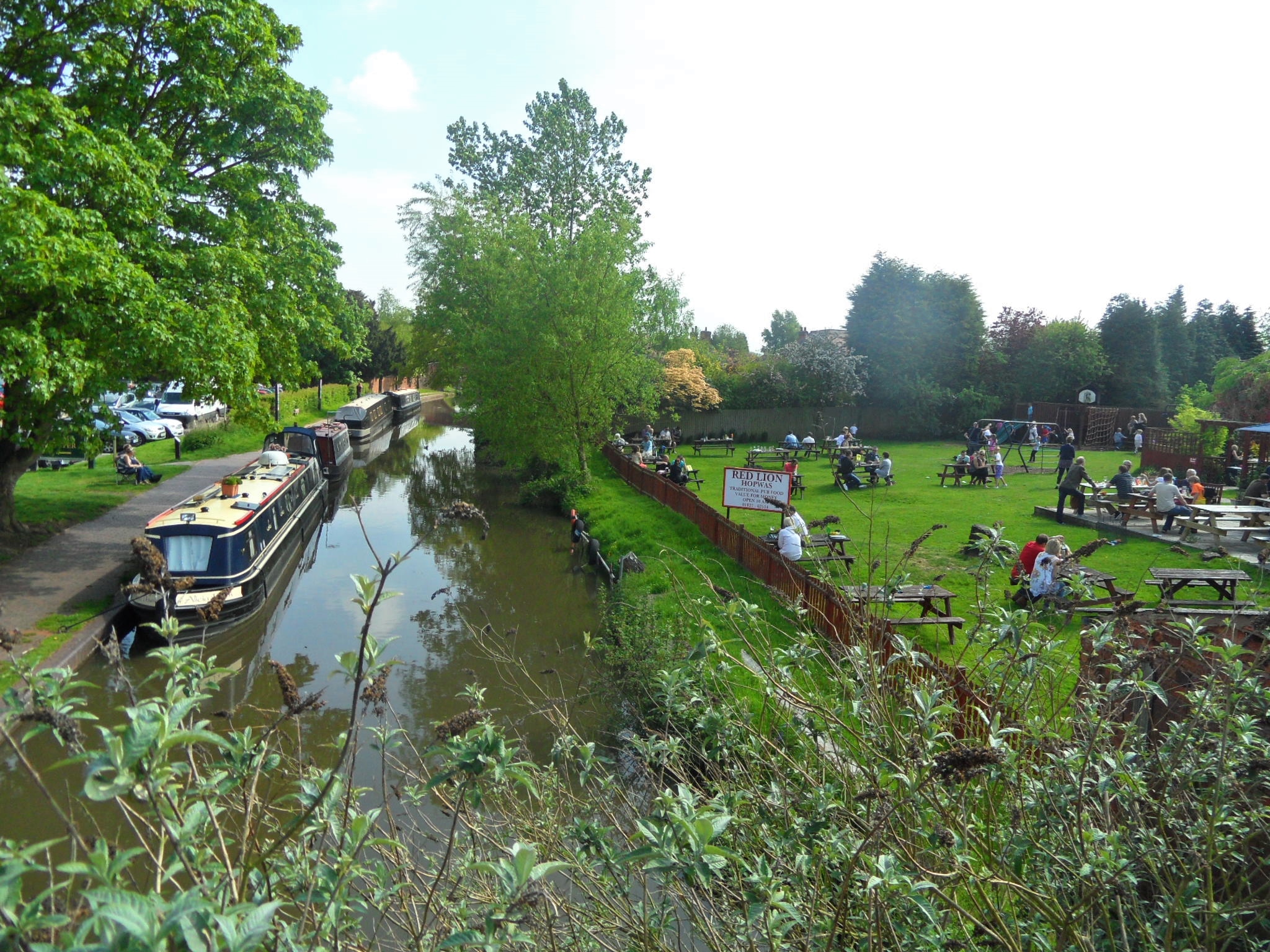
The sunny beer garden at the Red Lion was busy and I couldn’t help but feel that those who chose to remain inside the pub were missing out.  They were, and it wasn’t just the just the sun but also the wonderful sight of a pair of swans gliding down the canal with their eight cygnets. At one point the young ones were startled by a barking dog on one of the moored boats and darted back to huddle around one of their parents.

We began our walk by crossing the Lichfield Road Bridge (aka the Tummy Bridge in my house) to get to the towpath on the opposite side of the canal to the Red Lion. The next bridge along is the Hopwas School Bridge. As the name suggests it is near to the village school, named after founder Thomas Barnes. A lovely example of the local lad made good story, Thomas is said to have been abandoned as a baby, and discovered in a barn by villagers who gave him a surname to represent his humble beginnings. Educated and cared for by the villagers, Thomas became a successful London merchant. Had I walked a little to the right of the school, I would have seen the original schoolmaster’s house with a plaque reading ‘This house was built at the charge of Mr Thomas Barnes native of this place and a citizen of London in the year of our Lord 1717 for the dwelling of a person to teach the children of this village to read English’.
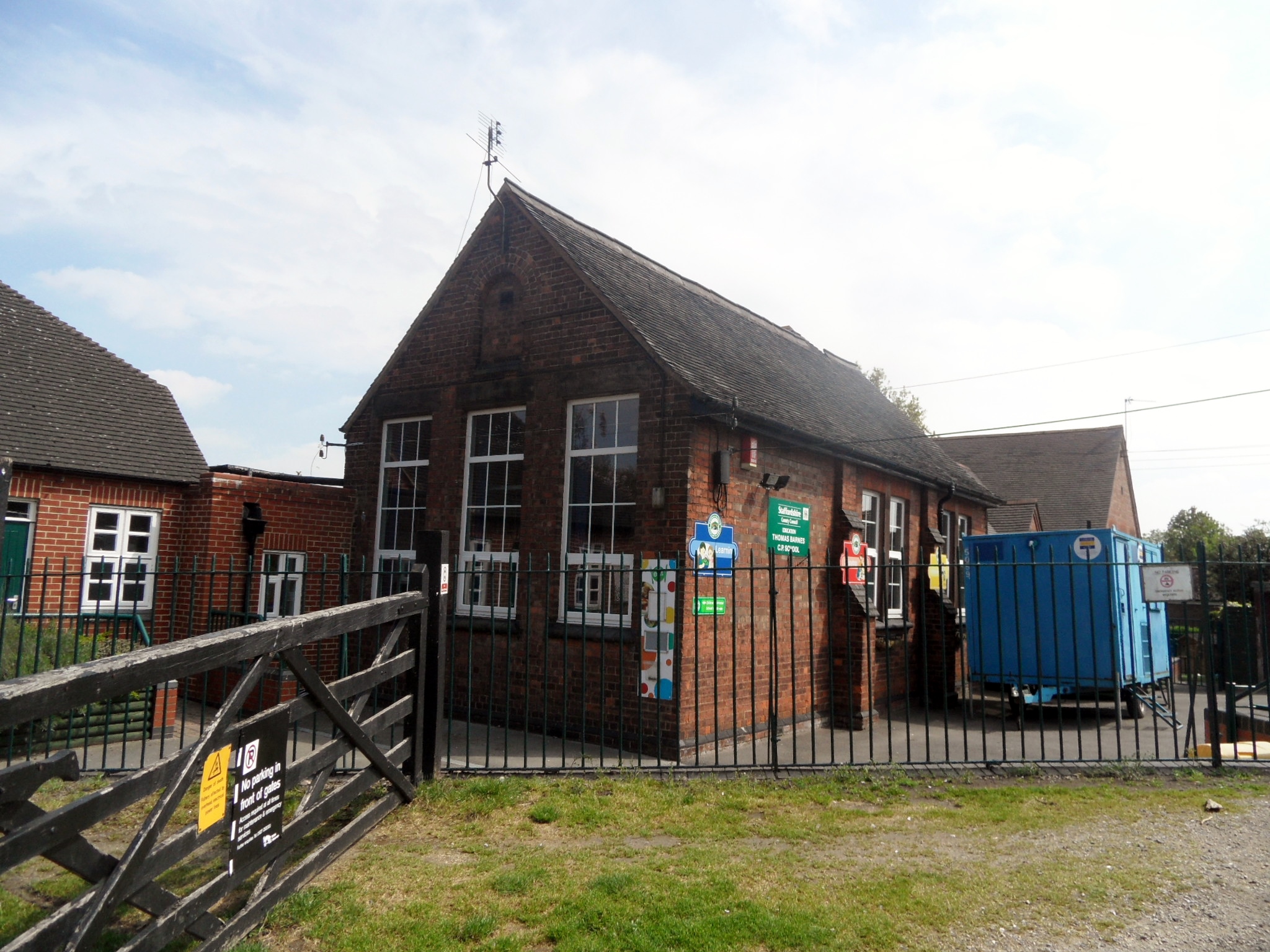
Instead, we kept on walking under the bridge and along the tow path. Something I did wonder about but couldn’t think of any explanation for at the time was the small door in the bridge itself. After doing a bit of post-walk googling it seems it might be a storage place for stop planks, used to block off part of the canal when maintenance work needs to be carried out. I think.

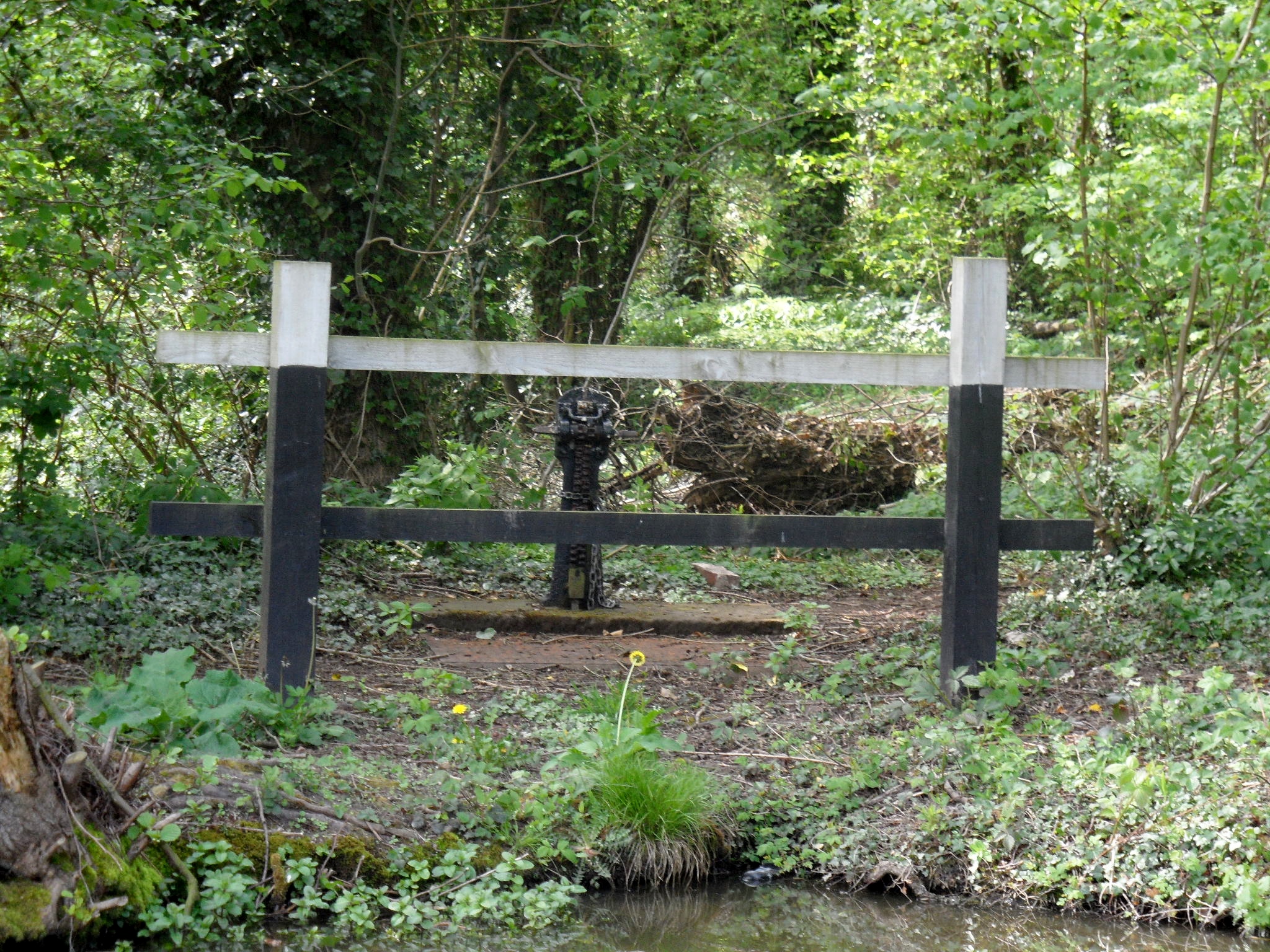
There was also some machinery on the other side of the tow path that looked interesting but again, I’m not quite sure of its purpose.
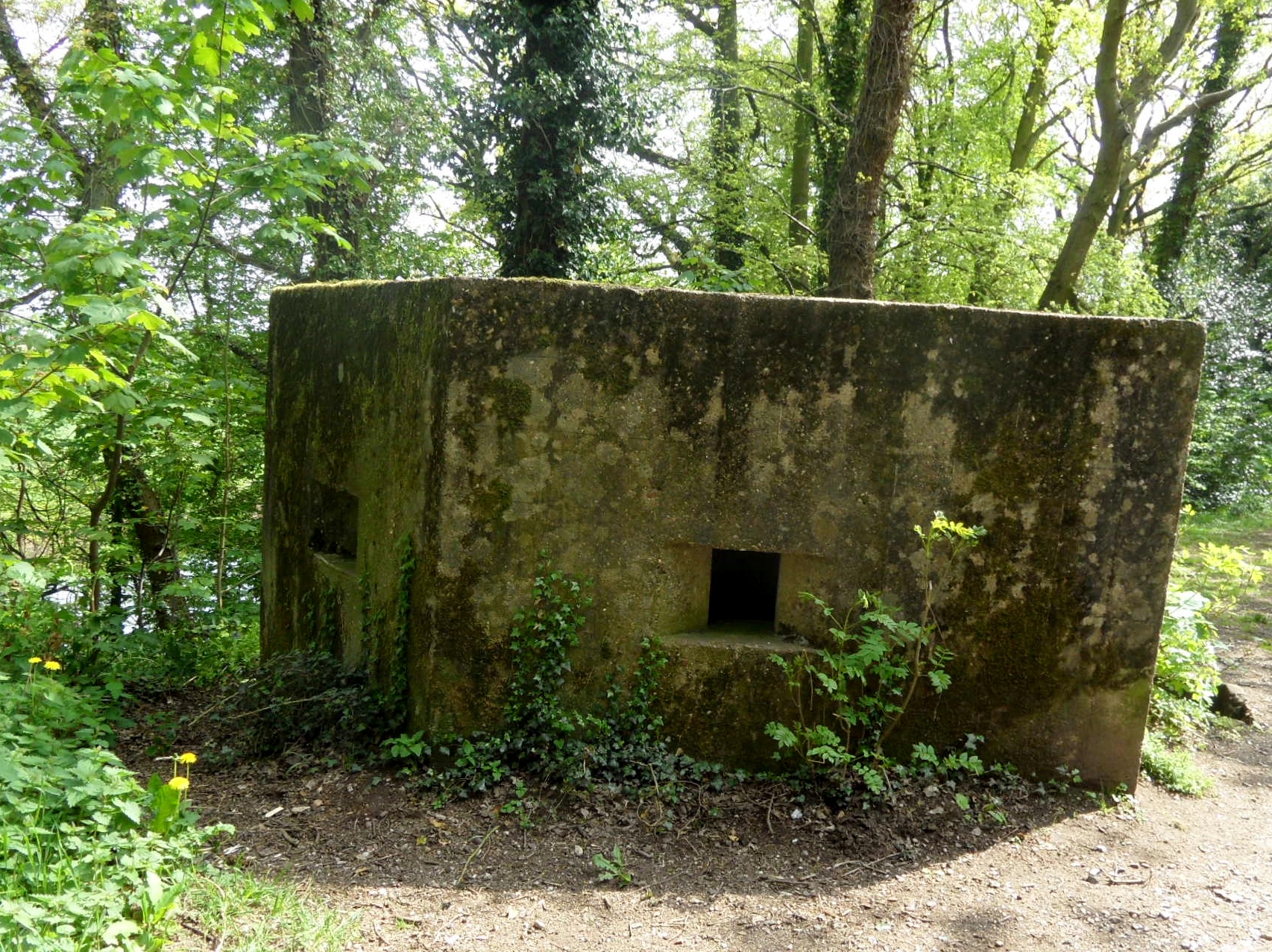
This, however, I did recognise to be one of the well documented pillboxes that stand in this area, defences against an invasion that thankfully never came.
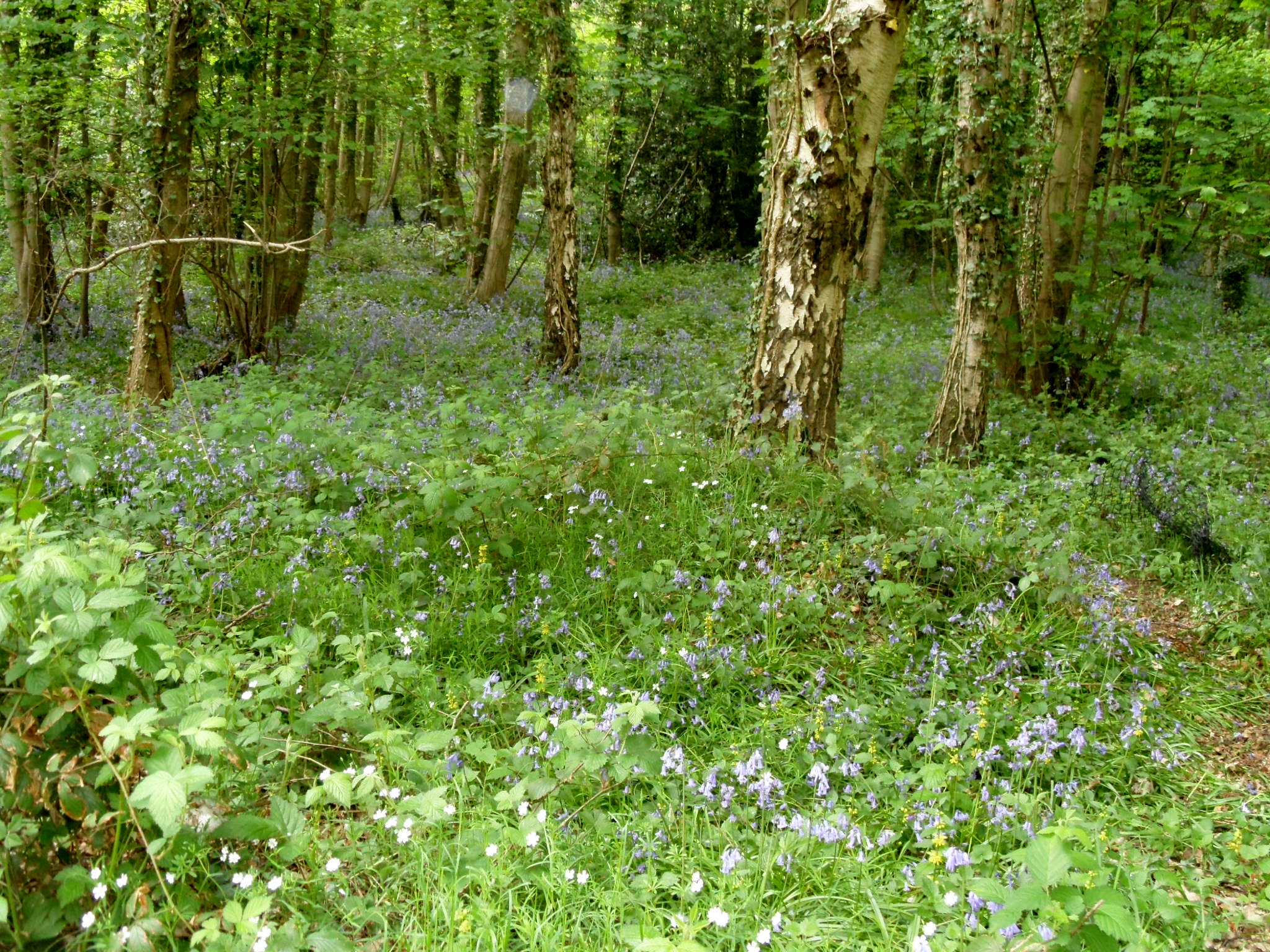
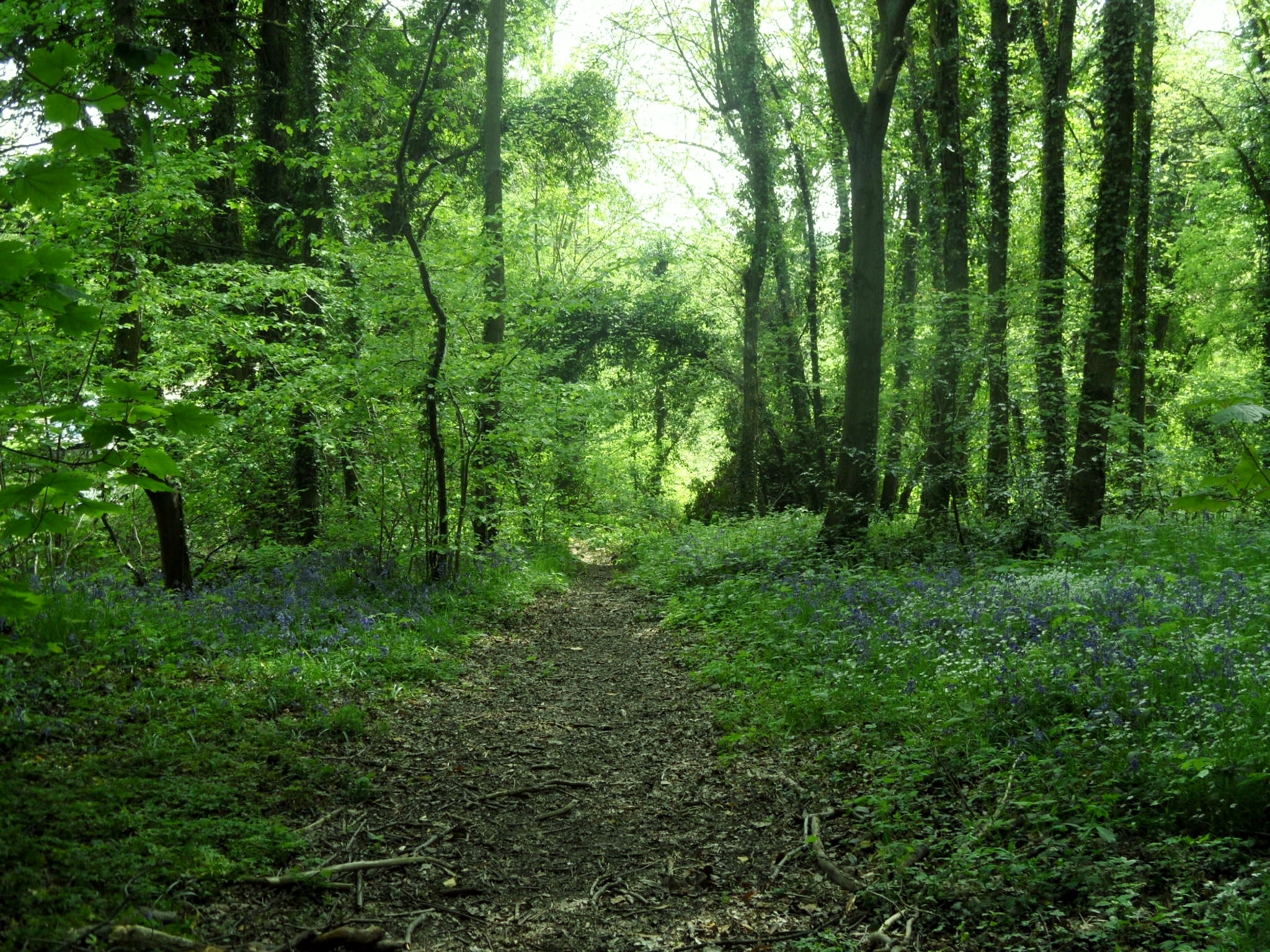
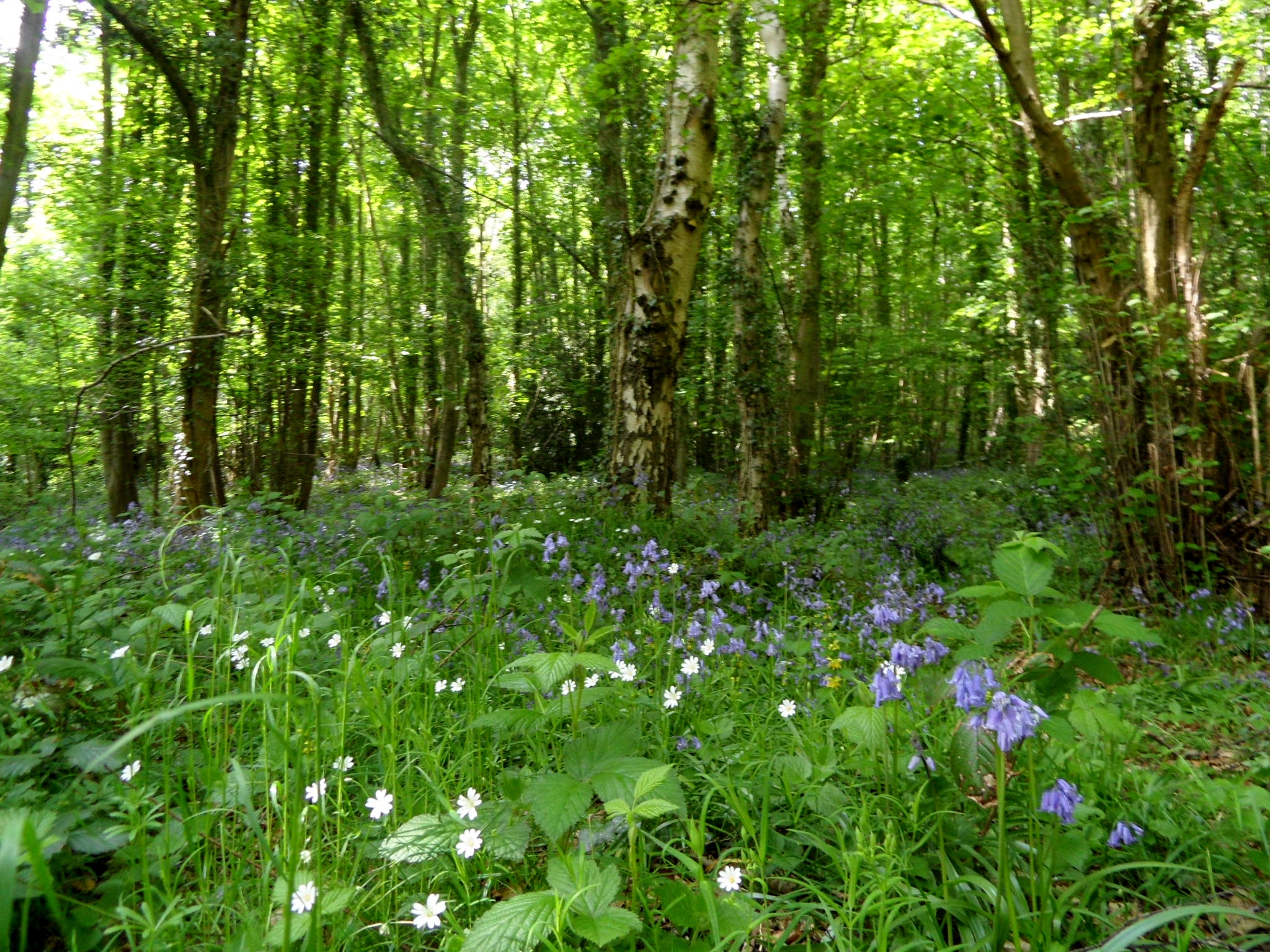
Growing alongside the pillbox was a hint of what was to come in those infamous and ancient woods about which I’ve heard so much but seen so little, only ever passing by in the car. I’m pleased to say that Hopwas Woods lived up to my expectations, with a display of bluebells that put even my beloved Leomansley Wood in the shade. I attempted to capture it in photos, although they could never do it justice.
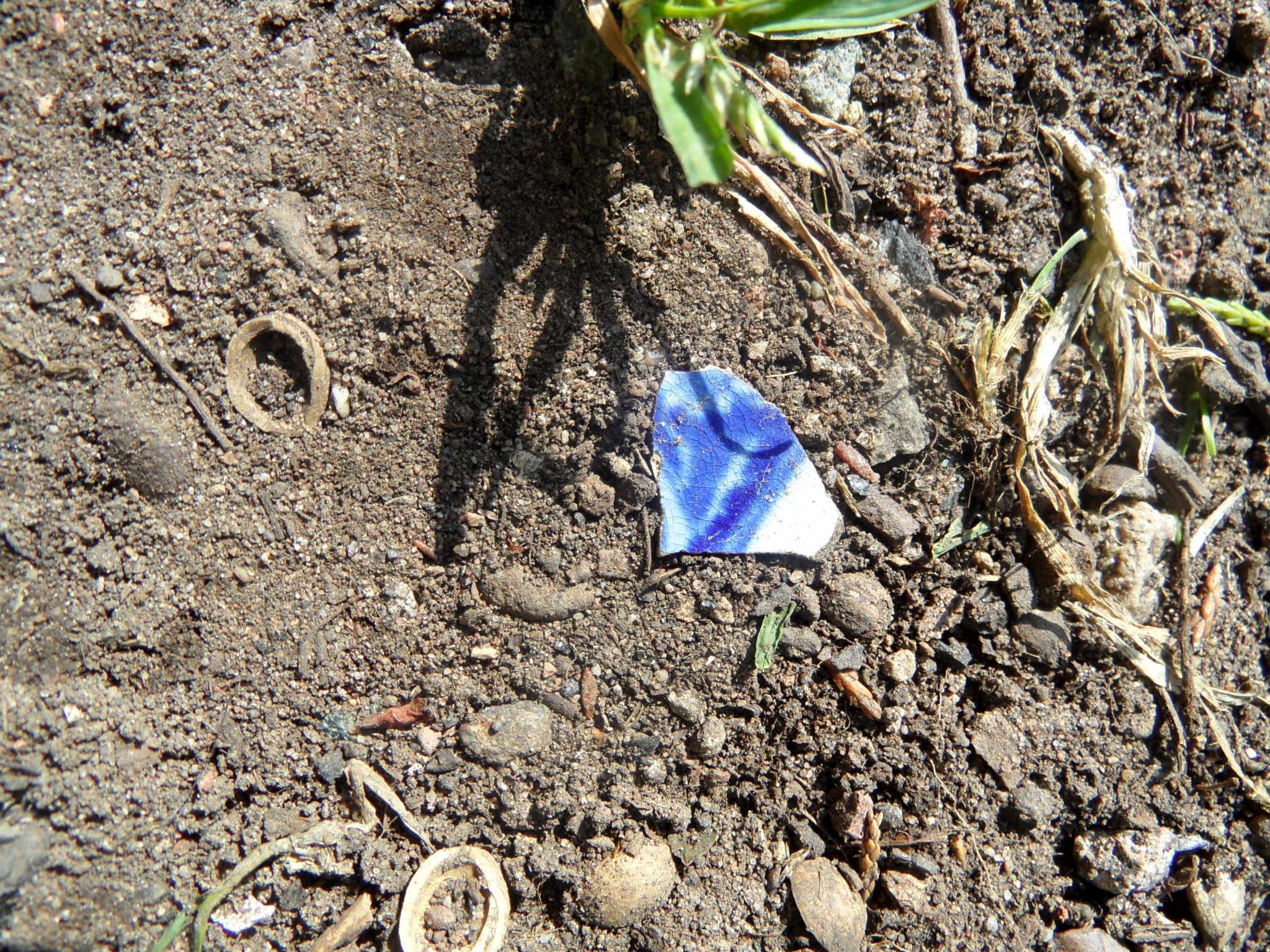
From then on I saw blue everywhere – the boats, the sky over the distant towers of Tamworth, a piece of pottery by the side of the canal and, after a big lunch and this short walk, a hammock at the water’s edge that looked very inviting indeed….


Watering Hole

On the way home from Tixall (of which more later), I stopped off at Longdon village and called into the Swan With Two Necks for a drink. I only had time for a very quick look around the village but even in this short space of time managed to find lots of interest, much of it water-related, which seems only natural in a place also known as Brook End. I hope to return to Longdon and the surrounding area (and of course the pub!) in the not too distant future. Amongst other things, I want to see if there are any nuggets of truth in an old ghost story I found about Lysways Hall….

The pub name Swan with Two Necks is apparently a distortion of ‘Swan with Two Nicks’, referring to the marks made on the birds’ beaks to denote ownership. More info here

Talking of ownership, the SWTN has been under the management of Mary McMeechan since 1st March 2013, the latest in a long line of landlords stretching back to 1755!

Brook End Mill dates back to the 1700s and appears on the Yates Map of Staffordshire.

The mill race still runs and you can follow it for a way up a public footpath.

This area is full of wells, some with brilliant names & legends attached. I think if I’d have carried on up past here, I’d have come to my all time favourite – Giddywell! Never mind, I did find this one near to the mill and there’s always next time…

I’m not sure if this pump is original. There are some other Staffordshire water pumps on this website, perhaps I should send them the photo and get their expert opinion?

These cottages are thought to be a 16th timber framed building that was divided up into separate houses at some point in the last half a millenium or so!

Over to the experts again, and this time John Higgins of the Mile Stone Society who researched Staffordshire Mileposts and found that in 1893, 335 posts were ordered from Tipton firm Charles Lathe & Co at a cost of 19s.6d each, including this one in St James’ Close

Scratching the Surface

I had an hour to spend in Abbots Bromley and so I grabbed my camera and went for a walk.

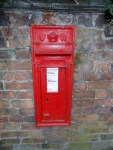
The theme seemed to be ‘things found on buildings’, be it wooden and painted signs, carved heads and crosses on the church, horns outside a restaurant alluding to the village’s famous tradition (the Abbots Bromley Horn Dance), or an old post box.  Until I got home and did a bit of reading, I had no idea that a very famous visitor had also left her mark on one of the village’s buildings. Mary, Queen of Scots is believed to have stayed overnight at Abbots Bromley’s Manor House during what was to be her last journey. A pane of glass with the inscription ‘Maria Regina Scotiae quondam transibat istam villam 21 Septembris 1585 usque Burton’, said have been scratched by Mary with a diamond ring, was taken from the house and is now in the William Salt Library.

I’m back in Abbots Bromley for another hour next week! In the meantime, maybe I’ll look a bit deeper…

Paper Flowers

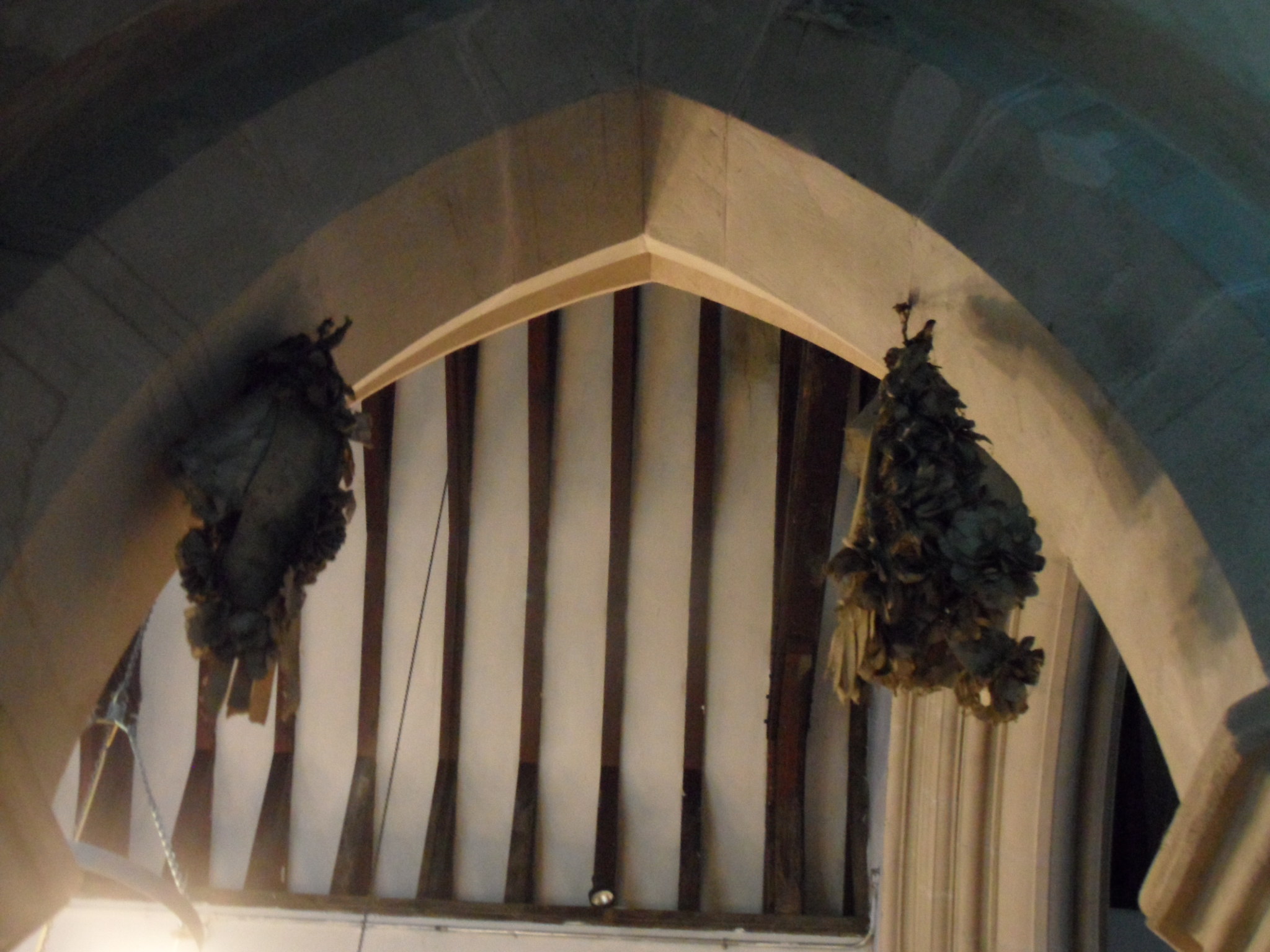
As you walk through the archway into the chapel of St Betram, in the Church of the Holy Cross, IIam in Staffordshire, you notice these.


They are Maidens’ Garlands and relatively few churches in England are thought to have surviving examples. It’s thought they may have been used during the funeral service of an unmarried woman, but there is evidence in other parts of the country that they may have been made for young men too.  Further information can be found in this article in the Birmingham Post a few years ago, but most importantly there is the work undertaken by Rosie Morris who as a child saw garlands hanging from hooks in her church in Shropshire and wondered what they were. Years later having been unable to find much information on them, decided to make them the subject of her dissertation and later Phd. Rosie’s website on Maidens’ Garlands is here.

Not only do I think the garlands and the stories attached to them are of interest, I also really like the idea that Rosie’s curiosity for an object she saw as a child led to her doing such great work to research and share this tradition.

Cross County

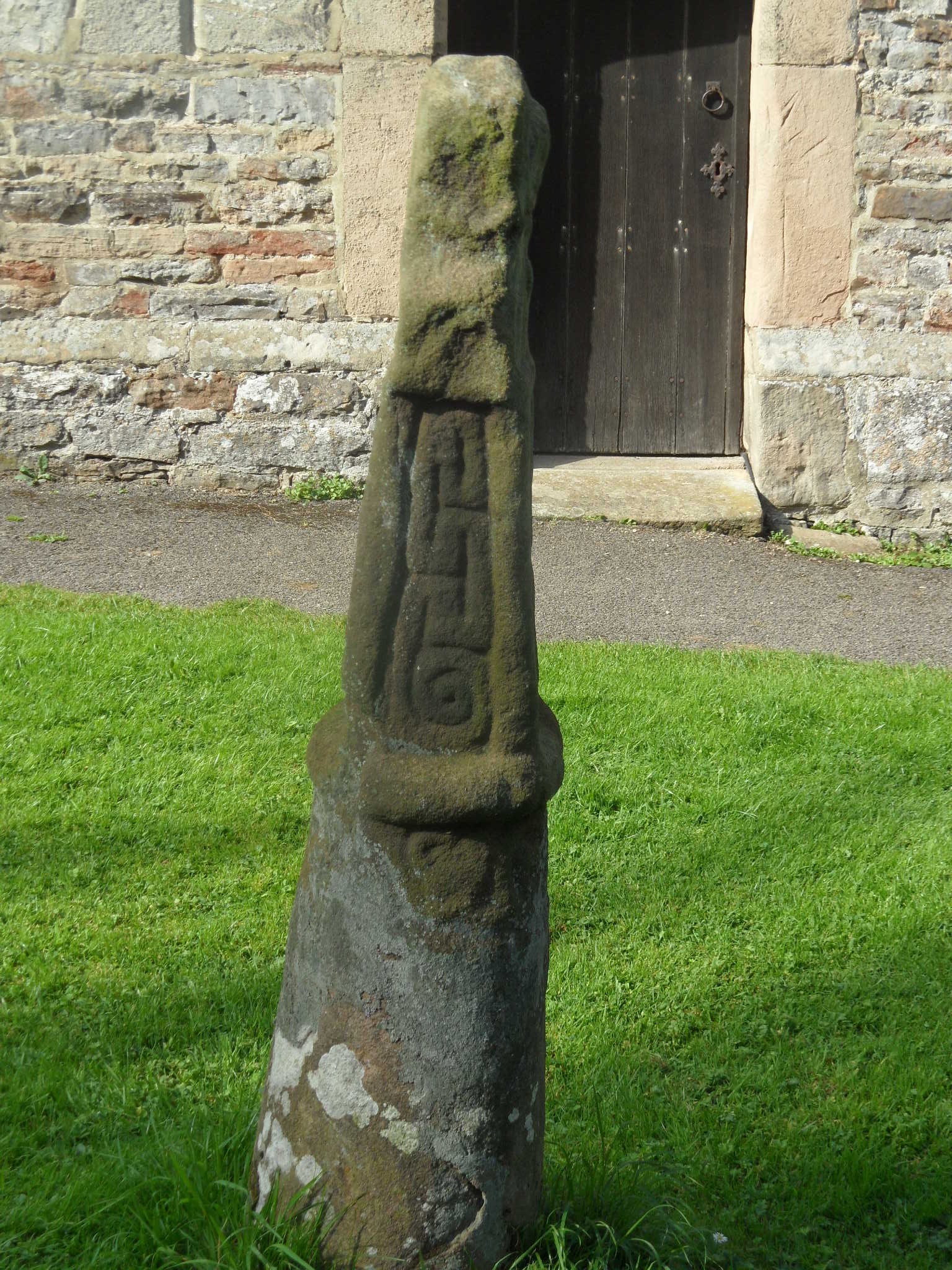
Looking for ancient crosses in Lichfield, has so far lead only to hints of their existence – a one line reference in an old book here, a placename there. Nothing concrete (or should I say stone?).  So imagine how happy I was when I visited Ilam Park yesterday and found that were two thought to date back to the 10thc standing in the churchyard with a third shaft incorporated into the church wall…..

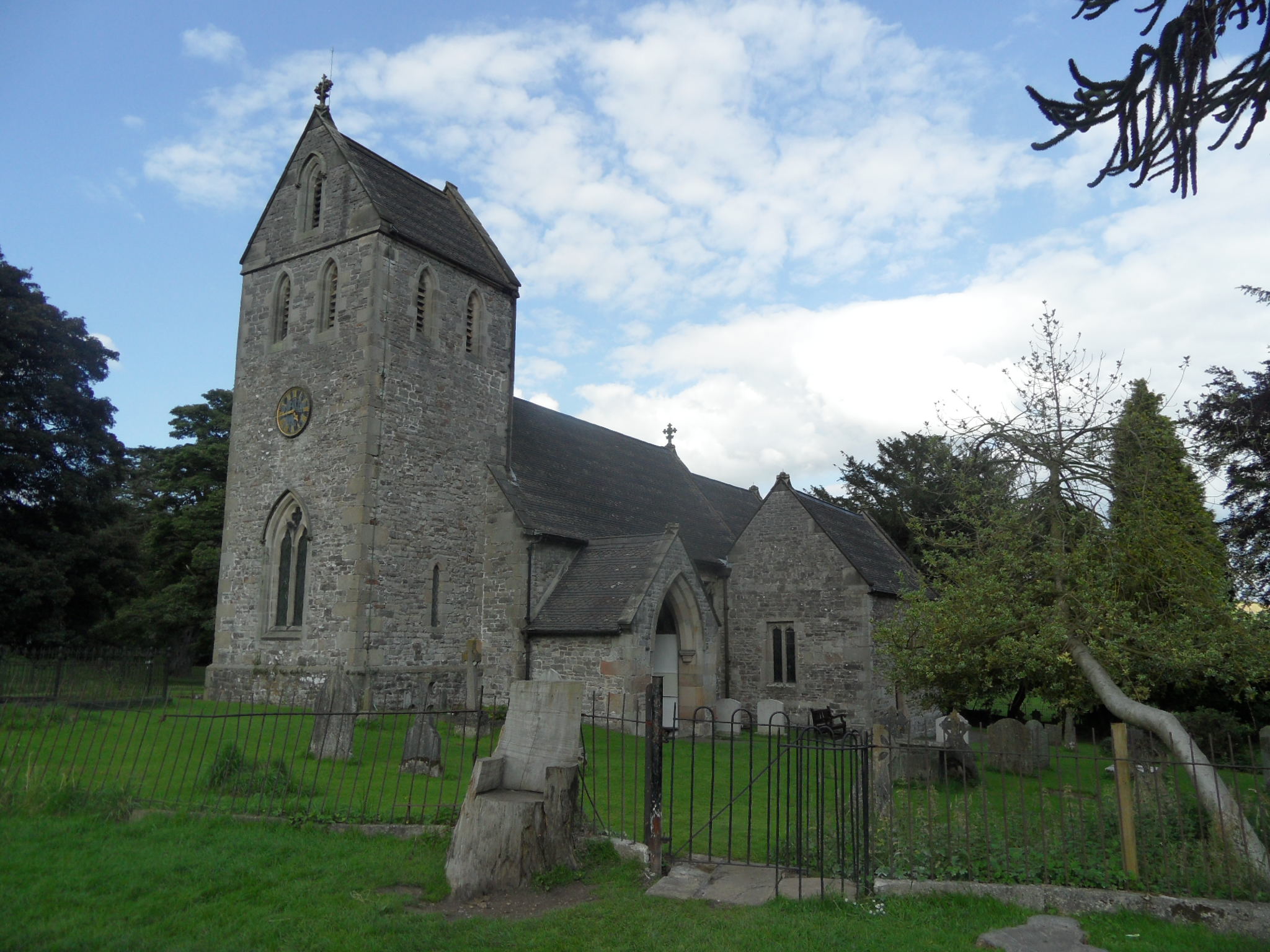
Church of the Holy Cross, Ilam, Staffs


…..and imagine how much I kicked myself when I got home and found out there was yet another stone, known as ‘The Battle Stone’, located in the grounds of Ilam Hall that I had missed!

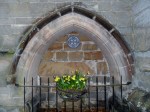
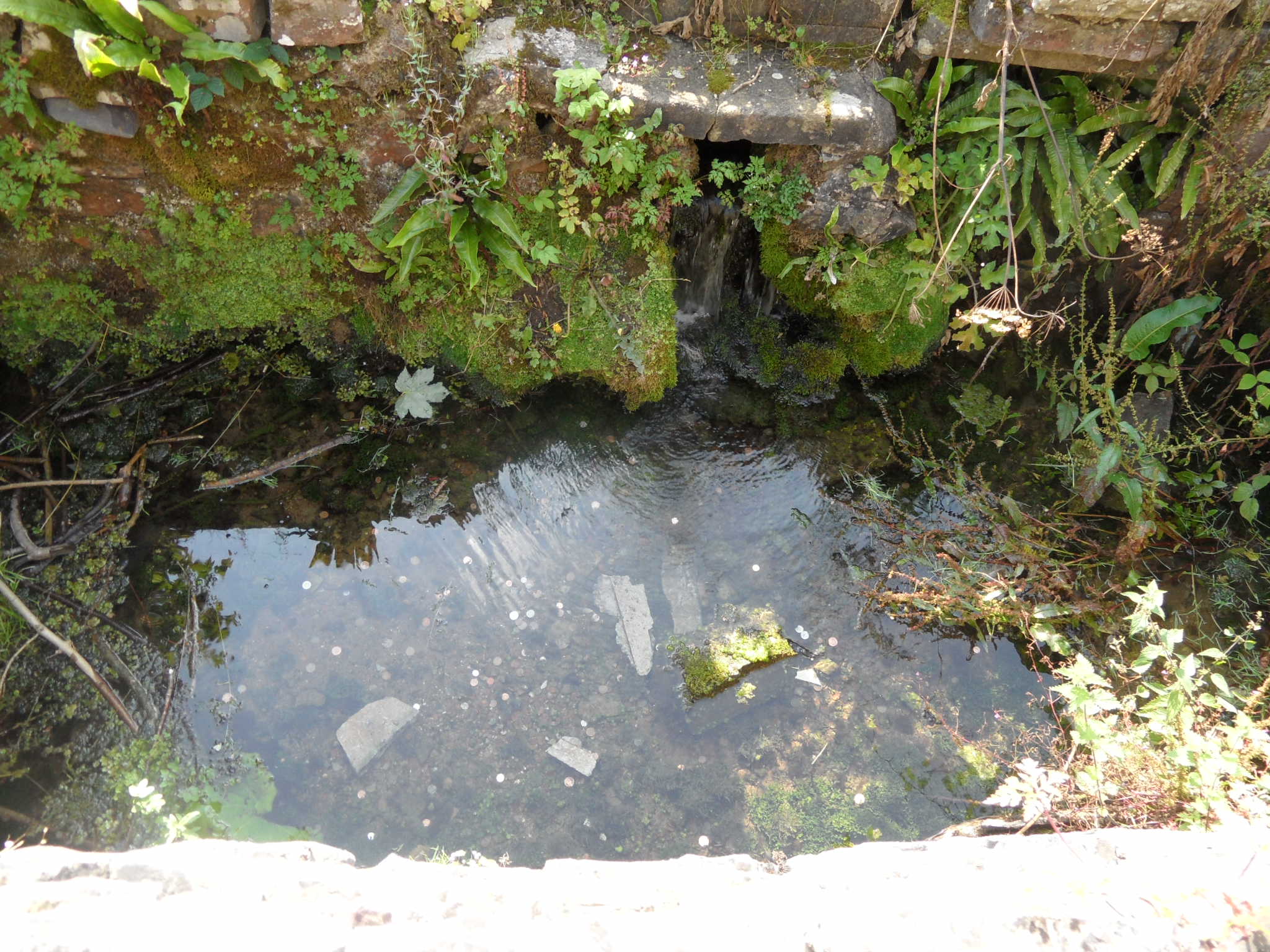
However, as a consolation, I learnt at home that this spring near to the church is thought by some to be St Bertram’s Well (although others place this on a hillside near to the village).

St Bertram’s Well?

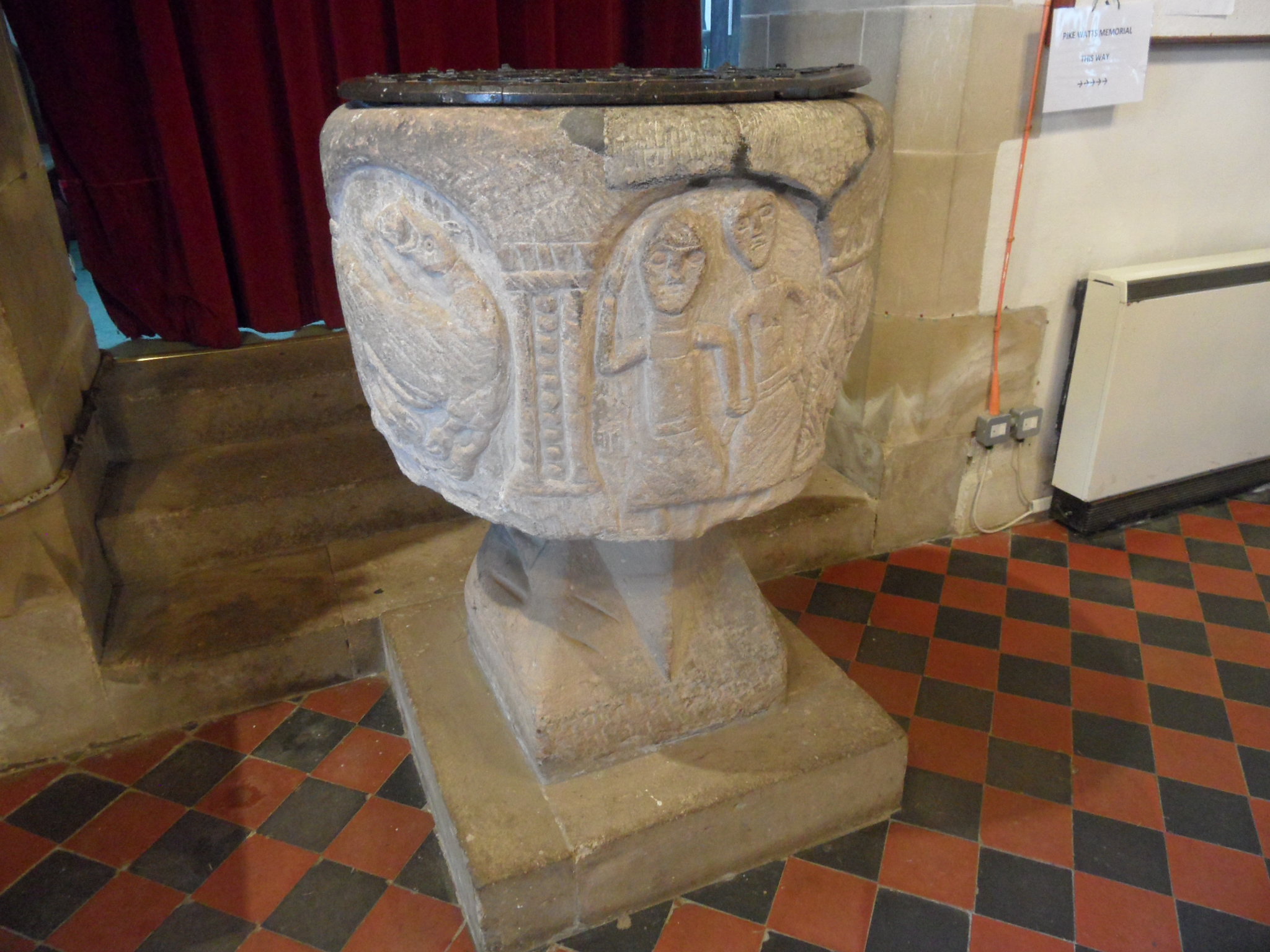
The Shrine of St Bertram (also known as St Bertelin or maybe Beorhthelm of Stafford) is inside the church. As you might expect, there is more than one account of St Bertram’s life. The most well known version seems to be the tragic story that he was a Mercian Prince whose wife gave birth to a child in a forest. The wife and baby were killed by wolves and St Bertram became a hermit near to Ilam, It’s thought this story might be represented on the churches font, which dates back to around the 12thc.

You can decide for yourself, if you look at this website on Romanesque sculpture, which gives a detailed description of the font, together with photos.

However, Stafford Borough Council have this version on their website, which doesn’t feature the tragic part of the legend.

The legend of St Bertelin derives from the 14th century account of him by Capgrave in his ‘Nova Legenda Anglie’, retold by Dr Robert Plot in his ‘Natural History of Staffordshire’ (1686). He is reputed to have been the son of the Mercian prince, the friend and disciple of St Guthlac who, after St Guthlac’s death c 700, continued his holy vocation on the islet of Betheney now Stafford. Here, he remained until forced to retreat from the ill-will of jealous detractors, when he repaired to Ilam, in Dovedale, Derbyshire where ultimately he died. His burial place in Ilam church was once a place of pilgrimage.

His burial place still seems to be a place where people come, not just seeking out history like me, but for spiritual reasons. As you can see from the photo of the shrine, prayers (I didn’t read them) and candles are still left there.

I have found a copy of the ‘Nova Legenda Anglie’, but as my Latin only stretched to ‘Caecilius est pater’, I need a bit of time alone with google translate.  So, I’ll leave the legend of St Bertram/Bertelin there for now other than to say that it’s believed that the remains of St Bertelin’s chapel in Stafford were excavated in the 1950s and they discovered part of a 1,000 year old cross. And this one is made of wood!

Ilam, Stafford and I’ve seen references to existing crosses in Wolverhampton, Leek, Chebsey (between Eccleshall & Stafford), amongst other places. With the discovery of the ‘Battlestone’ in Ilam (the one that I missed!) in the foundations of a cottage, during a restoration in 1840, I’m still clinging to the hope that at least a fragment of one survives somewhere in Lichfield!

Sources:

http://www.heritagegateway.org.uk/gateway/

http://list.english-heritage.org.uk/ (Entry numbers 1038113, 1012654, 1012653,

Corpus of Romanesque Sculpture in Britain & Island http://www.crsbi.ac.uk/index.html

http://www.geograph.org.uk/photo/705619

http://www.megalithic.co.uk/ (St Bertram’s Well http://www.megalithic.co.uk/article.php?sid=14731)

http://www.staffordbc.gov.uk/in-touch-with-the-past