Discovering Leomansley

It’s been a little quiet here on the blog recently, but with good reason! I’ve been busy with the new group I’m involved in – Lichfield Discovered. As well as putting on a series of talks and workshops, we’re also really keen to get out and about exploring this fine city of ours together.

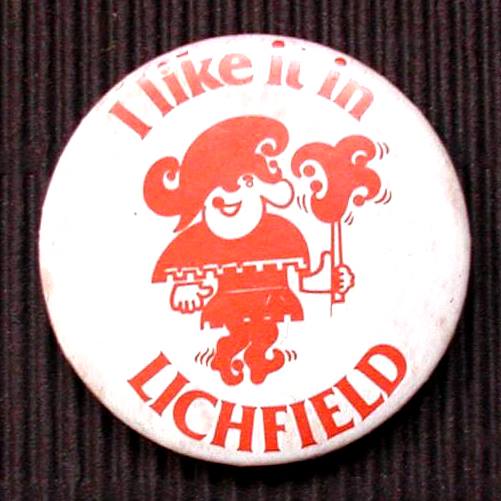
We’re using this badge belonging to one of the group members as our Lichfield Discovered logo!

So, on Sunday, around twenty people (plus dogs!) met at Martin Heath hall to explore some of the lanes and greens of Leomansley. Over the years I’ve lived here, I’ve tried to piece together some of the history of this lovely, but I think relatively unknown, part of Lichfield. As well as sharing this information, I was also hoping that others on the walk would contribute their own memories and information.  I wasn’t disappointed! I’ve added the notes that I prepared for the walk here –  Leomansley Discovered Walk Notes (disclaimer: they are a bit rough but hopefully of interest!) – but along the way we also heard:

  • how in the final years before demolition, Beacon Place was owned by the council and used to store items for the Lichfield Bower!
  • that children in the area would sometimes bypass the swimming baths on the Walsall Rd altogether, choosing instead to swim in the pools at Leomansley House and in Leomansley Brook, once they’d dammed it to make it deep enough!
  • that a mysterious stone with a perfectly carved letter ‘L’ had been dug up in a Leomansley backgarden
  • that one of the terraced houses on the Walsall Rd facing the old Conduit Lands Pumping station and the public baths may once have been a shop
  • there were actual baths at the swimming baths
  • how someone’s aunt lived in a house that was once part of the original Christ Church school building (after the school had been condemned and moved to its current position over the road)
  • that there was an air raid shelter behind Christ Church school
  • that the foundry on Beacon St (where Morrisons is now) once had an agreement that they could deposit some of their industrial waste on Pipe Green (some of which is still evident!)
  • that my Mum lives in the house where the jockey Greville Starkey once lived!

Unfortunately, despite accosting the owner of the old Vicarage on Christchurch Lane we still didn’t manage to get a definitive answer on the subject of the mystery bell outside one of the windows, but we did enjoy coming up with our own theories! We were also tantalising close to seeing what the Carpenter’s Arms looked like, as someone who had lived next door was kind enough to bring along an old photograph of their house, but sadly the now demolished pub was just out of shot!

As well as members of the Lichfield Discovered Group, it was great to have people from the Beacon Street Area Residents’ Association, the Pipe Green Trust, Friends of Lichfield Parks, friends and Leomansley residents, past and present, come along and I’d like to say a big thank you to all who joined in. I think sharing and working together is vital to understanding our local history – we can all learn something from each other (I think the posh word is synergy).

The start of the walk outside Martin Heath hall. Taken by Jane Arnold, Pipe Green Trust

I may do the walk again in Spring when the bluebells are out (and hopefully my Mum is in to make us all a nice cup of tea on the way round). There is also talk of a ‘Beacon Place’ walk, to discover the story of this lost estate, and the traces that remain in Beacon Park. In the meantime however, the next meeting of Lichfield Discovered is on Tuesday 12th November 2013, starting 7pm at the Lichfield Garrick studio, where we will be discussing and sharing memories of WW1 and WW2. For more information, please take a look at the Lichfield Discovered website here. You can also follow us on twitter @lichdiscovered and we’re on Facebook too https://www.facebook.com/pages/Lichfield-Discovered/488746161217038

A Dance to the Music of Time

Hot on the hooves of Lichfield’s Sheriff’s Ride comes another ancient Staffordshire tradition – the Abbots Bromley Horn Dance. No one knows just how ancient though. The earliest written record of the dance seems to be from Dr Robert Plot’s ‘Natural History of Staffordshire’ in 1686, yet the reindeer antlers themselves have been carbon dated to around one thousand years ago.

The Horn Dance c.1900. Apparently the splendid costumes are a Victorian invention. The original costumes were made by the vicar’s daughters from old bed curtains! The latest set of costumes were created at the turn of the millenium. On the subject of costumes, I love that the man dressed as a woman is wearing his shirt and tie beneath his!
Image from Sir Benjamin Stone’s Pictures – Festivals, Ceremonies and Customs. Published by Cassell & Co. London. 1906 (taken from Wikipedia)

Last night, we arrived as the dancers were weaving their way around the back lanes of Abbots Bromley, and so we settled for a while in The Crown and awaited their return to the village green. Outside the crowds were entertained by the Lichfield Morris Men and the Beggars’ Oak Clog Dancers amongst others. Sitting there in the pub I saw horns everywhere – antlers on the village sign, antler inspired light fittings and, sitting on a bench opposite, a man wearing furry antlers. We rejoined the crowd, as the dancers made their way up the High Street, taking up their position outside the Crown to applause. At first it’s the horns that command your attention – they’re enormous (apparently, the largest set weighs over 25lbs). Then gradually your peripherary vision kicks in and you spot the other characters – a man dressed as a woman, the young boy shooting the hobby horse, over and over again and the musicians accompanied by a child playing the triangle. Fortunately, I managed to avoid the Fool and his fertility aiding pig’s bladder…

In ‘England in Particular’, the authors describe the dance as both unsettling and reassuring. I know what they mean. What you’re watching has a significance that no longer makes much sense to our modern eyes, its symbolism like some long forgotten language. Yet there’s also something very British and familiar about the occasion in the scout tent set up over on the green, selling curry to the beer drinking crowds chatting together beneath umbrellas.

If this is a pagan fertility ritual, it seems to get along well with Christianity these days. The horns are kept in St Nicholas’s church for 364 days a year, and before the horns are taken out on their annual excursion around the village there is a short blessing. The dance is performed outside the Abbots Bromley throughout the year but I understand that a second set of horns are kept for this purpose, these original horns never leave the village. There is a great story in a book on the dance by Jack Brown of the English Folk Dance and Song Society that I bought from the Oxfam bookshop. Apparently, in the 19th century, the dancers took a set of elk horns dancing in Burton and having consumed quite a lot of rum, managed to lose them. Some say the horns were stolen; others say the dancers decided they were too heavy and deposited them into the River Trent so they didn’t have to carry them all the way back to Abbots Bromley.

It’s fantastic to have such a unique tradition taking place just ten miles or so up the road from Lichfield and although I’ve popped a few (rubbish) photos on here to give you an idea, it goes with out saying that there’s nothing like going along and experiencing it for yourself. So, put it in your diary for the next Monday after the first Sunday after the fourth of September 2014!

Note – I could claim that the blurriness of the dancers and musicians on the following photographs is an artistic statement on the passage of time or something, but in actual fact they’re just really BAD photos! Anyway, the chap with furry antlers is on one of them which warrants its inclusion.

Sources:

England in Particular by Sue Clifford and Angela King

The Abbots Bromley Horn Dance by Jack Brown

A Burny Inn

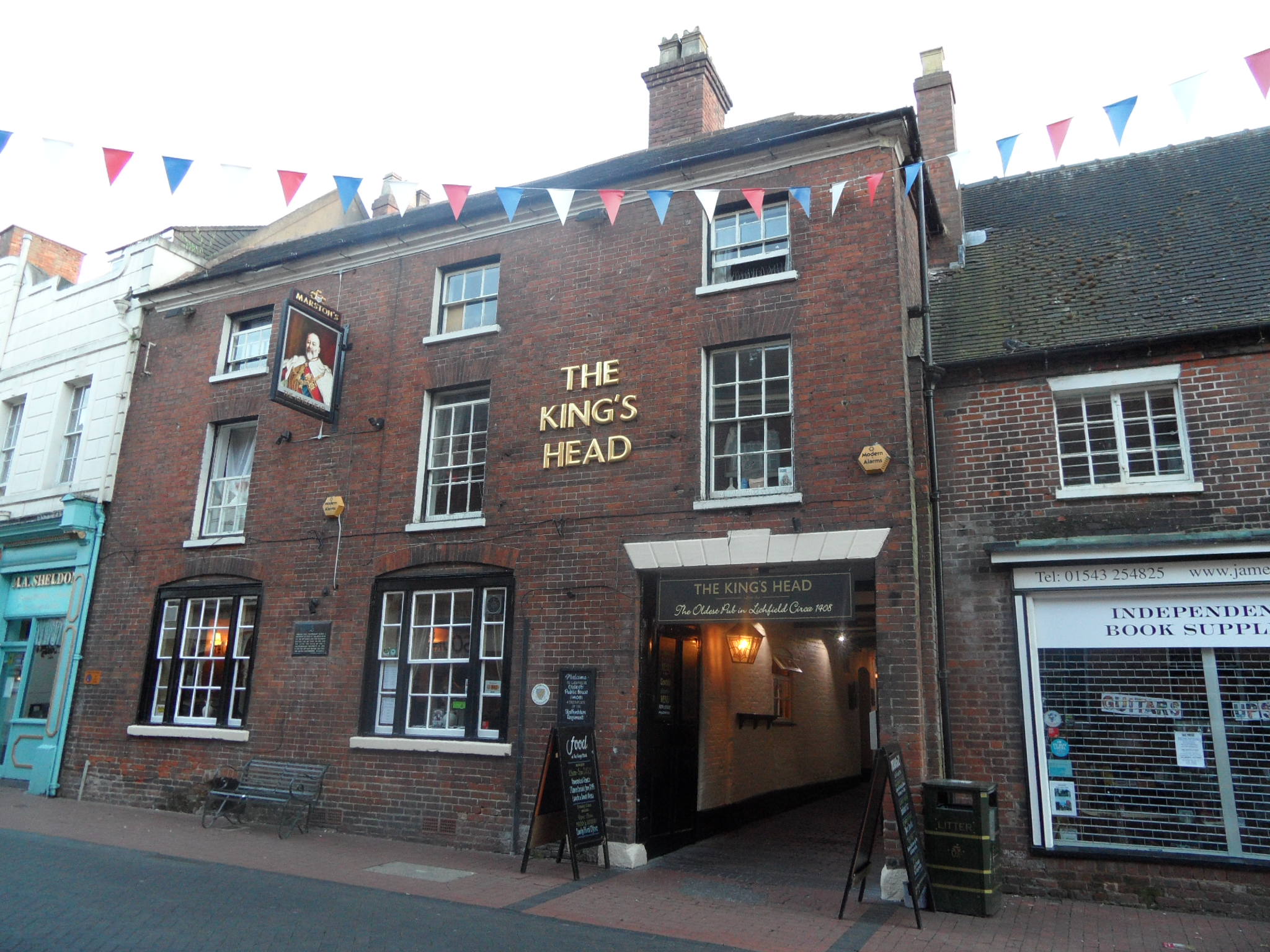
The King’s Head is one of the oldest pubs in Lichfield (1) and somewhere I’ve spent many a happy evening.(2) The sign across the entrance and John Shaw’s legendary ‘The Old Pubs of Lichfield’ date it to 1408, when it was known as ‘The Antelope’. By 1650, it had been renamed as The King’s Head.  I’ve been reading the old papers again, and it seems that in the 1930s, we nearly lost this fine old drinking establishment to fire…twice!

Which window did Mrs Shellcross climb out of I wonder?

On the night of June 27th 1932, landlady Mrs Shellcross went to bed in the King’s Head for the last time, leaving a small fire burning in the dining room grate.  The following day new tenants were arriving, and she would be leaving the King’s Head. Yet as she climbed the wooden staircase to her room, she would never have imagined that she would not be leaving the pub via the door but through a first floor window!

In the early hours of the morning, one of the hotel’s residents, Mr Corbett, was awoken by the sound of falling crockery. After discovering that the building was on fire, he raised the alarm. However, the five occupants of the pub found the staircase ablaze and their escape route blocked. They were left with no choice but to escape from upstairs windows. Mr Corbett jumped from the first storey and flagged down a passing motor van and trailer. The van driver positioned his vehicle close to the wall of the hotel, beneath a third storey (4) window, enabling Mr Dunmow, a commercial traveller to break his fall by jumping on top of the van.  Landlady Mrs Shellcross managed to climb through a first floor window onto a wall bracket but this gave way and she fell fifteen feet down onto the pavement. Another resident, a Mr King of Broxbourne in Hertfordshire, escaped using his bedclothes as a makeshift rope.

Although Mr Dunmow was admitted to the Victoria Hospital with shock, the others luckily suffered nothing more than cuts and bruises. However, the building itself had not been so fortunate. The dining room was destroyed, and the upstairs function room severely damaged. Several valuable paintings and ornaments were also lost. The ‘buff regalia’ was damaged by water (does anyone know what this refers to?).  It was said that the prompt turnout from the Lichfield Fire Brigade had saved the building from being burnt to the ground.

New tenants, the Evans family, arrived at the King’s Head to find ‘a charred mass of ashes, a ruined dining room, scorched and blackened walls, and everything soaked with water’.  There can barely have been time to make good this damage when just eighteen months later, an old oak beam in the chimney in the dining room and clubroom caused another major blaze at the pub. In the early hours of a December morning in 1933, Major Evans was awoken by the smell of smoke. This time, there was just time for the Evans family and the five hotel guests to escape down the staircase, which according to the Mercury was ‘a mass of flames’ immediately afterwards. The Major led his family and other guests to safety before returning to the burning pub to telephone for the fire brigade. There was no response as one of the hotel guests had already alerted the brigade who were now on the scene. It took two hours to put out the fire, and although the front of the building was saved, the dining room and clubroom were ‘burnt beyond recognition’. Apparently, the properties on either side of the pub were also at risk for a while.

Perhaps a little opportunistically, there is an advertisement for the Prudential Assurance Co. beneath the story asking readers ‘If this had been your property would it have been adequately insured? Don’t wait until you have to call the Fire Brigade before answering this question.’

On the Lichfield Ghost Walk, we were told a young woman working as a maid had died in a fire here and that sometimes her candle could be seen flickering in one of the upstairs windows. Perhaps this story harks back to an earlier blaze. It would be interesting to do some research and see if there is any truth in this. After all when it comes to ghost stories, there’s usually no smoke without fire….

Notes

(1) The Kings Head is said to be the oldest pub, the Duke of York over the other side of the city at Greenhill is said to be the oldest inn. I’m just glad they are both still open and serving beer!

(2) A particular highlight was the folky carol service I attended here in 2010. I hope they do it again this Christmas.

(3) As many will know, Col. Luke Lillingston formed a regiment here in 1705, and you can read more about this aspect of the pub’s history at The Staffordshire Regiment Museum website here. Or even better go and visit the museum to find out more!

(4) Third storey window? I’m guessing this means what I would call the second floor?

Sources:

Lichfield Mercury Archive

Lichfield: From the Reformation to c.1800′, A History of the County of Stafford: Volume 14: Lichfield (1990), pp. 14-24. URL

The Old Pubs of Lichfield, John Shaw

Friends and Romans

Wall is just a few miles south west of Lichfield and is of course the site of a Roman settlement known as Letocetum. Remains of a bath house and a ‘mansio‘ are still visible at the site, and there’s also a small museum in the village displaying some of the archaeological finds from the area, although sadly not the statue of Minerva, supposedly broken into pieces shortly after discovery to mend the bank of a drain (assuming that such a statue actually existed in the first place…)

Since visiting Wall last month, my interest in the place has grown and grown. As well as the occupation of the site by the Romans themselves, I’m also interested in the period prior to their arrival –  several carved stone thought to indicate the presence of a Celtic shrine at the site have been discovered.

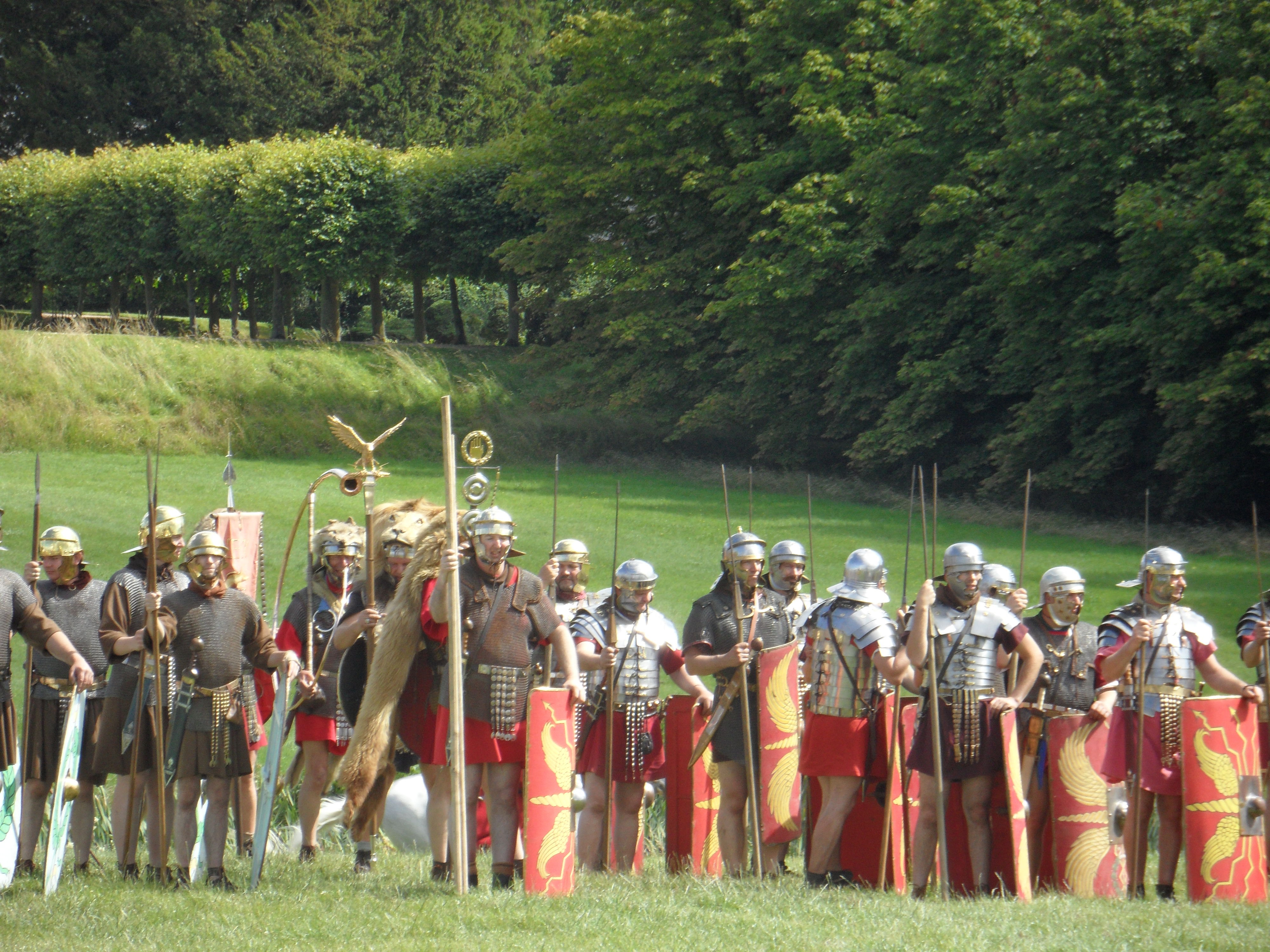
Roman re-enactors at Kelmarch 2013 A D, but was the real thing in Lichfield in 300 A.D?

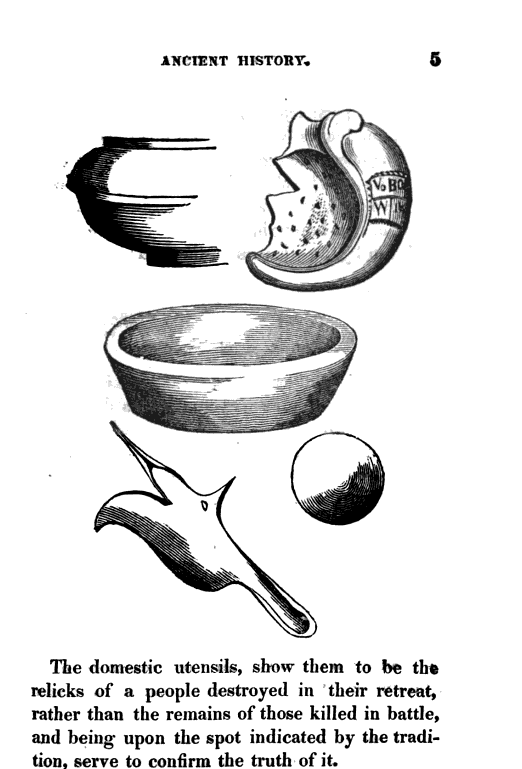
I’m also intrigued by how Letocetum relates to the later settlement at Lichfield.  One of the early medieval buildings excavated at Cross Keys, during work on the car park in 2007/08, was found to incorporate reused Roman masonry and there have also been other stray Roman finds in and around the city. Coins have been discovered near Sandfields and at Streethay. Roman pottery, including an inscribed mortarium, was apparently discovered at a place known as ‘Toad’s Hole Piece’, an area later known as Christian Fields and in 1802, a Roman Cyathus, fragments of pottery and human bones were reported to have been discovered during construction of a malt house on the causeway between Bird St and Beacon St.

Some of the finds discovered at Toad’s Hole Piece, later part of the area known as Christian Fields.

Wall is a fascinating place and a lovely village to visit. What’s more, there is a family open day at the site tomorrow (Sunday 4th August) between 11am and 4pm, organised by the Friends of Letocetum. I understand that as well as guided walks around the site and the village, there will also be children’s activities and replicas of items from the Staffordshire Hoard on display. You can find out more via their Facebook site here.

Sources: https://lichfieldlore.co.uk/wp-content/uploads/2013/08/lichfieldeusreportfinal.pdf http://www.pastscape.org.uk/hob.aspx?hob_id=306575 http://www.pastscape.org.uk/hob.aspx?hob_id=307078
http://www.sahs.uk.net/Volume%20XXXIII.pdf

A Lichfield Tragedy

Years ago, when I first moved to Lichfield, I went on the ghost tour around the city. One of the stories we were told was that of a Catholic family who died in a fire at their home on Breadmarket St. There was apparently an issue regarding burial because of their religion and, unsurprisingly given the nature of the tour, it was said by some that their presence was still felt at the building in some way.  Recently, this story came up again when I was chatting to a colleague. A book about ghosts happened to be nearby and caused our conversation to turn to the supernatural. The colleague in question mentioned the story, wondering if there was any truth in it.

I searched the newspaper archive, and found that the story was essentially true.  I’m not going to transcribe it, as I personally think it’s too graphic and upsetting. However,the facts are that in January 1873 there was a fire at the Breadmarket Street premises of a Lichfield clock and watch maker. Three generations of a family lost their lives and their bodies were laid out on the pavement before being taken to the Guildhall where a Catholic Priest read the burial rites. The family were then taken directly to the graveyard at St Michaels where the Rev J Sejeantson carried out a burial service – they were not taken inside the church. There are reports that no rescue effort had been made, as initially it was thought that the family has already escaped.  The Mercury reports that everyone was at a loss what to do. According to the County History, it was this tragedy that led to the council taking over the responsibility for fire fighting in the city, buying an engine and establishing a brigade, with a building in Sandford Street being used as a fire station.

I am interested in the question as to whether there is any value in ghost stories beyond the obvious ‘entertainment factor’. The mention of ghosts and haunted places can cause the rolling of eyes and mutterings of, ‘There’s no such thing’. Perhaps there’s not, but does that mean that these stories have no interest for us?  If we look beyond the shadowy figures and disembodied footsteps in such tales, can we find something real? Does telling these stories in this way ensure that otherwise forgotten people and events are remembered or is it just an excuse to be ghoulish?


Wall Street Journal

Sunny days should be spent out and about under blue skies, not shopping for bathroom suites in Cannock. However, needs must and afterwards we made up for it by continuing the bath theme in much more pleasant surroundings, spending the afternoon at the Roman bath house at Wall. Although it’s only about three miles away from Leomansley, it’s a while since I’ve been to the ruins of the Roman settlement of Letocetum. My last visit  was in 2011,during an open day organised by the Friends of Letocetum for the National Archaeology Festival. Another visitor on that day, who sadly I didn’t meet, was the late Mick Aston (wearing a stripy jumper of course!), who had one of his first experiences of archaeology at the site as a young man under the guidance of Jim Gould FSA.

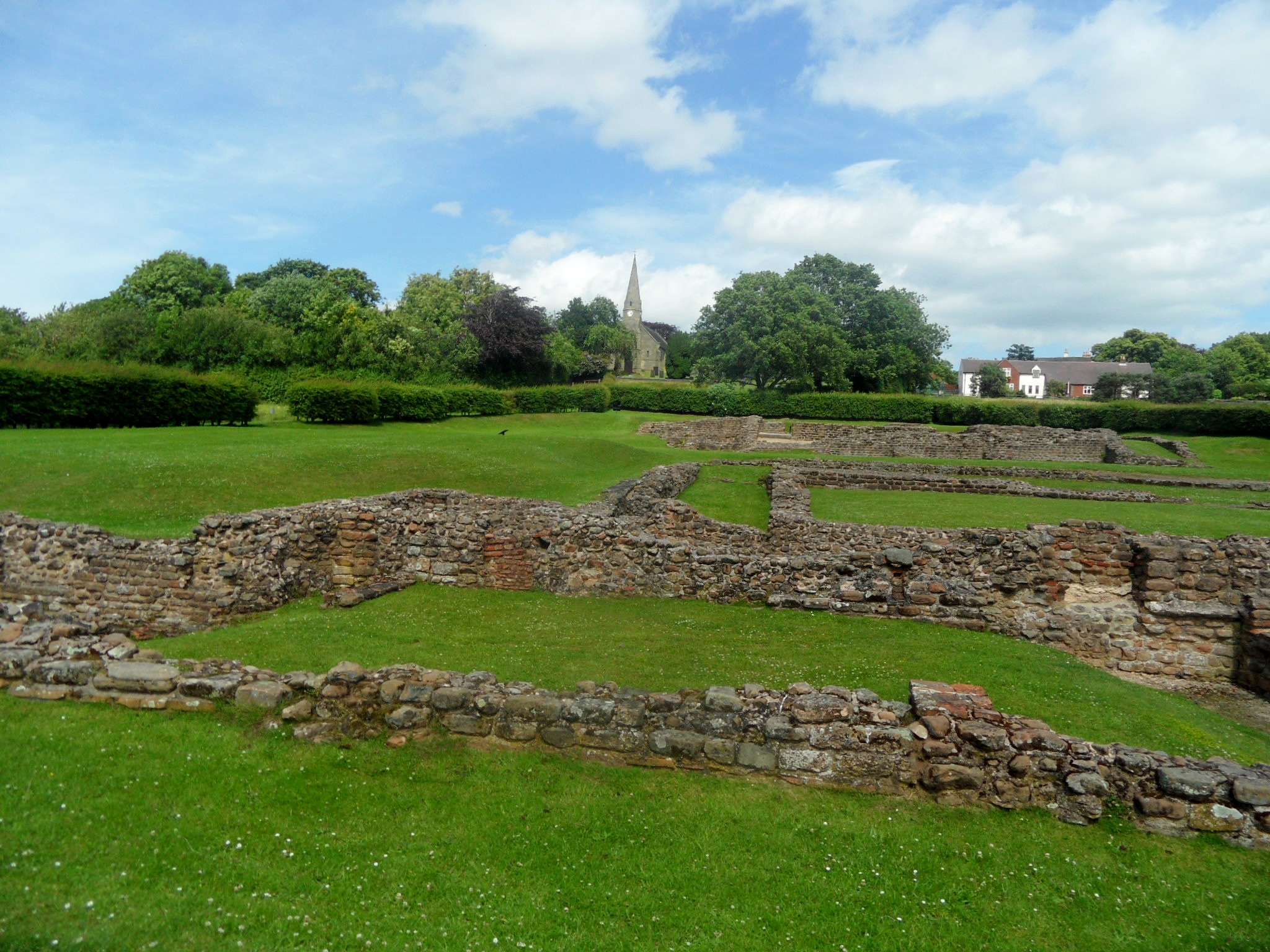
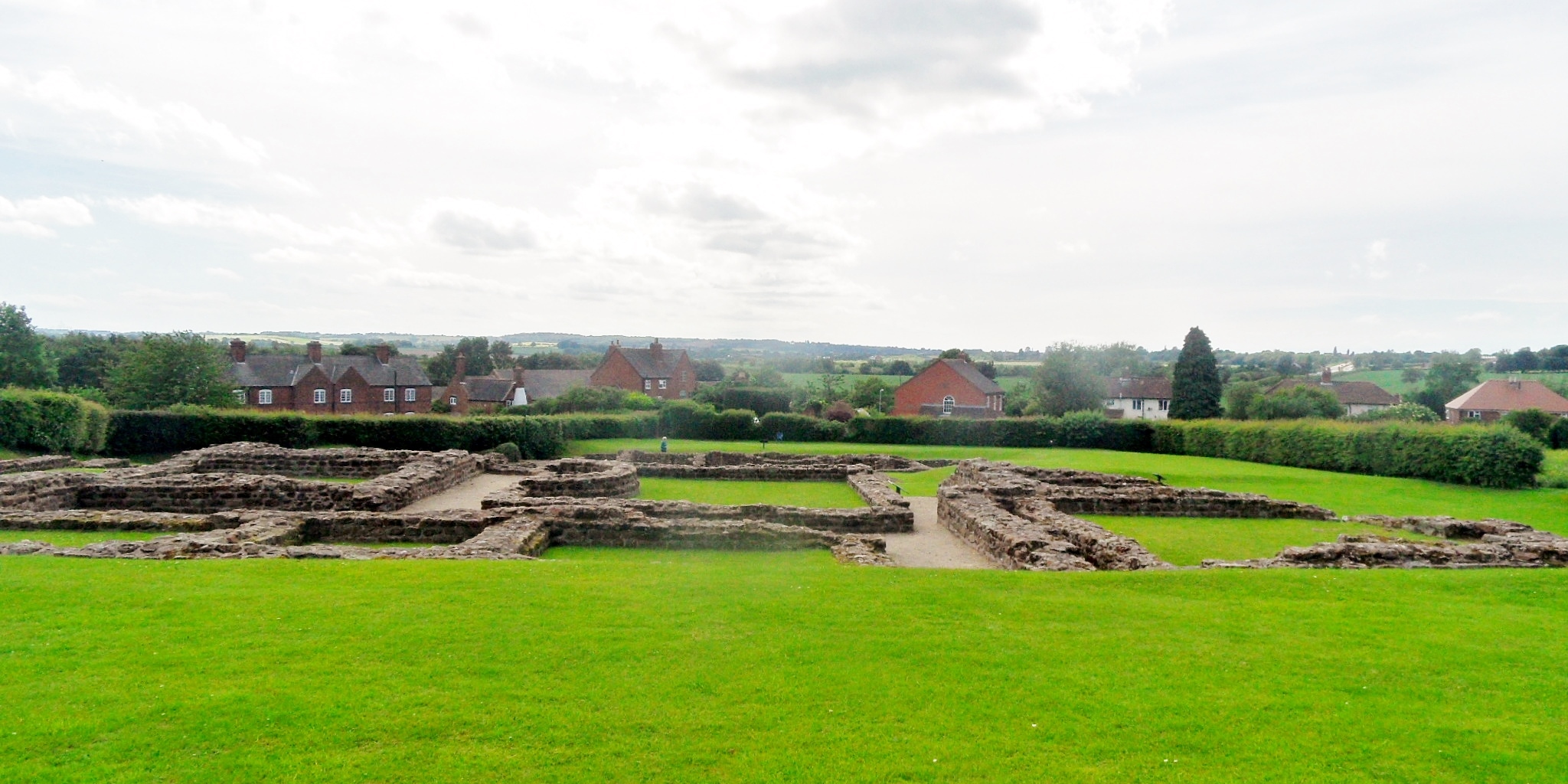
Remains of the guest house and bath house at the Roman settlement of Letocetum

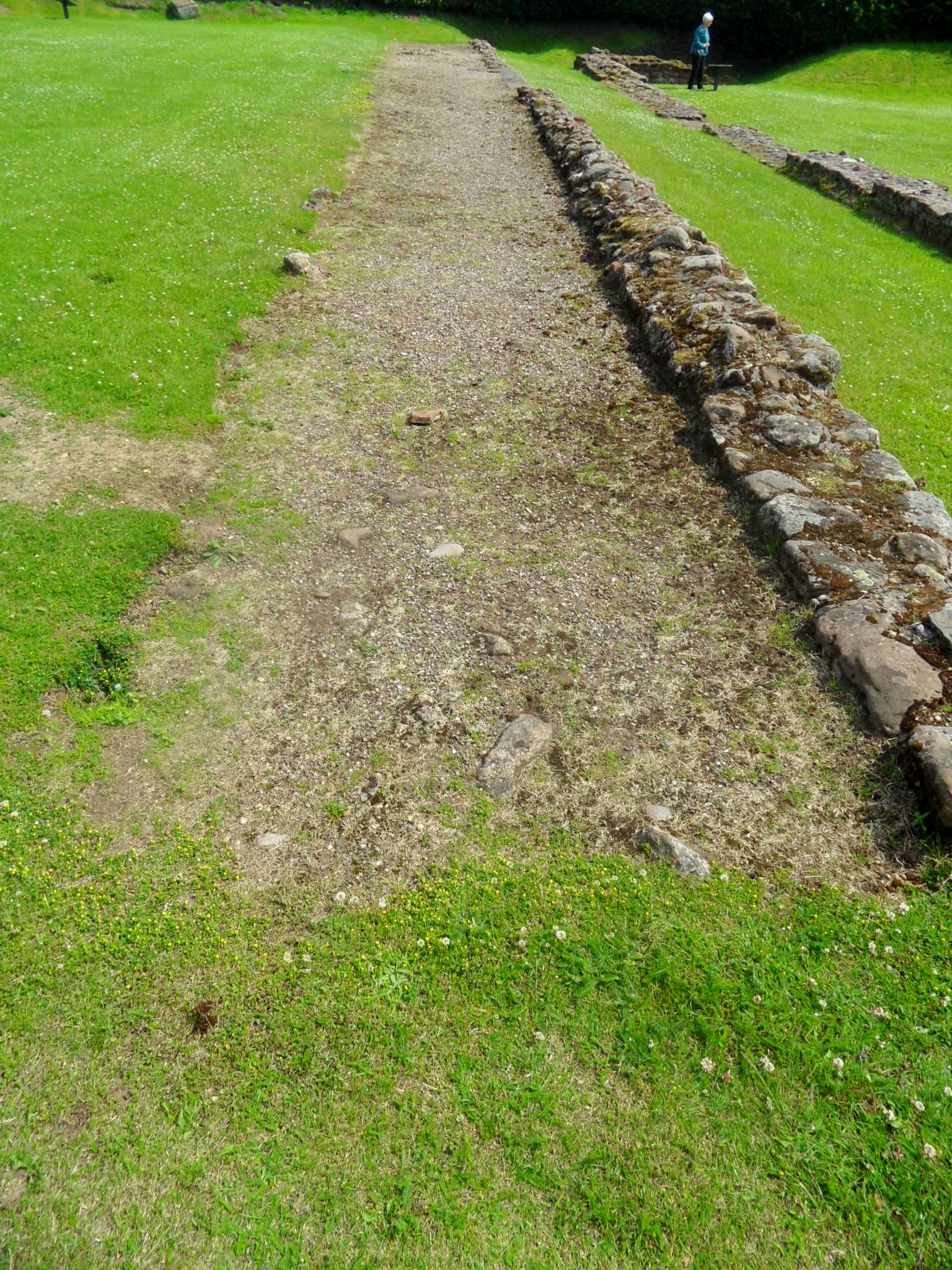
Roman occupation at the site is thought to have begun with the establishment of a military site to protect this important route, later developing into a staging post where those travelling along Watling St could rest and recuperate at the guest house and bath house, (it is the remains of these buildings which are still visible) and eventually a small town.  You can see another Roman road, running between the remains of the two buildings on the site, with some of the original cobbles still intact.

Not quite on Watling Street scale, but a Roman road nonetheless.

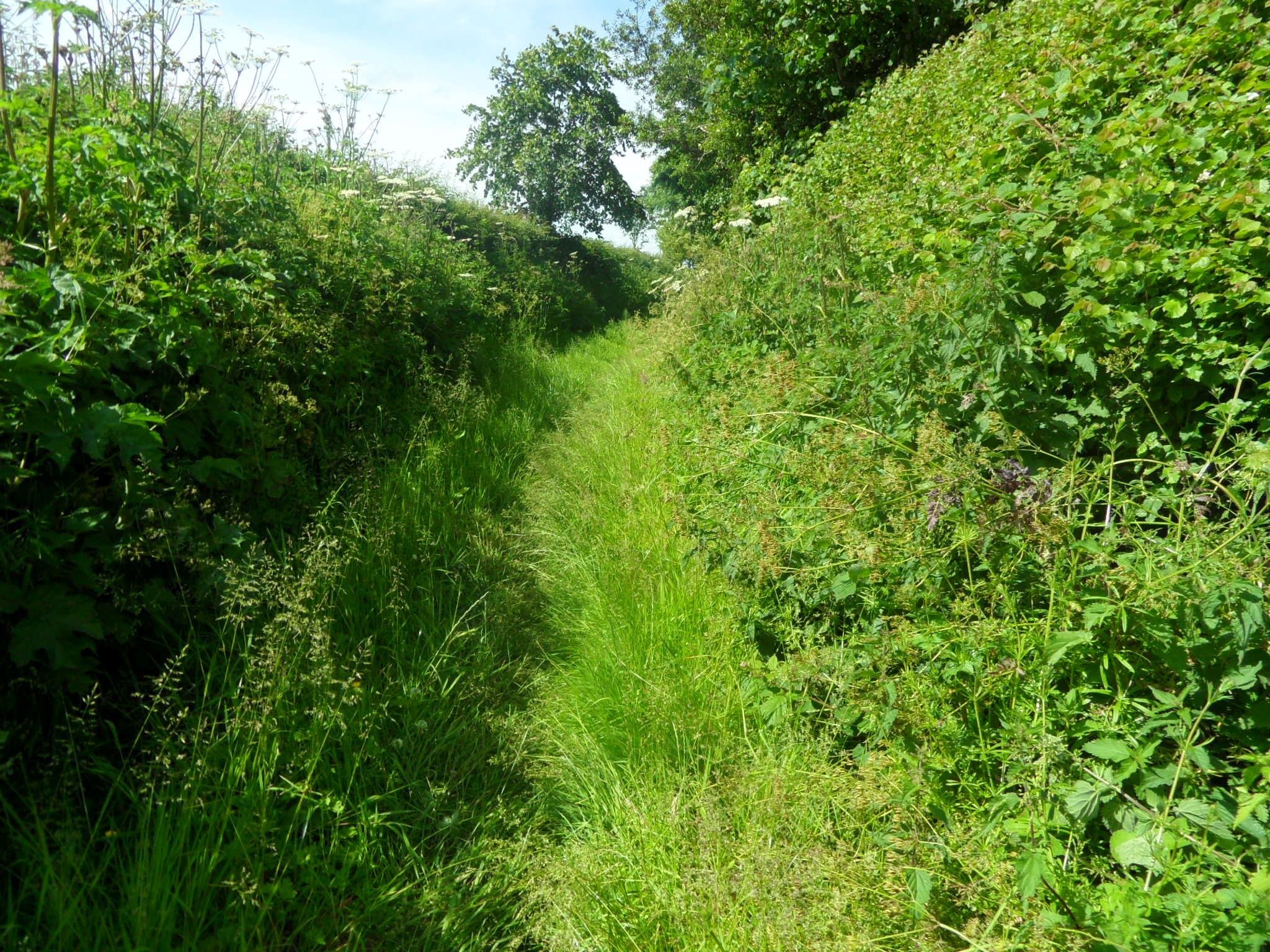
After looking around the ruins, we followed the Wall Heritage Walk (available from the museum) which took us along more ancient routes – the greenways and sunken lanes that surround the village, thought to be old drovers’ roads.

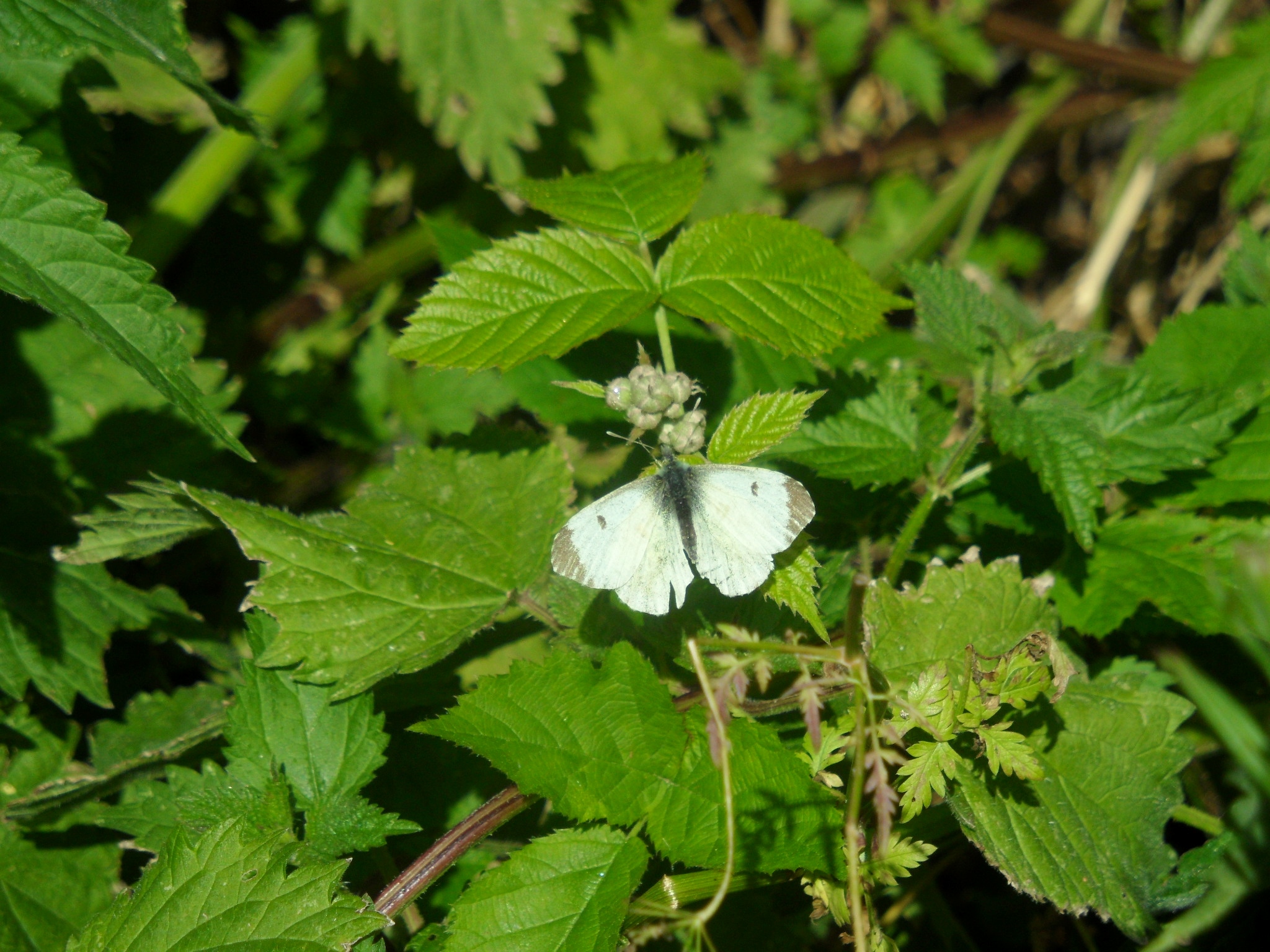
I’m including this, not because I fancy myself as a wildlife photographer, but because I am grateful to the subject for being the only butterfly ever to have stayed still long enough for me to take a photo!

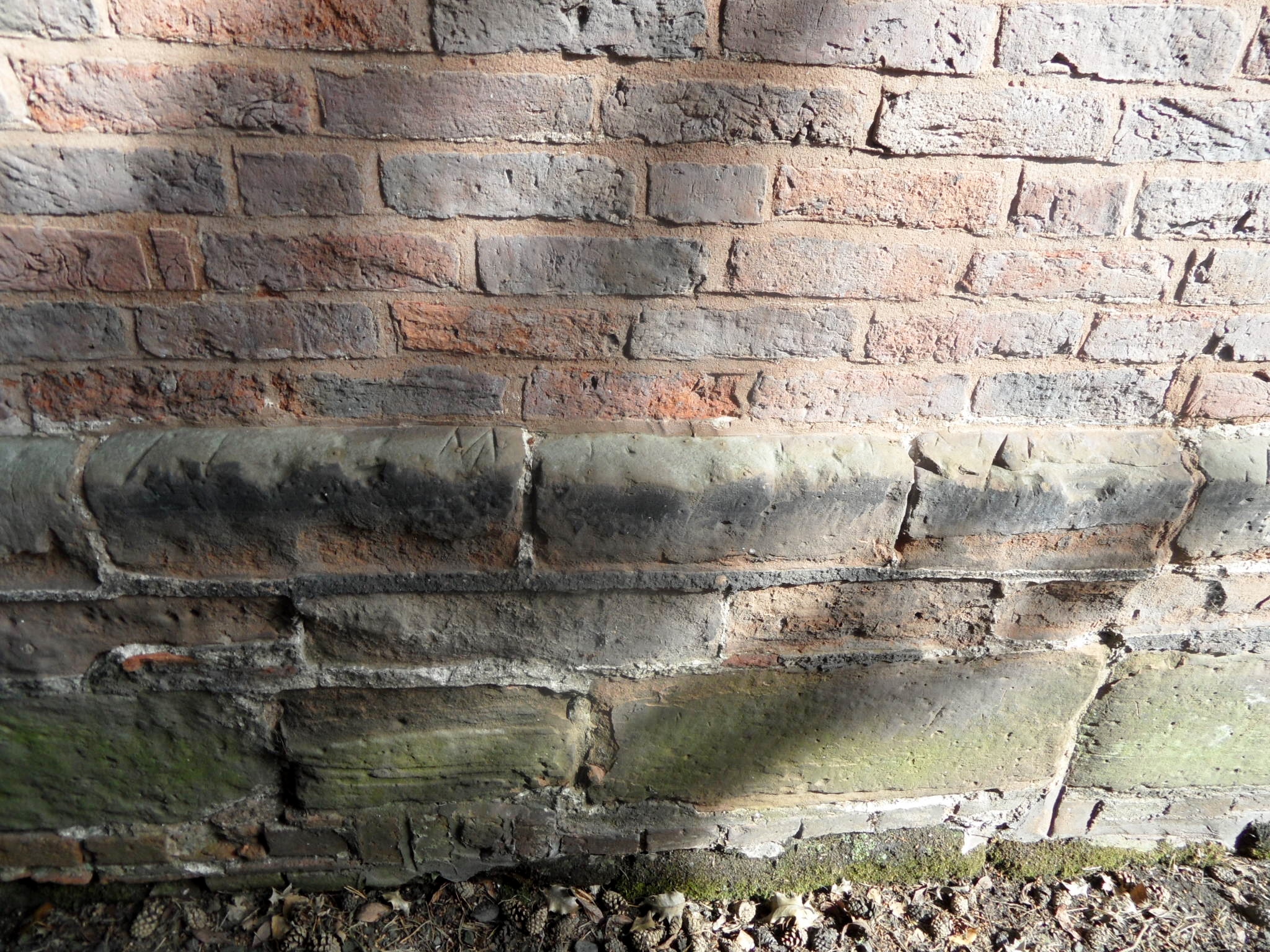
As well as enjoying the views and the wildlife of the hedgerows, I also couldn’t help looking out for buildings in the area that had used stone from the ready made quarry nearby!

Are these Roman stones I wonder?

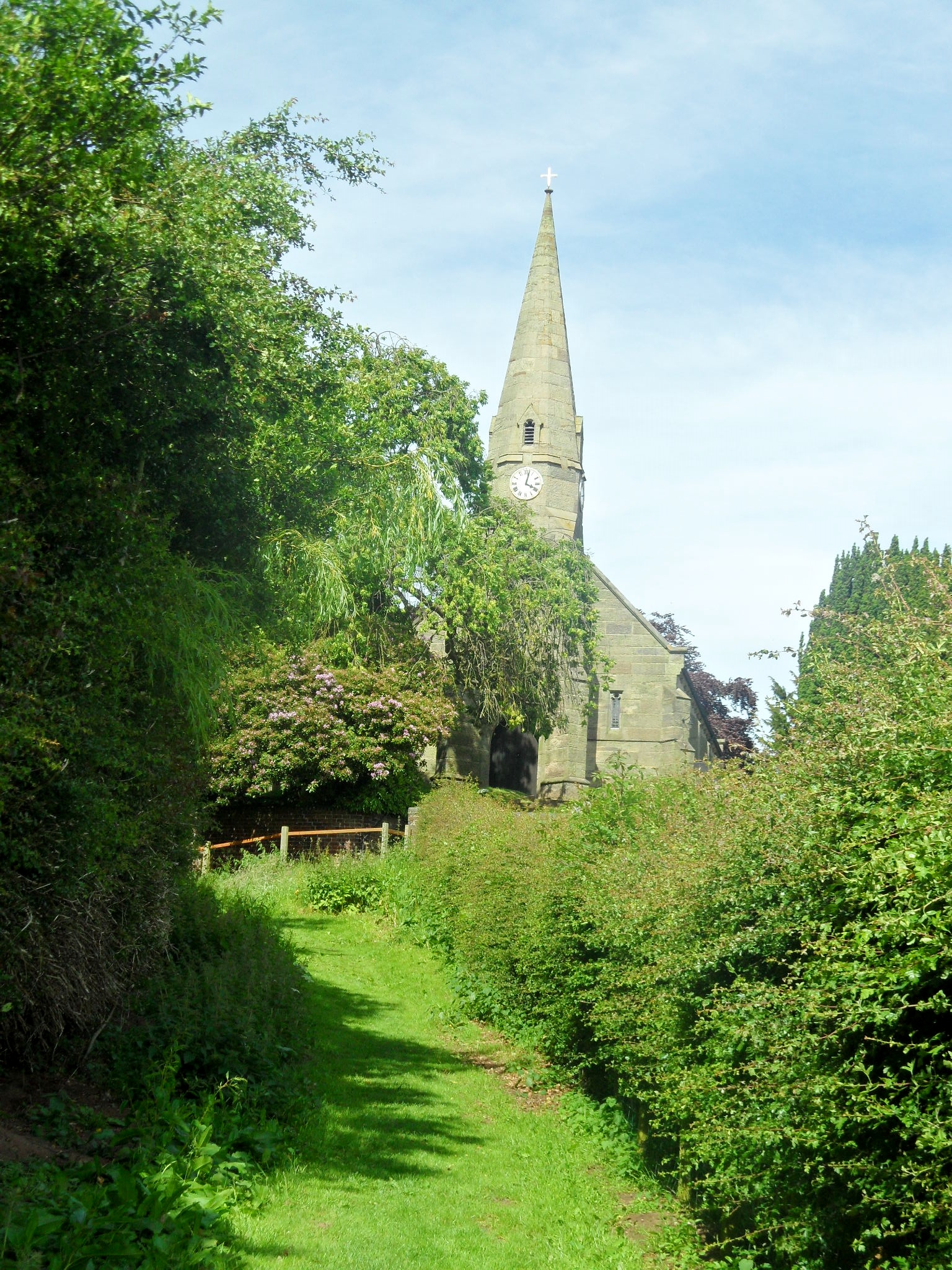
One of the lanes runs past St John’s church. Built in the late 1830s, in comparison to the ruins it overlooks, it’s a young whippersnapper of a building. The architects were George Gilbert Scott and William Bonython Moffat, who it seems were also working on Lichfield’s new workhouse at St Michael’s around the same time.

One of the questions that seems to be subject to much discussion here is, could earlier places of worship once have existed on the site? There has been speculation that there was once a shrine to Minerva here, based on an account of a man who worked draining the lands around Wall. Asked if he had ever found anything in the course of his work, he told how as well as finding lots of old coins, he once found an earthenware figure that he described as being as big as a man, but not a man due to having a bust, and also not a woman as it had a queer dress and a man’s cap like a soldier’s helmet. And what did he do with this amazing find? Prepare to weep – he used it to mend a drain.

However, before getting too upset we can perhaps take some comfort in the fact that Jim Gould (who as well as working extensively at Wall explored and wrote about the archaeology of many of the other sites around here) was not convinced that the statue ever existed, the story being “from an unknown source, of the finding of an impossible statue, by an un-named man, at an unknown spot and date (1). A good lesson that no matter how appealing some stories may seem, they should be taken cum grano salis. 

Entry is free but the museum is only open on certain weekends so check first!

Thanks to archaeologists like Mr Gould and others, a great deal of the history and significance of the site has already been discovered, although it seems there are still plenty of crop marks and questions out there (including the relationship between Letocetum and what was to become Lichfield) to keep future generations of archaeologists busy. However, just as sunny days ideally shouldn’t be spent shopping on retail parks, places such as Wall ideally shouldn’t be explored through words and photographs along, but physically instead. The museum even has a collection of objects you can touch! Instead of using this post to further summarise the history of the site (especially as others will have done a far superior job elsewhere!),  I’d rather encourage you to go and have a look for yourself.  In case you need any further convincing, entrance to the ruins and the museum is free and the heritage leaflet I picked up there was worth every one of the 20 pennies I paid for it.

Slightly gratuitous photo of Roman army re-enactors, English Heritage Festival of History 2011

Sources:

(1) http://www.sahs.uk.net/Volume%20XXXIII.pdf

Wall Heritage Walk

Pastscape Record for Letocetum

Trading Places

In June 1945, local historican Mr Jackson contributed an article to the Lichfield Mercury in which he shared his memories of the shops and businesses that surrounded him as a young boy growing up in the city during the 1870s. I’ve summarised the article below so settle yourself down with a bottle of herb beer and a bag of toffee nobs and have a read!

In Breadmarket St, Mr Bartlam had a tinsmith business and Mr Marshall ran a dairy in the premises next to the old watchmakers and jewellers owned by Mr Corfield. Mr Corfield’s shop burnt down in 1872 – a tragedy that resulted in the entire Corfield family losing their lives (1). In 1872 there were three breweries – Griffith’s, the Lichfield Brewery Co. and Smith’s on Beacon St (the City Brewery and the Trent Valley Brewery came later). Mounsden and Sons was a wine and spirit business, according to Mr Jackson, one of the oldest in the city. There was Mr Nicholls, a photographer who also had a fancy goods shop on the site of what was to become the Regal Cinema (but has since been the Kwik Save and a nightclub, with plans to turn it back into the Regal Cinema again!).

Regal Cinema Lichfield. Late 1960s? Taken from Gareth Thomas’s Pinterest site http://pinterest.com/FieldOfTheDead/old-photos-lichfield/

A little shop in Tamworth St was kept by the Misses Wilcox who sold fancy goods and toys. Mr Jackson remembers that the shop was well below the pavement (why would this be?) and stocked everything from pins to rocking horses! He recalls buying yards of elastic for making catapults, along with marbles, tops and hoops.

Mr Young, a whitesmith, lived in the old Frog Lane School House and his workshop was in the same street. There were several ironmongers including Mr Crosskey on Market St, Sheriff of Lichfield in 1863 and Mayor in 1868. Next to the old Victoria Nursing Home at 15 Sandford St was Mr Tricklebank’s tin-ware business.

On Market St, was Mr Caldwell’s hardware business (Frisby’s Boot and Shoe store in 1945).  Over on Church St, Mr Platt made rope, twine and string (Mr Jackson believes he was the only one in the district at the time) and C W Bailey had an agricultural implement depot.  Blacksmiths were in demand – Gallimore on Lombard St, Mr Salt on Sandford St, Mr Sandland on Beacon St (later taken over by Mr Goodwin who, as you may remember from a previous post featuring Mr Jackson’s memories of Beacon St, was said to have shod a dancing bear).  Apparently, the smithy on Beacon St was the oldest in the city, dating back to the mid 1800s.

I believe that this building on Lombard St was once a blacksmith’s forge.

Wheel wrights producing traps, carts and wagons and well as the wheels to put on them could be found on Church St (Mr Davis) and Beacon Hill (Mr Horton).

This advert for John Simms shows that at some point the business moved to Church St. Image taken from Gareth Thomas’s http://pinterest.com/FieldOfTheDead/

John Simms had his mineral water works on Stowe St opposite St Chad’s School, and Mr Jackson remembers that when he was a pupil at this school in 1869, nearly every other cottage in Stowe St sold bottles of home made herb beer during the summer (was this actual proper beer or more like the ginger beer of Enid Blyton books?). Perhaps of even more interest for the little ones were the sweet shops – ‘Suckey’ Blakeman and ‘Suckey’ Perry in Market St and Mr Giles on Gresley Row with his ‘super’ toffee nobs.  When Mr Jackson moved up to the Minors School on the corner of St John St and Bore St, he recalls taking it in turns with his fellow students to fetch not just mere ‘super’ but ‘luxury’ toffee nobs from Miss Hicken’s (and later Miss Hobby’s) shop in St John St opposite the back entrance to the school.

Cities are constantly changing places. Even though my Lichfield memories only stretch back as far as the beginning of the 21st century (with the exception of one family day trip to Beacon Park in the 1980s) a lot has changed even in that short space of time with shops and businesses coming and, as is all too often the case these days, going. Just last week the Greenhill Chippy shut. A couple of years ago my friend and I were heading to the Duke of York when we got talking to a man who was passing through Lichfield on a long journey he was undertaking on foot. He didn’t explain why, and for some reason it didn’t seem right to ask him. He hadn’t any money and didn’t ask for any, but did accept a portion of chips from the Greenhill fish shop. I often think of him, and what his story may have been when passing by there. Anyway, my point is that places have memories attached to them and I think it’s important to record them, just as Mr Jackson did. There’s some great stuff being shared on the Lichfield Facebook group and some wonderful old photos on Gareth Thomas’s blog. For a much more in depth look at the shops and businesses of Lichfield, I know that there is a great book “Trades of a City: Lichfield Shops and Residents from 1850” by JP Gallagher, (although having only borrowed copies, if anyone can point me in the direction of where to purchase my own, I’d be grateful!). I think it would be brilliant to do some walks where instead of being led by a guide, people have a stroll around the streets together sharing memories and stories with each other. Until then, if anyone can identify any of the locations in Mr Jackson’s reminisces please let me know!

(1) This is a sad but interesting story in itself and I will cover it in a separate post.

Source: Lichfield Mercury 8th June 1945

Dog Days

At the weekend, I received an email from Lorna Bushell, asking if I’d ever come across Purchaser’s grave. Purchaser and his fellow canine, Vendor, are buried in the grounds of a building that was home to a firm of solicitors for many, many years – hence the unusual pet names! Although I found the headstone marking Purchaser’s grave easily, the memorial to Vendor wasn’t as obvious and may even be missing altogether.

I can only make out some of the writing on the stone, which I think testifies to the dog’s ‘personable disposition’, endearing him to all who knew him. If anyone has better eyes than me and can transcribe the full epitaph, please do!

I’ve seen memorials to animals at several former country houses I’ve visited in the past including these headstones at Trentham Gardens last summer, and up at Brocton on Cannock Chase, there is a headstone to Freda, the mascot dog of the New Zealand Rifle Brigade during the First World War. Brownhills Bob visited the memorial a while back and wrote a lovely article on it here.

One of the inscriptions at Trentham Gardens reads ‘Dolly – The Duke Cromartie’s Shooting Pony Died March 1923 Aged 12 (?) years.

I’m being deliberately vague about the location of Purchaser’s Grave, as on leaving I was stopped by someone and quizzed about what I was doing in their car park. I’m assuming that they may not take kindly to more people traipsing around their property searching for a dog’s lost grave.  Fair enough, I suppose, although it always seems a shame to me when parts of our history, no matter how big or small, are tucked away in unseen corners or hidden behind locked doors and gates, at risk of being forgotten about or lost for good. Down in London, there is a pet cemetery in Hyde Park – a fascinating piece of social history that few know about and even fewer get to see.

Back to Lichfield and if anyone does know any more about those solicitors’ best friends, Purchaser and Vendor, I’d love to hear about it.

 With thanks to Lorna Bushell for the information

Multi Story Huts

A while ago I wrote about the old scout hut in Leomansley, triggered by the chance discovery of an old girl guides badge in Moggs Lane (does anyone call it by that name these days I wonder? I’m going to try and resurrect it – it’s much better than calling it ‘the lane that runs past Martin Heath hall towards the football pitches’). The hut is believed to have originally been a cadet hut, from one of the first world war training camps on Cannock Chase.  There is a fantastic section on the Staffordshire Pasttrack website regarding the training camps, including a description of the huts themselves. After the war, many were sold off to towns and villages for use as village halls, workshops, and here in Lichfield, a youth club.

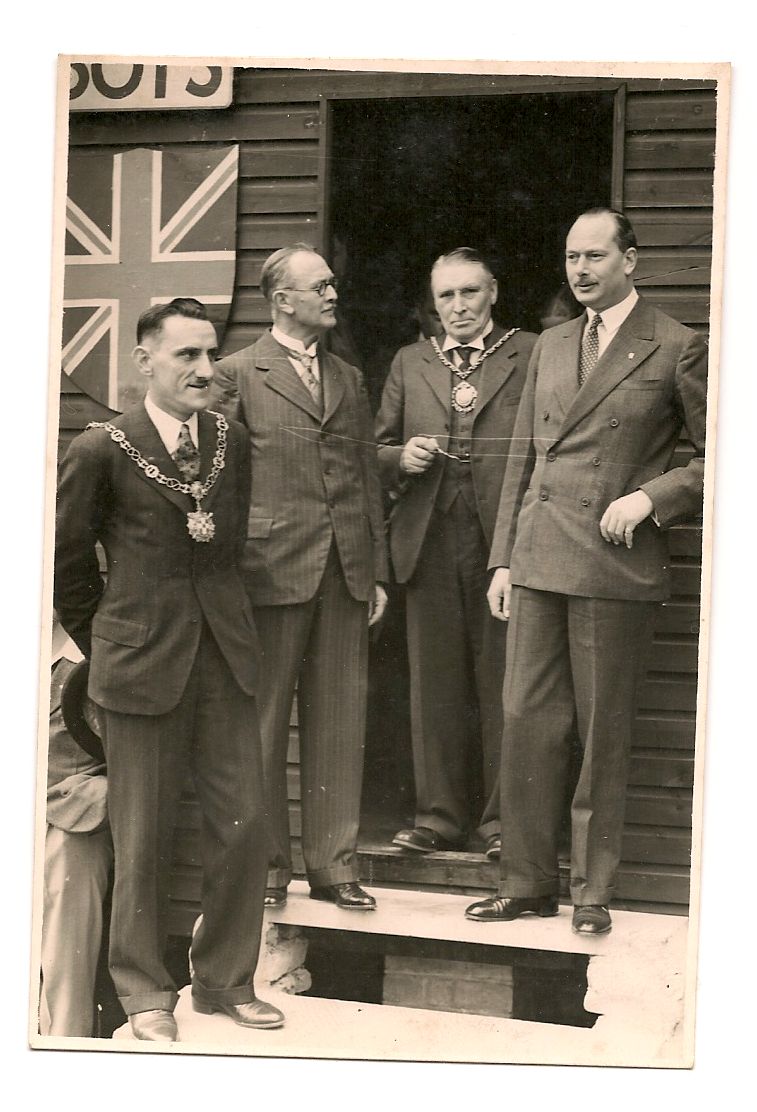
Colin Halfpenny sent me two photographs featuring his father, Frank Halfpenny, and other civic dignitaries welcoming the Duke of Gloucester to the hut in Leomansley in 1939. At the time it was being used at the headquarters of the Christ Church Boys Club on the Walsall Rd but was eventually taken over by the 6th Lichfield Scout Group. The hut was replaced by a new building in 2009.

Cllr Frank Halfpenny (the Sheriff of Lichfield), Alderman Tayler (the Mayor) and the Chairman of the Youth Club Committee stand on the steps of the hut with the Duke of Gloucester in 1939.

The Mayor, the Duke of Gloucester, Mrs Ballard, Mr A.N.Ballard (the Town Clerk), the Sheriff (Mr Halfpenny), the Sheriff`s Lady (Mrs Mary Halfpenny)  and the Mayoress

I have also started to read about Brindley Heath, where the abandoned huts of the military hospital were taken over by the West Cannock Colliery Company, providing homes for miners and their families until the 1950s.

Imagine the stories held within the walls of these simple wooden buildings – those of thousands of men, who called them home (possibly for some their last) as they trained for life, and in far too many cases death, in the trenches abroad.  Once peace was restored, there were new chapters in the stories of the huts themselves, with each one put to a new use amongst a different community.  As the centenary of the first world war approaches, I wonder if any of them are still around in our towns and villages, or have they all now been replaced?

With thanks to Colin Halfpenny for the photographs.

Edit: One of the huts may have been used at Snibston in Leicestershire, as a temporary residence for the Vicar whilst he waited for his new vicarage to be built. Also it appears that the memorial hall and men’s club at Glascote, Tamworth was also a former army hut.


Fareground Attraction

In the last couple of weeks, I’ve done a fair bit of walking in the lanes (and on one misjudged occasion, a potato field) around the Lichfield/Burntwood area. On one walk I was accompanied by my husband, on another I was alone. Well, I say alone, but actually you bump into others – cyclists, horseriders and of course other walkers, who generally smile and say hello, and exchange pleasantries. I like that a lot. On the walk I did alone, I made the mistake of trying to take a shortcut. It was a way marked path through fields and the views were great but it felt too lonely. I retraced my steps back through the potatoes and back to the lanes. I’ve realised that I’m not much of a fan of walking through fields. I prefer to be somewhere where others have been, and others are.

Anyway, in case anyone wants to do a similar walk themselves, here’s a suggested route. I think it’s about 5 and a half miles.  As you can see it’s pretty straight forward, and in fact you could do it either way around, but I’d been reading the book ‘Holloway‘ and liked the idea of walking from Farewell towards the Cathedral down Cross in Hand Lane, as pilgrims did in the past, and indeed still do.

On walks these days, I am torn between the joy of discovering the unknown, and the disappointment on getting home and finding that you were just minutes away from a Tudor gatehouse/CAMRA pub of the year/ancient burial site etc. I hope that including a couple of photos with suggestions of things to look out for won’t make it too prescriptive, but will give you a flavour of the walk.

In parts, Abnalls Lane cuts through sandstone, and tree roots grow above your head.

According to the Staffordshire Heritage Environment Record, there are a series of these holloways on the Lichfield/Burntwood border.

Walking through the potatoes, it felt like there was nothing else but fields.

I was glad to get back on the lanes and see signs of human life, like these old cottages at Spade Green, on Abnalls Lane before turning up The Roche.

Found lots of water around Cresswell  (except for the well itself!). This is part of an old mill race, seemingly all that’s left of Little Pipe corn mill.

The Nelson Inn shows up on the 1815 map, and the pub’s website says that there may have been a pub onsite since the 1500s (presumably with a different name?). The low building to the left (which I’ve practically cut off the photo!) was a smithy. In 1909, Clifford Daft advertised himself as a general shoeing smith, willing to undertake all kinds of jobbing and repairs to farm implements.

Looking at a series of old maps, there’s not just the one well around here but several. However, I didn’t find any of them, so I had to settle for a different form of refreshment. And a very nice pint of Theakston’s Lightfoot  it was.

We found the old Farewell and Chorley schoolhouse, but I haven’t been able to find out much more about Elizabeth Annie Page as yet.

An old farm at Chorley

The Malt Shovel at Chorley. Great pub.

A lovely babbling brook running alongside the path. Was tempted to have a paddle as it was hot and my feet were rubbing, but thought I’d never put my not entirely appropriate shoes back on again if I did.

In between walks, some of the wildflowers on the roadside verges had been chopped down which was a shame, but there were still pockets of them in places, including these incredibly late bluebells.

Farewell church, a church of two halves. Once the site of a Benedictine Priory and where some mysterious jars were found in the wall, during renovations….

…and somewhere beneath the greenery is the ‘pure spring’ that gives the place its name. You can’t see much, but you can sometimes hear it gurgling away if the water table is high enough (thank you Brownhills Bob for explaining away this mystery)

Down Cross in Hand land, past Farewell Mill. There’s been a mill here since the 12th century. It was apparently in operation until the 1940s (source: Staffordshire Past Track).

Past the sheep taking a dip in the sparkling water that flows along the lane.

Cross in Hand Lane, I understand, was once the old road to Stafford. As you reach these lovely white cottages set back into the sandstone, you are nearly back at the A51, which is of course the new road to Stafford…

Of course, if you don’t want to say farewell (ho,ho) to the walk just yet, somewhere around these cottages is an old track called Lyncroft Lane, which leads to Lyncroft House aka The Hedgehog!