Christ Church Open Day

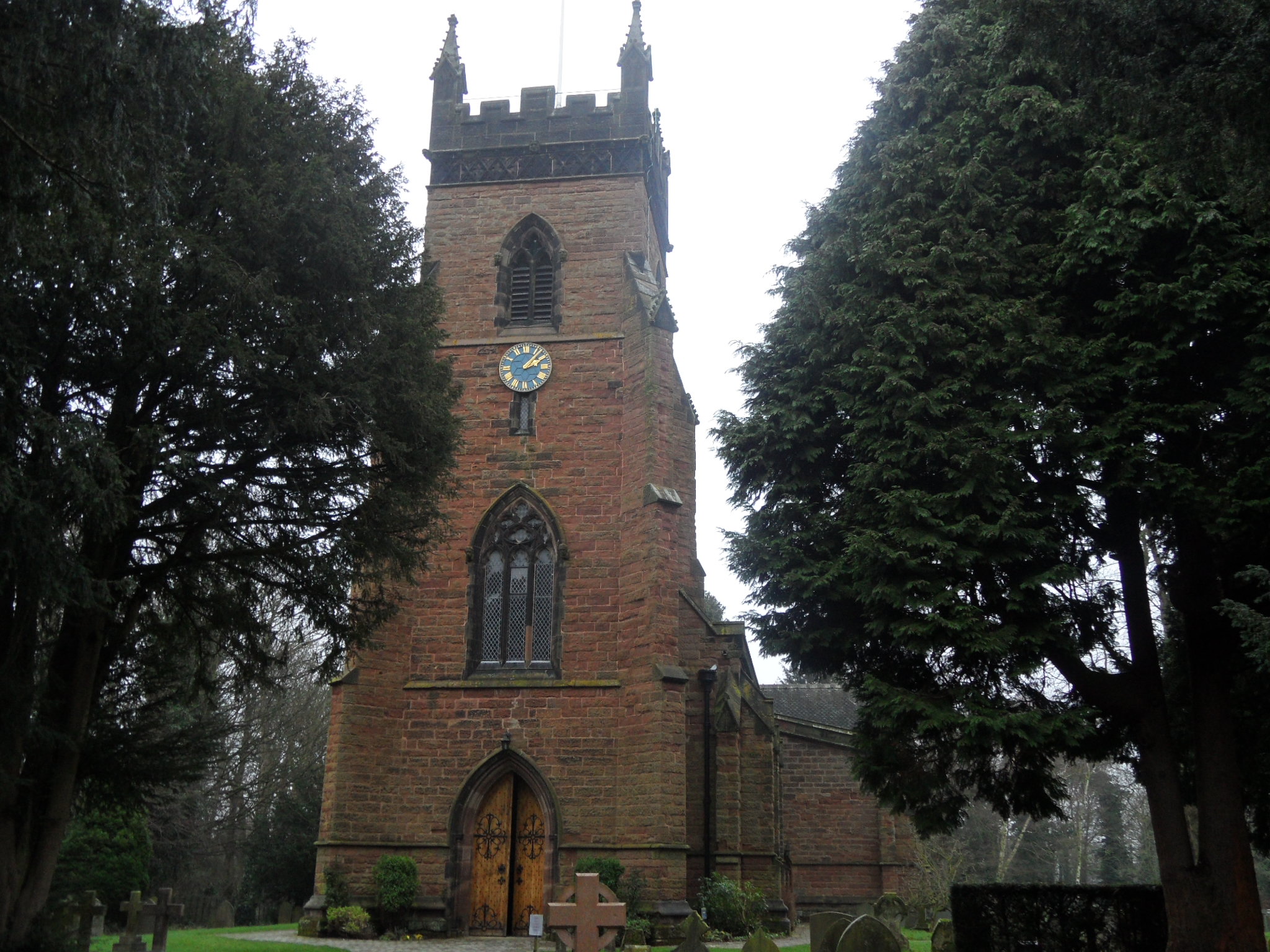
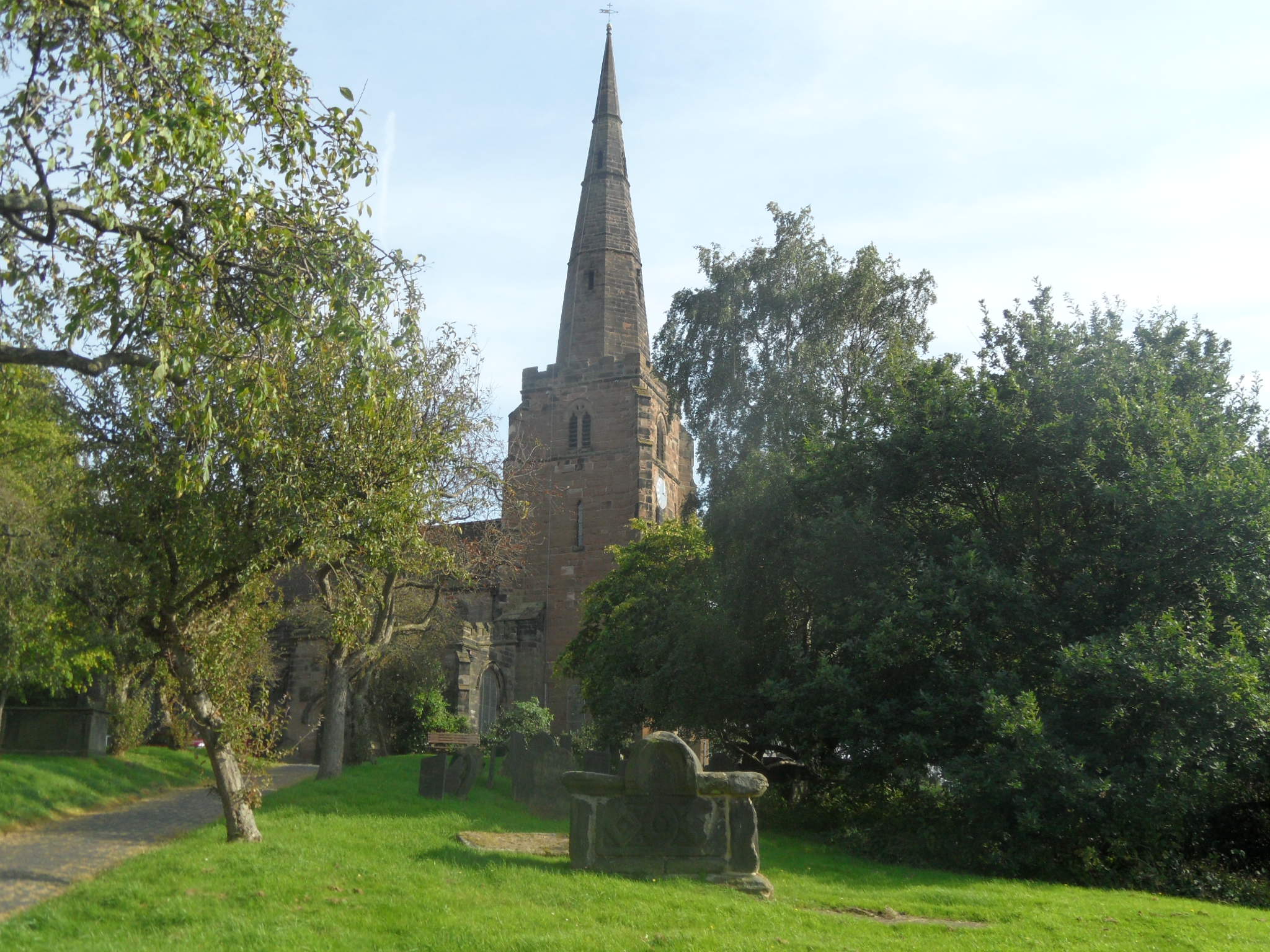
I’m delighted to see that Christ Church, Lichfield is having an open day. On Saturday 9th March, between 10am and 4pm, visitors will be able to explore this wonderful Victorian building and its architectural features, including the lovely chancel ceiling, original Minton tiles and stained glass, with the help of local history enthusiasts.

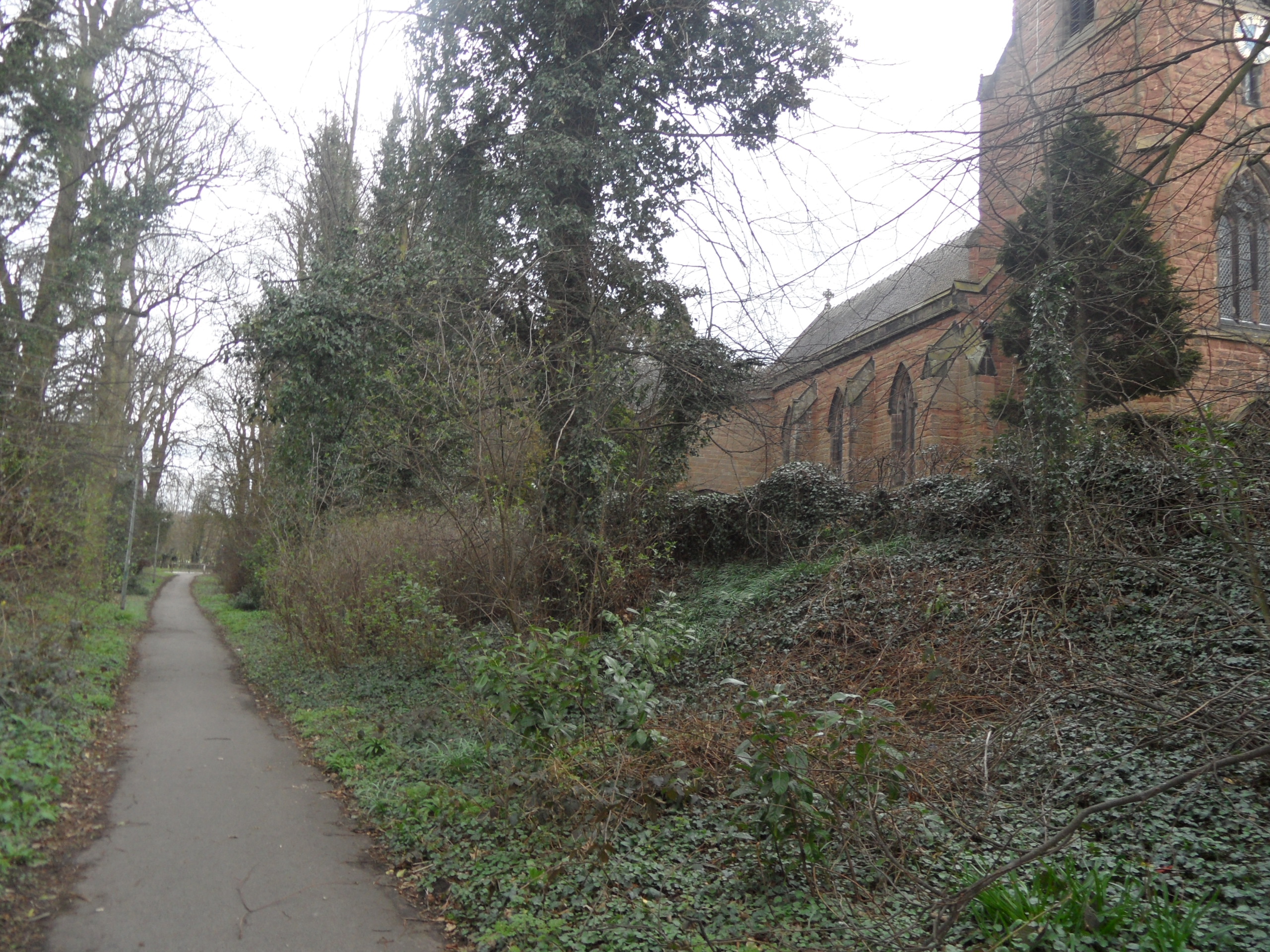
The grounds are lovely at this time of year, and a quick check of my photographs from last March tells me that the wild garlic and daffodils should be coming through in the lane alongside the church, so don’t forget to have a look outside as well as in.  There are also the intriguing stone heads around the inside and outside the building, that I wrote about back in January and am still none the wiser about (although I did see some very similar ones at St Michael’s –  a church that Thomas Johnson the architect was involved in restoring a few years before her started work here at Christ Church)!

The open day is being run by the new Friends of Christ Church, a group whose aim is to support the preservation, conservation and enhancement of the church and its grounds. I understand that anyone who becomes a member will receive an annual newsletter with details of upcoming events and projects to get involved in, and also a copy of the excellent book “Christchurch: A History”, which tells the story of the church, and the associated buildings in the area such as Christ Church School, The Old Vicarage, the cottage in the churchyard and Beacon Place (gone but not without a trace….).

More information can be found at www.christchurch-lichfield.org.uk/events or by email friendsofccl@btinternet.com.


All The Small Things

Tomorrow’s walk will be different to today’s walk….I have walked past Christ Church three times in as many weeks. Each time was different. The first was a bleak midwinter day, the biting cold numbing my fingers as I photographed the stone heads around the church. By the second, the scene had changed and even the heads were capped in snow.

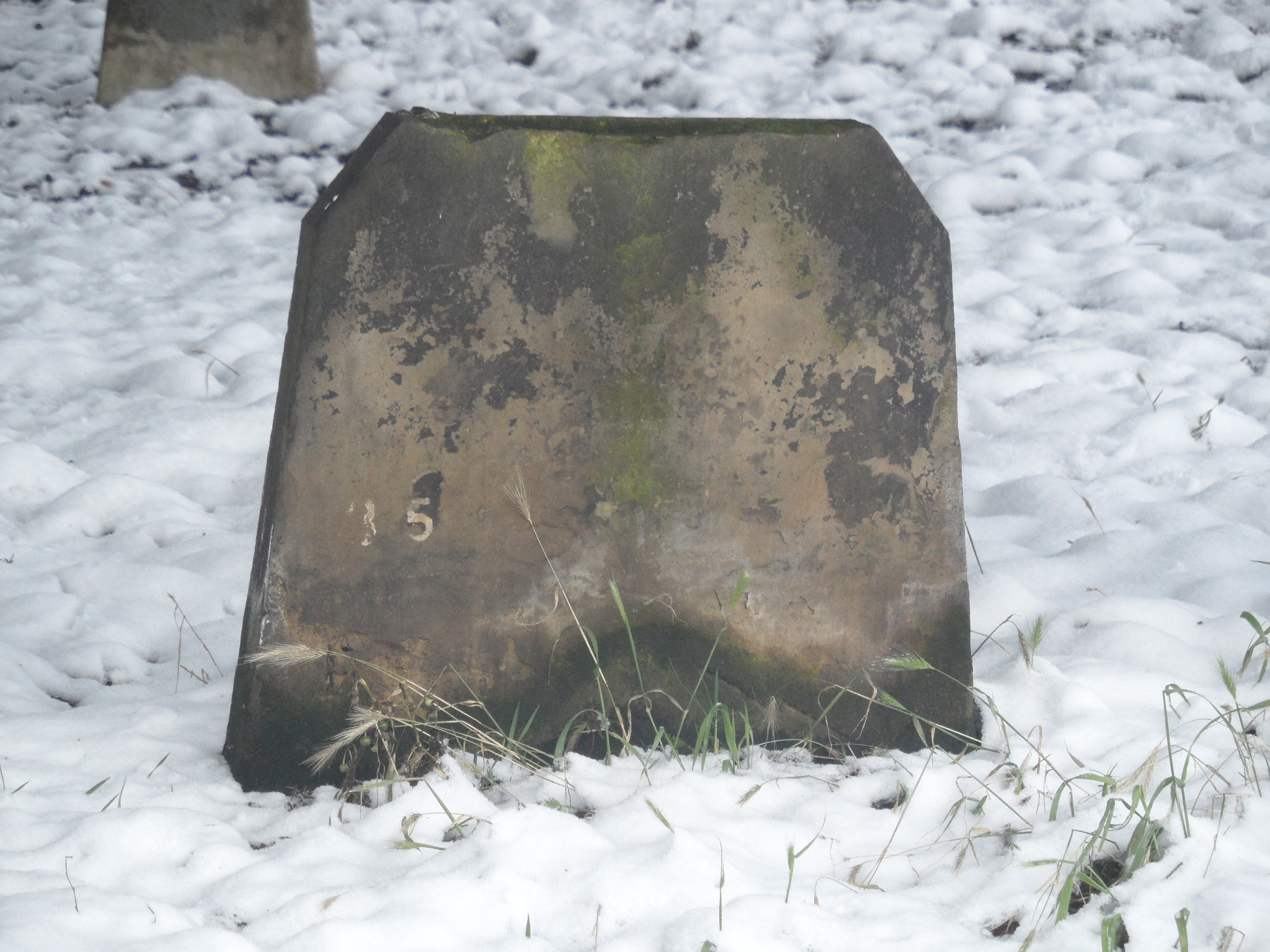
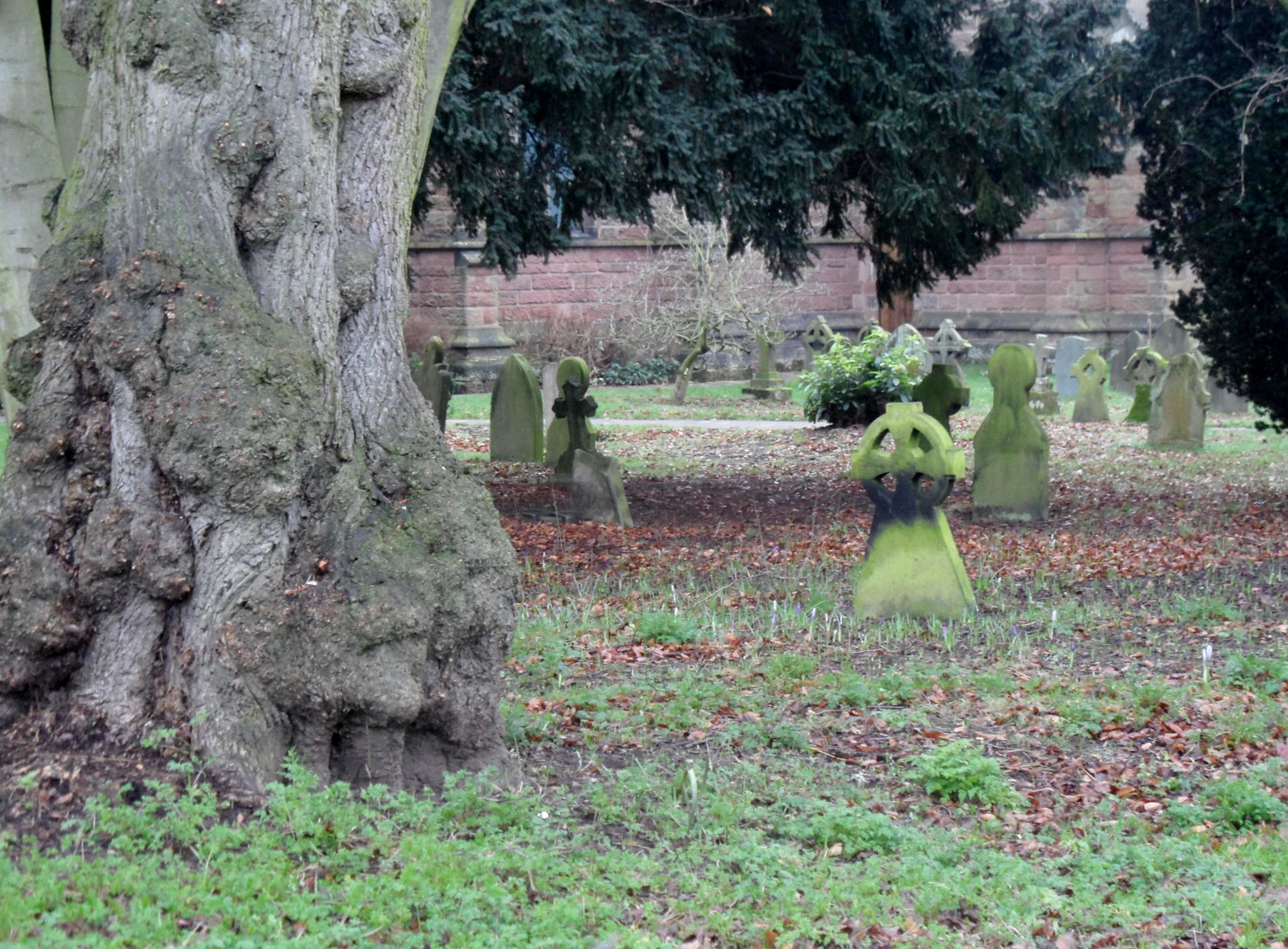
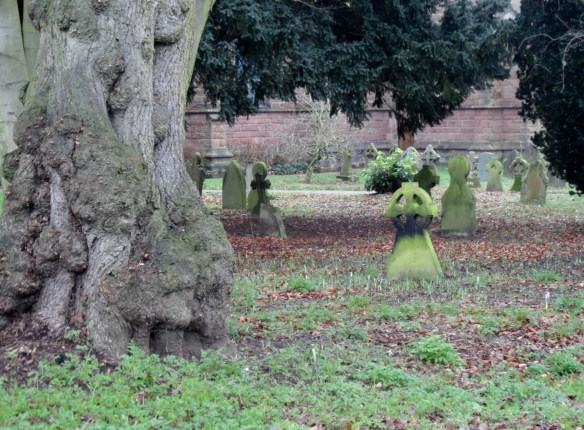
Whether somehow related to the snow or whether the weather was incidental, numbers on the reverse of head stones that I had previously passed were suddenly evident where I had never noticed them before. Interesting that only two of the several stones I could see from the road had numbers on them, so I’m guessing that they were some sort of reference mark made by the stone mason? Naturally, we look to the inscriptions on the front of headstones for information, but can the back sometimes tell us something as well?

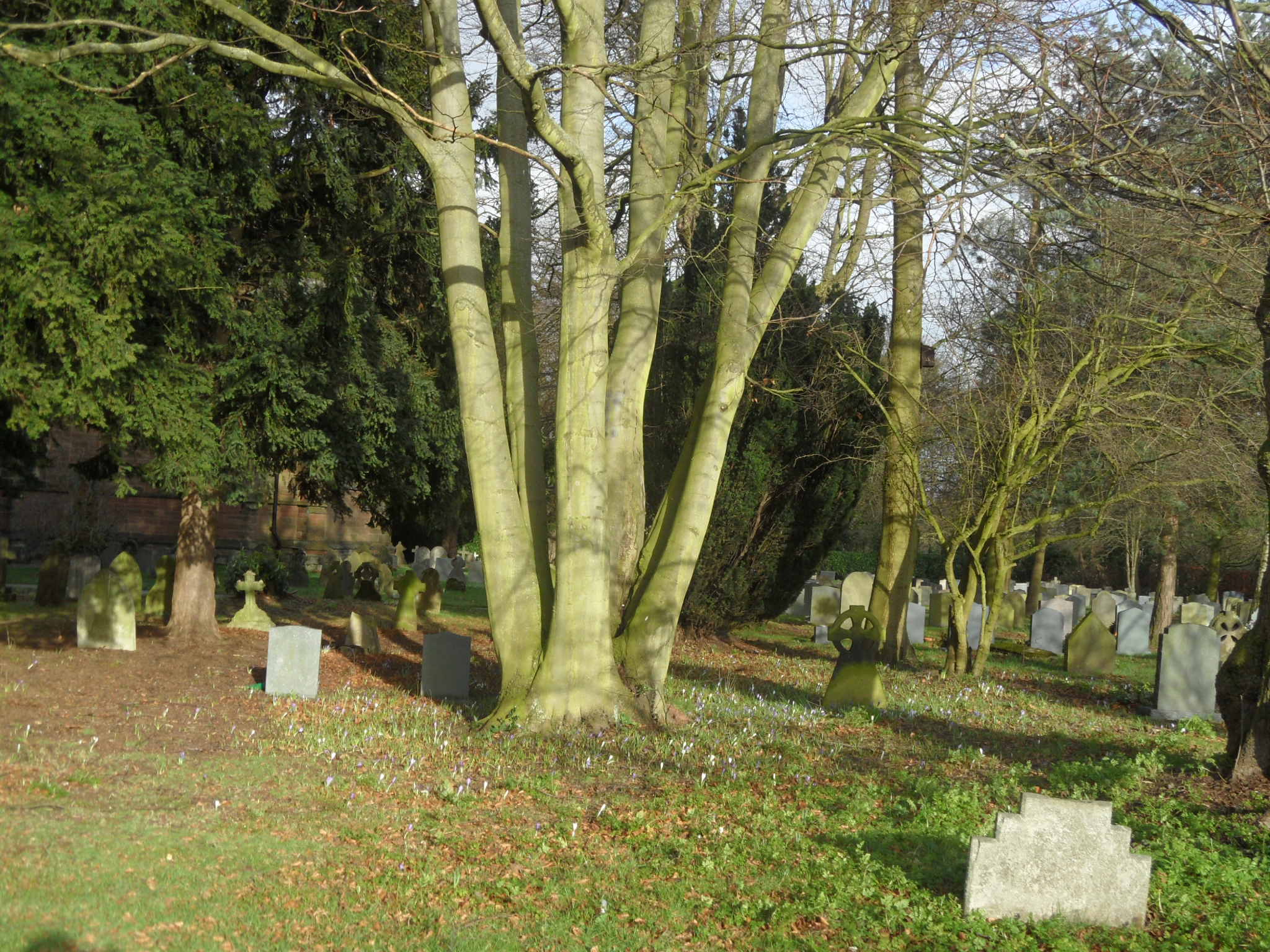
On my third visit yesterday, the snow has been replaced by snowdrops and crocuses, the first flowers of the year and a welcome reminder after last week’s mini ice age that spring is on its way (I know we’re not out of the winter woods yet, but I’m optimistic!).

Another weather and season influenced walk was up Abnalls Lane on a wet and windy day.  Tipping my head back to gather my hair in a pony tail to stop it blowing in my eyes caused me to look up and notice fungi growing half way up a tree up high on a bank that may have been missed on a calm and sunny wander. On the same walk the bareness of winter revealed some sort of post in a hedge (I have no idea what this is – some sort of utilities marker?)

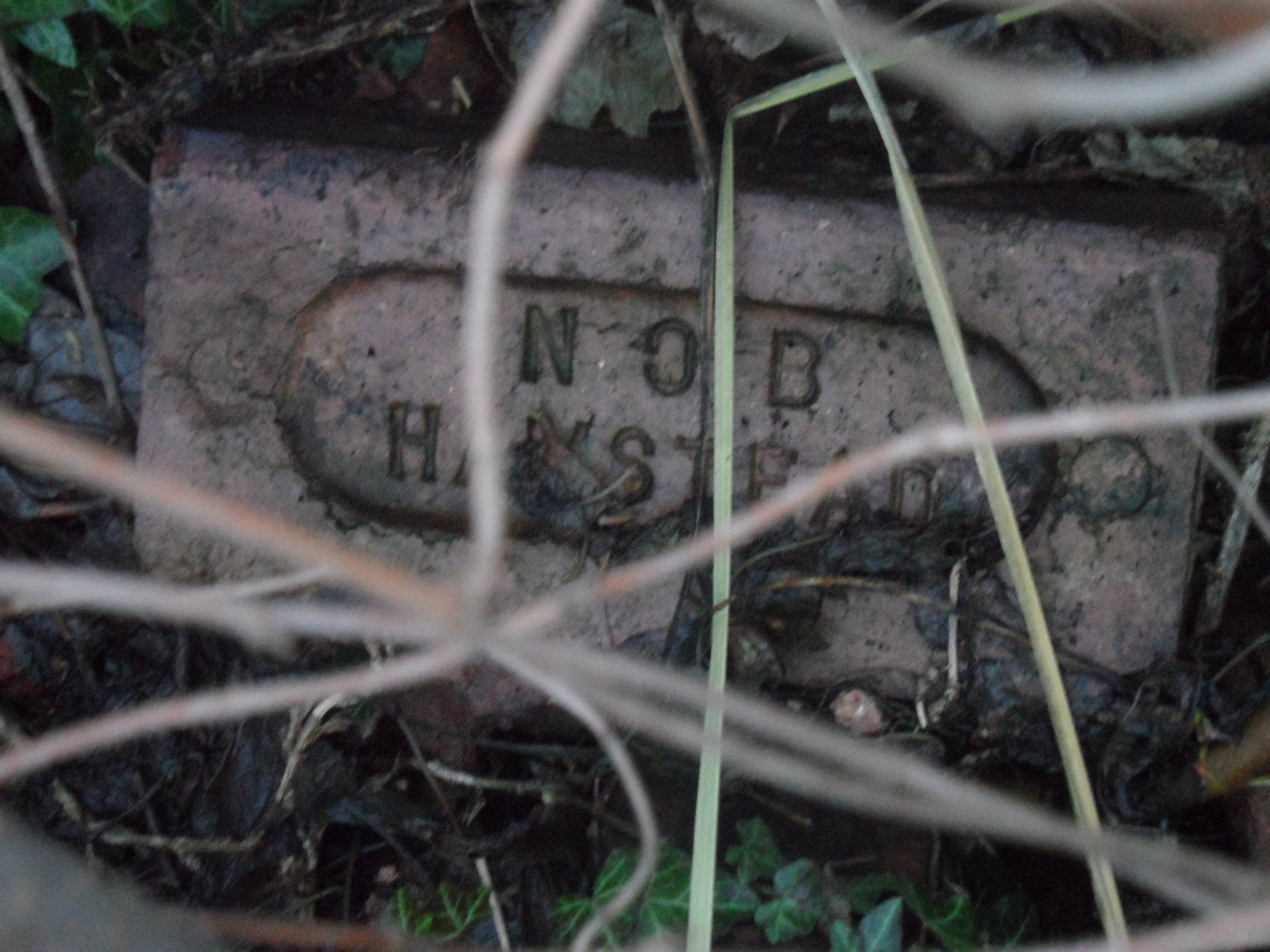
The light was poor and Abnalls Lane was more of a stream in places. With the amount of cars passing, it was only a matter of time before I ended up soaked or worse….so I changed my route. Later, outside the derelict Sandyway Farm, a pub known as the Royal Oak for the first half of the nineteenth century, one of the bricks had worked its way free of the decaying shell and lay under brambles alongside the Walsall Rd. I understand that the stamp ‘NCB Hamstead’ means it came from brickworks at the Hamstead Colliery in Birmingham, when it was part of the National Coal Board.

Is the C the wrong way around or is it me?

Admittedly, all of the above are small things but whether small things help you to build a bigger picture of the place you live in or even if they just make you smile, I think they’re worth noticing.


The Faces of Christ Church

I visited Christ Church on a numbingly cold and drab January afternoon, and I welcomed the sight of the first crocuses and snowdrops beginning to appear amongst the stones erected as memorials to those who once lived here in the parish.
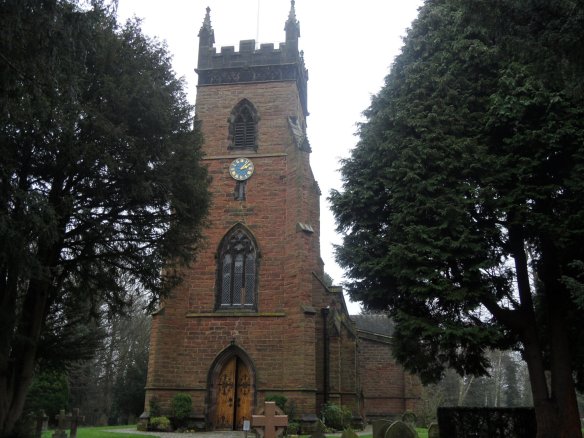
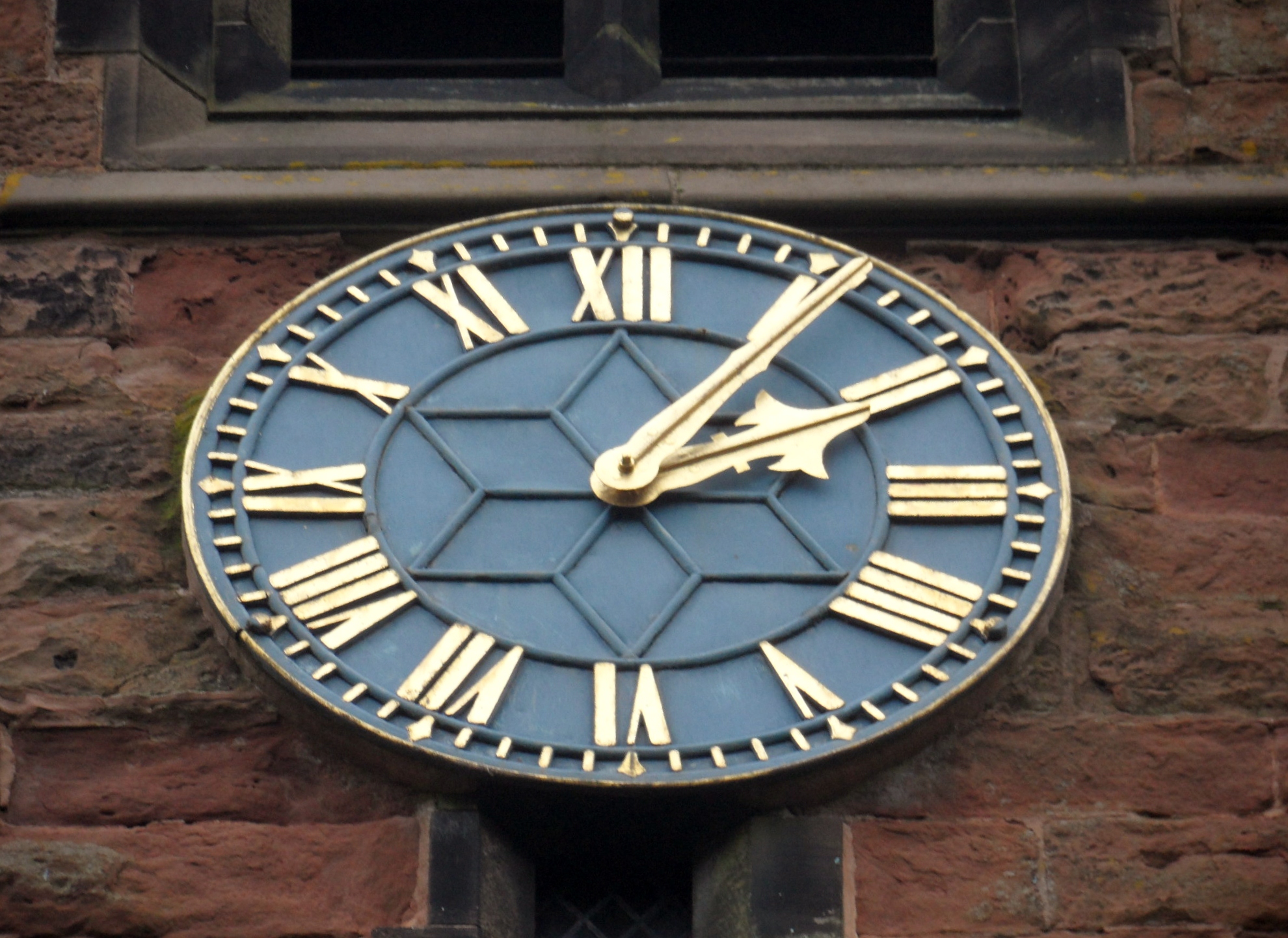
Of course, memorials can take different forms and the blue clock on the tower is dedicated to the memory of Sarah Worthington, of Maple Hayes, presented by her husband Albert Octavius of the Burton brewing company. (1)
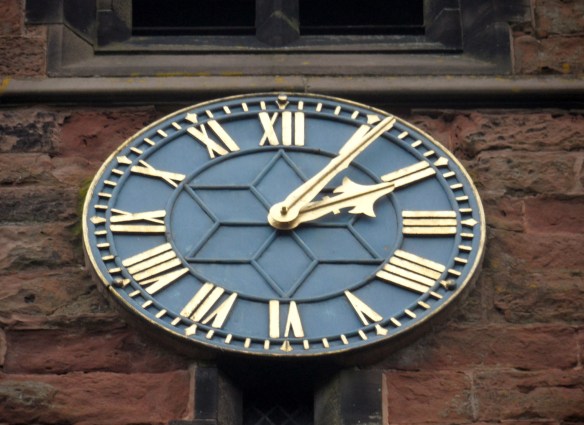
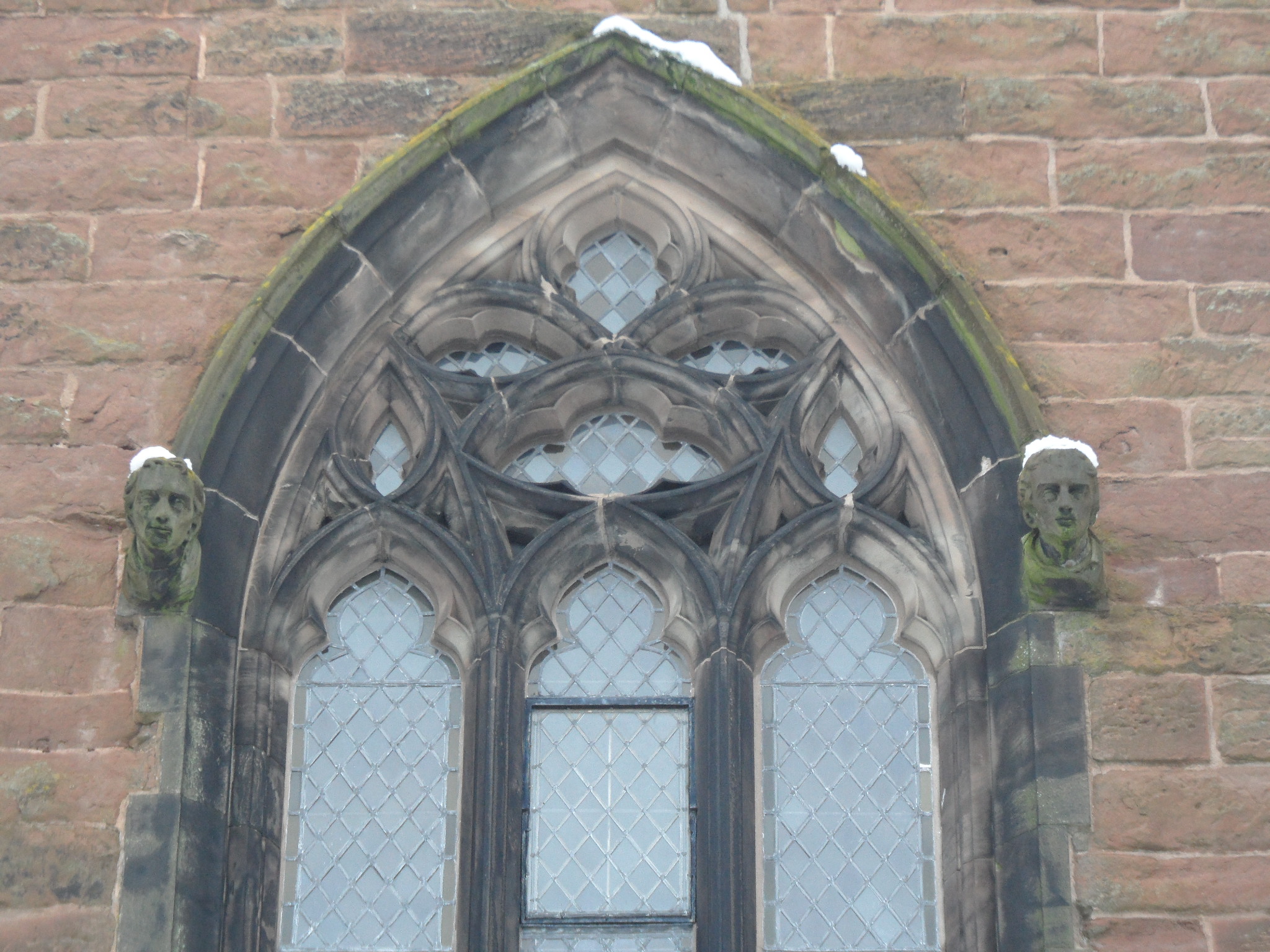
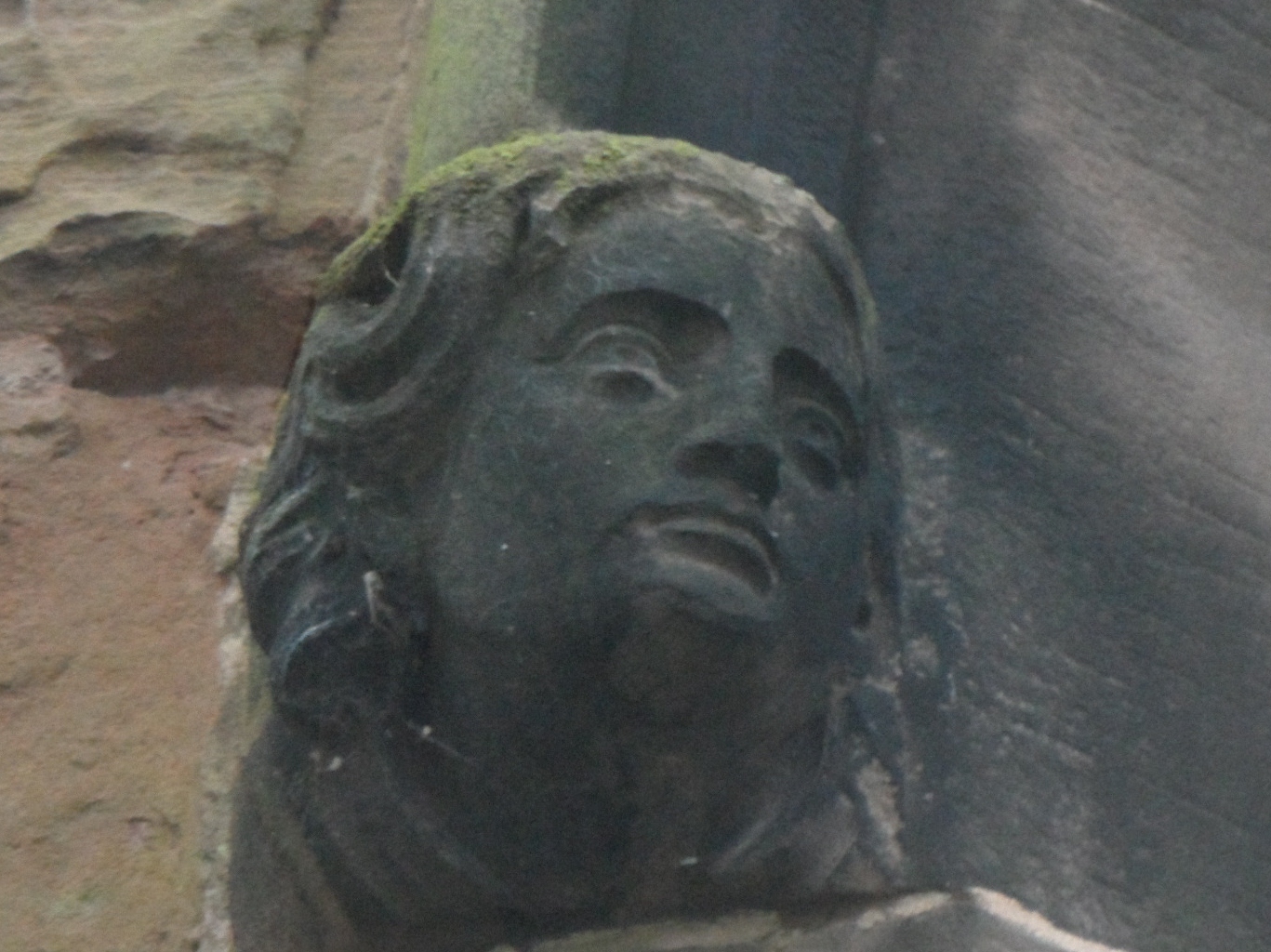
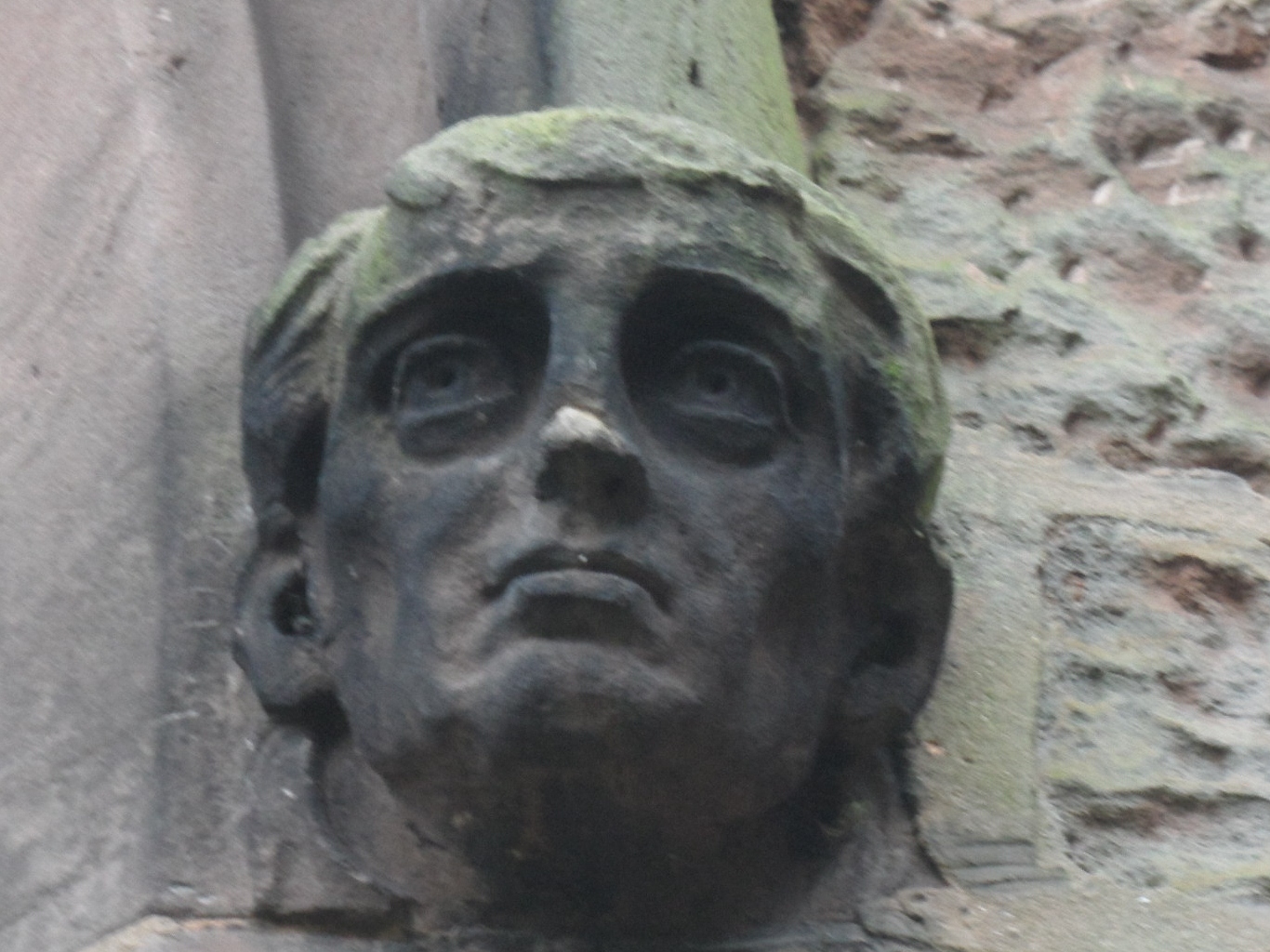
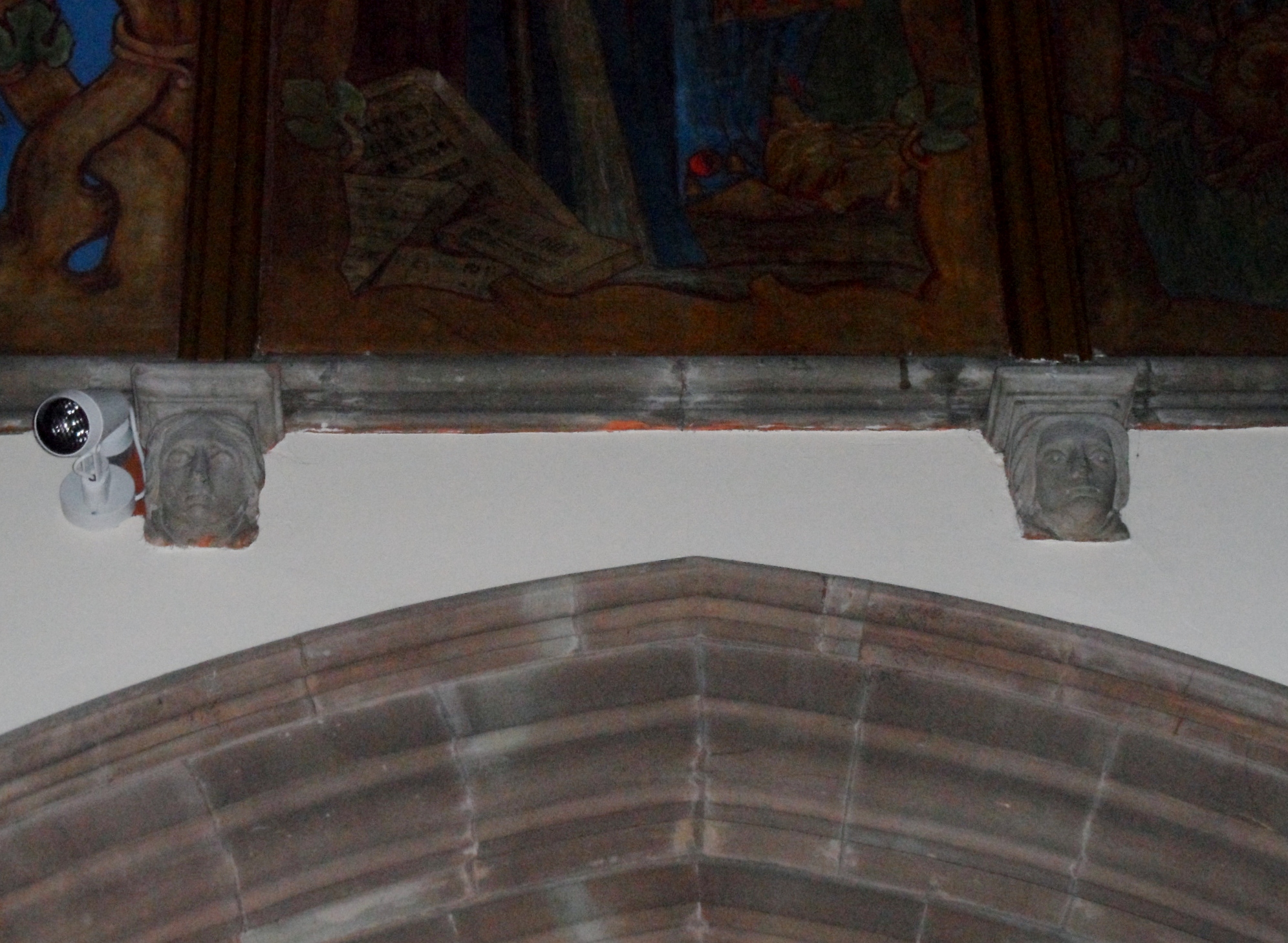
As you look at the clock face, on either side of the window below you notice faces of a different kind. On closer inspection, more of these faces can be found all around the church and I’ve included a few examples below.
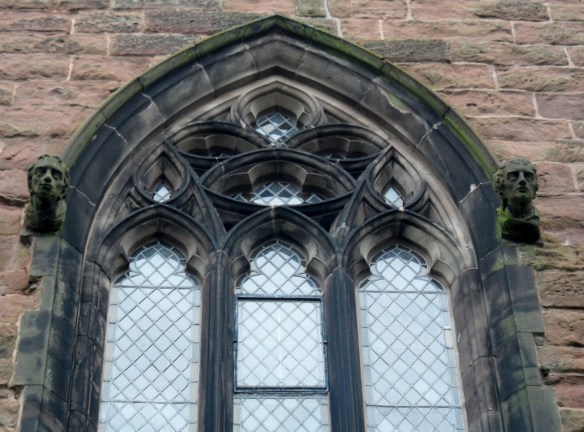
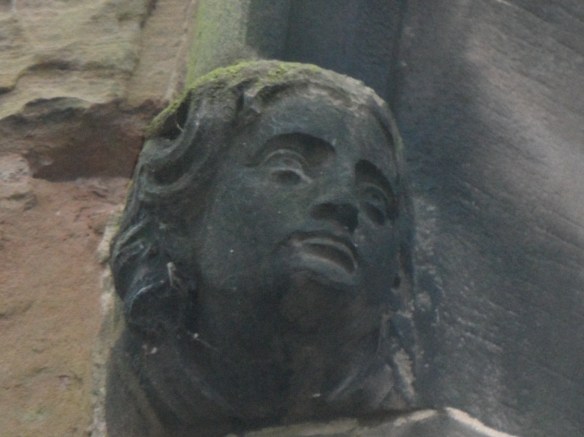
The church was built in 1847, in the Gothic Revival style, and so I imagine the architect Thomas Johnson (of Davidson House, St John St) included them to emulate the corbel heads found in medieval churches (a good example and explanation can be seen on the V&A website here). This might explain what they are, and why they are here, but not necessarily who they are! (3)

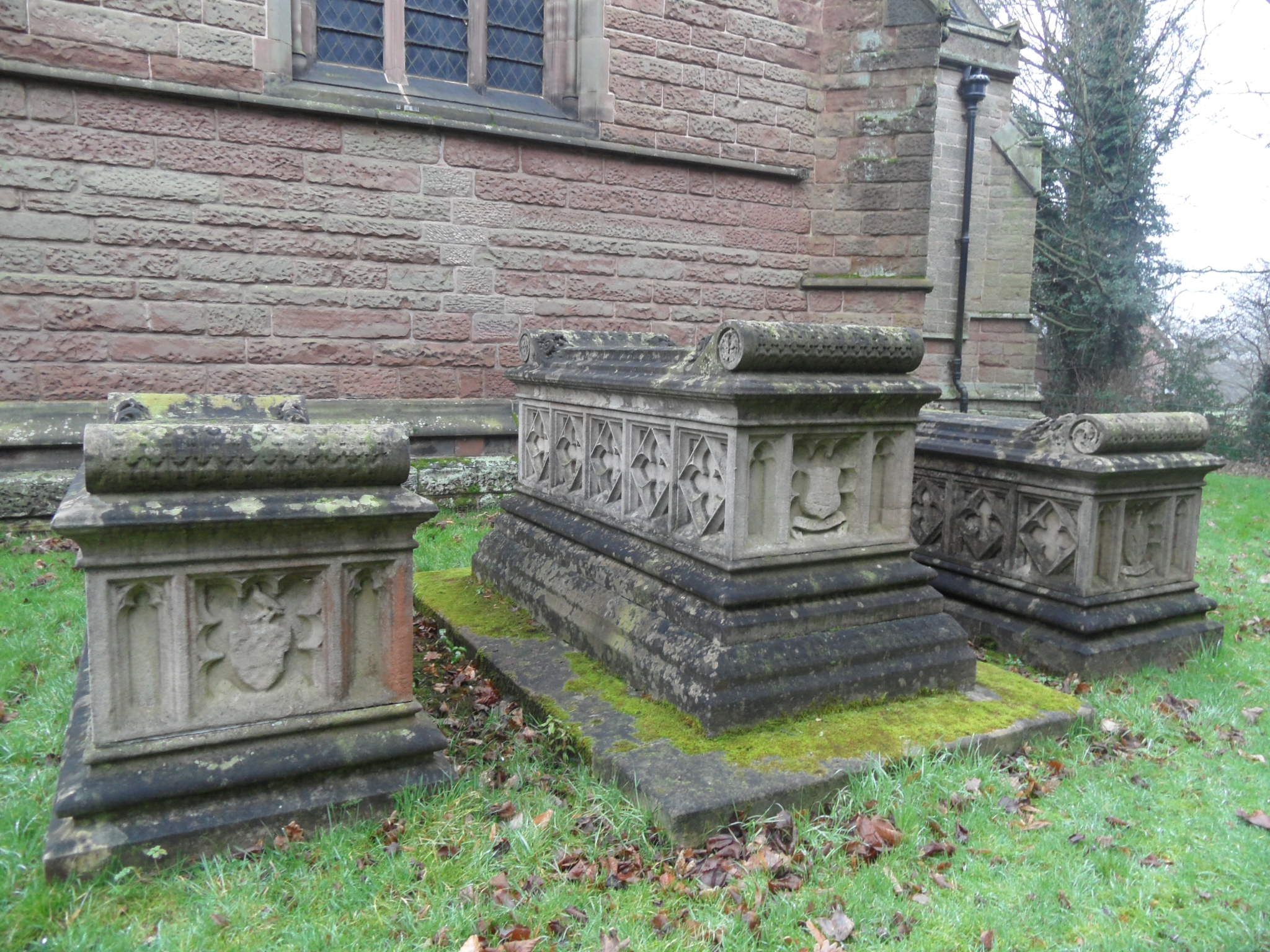
As I stood thinking about the faces, someone arrived to unlock the church door. I explained that I’d been looking at the stone heads and was told that there are more inside and was invited in. Apparently, despite being the subject of much debate, no-one quite knows the story behind them. One suggestion that has been put forward is that they are benefactors of the church. Two of the chest tombs behind the church belong to Ellen Jane Hinckley, the founder of the church and her husband Richard Hinckley, who gave land in the corner of their Beacon Place estate on which to build the church. (2) Are they also here at their church in stone form? Is the portrait of Thomas Johnson the architect or the church’s first curate Thomas Alfred Bangham to be found here? Do they depict people who used to live in the parish or are these heads in fact creations from inside the head of the stonemason?!

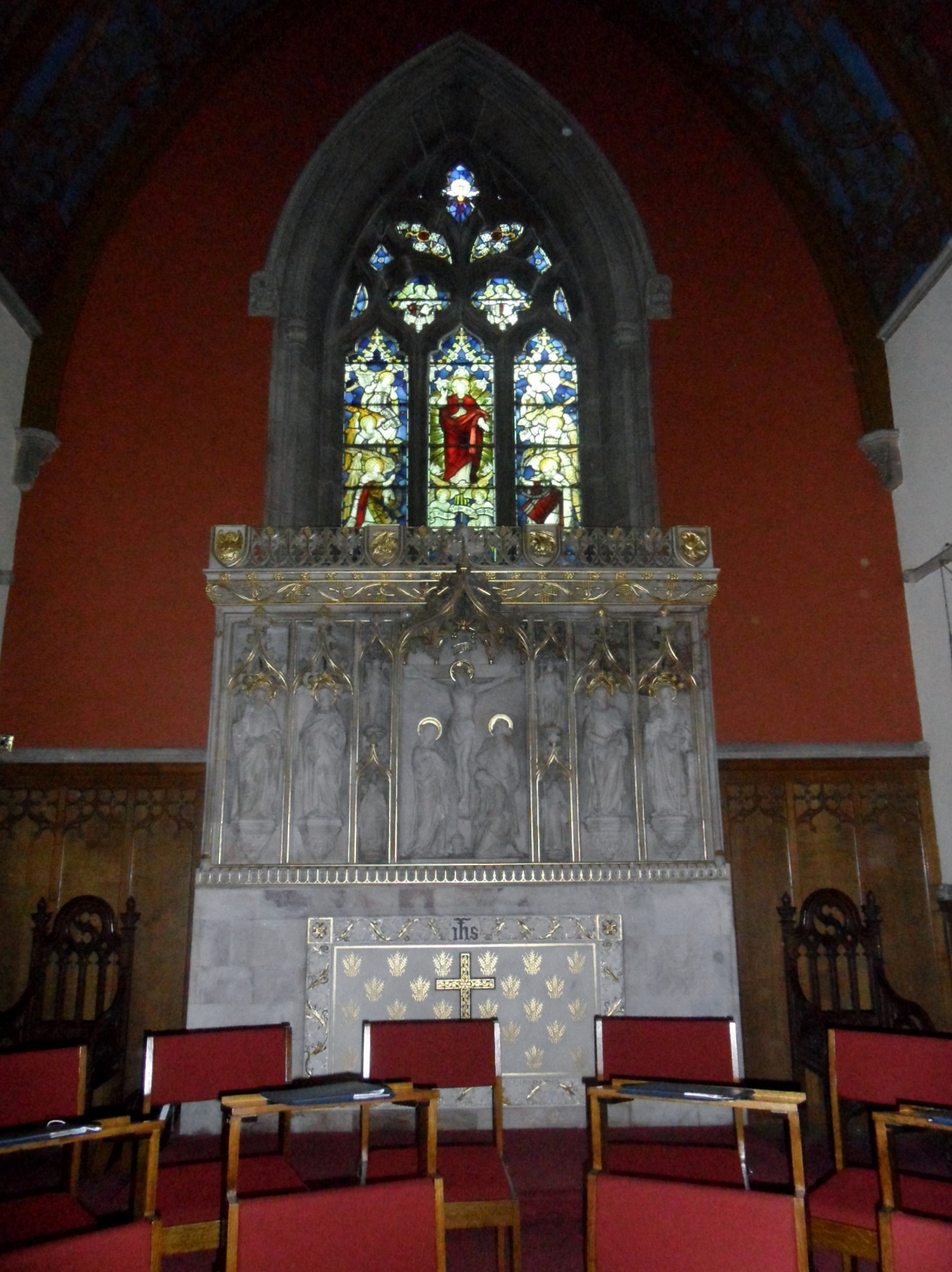
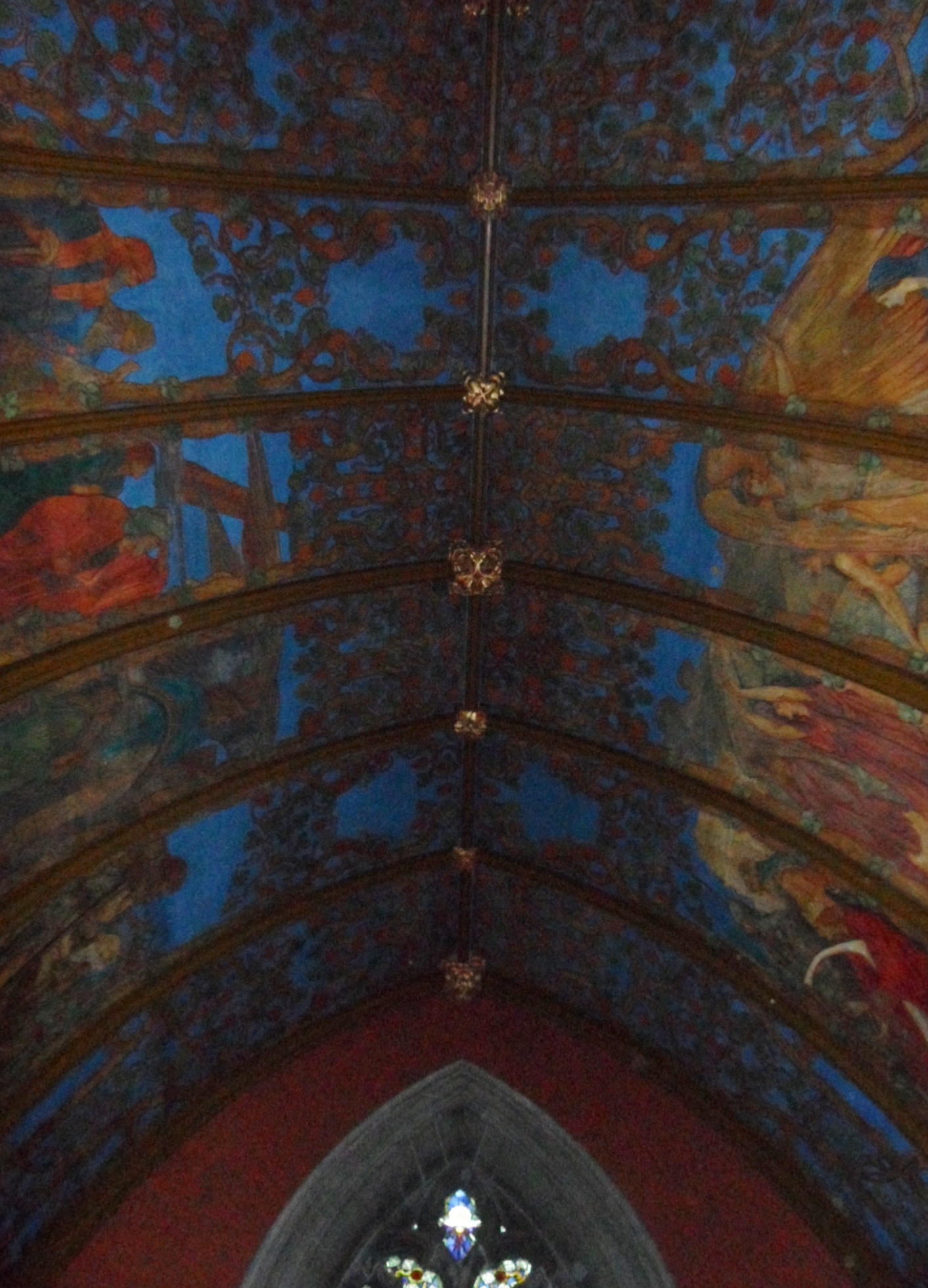
Inside, the majority of corbel heads are in and around the chancel, which has the most stunning ceiling. Although this is not my first time inside the church, it is the first time I’ve been in and concentrated solely on the building, rather than what is going on within it.  It hardly needs pointing out that my photos do it no justice whatsoever, but they do at least give some idea of the beautiful murals painted for the church’s Golden Jubilee by Pre-Raphaelite artist John Dixon Batten in 1897,  and the reredos, designed by GF Bodley and carved by the sculptors Bridgemans of Lichfield (a discovery of both a new word and a new example of Bridgemans’ work for me!). (4)

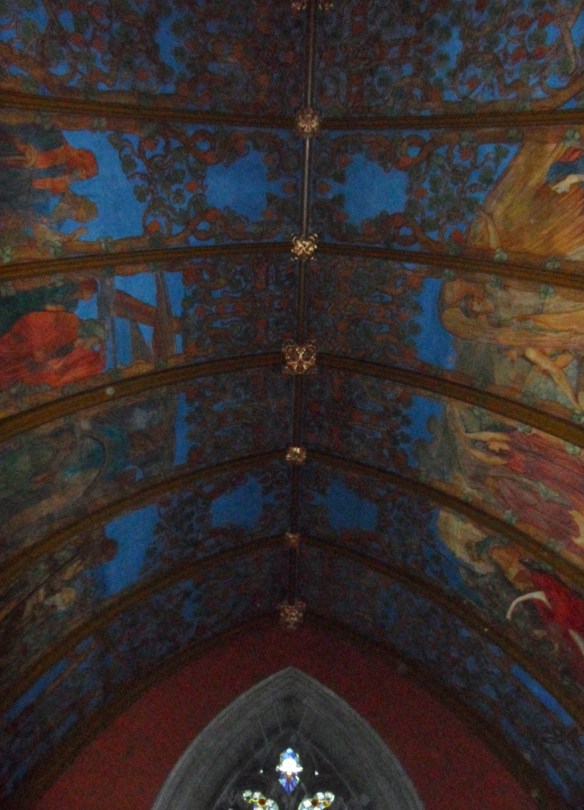
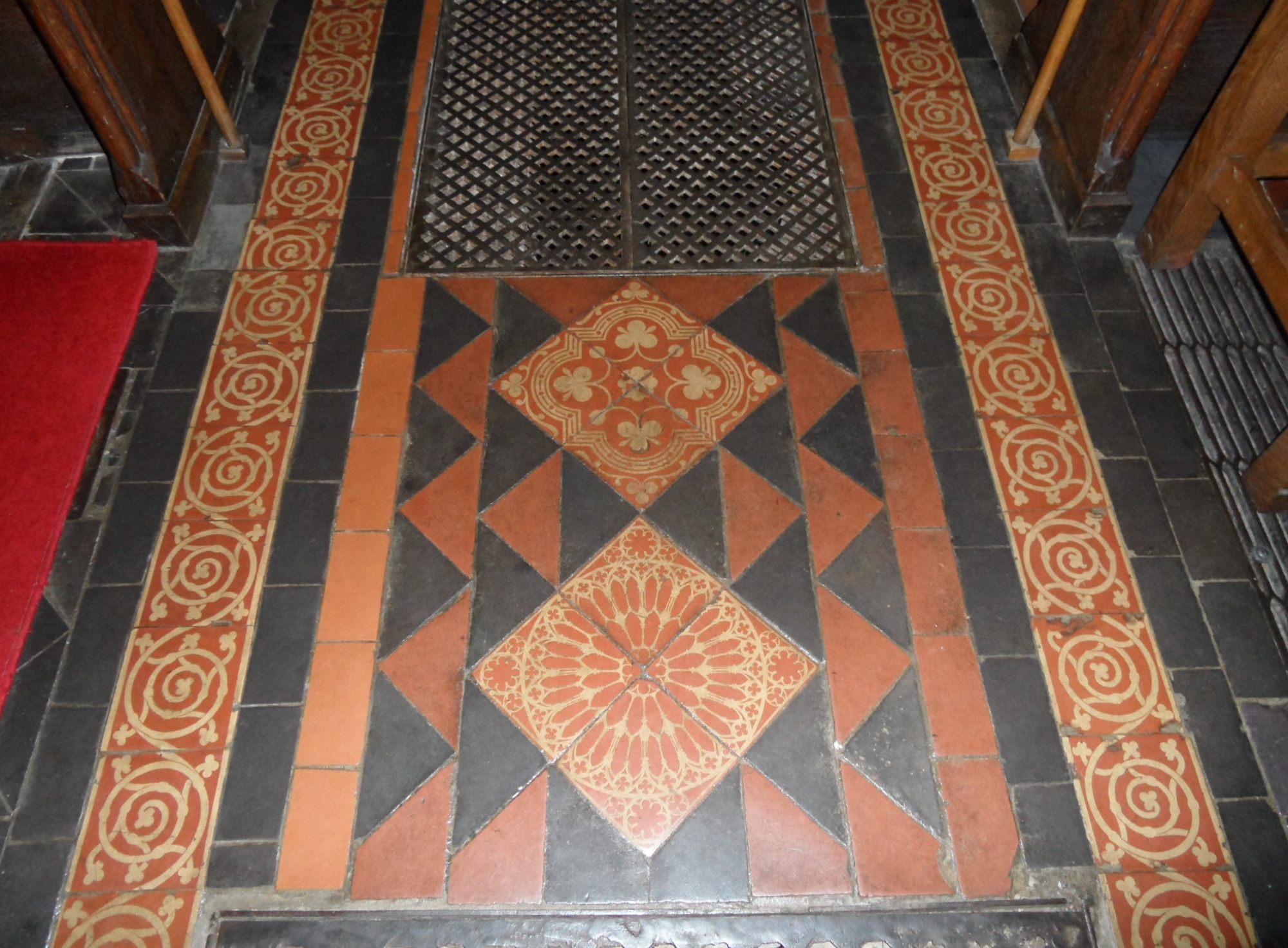
I made my way back outside down the aisle, laid with original Minton tiles (5).

The day should have seemed even greyer after the rich, warm colours of the church but with a copy of the newly purchased and brilliantly researched ‘History of Christ Church’ in my bag and the knowledge that such treasures were to be found on my doorstep, it actually felt considerably brighter.

Edit 10/02/2013 Good news! There’s a sign outside Christ Church saying that there is an open day on 9th March – a great opportunity to go and visit this lovely church for yourself. By then, there may even be some spring flowers and wild garlic in the lane alongside which is a nice thought, when you’re sat typing with snow drifting down outside the window. More details here

Notes

(1) The clock was made by John Smith and Sons of Derby a business founded in 1856. Whilst the firm is still going strong, the original headquarters were at risk as these photos and a news story from February 2011 (read here) show. I’d be interested to know what the current state of the building is? Also, it’s not only the clock we have the county of Derbyshire to thank for! The church’s Millenium Gates were created by David Tucker, a master Blacksmith from Derbyshire, that I wrote about here

(2) The third of the Hinckley Tombs belongs to Mrs Hinckley’s son from her second marriage to Hugh Dyke Acland. Mrs Hinckley’s daughters from her first marriage, are the girls depicted in Francis Chantrey’s sculpture known as ‘The Sleeping Children’ as Lichfield Cathedral

Hinckley Tombs, Christ Church

(3) In a 1950s edition of Life magazine, I came across an interesting article about Southwell Minster in Nottinghamshire. Their old carved heads had eroded badly, and so a stonemason was enlisted to restore them. However, rather than recreate the old images, he carved new images of people associated with the church at that time including a bell ringer, the clock winder, a dog whipper (actually in charge of the grounds) and the youngest member of the church choir (who would now be in his 60s). You can read the article and see the photos here 

(4) I believe that Bodley and Bridgemans also collaborated on the South African war monument in Duncombe Place, York, which is where the sailor on the wall of Lichfield Registry Office was originally destined for but was apparently rejected  for being too warlike.

(5) Between 1844 and 1858, Herbert Minton donated tiles to 46 Staffordshire churches & parsonages. More information can be found in the report ‘Minton Tiles in the Churches of Staffordshire’, carried out by Lynn Pearson for the Tiles and Architectural Ceramics Society. At the time of the report in the year 2000, amongst others, there were also examples at St Mary’s, Aldridge, possibly St James’ Church, Brownhills (though covered) and St Peter’s, Elford. An online version of the report with photographs can be found here 

Sources:

Christ Church Lichfield – A History by Ursula Frances Turner, later revisions Robert Hazel, Julia Baker and Larry Ridout

Public Sculpture of Staffordshire and the Black Country – George Thomas Noszlopy and Fiona Waterhouse
Elegy Written in a Lichfield Churchyard

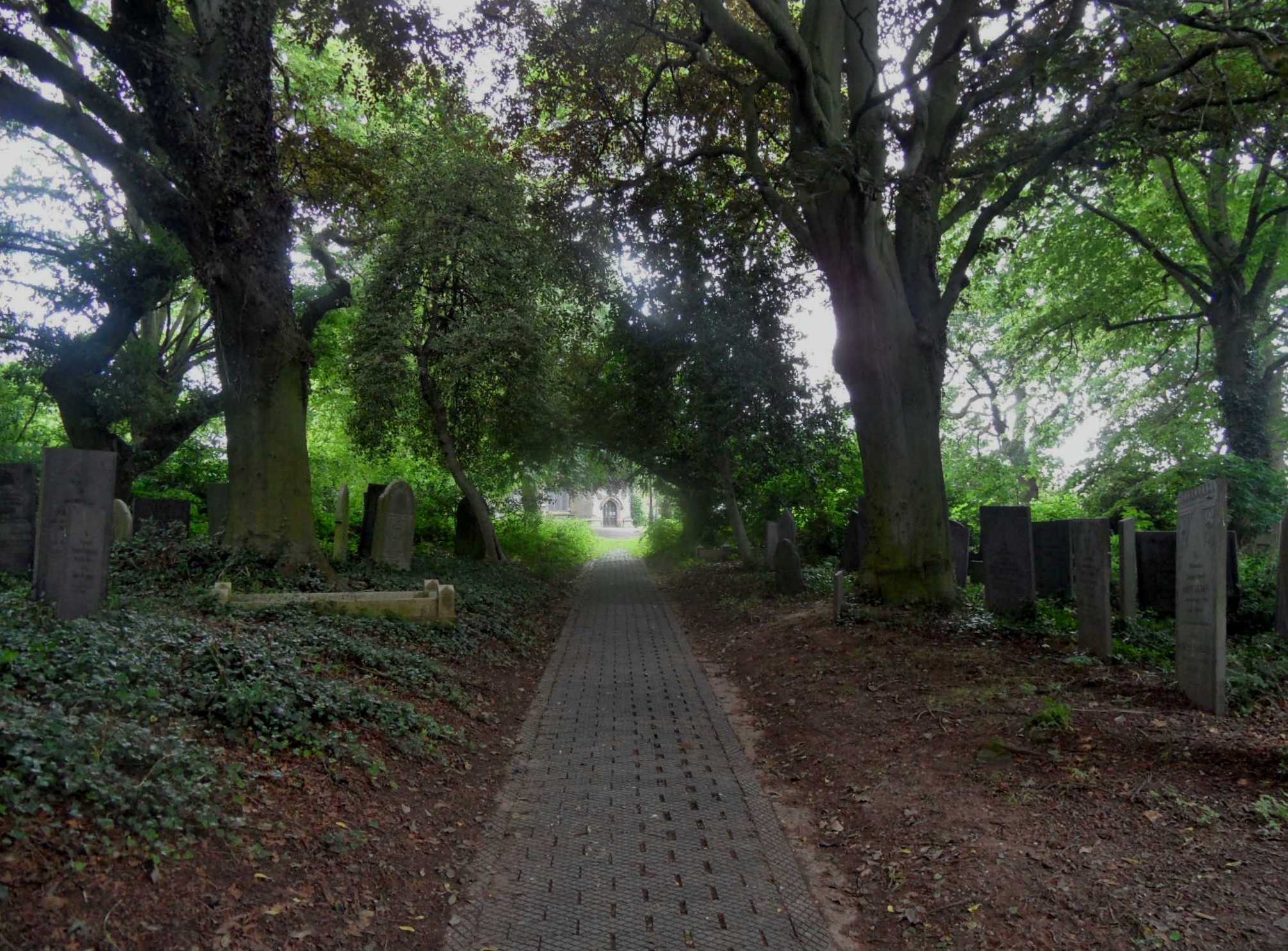
Many churches dedicated to St Michael are found on hills. Lichfield’s St Michael’s of course is at Greenhill, on a sandstone ridge 104 metres above sea level.   It’s thought a church has been on the site since 1190, but that the surrounding churchyard is older. There are hints as to this earlier history of this site, but as far as I can see things are still very much at the questions, rather than answers stage. Many people believe the position of the church on a hill, and its dedication to St Michael may indicate a previous pagan site.   I hadn’t realised until reading that the crypt was liable to flooding, that there are natural springs on the hill. Is this relevant to the story, and if so, how?

The answers we do have were, of course, mostly provided by archaeology. Evidence suggests there may have been activity here in the mesolithic era. In 1978, an excavation in the South East corner of the churchyard discovered five flints (albeit not in a primary context).

Four years earlier, the building of a new vestry at the church gave archaeologists the opportunity to open a trench. Unsurprisingly for a churchyard they discovered human remains – forty nin complete or partial skeletons. Of these, all but two were buried in the customary Christian manner, with their head to the west. However the head of ‘Skeleton 21’, was to the east. Apparently, this can sometimes suggest that the remains of a Christian priest have been uncovered. By being buried with their feet to the west they were ready to rise and face their flock on judgement day, as they had done in life. However, the archaeologist noted the absence of a chalice and patten, objects that priests were often buried with (as was the case with the remains of the priest near the old leper hospital in Freeford).  ‘Skeleton 58’ also differed from the others being buried with his/her knees tucked under the chin. This crouched burial style is apparently more associated with Pre-Norman conquest burials, although I’m still doing some background reading to try and shed more light on what exactly this kind of burial is thought to signify in this context.

The archaeology report also mentions skeletons 2 and 8,  those of an adult, and a baby placed on the adult’s shoulder, and speculates this may be a woman who died in childbirth. It’s discoveries like this, I think, that remind you that these were real people with real lives (that were all too short in many cases).

By the mid 16th century, church records are kept (I’ve used those transcribed by Harwood), and begin to tell us a much more detailed story of the churchyard,  enabling us to gives names and identities to those laid to rest here. For example, this is the entry for 1560

– Recevyd for the ffyrst grasse of the Churche Yarde
– for the later Grasse of the Churche Yarde
– of gatherynge in Easter Wyke
– for light at the buryall of Jamys Bywater’s Wyffe and her Chylde
– for light at the monthe mynde of Roberte Walker
– for light at the monthe mynde of Roger Walker
– for light at the buryall of a Chylde of the Walle
– for light at the mynnynge of Mr Swynfen
– for light at the buryall of Roberte Cowper’s Wyffe

The church records also records costs for ‘killing molldiwarps’ in 1597, bestowing ‘on the workmen at several tymes in beare and ale’ in 1602, and money ‘payd for catching urchins’ in 1612 (urchins meant hedgehogs. I hope!).

While some things never change – a footnote tells how a person named Hollingbury was tried at Lichfield in 1612 for stealing lead from the church, others thankfully have – ‘William Key of Bliffeld and Nicholas Hatherton of Lichfield two prisoners condemned according to the Laws of this land and executed here at this Cittie were both buryed in one grave the 17th day of October 1592’.

There are still those buried at a later date whose names are not specifically recorded. An entry in the register says that for ‘From April 14 1642 to Feb 19 1645 were buried twenty five soldiers’, and I’ve either read or been told that victims of the plagues that struck Lichfield (51 per cent of Lichfield’s population died of plague in 1593-4, and 32 per cent, in 1645-6) were buried in pits here.

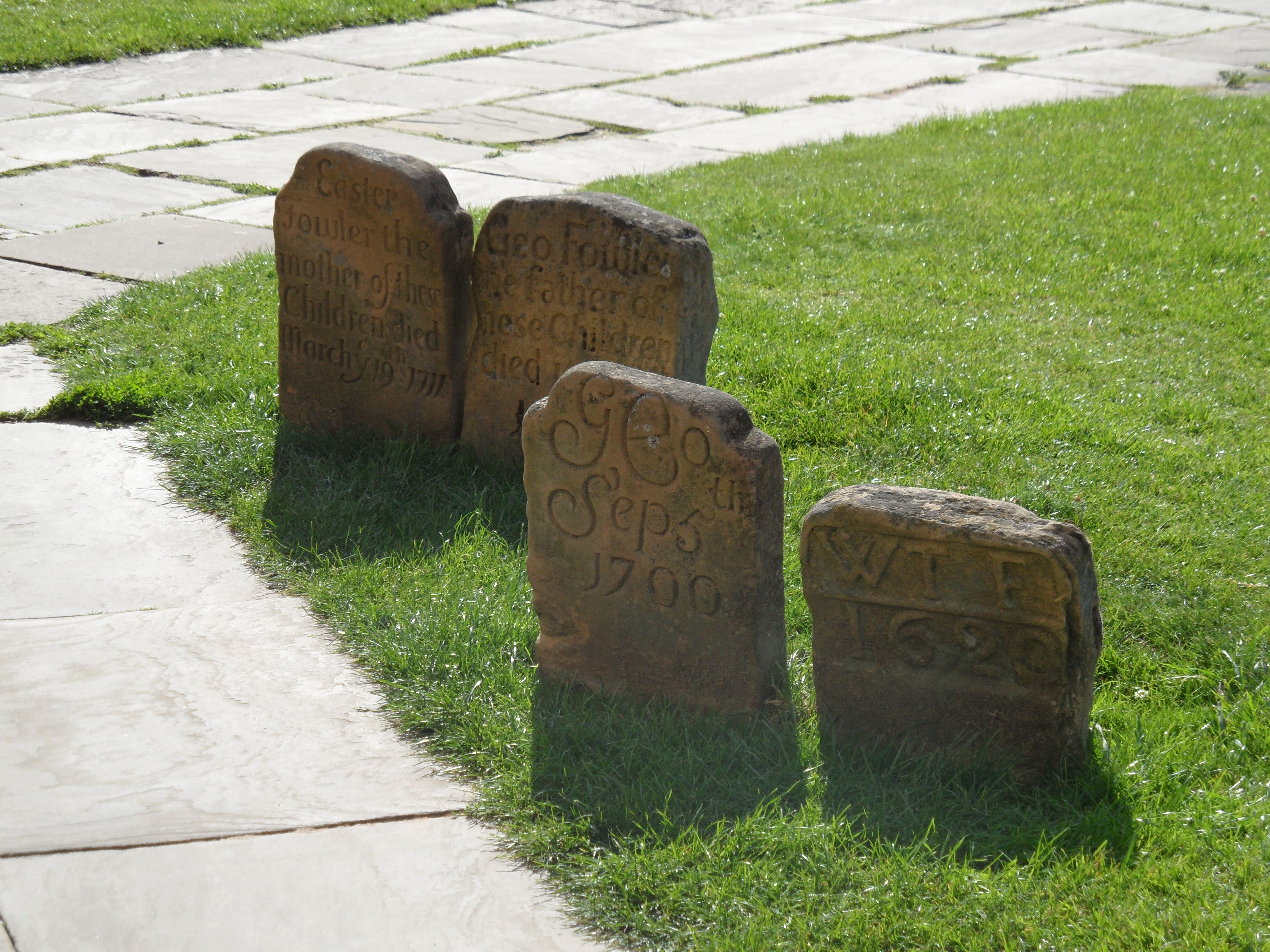
The majority of headstones seem to date from the 18th century onwards, although there may be earlier memorials here. I have seen examples of gravestones dating back to the early 1600s in other churchyards, such as this one at Southwell Minster in Nottinghamshire.

Examples older gravestones at Southwell Minster

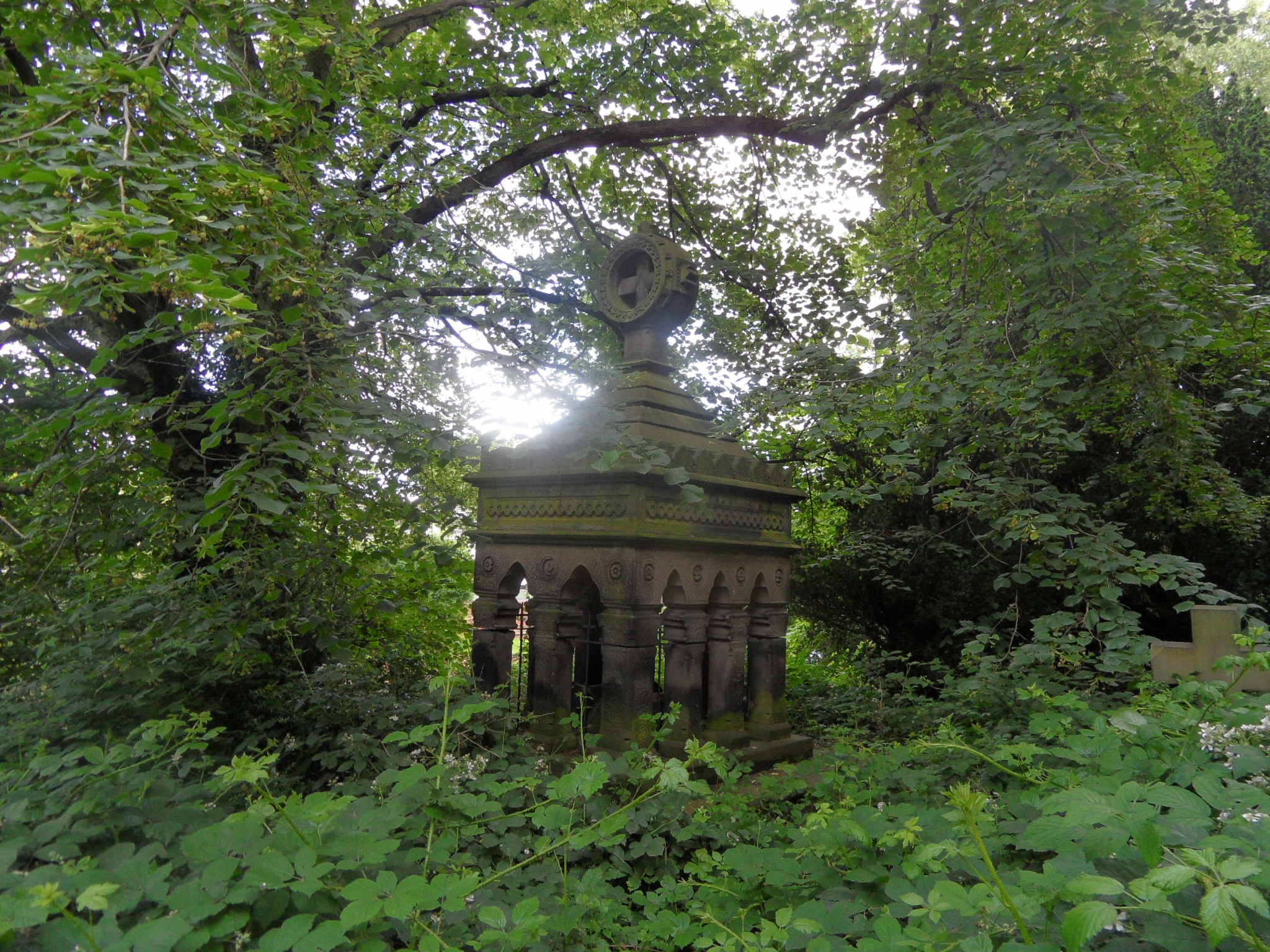
Of course, some people, presumably those wealthy citizens of the city, even erected monuments like this well known one belonging to Chancellor Law, which used to have a clock in the centre.

As with many places, we might never get definitive answers about the origins of St Michael’s churchyard, but who knows? As we’ve seen before, one discovery can change everything. And in the meantime, it’s a fascinating part of the city to keep asking questions about!

Sources

Gould, Dorothy & Gould, J 1974-5 `St Michael’s churchyard, Lichfield, Staffs’ Trans S Staffordshire Archaeol Hist Soc 16 58-61 

The history and antiquities of the church and city of Lichfield by Thomas Harwood


Appeal of Bells

If you heard the bells of St Michael’s ringing out late yesterday afternoon, you were listening to the launch of a restoration fund for the bells, which are in need of essential maintenance work.

According to the churchwardens accounts, the bells have been rung in the past to mark important national occasions, and in the bell tower there are plaques commemorating some of these and more locally significant events.

The blue plaque commemorates the ringing of bells for the marriage of Charles & Diana; the brown one commemorates a farewell peal for the retirement of Prebendary P Howard in 1947

Bell Tower steps

After negotiating the narrow and windy staircase back down into the church, I had a look around the rest of this lovely building. According to the listed building description, although the church is thought to be 13th century in origin (with a 14thc tower), much of the building dates back to the restoration of 1842/3 by Thomas Johnson. However, the church history booklet (a snip at £1.50!) suggests that whilst the church had undoubtedly needed some restoration work at this time, much of this work was  unnecessary and things of historic interest may have been lost. The booklet goes on to say that some of the restoration work was undone at the end of the 19thc.

Royal coat of arms(1711) above the chancel

The royal arms, as seen above the chancel, are from 1711, and replaced an earlier version. I’ve read that after the reformation, anglican churches were encouraged to display the royal coat of arms somewhere prominent, reminding people that the monarch was also head of the Church of England. The custom of displaying the royal arms continued until Victorian times, but these days can be found in only around 15% of churches. You can read more about the Churches Conservation Trust’s guide to Royal Arms in English churches here.

Having previously read that the Marquis of Donegal had erected a spacious family mausoleum near the chancel, I have to confess I was a little disappointed to find no trace at all of the ostentatious Chichesters of Fisherwick Hall. However, the church booklet explained that the rabbit infested mausoleum had been replaced by a stokehold in the 1842/3 restoration, and the bones buried elsewhere. Seems like none of Donegal’s buildings were destined to last long….

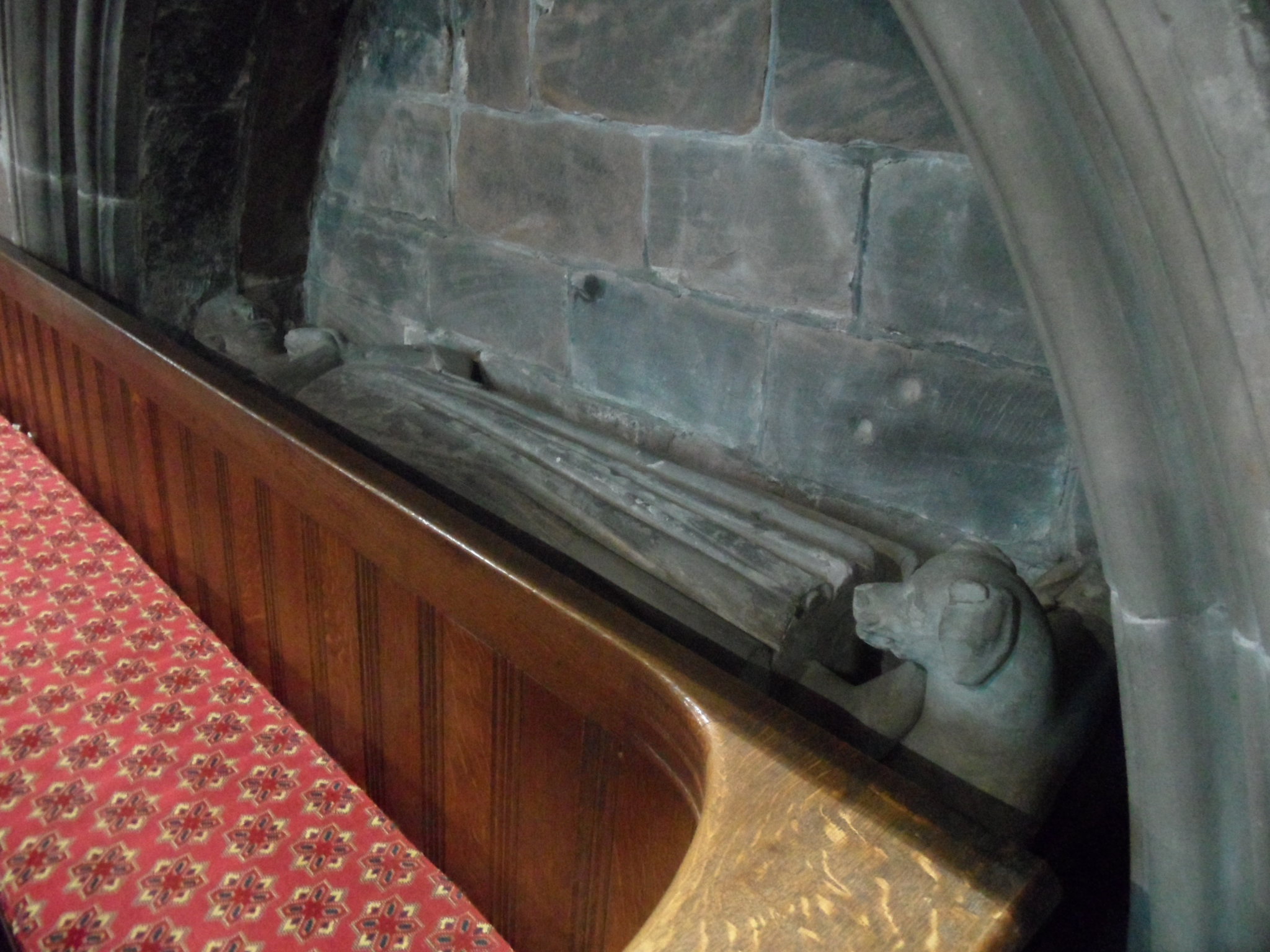
The chap below fared a little better than Donegal. Whilst his bones also ended up elsewhere, his effigy survived the ‘restoration’ and is behind a bench in the chancel. It’s thought to be William de Walton who endowed the church with land and died around 1344. I particularly like the inclusion of the faithful dog watching over his master in death.

One man & his dog – William de Walton’s effigy

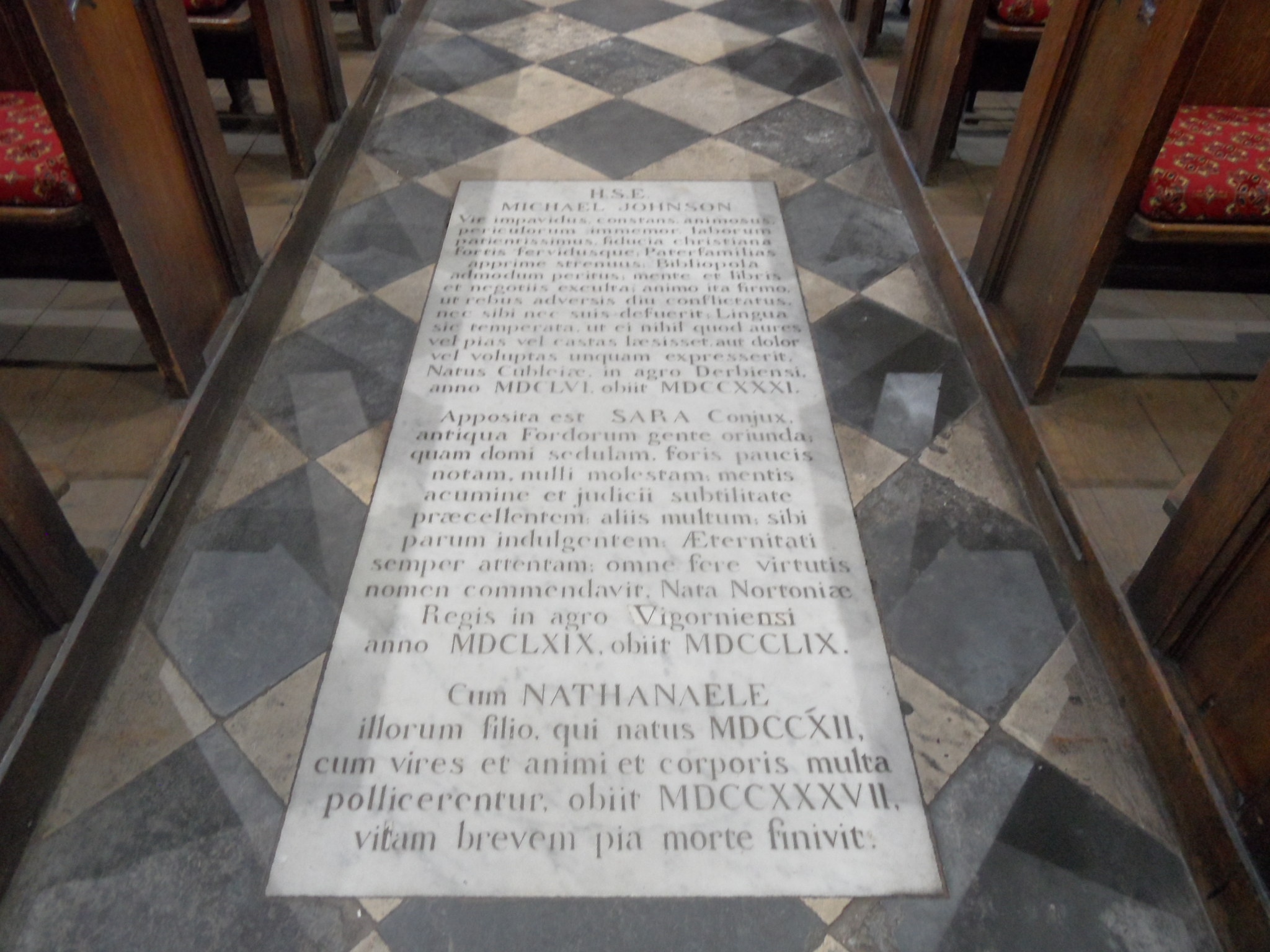
The church has several other monuments, including most famously, that of Samuel Johnson’s mother, father and brother.

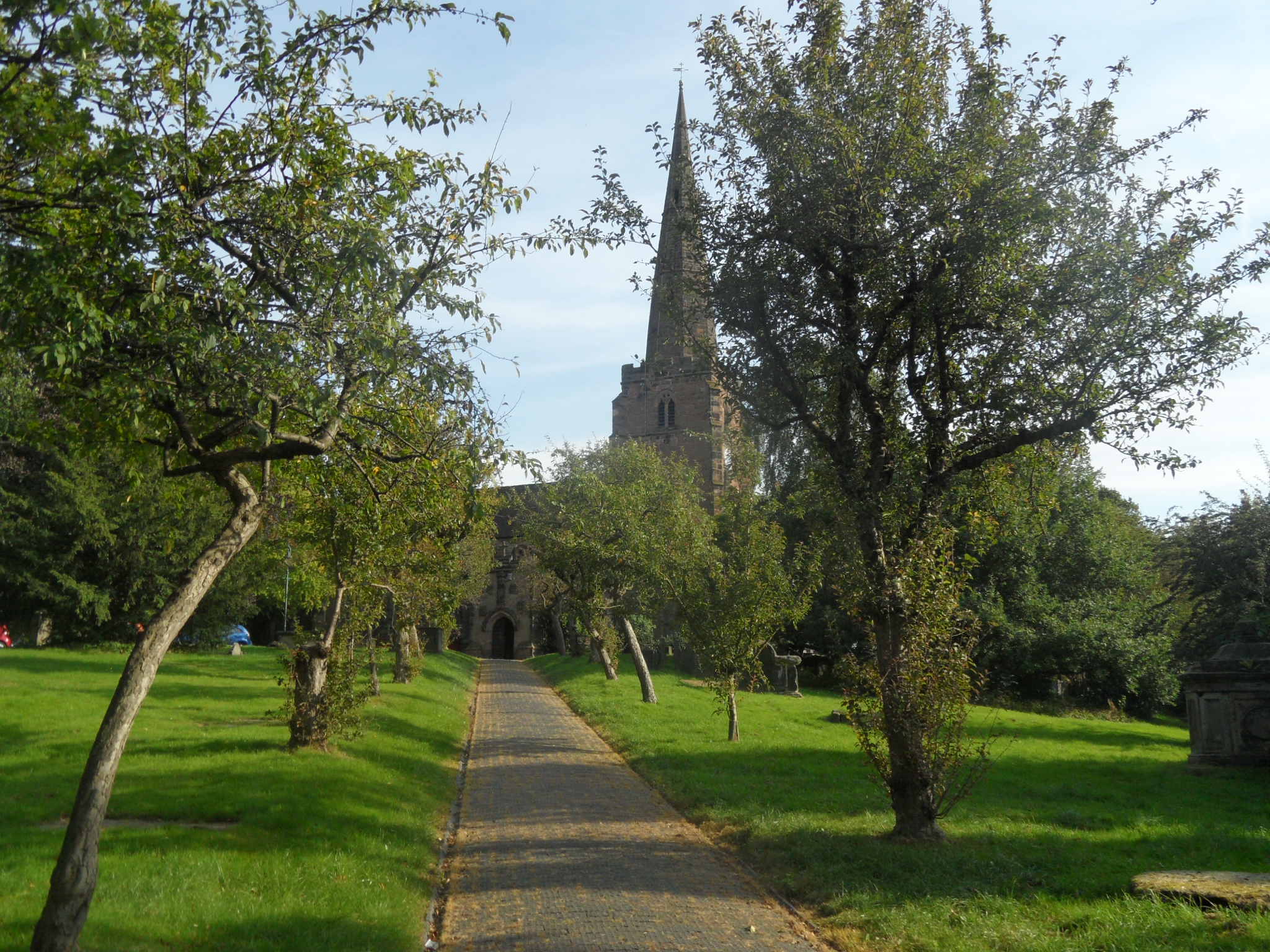
Back outside in the churchyard,  a woman approached me and asked ‘Are you thinking the same as me?’. Actually I wasn’t, because whilst I was thinking about missing bones, the woman was thinking about missing apples. Apparently in previous years, rich windfall pickings were to be had from the trees growing alongside the footpath. This year it was hard to spot a single fruit.

Peals but no peel

One thing I read in the history booklet, which I’d love to hear people’s thoughts on,  is that around the year 2000, a pump was installed to keep the crypt from flooding. I read in an archaeology report that ‘St Michael’s is a low hill with natural springs’. Could this have anything to do with the flooding?  I’ll explore this ancient burial ground in a post of its own. In the meantime, perhaps we could get the University of Leicester involved in a hunt for William de Walton and the Marquis of Donegal. They seem quite good at that sort of thing…..

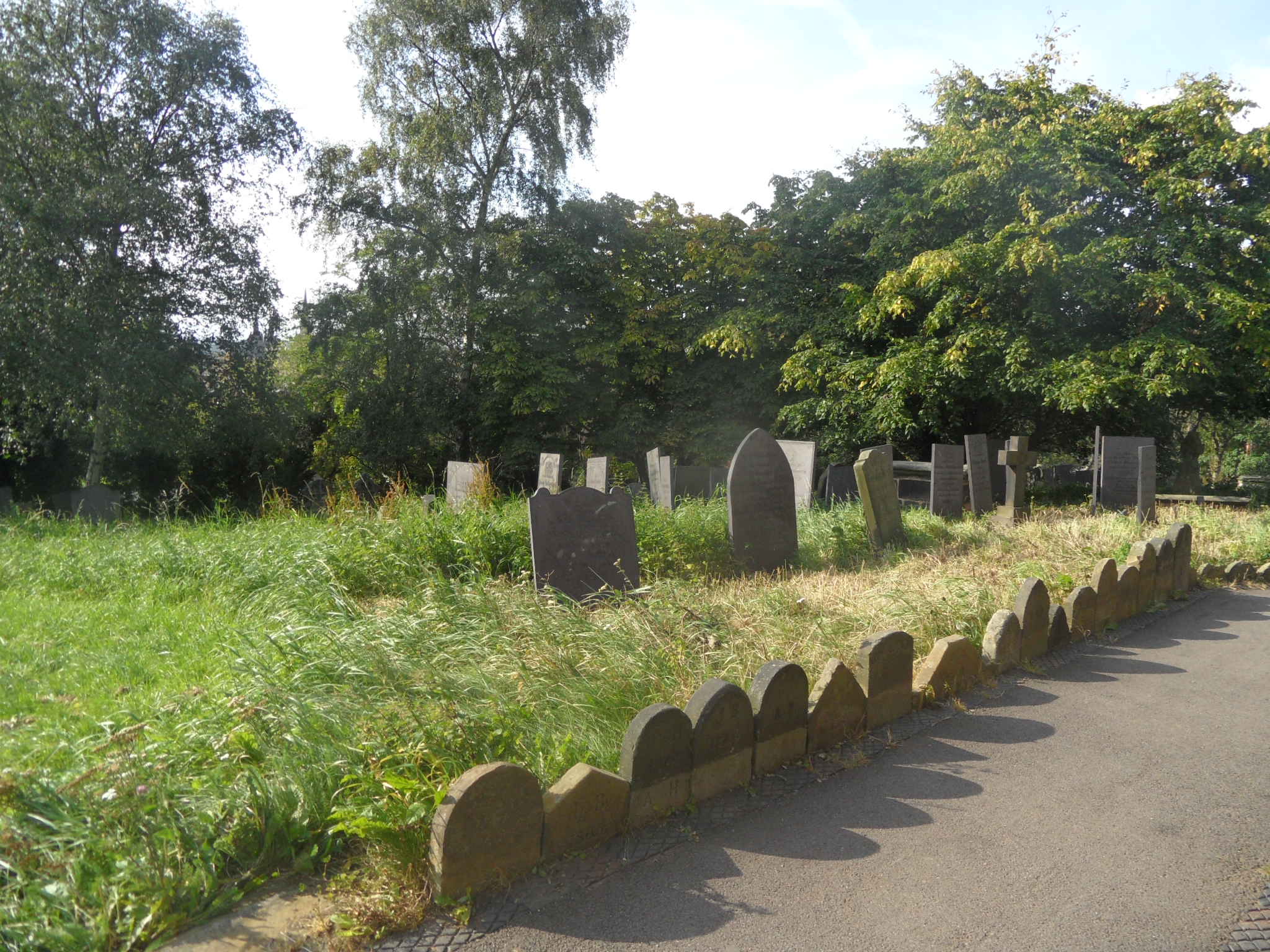
Part of the 9 acres making up St Michael’s churchyard

Sources:

St Michael’s Church. Lichfield – A Short History by Rev Carpenter 1947

A short account of the city and close of Lichfield – Thomas George Lomax, John Chappel Woodhouse & William Newling

Archaeological Desktop Survey OSA Report No. OSAO6DTO2 (Onsite Archaeology January 2006)

Bell Vista

A while ago, I wrote about the architect Thomas Johnson and how he had been involved in the restoration of the church of St Michael on Greenhill in 1842/3. In the newspaper archive, I found a report of a meeting of parishioners held at the church, prior to these restoration works.

The article is a bit blurry and hard to read but after much squinting it seems that there was concern that the church was at risk of ‘being reduced to ruins’ and that the churchwardens had appointed Mr Johnson to assess the extent of the dilapidations.  His diagnosis was that the roof, ceiling, spire and a portion of the walls were so unsafe that a large sum of money would be needed to keep up the building. The parishioners expressed their surprise at how bad the situation was. To illustrate just how bad things had got, it was revealed that rabbits had managed to get into the mausoleum of the Marquis of Donegal (he of Fisherwick) and were breeding in the coffins. The outcome was that the land owning parishioners agreed to increase their rates to pay for the necessary work which according to the County History included

 “the reroofing of the nave, the repair of the side aisles and the nave clerestory, the reintroduction of Perpendicular windows in the north aisle, the rebuilding of the north porch, and the remodelling of the south aisle with new buttresses and a south door in place of a window. The gallery was removed. The mausoleum and the vestry room were replaced by a stokehold over which a clergy vestry was built with doors into the chancel and the south aisle; an organ loft was built over the vestry”.

St Michael’s above Stowe Pool

I have never been into the church myself. However, I notice via facebook that the church will be open for viewing tomorrow (between 3pm & 5.30pm) during the launch of the Bell Restoration Fund. You can find out more on their facebook page here and you can read the great article Annette Rubery wrote about the fund here.

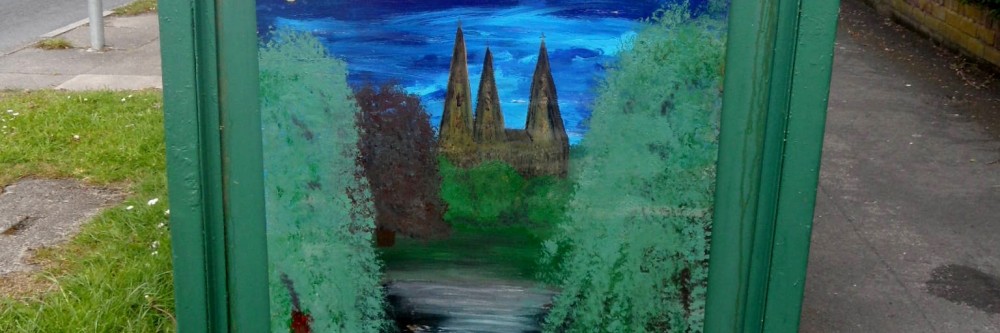
The church is of course featured on the ward banner for this part of Lichfield (along with what I had assumed was the Greenhill Bower House, although looking at it again now I’m not so sure…)

Although I’ve never been inside the church, I have been to the churchyard. With claims on Wikipedia that it could be a Mercian tribal necropolis, the site of one of the earliest settlements in Lichfield or the burial place of followers of St Amphibalus, it certainly merits a post of its own one day!

Steps leading up to the churchyard

Edit: I’ve just been thinking about the building on the ward flag, below the church. Could it in fact be the gateway to the old Lichfield Union Workhouse (subsequently St Michael’s Hospital).

Sources:

Lichfield Mercury Archive
Lichfield: Churches’, A History of the County of Stafford: Volume 14: Lichfield (1990), pp. 134-155