Fallen Angel

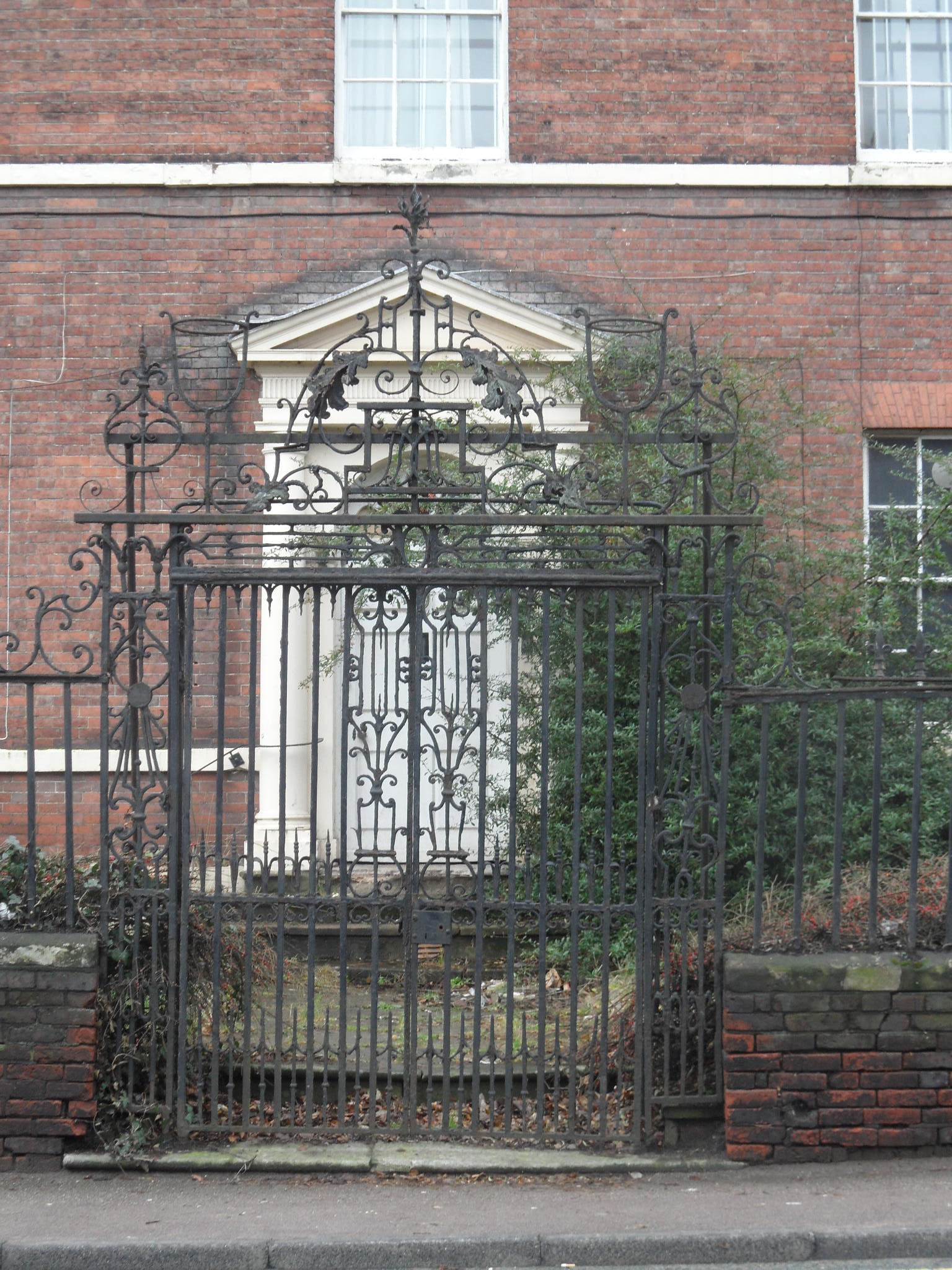
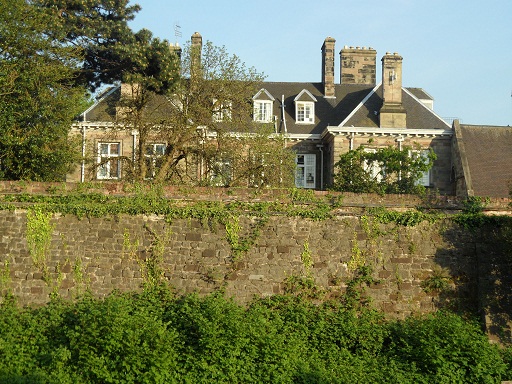
I’m certainly not the first person to write about the deteriorating condition of the Angel Croft hotel, and I suspect that I won’t be the last – it doesn’t look like it will be relinquishing its place on the English Heritage at Risk register any time soon.

Personally, I have no connection with the building, I’ve never even been inside. As awful as it sounds, I can barely remember the days when it actually was a hotel.  It seems to have taken on a new identity as a case study in decaying grandeur, about which regrets are expressed and rumours abound, but about which no one seems to know quite what to do.

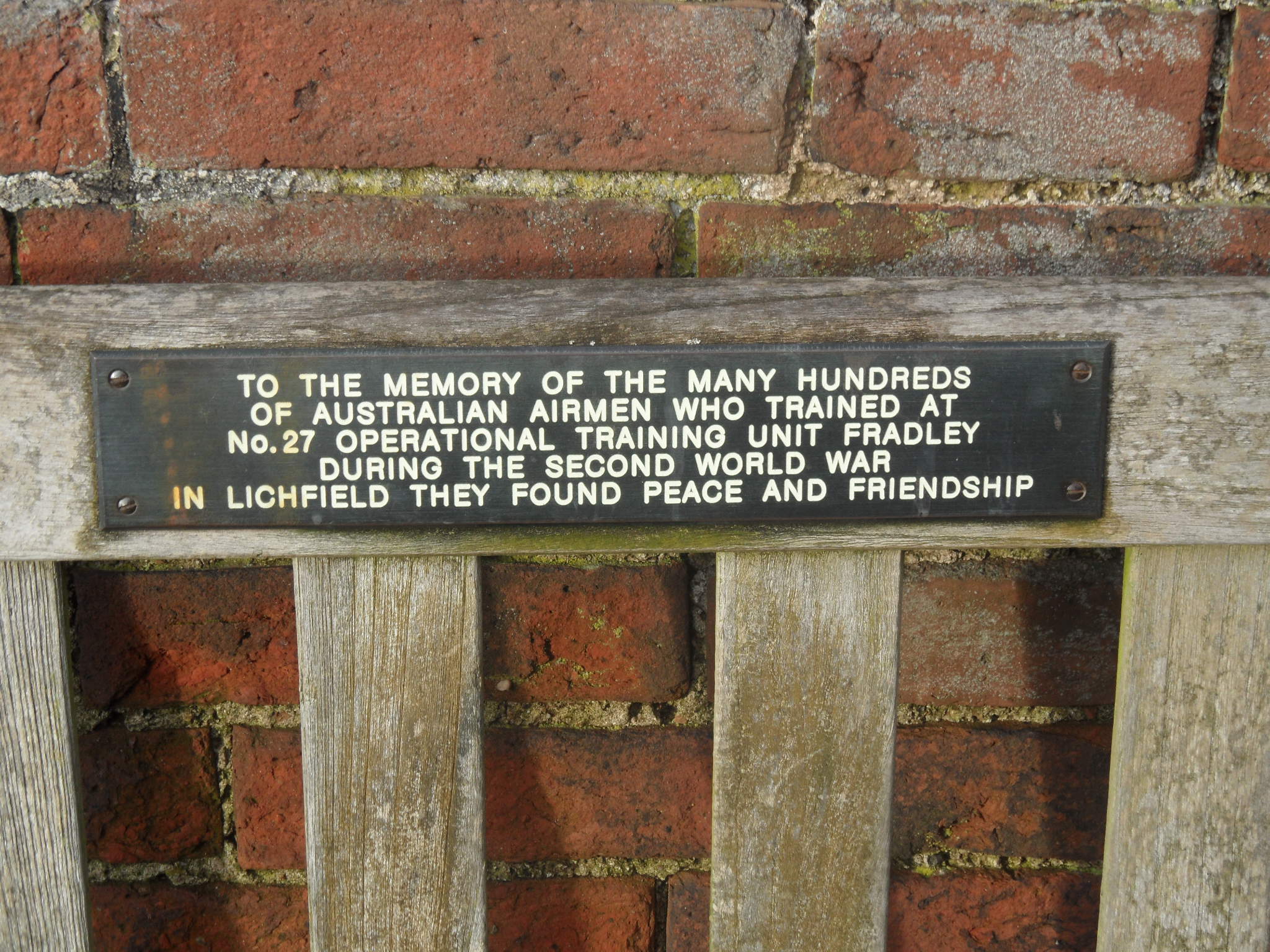
Of course other people will have memories of the Angel Croft – a wedding reception,  a work do, a meeting, a reunion dinner, or even a weekend stay. Walking through The Close recently, I saw this plaque on a bench, and it reminded me of an intriguing story I’d seen on the subject of the Angel Croft and memories a while back.

It features on a blog about a man’s research into his great uncle Jack Purcell’ s time in the Royal Australian Air Force. Jack Purcell was posted to RAF Fradley and in the collection of his documents handed down to his great nephew Adam Purcell was a postcard of a view across Minster Pool marked with a small ‘x’. Adam believes the cross could be marking the Angel Croft Hotel… you can read the whole post in full here.

It’s a fascinating story, but also a good reminder that it’s not only buildings that are  vulnerable to the ravages of time, but memories too. Of course, it’s important to preserve architecture of note, but I have to ask, what are we doing to preserve the memories and stories that make buildings so much more than an entry on a list or register?

Note – I hope Adam Purcell doesn’t mind me featuring the story of his Great Uncle’s time in Lichfield. I shall contact him.


Passing Time

Happy New Year! A couple of days ago, many of us will have seen in 2013 to the bongs of Big Ben. Rather appropriately, Gareth Thomas from Lichfield District Council has found another fantastic document in his treasure trove, relating to our very own clock tower here in Lichfield, said to have been inspired by that famous London landmark. Gareth, in his characteristic generosity, has scanned it on and sent it over for me to share here. A while back I did another post on the Clock Tower (which you can read here), and it’s fantastic when more parts of the jigsaw come to light!

Entitled ‘ Agreement for sale and purchase of the Clock Tower situated in Saint John Street in the City of Lichfield’, the document describes how on 24th August 1927, the Lichfield Conduit Lands Trustees (some of their names will be familiar I’m sure!) agreed to sell the Clock Tower to the Mayor Alderman and Citizens of the City of Lichfield for £50. One of my favourite parts is where it states that:

‘any coins or other articles of value or antiquity which may be discovered shall be considered the property of the Trustees and shall be handed over to the Warden immediately they are found (sic)’

I wonder if they did find anything? And if so, did they hand it over?!

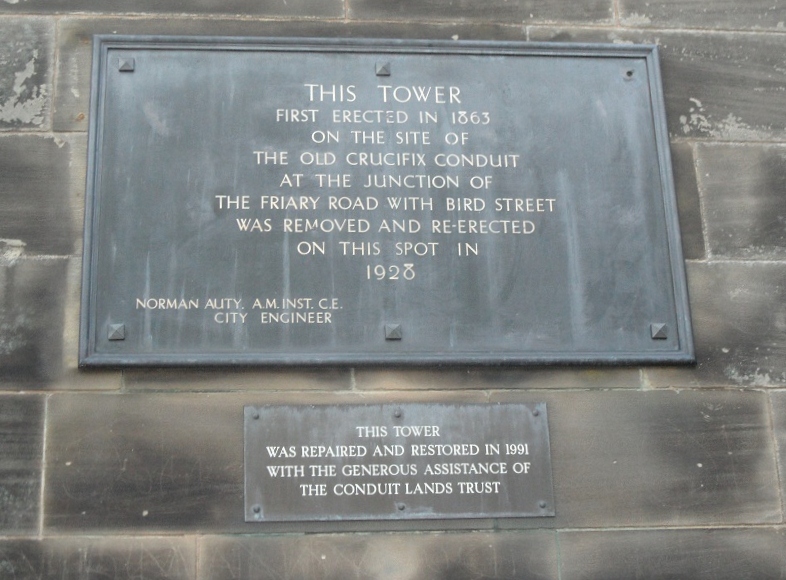
A plaque recording this event can be found on the Clock Tower:

The document can be seen by clicking on the PDF links below (it was too big to add as one whole document!)

Clock 1

Clock 2

Clock 3

Clock 4

As you may know,  the Clock Tower was erected in 1863, making it 150 years old this year. I think it would be fantastic if, as a celebration, we could give people  a closer look at the tower that they pass by and the clock that they hear each day, by opening it up to the public (I did go up Birmingham’s ‘Big Brum’ clock tower once so I don’t think it’s too harebrained an idea).

Here is a bona fide harebrained idea though – what about starting a new tradition of seeing in the New Year with the bongs of the Lichfield Clock Tower? I wonder if there are any records of people doing this in the past, when we didn’t have Jools Holland on the tellybox to see in the New Year with. Shall we make a date then?  New Year’s Eve 2013 in the Festival Gardens. I’ll bring some party poppers….

Sources:

http://www.lichfielddc.gov.uk/info/200161/tourism/760/heritage_trail/9

http://en.wikipedia.org/wiki/Lichfield_Clock_Tower

Gareth Thomas and his magical storeroom 😉

ExpLore – Lanes Around Leomansley

Walking is such a pleasure. I get seriously itchy feet if deprived for more than a day or so, and my spirits are always lifted after a good old trudge around. Exploring somewhere for the first time is fantastic, but I also love to walk around the places I know. It somehow gives me feel warm and comfortable feeling, like a favourite old cardigan. And of course, sometimes there can be surprises up even the most familiar sleeve…

I’ve decided I’d like to try and put some walks here so that people can get out and explore for themselves.  One of my best loved walks is of course around Leomansley, so here’s a walk around the lanes that I hope you’ll enjoy doing for yourself. Naturally,  I always encourage straying from the path to investigate something that looks interesting. Getting lost is part of the fun!

Lanes Around Leomansley

The map below gives a rough idea of the route, which is about 2km (depending on how many diversions you take!). I’ve marked some of the points that I think are of interest but of course there may be other things…….Below the map is a PDF with a written version of the route, giving information about each of the points. Hope you enjoy it, I’d like to hear how you get on!

Lanes Around Leomansley walk


Adooration

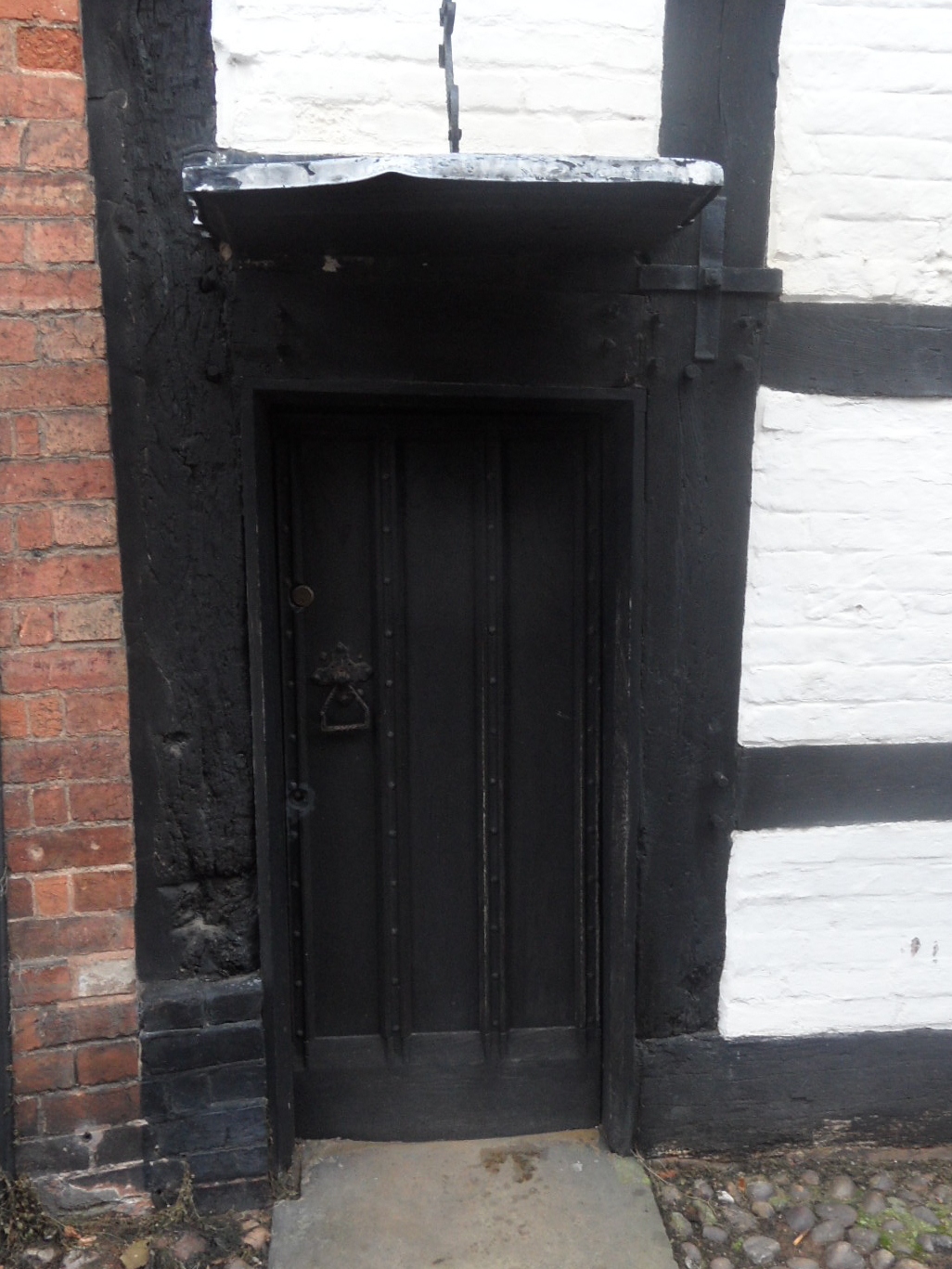
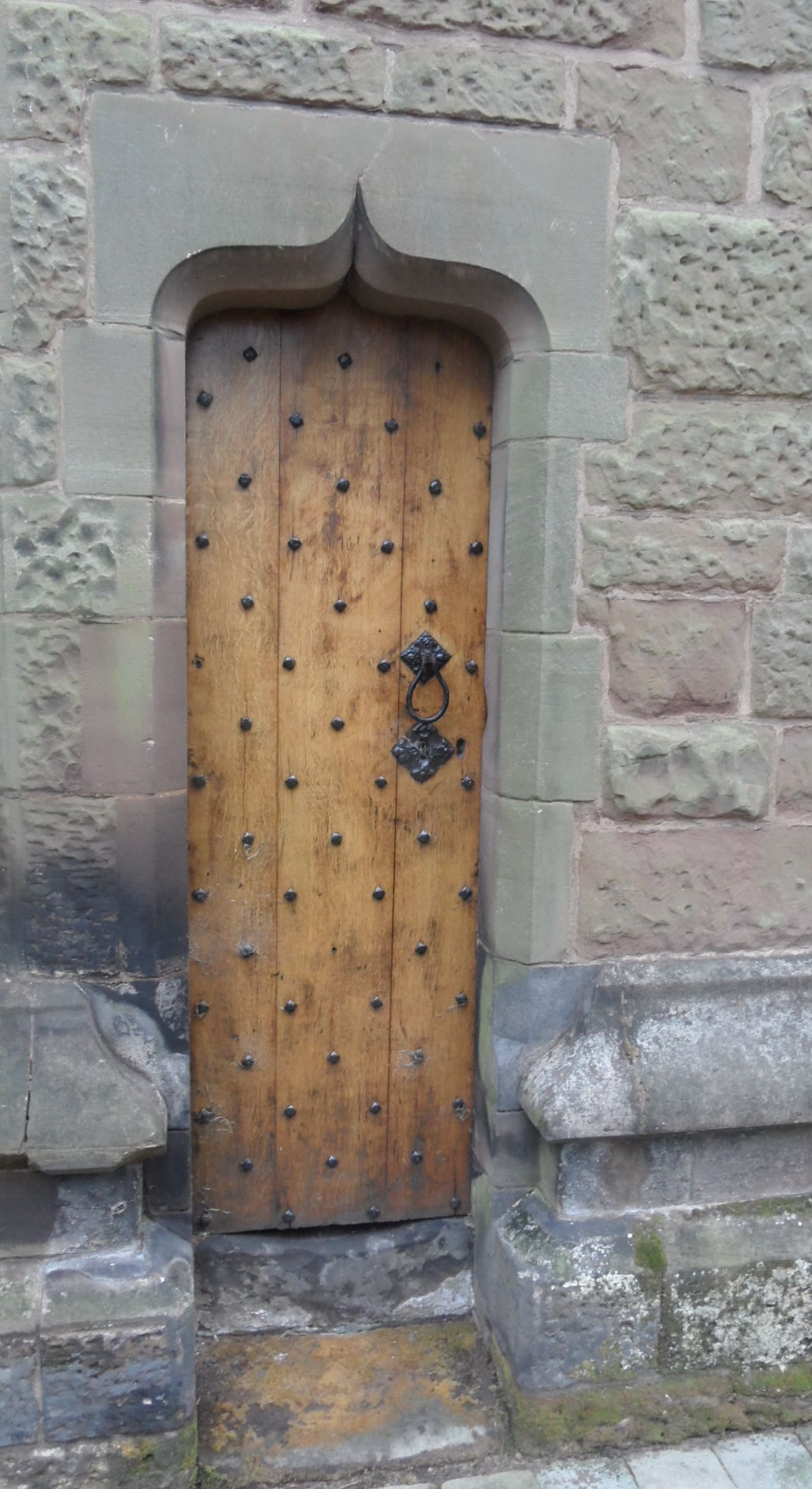
By now you’ve probably opened all of the doors on your advent calendar. So here are a few more (although I’m afraid there’s no chocolate). What’s behind these doors? Some we know already, as they are already open to the public.  What about those that aren’t though? Can we open more doors in 2013?

Whilst there’s no doubt that curiosity is one of the reasons I (and I’m sure others!) would like to have a look behind these doors, there are some nobler reasons I promise!  Behind closed doors, things can deteriorate or become lost, without us even knowing that they existed in the first place. Opening these doors allows us to explore and learn and question. It helps us to feel connected to a place, to each other and to all those who have walked through those doors previously.

Things are moving in the right direction. The gaol cells reopened again this yearGareth Thomas, from Lichfield District Council, showed us behind the doors of the council offices and regularly shares the deeds and maps he finds in his magical strongroom. Another important development, that will hopefully gain more momentum in the new year is Dave Moore’s vision regarding the future of Sandfields Pumping Station, a building that’s not only part of Lichfield’s history, but also that of the Black Country and South Staffordshire. Something I would like to see next year is more buildings open for the Heritage Weekend in September (at least), more community involvement in our history, improved access to local history resources, and of course more people getting out there exploring their surroundings, finding out what it is that matters to and interests them.

So that’s my rallying cry for 2013, more on this in the new year, but for now, I’d like to say thank you to everyone who has commented and got involved with this blog in 2012, and of course have a very, Merry Christmas!

Familiar Looking

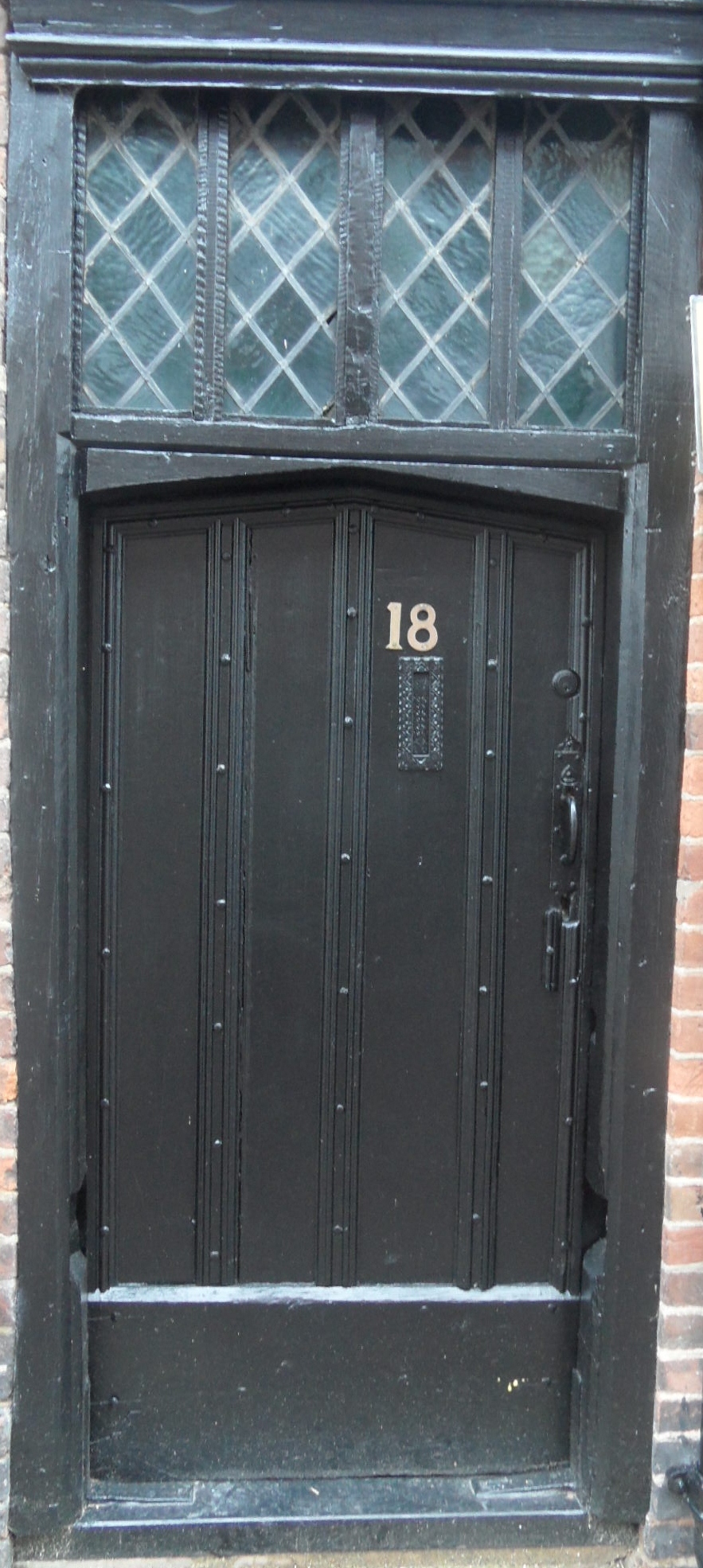
Always happy to be distracted from shopping, I had a wander down Quonians Lane to take a photo of a door (that’s a whole different post!).  Everyone loves Quonians Lane with its strange name and its carvings and plaques. Annette Rubery wrote a lovely piece about it back in May, which you can read here.  I love Quonians Lane too, although now my visits are tinged with sadness that the company, whose workers created these wonderful objects and many more across the city, the county and the country, is no more.

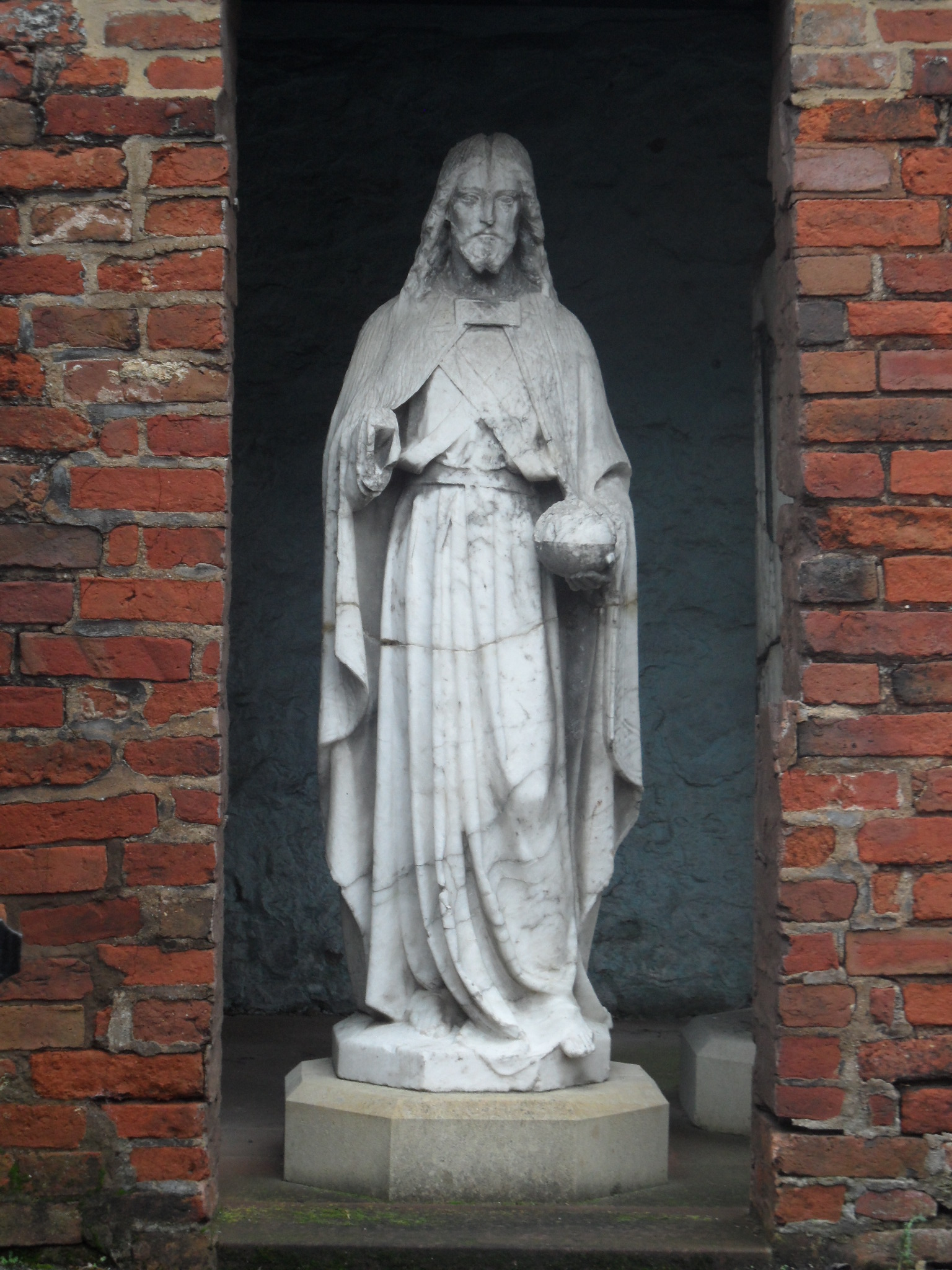
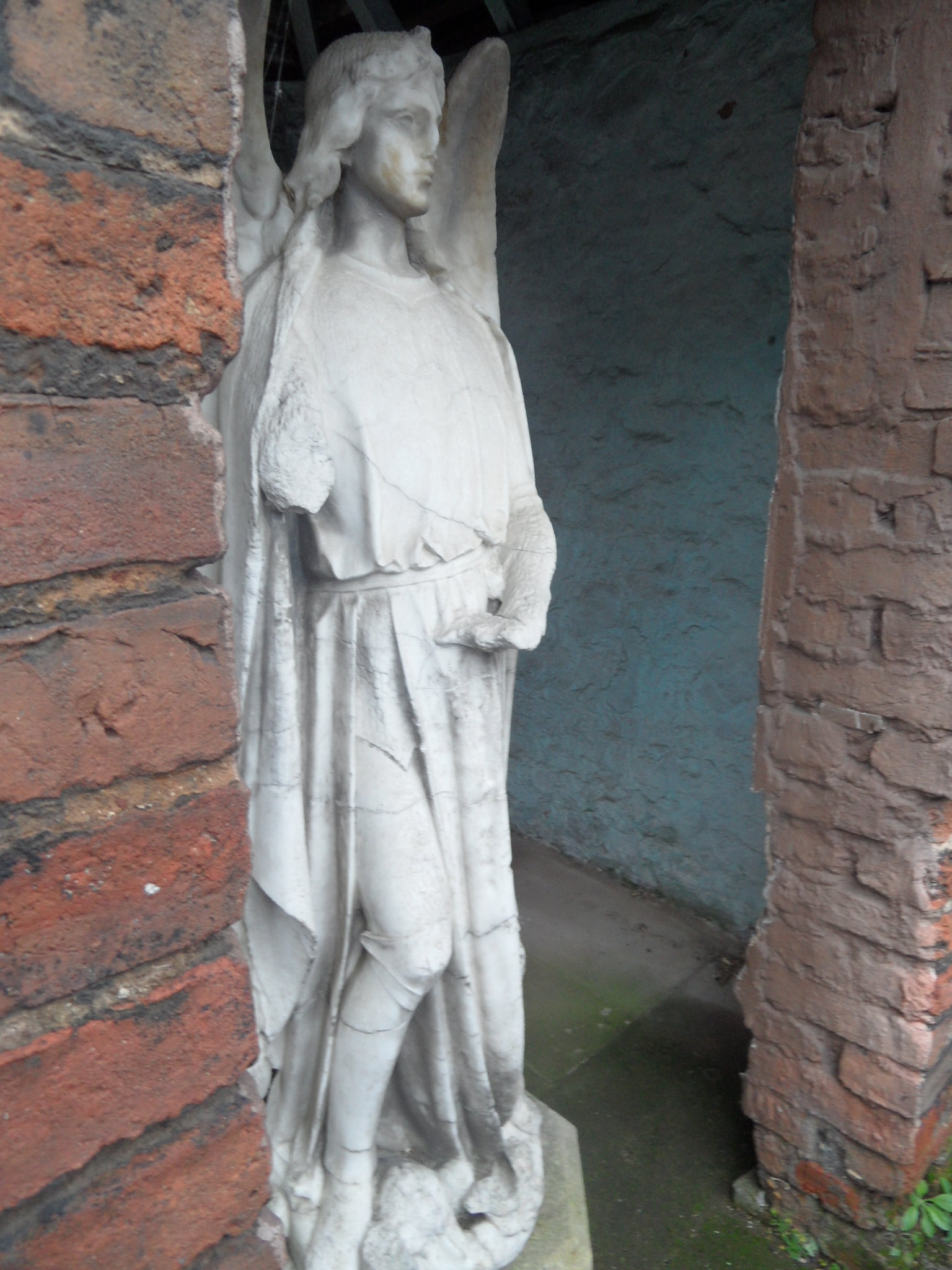
I saw the triangular roof of a small outbuilding above the brick wall and went to have a look, thinking it would be quite interesting in its own right. It was a lovely surprise to find these two marble statues stood in the doorways. If you want to see them for yourselves, go down Quonians Lane, and just after you get to the headless angel take a right, through the wall.

So the moral of this story once again is what I say in my ‘About Lichfield Lore‘ spiel.  “Go out and have a look at what’s around you. Then when you’ve done that, go back and have another look!”  I believe this more with each day I do this blog. I think that you can make new discoveries in the same place, depending on a whole range of things including the weather, your mood, what you’re thinking about at the time, the time of day or year or who you’re with. Actually I might change that to include having a smell/touch/listen too. Not sure about taste because I’m not sure I should be encouraging the kind of thing this young man got up to here…..

Anyway, today is a perfect day for me to bang on about this, as it’s the day we heard the news that around ninety further objects had been found at the Staffordshire Hoard site, three years after the original discovery was made. If that doesn’t convince you of the merits of having at least a second look, then I don’t know what will….


Time On Our Hands

On my way to do some Christmas shopping in Lichfield,  I went to Beacon Park to see our new old friend Erasmus Darwin properly now that the crowds had dispersed. I thought it would just be me and the good doctor this Saturday lunchtime, but in fact there were already people reading the plaque, when I arrived and another small group turned up whilst I was there. I touched the shell in Darwin’s hand, and continued over to The Close, as with all the talk of water and conduits recently, I also wanted to have another look at the old pump outside the Cathedral.

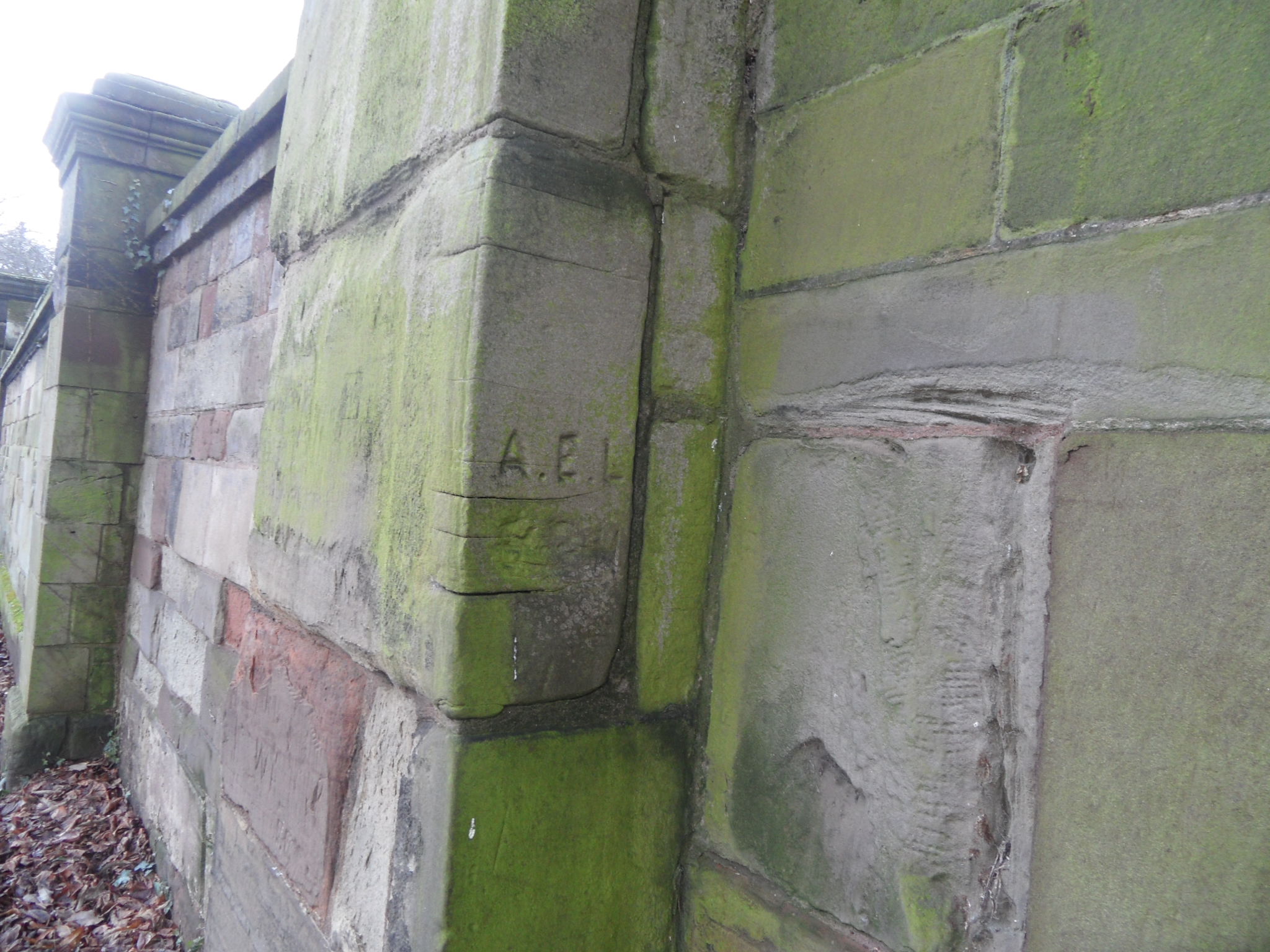
Wall of Bishop’s Palace, North East corner of The Close

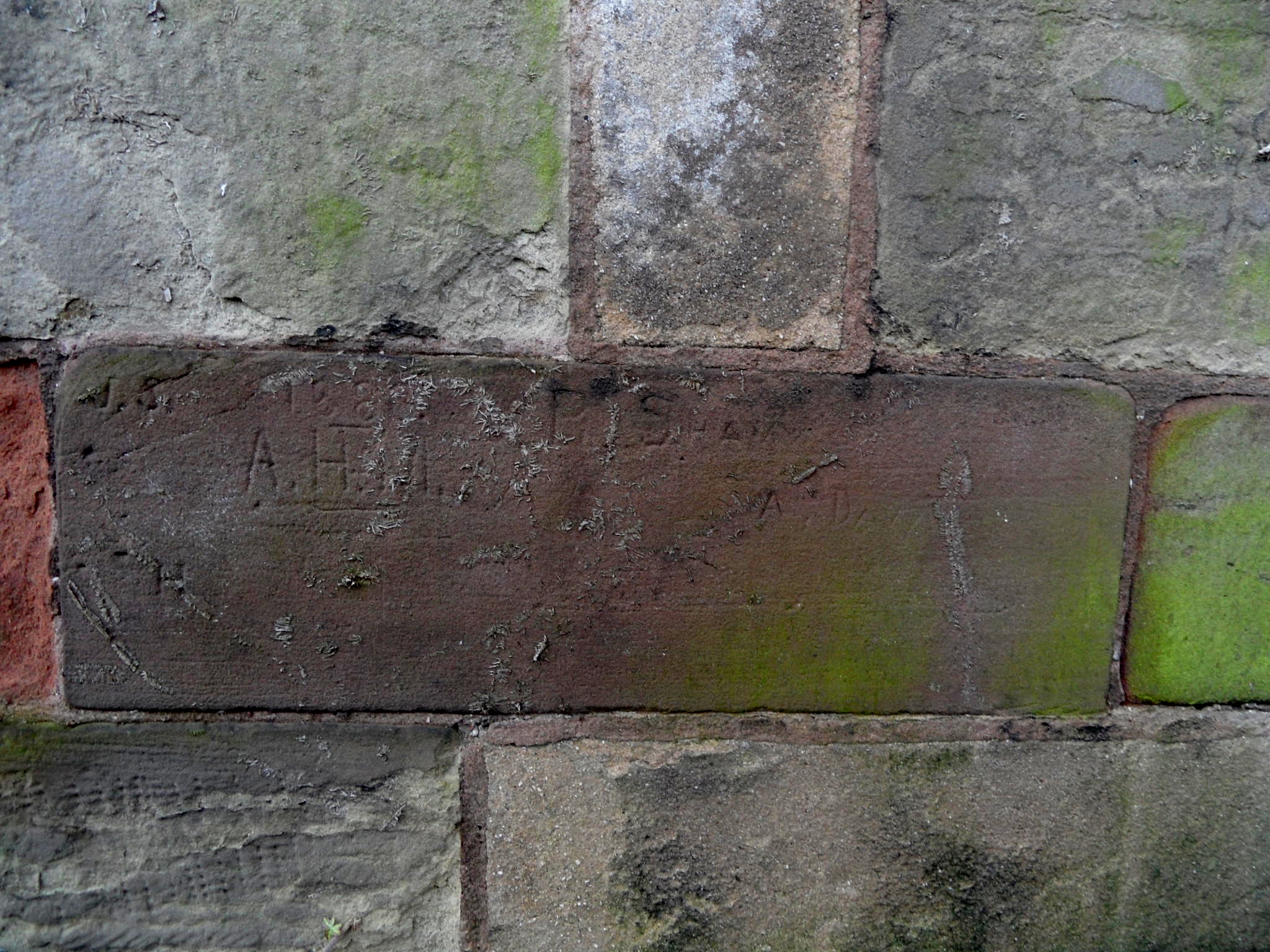
I then continued my walk north of the Cathedral, along the wall of the Bishop’s Palace, wondering about the provenance of the stone used to build it. In the north east corner of The Close, next to a pile of old grass cuttings and leaves, I peered over into what would have been the old ditch surrounding The Close. Something on one of the worn sandstone blocks caught my eye. Graffiti carved into the wall! Was there any more? Retracing my steps back along the wall I found several more examples.

Unfortunately, most of the markings either aren’t dated, or the dates have weathered away. So we are left with a series of initials, and not much else to work with. They may have been carved within weeks of each other or centuries apart. They may belong to pupils of the school, or they may belong to someone passing by with time on their hands. All that we really know, is that at various points in time, people decided to make their presence known in this quiet corner of The Close

One of the only legible dates on the wall. 188?

The listed building description for the wall (which can be found here) tells us that it’s probably over 300 years old. I haven’t yet been able to find where the stone was quarried from but the variation in colour and texture is beautiful. (Yes, I touched this too!)

The wall dates back to the rebuilding of the Bishops Palace in 1687. The original palace sustained severe damage in the Civil War and since then has actually only been the residence of the Bishop of Lichfield for a relatively short period. Bishop Selwyn took up residence in the 1860s and just under a hundred years later, in 1953, Bishop Reeve moved into a house on the south side of The Close. Since then the Palace has been part of Lichfield Cathedral School.

I have a photograph of the Bishop’s Palace from the back, but not the front. I do wonder about my thought process sometimes…

Of course, if anyone has any insights or information, please do get in touch. If it was you that stood here and added your initials to this old wall, I’d love to know when and why. However, I think that sometimes we have to accept that we will never know all the answers and just enjoy the time spent asking the questions.

Sources:

Lichfield: The cathedral close’, A History of the County of Stafford: Volume 14: Lichfield (1990), pp. 57-67

Halfpenny For Your Thoughts

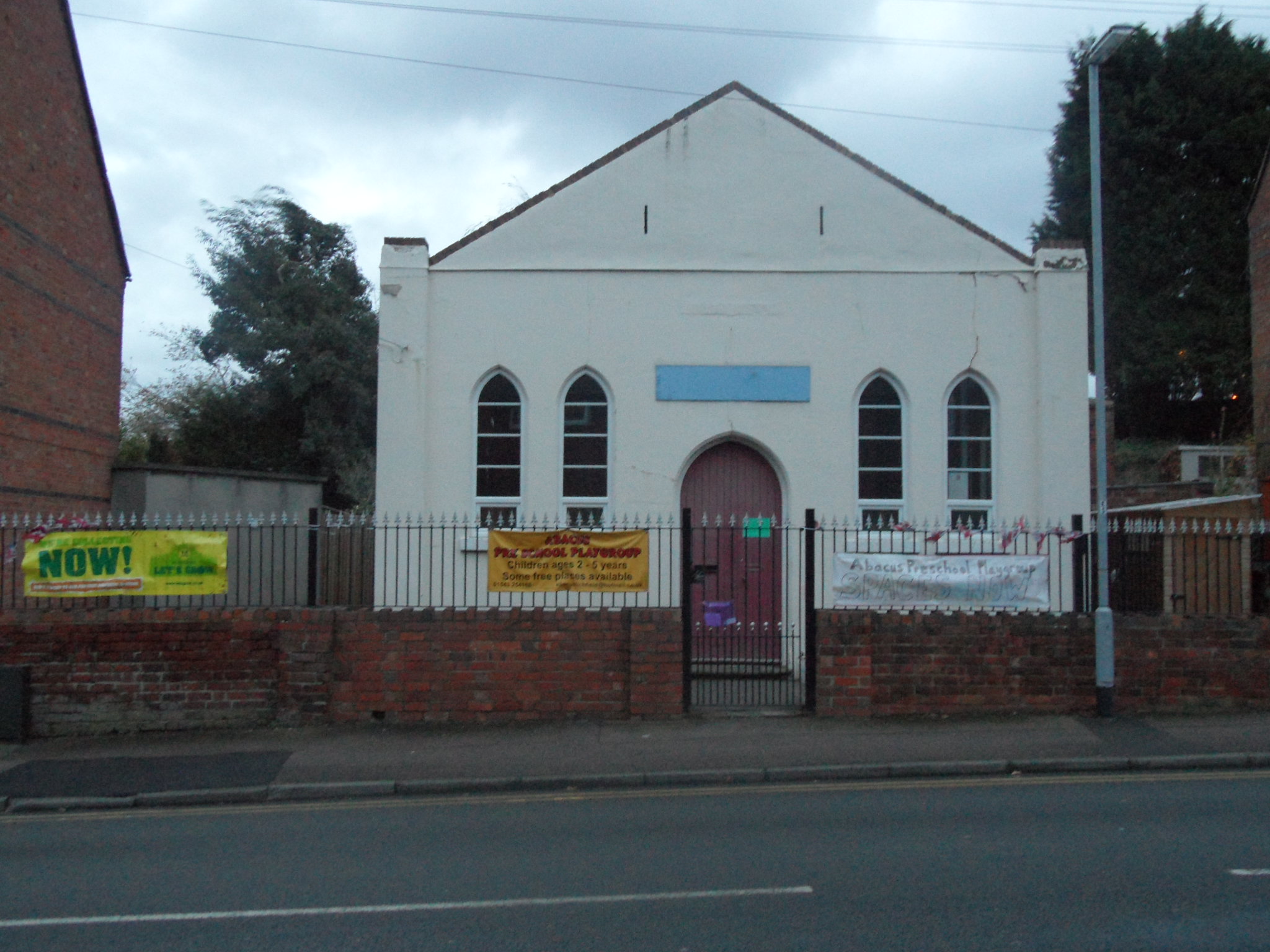
There’s a saying ‘It’s what is on the inside that counts…’, and it’s rather appropriate for describing Frank Halfpenny Hall, a plain and unassuming building half way up George Lane. The hall is home to the wonderful Abacus Pre-School, and inside is a place full of colour and music, imagination and laughter.

Frank Halfpenny Hall, George Lane, Lichfield

People have many fond memories of the hall. Responses to requests for information on  the Lichfield Facebook group show that this is a building that’s been an important part of the community over the years. People talked about attending Sunday school there, still having the ‘Peter and Jane Go to School’ book from their last day at playgroup, eating school dinners there when at St Chad’s school and regular jumble sales being hosted. It was even the venue for one woman’s wedding reception!

The hall is named after Frank Halfpenny, a Labour councillor, who I believe went on to become Lichfield’s first Labour mayor in 1965. He was the Sheriff of Lichfield, when war broke out in 1939 and the photograph below shows him maintaining the tradition of the Sheriff’s ride that September, accompanied by just one other rider.

Frank Halfpenny ensuring the tradition of the Sheriff’s Ride is maintained. Photograph used with thanks to Annette Rubery http://www.annetterubery.co.uk/

Cllr Halfpenny bought the hall and in 1958, donated it to the Lichfield and Tamworth Constituency Labour Party. I’ve been told that the hall was used as the Labour Party HQ during the two general elections of 1974 (in May the Conservative Party held the Lichfield and Tamworth seat but lost it to Labour in the October election later that year). It had originally been built as a Primitive Methodist Chapel in 1848 and a map from 1884 shows it had 130 seats for the congregation. It the 1930s, it was used by the Salvation Army.

Sources:

Lichfield: Town government’, A History of the County of Stafford: Volume 14: Lichfield(1990), pp. 73-87

Lichfield: Roman Catholicism and Protestant nonconformity’, A History of the County of Stafford: Volume 14: Lichfield (1990), pp. 155-159

http://en.wikipedia.org/wiki/Lichfield_and_Tamworth_(UK_Parliament_constituency)

An Inconstant Stream

According to place name expert Margaret Gelling, Leomansley Brook has a pre-English name. It’s thought the name could contain the Celtic word lēmo, meaning ‘elm’ (1) or lēme meaning ‘limetree’ (2).

1- Conduit Heads; 2 – Start of Leomansley Brook?; 3 Site of Leomansley Mill/House/Manor; 4 – Former Beacon Place fishponds, now Beacon Park boating lake

The brook rises near to the conduit heads at Pipe Hall Farm, Burntwood (at a place I’ve just noticed was also known as The Dimbles, just as the area near to the Circuit Brook is/was!), and crosses the Lichfield/Burntwood boundary, to fill a series of pools on the edge of Leomansley/Sloppy Wood before meandering through Pipe Green.

As mentioned in my previous post, Leamonsley Mill was built on the brook at the edge of Pipe Green in the 1790s. There are a few traces of the industry that was once here – ‘Leomansley Mill Cottage’ is a little further back down the track towards Christ Church Lane and there are also some possibly related brick structures. The second photo shows the place where the brook re-emerges to flow through Pipe Green, and is shown on some maps from the late 19th and early 20th century as a ‘Spout’.

Taken June 2011. On old maps, this is marked as sluice. This part of the watercourse was filled with water once again this weekend

Taken December 2010. Shows as spout on old maps.

I found a recollection by someone who spent the summer of 1984 at the old mill cottages then known as Leomansley House (which they have included a photo of!) producing the first and only issue of what they describe as a ‘local anarcho-DIY philosophy magazine’. In their description of the old house, they describe how Leomansley Brook ran past the front door.

The other stories I’ve found about the pool relate to changes brought about by nature. In February 1902, the frozen pool was used for ice skating.  The Lichfield Mercury reported that on the Friday after the freeze, the pool was quiet, but by Saturday a group of ‘horrid hockey people’ (as one unnamed woman described them) had discovered it and monopolised the best part of the pool.

Another Mercury story, from April 1976 when the artist Eilidh Armour Brown lived at Leomansley House, tells of a water shortage at the pool

Lichfield District Council Staff had been prepared to move fish from Leomansley Pool, after the water levels dropped to a dangerous level for the fish. The fish were to be transferred to Minster Pool until the water level at Leomansley had risen. Luckily a storm that weekend brought the much needed rain and it was no longer necessary.

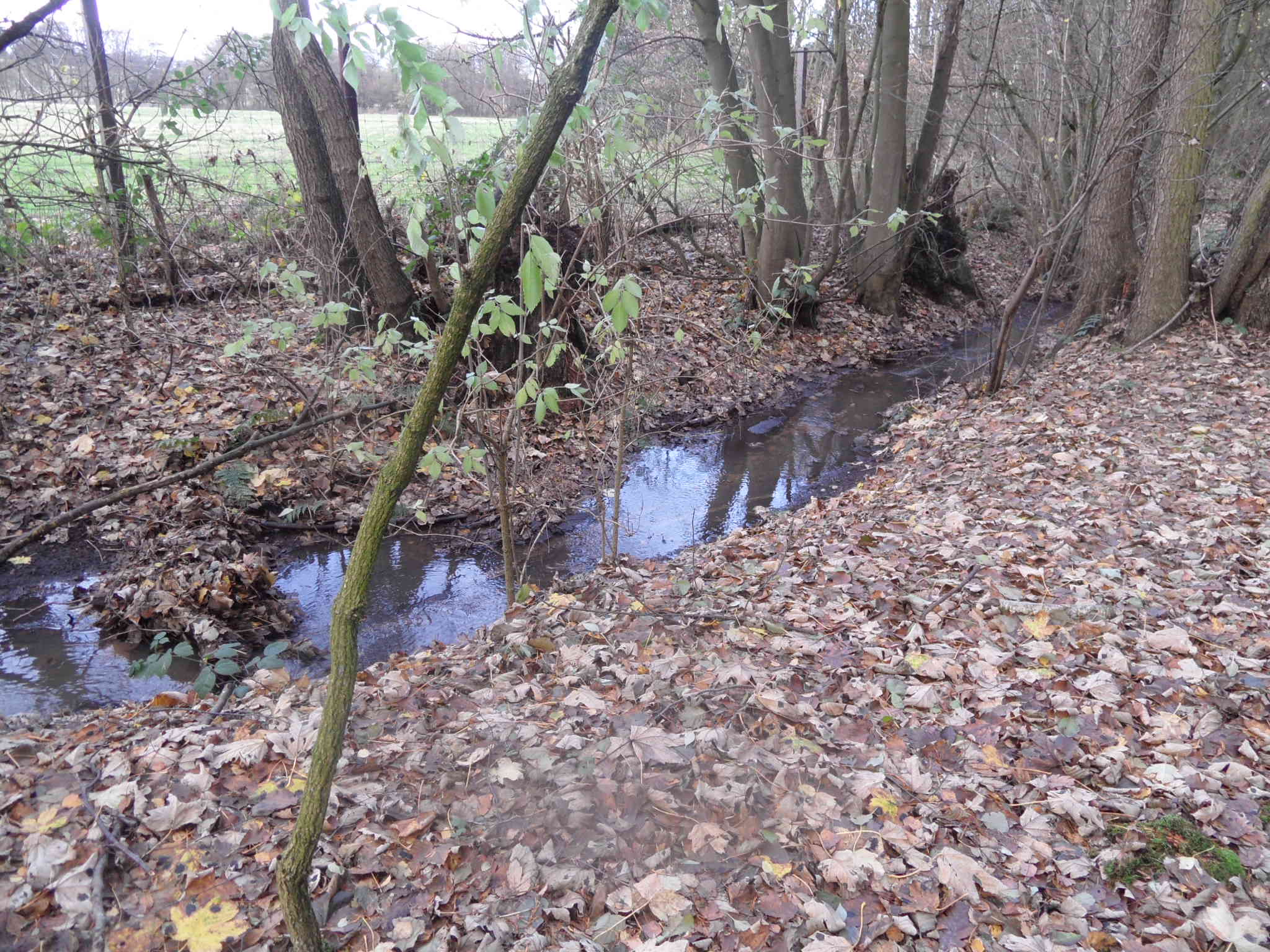
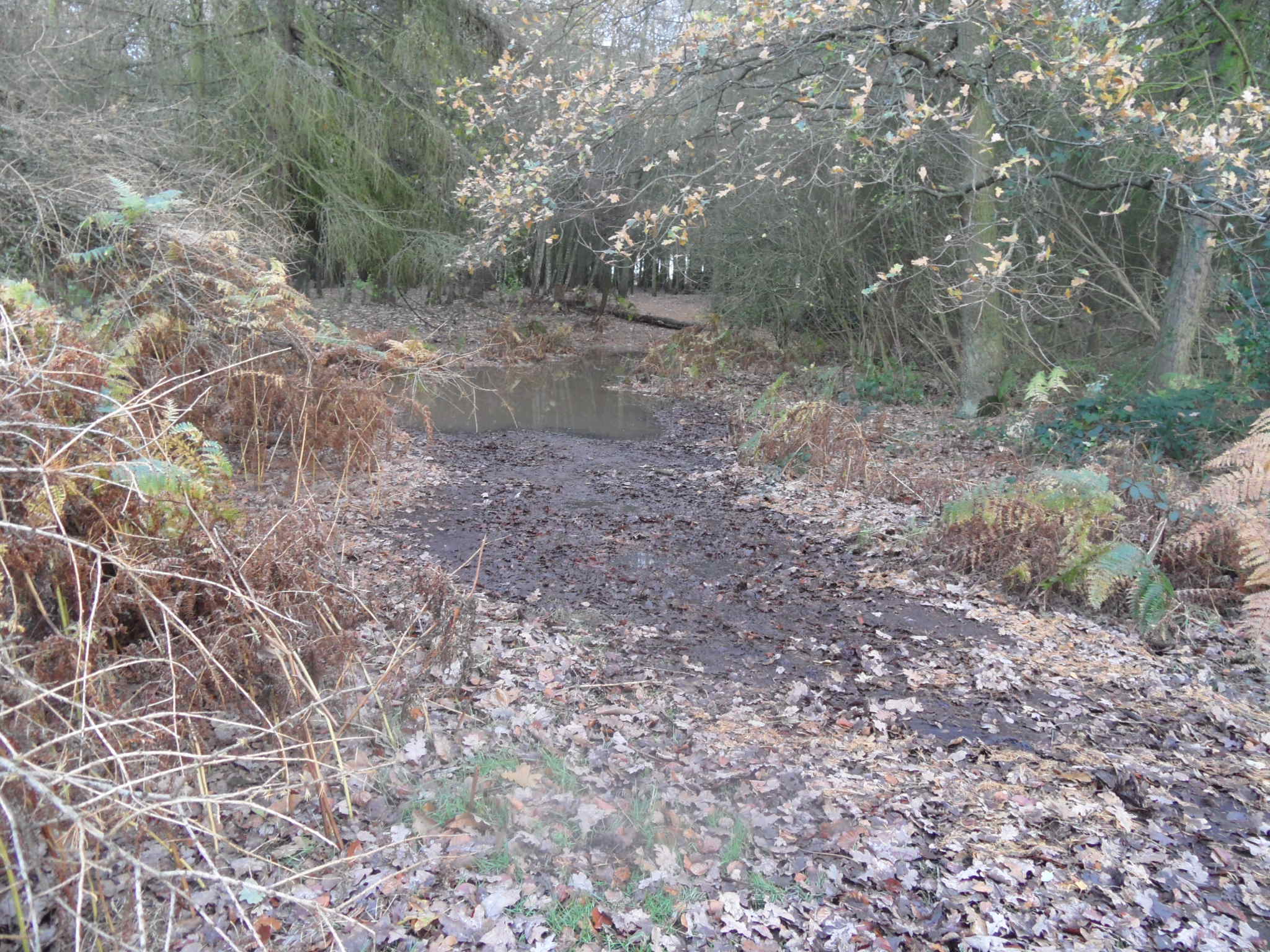
Things couldn’t have been more different this weekend. The normally dry part of the course along the edge of the woods was full, and levels in the pools were high, as you’d expect.

Taken November 2012. This part of the brook is normally dry.

Taken November 2012. I was told there used to be a bridge somewhere near here for farm carts to cross into the adjacent field.

Taken November 2012

As you can see in the above photo, not only was the brook refilled,  but the water was also claiming parts of the path. I imagine that’s how the name Sloppy Wood came about!

From Pipe Green, the brook is culverted under the A51, and then flows through Beacon Park, filling what used to be the fishponds for Beacon Place (now the boating lake in the park), before finally ending up at Minster Pool.

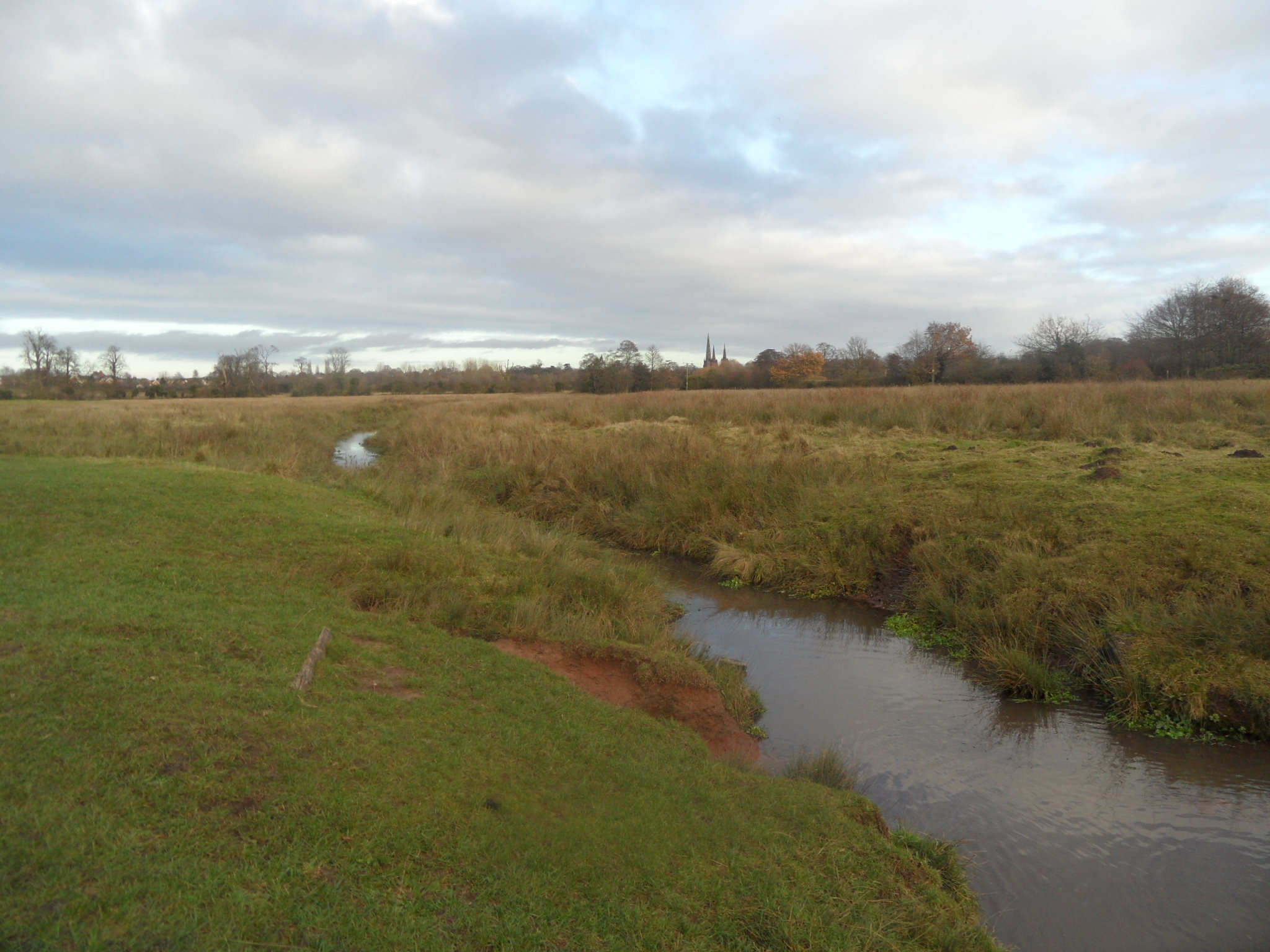
November 2012 – Through Pipe Green


November 2012 – Looking back towards Leomansley House/Mill/Manor!

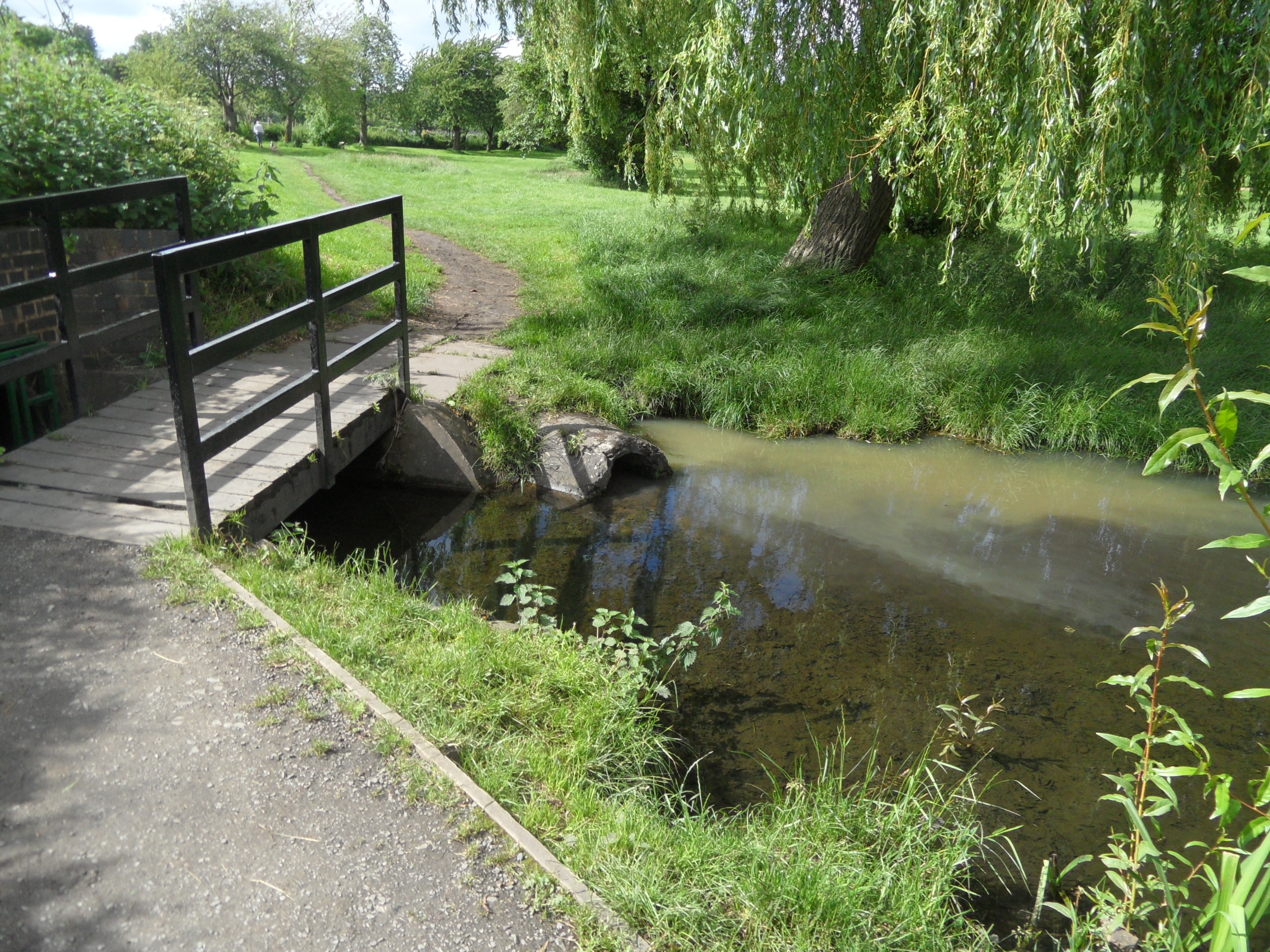
June 2012 – Leomansley Brook enters Beacon Park via a culvert under the A51. The reason the water looks murky by the pipe is that a little dog was paddling just before I took the photo!

June 2012 – Passing the play area in Beacon Park. This used to be a fish pond for the mansion Beacon Place (demolished 1964).

I don’t know anywhere near as much about streams and brooks as I’d like to but am really interested in them and their importance in the development of our landscape, e.g., the formation of natural boundaries and giving names to places that grew up along them. I’m also fascinated by our relationship with watercourses like these and our attempts to manage them, for better or for worse.

Sources

(1) ‘Lichfield: The place and street names, population and boundaries ‘, A History of the County of Stafford: Volume 14: Lichfield (1990), pp. 37-42.

(2) http://finds.org.uk/staffshoardsymposium/papers/mattiasjacobsson

The Mill's Tale

When I first moved to Lichfield, the building at the end of the track leading through Leomansley Woods was a derelict shell.  Intrigued, I looked into the history of the area and found out that it was probably related to a fulling mill that had been built there in 1791 by John Hartwell, on the edge of the Pipe Green trust land  (you can read more about this beautiful part of Lichfield on the Trust’s website here).

The OS map from 1815 shows a ‘Cotton Mill’ in that area.  Later maps refer to it as Leamonsley Mill. (In fact, the spelling of the name of the mill, and the area has changed several times. Variations include Lemmonsly, Leamonsley, Lemonsley, Lemondsley and in recent years, the name seems to have settled at Leomansley!).

This is the only image of Leomansley Mill I know of. It’s a trade token showing Leomansley Mill at the time of John Henrickson. Although the token isn’t dated, we can work out roughly that it must date to between 1809 and 1815 – the county history tells us that Mary Hartwell, widow of John Hartwell, let Leamonsley Mill together with a warehouse and weaving shop on Lombard St in 1809, and the following notice in the London Gazette tells us that Mr Henrickson, who is named on the token, went bankrupt in 1815.

To be sold by auction, by order of the major part of the Commissioners named and authorised in and by a Commission of Bankrupt against John Henrickson, of the City of Lichfield, Cotton-Spinner, at the Three Crowns Inn, in Lichfield aforesaid, on Monday the 18th day of March instant, between the hours of Three and Six o’Clock in the Afternoon, either together or in lots, as may be agreed upon at the time of sale;
All the machinery, mills, spindles, bobbins, winding frames, warping-mills, looms, shuttles, and other apparatus, suitable for carrying on an extensive trade in the Cotton Spinning and Calico-Weaving business, now standing in Lemmonsley-Mill and Lombard-Street-Factory, in the said City of Lichfield, late the effects of the said Bankrupt. The machinery and implements are all nearly new, and in excellent condition, and may be viewed by applying to Mr. Palmer, of Mr. Rutter, of Lichfield aforesaid, the Assignees of the said Bankrupt;and further particulars may be had at the Office of Mr. Foster, Solicitor, Rugeley, Staffordshire.

Reproduced from Lichfield District Council flickr stream

Recently, I found a newspaper notice of the sale by auction at The George Hotel on 24th May 1833, giving another detailed description of the mill.

‘A valuable watermill called Leamonsley Mill with a large Head of Water and Appurtenance, situated at Leamonsley near the city of Lichfield, formerly erected as a Fulling Mill, but lately re-built four stories high, and now in work and used for spinning hosiery and knitting yarn for the Leicester and other markets. Power to any extent may be added by erecting steam, being on the road from the Brownhill Colliery. Also. a right of four inches of top water from the pool of John Atkinson of Maple Hayes, covering about six acres of ground; with a good dwelling house, garden. land, combing shop and premises occupied therewith, late in lease to Thomas Leach.

It seems that the new owner, did decide to add steam power, as an 1860 newspaper carries an advert for,

Leamonsley Mill, within one mile of the City of Lichfield. Woollen Machinery, Water Wheel, Steam Engines. Messrs C and H Gillard are instructed to sell by auction on Monday 30th July 1860, on the premises,
The Machinery and Plant of the above Mill, for spinning floss or fleecy wool, comprising spinning frames, roving and doubling machines, a very  capital overshot or breast water wheel, constructed of iron. An excellent noncondensing or high pressure steam-engine, 2 feet stroke, of about 8 horse power, with beam, fly wheel, and governor and steam boiler, together with the shafting, as recently in use. Also, a capital brass lift and force pump, with lever on plank, quantity lead pipe.
This whole lot to be sold in several lots, as appear in catalogues, in consequence of the building being required for other purposes

And yes, I am trying to locate a ‘Glossary of Mill terminology’ to work out what half of those things are!  I wonder if the sale was related to the bankruptcy of James Johnson of Lemonsley Mill in January 1858, as notified in the London and Edinburgh Gazettes? The fact the building was ‘being required for other purposes’ is an interesting one…by 1884, ‘Leamonsley Cottages’ are shown in the place where the mill once was. I believe that by this time, it had become part of the Maple Hayes estate, and the cottages were used to house some of its workers. I’d like to know more about the state of this industry to discover why more than one bankruptcy featured in the history of the mill, and also why in 1860, a working mill was abandoned in preference of using the building as accommodation for servants?

I find it hard to imagine Leomansley as a place of industry, but it’s why the area developed in the early 19th century.  A while back I did a post about how the 1841 census showed that many residents seemed to have been employed by the mill.

Of course, whilst the area of Leomansley grew up around the mill, the mill presumably was there as a result of Leomansley Brook. And Leomansley Brook deserves a post of its very own….

Sources:

Lichfield: Economic history’, A History of the County of Stafford: Volume 14: Lichfield(1990), pp. 109-131
Features and Reviews

Hopefully, anyone reading the blog recently has found the old graffiti interesting. I know that Gareth and I, and (for a few days at least!) a large broadcasting corporation did. After all of the excitement, I thought it was time for a bit of musing….

The discoveries (or perhaps rediscoveries is more accurate) in the Lichfield District Council offices got me thinking about the potential for other ‘unseen’ history out there. There’s unseen in the sense of being hidden away from view –  in attics, down pub cellars and down the bottom of the garden. However, I also think that something in plain view can be unseen –  people may pass by everyday, but no longer see what’s actually there or the potential of it, due to familiarity. During discussions about the graffiti, someone said to me, “I’ve walked past that graffiti loads of times and never even thought about it”.

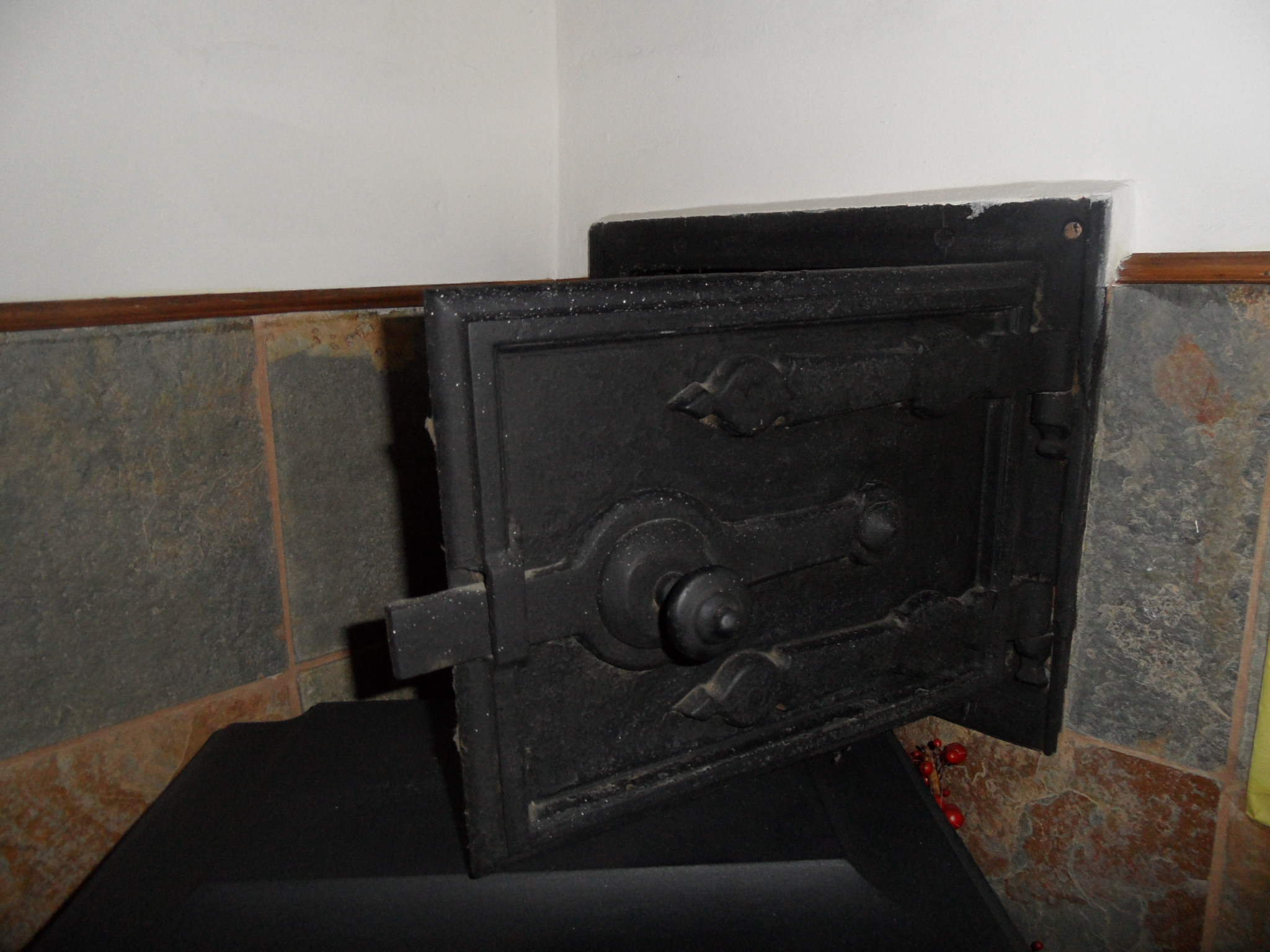
The bread oven above is in the house of someone I know. I remember them buying the property years ago and excitedly telling me after their first viewing with the estate agent, “It has an old bread oven!”. When they moved in we all keen to peer inside but prior to taking the photo, it was last interacted with as part of an Easter Egg hunt.  However, taking the photo to show a friend, sparked a whole new conversation about the oven. Was it original? If so, would this have been the kitchen? Wasn’t it once divided into two houses? How was it laid out back then? Why was the house built in the first place? And so on….My point is, sometimes, we need to look with a fresh pair of eyes to see what’s in front of our nose.

I don’t think that the history in question even has to be a specific feature like the bread oven. I find the traces of people’s everyday lives fascinating. I visited a house in The Close last Christmas. Unfortunately, I hadn’t had nearly enough mulled wine to pluck up the courage to ask if I could take photos, so I’ll have to describe it. There were stone steps down into the cellar, worn away in the centre by centuries worth of footsteps. There were attic beams with layers of fading wallpaper still clinging to them up in the attic. To describe the place as ‘lived in’ would be an understatement.  The next question inevitably is ‘lived in by who’? Actually, photos wouldn’t really have done the place justice anyway because it was more than a visual thing. You wanted to touch, as well as see. ….

I’m really hoping that Lichfield District Council open their offices up for the next heritage weekend, so that people get to look around what was one the Old Grammar School for themselves. I’m not suggesting people throw the doors of their homes open to the public, but perhaps if we want to explore the history of the city and all its inhabitants, we sometimes need to look at the ‘normal’ buildings and places, where people lived and worked, and still do! I’m by no means detracting from those special, extraordinary buildings like the Cathedral, just saying that sometimes it might be worth looking again a little closer to home.

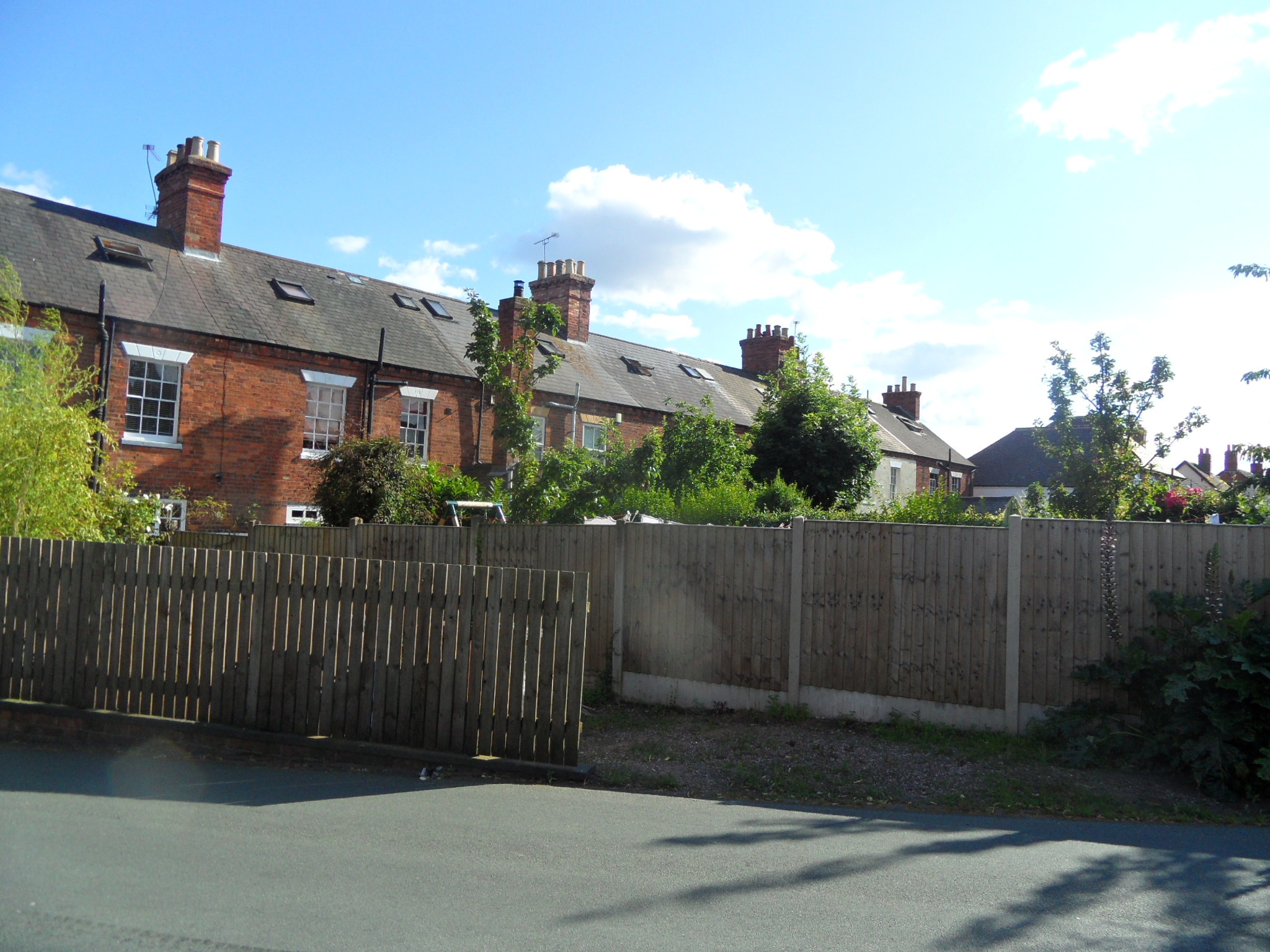
One of these terraced houses in Leomansley still has a tall chimmney at the back. An old washroom?

A wall brace on Greenhill. Does that say R Crosskex? Who was that? See edit below.


A selection of objects found in the garden Of Vicky Sutton’s Nan’s house near to Beacon Park (not including the pink flowery plate!).

The remains of a cherry orchard can still be found near…Cherry Orchard!

Edit:

After I woke up properly, I realised this actually said R Crosskey. I found a book about Henry William Crosskey, a geologist and Unitarian minister from Lewes (1) and found that his younger brother, Rowland Crosskey came to Lichfield as an apprentice ironmonger. He emigrated to Australia for a while and then,  after he returned to England, he started a business in Birmingham. Afterwards, he took over the Lichfield firm where he had served his apprenticeship. In 1868 he became Mayor of Lichfield and donated a civic sword to the City (Is this the one still used in processions today?).  He died in 1890. From census records, it looks like his home and business premises were initially in Market St. In 1888, he was in Bore St, trading as a ‘Military Camp and Store Furnisher’ with premises on the Burton Rd in partnership with Charles John Corrie. Also, just as a point of interest, Rowland was his Mother’s maiden name.


(1)Henry William Crosskey, LL.D., F.C.S. : his life and work by Richard Agland Armstrong; with chapters by E. F. M. MacCarthy and Charles Lapworth. http://www.ebooksread.com/authors-eng/e-f-m-maccarthy-richard-acland-armstrong.shtml

(2) London Gazette 1888