The Walking Dead of Weston

Charlotte Sophia Burne, the first woman to become president of the Folklore Society, once said of Staffordshire, ‘It is comparatively an ordinary occurrence for this or that lately deceased person to ‘come again’ after death’.

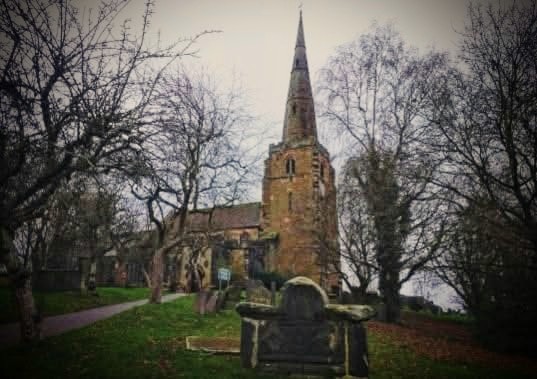
I can’t help but wonder if she’d heard of the post-mortem wanderings of Preston Moore and his father in the village of Weston, near Stafford. A book called ‘Phantasms of the Living’, contains the following account from a Mrs J Bennett written in 1882 about the eerie events of 13th April 1860.

“My daughter Annie and I had been drinking tea with the late Mrs Smith and Miss Moore, and talking about their brother Preston being very ill and not expected to recover, and were returning home in the evening when between the little wicket which opens out of the Vicarage field and Mrs Newbould’s house, we met the identical man in face, form and figure, dressed as he was always wont; slouched hat, old frock coat, open in front, knee-breeches and gaiters, with a long stick. He passed so near us that we shrank aside to make way for him. As soon as we got to Mrs Newbould’s she exclaimed, ‘So Preston Moore is dead!’, when we both exclaimed, ‘Oh no, we have just seen him!’. We found, in fact, that he had died about half an hour before he appeared to us’.
Something wicked this way comes

Mrs Bennett was adamant that it could not have been a case of mistaken identity. According to her, ‘We cannot call to mind anyone at all resembling the individual in question; his appearance, dress and gait were utterly unlike anyone else residing in or about the neighbourhood’. More intriguing details emerged during psychical researcher Eleanor Sidgwick’s interview with Mrs Bennett. There was apparently something forbidding about Preston Moore and his sister Miss Moore was also considered odd. Preston may also have had a thing for Mrs Bennett. He once bought her pansies pinched from a neighbouring gentleman’s garden and another time, cauliflowers, also illegitimately acquired. Perhaps I should have saved this story for Valentines Day? ‘Roses are red, violets are blue, here are some vegetables, I’ve stolen for you. Violets are blue, roses are red, I’ll still be around, even after I’m dead’.
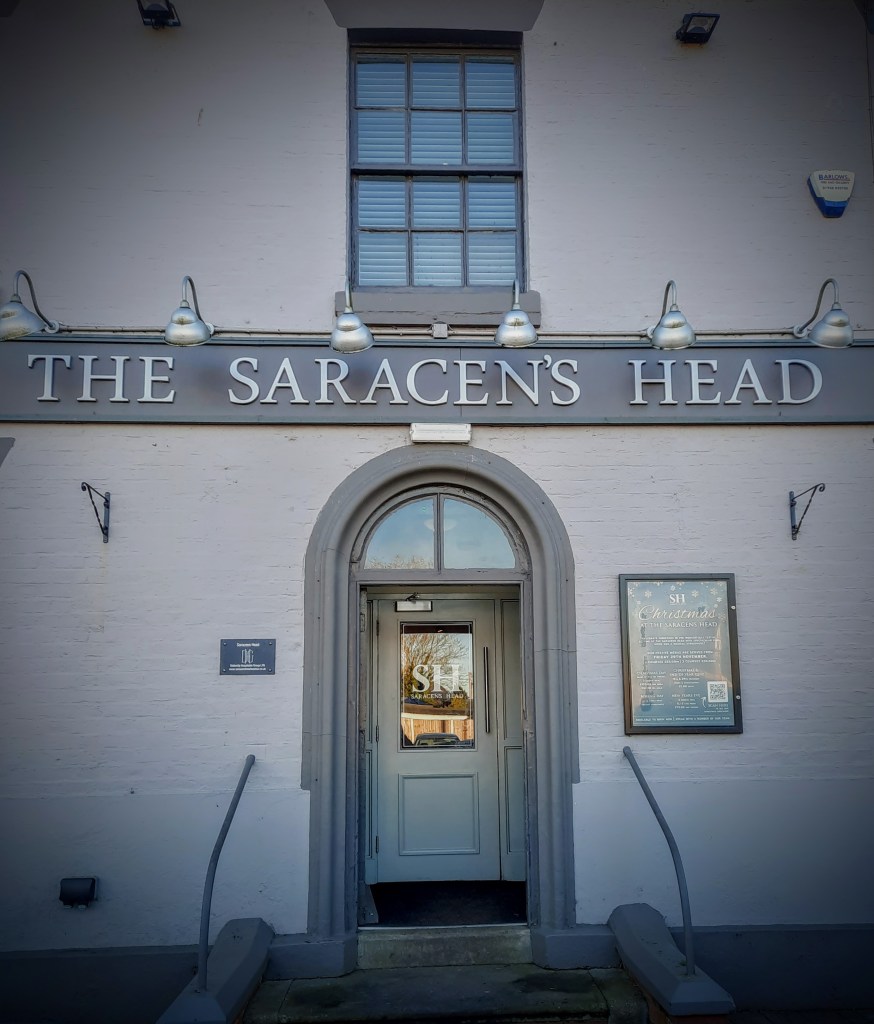
A lovely pub. We will definitely come again.

The story as it stands is strange enough but reader, there is a twist in this tale of a dead man walking. An article in the Staffordshire Advertiser in 1901 claims that Preston Moore was not the first of his family to ‘come again’ after his death. There was a legend in the local area that his father’s shade had roamed up and down the road between Stowe and Weston, until locals decided it had had enough exercise and it was time to exorcise this restless spirit. It was laid in a bottle and bricked up in the cellar of the Saracen’s Head Inn to remain there, ‘whilst holly and ivy are green’. It seems that during his life Mr Moore senior may have been the landlord at the inn making the real horror here the idea of being trapped in your workplace for eternity.
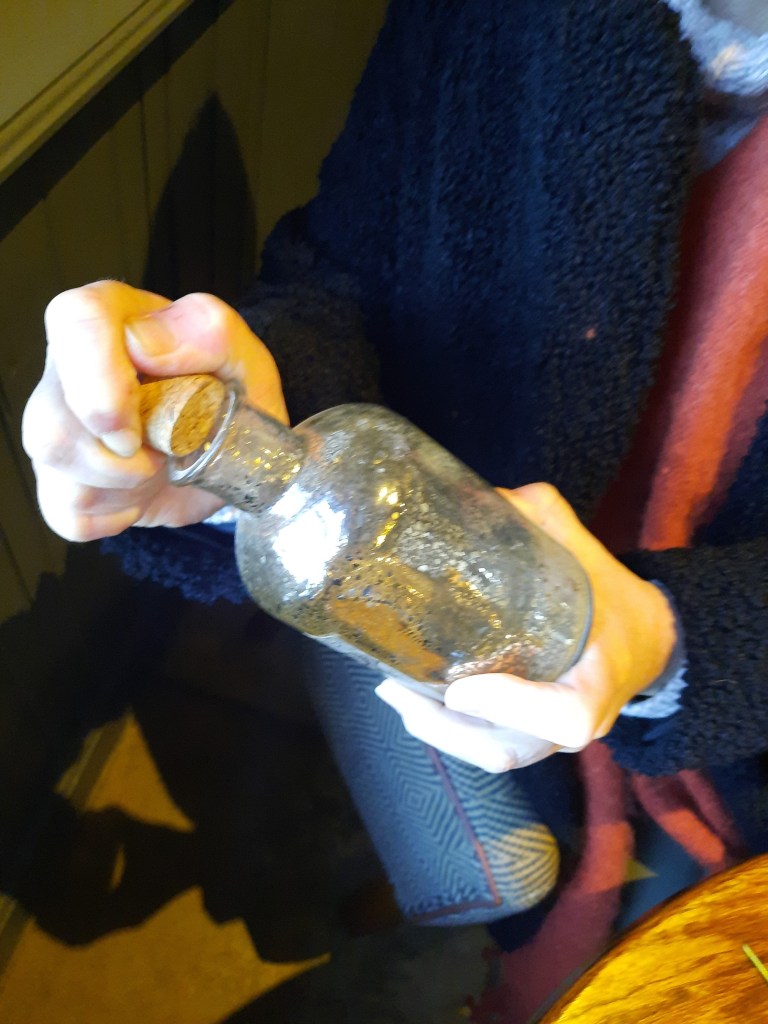
She wouldn’t let it lie!

Obviously my good friend Jacky and I went to investigate, by which I mean we popped into the pub for a coffee and pretended we’d found the bottle containing the spirit of Mr Moore on a shelf nearby where we sitting. I am convinced there’s more to be found out about the mysterious Moore family which may explain why the family seem to have been at the centre of village superstition. In the meantime, if you work at the pub, would you pop into the cellar and see if you can find where the old landlord lies? We should have asked but we didn’t have the bottle…

Sources

Staffordshire Folk and the Lore, Charlotte Sophia Burne

Phantasms of the Living, Edmund Gurney, FWH Myers and Frank Podmore

Staffordshire Advertiser 2nd March 1901

Staffordshire Advertiser 2nd March 1901
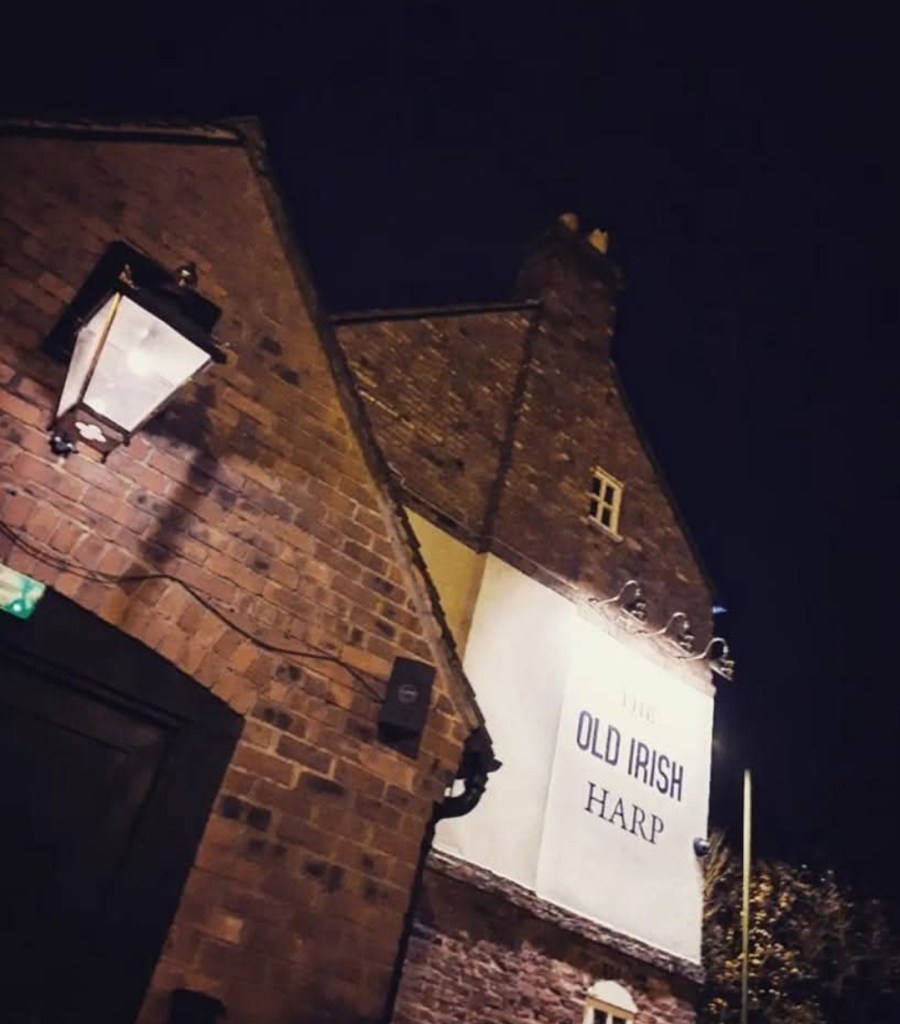
Highway to Hell

I feared from the looks on my family’s faces that my interest in the macabre may have gone too far when I happened to mention during a meal at the Old Irish Harp that an inquest on the body of a genteelly dressed woman found ‘wilfully murdered’ in a wood near Sutton Coldfield had taken place not far from where we were sat, albeit 250 years prior. I thought perhaps it was time to find a different hobby. Embroidery perhaps? A pleasant pastime for sure, but turns out that for me it’s no substitute for finding and sharing a ripping yarn. And now that we’ve established that I am beyond all redemption, I want to regale you with a post about crime and punishment on the mean streets of Staffordshire.

Back when the inquest took place it was just known as the ‘Irish Harp’.

On the evening of 26th October 1764, a little after 8 o’clock in the evening, Mr Thomas Hurdman of Alrewas was stopped by a footpad opposite St Michael’s churchyard. The Aris’s Birmingham Gazette cryptically reported the rogue was suspected to be a W_____ C_____ of Greenhill. I’m not sure why such nominal secrecy though, when they also published a description of him in the same report (not yet 20, about 5 feet 5 inches high, wide mouthed and wearing his own hair, if not altered, which was brown and short cut’). Despite being caught by one of the city’s constables, WC managed to quite literally give him the slip by sliding out of his coat, and legging it out of Lichfield in a linen frock. His freedom (and any semblance of anonymity) was short-lived however. In March the following year, newspaper reports reveal that the ID of WC was William Cobb and that he’d been sentenced by the High Steward of Lichfield, Fettiplace Nott, to be transported for his assault on Thomas Hurdman and making many violent threats of murder.

St Michael’s Lichfield is the graveyard for some who went to the gallows

Ashmoor Brook, up Cross in Hand Lane, was the scene of another robbery which went awry. In Lichfield March 1833, a notorious local character known as Crib Meacham, a name apparently derived from his success in various pugilistic encounters, was charged with robbing a Mr Lees of Stoneywell. According to Lees, Meacham was one of a gang of four who attacked him and his wife. The pair were in possession of a large sum of money but it was Mrs Lees who was holding the purse strings at the time and the thieves had allowed her to run away. She soon returned with assistance and it was the robbers turn to run, leaving a gagged Mr Lees unharmed but relieved of his relatively empty purse and hat. Meacham was arrested later that evening but as of yet, I cannot tell you anymore about him, neither the fights which earned him his nickname in the past nor the fate he earned from his part in the robbery.

Cross in Hand Lane is only just outside Lichfield but must have felt like the back of beyond travelling through here after dark

I can tell, however, tell you much more about Robert Lander aka Bradbury a cordwainer of Milford near Stafford who robbed Solomon Barnett, a wax chandler of Liverpool in March 1798. The newspaper reports at the time give not only a physical description (Lander was a stout built man, 5ft 5 inches, 25 years of age wearing a blue coat, a striped fancy coloured waistcoat, and thickest breeches, torn upon the left thigh and patched upon both the knees). It also gives his villain origin story, starting at his childhood home of Haywood near Stafford. When his Dad died, he inherited a few hundred pounds. At the age of 21 he got turned down for a job at the Board of Excise and so went to work for a gentleman in the wine and spirit trade instead. This, it seems, may have been the start of his downfall. During his employment he is said to have remained in a permanent state of intoxication, eventually absconding and taking with him a watch belonging to his master. He sold it at Stafford where he enlisted into a Regiment of Foot but ended up, somewhat ironically, in the shoe making business. This didn’t last long either and neither did his subsequent enlistment into four other regiments. His career in crime also came to an abrupt end when he was found guilty of the robbery of Solomon Barnett and sentenced to death at the Stafford Assize. When the judge prayed that the Lord would have mercy on his soul, it was reported Lander replied, ‘G__d d___n you and the gallows too. I care for neither’. I assume he said it in full but that his blasphemy was censored by the Chester Chronicle. He was executed in August 1798 and the parish register of St Mary’s Stafford records that, along with Edward Kidson, Robert Lander alias Bradbury was executed _ _ _ _ _ _ _.

These are all true crime stories, but it would’t be Lichfield Lore without a bit of folklore would it folks? You’ll be relieved to know I’m not going to go down the Turpin turnpike road but I am going to give a dishonorable mention to Tom ‘Artful’ Arnott, a highwayman who was supposedly executed, gibbeted and, eventually, buried at this crossroads in Cannock.

Although Arnott’s grave is marked on old maps there are no records of anyone of that name ever being executed. Intriguingly though, there is a record of a Thomas Arnott being buried on 1st September 1777 at St Luke’s in Cannock. Clearly a man can’t be buried in two places at once but it’s the right kind of era and area. Then there’s a Thomas Arnott mentioned in Aris’s Birmingham Gazette in October 1792 for absconding from his master’s service in Birmingham. Intriguingly, after given a description of him (35 years old, five feet five inches, marked with the Small Pox, dark lank hair, and lightly made, wearing a blue coat), it mentions that prior to his work as a stamp, press, lathe and die maker, he had been employed as a forger. Do they mean the criminal variety and if so, does this strengthen the case for him being our Tom? Just to add an extra layer of intrigue, there was yet another absconding Thomas Arnott, who was apprenticed to a Whitesmith in Worcester but ran away on 5th April 1803. He’s described as 5 feet two inches, black curled hair, wearing a blue coat with yellow buttons, a green striped cashmere waistcoat with yellow buttons and dark velveteen breeches. In that outfit, if he did become a highwayman, he’d have been a very dandy one indeed. Could any of these be the legendary Arnott? Did he even exist in the first place? All I do know is that this story is one T__B__C__________.

Arnott’s Grave. Unless it turns out to be at St Luke’s Cannock.

Sources
Aris’s Birmingham Gazette 5th November 1764

Aris’s Birmimgham Gazette 18th March 1765

Aris’s Birmingham Gazette 25th March 1833

Staffordshire Advertiser 24th March 1798

The Chronicle 7th September 1798

Chester Chronicle 17th August 1798

Aris’s Birmingham Gazette 8th October 1792

Aris’s Birmingham Gazette 2nd May 1803

The Wraiths of Weston Hall

Afternoon tea at Weston Hall is my annual festive treat and though we didn’t spot any ghosts of governments past in the form of the MP from Stone eating scones again this year, plenty of other spectres are still present here.

Scones and spooks is my idea of heaven

The Jacobean hall is said to be so haunted that when it was used by the ATS in World War Two, there’s a story that the women stationed there opted to sleep outside in tents rather than risk meeting the legendary Grey Lady. It seems a less effective strategy when you learn that the wraiths of Weston Hall are not confined within its walls. A Green Lady walks up the stones steps to the entrance, a White Lady rushes across the nearby road and disappears into a hedge during a full moon and the sounds of a ghostly carriage and horses can be heard pulling up outside on the gravel, despite the driveway having been long paved over.

Stairway to heaven

Given there are so many ghosts, the house must surely have had a colourful history but details of its original owners are a little sketchy. In Henry Edward Chetwyn-Stapylton’s book on the Chetwynds of Ingestre, he suggests Weston was built by Lady Dorothy Devereux, youngest daughter of the former favourite of Elizabeth I, and William Stafford of Batherwyke, her second husband. He notes that Robert Plot says she was living there at the time he wrote his History of Staffordshire in 1686 but as she died in 1636 he must have been mistaken. Unless she’s the Grey Lady and it’s her ghost he saw…

Seems a bit scary on the outside but lovely on the inside. Just like me 😉

A later owner, Francis Lycett died there on the evening of 6th May 1792 from a fractured skull, a few days after falling down the stairs at The Falcon Inn at Stone. One of his spurs had caught on his great coat. I have read elsewhere on the internet that Francis is an ancestor of fellow Brummie (but not fellow comedian) Joe Lycett but haven’t yet been able to substantiate this.

By 1818, the hall was described as a farmhouse in a rather neglected state in the Staffordshire General and Commercial Directory. In the early twentieth century, the property was used as a pauper asylum by Staffordshire County Council to relieve overcrowding at Stafford. There were 45 female patients in August 1908 but again information is scarce. Afterwards it was allegedly sold to pay gambling debts and converted into flats. An application to convert the property to a nursing home in 1991 was abandoned and the hall stood derelict until Paul Reynolds rescued and restored the building a few years later.

The Falcon at Stone, where Francis Lycett had a fateful trip

For me it’s not so much generic stories of women in white (or grey, or green) that float my ghost ship, but something with more substance. An event in the past which may help to explains why there may be a perception of paranormal activity. When the hall was reopened as a hotel in the 1990s, staff reported tables being cleared, glasses being collected and ashtrays being emptied by an unknown entity. I can’t help but wonder if there’s a link here to the tragic events of March 1945 when a twenty five year old mess orderly in the canteen was accidentally killed when she was shot through the chest by an eighteen year old private in charge of a detachment of German POWs working at Weston Hall.

I’ll be haunting somewhere around here

Whoever it is that haunts Weston Hall, there are far worse places to spend your afterlife. In fact I love it so much that in years to come there may be reports of another female phantom who turns up at Christmas and sits by the fire stuffing herself with scones.

Sources

Paranormal Staffordhire, Anthony Poulton-Smith

Staffordshire Newsletter 4th October 1996

Stafford Post 21st March 1996

Staffordshire Sentinel 23rd July 1985

Staffordshire Newsletter 19th November 1976

Staffordshire Sentinel 6th July 1945

The Gentlemans Magazine and Historical Chronicle 1792

Curiouser & Curiouser

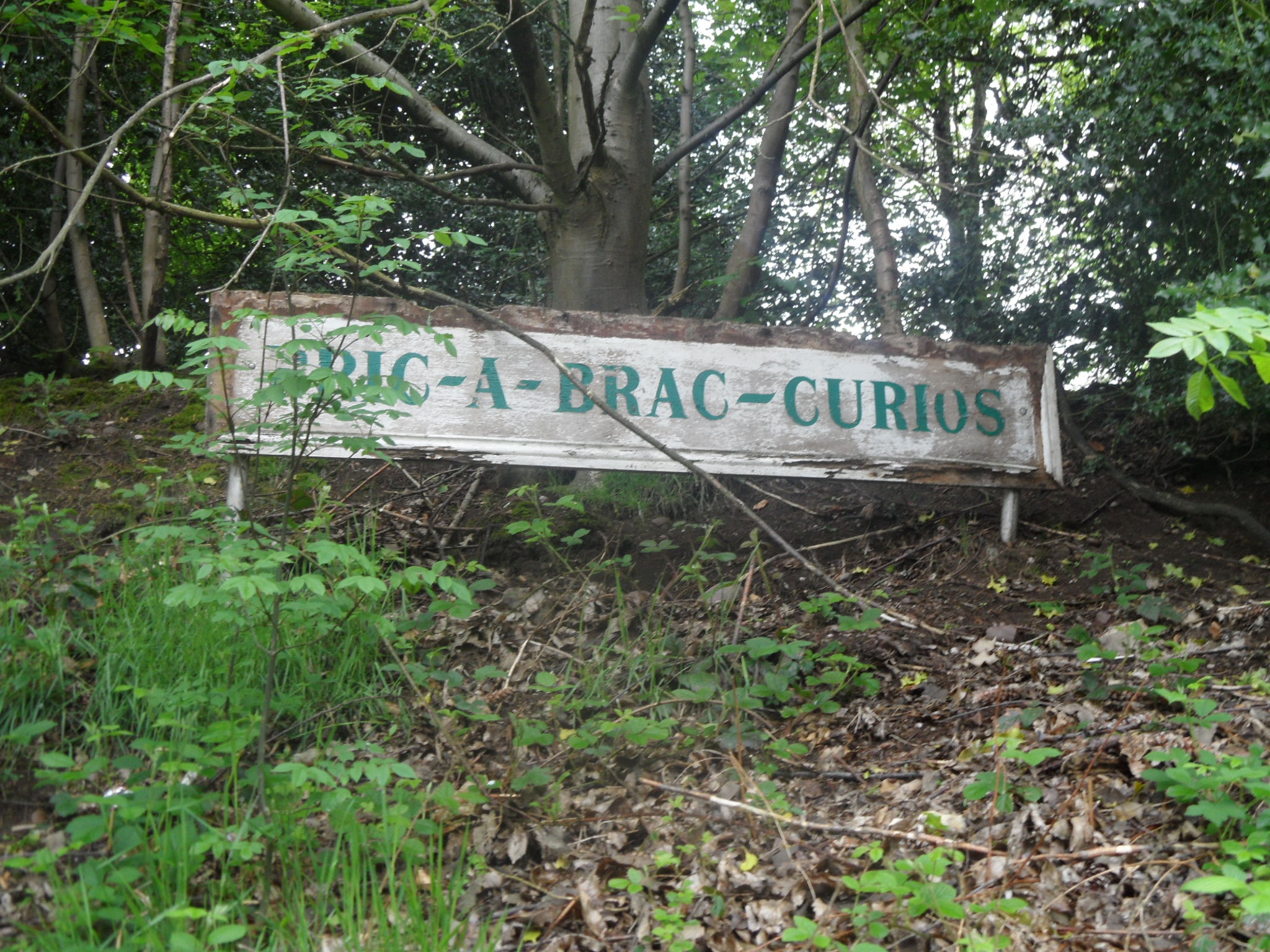
On my work journey between Lichfield and Stafford, I used to drive past Wolseley Bridge twice a day, twice a week for two years, always curious about the collection of buildings and machinery opposite The Wolseley Centre and always meaning to return and take a proper look. Today I finally did!

The buildings house antiques, arts and craft businesses. Most are rescued relics from the our agricultural past – barns, stables and dovecotes. The main barn, facing the road, is thought to date back to the 17th century. It was taken down from Parchfield Farm in Colwich and re-erected here in 1985 and there’s a photograph here on Staffordshire Past Track of the work being carried out.

Side view of Parchfields Barn and Dovecote

Today I was lucky enough to see the re-construction of a timber framed building taking place for myself. Willey Barn came to Wolseley from Willey Lodge, in Presteigne, Powys in 1990. By 1993 one half of the barn, a three bay cart shed, had been rebuilt at Wolseley using traditional techniques but the second half, the granary, had remained in storage until now. There are some photographs of the barn in its original location on the planning application (details below).

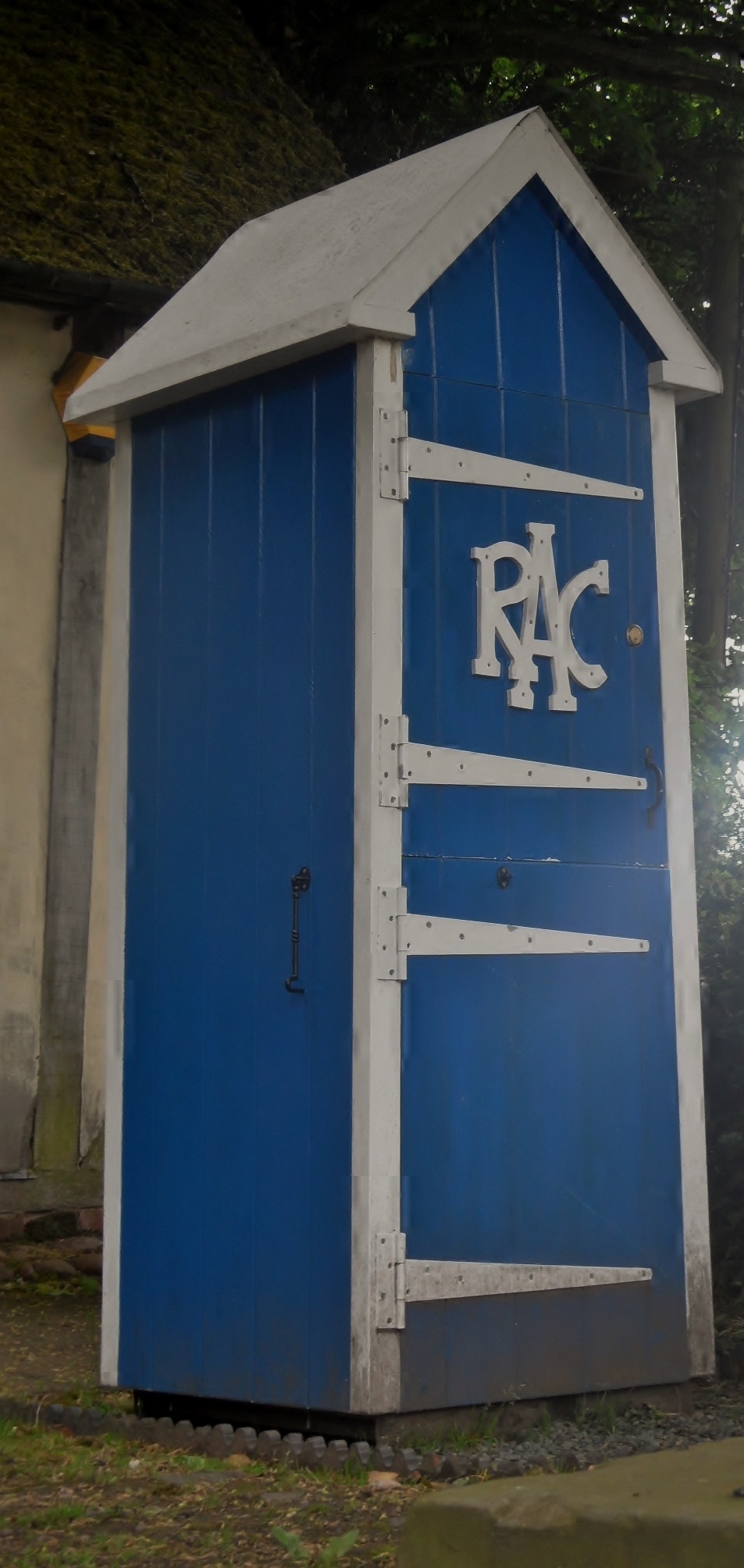
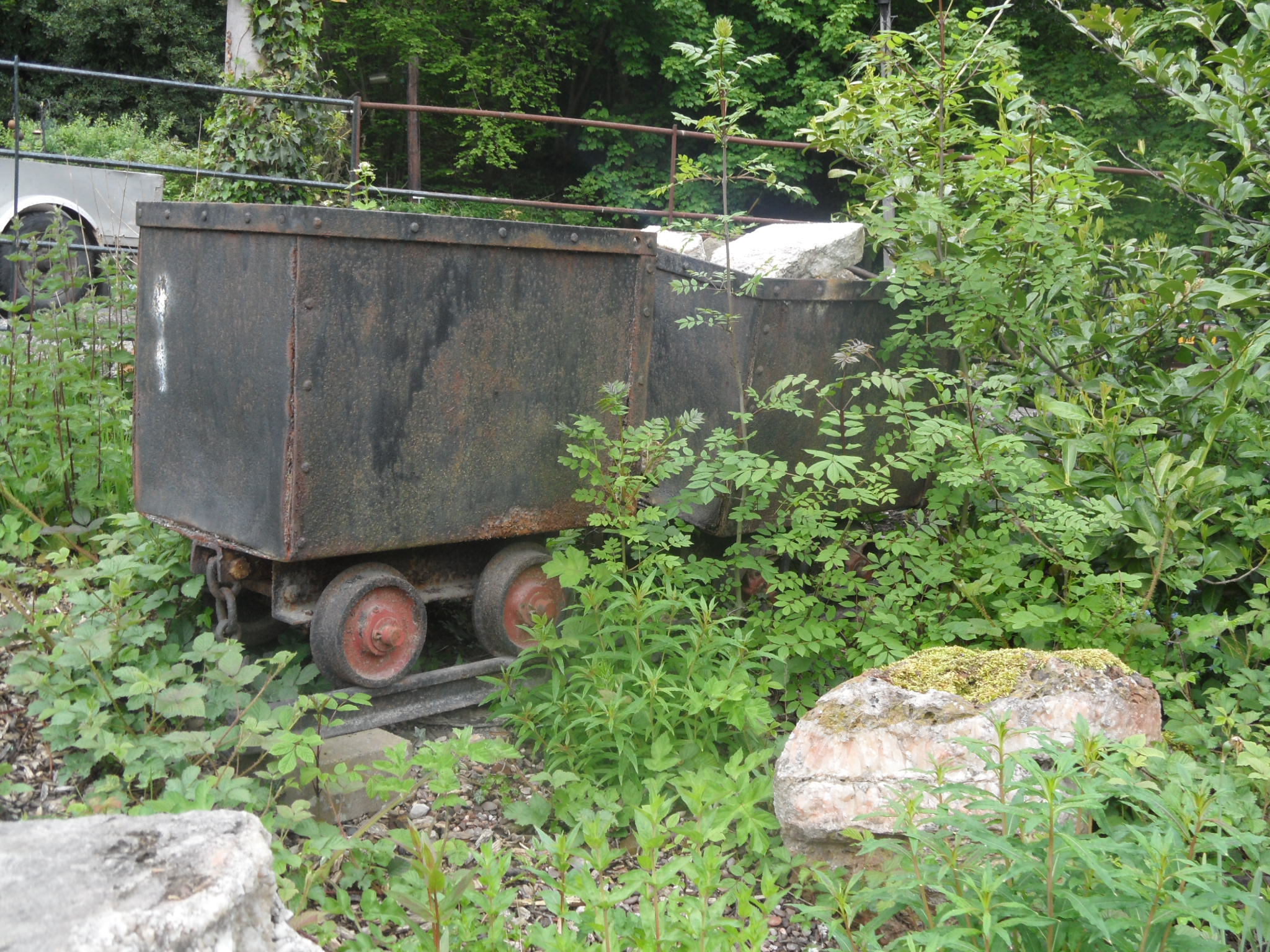
Other buildings on site are the Moreton Stable and Cattle Shelter, the Ranton Barns, a Dovecote and an RAC callbox. Amidst the agricultural machinery is what looks like a small mine cart with part of a track and an old petrol pump (but please correct me if I’m wrong).  I think it’s fantastic that they have been preserved and given a new lease of life here and would really like to know more about their origins.

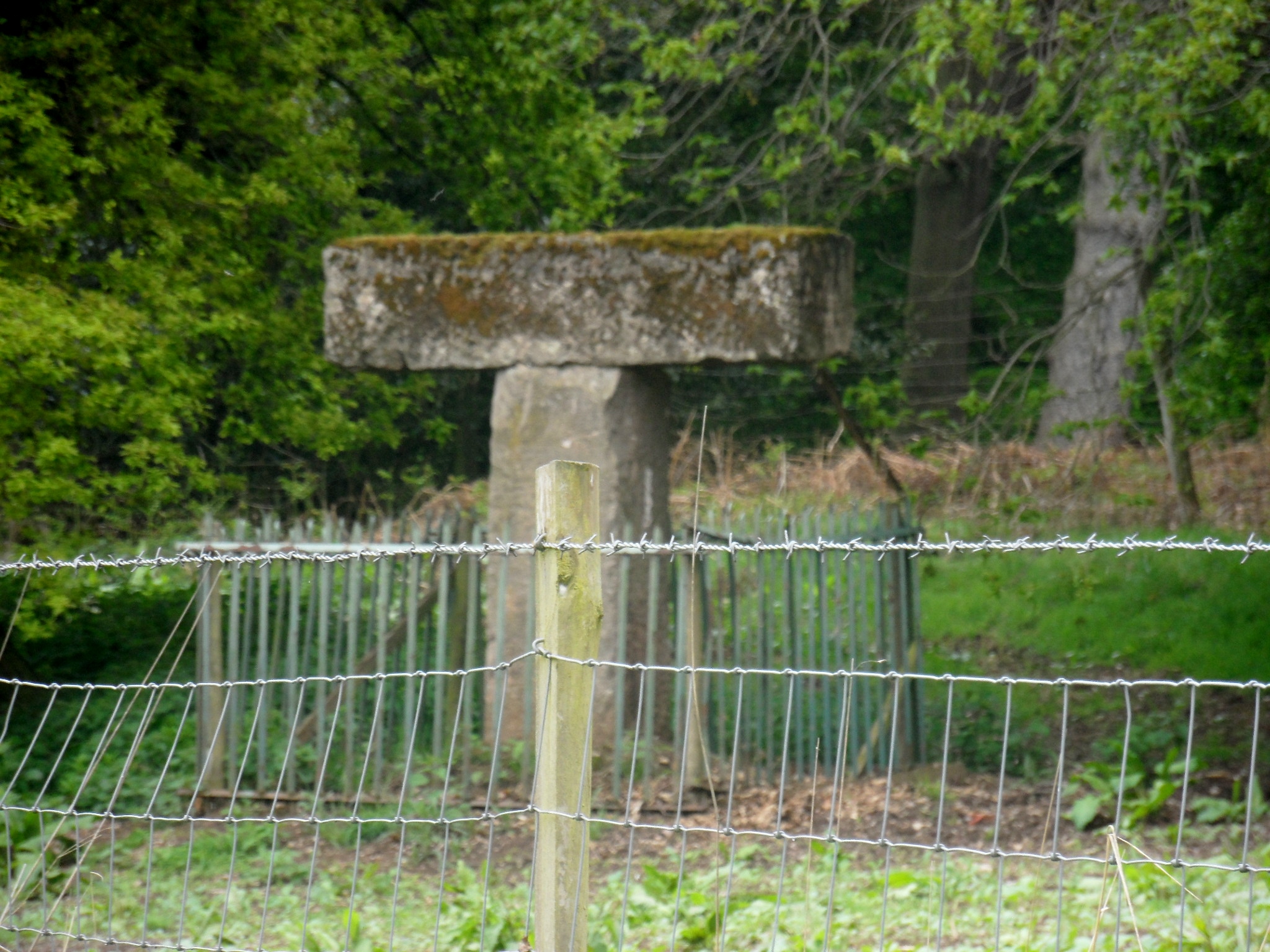
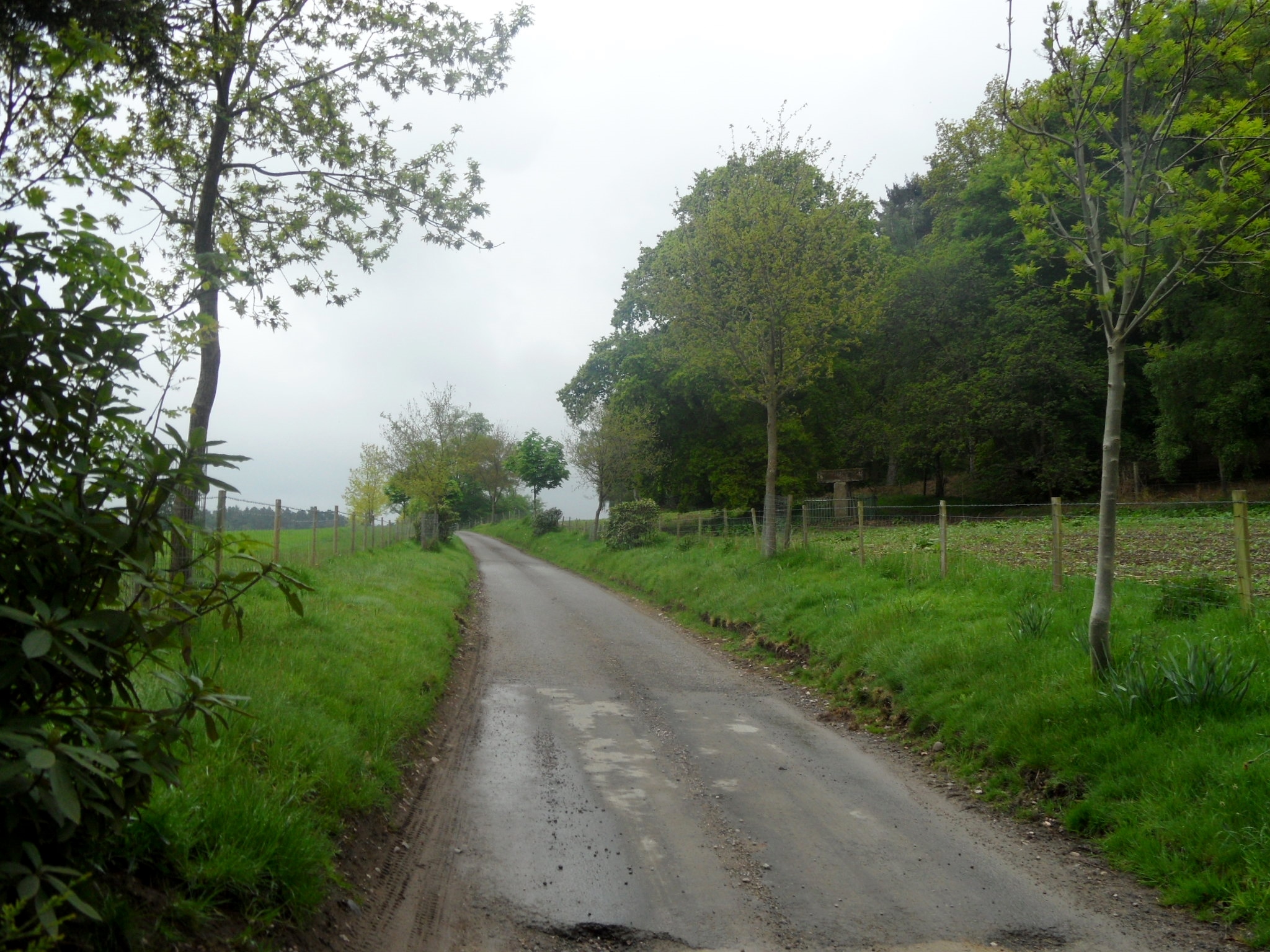
Incredibly, the biggest curio of the day for me was not found amongst this collection but up a track leading away from the craft complex and towards the Wolseley Park Estate.   I have plumbed both the depths of the internet and my imagination but as yet can’t find an explanation for this fenced-in stone structure. Does anyone else know anything?

Structure is to right of the track

Source:

Planning application: 12/16670/FUL | Extension to provide additional exhibition area | Willey Barn Wolseley Bridges Colwich Stafford Staffordshire ST17 0XS


Cross County

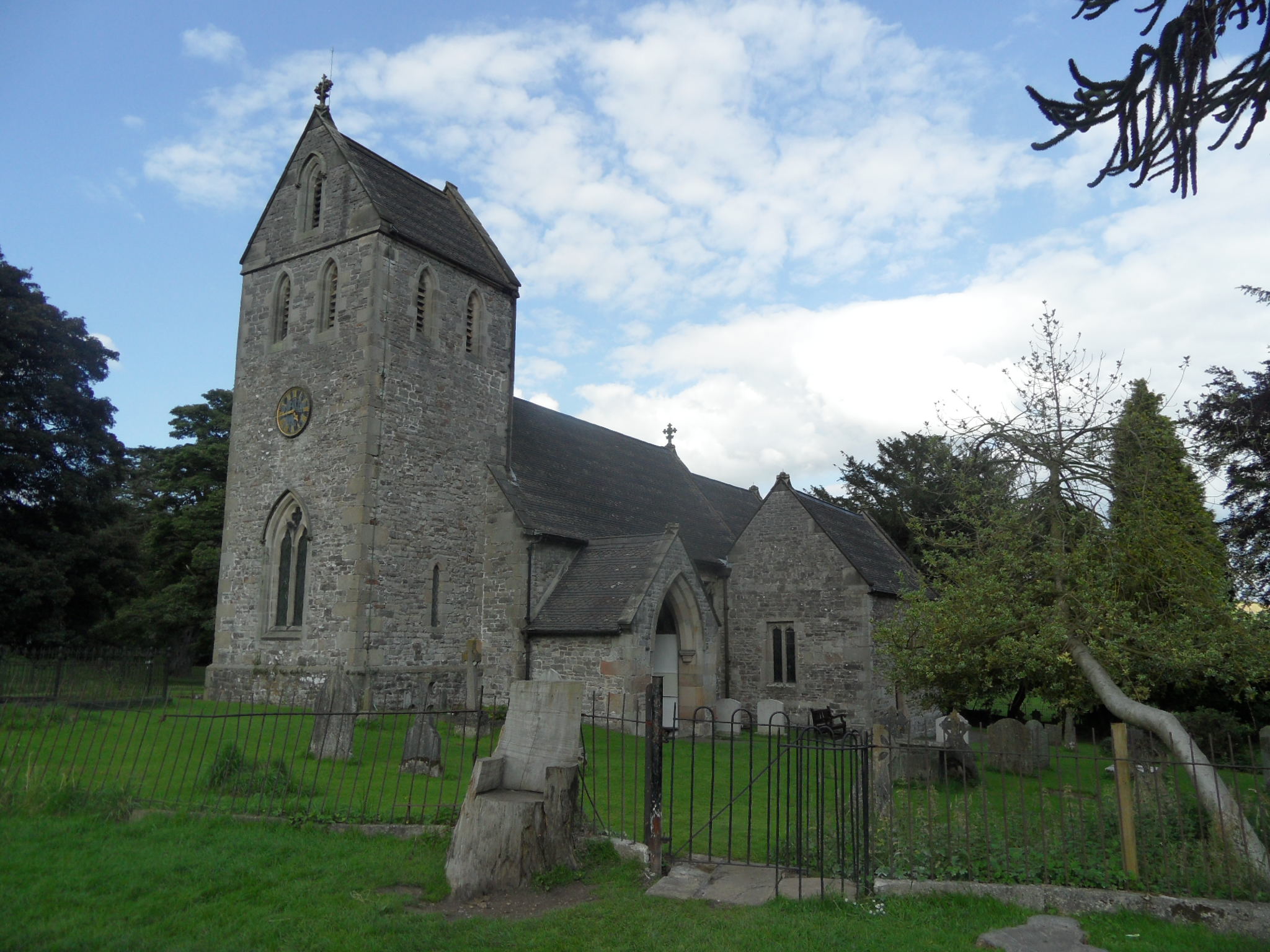
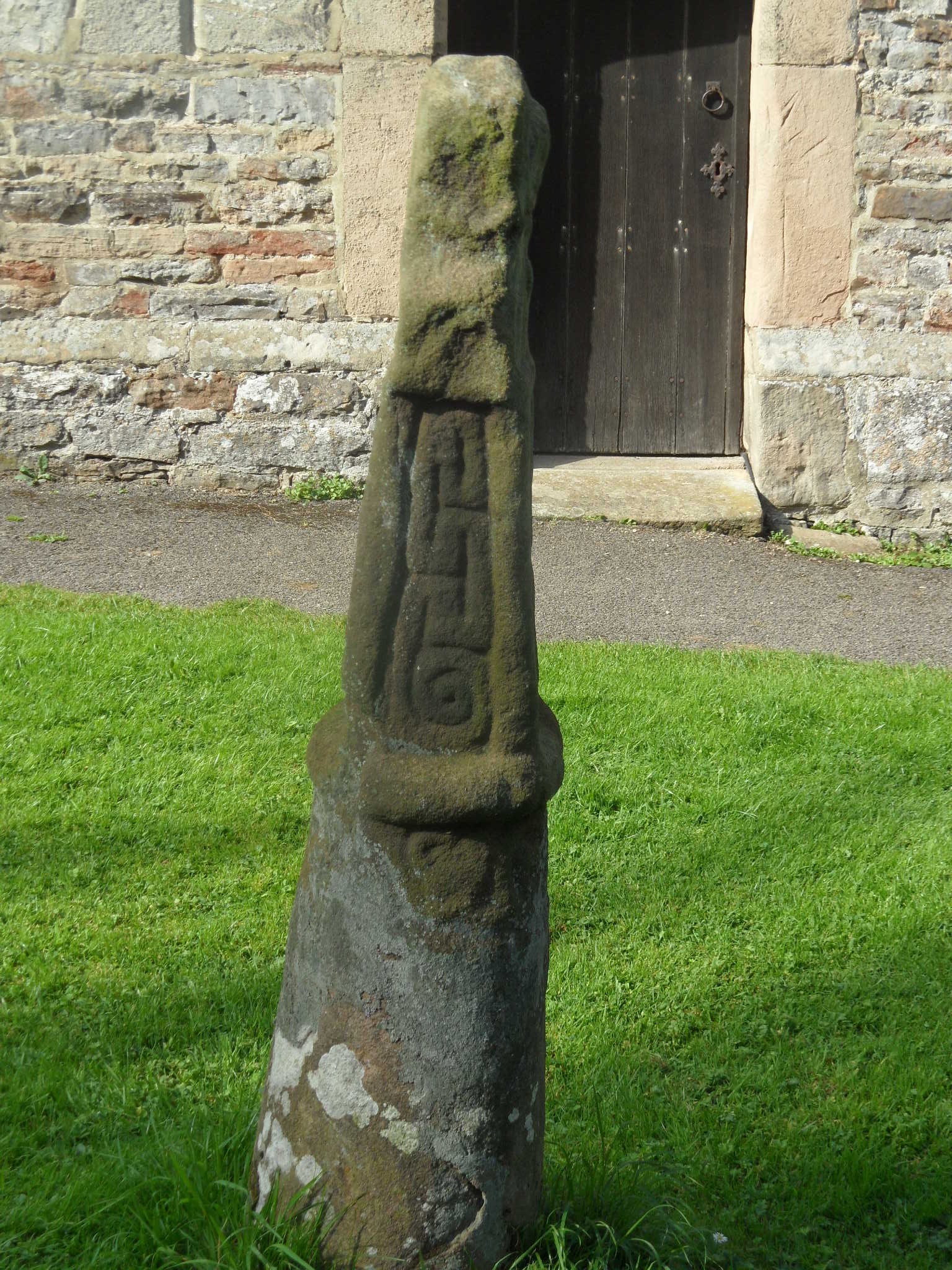
Looking for ancient crosses in Lichfield, has so far lead only to hints of their existence – a one line reference in an old book here, a placename there. Nothing concrete (or should I say stone?).  So imagine how happy I was when I visited Ilam Park yesterday and found that were two thought to date back to the 10thc standing in the churchyard with a third shaft incorporated into the church wall…..

Church of the Holy Cross, Ilam, Staffs


…..and imagine how much I kicked myself when I got home and found out there was yet another stone, known as ‘The Battle Stone’, located in the grounds of Ilam Hall that I had missed!

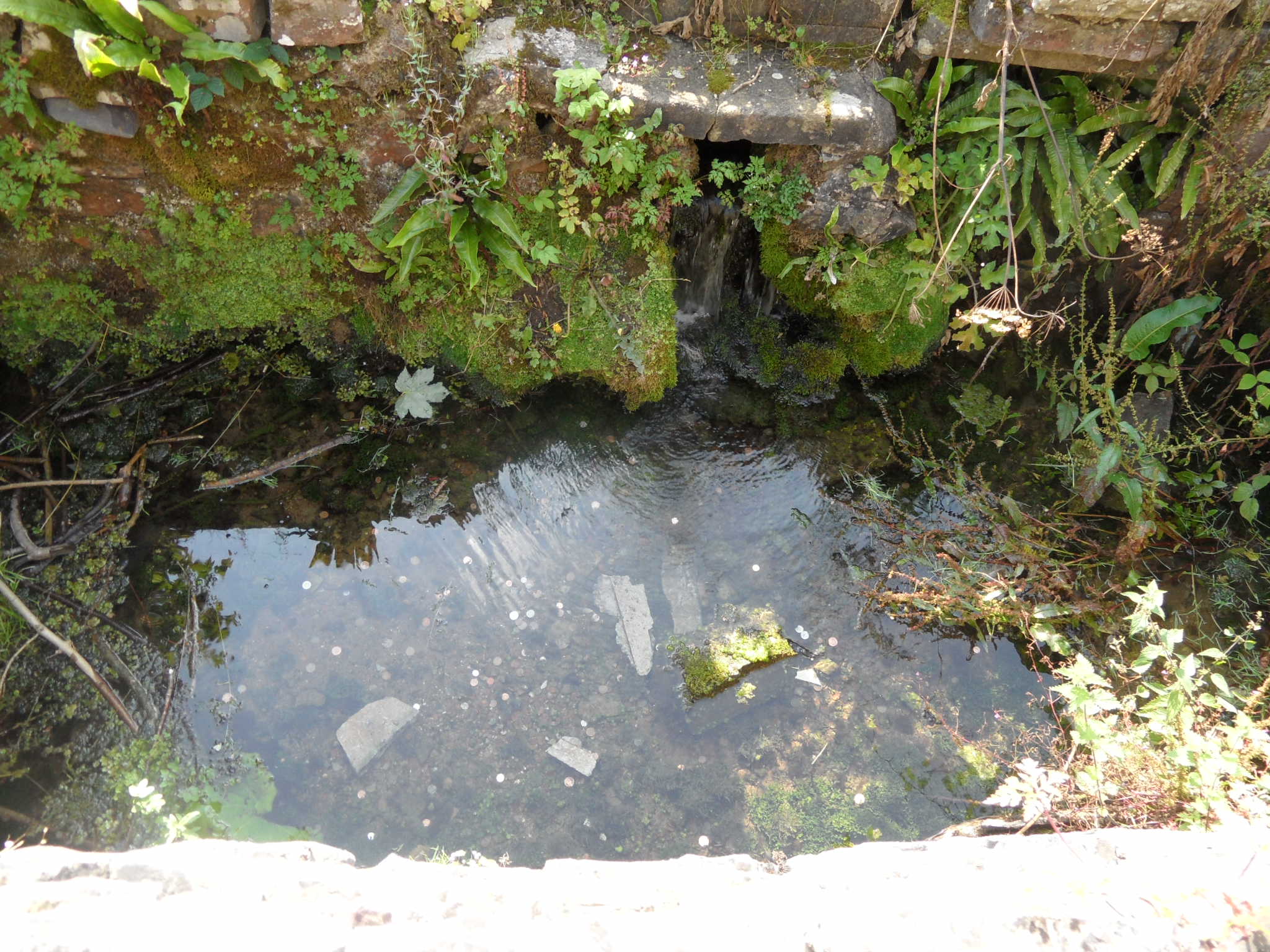
However, as a consolation, I learnt at home that this spring near to the church is thought by some to be St Bertram’s Well (although others place this on a hillside near to the village).

St Bertram’s Well?

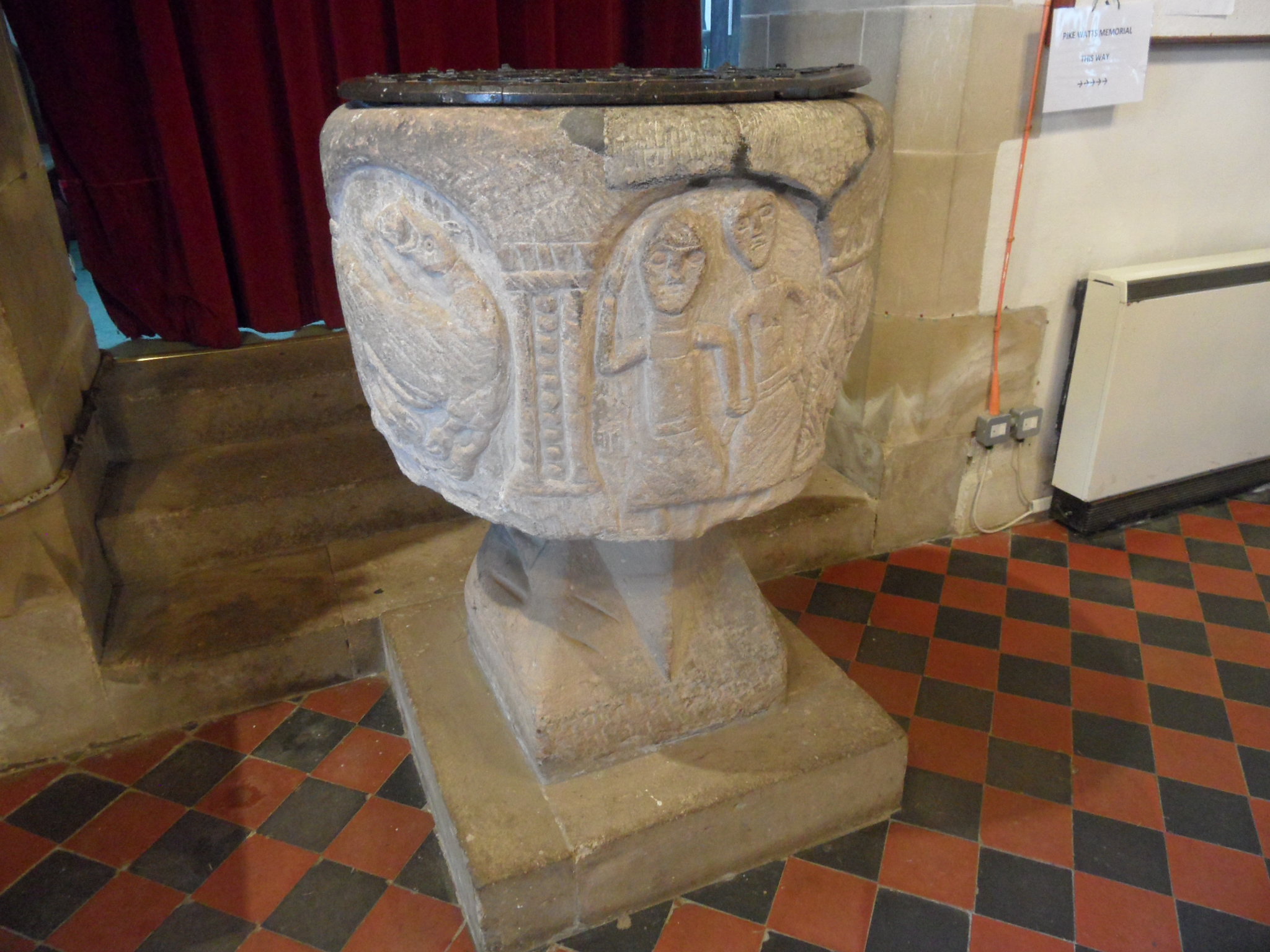
The Shrine of St Bertram (also known as St Bertelin or maybe Beorhthelm of Stafford) is inside the church. As you might expect, there is more than one account of St Bertram’s life. The most well known version seems to be the tragic story that he was a Mercian Prince whose wife gave birth to a child in a forest. The wife and baby were killed by wolves and St Bertram became a hermit near to Ilam, It’s thought this story might be represented on the churches font, which dates back to around the 12thc.

You can decide for yourself, if you look at this website on Romanesque sculpture, which gives a detailed description of the font, together with photos.

However, Stafford Borough Council have this version on their website, which doesn’t feature the tragic part of the legend.

The legend of St Bertelin derives from the 14th century account of him by Capgrave in his ‘Nova Legenda Anglie’, retold by Dr Robert Plot in his ‘Natural History of Staffordshire’ (1686). He is reputed to have been the son of the Mercian prince, the friend and disciple of St Guthlac who, after St Guthlac’s death c 700, continued his holy vocation on the islet of Betheney now Stafford. Here, he remained until forced to retreat from the ill-will of jealous detractors, when he repaired to Ilam, in Dovedale, Derbyshire where ultimately he died. His burial place in Ilam church was once a place of pilgrimage.

His burial place still seems to be a place where people come, not just seeking out history like me, but for spiritual reasons. As you can see from the photo of the shrine, prayers (I didn’t read them) and candles are still left there.

I have found a copy of the ‘Nova Legenda Anglie’, but as my Latin only stretched to ‘Caecilius est pater’, I need a bit of time alone with google translate.  So, I’ll leave the legend of St Bertram/Bertelin there for now other than to say that it’s believed that the remains of St Bertelin’s chapel in Stafford were excavated in the 1950s and they discovered part of a 1,000 year old cross. And this one is made of wood!

Ilam, Stafford and I’ve seen references to existing crosses in Wolverhampton, Leek, Chebsey (between Eccleshall & Stafford), amongst other places. With the discovery of the ‘Battlestone’ in Ilam (the one that I missed!) in the foundations of a cottage, during a restoration in 1840, I’m still clinging to the hope that at least a fragment of one survives somewhere in Lichfield!

Sources:

http://www.heritagegateway.org.uk/gateway/

http://list.english-heritage.org.uk/ (Entry numbers 1038113, 1012654, 1012653,

Corpus of Romanesque Sculpture in Britain & Island http://www.crsbi.ac.uk/index.html

http://www.geograph.org.uk/photo/705619

http://www.megalithic.co.uk/ (St Bertram’s Well http://www.megalithic.co.uk/article.php?sid=14731)

http://www.staffordbc.gov.uk/in-touch-with-the-past