Fareground Attraction

In the last couple of weeks, I’ve done a fair bit of walking in the lanes (and on one misjudged occasion, a potato field) around the Lichfield/Burntwood area. On one walk I was accompanied by my husband, on another I was alone. Well, I say alone, but actually you bump into others – cyclists, horseriders and of course other walkers, who generally smile and say hello, and exchange pleasantries. I like that a lot. On the walk I did alone, I made the mistake of trying to take a shortcut. It was a way marked path through fields and the views were great but it felt too lonely. I retraced my steps back through the potatoes and back to the lanes. I’ve realised that I’m not much of a fan of walking through fields. I prefer to be somewhere where others have been, and others are.

Anyway, in case anyone wants to do a similar walk themselves, here’s a suggested route. I think it’s about 5 and a half miles.  As you can see it’s pretty straight forward, and in fact you could do it either way around, but I’d been reading the book ‘Holloway‘ and liked the idea of walking from Farewell towards the Cathedral down Cross in Hand Lane, as pilgrims did in the past, and indeed still do.
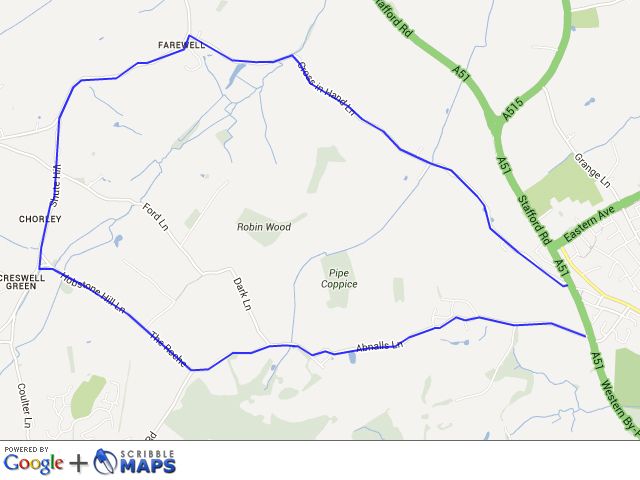
On walks these days, I am torn between the joy of discovering the unknown, and the disappointment on getting home and finding that you were just minutes away from a Tudor gatehouse/CAMRA pub of the year/ancient burial site etc. I hope that including a couple of photos with suggestions of things to look out for won’t make it too prescriptive, but will give you a flavour of the walk.

In parts, Abnalls Lane cuts through sandstone, and tree roots grow above your head.
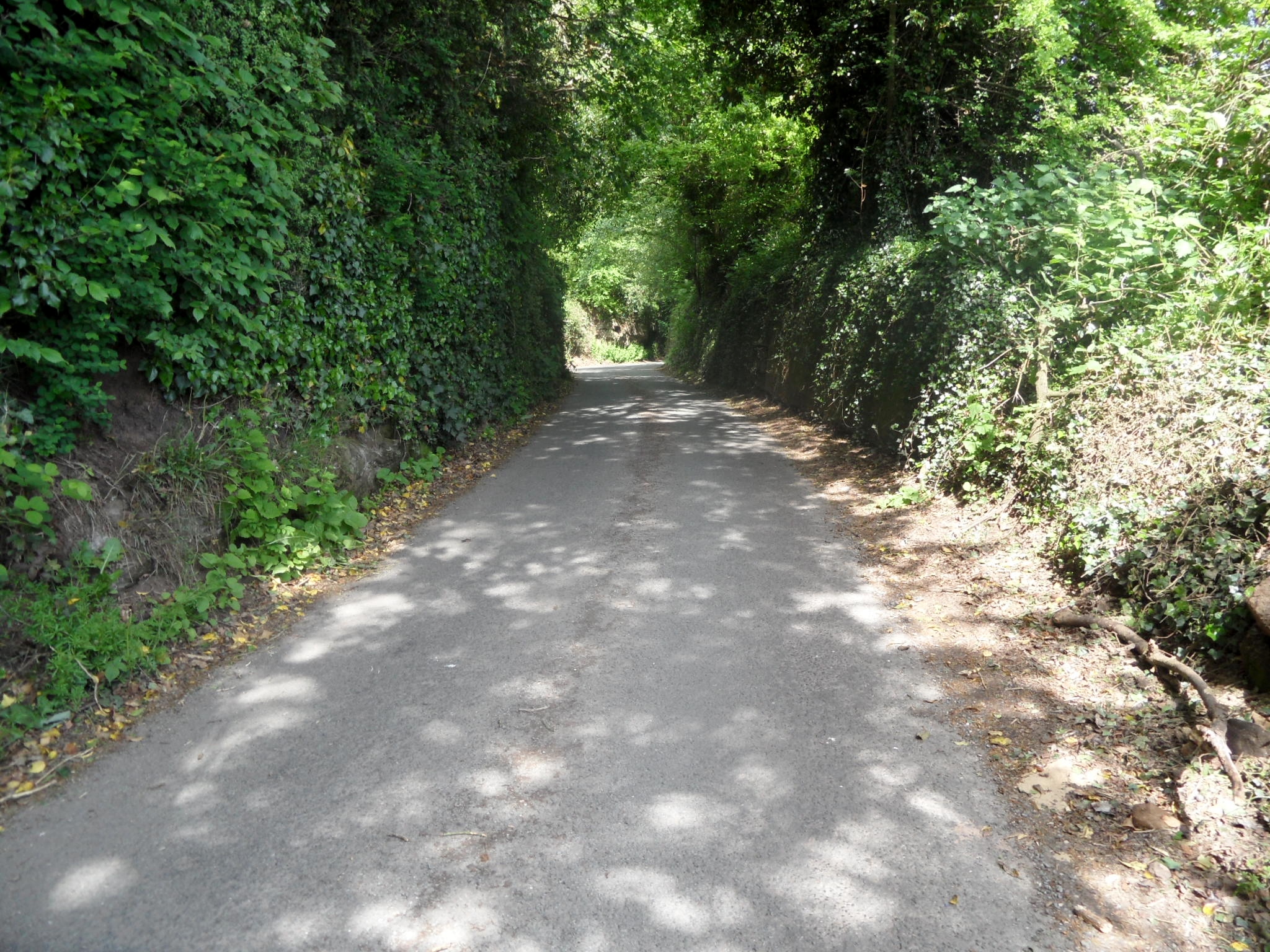
According to the Staffordshire Heritage Environment Record, there are a series of these holloways on the Lichfield/Burntwood border.
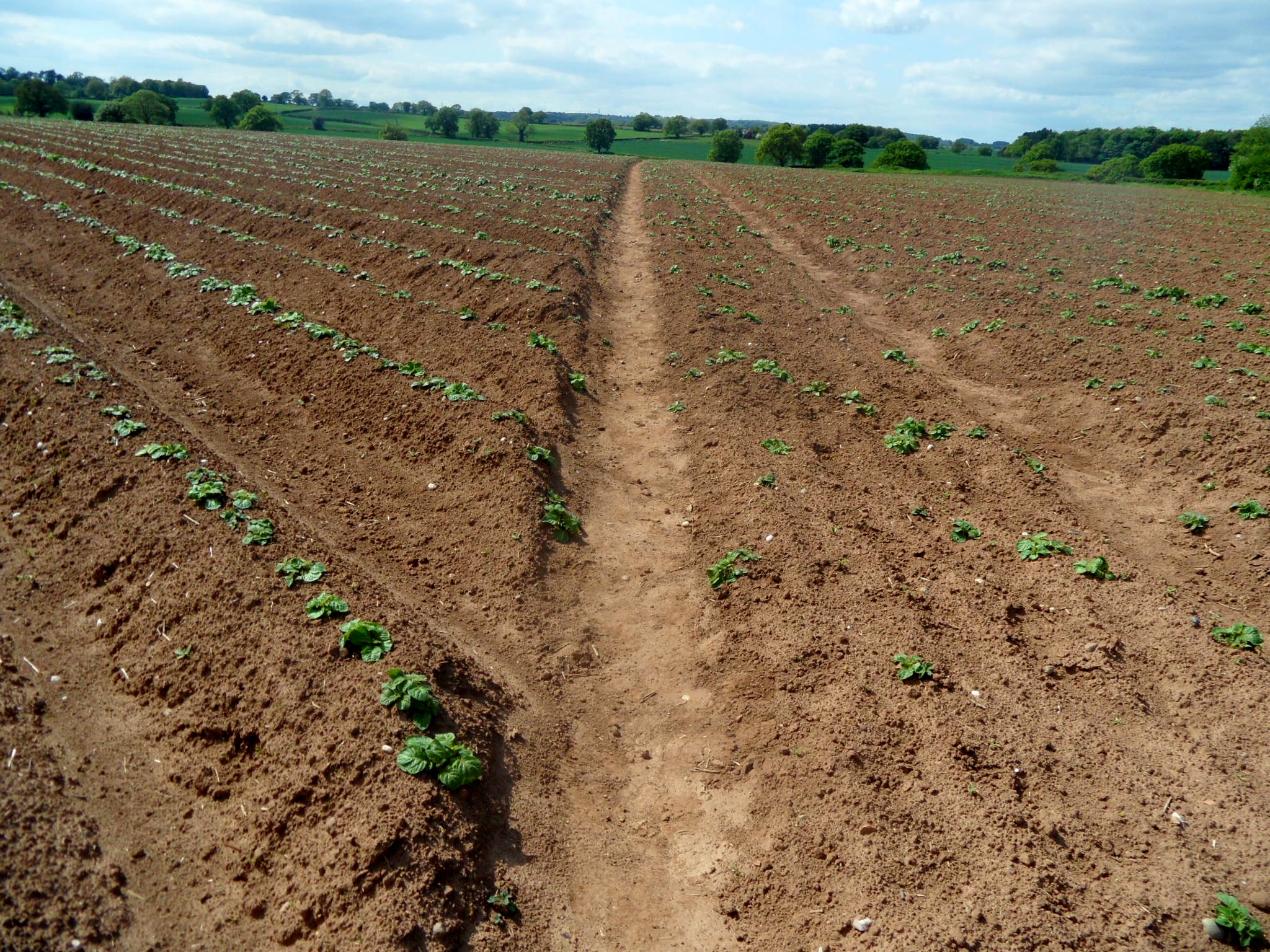
Walking through the potatoes, it felt like there was nothing else but fields.
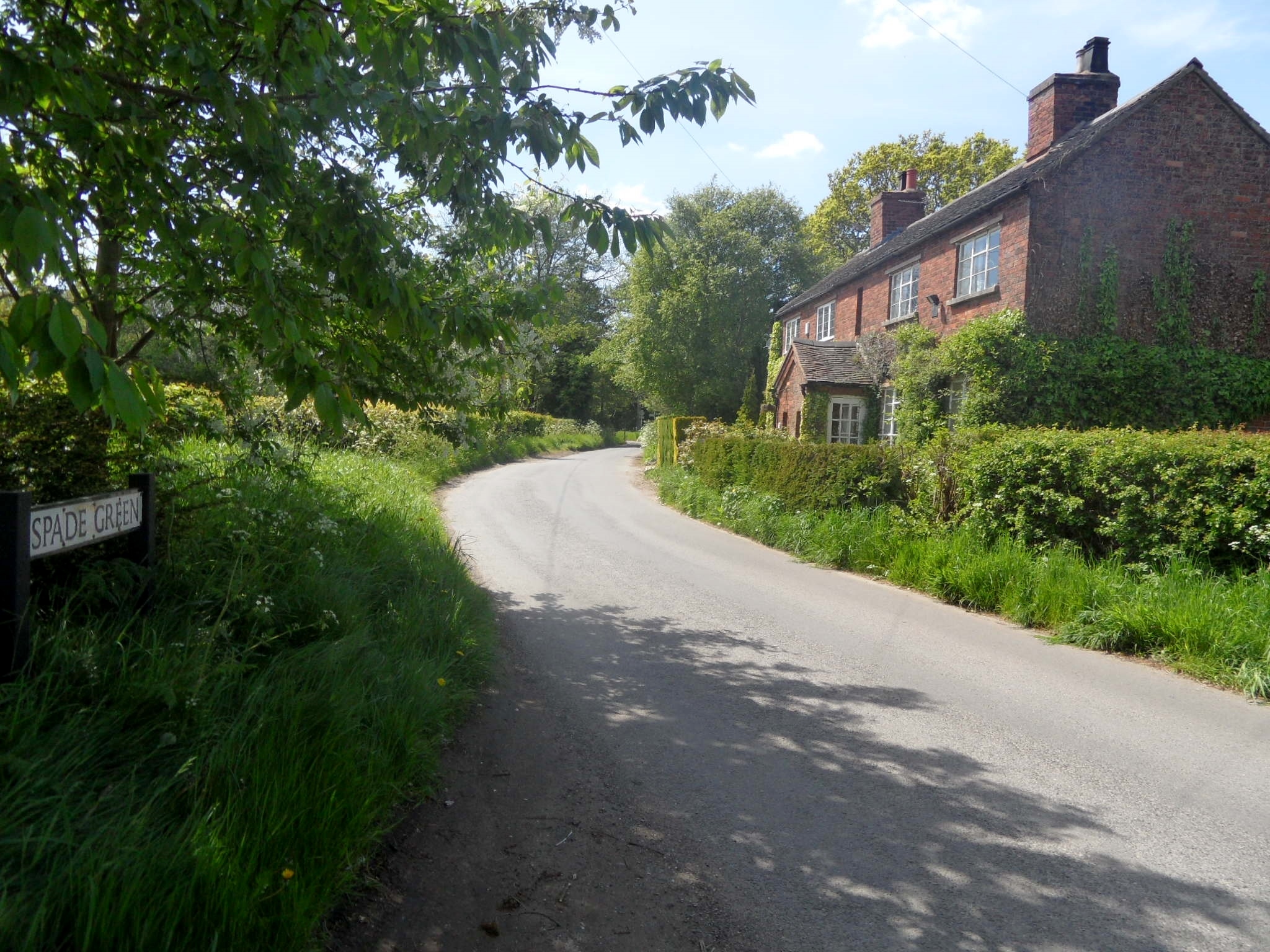
I was glad to get back on the lanes and see signs of human life, like these old cottages at Spade Green, on Abnalls Lane before turning up The Roche.

Found lots of water around Cresswell  (except for the well itself!). This is part of an old mill race, seemingly all that’s left of Little Pipe corn mill.
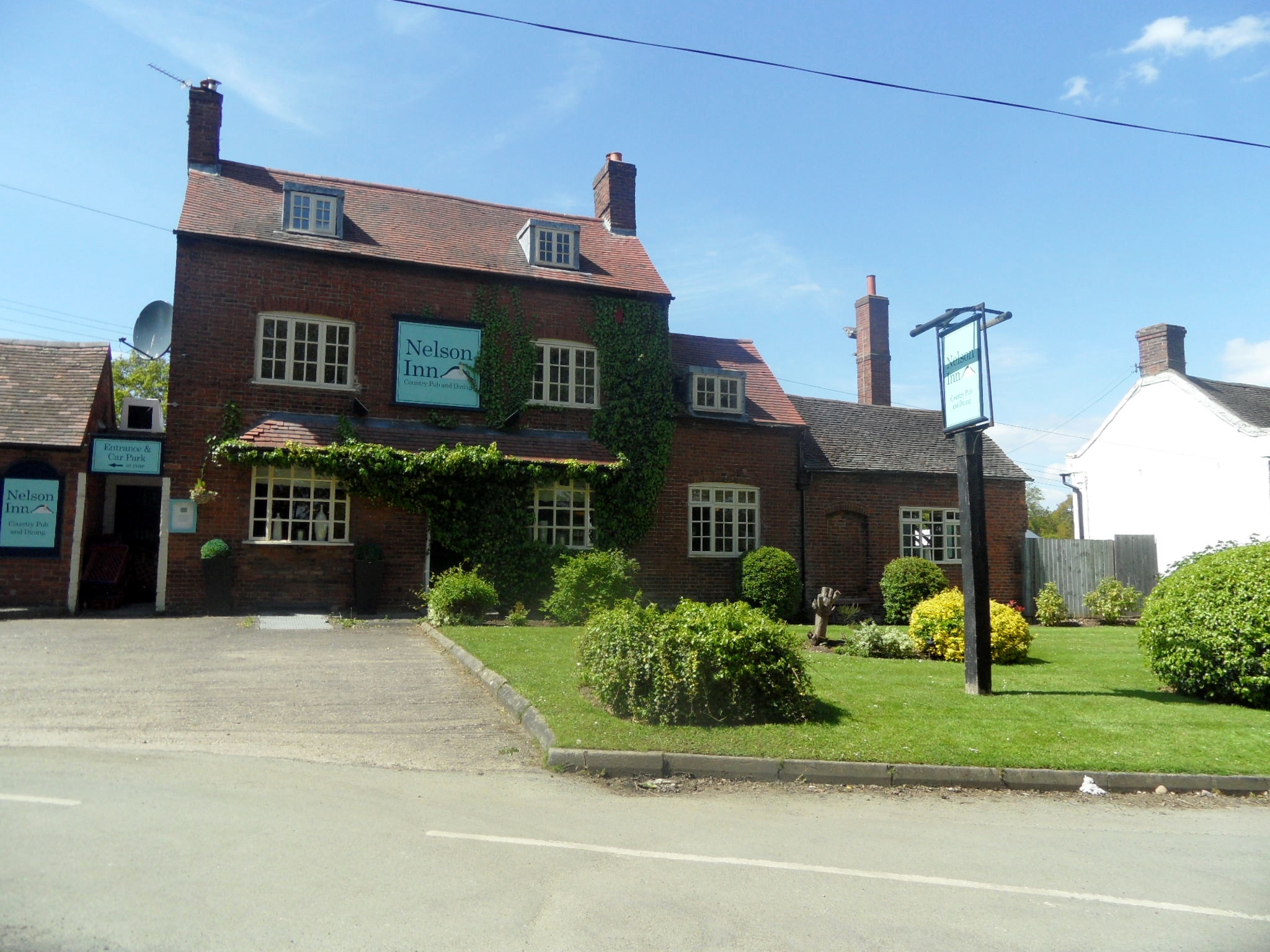
The Nelson Inn shows up on the 1815 map, and the pub’s website says that there may have been a pub onsite since the 1500s (presumably with a different name?). The low building to the left (which I’ve practically cut off the photo!) was a smithy. In 1909, Clifford Daft advertised himself as a general shoeing smith, willing to undertake all kinds of jobbing and repairs to farm implements.
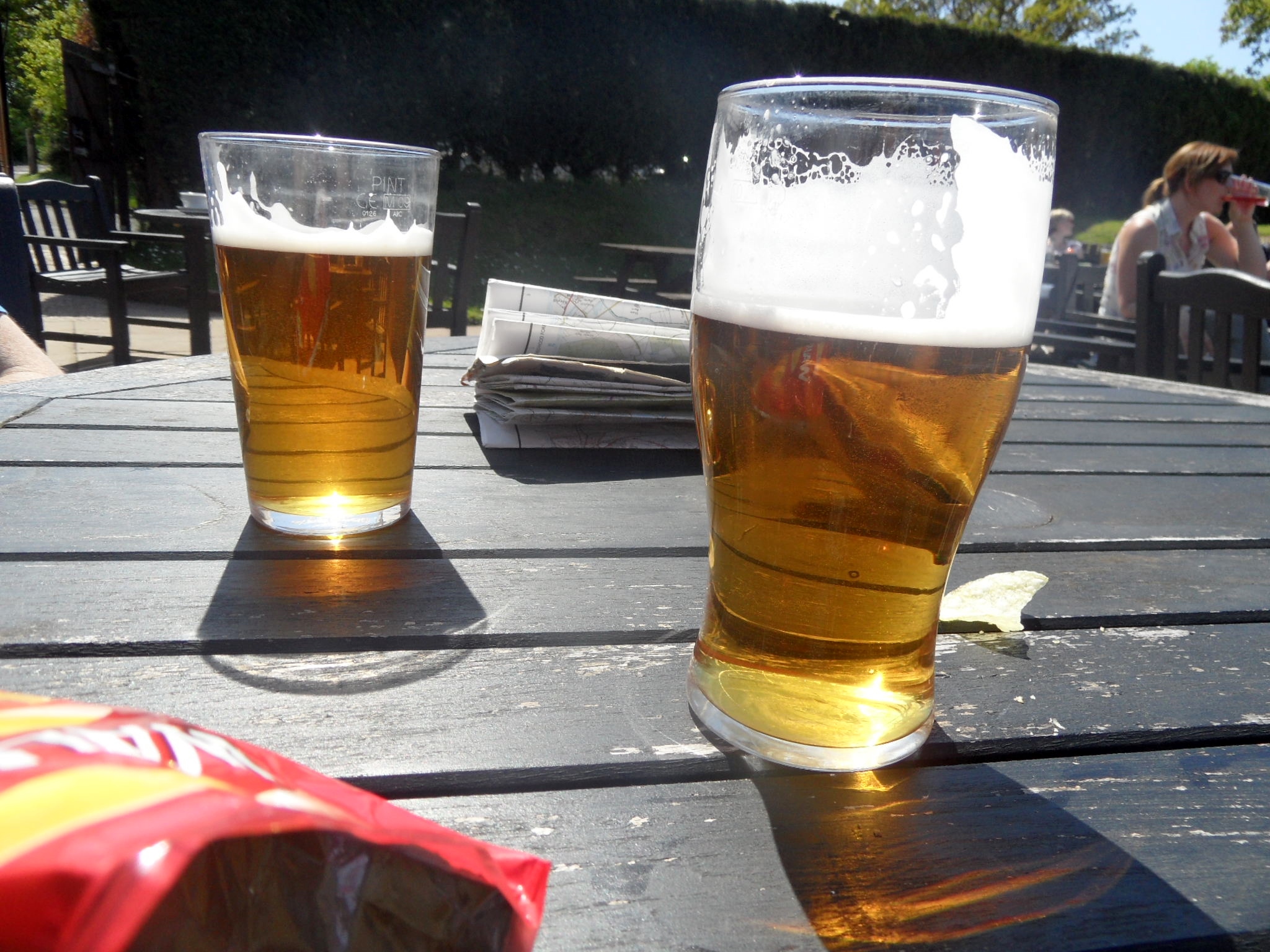
Looking at a series of old maps, there’s not just the one well around here but several. However, I didn’t find any of them, so I had to settle for a different form of refreshment. And a very nice pint of Theakston’s Lightfoot  it was.

We found the old Farewell and Chorley schoolhouse, but I haven’t been able to find out much more about Elizabeth Annie Page as yet.

An old farm at Chorley

The Malt Shovel at Chorley. Great pub.
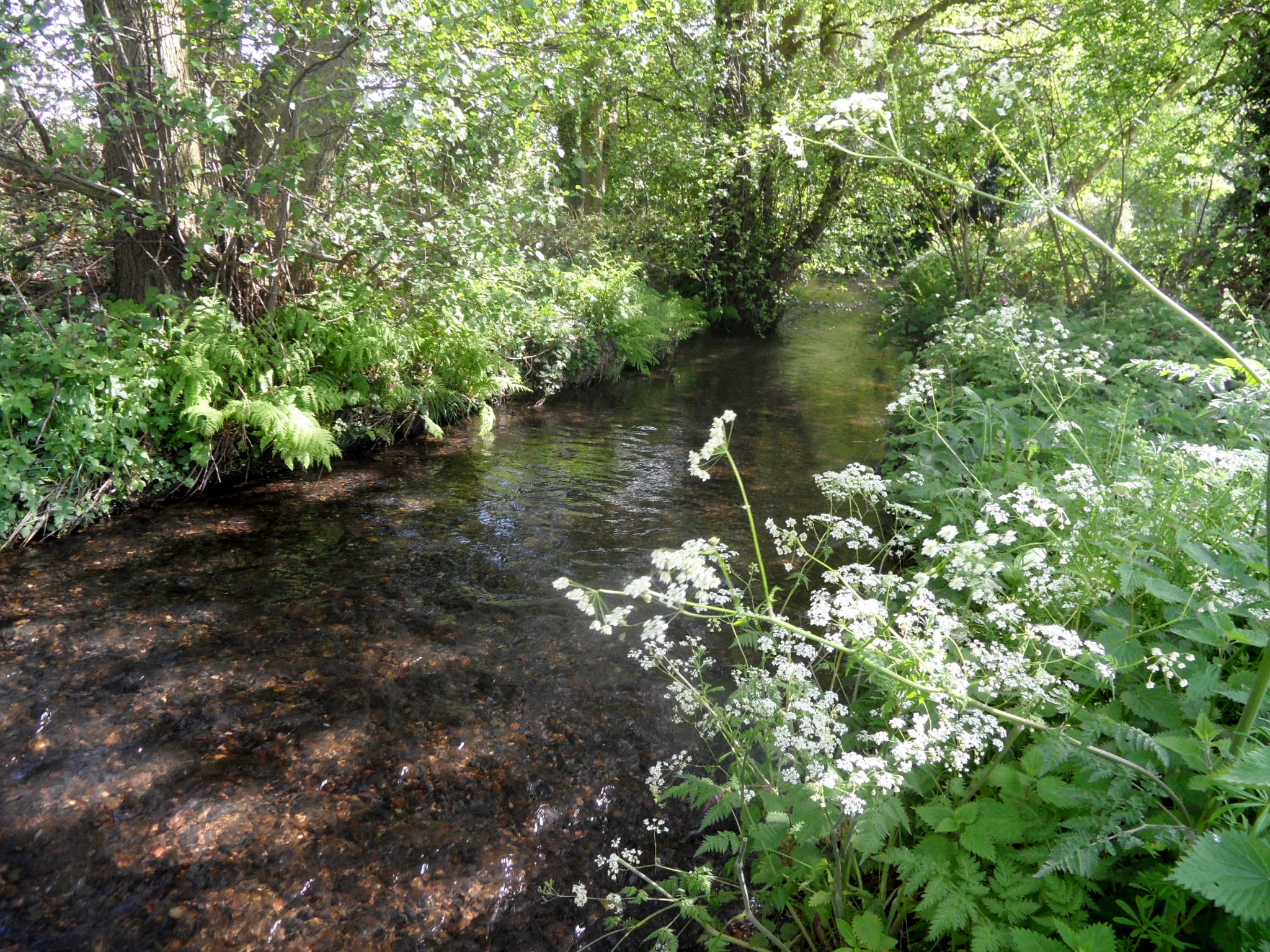
A lovely babbling brook running alongside the path. Was tempted to have a paddle as it was hot and my feet were rubbing, but thought I’d never put my not entirely appropriate shoes back on again if I did.
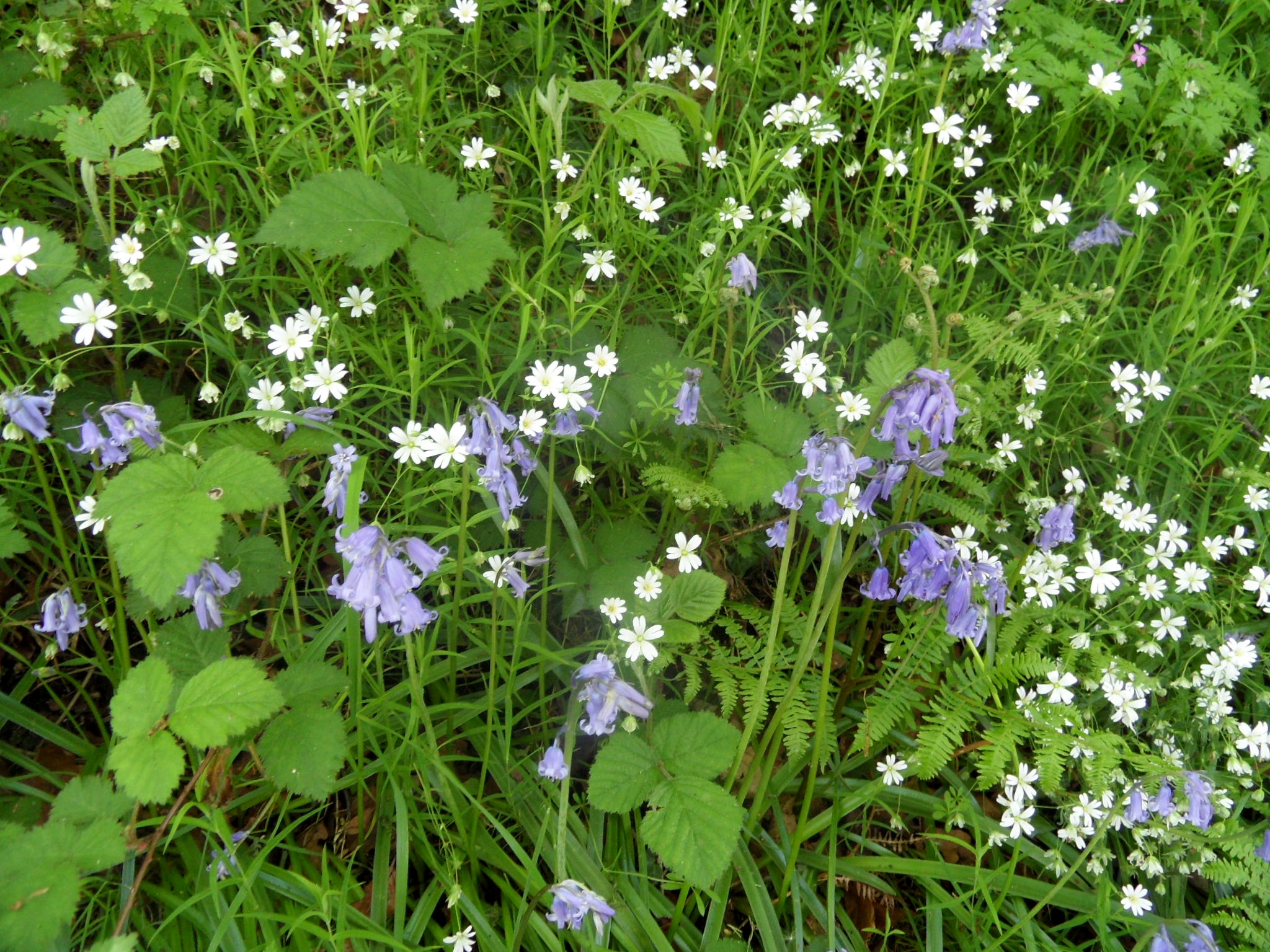
In between walks, some of the wildflowers on the roadside verges had been chopped down which was a shame, but there were still pockets of them in places, including these incredibly late bluebells.
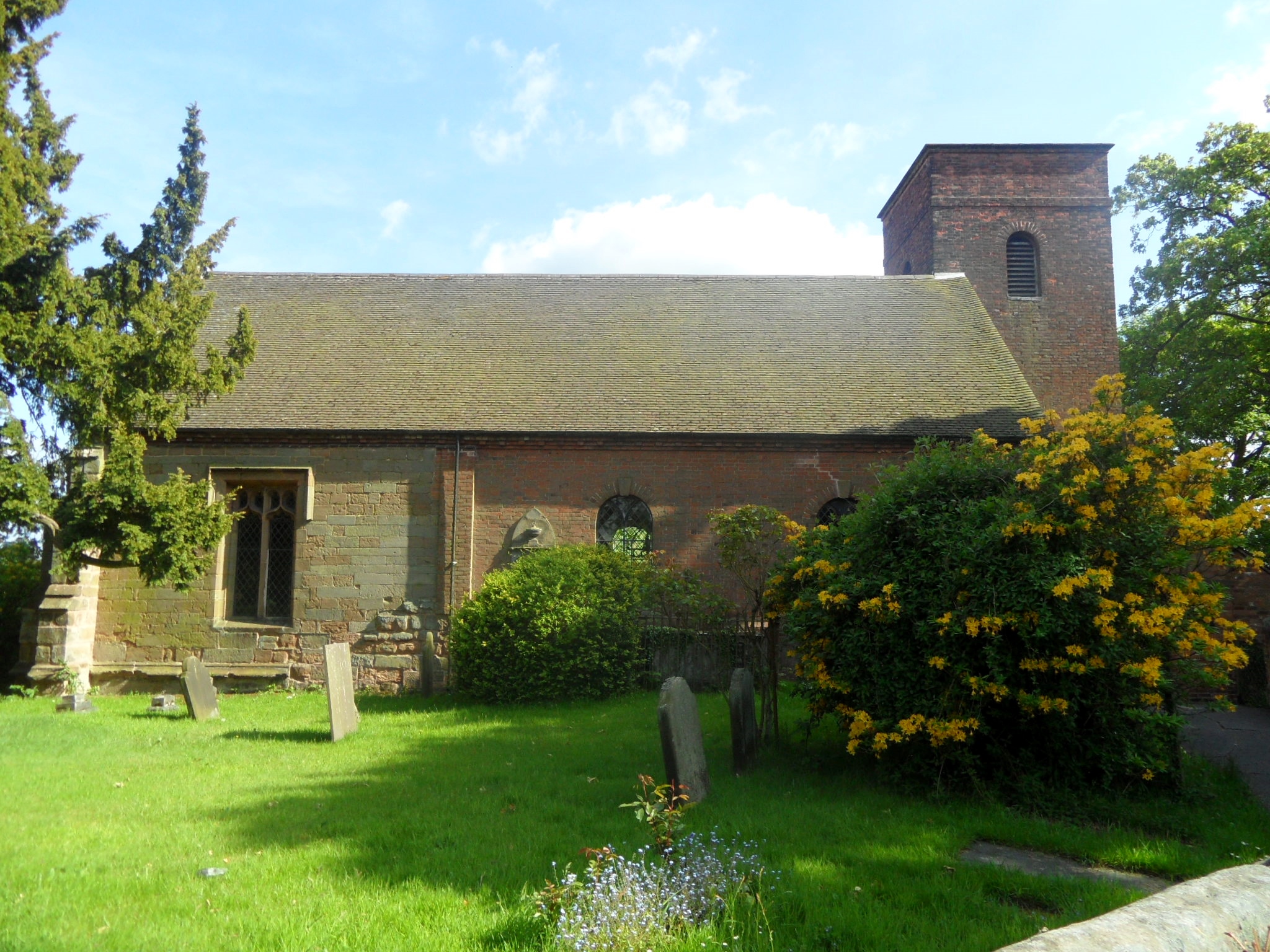
Farewell church, a church of two halves. Once the site of a Benedictine Priory and where some mysterious jars were found in the wall, during renovations….
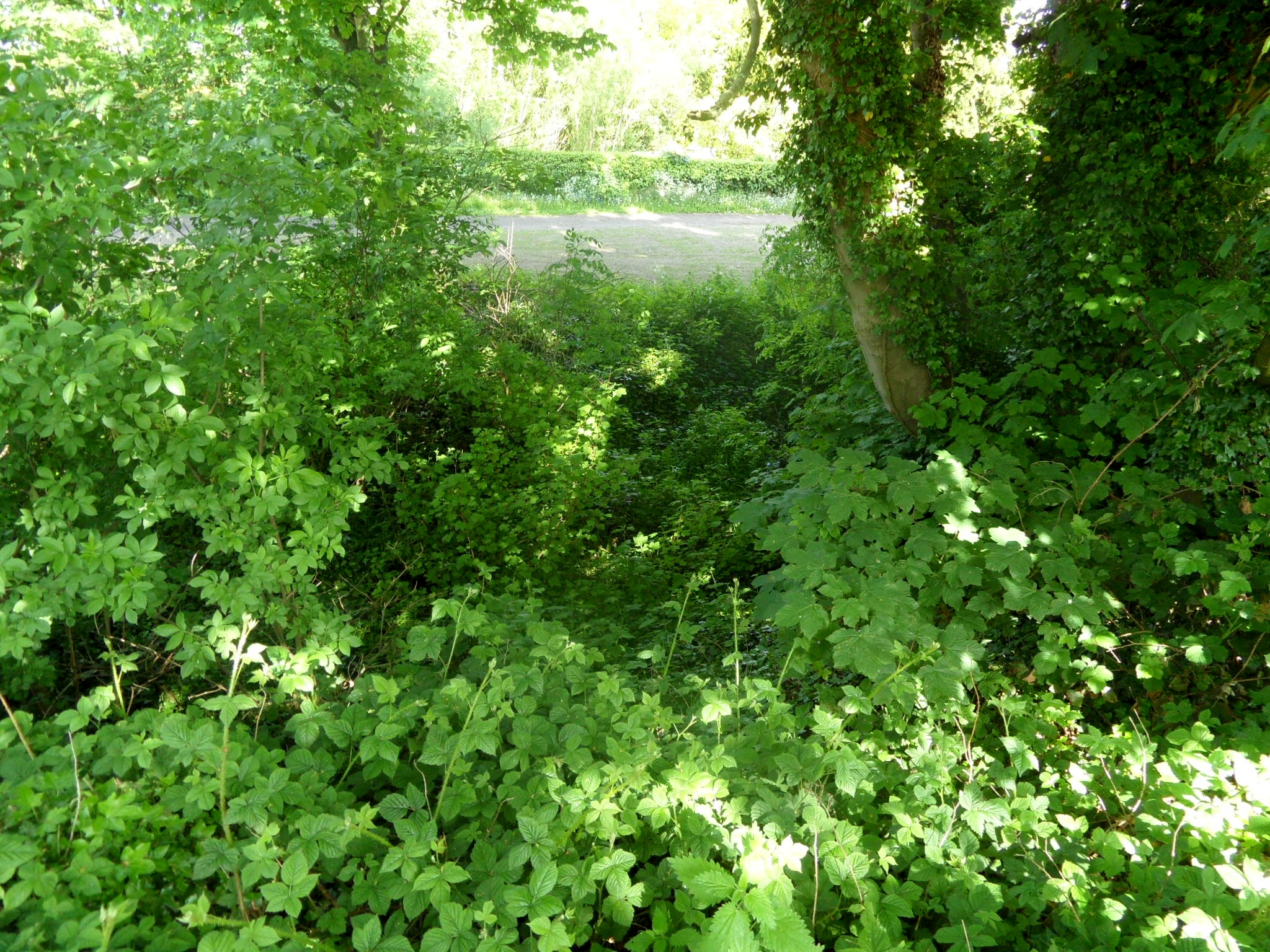
…and somewhere beneath the greenery is the ‘pure spring’ that gives the place its name. You can’t see much, but you can sometimes hear it gurgling away if the water table is high enough (thank you Brownhills Bob for explaining away this mystery)

Down Cross in Hand land, past Farewell Mill. There’s been a mill here since the 12th century. It was apparently in operation until the 1940s (source: Staffordshire Past Track).
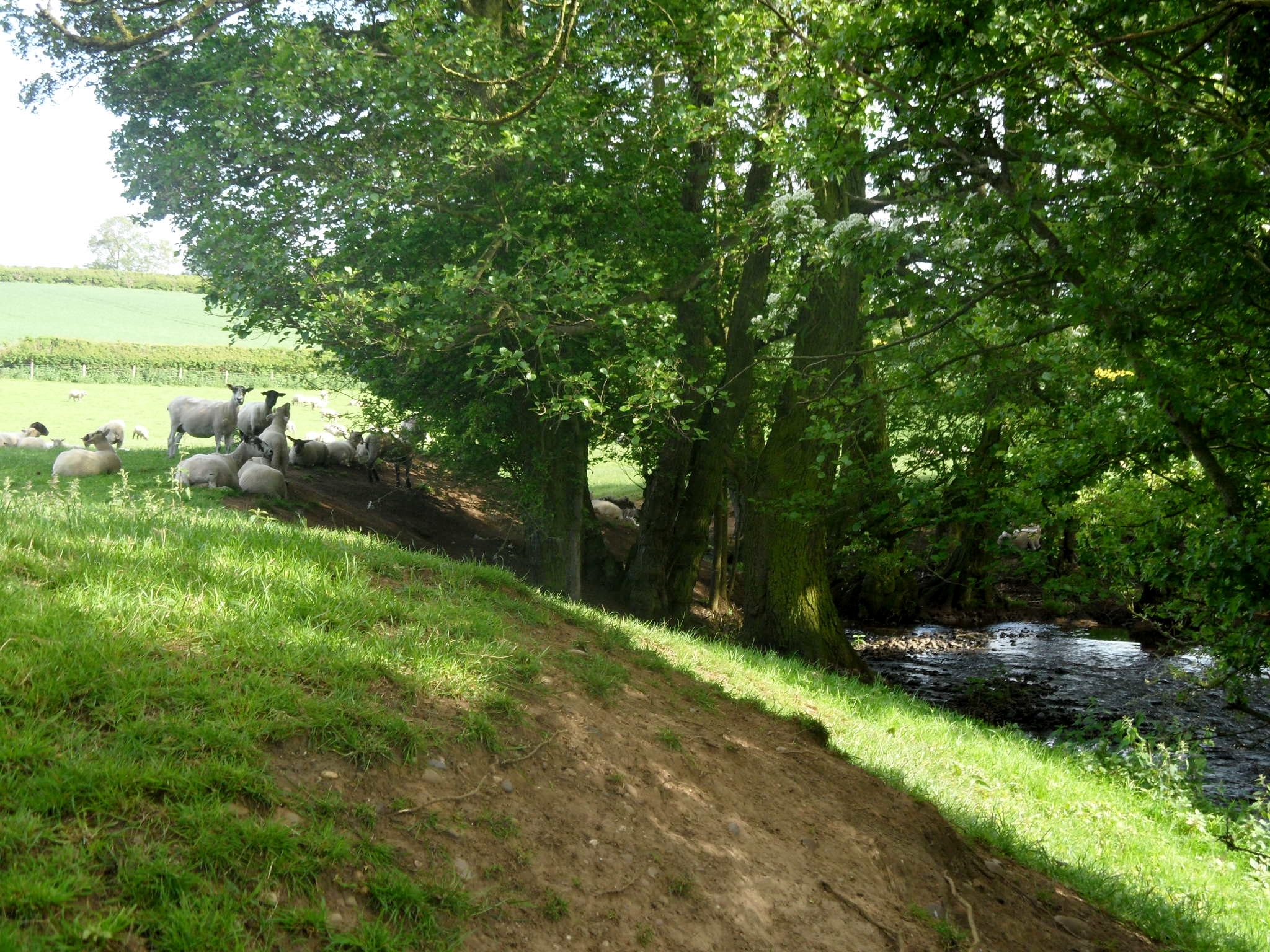
Past the sheep taking a dip in the sparkling water that flows along the lane.

Cross in Hand Lane, I understand, was once the old road to Stafford. As you reach these lovely white cottages set back into the sandstone, you are nearly back at the A51, which is of course the new road to Stafford…

Of course, if you don’t want to say farewell (ho,ho) to the walk just yet, somewhere around these cottages is an old track called Lyncroft Lane, which leads to Lyncroft House aka The Hedgehog!
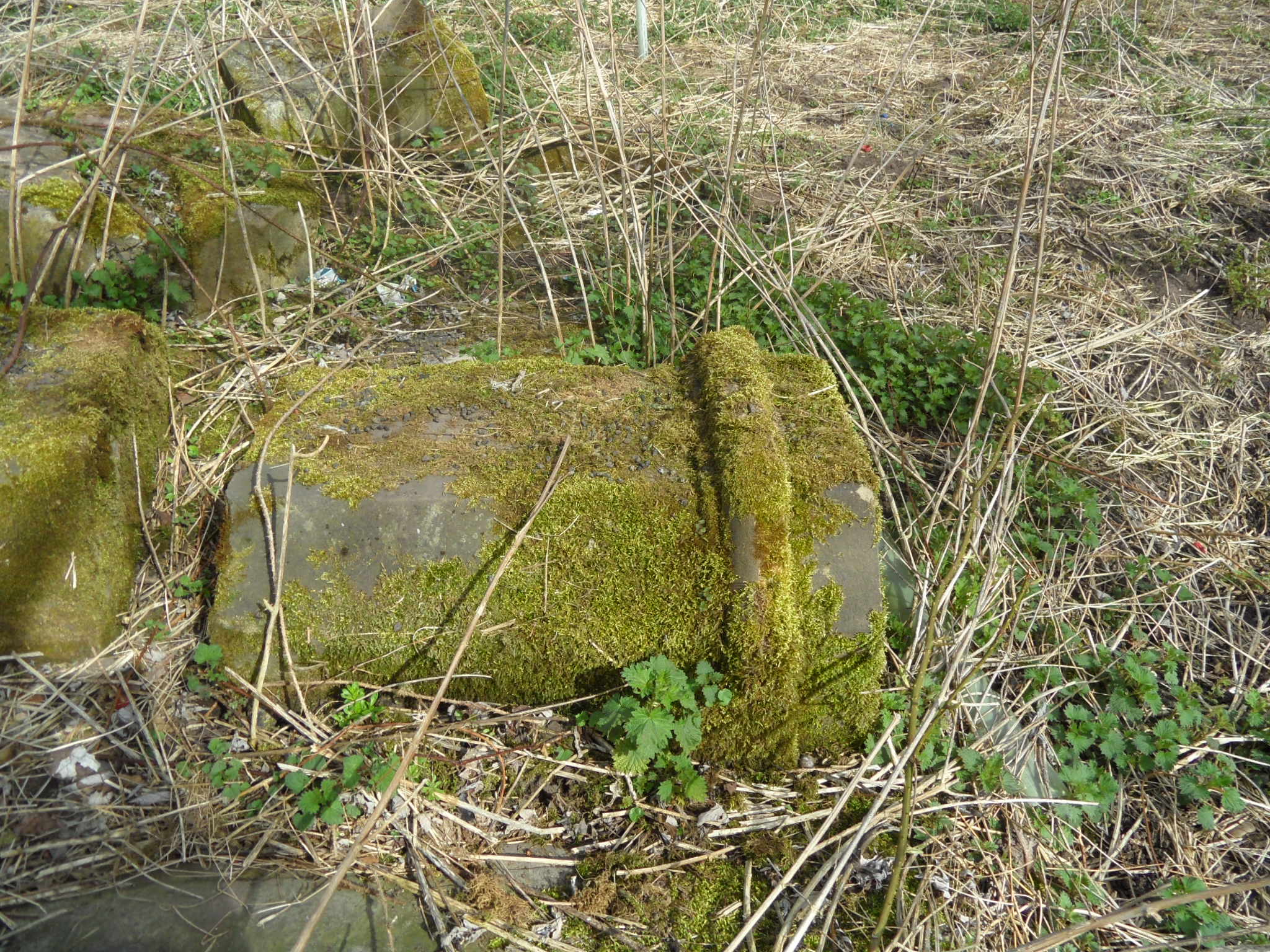
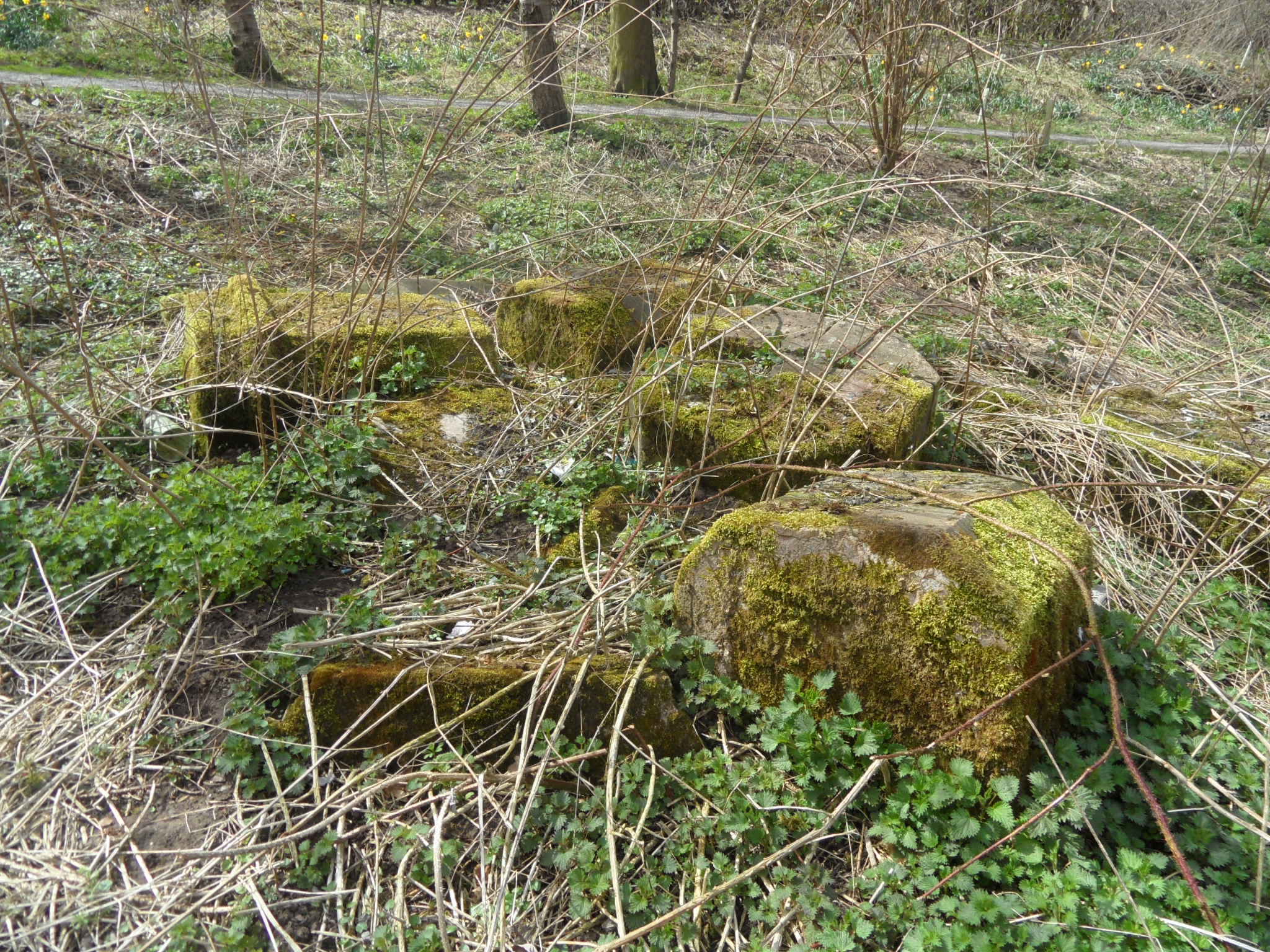
Pillars of the Community

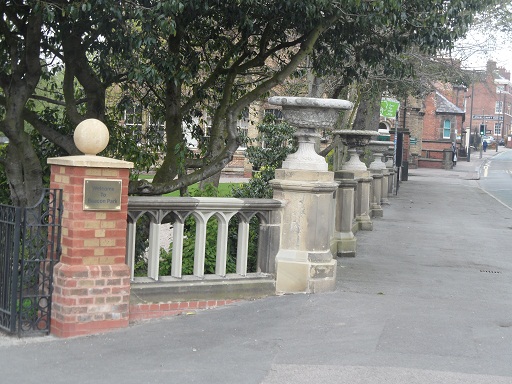
Back in April, I found what I thought were moss covered stone pillars in the undergrowth at Beacon Park, and asked if anyone knew what they were, or where they had come from. Well now, thanks to members of Lichfield District Council and the Beacon Street Area Residents Association, we have not one possible solution but three!
Could they be:

a) a section of balustrading from the Bird St/Beacon St side of the park, removed in the 1980s to create a corner entrance to the park over by the new Chandlers kiosk and the public toilets?

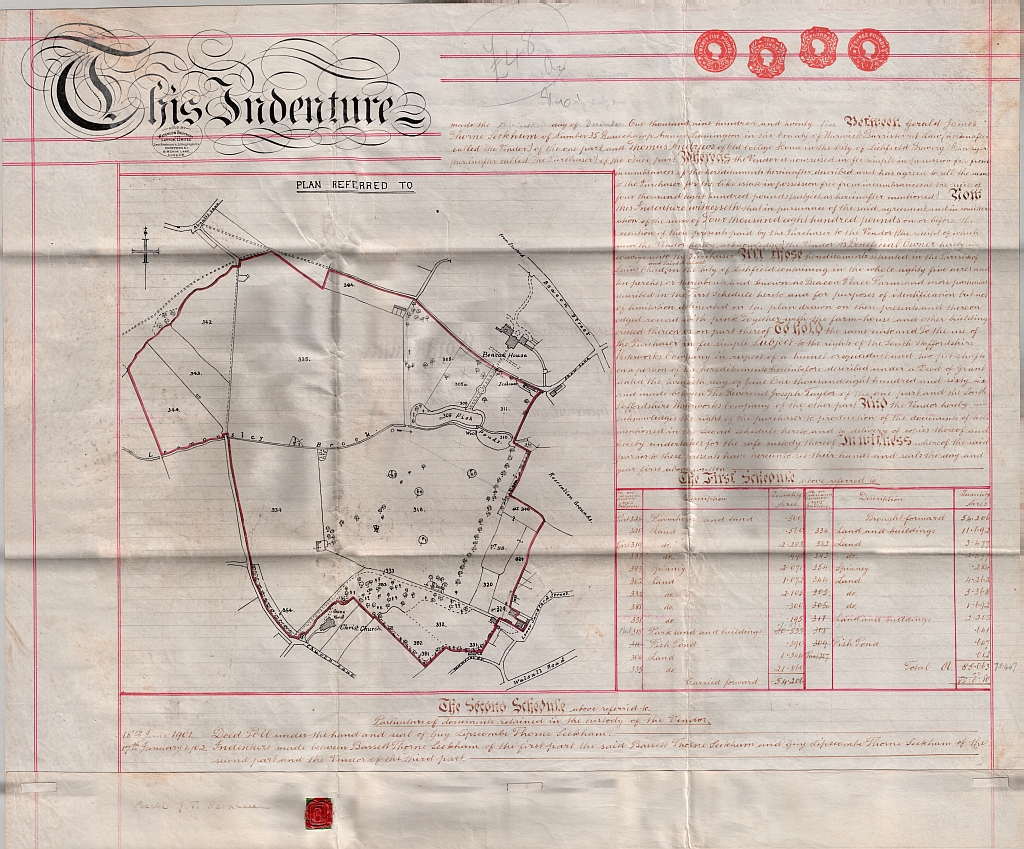
b) part of a structure used by a dairyman to shelter in during bad weather? There was once a farm in the vicinity of the Bunkers Hill Car Park, and a dog walker remembers that before the war, dairy cows were kept on the land that is now the football pitches and woodland.

Beacon Park map. Source: Gareth Thomas and his excellent blog – http://allaboutlichfield.blogspot.co.uk/

c) part of a “tower” that was originally at Stowe pool?  Apparently, after it became unsafe, the tower was dismantled and some of the stonework was put in the woodland.

d) None of the above?!

It’s great how by trying to uncover the story behind the stones, it’s also uncovered other things – the memories of cows on what’s now the football pitch and the possibility of a tower at Stowe Pool for starters! It’s also a good reminder that the version of a story we’ve been told, or the one we remember, might not be altogether correct. That’s not to say that such stories don’t have value, it’s just we need to be careful about accepting things at face value.

By the way,  if I was betting woman I’d go for option a….

A Fleeting Present

A while back I wrote about Mr J W Jackson, the ghost hunting city librarian who wrote a local history column for the Lichfield Mercury in the 1930s and 40s. Last night I found an article about ‘dear old Beacon Street’, written by Mr Jackson in November 1943, in response to a letter from one of his old school friends who emigrated to Canada in 1870, at the age of twelve. Of course, in describing the changes that have taken place in seventy years, Mr Jackson gives us a glimpse of Beacon St in both his past and his present, which is actually now our past. Before things get too wibbley wobbley timey wimey, let’s move on to a summary of the changes Mr Jackson noted in Beacon Street over the seventy years leading up to 1943.

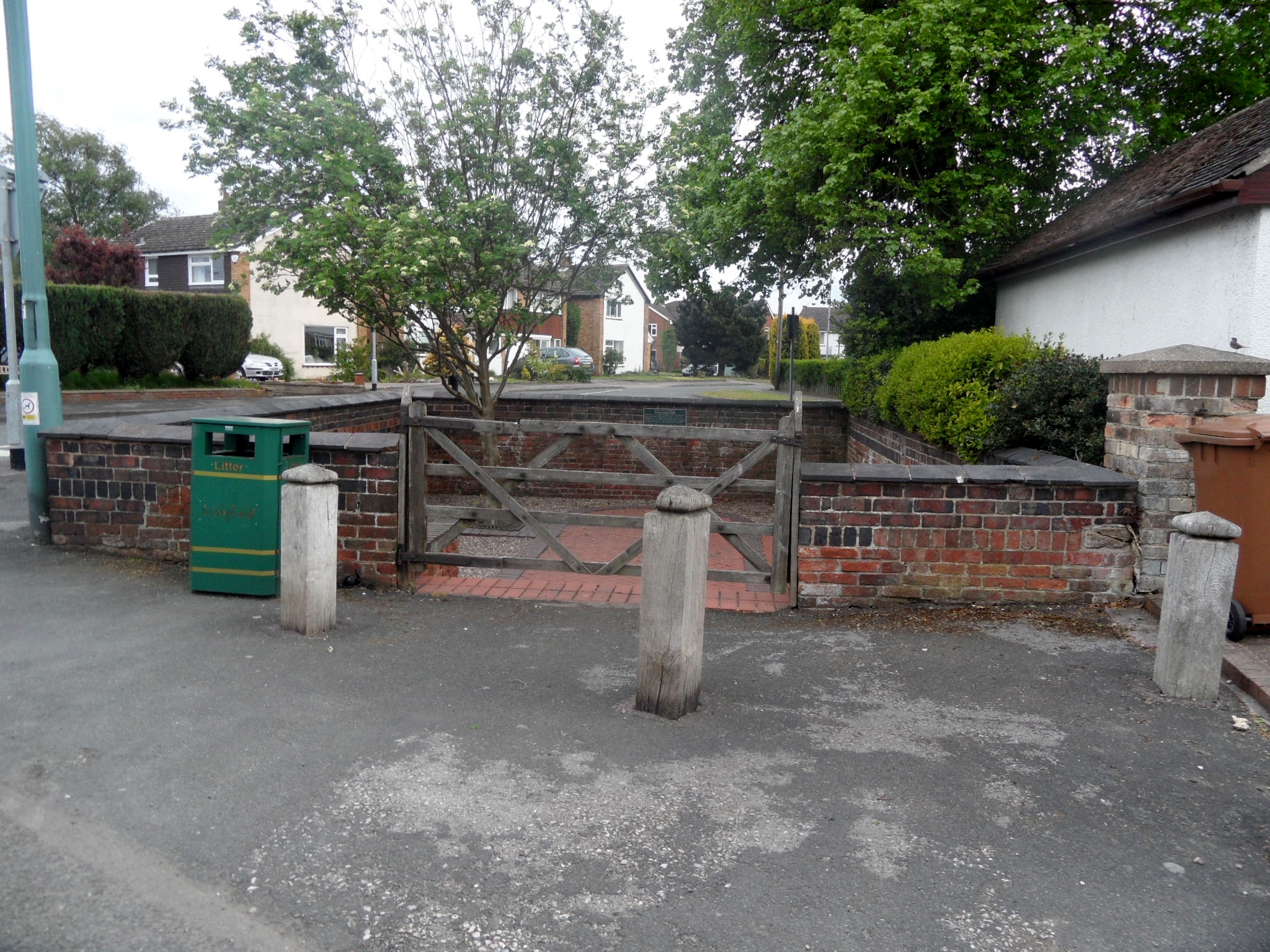
Mr Jackson says the old pinfold still remained but was hardly, if ever, used for its original purpose – in the past it frequently containing horses, cattle or sheep caught straying on the road and penned by official pinner, Watty Bevin.  Fifty yards away from the pinfold as you walked back towards the city there used to be an old iron pump where the children used to fill up the vinegar bottles they were taking home from Hagues in Beacon St, after enjoying a couple of sips.  The Anchor Inn kept by Billy Godwin had been cleared away and the field between the Inn and Smith’s Brewery was now the residential school. The brewery itself where the children took cans to be filled with barm had been converted into a foundry.

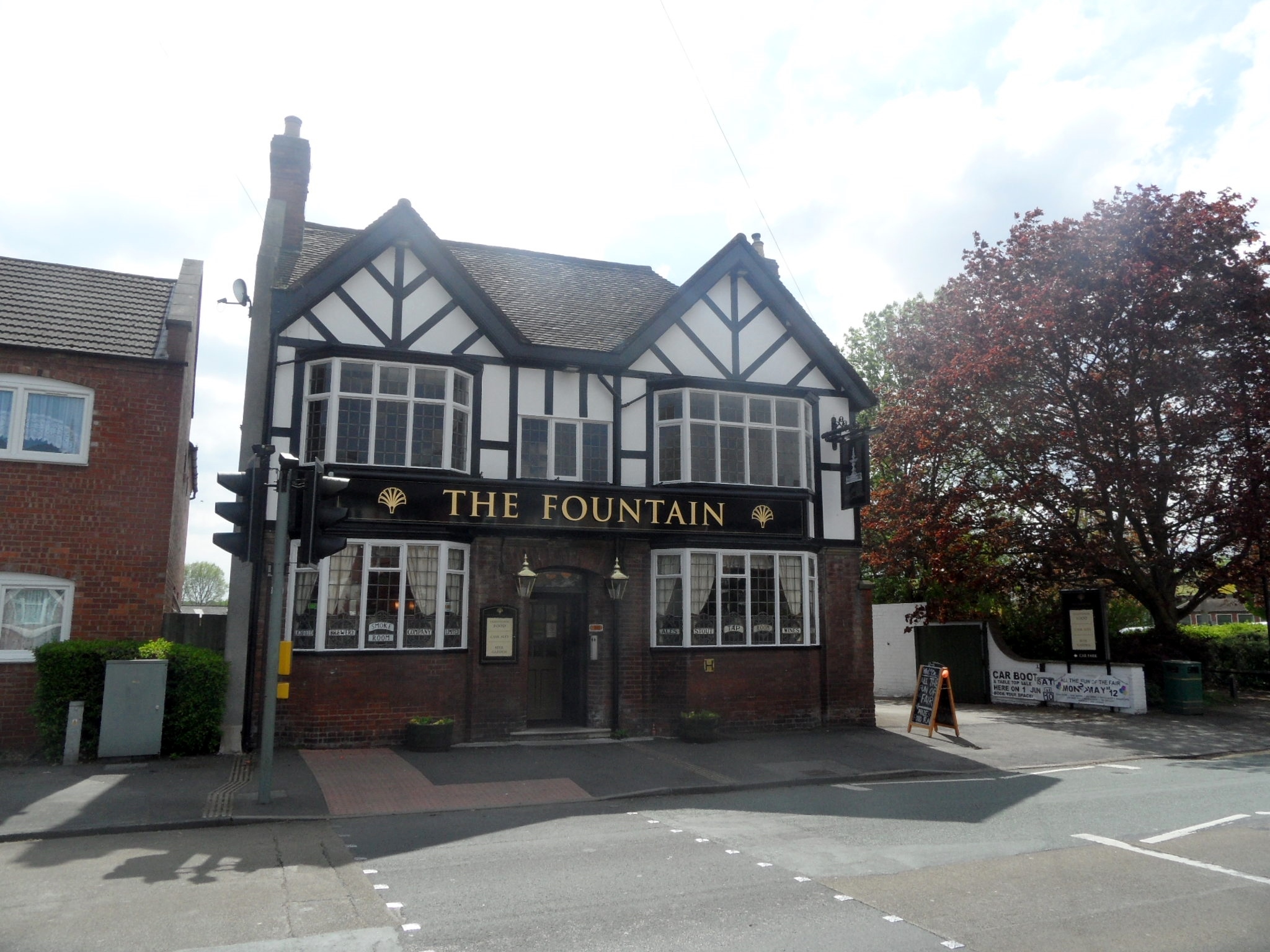
The Fountain Inn still remained  but visitors from the Black Country no longer came to play bowls on its lawns. The Lemon Tree Inn, kept by Sam Boston was now a house, as was the old butchers shop (kept by Mr Yeomans) and the Pheasant Inn previously kept by Mr Stone is also a house.  The wall shutting off Beacon Hall had been partly taken down and was now a garage and a residence. The old fashioned grocery shop at corner of Shaw Lane, owned by Mr Hall had been sold and replaced by a much larger shop, eventually becoming an antiques shop. Whitehall and Milley’s Hospital remained as they were in 1870 but the Free Library & Museum had been built near to the site of Griffith’s Brewery. (Note: Think this was probably earlier – Free Library & Museum built 1859?)

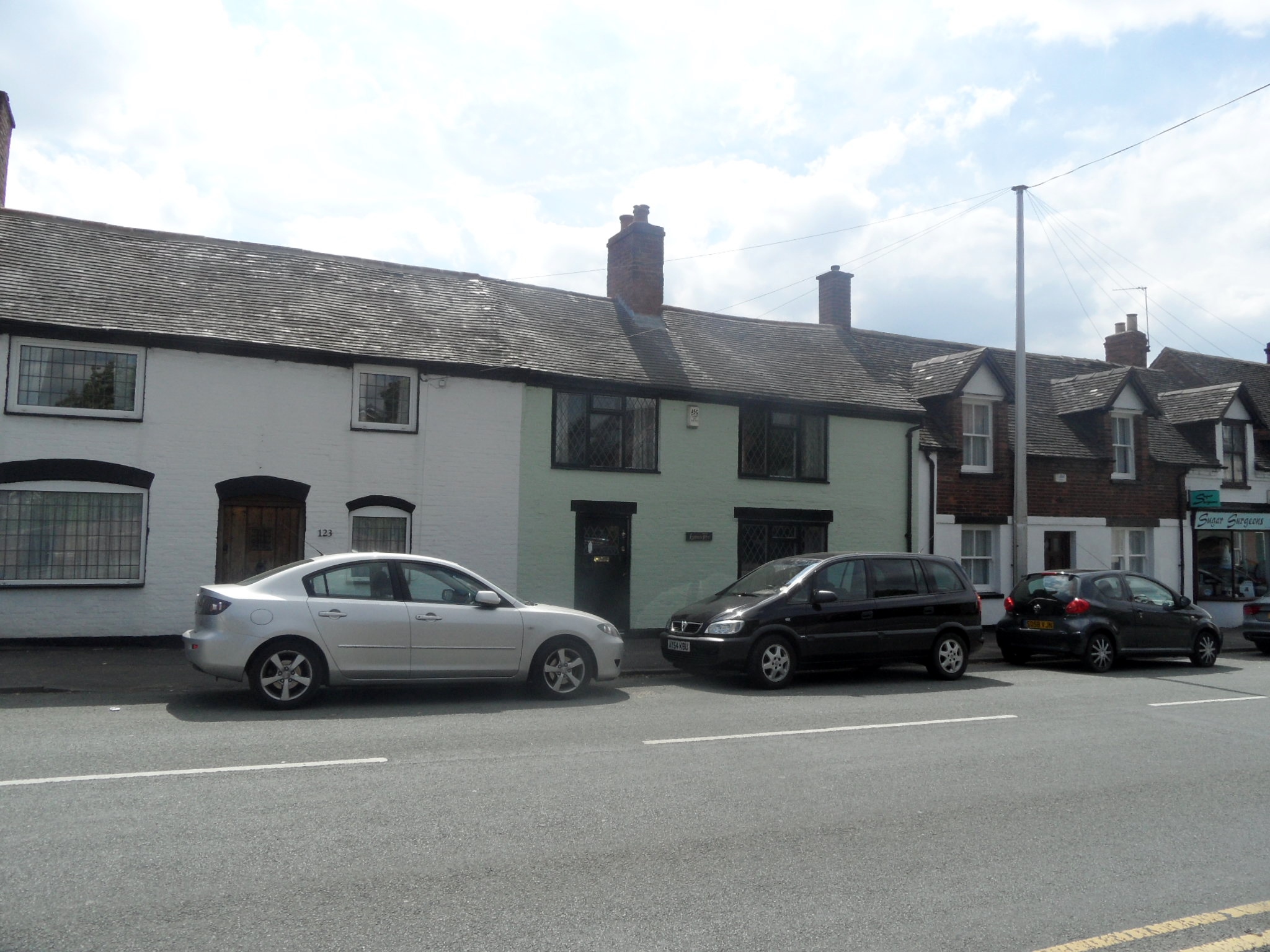
Green house was formerly the Lemon Tree Inn

The Angel Croft was described by Mr Jackson as ‘now a hostel’. The Old Beehive Inn had also been converted into a residence as had the Wheel Inn at the corner of Wheel Lane. The windmill where Mr Jackson played as a child was no longer in use but converted to a picturesque residence. Apparently the miller came in a considerable fortune and disappeared leaving everything as it stood and nothing was heard of him again.

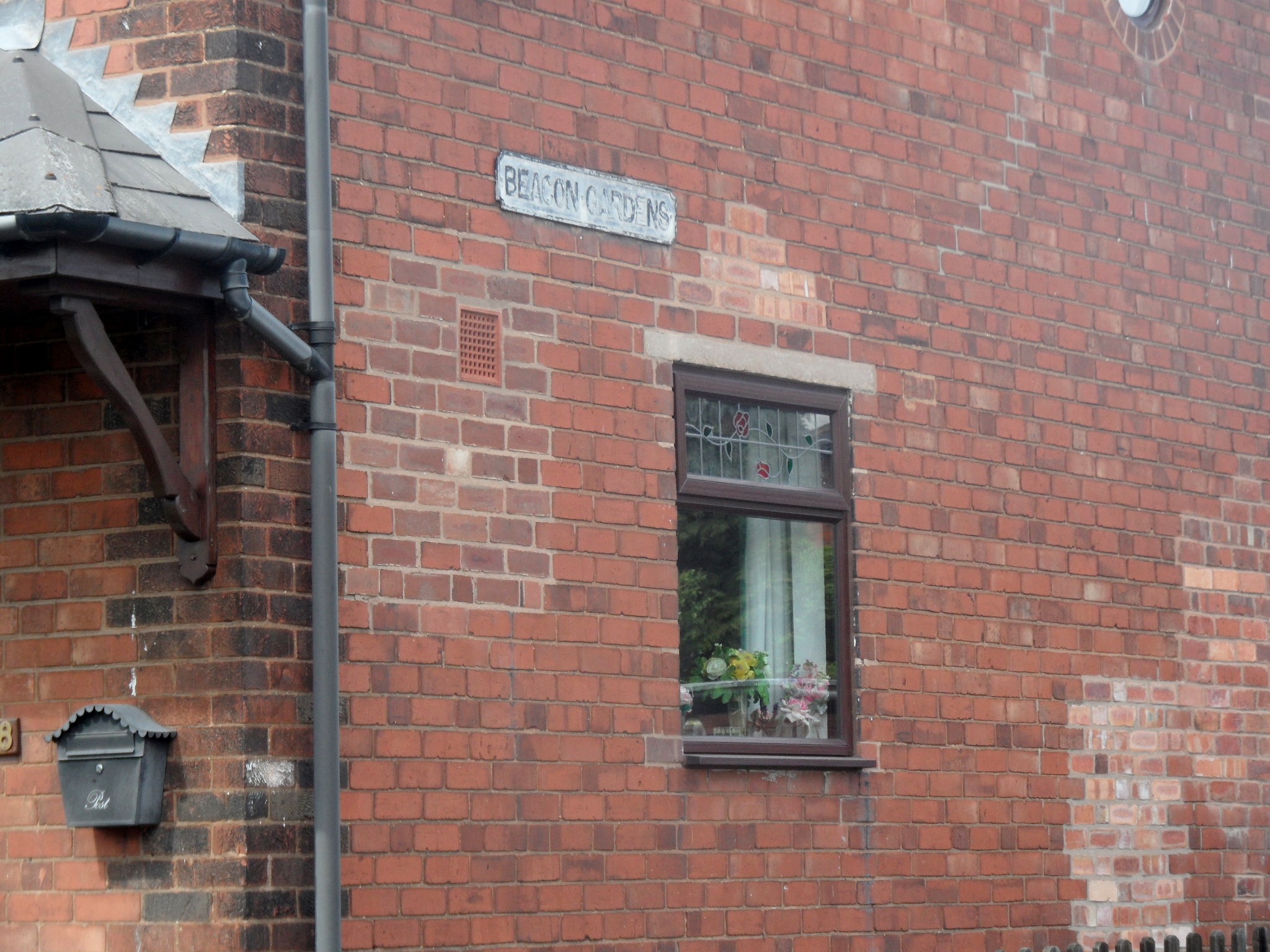
Beacon Gardens built 1925

Council houses known as Beacon Gardens had been built on the fields in front of the Fountain Inn. The old blacksmiths, where legend has it that a French man once took his dancing bear to be shod was still going strong.  The Feathers Inn was still licensed and the row of cottages adjoining was much the same. The Old St Chad’s Rectory garden and field had been built over, the new road known as Nether Beacon. By 1943, the wheelwrights shop on brow of Beacon Hill had long since disappeared but the Little George Inn still stood as did the George & Dragon.

Of course, we can also now compare Beacon St seventy years on from when Mr Jackson did his comparison. I took most of the photos on Sunday (before I found the article weirdly!). The old pinfold still remains, but I doubt anyone now even remembers it being used to lock up straying animals.

Beacon Street School Sanatorium

The residential school has now been converted into apartments and the site of the Foundry is now Morrison’s Supermarket. Funnily enough you can probably get barm, or something similar there once again, as I think it’s a type of yeast (as in the northern ‘Barm Cake’). The Fountain Inn is still open, and Milley’s Hospital and Whitehall are still there. The Free Library and Museum building is of course now used as the Registry Office. As we are all too aware the Angel Croft is still there, but for how much longer in its desperate state?

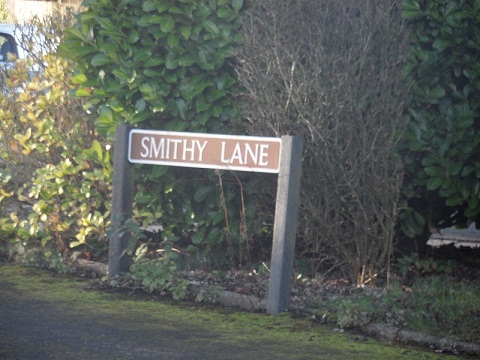
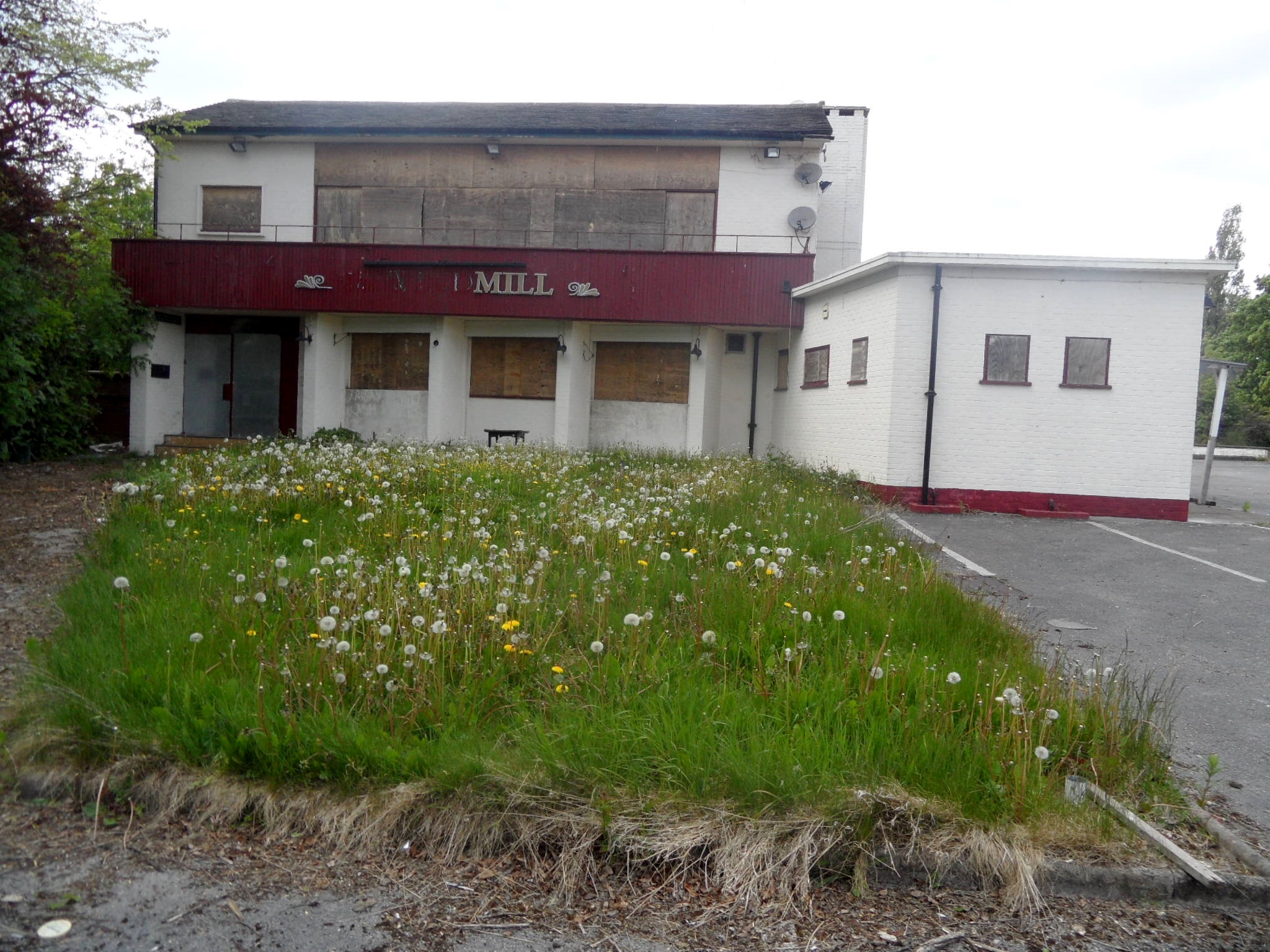
The blacksmiths has gone but is not altogether forgotten with road names ‘Forge Lane’ and ‘Smithy Lane’ to remind us. The Feathers Inn is still licensed but has now expanded into the row of cottages adjoining (for the record, I had a very nice jacket potato in the beer garden there on Bower Day this year). The George and Dragon, thankfully, still stands but the Little George is now a private, rather than public house. According to John Shaw’s Old Pubs of Lichfield, after WW2, the licence of the pub was transferred to the new pub on Wheel Lane, known as the Windmill. This ‘new’ pub which, wasn’t around in Mr Jackson’s time will probably not be around for much longer, as it is has been closed for some time and the site earmarked for development.

Mr Jackson’s article reminds me of the need for recording the everyday and the seemingly ordinary, as one day the present will be the past and what was once commonplace may no longer be.  I’m a big believer in using place names that reflect the history of a place, but on its own, a street sign for ‘Smithy Lane’ only tells you part of the story. Had Mr Jackson not added the story of the dancing bear’s shoes and the missing miller and his money to his reminiscences, they may well have been forgotten. “So what?” some may say, dismissing them as mere trivialities, but I disagree. I think stories matter.

Perhaps in seventy years time someone will look back at how Beacon St was in 2013. I wonder what will have changed and if we’ll have left them with any good stories?

Sources:
Lichfield Mercury archive
The Old Pubs of Lichfield, John Shaw

A Change of Scenery

Since visiting the new Christian Fields local nature reserve last year, I’d been waiting for an opportunity to return and follow the ancient route which runs from the reserve to the village of Elmhurst.

I was eager to see was whether the dry pool/well we thought we’d found last time had filled with water. Turns out it had, but not necessarily in the way I was expecting… When I went in September it looked like this:

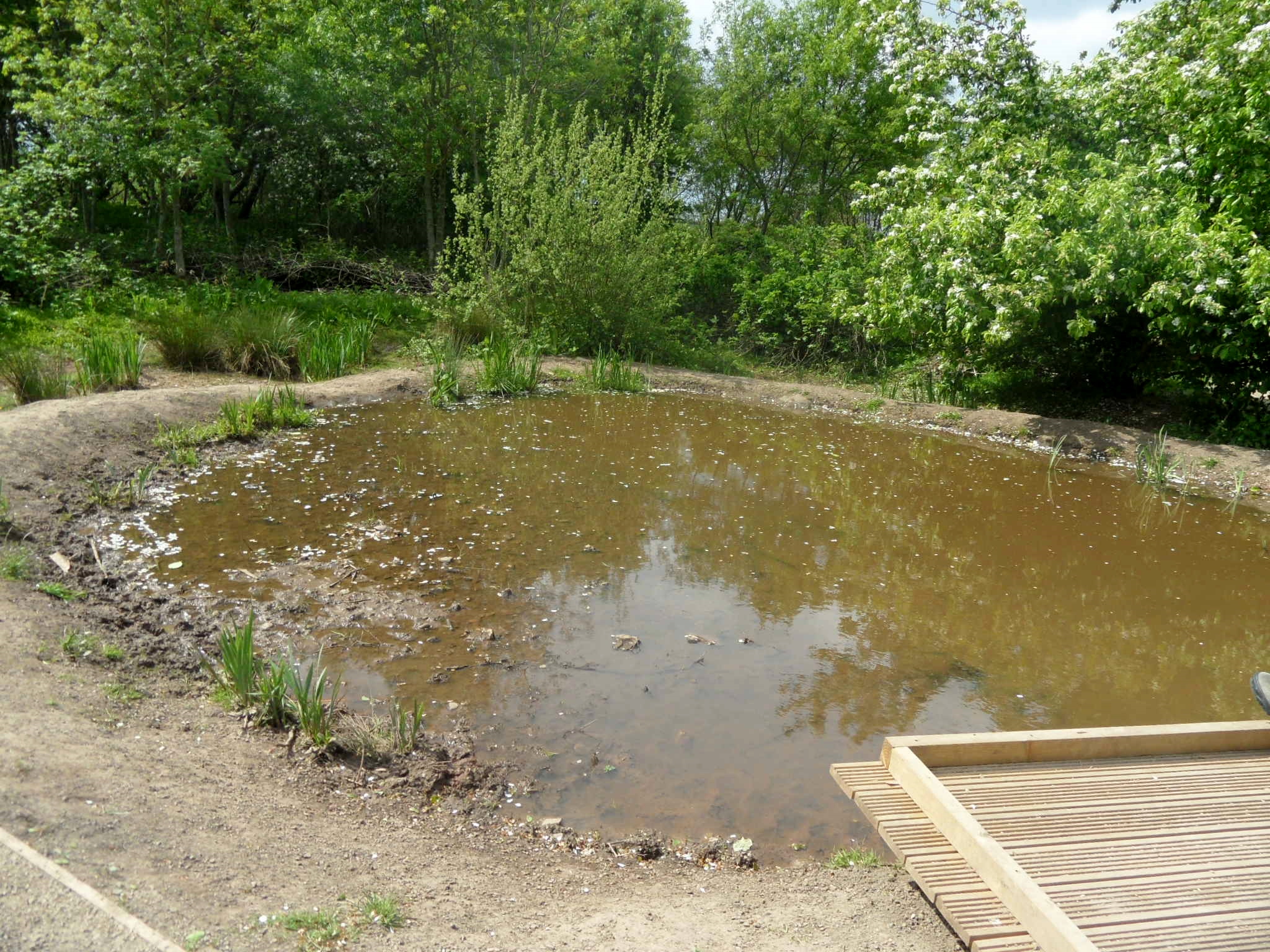
Now (assuming I have got the right place!) it looks like this:

The reason for the change is that site is being developed with £100,000 of funding to attract wildlife (and members of the public!) to the site. As well as the new pond and dipping platform, there will also be picnic areas, wild flower meadows and information boards.  There were lots of tadpoles swimming about in the new pool, so it looks as though efforts to improve the site’s biodiversity may be starting to pay off. You can read more information on the project here.

After watching the tadpoles, we passed two women out dog walking.One was trying to disentangle herself from a bramble that had taken a liking to her, but it seemed the feeling wasn’t mutual. “Bloody nature!”, we heard her shout as we walked past.

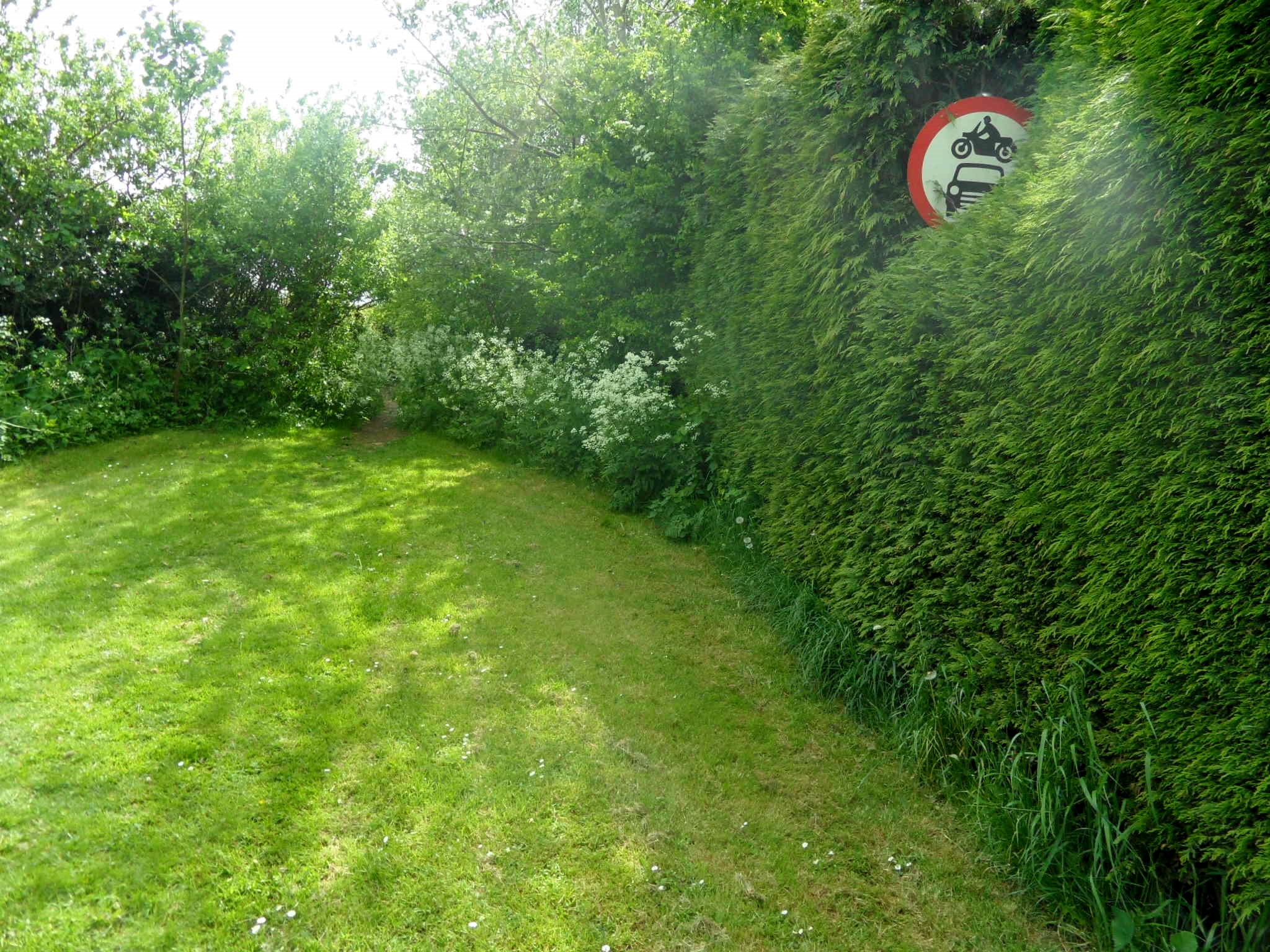
We continued along the wooded path leading to Fox Lane, Elmhurst.  Interestingly, up until the middle of the last century, it seems that both the path and Fox Lane were actually a continuation of Dimbles Lane.  After brushing past wild flowers and negotiating tree roots on the narrow, winding path we emerged from the green corridor into the village. I would love to know how often this path was trod by past generations, but surely none of them have ever tried to take a motor vehicle up there. Have they?

I believe that ‘new’ name for the lane relates to a retired business man, George Fox, who bought Elmhurst Hall in 1875. Fox died in London from a chill in 1894 after moving from Elmhurst to enable the Duke of Sutherland to use the house to host the Prince of Wales on his visit Lichfield for the centenary of the Staffordshire Yeomanry.

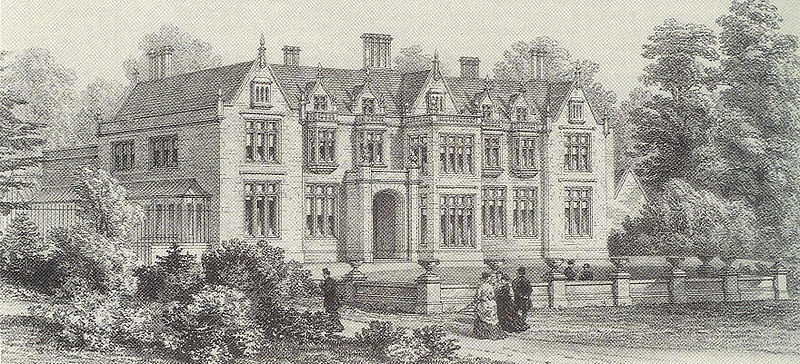
The original Elmhurst Hall was built by the Biddulph family in the late seventeenth century and replaced by an Elizabethan style house in 1804, with building materials from the original house being offered for sale. I wonder where these parts of Elmhurst Hall ended up?

Source: Wikimedia commons

Source: Wikimedia commons

The second Elmhurst Hall was demolished in 1921. Its last owner was the brewer Henry Mitchell (as in Mitchells & Butlers). There are still remains of the estate in evidence including a walled garden which dates back to at least 1740 and a lodge built in the 1870s, in the same style as the main hall, known as High Field Lodge. There was also another earlier lodge on Tewnals Lane but I haven’t been to have a look and see if that still exists.

High Field Lodge

Walled Garden

Whilst at Elmhurst Hall, Mr Fox established a mission room linked to St Chad’s Church, Lichfield to compensate for a lack of a place of worship in the village. I understand that services were taken by students from Lichfield Theological College and  Mr Fox himself.

Wild garlic & a rusty barrow outside the Mission Room

As I was walking, I couldn’t help but think of Alfred Cleveley, a butler a Elmhurst Hall in 1914 and later a recipient of the Military Medal, killed in action in May 1917, who I wrote about here. I later found that Private Joseph Hall, aged 20 and a member of the Mission Room choir also lost his life during the war. Born in Elmhurst in 1897, on the 1911 census Joseph was an errand boy. It’s a sad thought that the names of Joseph and so many like him would not appear on another census but instead on war memorials and rolls of honour. However, there did seem to be some controversy regarding where names should be included.  Whilst reading through the newspaper archive on Elmhurst, I found a letter from someone using the pseudonym ‘A Mother’, wanting to know why her son, born at Elmhurst, who died making ‘the great sacrifice’ on the battlefield aged just eighteen years old, should not be eligible to have his name enrolled on the Lichfield memorial. Apparently, she was told after making a voluntary subscription that the lad did not belong to Lichfield. ‘Then where did he belong to I should like to know?’ ends her letter.

I imagine that both Joseph Hall and the unnamed soldier went to Elmhurst School, opened in 1883 on land given by George Fox who also sat on the board as chairman. A proposal to close the school on account of low numbers was rejected by parents in the 1930s, and the school remained open until 1980 when the building was taken over by the Elmhurst and Curborough Community Association and pupils were transferred to other Lichfield primary schools, including Christ Church.

The Lichfield side of Dimbles Lane now has a very different feel to the rest of the route which shares its name, although the former landscape is reflected in the names of some of the new closes and crescents built by the local authorities after the First World War and throughout the twentieth century – Bloomfield, Greencroft, Willowtree.  The building program meant that the population of Lichfield increased significantly, and it’s a good reminder that housing estates are just as much a part of our history as the old country estates such as Elmhurst Hall. This is something that is being recognised more and more these days with some great work on our recent past going on in other places. For now, I will try and put something together so that others can follow this walk for themselves.

Start of Dimbles Lane at the Lichfield city end

Dimbles Lane as it crosses Eastern Avenue and enters Christian Fields Nature Reserve

Edit: Oh look! There’s a story here on Lichfield Live about volunteering at Christian Fields LNR on June 3rd. If you go, say hi to the tadpoles for me!

Sources:

Townships: Curborough and Elmshurst’, A History of the County of Stafford: Volume 14: Lichfield (1990), pp. 229-237

Lichfield Mercury Archive

Curiouser & Curiouser

On my work journey between Lichfield and Stafford, I used to drive past Wolseley Bridge twice a day, twice a week for two years, always curious about the collection of buildings and machinery opposite The Wolseley Centre and always meaning to return and take a proper look. Today I finally did!

The buildings house antiques, arts and craft businesses. Most are rescued relics from the our agricultural past – barns, stables and dovecotes. The main barn, facing the road, is thought to date back to the 17th century. It was taken down from Parchfield Farm in Colwich and re-erected here in 1985 and there’s a photograph here on Staffordshire Past Track of the work being carried out.

Side view of Parchfields Barn and Dovecote

Today I was lucky enough to see the re-construction of a timber framed building taking place for myself. Willey Barn came to Wolseley from Willey Lodge, in Presteigne, Powys in 1990. By 1993 one half of the barn, a three bay cart shed, had been rebuilt at Wolseley using traditional techniques but the second half, the granary, had remained in storage until now. There are some photographs of the barn in its original location on the planning application (details below).

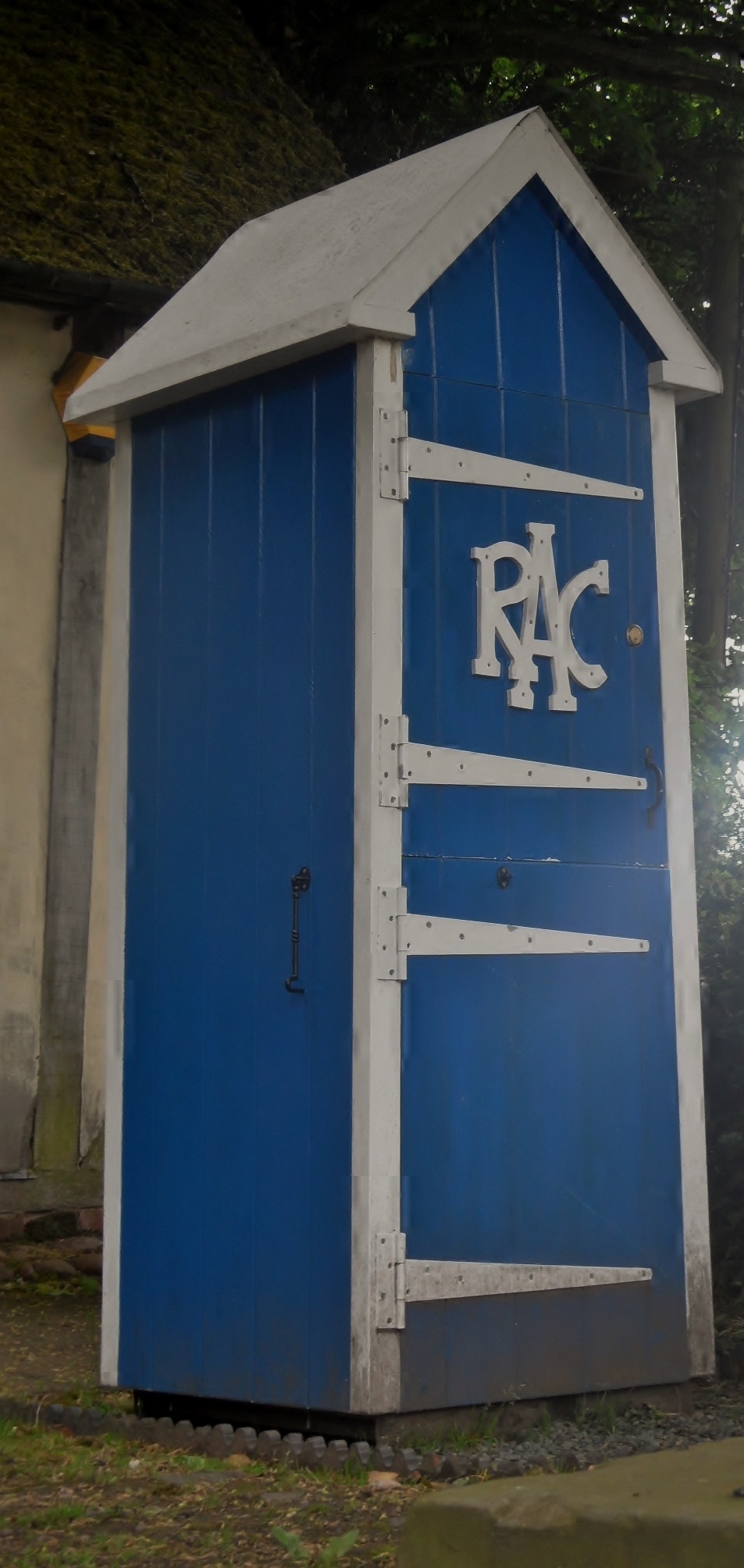
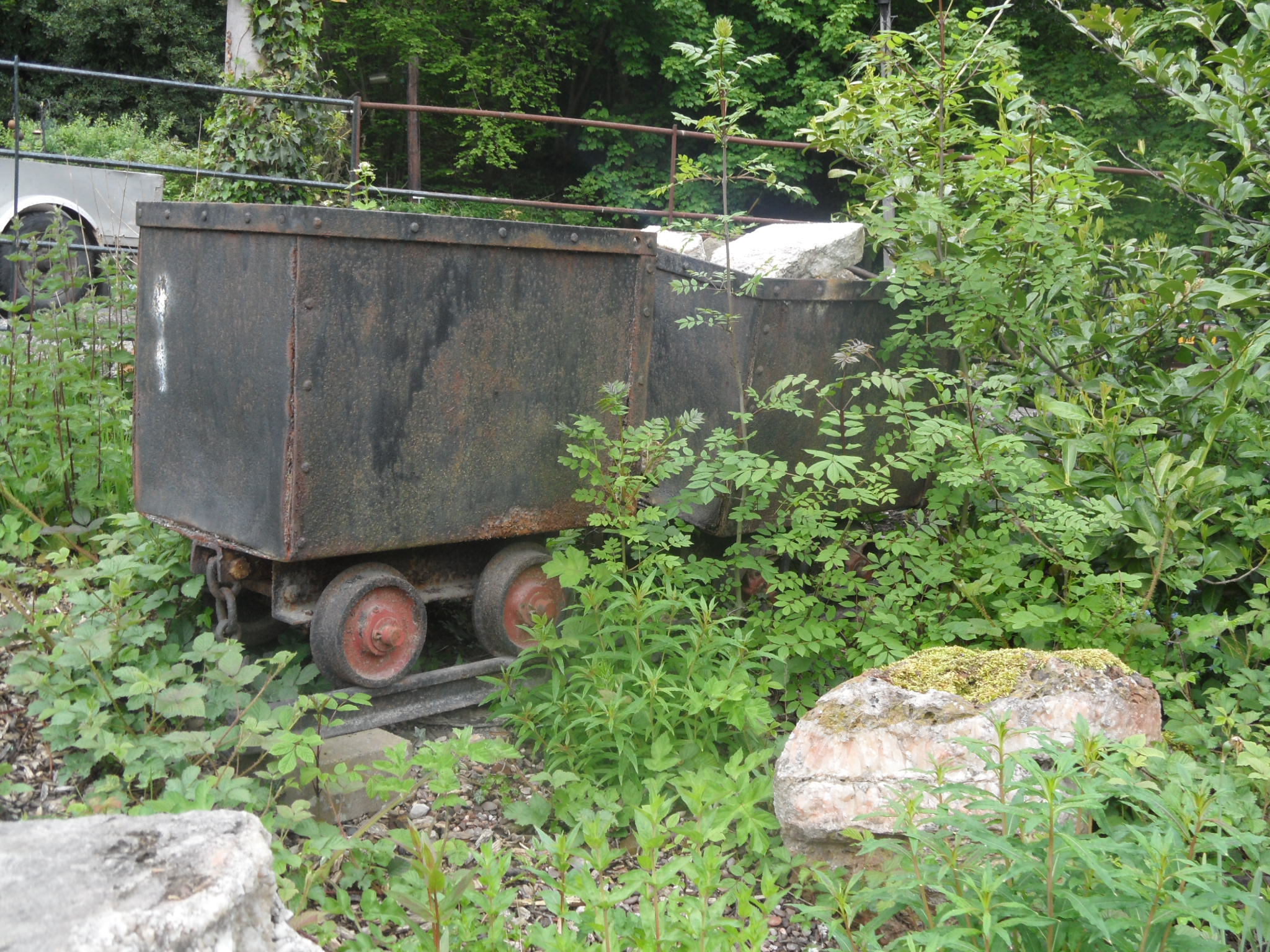
Other buildings on site are the Moreton Stable and Cattle Shelter, the Ranton Barns, a Dovecote and an RAC callbox. Amidst the agricultural machinery is what looks like a small mine cart with part of a track and an old petrol pump (but please correct me if I’m wrong).  I think it’s fantastic that they have been preserved and given a new lease of life here and would really like to know more about their origins.

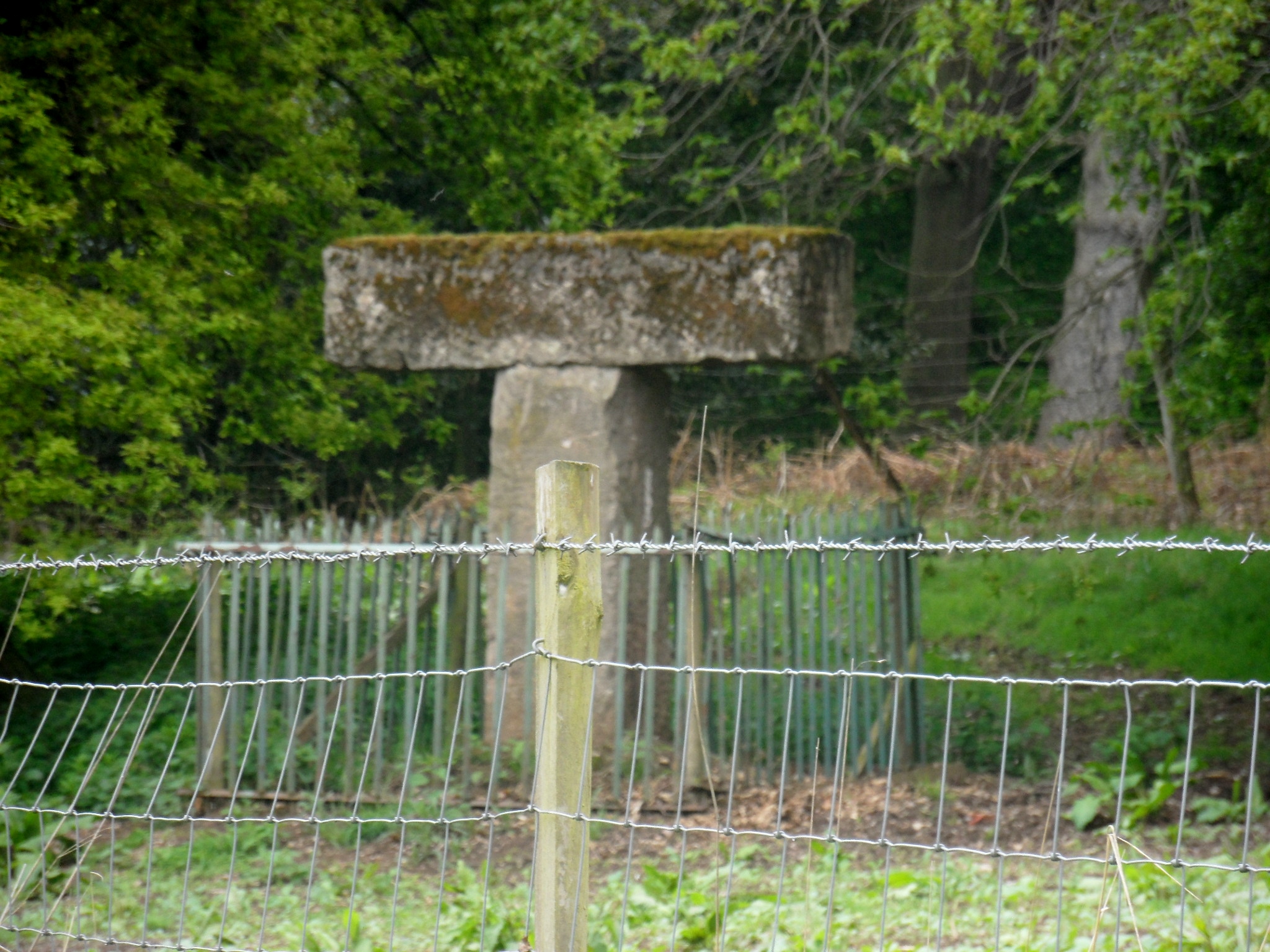
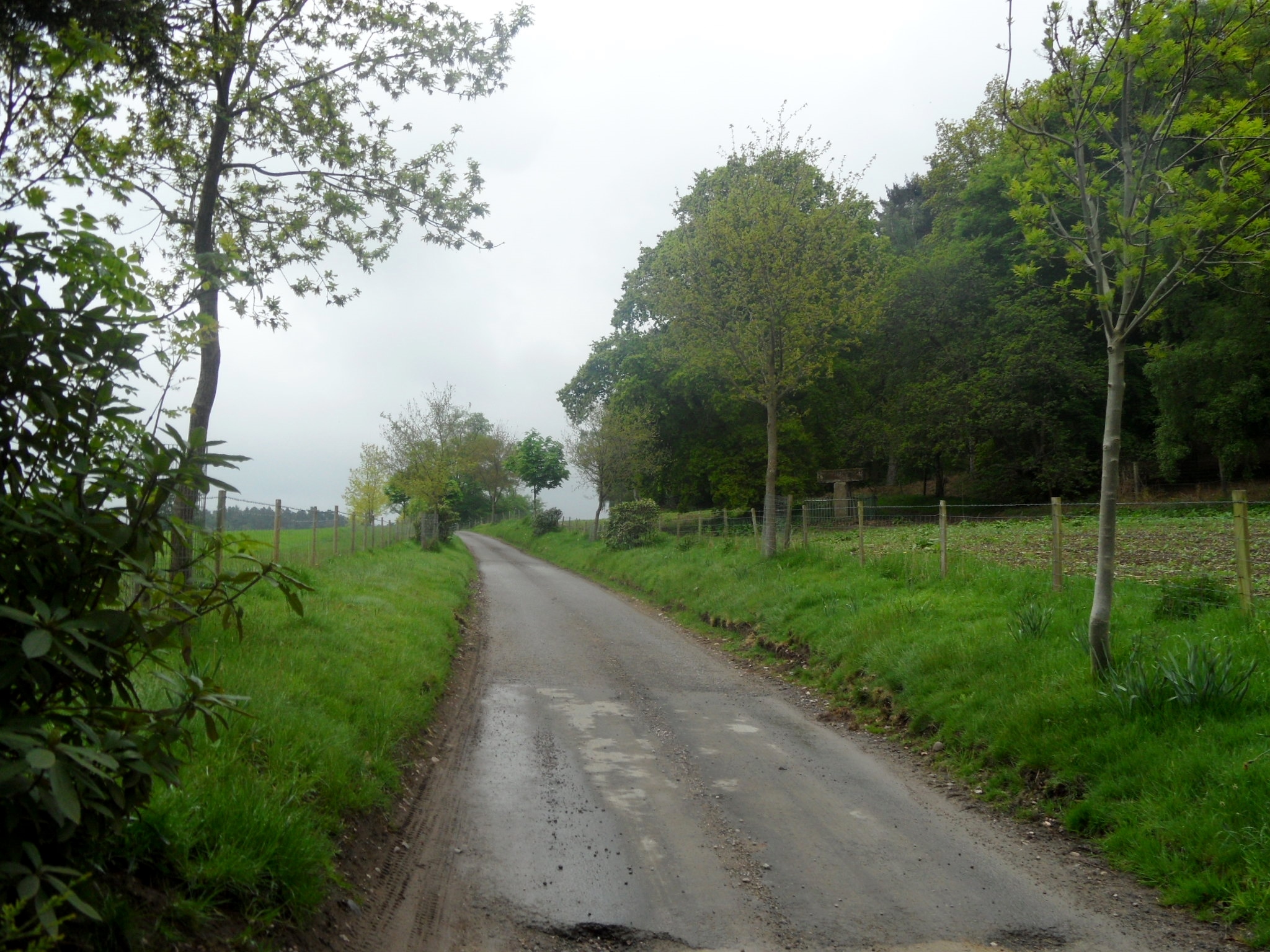
Incredibly, the biggest curio of the day for me was not found amongst this collection but up a track leading away from the craft complex and towards the Wolseley Park Estate.   I have plumbed both the depths of the internet and my imagination but as yet can’t find an explanation for this fenced-in stone structure. Does anyone else know anything?

Structure is to right of the track

Source:

Planning application: 12/16670/FUL | Extension to provide additional exhibition area | Willey Barn Wolseley Bridges Colwich Stafford Staffordshire ST17 0XS


Blue Sunday

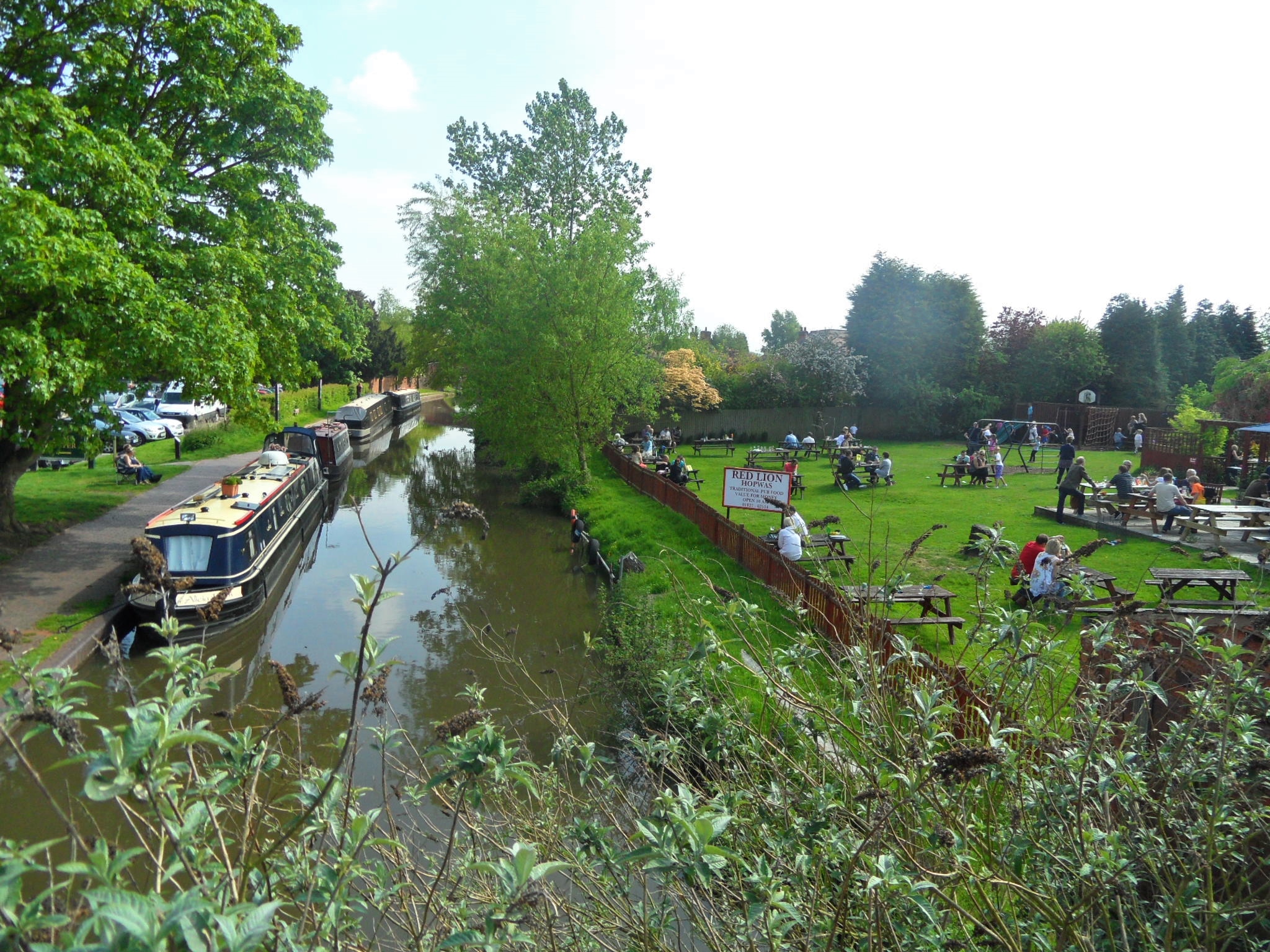
My second ‘starting off at pub, and exploring the surrounding area’ type walk of the week, but this time with real life swans with just the one neck.

The sunny beer garden at the Red Lion was busy and I couldn’t help but feel that those who chose to remain inside the pub were missing out.  They were, and it wasn’t just the just the sun but also the wonderful sight of a pair of swans gliding down the canal with their eight cygnets. At one point the young ones were startled by a barking dog on one of the moored boats and darted back to huddle around one of their parents.

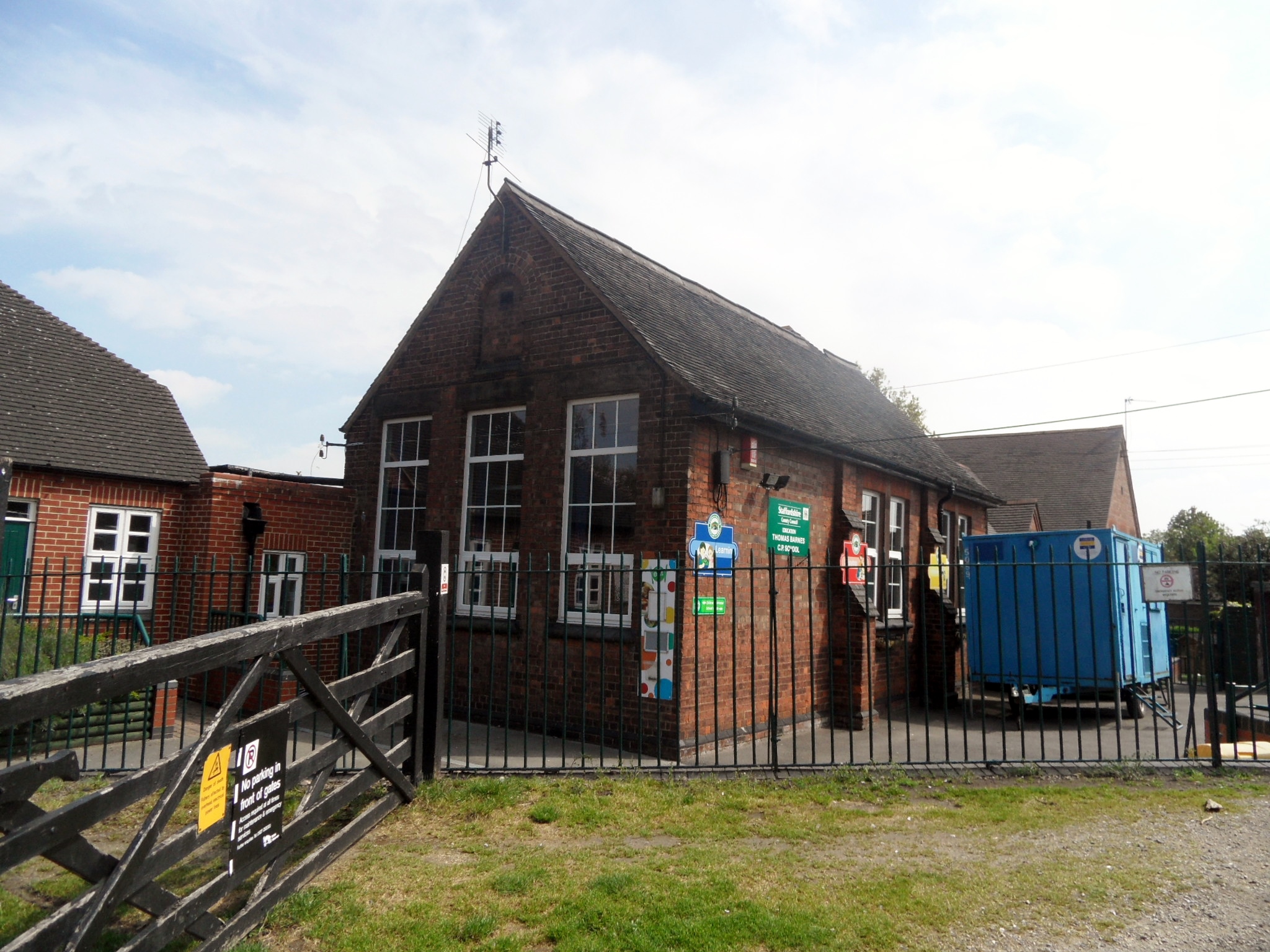
We began our walk by crossing the Lichfield Road Bridge (aka the Tummy Bridge in my house) to get to the towpath on the opposite side of the canal to the Red Lion. The next bridge along is the Hopwas School Bridge. As the name suggests it is near to the village school, named after founder Thomas Barnes. A lovely example of the local lad made good story, Thomas is said to have been abandoned as a baby, and discovered in a barn by villagers who gave him a surname to represent his humble beginnings. Educated and cared for by the villagers, Thomas became a successful London merchant. Had I walked a little to the right of the school, I would have seen the original schoolmaster’s house with a plaque reading ‘This house was built at the charge of Mr Thomas Barnes native of this place and a citizen of London in the year of our Lord 1717 for the dwelling of a person to teach the children of this village to read English’.

Instead, we kept on walking under the bridge and along the tow path. Something I did wonder about but couldn’t think of any explanation for at the time was the small door in the bridge itself. After doing a bit of post-walk googling it seems it might be a storage place for stop planks, used to block off part of the canal when maintenance work needs to be carried out. I think.

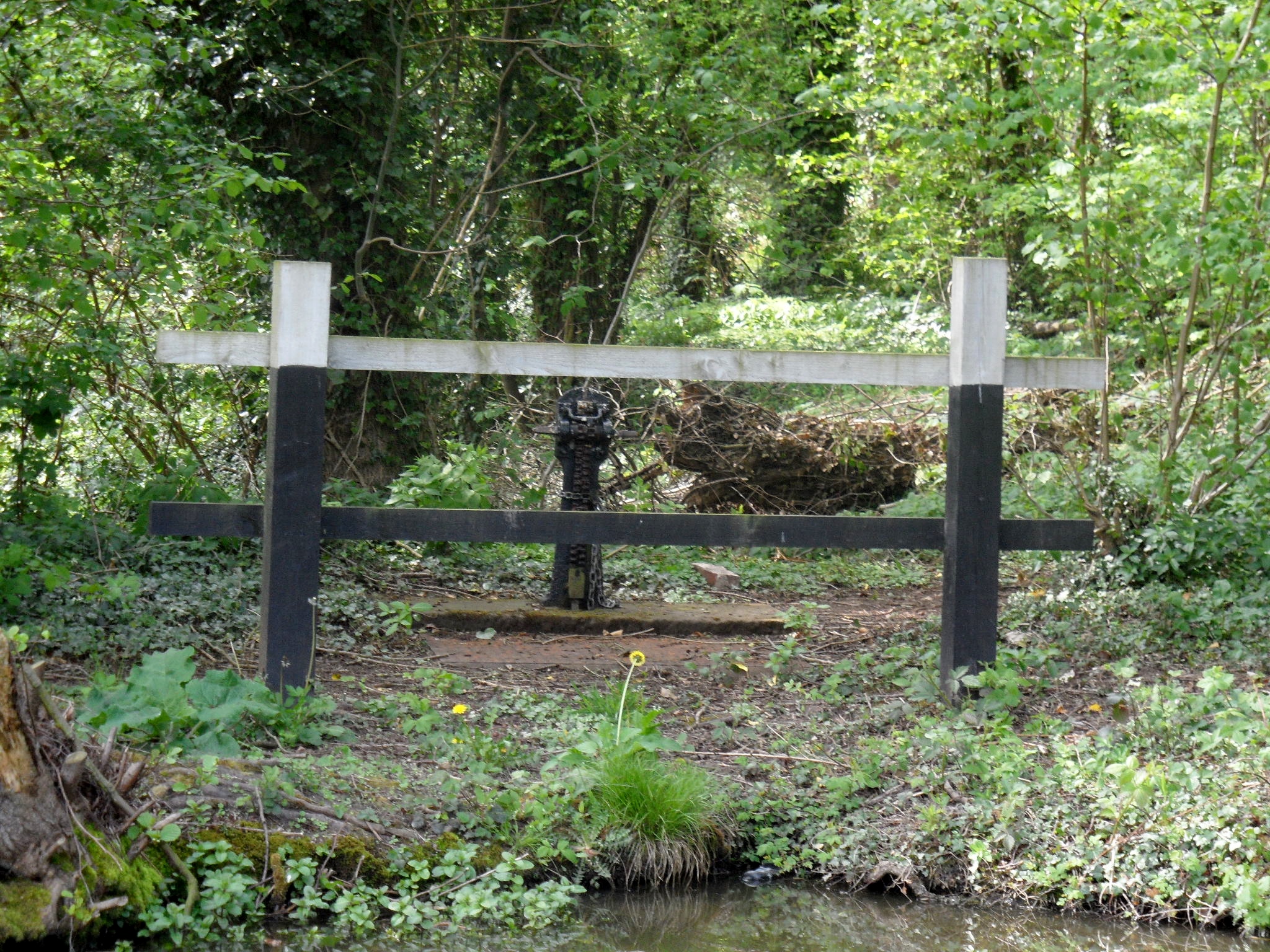
There was also some machinery on the other side of the tow path that looked interesting but again, I’m not quite sure of its purpose.

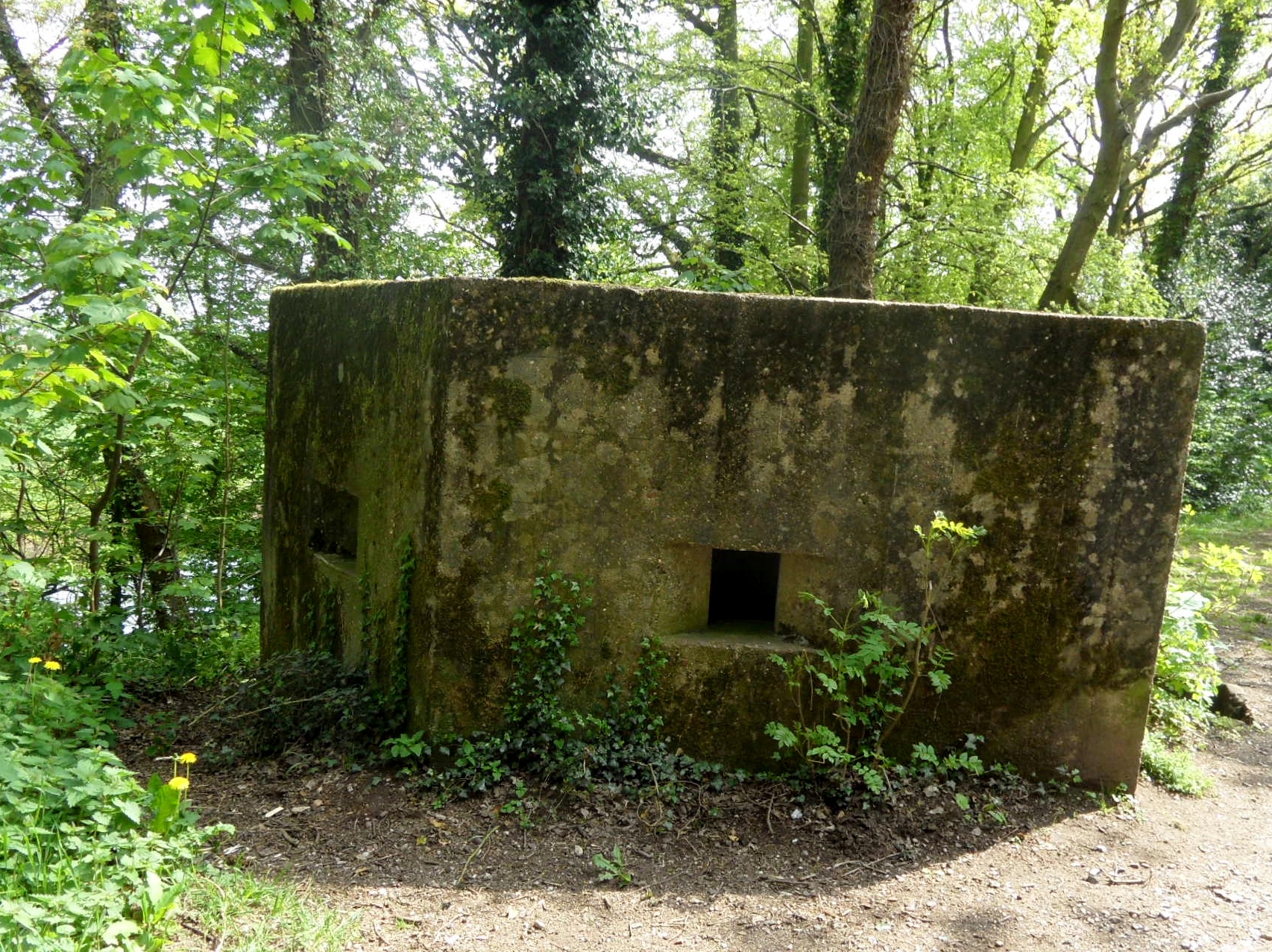
This, however, I did recognise to be one of the well documented pillboxes that stand in this area, defences against an invasion that thankfully never came.

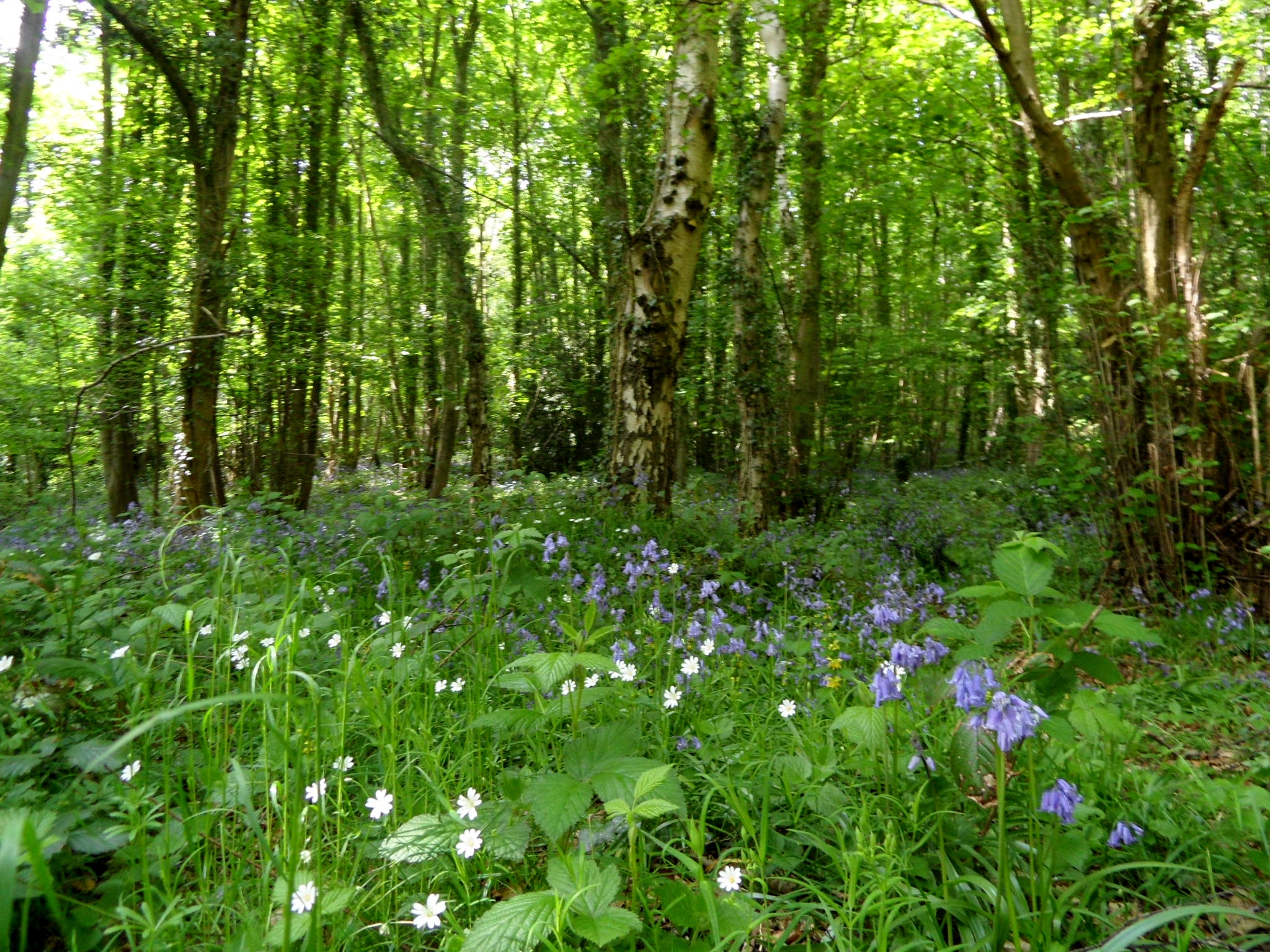
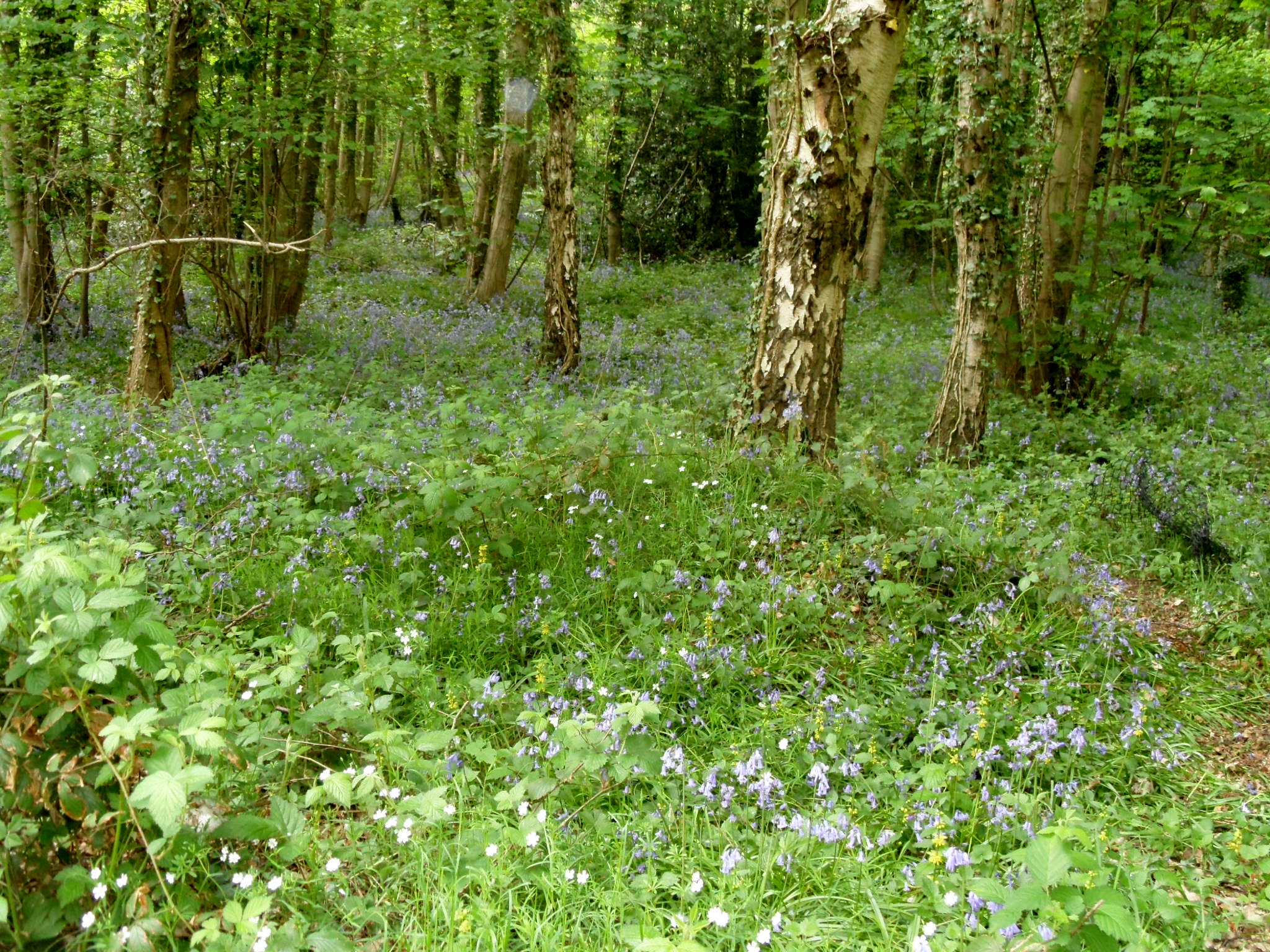
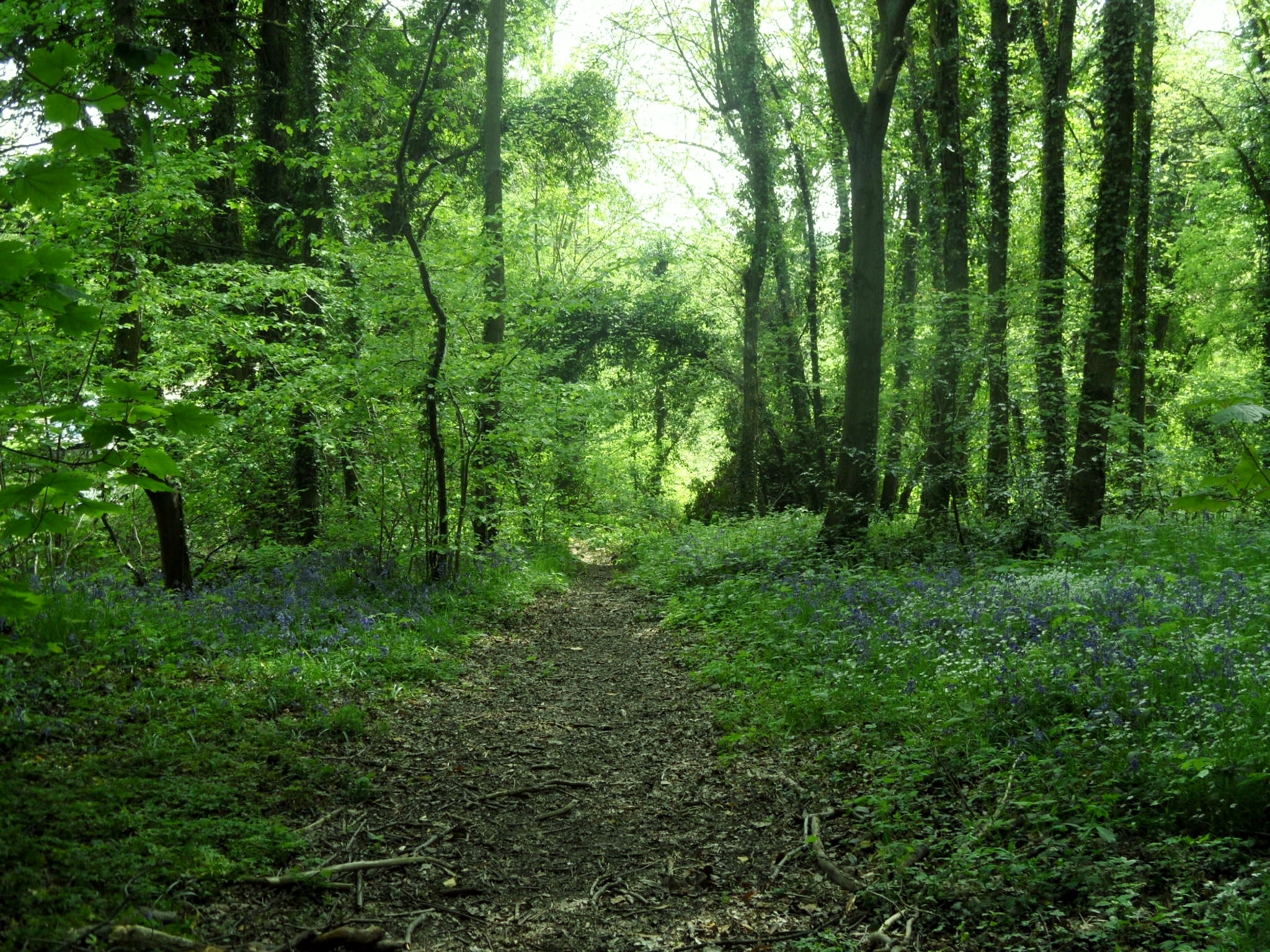
Growing alongside the pillbox was a hint of what was to come in those infamous and ancient woods about which I’ve heard so much but seen so little, only ever passing by in the car. I’m pleased to say that Hopwas Woods lived up to my expectations, with a display of bluebells that put even my beloved Leomansley Wood in the shade. I attempted to capture it in photos, although they could never do it justice.

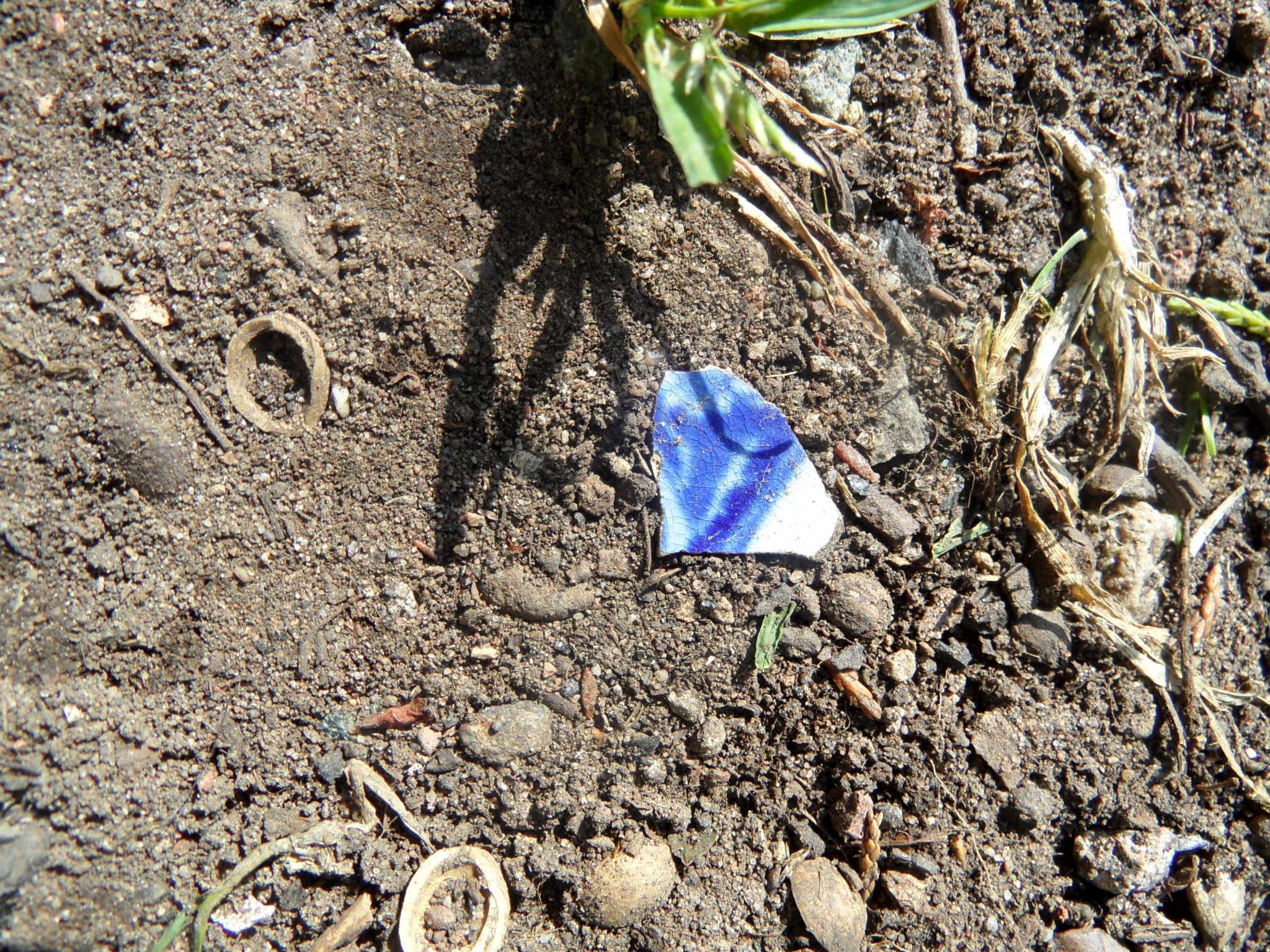
From then on I saw blue everywhere – the boats, the sky over the distant towers of Tamworth, a piece of pottery by the side of the canal and, after a big lunch and this short walk, a hammock at the water’s edge that looked very inviting indeed….


Watering Hole

On the way home from Tixall (of which more later), I stopped off at Longdon village and called into the Swan With Two Necks for a drink. I only had time for a very quick look around the village but even in this short space of time managed to find lots of interest, much of it water-related, which seems only natural in a place also known as Brook End. I hope to return to Longdon and the surrounding area (and of course the pub!) in the not too distant future. Amongst other things, I want to see if there are any nuggets of truth in an old ghost story I found about Lysways Hall….

The pub name Swan with Two Necks is apparently a distortion of ‘Swan with Two Nicks’, referring to the marks made on the birds’ beaks to denote ownership. More info here

Talking of ownership, the SWTN has been under the management of Mary McMeechan since 1st March 2013, the latest in a long line of landlords stretching back to 1755!

Brook End Mill dates back to the 1700s and appears on the Yates Map of Staffordshire.

The mill race still runs and you can follow it for a way up a public footpath.

This area is full of wells, some with brilliant names & legends attached. I think if I’d have carried on up past here, I’d have come to my all time favourite – Giddywell! Never mind, I did find this one near to the mill and there’s always next time…

I’m not sure if this pump is original. There are some other Staffordshire water pumps on this website, perhaps I should send them the photo and get their expert opinion?

These cottages are thought to be a 16th timber framed building that was divided up into separate houses at some point in the last half a millenium or so!

Over to the experts again, and this time John Higgins of the Mile Stone Society who researched Staffordshire Mileposts and found that in 1893, 335 posts were ordered from Tipton firm Charles Lathe & Co at a cost of 19s.6d each, including this one in St James’ Close

The Dunk Cow

Trying to find a bit more out about the old Dolphin pub in Bore St, I had a look through the newspaper archives. I did find one really nice snippet – at the grand opening of Lichfield’s Co-op in 1914, Councillor JR Deacon, who built the new Co-op on the site of the Dolphin, presented the chairman with a walking stick made from one of the old inn’s beams.

However, I confess that sometimes when trying to find information in old newspapers, I often find myself distracted. I am utterly incapable of passing by a story with an intriguing headline.  If you think you could stay focused after turning up ‘Antics of Mad Cow. Swam Stowe Pool Twice’ in a search, then I salute your willpower. I, however, needed to know more about these events immediately and thought I’d share the unusual story here.

Ducks but no cows. By the way, is this Johnson’s Willow (well its replacement anyway)?

In 1946, two young men were spending a quiet Monday afternoon fishing at Stowe Pool Suddenly, they noticed a cow swimming towards them. The heifer got out of the water, charged at them and then started swimming back towards Stowe St. However, something must have changed its mind, as the cow then decided to come back, charging at a policeman who had just arrived on the scene. By this time, the fishermen and the pool attendant, a Mr Boston, were hiding behind Johnson’s Willow. Deciding to make a run for it Mr Boston headed for the Boathouse and the two lads jumped over the hedge. Unfortunately, so did the cow. With PC King in hot pursuit, the poor beast ran up The Windings and into a field, where finally having calmed down, it stayed overnight, before ‘being removed’ the following morning (the Mercury reporter thought it had been destroyed). Where the cow came from, and what caused this odd behaviour is not known. For those involved, I’m sure that this was quite a frightening experience at the time, but I do wonder if, once the shock had subsided, it went on to become a favourite family story e.g. “Tell us about the time you got chased by a cow, Grandad…”?

By coincidence the story is actually linked to the previous post about the Dolphin in a way – the two young men were butchery assistants at the Co-op! From a dolphin in Bore St to a cow in Stowe Pool, I love how you just never know what story is going to turn up next!

Co-operation

On the corner of Bore St and Breadmarket St is a building that I’ve never paid much attention to before. However, after hearing that someone carrying out some work there in the 1970s had uncovered a dolphin mosaic, I thought I’d fish a bit deeper into the building’s history…

The someone in question was Frank Clarke, a regular contributor to the fabulous Facebook group ‘You’re probably from Lichfield, Staffs if…..’. Frank found the mosaic under rotting floorboards when carrying out renovation work there in the 1970s. According to Frank, the mosaic was concreted over and may still be there to this day. Unfortunately, it seems that due to practicalities (involving concrete and money!) it’s unlikely we’ll ever know for sure.

What we do know though is that the Dolphin Inn once stood on the site, demolished in 1912 and replaced by the current building in 1913 by local builders JR Deacon to house the Walsall and District Co-operative Society Ltd Branch No.13. You can still see where the lettering for this ever so catchy name used to be, as shown in all its glory here, on the Staffs Past Track site. Burtons were the most recent occupiers, but they left in March this year, leaving the property empty. (1)

Built in 1913, this was once the Co-op, more recently Burtons.

According to John Shaw and his now legendary book, The Old Pubs of Lichfield, the Dolphin is first listed in 1818. However,after finding out that the original building on the site was timber framed, dating back to the 16th century, I was hoping to find out something about the building’s earlier uses. After reading the obituary of Rev John Kirk (d.1851),  it seems that prior to becoming an inn, the building had been occupied by a baker, with some of the upper rooms being used as a Roman Catholic chapel created in 1801.(2)

Rev Kirk had been the priest at the chapel at Pipe Hall from 1788 to 1793, where Catholics in Lichfield had previously worshipped. When this chapel was closed following the sale of the property to a non-Catholic he was asked to return to Lichfield as the resident priest at the new chapel. However, Kirk found the location and conditions far from ideal – the sanctuary was apparently directly above the baker’s oven and Kirk wasn’t happy about living in such close quarters with the baker and his family. By 1803, Rev Kirk had built a new chapel dedicated to St Peter and St Paul in Upper St John St.  Due to religious sensitivities, the chapel was originally designed to look like a dwelling house, but 1834 a turret and a new entrance was added, and the name changed to Holy Cross. The congregation was relatively small, but numbers were often boosted by those passing on their way to London and French Prisoners of War.

Holy Cross, Lichfield.
Source: Dennis Blenkinsopp (http://www.geograph.org.uk/profile/43370)

Back to the mosaic, which started all of this off! You would have to assume that its depiction of a dolphin is a reference to the name of the Inn. No great mystery there (although I would like to know why that particular name was chosen for a Lichfield pub!). What is more of a puzzle is how the mosaic came to be in the new building. Was it rescued during the demolition of the old one? Was it created to reference the history of the building that previously stood on the site? Or was the previous building not fully demolished, just significantly altered? I don’t know, and it seems probably never will.

I’m very grateful to Gareth Thomas for bringing the matter to the attention of the experts at Lichfield District Council, and also to the Civic Society for making enquiries as well. I think it’s great that members of the facebook group, the Civic Society, the council and even me have all been able to contribute to the discussion. This is how it should be, and I would like to see people working together more in the future, building on the great work that Gareth has done to bridge the gap between council and its residents, not least by making historic photographs and documents available through his own blog, and elsewhere.

I understand that talks are ongoing, however, the general feeling at present seems to be that without further evidence, the cost and disruption arising from trying to retrieve the mosaic (if indeed it has survived the last forty years) could not be justified. A shame, but for now it seems we shall have to let sleeping dolphins lie….unless anyone out there knows any more?

Edit 12/5/2013 Just reading about the opening of the Co-op. Apparently the builder, Councillor Deacon handed the chairman of the Co-op a walking stick made from one of the wooden beams of the old Dolphin Inn, which is quite a nice little addition to the story. No mention of a mosaic yet though 😉 

Notes

(1) Burtons previously had a branch on Market St, where you can still see the two foundation stones commemorating the opening by two of business founder Montague Burton’s sons. The post I did on this ages ago is here 

(2) So that takes us back to 1800-ish. Still three hundred years or so of the building’s history to account for though!

Sources:

Thanks to Frank Clarke for allowing me to share the story of his discovery here.

The Old Pubs of Lichfield, John Shaw

Catholic Staffordshire 1500 – 1850, M R Greenslade

The Gentlemans Magazine Volumes 191 – 192

Lichfield: Roman Catholicism and Protestant nonconformity’, A History of the County of Stafford: Volume 14: Lichfield (1990), pp. 155-159

http://www.staffspasttrack.org.uk/

Scratching the Surface

I had an hour to spend in Abbots Bromley and so I grabbed my camera and went for a walk.

The theme seemed to be ‘things found on buildings’, be it wooden and painted signs, carved heads and crosses on the church, horns outside a restaurant alluding to the village’s famous tradition (the Abbots Bromley Horn Dance), or an old post box.  Until I got home and did a bit of reading, I had no idea that a very famous visitor had also left her mark on one of the village’s buildings. Mary, Queen of Scots is believed to have stayed overnight at Abbots Bromley’s Manor House during what was to be her last journey. A pane of glass with the inscription ‘Maria Regina Scotiae quondam transibat istam villam 21 Septembris 1585 usque Burton’, said have been scratched by Mary with a diamond ring, was taken from the house and is now in the William Salt Library.

I’m back in Abbots Bromley for another hour next week! In the meantime, maybe I’ll look a bit deeper…