The Faces of Christ Church

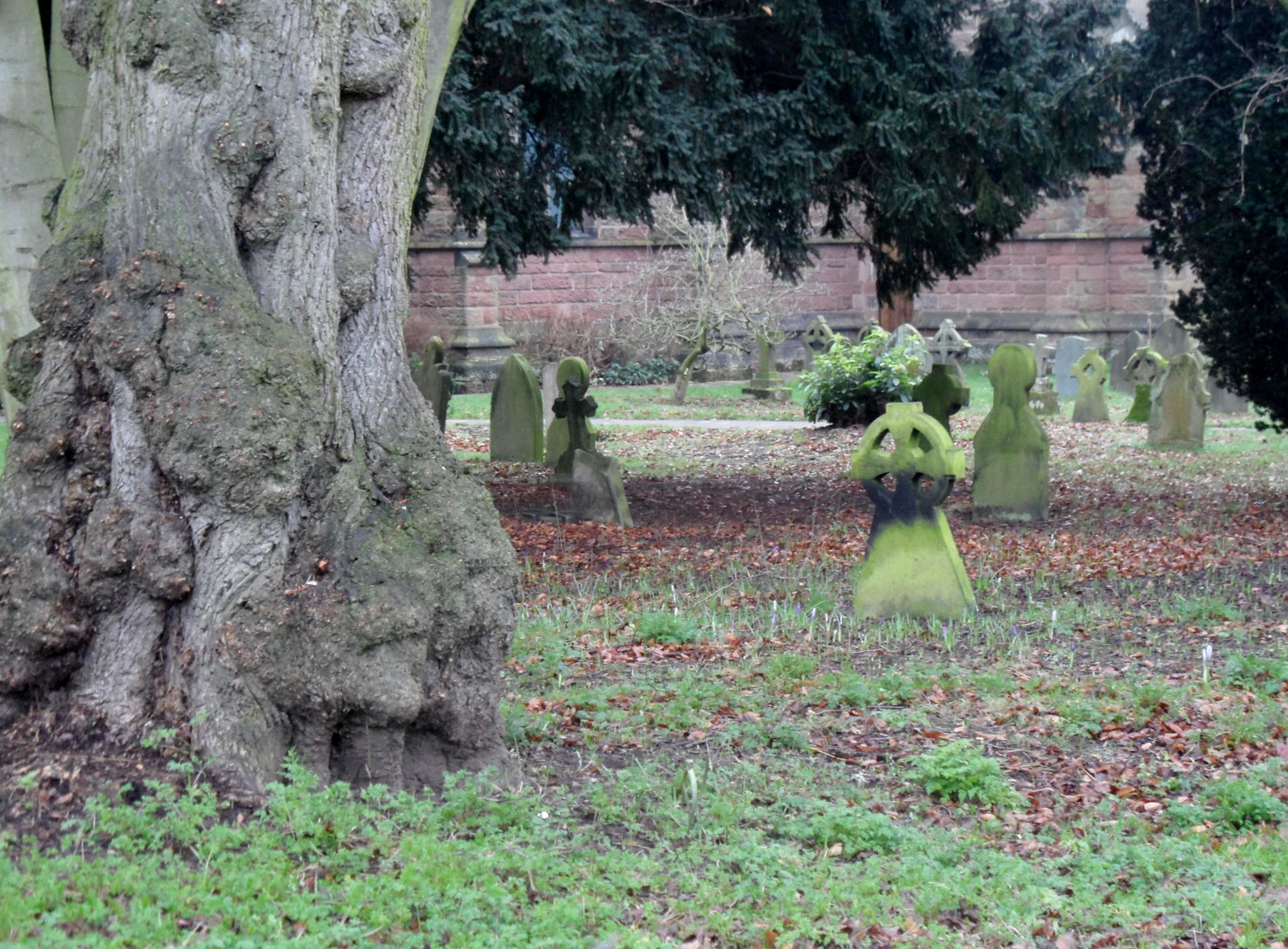
I visited Christ Church on a numbingly cold and drab January afternoon, and I welcomed the sight of the first crocuses and snowdrops beginning to appear amongst the stones erected as memorials to those who once lived here in the parish.
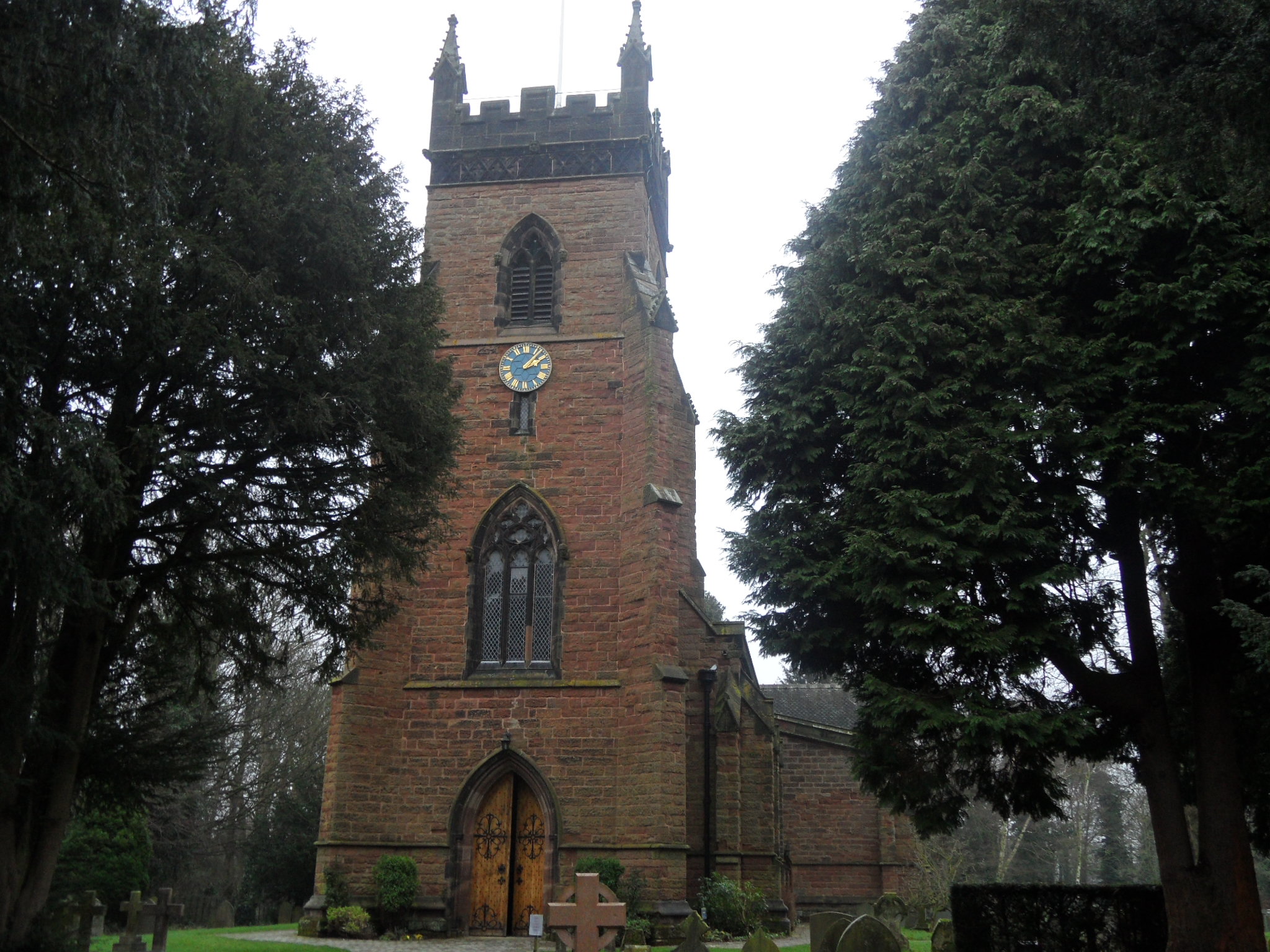
Of course, memorials can take different forms and the blue clock on the tower is dedicated to the memory of Sarah Worthington, of Maple Hayes, presented by her husband Albert Octavius of the Burton brewing company. (1)
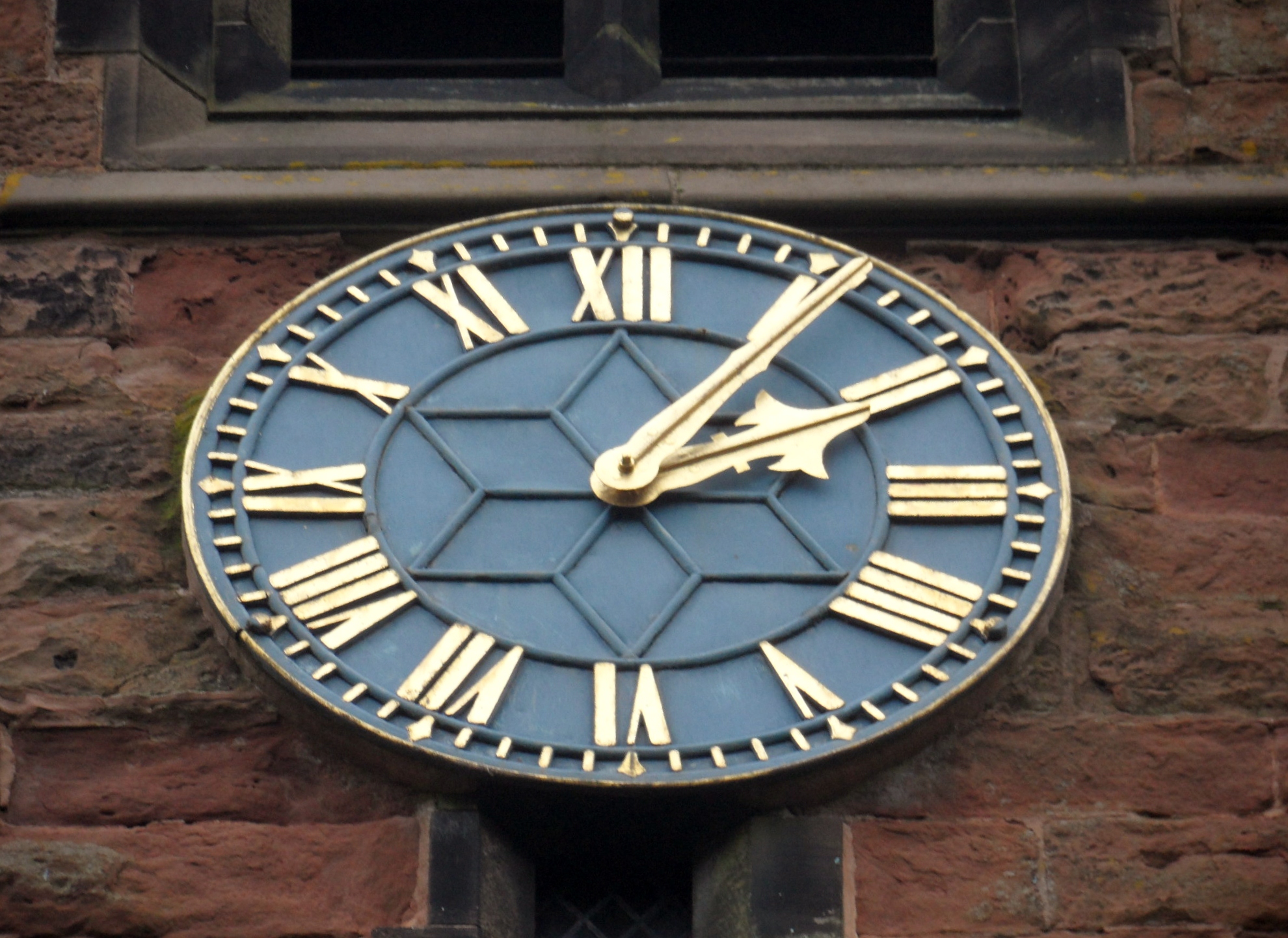
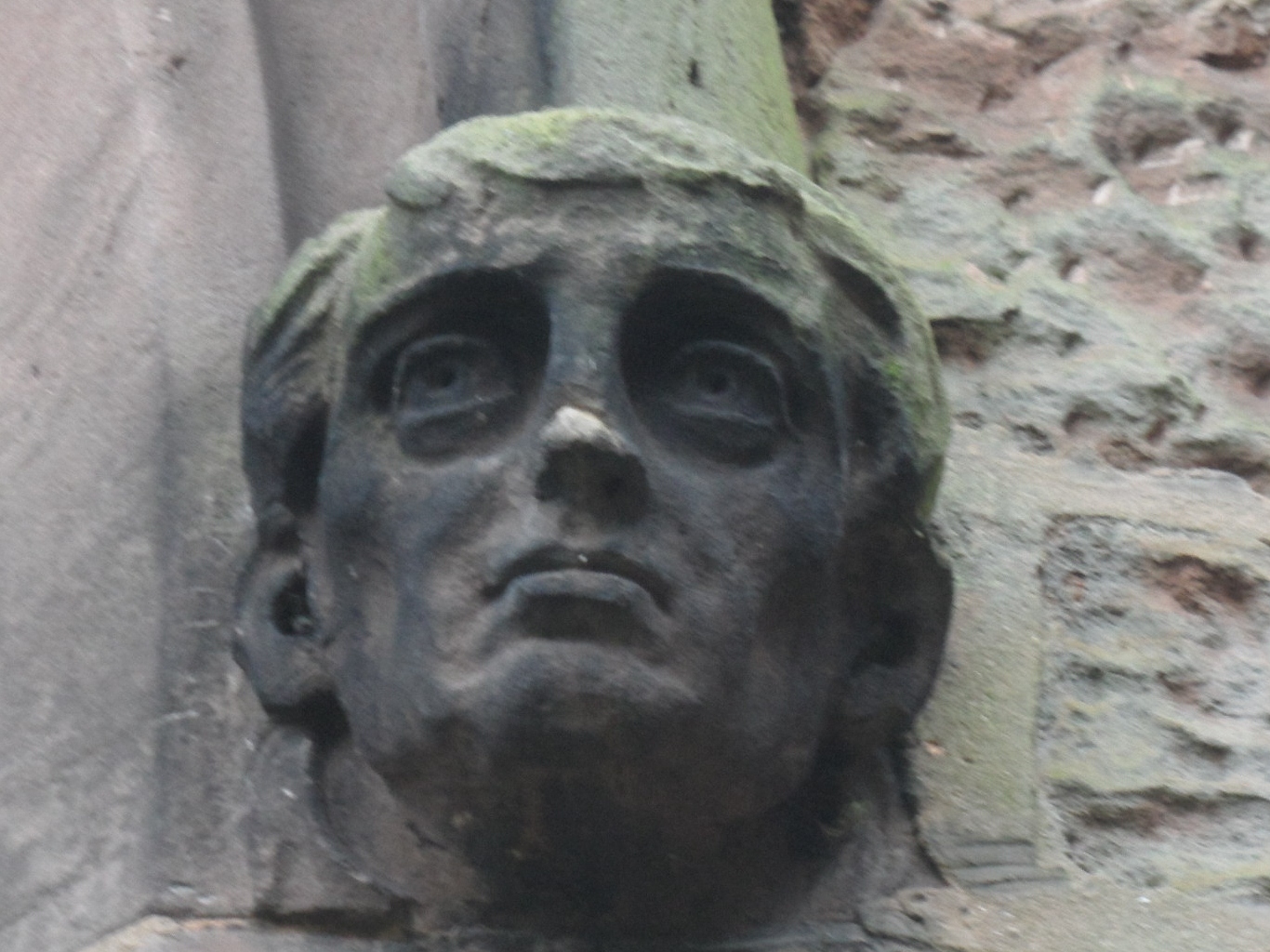
As you look at the clock face, on either side of the window below you notice faces of a different kind. On closer inspection, more of these faces can be found all around the church and I’ve included a few examples below.

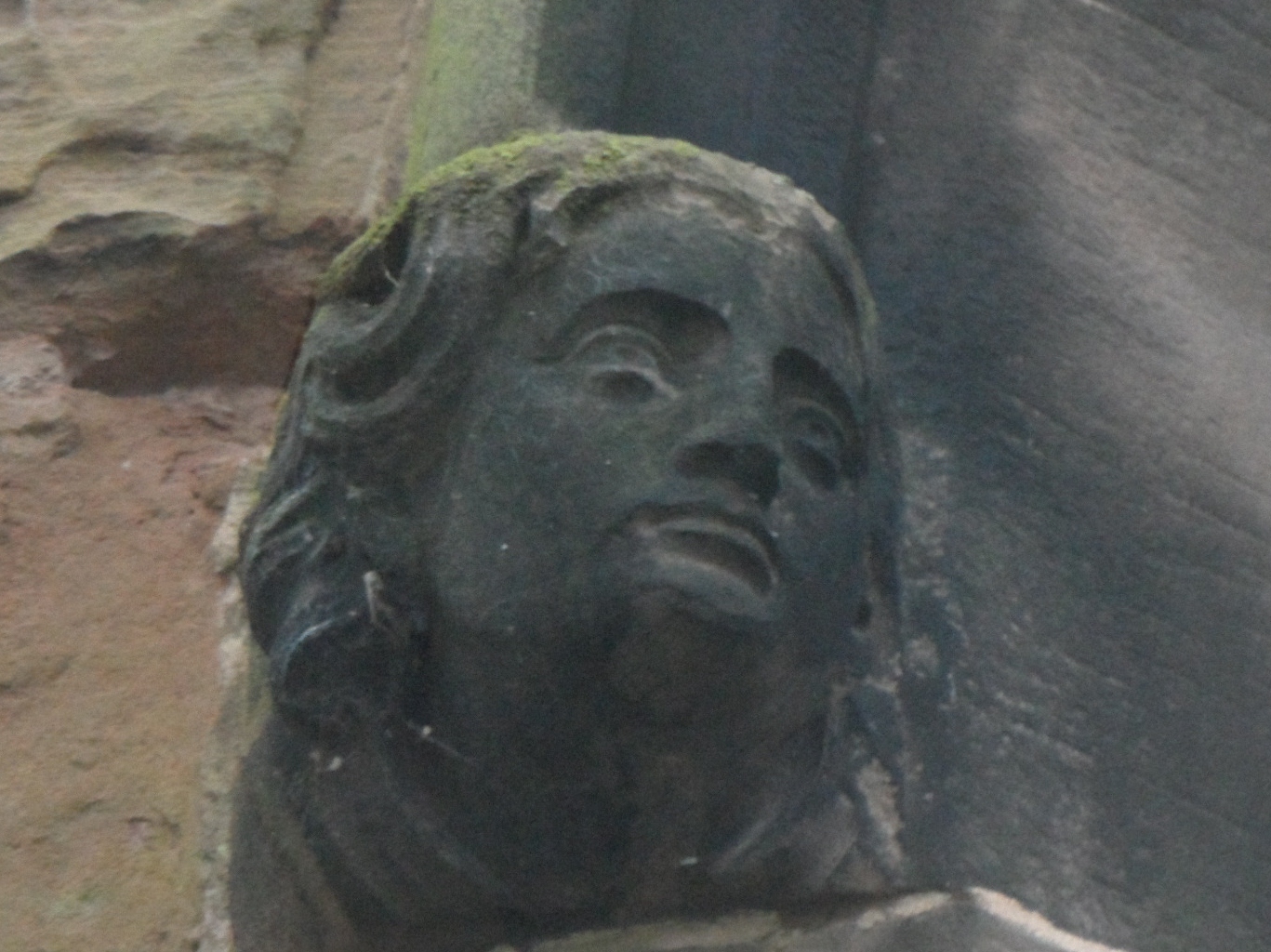
The church was built in 1847, in the Gothic Revival style, and so I imagine the architect Thomas Johnson (of Davidson House, St John St) included them to emulate the corbel heads found in medieval churches (a good example and explanation can be seen on the V&A website here). This might explain what they are, and why they are here, but not necessarily who they are! (3)

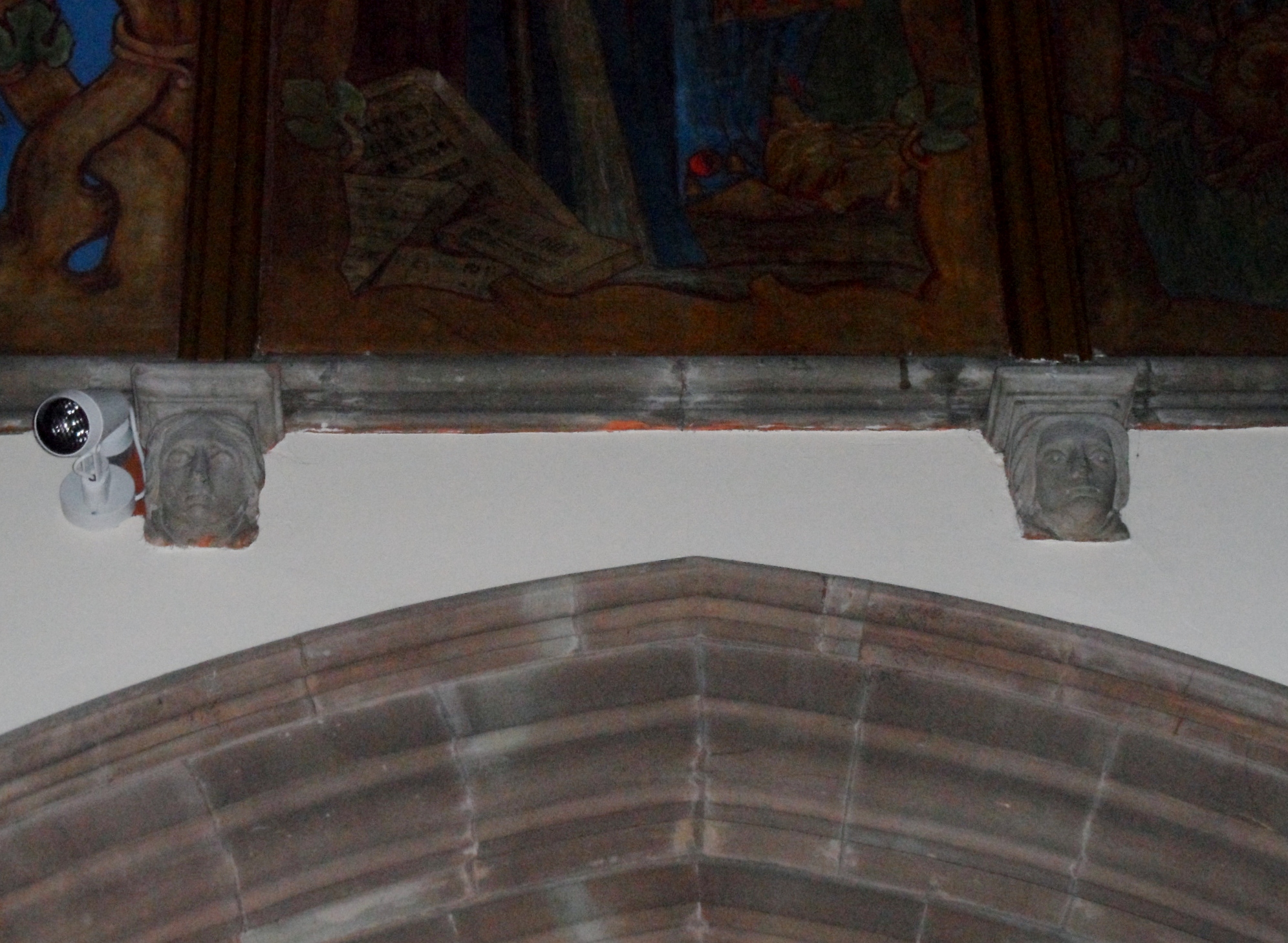
As I stood thinking about the faces, someone arrived to unlock the church door. I explained that I’d been looking at the stone heads and was told that there are more inside and was invited in. Apparently, despite being the subject of much debate, no-one quite knows the story behind them. One suggestion that has been put forward is that they are benefactors of the church. Two of the chest tombs behind the church belong to Ellen Jane Hinckley, the founder of the church and her husband Richard Hinckley, who gave land in the corner of their Beacon Place estate on which to build the church. (2) Are they also here at their church in stone form? Is the portrait of Thomas Johnson the architect or the church’s first curate Thomas Alfred Bangham to be found here? Do they depict people who used to live in the parish or are these heads in fact creations from inside the head of the stonemason?!

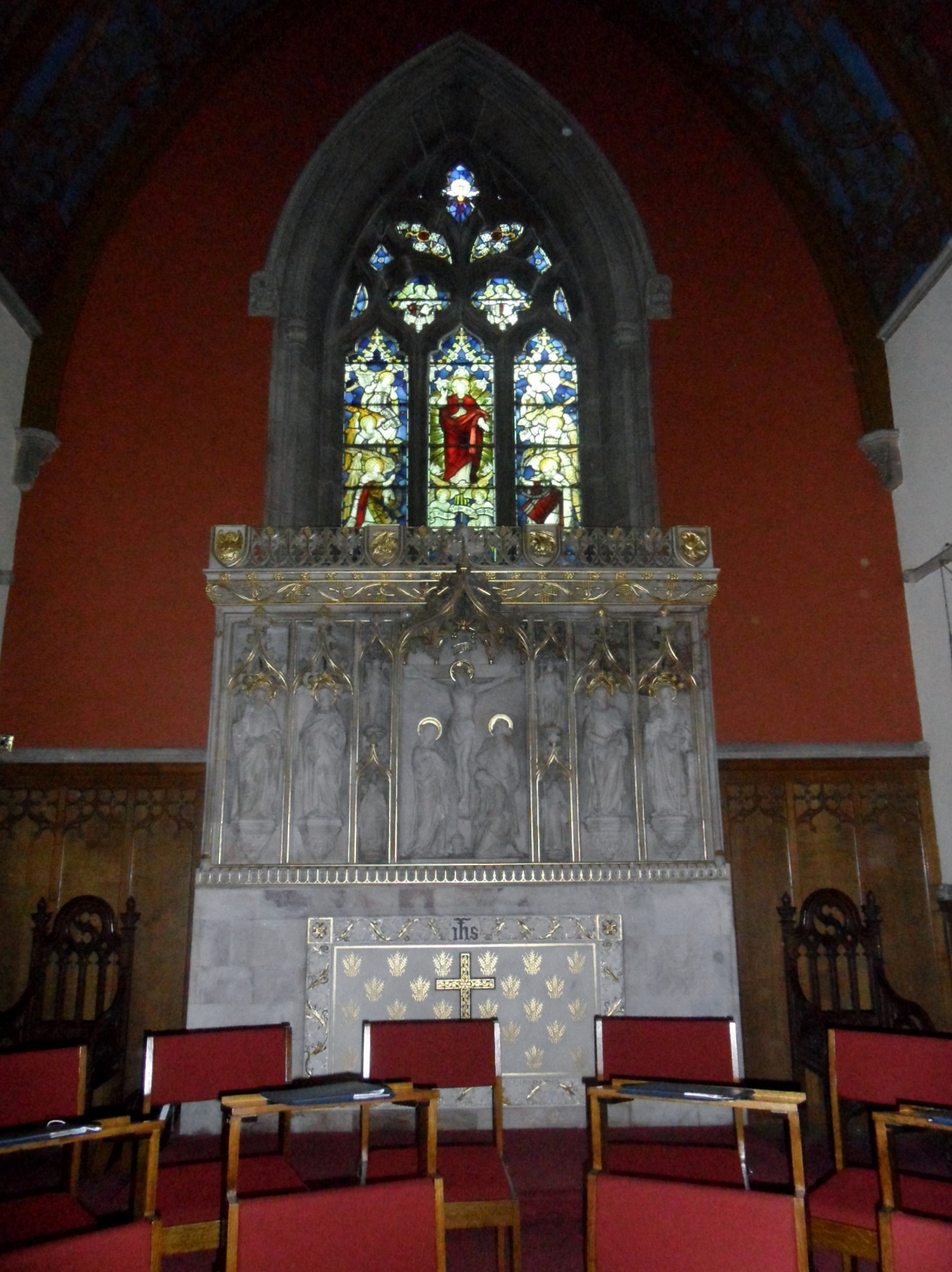
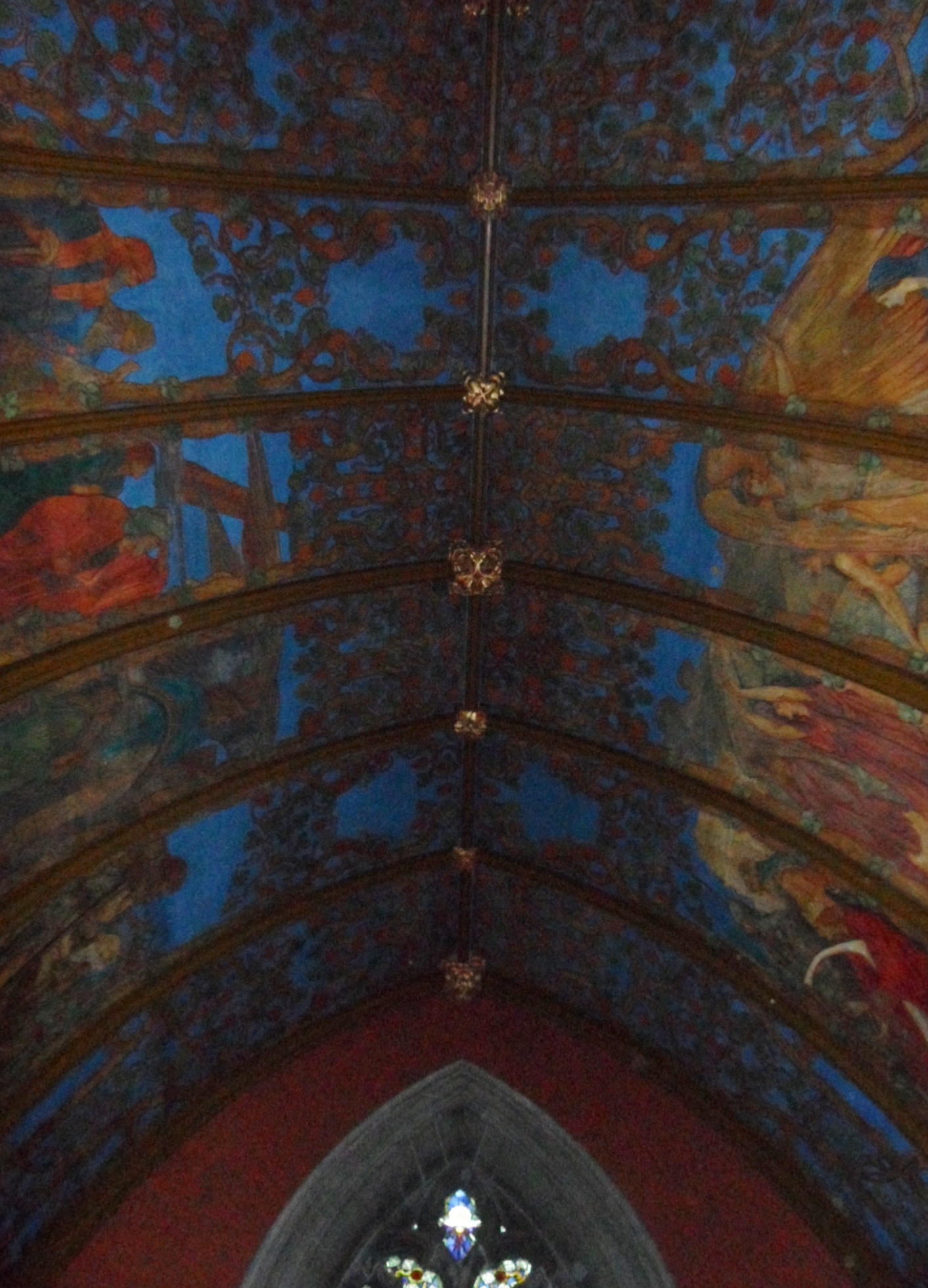
Inside, the majority of corbel heads are in and around the chancel, which has the most stunning ceiling. Although this is not my first time inside the church, it is the first time I’ve been in and concentrated solely on the building, rather than what is going on within it.  It hardly needs pointing out that my photos do it no justice whatsoever, but they do at least give some idea of the beautiful murals painted for the church’s Golden Jubilee by Pre-Raphaelite artist John Dixon Batten in 1897,  and the reredos, designed by GF Bodley and carved by the sculptors Bridgemans of Lichfield (a discovery of both a new word and a new example of Bridgemans’ work for me!). (4)
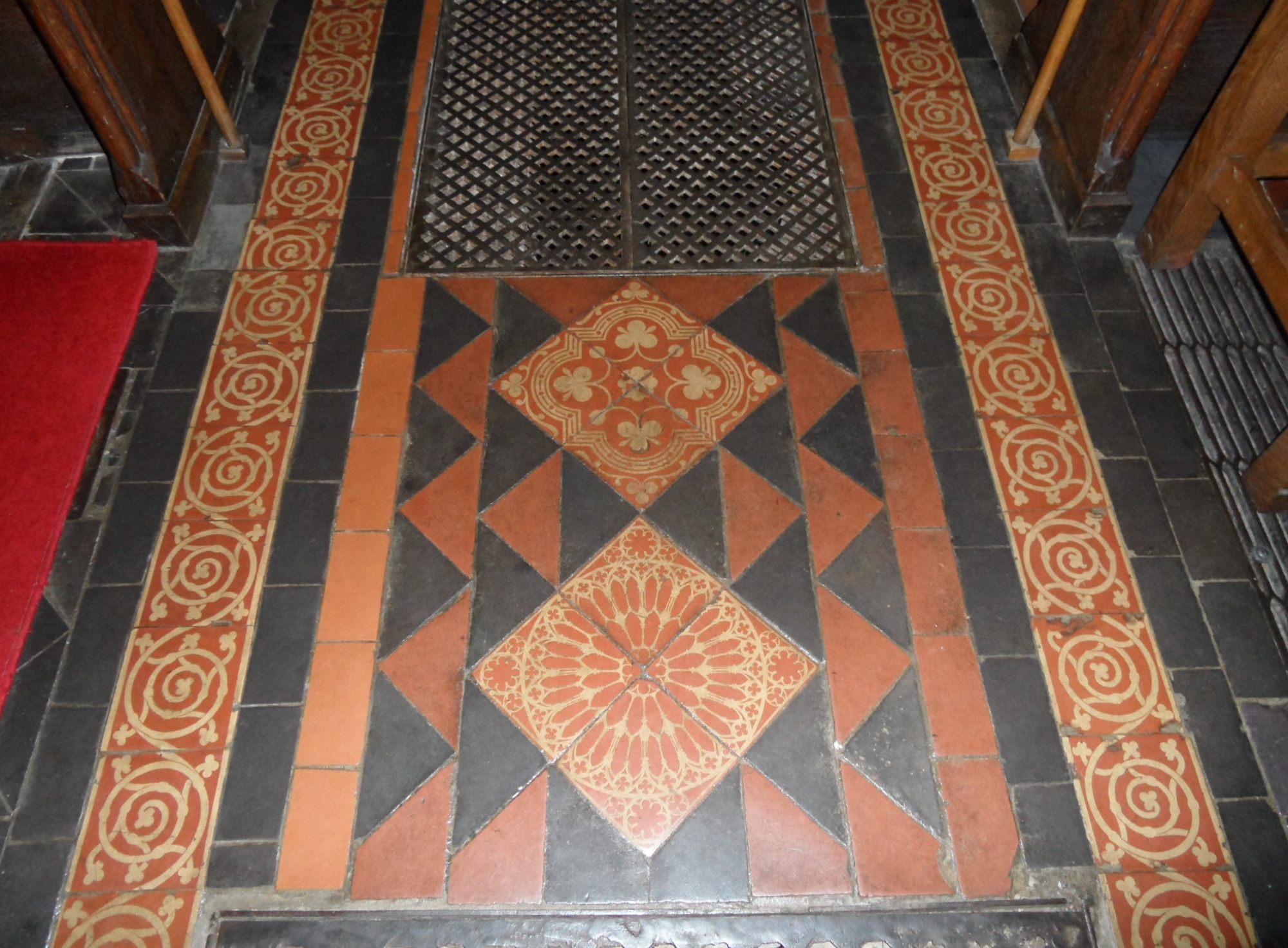
I made my way back outside down the aisle, laid with original Minton tiles (5).
The day should have seemed even greyer after the rich, warm colours of the church but with a copy of the newly purchased and brilliantly researched ‘History of Christ Church’ in my bag and the knowledge that such treasures were to be found on my doorstep, it actually felt considerably brighter.

Edit 10/02/2013 Good news! There’s a sign outside Christ Church saying that there is an open day on 9th March – a great opportunity to go and visit this lovely church for yourself. By then, there may even be some spring flowers and wild garlic in the lane alongside which is a nice thought, when you’re sat typing with snow drifting down outside the window. More details here

Notes

(1) The clock was made by John Smith and Sons of Derby a business founded in 1856. Whilst the firm is still going strong, the original headquarters were at risk as these photos and a news story from February 2011 (read here) show. I’d be interested to know what the current state of the building is? Also, it’s not only the clock we have the county of Derbyshire to thank for! The church’s Millenium Gates were created by David Tucker, a master Blacksmith from Derbyshire, that I wrote about here

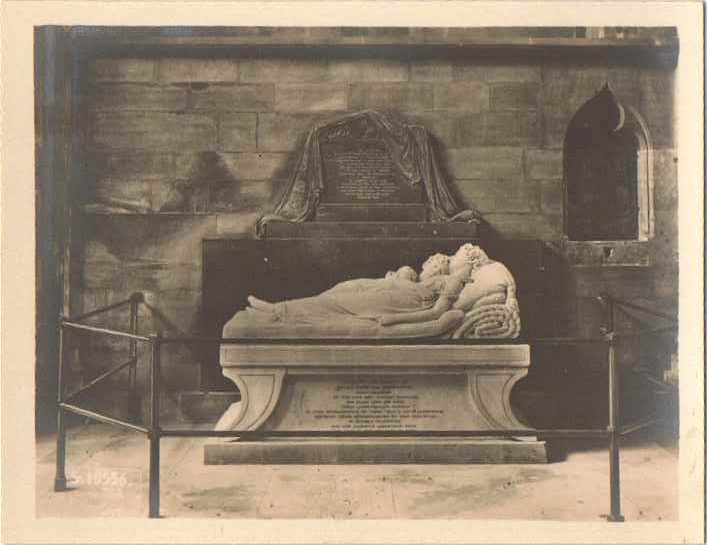
(2) The third of the Hinckley Tombs belongs to Mrs Hinckley’s son from her second marriage to Hugh Dyke Acland. Mrs Hinckley’s daughters from her first marriage, are the girls depicted in Francis Chantrey’s sculpture known as ‘The Sleeping Children’ as Lichfield Cathedral
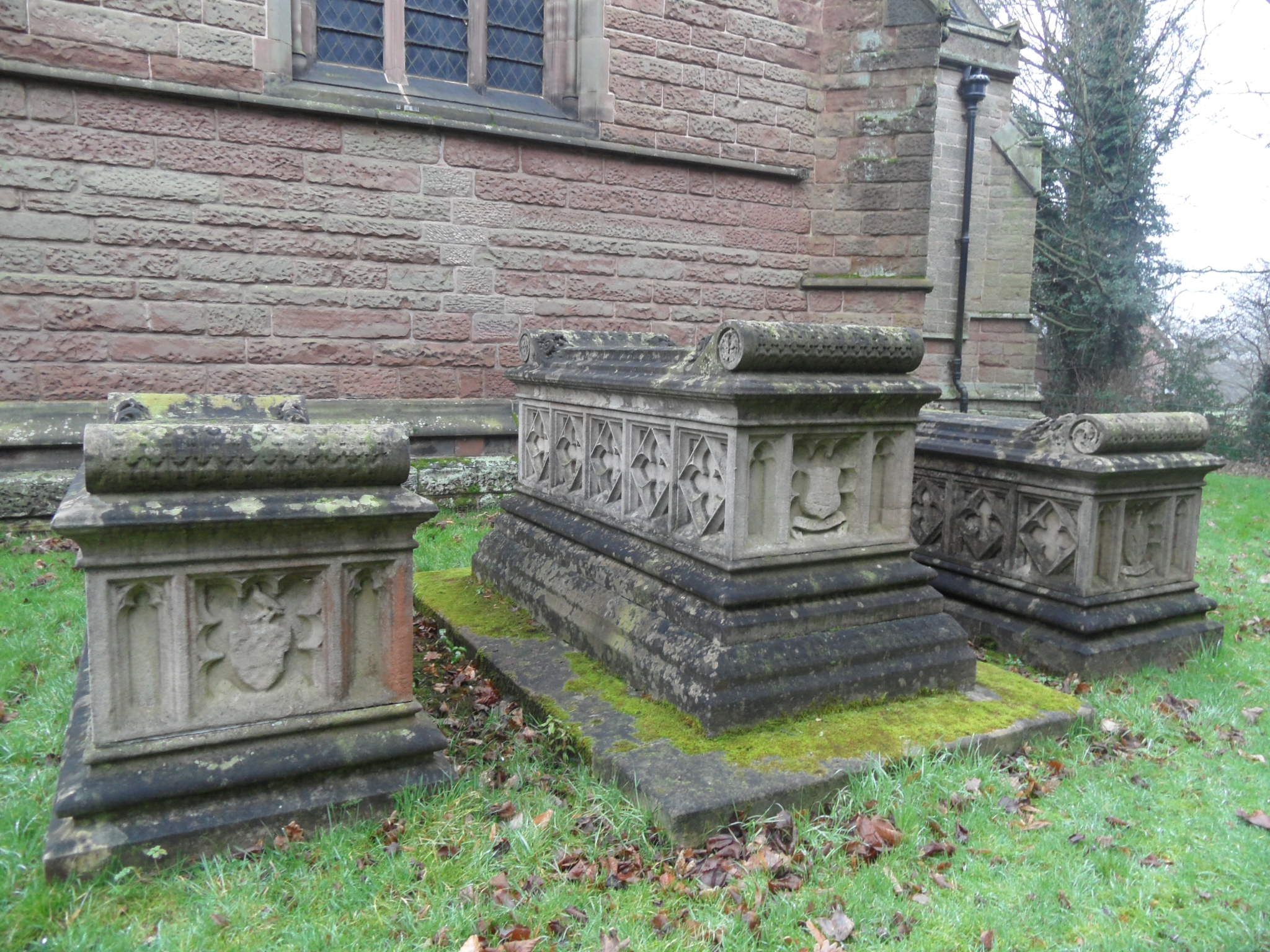
Hinckley Tombs, Christ Church

(3) In a 1950s edition of Life magazine, I came across an interesting article about Southwell Minster in Nottinghamshire. Their old carved heads had eroded badly, and so a stonemason was enlisted to restore them. However, rather than recreate the old images, he carved new images of people associated with the church at that time including a bell ringer, the clock winder, a dog whipper (actually in charge of the grounds) and the youngest member of the church choir (who would now be in his 60s). You can read the article and see the photos here 

(4) I believe that Bodley and Bridgemans also collaborated on the South African war monument in Duncombe Place, York, which is where the sailor on the wall of Lichfield Registry Office was originally destined for but was apparently rejected  for being too warlike.

(5) Between 1844 and 1858, Herbert Minton donated tiles to 46 Staffordshire churches & parsonages. More information can be found in the report ‘Minton Tiles in the Churches of Staffordshire’, carried out by Lynn Pearson for the Tiles and Architectural Ceramics Society. At the time of the report in the year 2000, amongst others, there were also examples at St Mary’s, Aldridge, possibly St James’ Church, Brownhills (though covered) and St Peter’s, Elford. An online version of the report with photographs can be found here 

Sources:

Christ Church Lichfield – A History by Ursula Frances Turner, later revisions Robert Hazel, Julia Baker and Larry Ridout

Public Sculpture of Staffordshire and the Black Country – George Thomas Noszlopy and Fiona Waterhouse

ExpLore – Lanes Around Leomansley

Walking is such a pleasure. I get seriously itchy feet if deprived for more than a day or so, and my spirits are always lifted after a good old trudge around. Exploring somewhere for the first time is fantastic, but I also love to walk around the places I know. It somehow gives me feel warm and comfortable feeling, like a favourite old cardigan. And of course, sometimes there can be surprises up even the most familiar sleeve…

I’ve decided I’d like to try and put some walks here so that people can get out and explore for themselves.  One of my best loved walks is of course around Leomansley, so here’s a walk around the lanes that I hope you’ll enjoy doing for yourself. Naturally,  I always encourage straying from the path to investigate something that looks interesting. Getting lost is part of the fun!

Lanes Around Leomansley

The map below gives a rough idea of the route, which is about 2km (depending on how many diversions you take!). I’ve marked some of the points that I think are of interest but of course there may be other things…….Below the map is a PDF with a written version of the route, giving information about each of the points. Hope you enjoy it, I’d like to hear how you get on!

Lanes Around Leomansley walk


Tree following: Midsummer

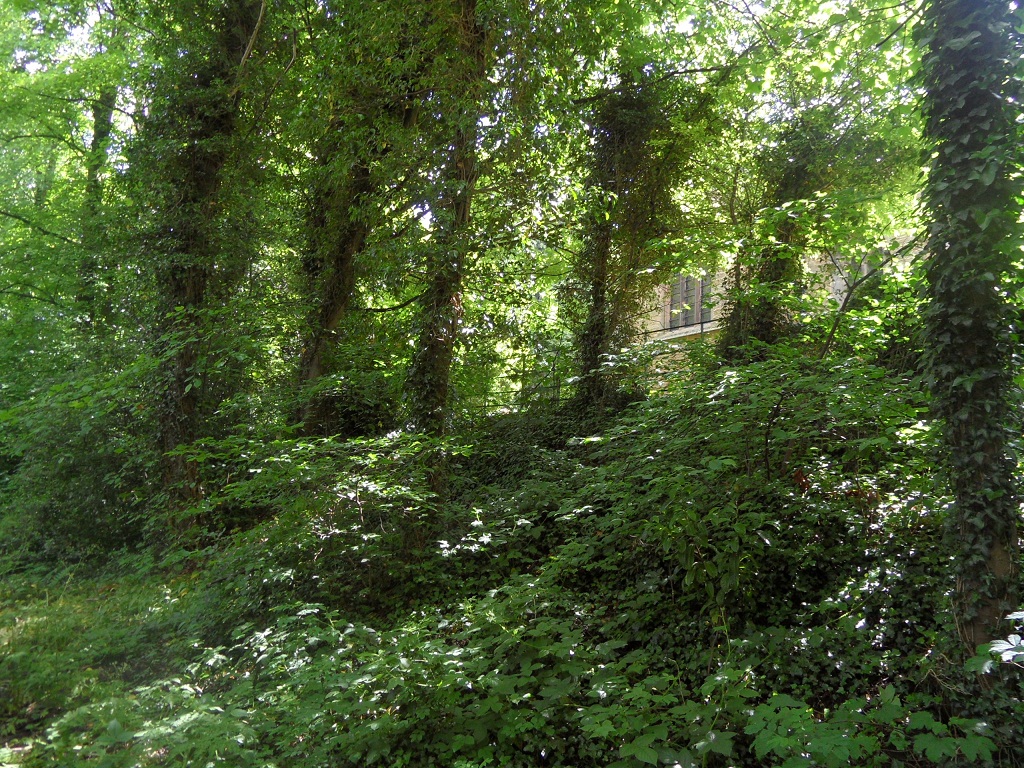
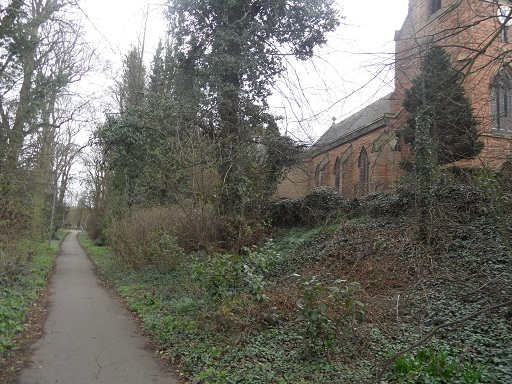
Even though it feels as if it’s barely begun, it’s already Midsummer and the lane next to the church is now green and leafy. Lovely as it is, this is probably the least interesting time for the lane.

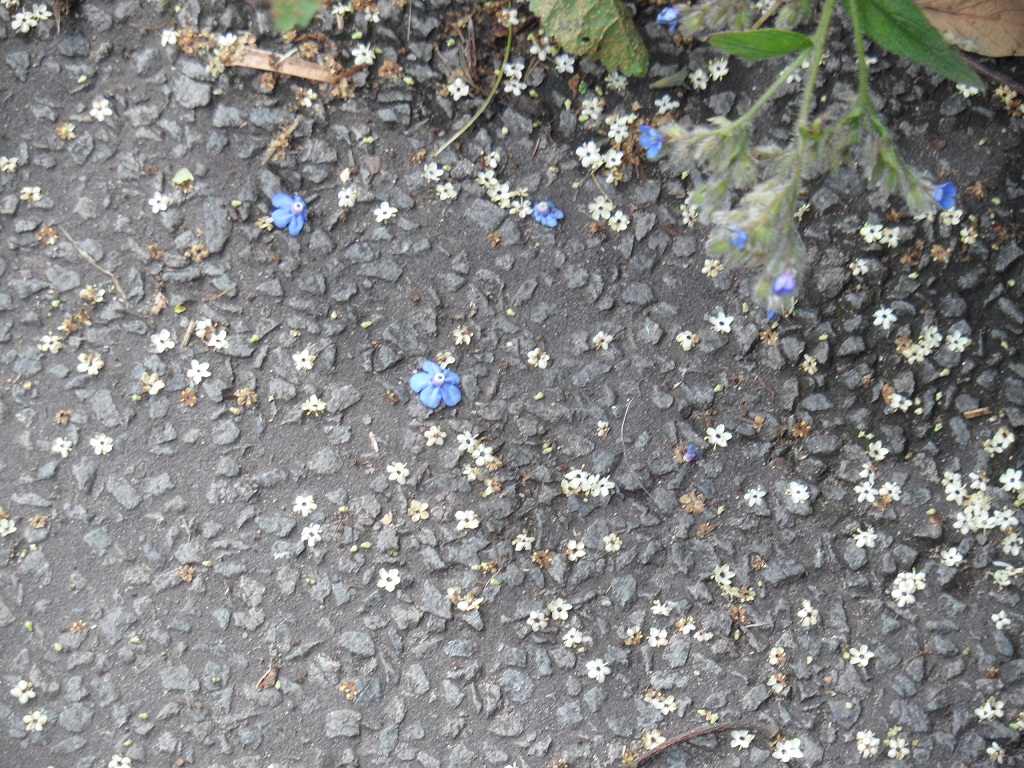
Fallen elderflowers and other petals lie scattered like confetti from nearby Christ Church.

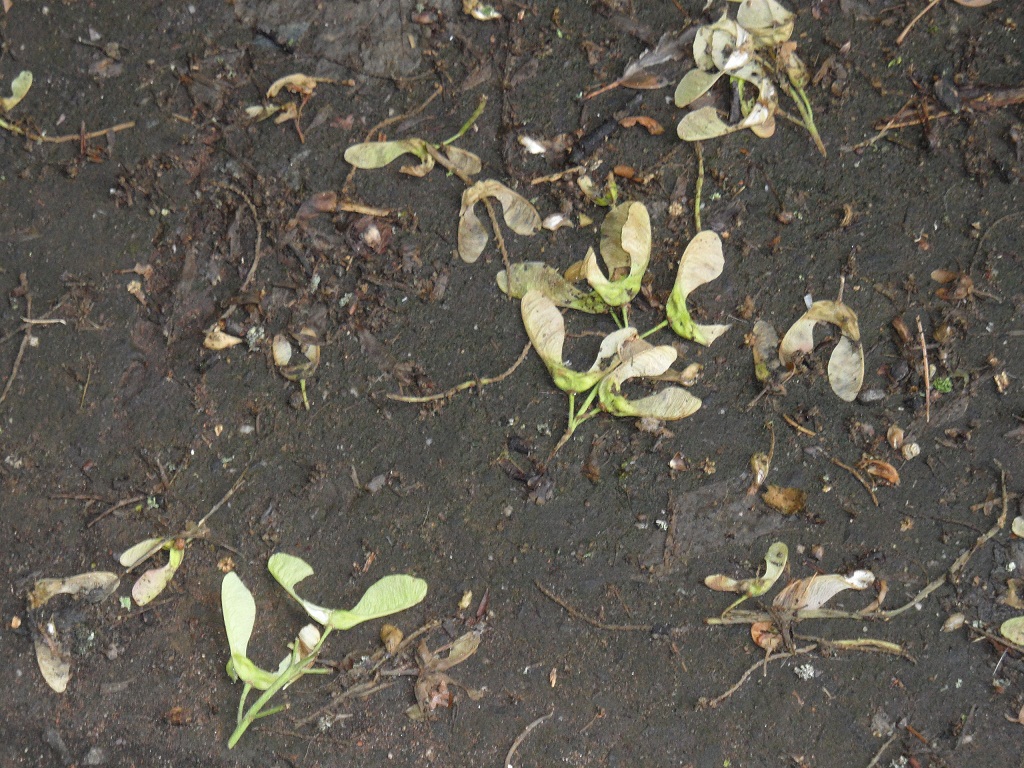
Alongside them are Midsummer reminders of Autumn.

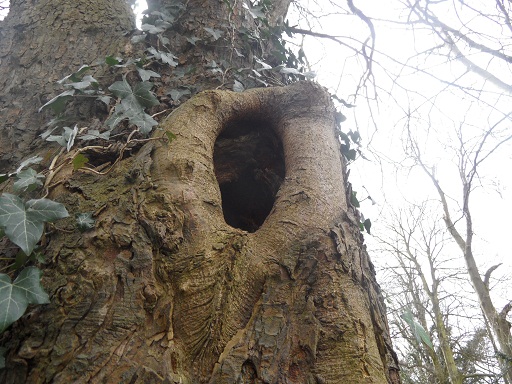
The holes in the tree still hold a fascination for me. I put my hand in and took some more photos of the inside, with irrational thoughts of the Boca della Verita at the back of my mind.


Tree following: White Heat

“No, I can’t come out with you, I’m supposed to be working”. “You know you want to… I’m only going to be around for the next few days and then I don’t know when I’ll be back in Lichfield again”. “Oh, go on then…..”

Yes, my old friend summer is back in town, and so I went to see how my tree that I follow on the path from Leomansley Wood to Pipe Green is getting on. To be honest I’m now following pretty much the whole path, so the tree doesn’t get that much of a look in these days. I’m sure it’ll come in to its own as the seasons progress though!

It was a delight for most of the senses.  Birdsong and drumming woodpeckers, butterflies and an abundance of mostly white flowers along the floor and hedgerows, the warmth of the sun, the cool of the breeze and the shade of the trees and of course the scent of early summer in the air. Taste is the only one that eluded me on my walk (although I’m sure there were probably some wild goodies I could have tried if I was both more knowledgeable and brave about these things). I think my tea & cake when I got home might just about count though.

Tree following: Tree Routes

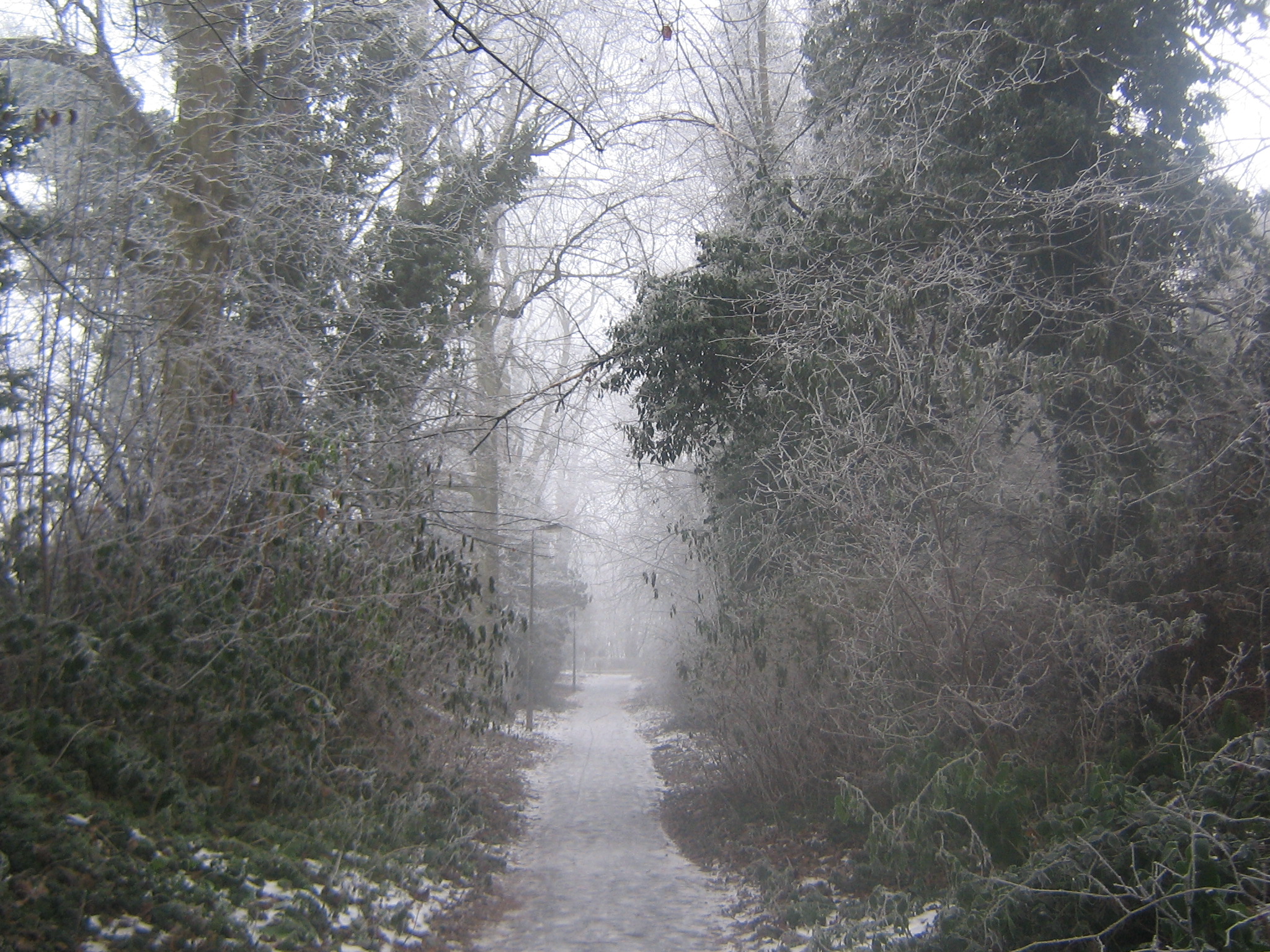
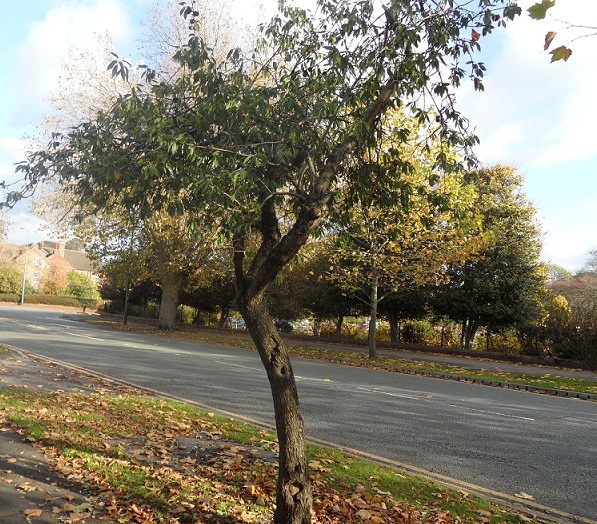
As far I understand it, the path running past Christ Church was at one point the old Walsall Rd, ‘realigned under an Act of 1832 with the new Queen Street and Walsall Road bypassing the route along Lower Sandford Street and what was later called Christchurch Lane. That lane takes its name from the church opened in 1847, and by then it had been continued south-west from the church to the new Walsall road, the old line from Lower Sandford Street having been turned into a drive for Beacon Place’.(1)

The path is surrounded by trees that I believe were planted in the mid-19th century by the Hinckleys of Beacon Place, the estate that occupied most of what is now Beacon Park between 1800-ish and 1964, when the house was demolished.
So that’s a bit of historical scene setting, now what about the tree!

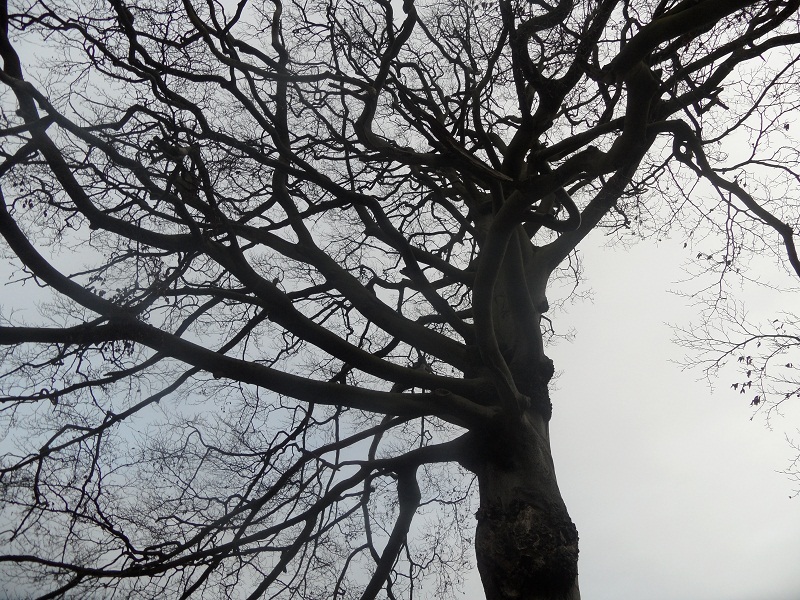
There’s one along this path in particular that seems to attract attention. Several people have commented on it in the past. I even heard a girl refer to it as ‘The Skeleton Tree’! I’m not even sure what kind of tree this is but how could I resist following it?!

How do holes like this form in a tree? As usual, on nature matters I can’t offer any upfront answers (though rest assured I shall be trying to find out, part of the reason I’m doing this is to learn things!) but I can give you a peep into the hole nearest to the ground.


And a close up of the one at the top…….


Nearby, the snowdrops are looking very shabby now.

I love to see these little flowers at the end of the winter, but I have to confess I’m even happier when I see these…

Not quite a host, but enough to signal that spring has arrived in this part of Lichfield! The wild garlic has also made an appearance. The aroma from the leaves is incredible, I’m sorry I can’t share it. No pretty white flowers yet though, let’s see what April brings for the Old Walsall Road!

Talking of Walsall, I’ve just found out that the brilliant & enthusiatic Morgan, a Walsall Countryside Ranger has started a Walsall Wildlife blog. She’s one of the most knowledgable people I know about nature and I’ve learnt loads from her (although clearly this is very much an ongoing education 😉 ). I really recommend that you check out this and the Walsall Wildlife flickrstream.  I bet Morgan even knows how those holes in the trees got there……!

Sources:

(1)’Lichfield: The 19th century’, A History of the County of Stafford: Volume 14: Lichfield (1990), pp. 24-32. URL: http://www.british-history.ac.uk/report.aspx?compid=42338  Date accessed: 25 March 2012.


Take a Bough

I’ve heard about a project called Tree Following via Gary Webb on Twitter, who is following a London Plane at Compton Verney. The project is being run by Lucy Corrander on her Loose and Leafy blog and the idea is to follow the life of a tree or a group of trees, returning at various points in the year to note the changes and what’s going on.

I love how trees reflect the changing seasons but also what they can tell us about our changing surroundings. For example, some like those at Beacon Park, are reminders of an old estate, when the buildings themselves are long gone.  I like the idea that each species of tree has a history, with its own uses and customs and also that there have been trees in the past which have been so important they have given their name to an area, such as the Shire Oak at Walsall Wood.

Which tree(s) should I follow though? Here are some contenders, in and around Lichfield.

My current thoughts are that I’ll choose a tree at Leomansley Wood and also our cider orchard at Fisherwick. I hope the comparison between a mature woodland tree and an orchard sapling will be interesting. Although, as you can see from the photo, the cider trees aren’t much more than sticks at the moment, so we’ll see!

The Gates of Christ Church

I often walk past the gates of Christ Church and was delighted when David Tucker, designer and creator of the gates, responded to my request for information about this wonderful part of our surroundings.

David is a Master Blacksmith based in Derbyshire and thanks to him I’ve discovered not just about this thoughtfully crafted, original ironwork we have here in Leomansley, but also something about this traditional craft in the 21st century.

Christ Church Millenium Gates by David Tucker

Here’s David’s own account of the creation of the gates:

These gates were commissioned to celebrate the Millennium and were completed and installed in the year 2000.

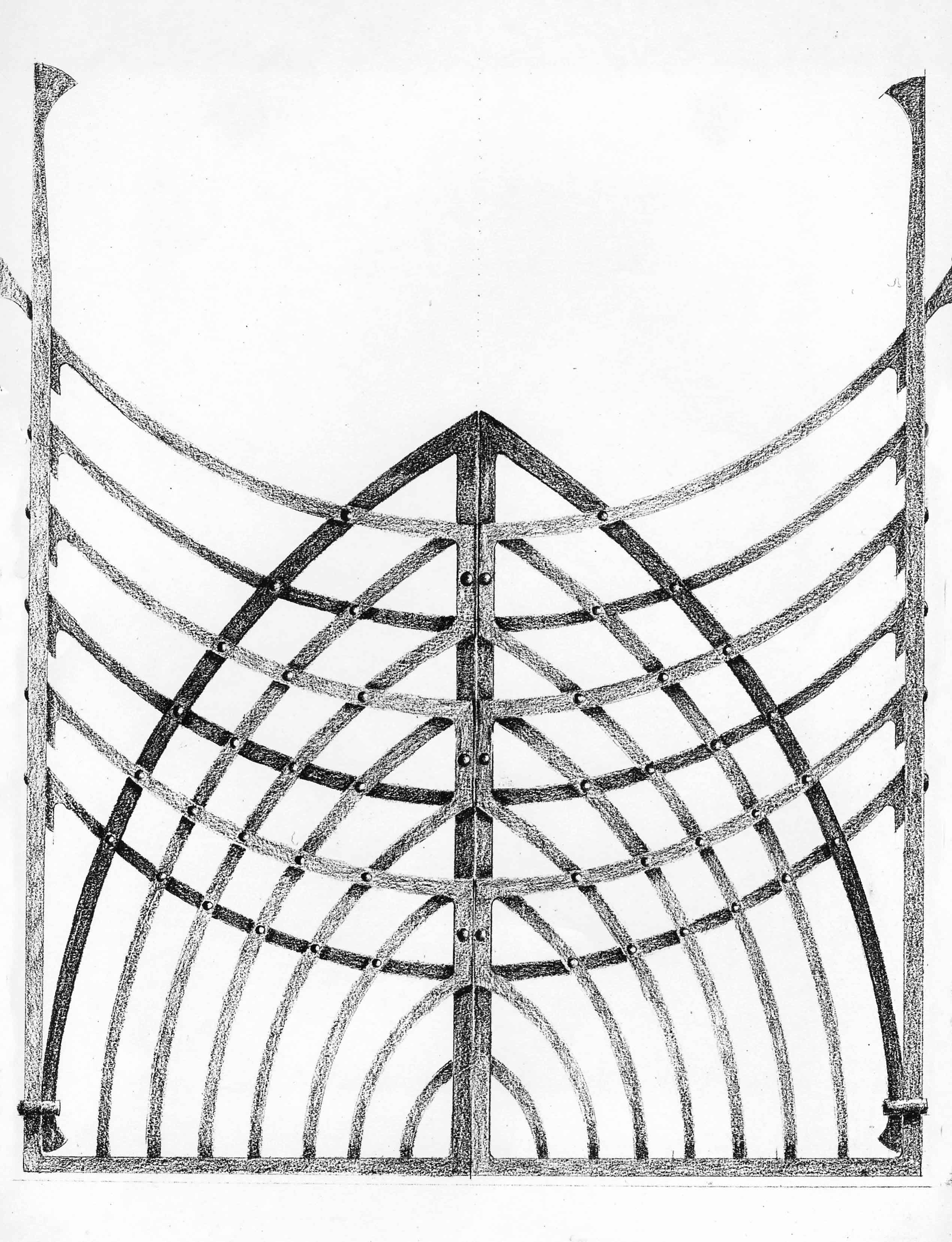
I am a Master Blacksmith and hand forge individually designed ironwork in response to the character and history of the setting. In this case, I was immediately struck by the lovely gothic arches and decided that I would like to reflect these strong forms in my gate. The gothic arch is synonymous with the church and I liked the idea of looking through my gates and seeing the same arches within the building.

Structure is important to me and I always try to create forms where all is not immediately apparent. I want the regular visitor to discover new facets and aspects to the design over time. The gates are made up of repeated downward-facing arcs and upward-facing gothic arches, placed on opposite sides of the gate, to re-inforce the forms and to create a three-dimensional structure. I love ‘honest’ and traditional methods of fixing and so chose to join the bars together with rivets and collars which just seem to say ‘here we are, holding these bars together’.

In the end, I designed three different options for the gate; a more traditional option, a cheaper option and this one, my own favourite and the most contemporary of the three. I was delighted when the commitee said that they would prefer an original and contemporary option, rather than pastiche. The gates were hand forged by me at my Derbyshire forge. I developed detailing such as hinges and latches etc. as I went along, so they would compliment the over-all design.


David's drawing of the gates


David does of course take commissions and it’s a pleasure to include his business card here.


Beacon Place Part One

Much of what is now Beacon Park in Lichfield once belonged to the Beacon Place (sometimes known as House) estate. The house is long gone, demolished in 1964, but I know that there are some remnants left over! I enjoyed my ‘treasure hunt’ around the old Fisherwick Estate and thought it might be interesting to do something similar a bit closer to home. To avoid this being too long a post, I’m doing it in two parts. Part one is a very brief history of the estate.

George Hand built Beacon Place in the late 18th century. 1 On the death of his widow Ann in 1826, the house was sold in an auction at the George Hotel on Tuesday 28th March 1826. Amongst other things, it was described as having contained a handsome staircase of Hopton Stone, lit by a skylight, a kitchen garden with hothouses and orchards, and good cellars under an excellent kitchen.2

From 1837, Beacon Place was the home of Richard and Ellen Jane Hinckley. As well as extending the house itself, they also gave land for the construction of Christ Church in 1847.  The Hinckley’s had their own pew at the church3, and could see it from the house. As I’ve mentioned before, the lane running alongside the church, over the A51 and into Beacon Park, is an old carriageway that would have led to the house (I think it was also the old Walsall Rd until 1832).4
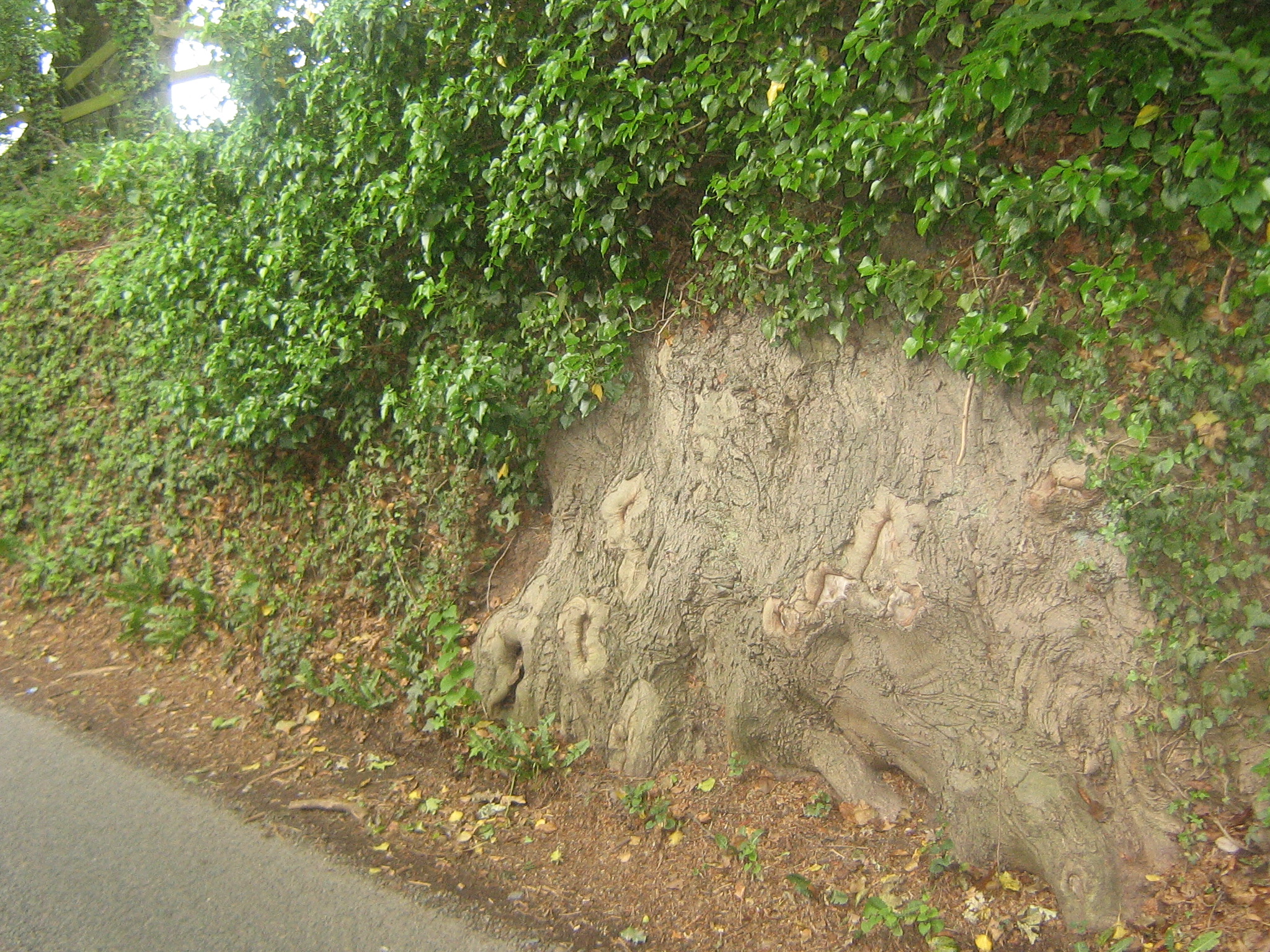
The path between Christ Church and Beacon Park in winter

Richard and Ellen Jane Hinckley are buried in two of the three tombs behind Christ Church. The third tomb is that of Ellen’s son Hugh from her previous marriage to Hugh Acland. Hugh jnr. was one of the first people to be buried in the graveyard.5

Hinckley Tombs, Christ Church

A document at Lichfield Record Office gives an insight into how some of the rooms were furnished. The Inventory and Valuation of Beacon House for Probate on 2nd November 1870, following the death of Mrs Hinckley lists furniture, artwork and decorative items, and even some of the books that she owned.  For example, Mrs Hinckley’s dressing room contained a fire screen, bookshelves, a weather house, an easy chair, a small ivory bust, two cases of insects in glass, a Bible and five pieces of ornamental china. I think there were also portraits of her Father and second husband. The best dinner service used in the house was Ironstone China (from Staffordshire of course!). Some of the Hinckley’s silverware was engraved with family crests or initials. I wonder if there is any still around in someone’s cabinet!6

On Mrs Hinckley’s death the estate passed to her husband’s nephew Arthur Hinckley7  and it was sold at The Swan Hotel on Wednesday 27th October 1880 at 6 o’clock to Samuel Lipscomb Seckham (who I believe was renting Hanch Hall at the time and later also purchased Whittington Old Hall)8. Some of the items listed on the sales particulars are extensive pleasure grounds, flower and kitchen gardens, vineries, peach and hothouses, a coach house, stabling for 6 horses and a labourer’s cottage.  It was described as standing on an elevation which commands beautiful views of the Cathedral and of the open country with ornamental pools and plantations in view of the windows.9

So that’s a brief description of how it was, but what remains of the estate today? Part two to follow shortly!

*Ellen Jane Hinckley was the mother of Marianne and Ellen-Jane Robinson, who are the subjects of the ‘Sleeping Children’ monument in Lichfield Cathedral. The plaque behind the monument belongs to her first husband, and father of the children, Rev Robinson. I learned something new about this well known sculpture recently from a friend who had been on a tour of the Cathedral. Sir Francis Chantrey, the sculptor, apparently left an uncarved piece of marble on the foot of one of the children, as he believed that only God was able to create perfection.

Edit 6/9/2011

There’s a program on BBC iPlayer called Romancing The Stone: The Golden Ages of British Sculpture. In part 2, Mavericks of Empire there is a section on Chantrey and the presenter Alistair Sooke visits Lichfield Cathedral and discusses the monument with the Head Verger. This link should take you to this part of the program http://www.bbc.co.uk/i/yml9v/?t=26m04s

An old photograph of The Sleeping Children Monument in Lichfield Cathdral

Sources:

1. ‘Lichfield: Manors and other estates’, A History of the County of Stafford: Volume 14: Lichfield (1990), pp. 67-72.

2. Sales particulars of Beacon House estate 1826, accessed at Lichfield Records Office

3. The Gentlemans Magazine By Sylvanue Urban Vol XXIX

4. ‘Lichfield: The 19th century’, A History of the County of Stafford: Volume 14: Lichfield (1990), pp. 24-32.

5. Cathedral City by Howard Clayton

6. Inventory & Valuation of Beacon House for Probate accessed at Lichfield Records Office

7. ‘Lichfield: Manors and other estates’, A History of the County of Stafford: Volume 14: Lichfield (1990), pp. 67-72.

8. https://lichfieldlore.co.uk/wp-content/uploads/2011/09/howell.pdf

9. Sales particulars of Beacon House estate 1880, accessed at Lichfield Records Office