Curiouser & Curiouser

On my work journey between Lichfield and Stafford, I used to drive past Wolseley Bridge twice a day, twice a week for two years, always curious about the collection of buildings and machinery opposite The Wolseley Centre and always meaning to return and take a proper look. Today I finally did!

The buildings house antiques, arts and craft businesses. Most are rescued relics from the our agricultural past – barns, stables and dovecotes. The main barn, facing the road, is thought to date back to the 17th century. It was taken down from Parchfield Farm in Colwich and re-erected here in 1985 and there’s a photograph here on Staffordshire Past Track of the work being carried out.

Side view of Parchfields Barn and Dovecote

Today I was lucky enough to see the re-construction of a timber framed building taking place for myself. Willey Barn came to Wolseley from Willey Lodge, in Presteigne, Powys in 1990. By 1993 one half of the barn, a three bay cart shed, had been rebuilt at Wolseley using traditional techniques but the second half, the granary, had remained in storage until now. There are some photographs of the barn in its original location on the planning application (details below).

Other buildings on site are the Moreton Stable and Cattle Shelter, the Ranton Barns, a Dovecote and an RAC callbox. Amidst the agricultural machinery is what looks like a small mine cart with part of a track and an old petrol pump (but please correct me if I’m wrong).  I think it’s fantastic that they have been preserved and given a new lease of life here and would really like to know more about their origins.

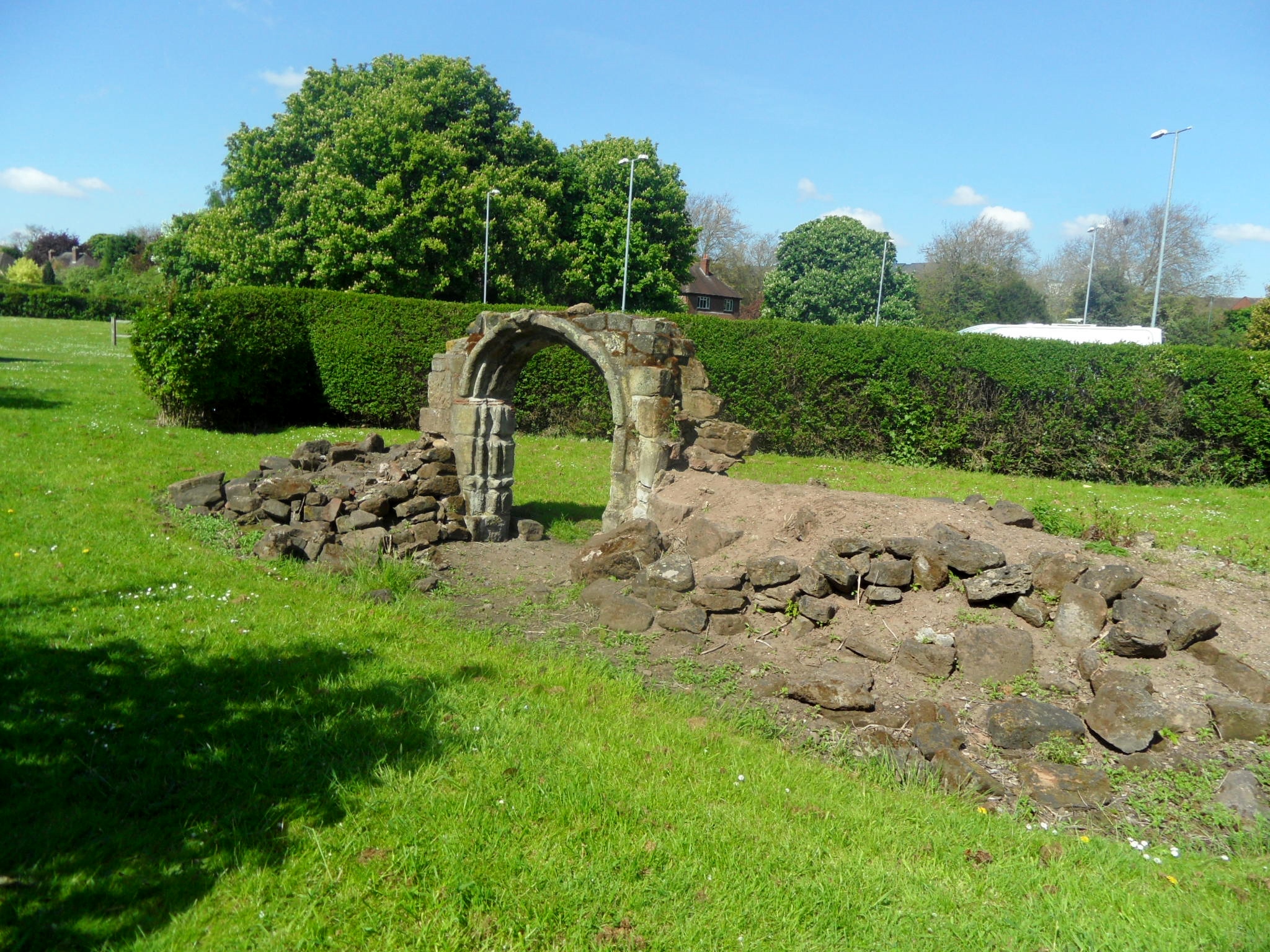
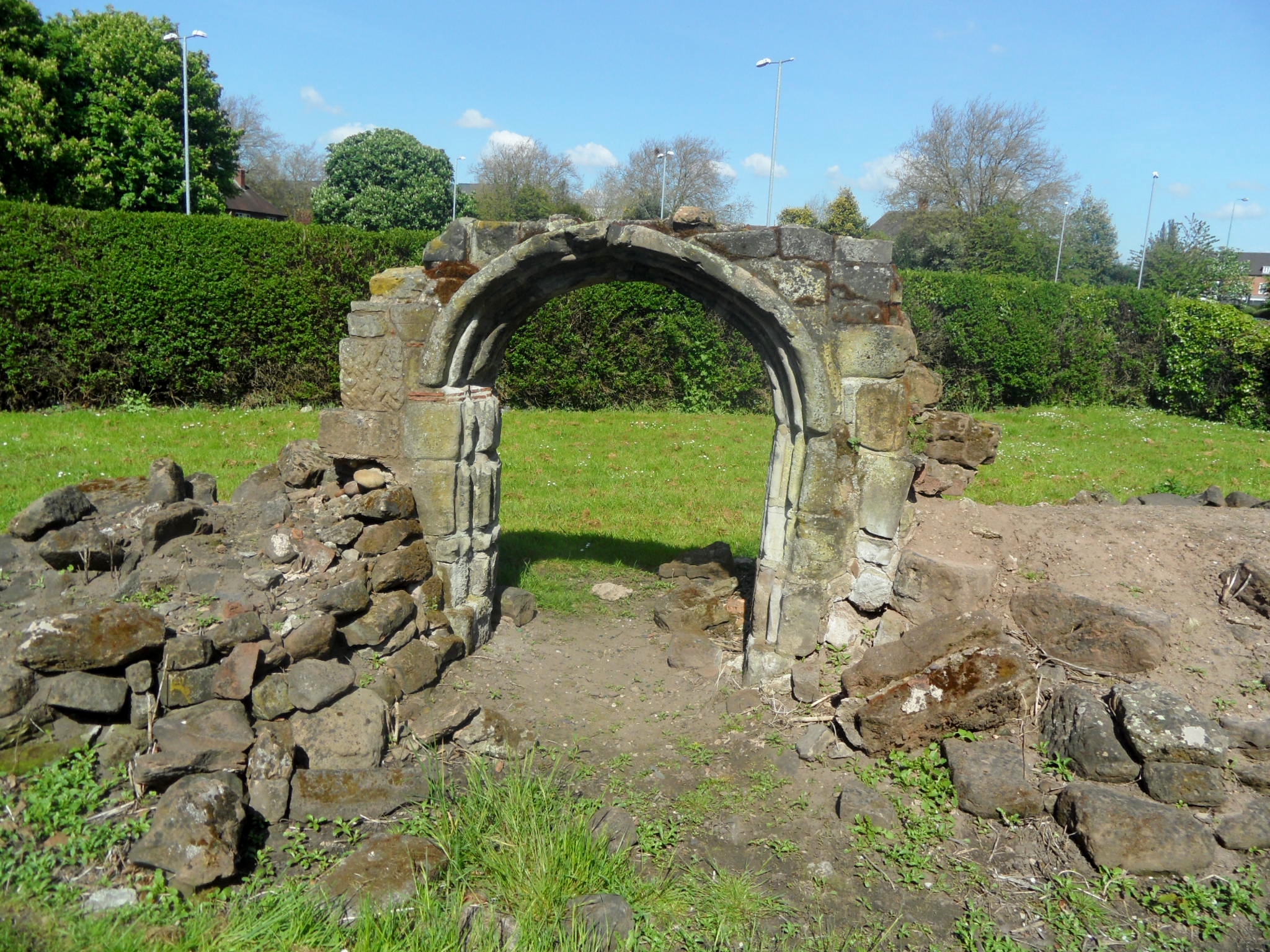
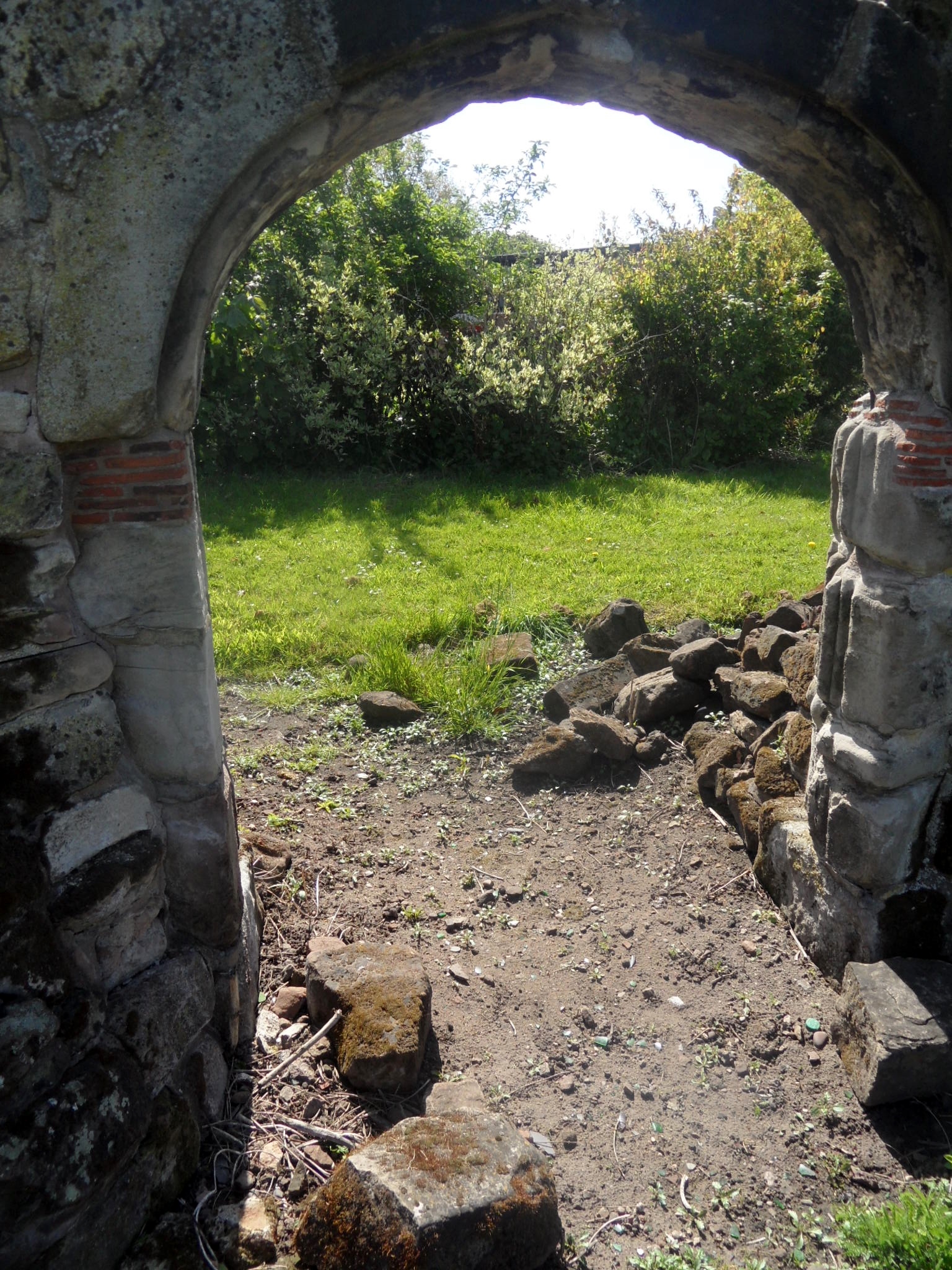
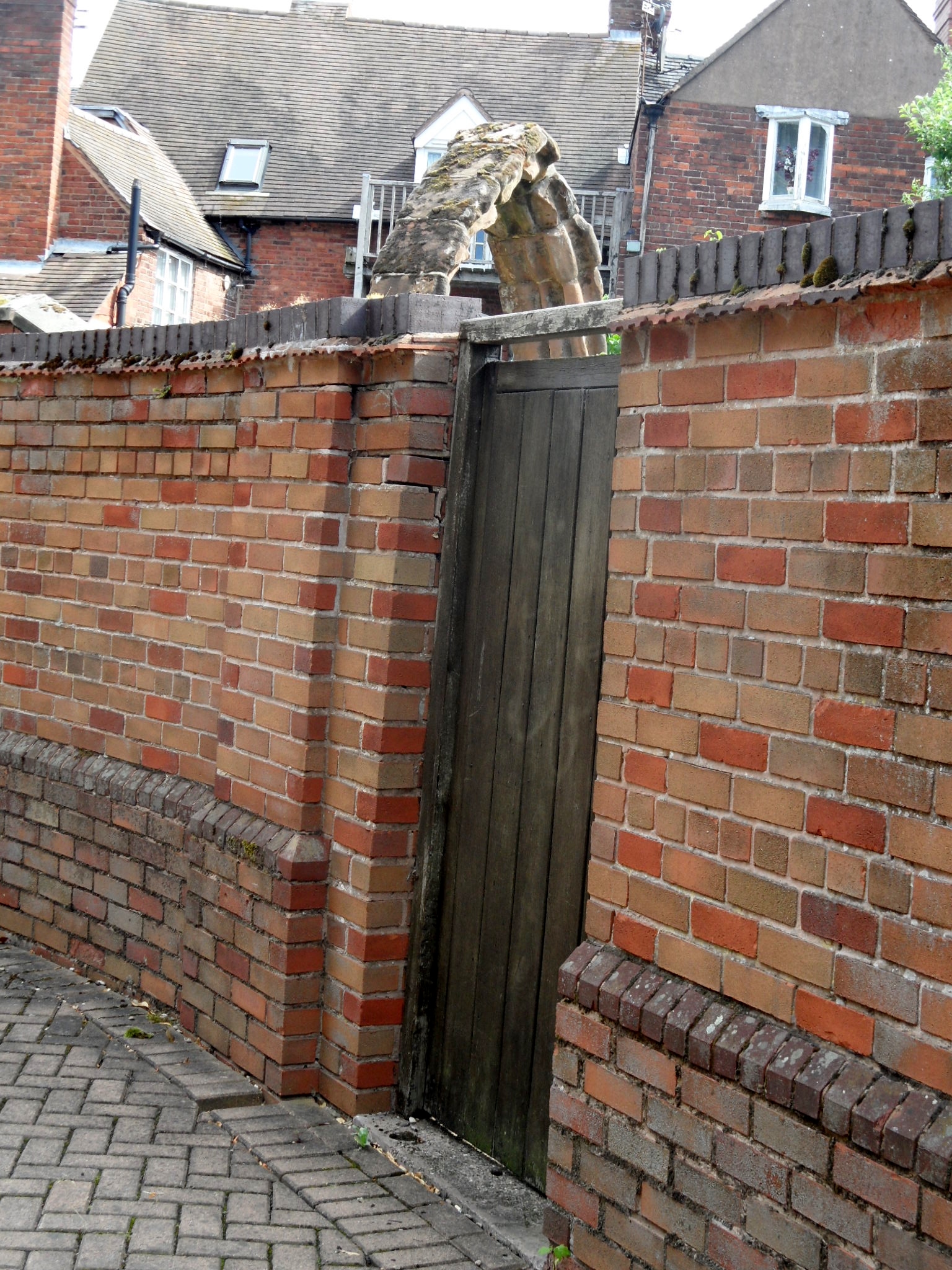
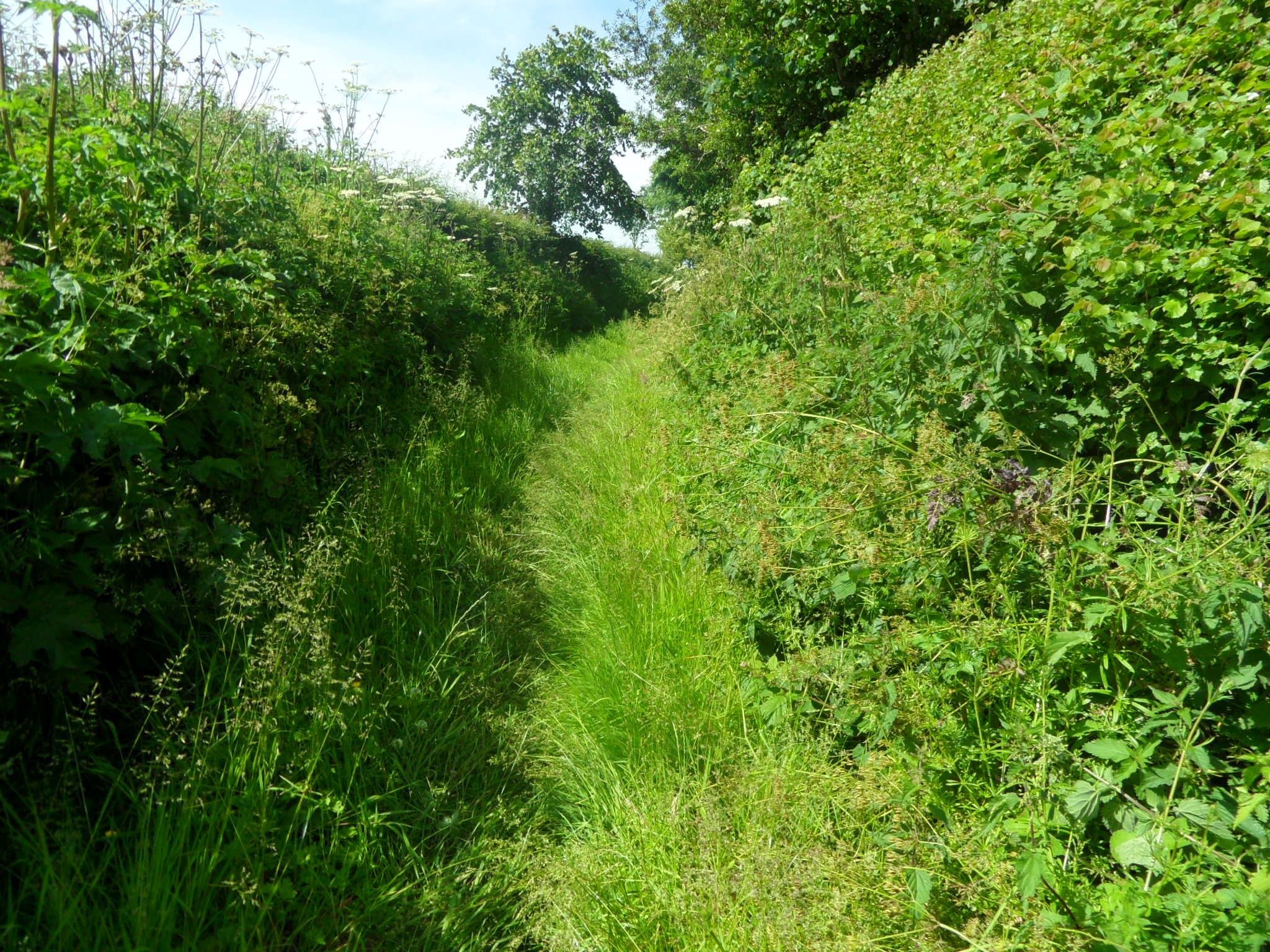
Incredibly, the biggest curio of the day for me was not found amongst this collection but up a track leading away from the craft complex and towards the Wolseley Park Estate.   I have plumbed both the depths of the internet and my imagination but as yet can’t find an explanation for this fenced-in stone structure. Does anyone else know anything?

Structure is to right of the track

Source:

Planning application: 12/16670/FUL | Extension to provide additional exhibition area | Willey Barn Wolseley Bridges Colwich Stafford Staffordshire ST17 0XS


Blue Sunday

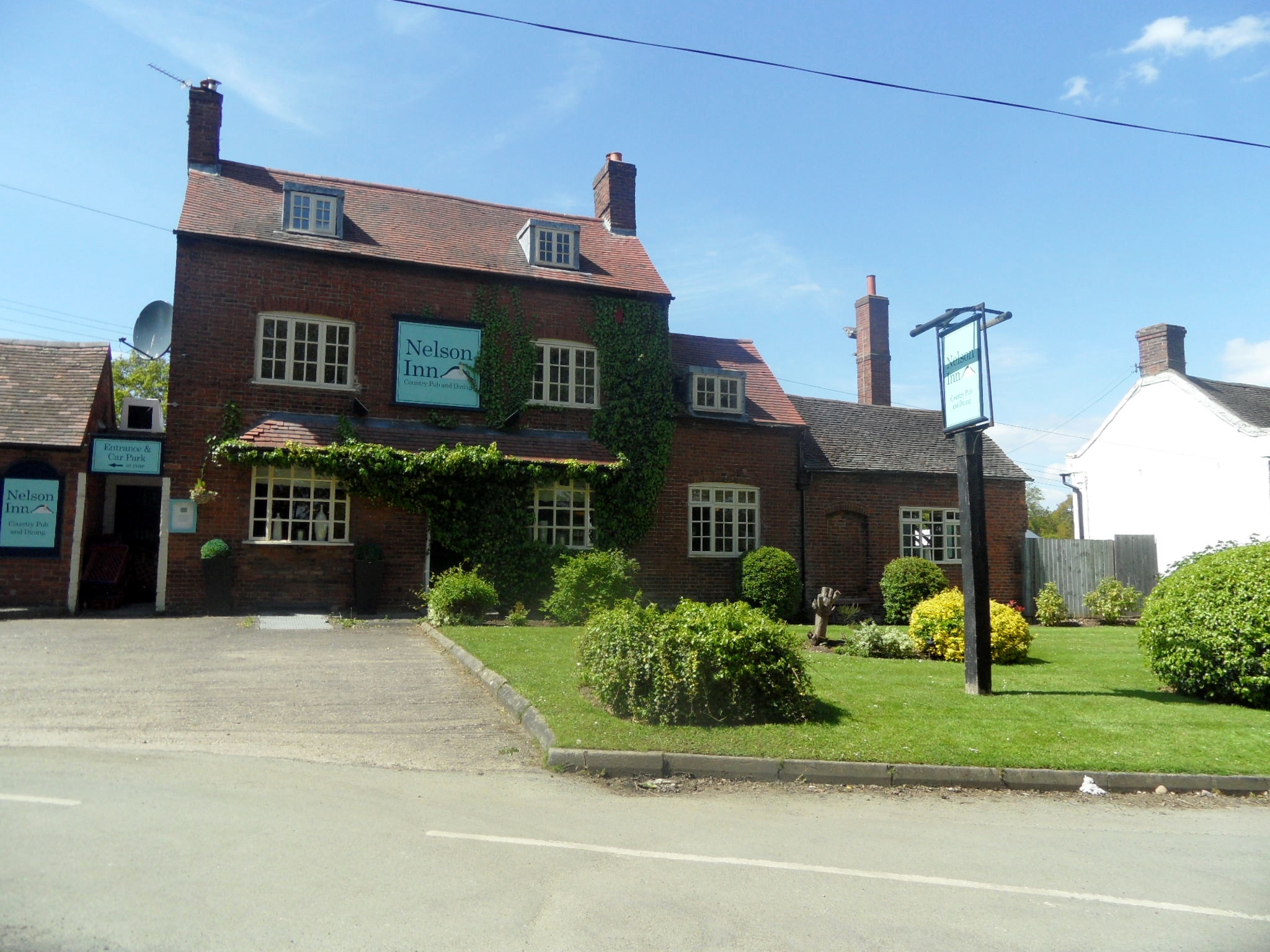
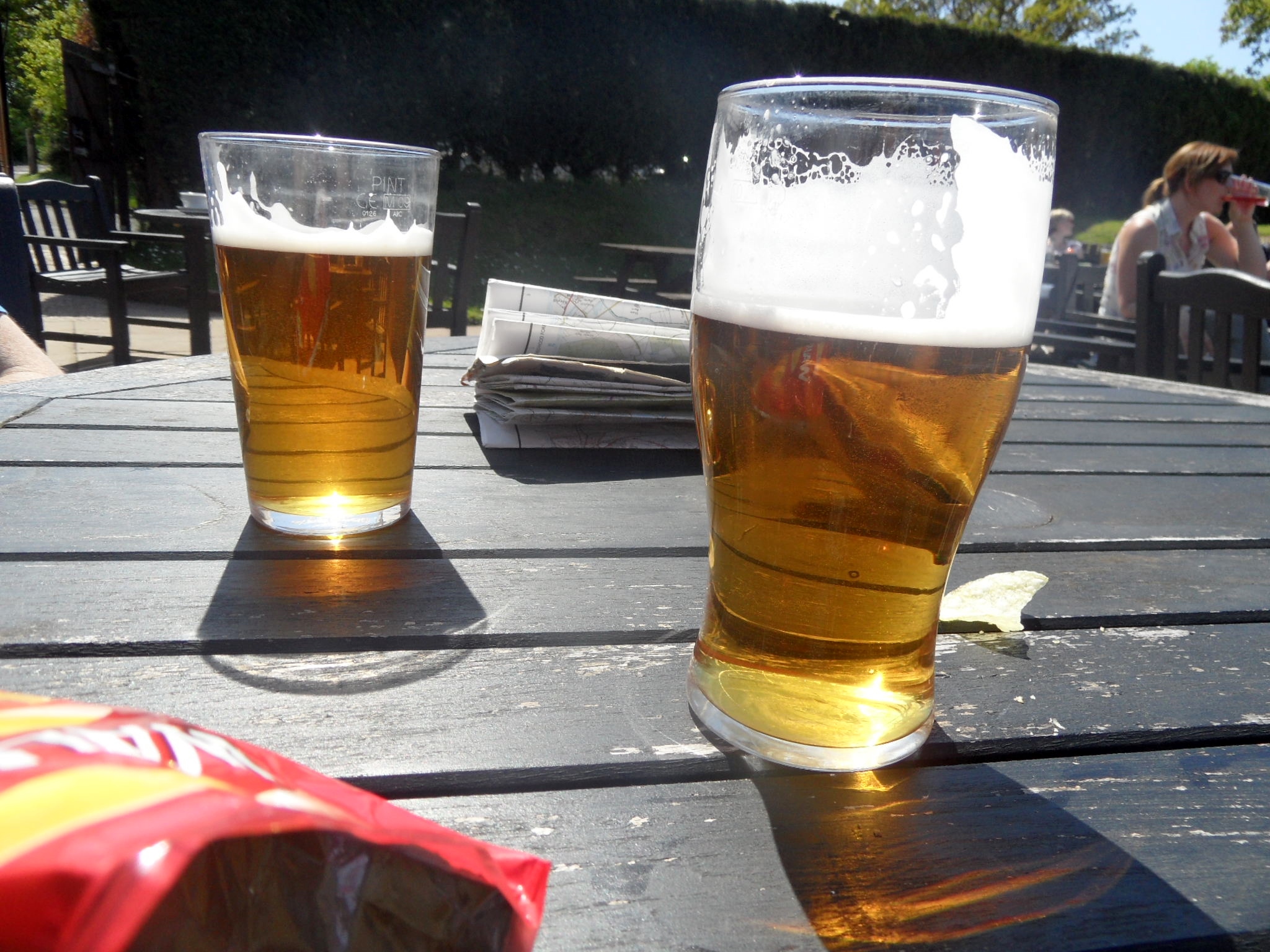
My second ‘starting off at pub, and exploring the surrounding area’ type walk of the week, but this time with real life swans with just the one neck.

The sunny beer garden at the Red Lion was busy and I couldn’t help but feel that those who chose to remain inside the pub were missing out.  They were, and it wasn’t just the just the sun but also the wonderful sight of a pair of swans gliding down the canal with their eight cygnets. At one point the young ones were startled by a barking dog on one of the moored boats and darted back to huddle around one of their parents.

We began our walk by crossing the Lichfield Road Bridge (aka the Tummy Bridge in my house) to get to the towpath on the opposite side of the canal to the Red Lion. The next bridge along is the Hopwas School Bridge. As the name suggests it is near to the village school, named after founder Thomas Barnes. A lovely example of the local lad made good story, Thomas is said to have been abandoned as a baby, and discovered in a barn by villagers who gave him a surname to represent his humble beginnings. Educated and cared for by the villagers, Thomas became a successful London merchant. Had I walked a little to the right of the school, I would have seen the original schoolmaster’s house with a plaque reading ‘This house was built at the charge of Mr Thomas Barnes native of this place and a citizen of London in the year of our Lord 1717 for the dwelling of a person to teach the children of this village to read English’.

Instead, we kept on walking under the bridge and along the tow path. Something I did wonder about but couldn’t think of any explanation for at the time was the small door in the bridge itself. After doing a bit of post-walk googling it seems it might be a storage place for stop planks, used to block off part of the canal when maintenance work needs to be carried out. I think.

There was also some machinery on the other side of the tow path that looked interesting but again, I’m not quite sure of its purpose.

This, however, I did recognise to be one of the well documented pillboxes that stand in this area, defences against an invasion that thankfully never came.

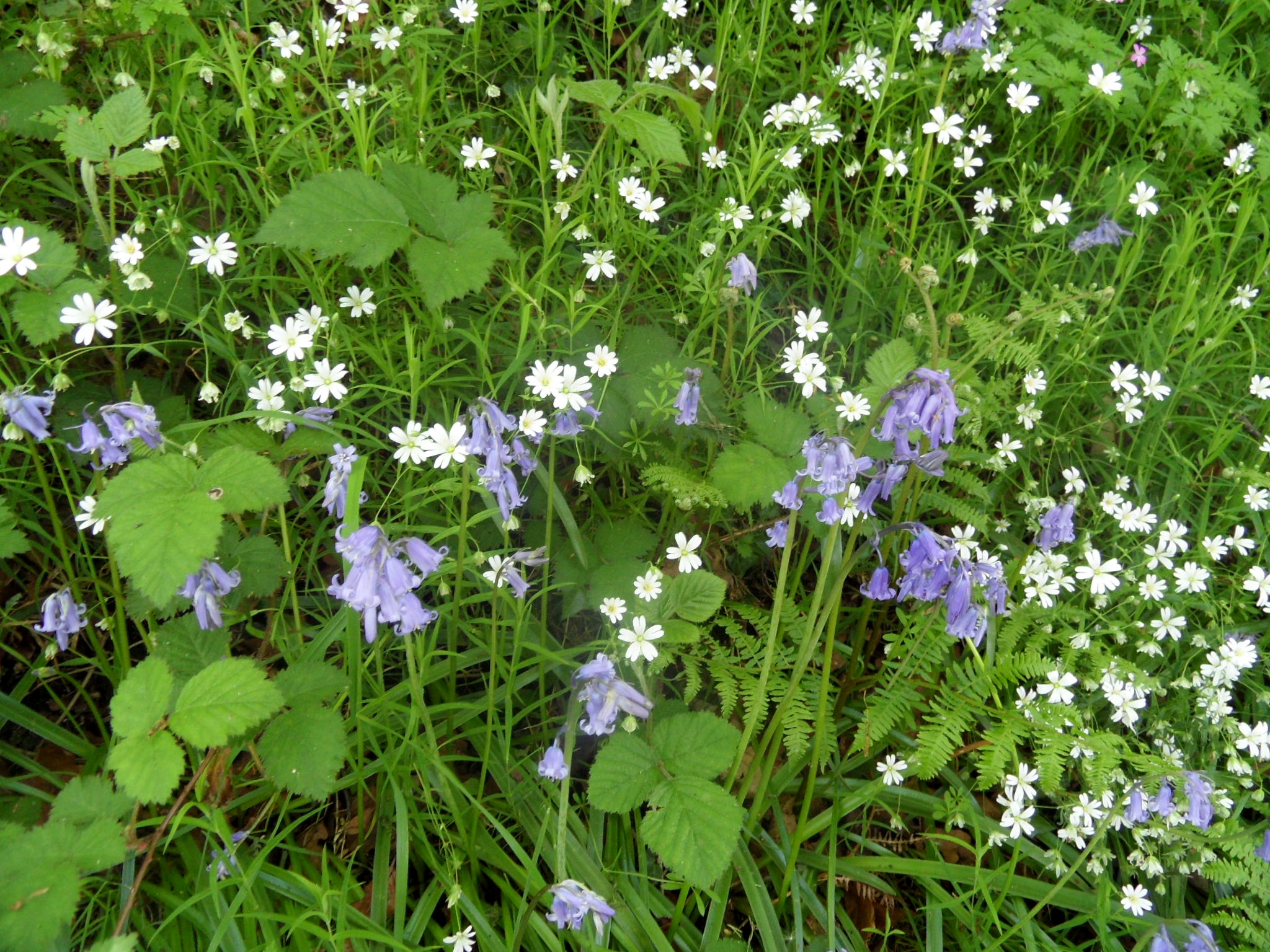
Growing alongside the pillbox was a hint of what was to come in those infamous and ancient woods about which I’ve heard so much but seen so little, only ever passing by in the car. I’m pleased to say that Hopwas Woods lived up to my expectations, with a display of bluebells that put even my beloved Leomansley Wood in the shade. I attempted to capture it in photos, although they could never do it justice.

From then on I saw blue everywhere – the boats, the sky over the distant towers of Tamworth, a piece of pottery by the side of the canal and, after a big lunch and this short walk, a hammock at the water’s edge that looked very inviting indeed….


Watering Hole

On the way home from Tixall (of which more later), I stopped off at Longdon village and called into the Swan With Two Necks for a drink. I only had time for a very quick look around the village but even in this short space of time managed to find lots of interest, much of it water-related, which seems only natural in a place also known as Brook End. I hope to return to Longdon and the surrounding area (and of course the pub!) in the not too distant future. Amongst other things, I want to see if there are any nuggets of truth in an old ghost story I found about Lysways Hall….

The pub name Swan with Two Necks is apparently a distortion of ‘Swan with Two Nicks’, referring to the marks made on the birds’ beaks to denote ownership. More info here

Talking of ownership, the SWTN has been under the management of Mary McMeechan since 1st March 2013, the latest in a long line of landlords stretching back to 1755!

Brook End Mill dates back to the 1700s and appears on the Yates Map of Staffordshire.

The mill race still runs and you can follow it for a way up a public footpath.

This area is full of wells, some with brilliant names & legends attached. I think if I’d have carried on up past here, I’d have come to my all time favourite – Giddywell! Never mind, I did find this one near to the mill and there’s always next time…

I’m not sure if this pump is original. There are some other Staffordshire water pumps on this website, perhaps I should send them the photo and get their expert opinion?

These cottages are thought to be a 16th timber framed building that was divided up into separate houses at some point in the last half a millenium or so!
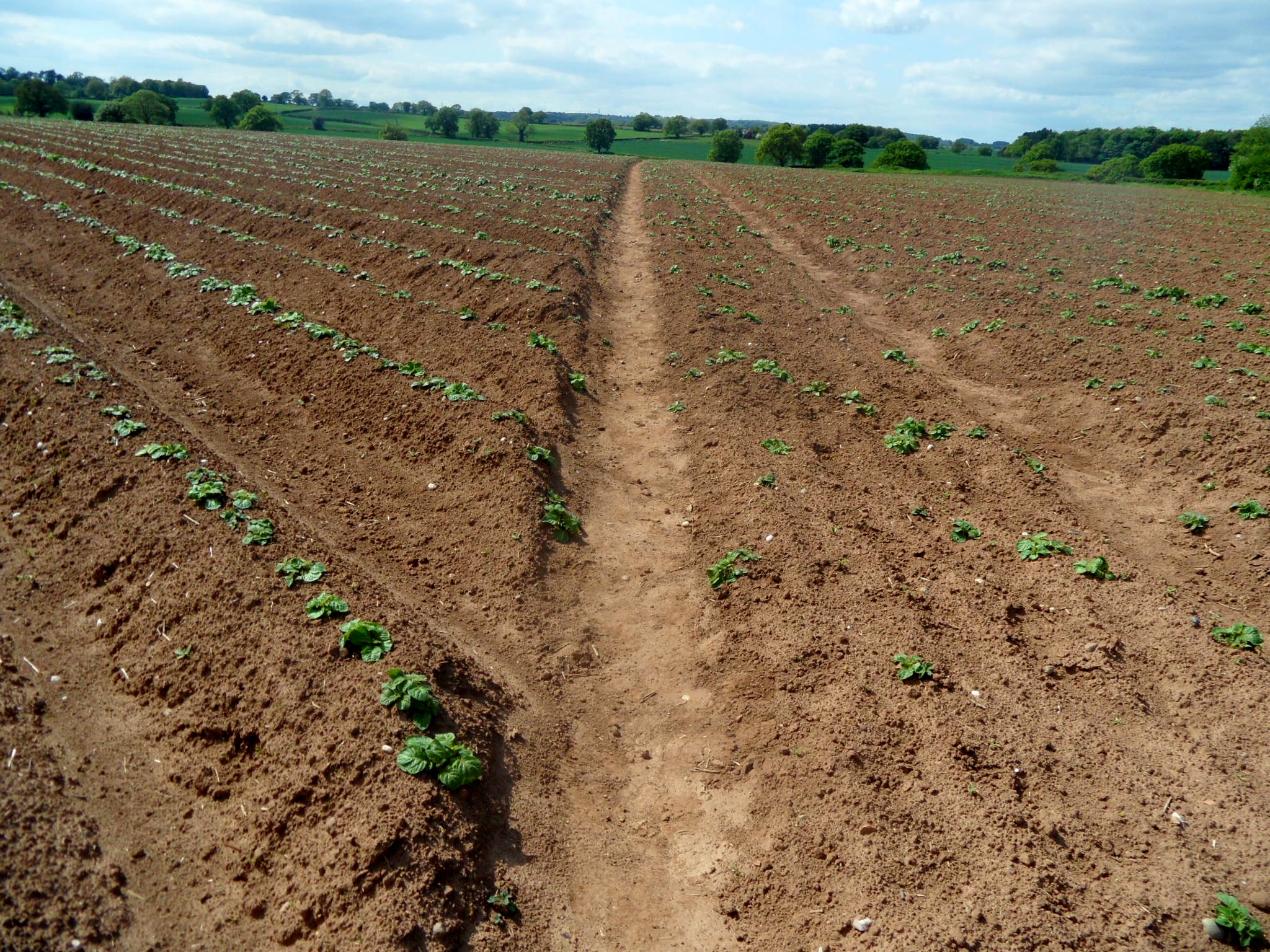
Over to the experts again, and this time John Higgins of the Mile Stone Society who researched Staffordshire Mileposts and found that in 1893, 335 posts were ordered from Tipton firm Charles Lathe & Co at a cost of 19s.6d each, including this one in St James’ Close
The Dunk Cow

Trying to find a bit more out about the old Dolphin pub in Bore St, I had a look through the newspaper archives. I did find one really nice snippet – at the grand opening of Lichfield’s Co-op in 1914, Councillor JR Deacon, who built the new Co-op on the site of the Dolphin, presented the chairman with a walking stick made from one of the old inn’s beams.

However, I confess that sometimes when trying to find information in old newspapers, I often find myself distracted. I am utterly incapable of passing by a story with an intriguing headline.  If you think you could stay focused after turning up ‘Antics of Mad Cow. Swam Stowe Pool Twice’ in a search, then I salute your willpower. I, however, needed to know more about these events immediately and thought I’d share the unusual story here.

Ducks but no cows. By the way, is this Johnson’s Willow (well its replacement anyway)?

In 1946, two young men were spending a quiet Monday afternoon fishing at Stowe Pool Suddenly, they noticed a cow swimming towards them. The heifer got out of the water, charged at them and then started swimming back towards Stowe St. However, something must have changed its mind, as the cow then decided to come back, charging at a policeman who had just arrived on the scene. By this time, the fishermen and the pool attendant, a Mr Boston, were hiding behind Johnson’s Willow. Deciding to make a run for it Mr Boston headed for the Boathouse and the two lads jumped over the hedge. Unfortunately, so did the cow. With PC King in hot pursuit, the poor beast ran up The Windings and into a field, where finally having calmed down, it stayed overnight, before ‘being removed’ the following morning (the Mercury reporter thought it had been destroyed). Where the cow came from, and what caused this odd behaviour is not known. For those involved, I’m sure that this was quite a frightening experience at the time, but I do wonder if, once the shock had subsided, it went on to become a favourite family story e.g. “Tell us about the time you got chased by a cow, Grandad…”?

By coincidence the story is actually linked to the previous post about the Dolphin in a way – the two young men were butchery assistants at the Co-op! From a dolphin in Bore St to a cow in Stowe Pool, I love how you just never know what story is going to turn up next!

Co-operation

On the corner of Bore St and Breadmarket St is a building that I’ve never paid much attention to before. However, after hearing that someone carrying out some work there in the 1970s had uncovered a dolphin mosaic, I thought I’d fish a bit deeper into the building’s history…

The someone in question was Frank Clarke, a regular contributor to the fabulous Facebook group ‘You’re probably from Lichfield, Staffs if…..’. Frank found the mosaic under rotting floorboards when carrying out renovation work there in the 1970s. According to Frank, the mosaic was concreted over and may still be there to this day. Unfortunately, it seems that due to practicalities (involving concrete and money!) it’s unlikely we’ll ever know for sure.

What we do know though is that the Dolphin Inn once stood on the site, demolished in 1912 and replaced by the current building in 1913 by local builders JR Deacon to house the Walsall and District Co-operative Society Ltd Branch No.13. You can still see where the lettering for this ever so catchy name used to be, as shown in all its glory here, on the Staffs Past Track site. Burtons were the most recent occupiers, but they left in March this year, leaving the property empty. (1)

Built in 1913, this was once the Co-op, more recently Burtons.

According to John Shaw and his now legendary book, The Old Pubs of Lichfield, the Dolphin is first listed in 1818. However,after finding out that the original building on the site was timber framed, dating back to the 16th century, I was hoping to find out something about the building’s earlier uses. After reading the obituary of Rev John Kirk (d.1851),  it seems that prior to becoming an inn, the building had been occupied by a baker, with some of the upper rooms being used as a Roman Catholic chapel created in 1801.(2)

Rev Kirk had been the priest at the chapel at Pipe Hall from 1788 to 1793, where Catholics in Lichfield had previously worshipped. When this chapel was closed following the sale of the property to a non-Catholic he was asked to return to Lichfield as the resident priest at the new chapel. However, Kirk found the location and conditions far from ideal – the sanctuary was apparently directly above the baker’s oven and Kirk wasn’t happy about living in such close quarters with the baker and his family. By 1803, Rev Kirk had built a new chapel dedicated to St Peter and St Paul in Upper St John St.  Due to religious sensitivities, the chapel was originally designed to look like a dwelling house, but 1834 a turret and a new entrance was added, and the name changed to Holy Cross. The congregation was relatively small, but numbers were often boosted by those passing on their way to London and French Prisoners of War.

Holy Cross, Lichfield.
Source: Dennis Blenkinsopp (http://www.geograph.org.uk/profile/43370)

Back to the mosaic, which started all of this off! You would have to assume that its depiction of a dolphin is a reference to the name of the Inn. No great mystery there (although I would like to know why that particular name was chosen for a Lichfield pub!). What is more of a puzzle is how the mosaic came to be in the new building. Was it rescued during the demolition of the old one? Was it created to reference the history of the building that previously stood on the site? Or was the previous building not fully demolished, just significantly altered? I don’t know, and it seems probably never will.

I’m very grateful to Gareth Thomas for bringing the matter to the attention of the experts at Lichfield District Council, and also to the Civic Society for making enquiries as well. I think it’s great that members of the facebook group, the Civic Society, the council and even me have all been able to contribute to the discussion. This is how it should be, and I would like to see people working together more in the future, building on the great work that Gareth has done to bridge the gap between council and its residents, not least by making historic photographs and documents available through his own blog, and elsewhere.

I understand that talks are ongoing, however, the general feeling at present seems to be that without further evidence, the cost and disruption arising from trying to retrieve the mosaic (if indeed it has survived the last forty years) could not be justified. A shame, but for now it seems we shall have to let sleeping dolphins lie….unless anyone out there knows any more?

Edit 12/5/2013 Just reading about the opening of the Co-op. Apparently the builder, Councillor Deacon handed the chairman of the Co-op a walking stick made from one of the wooden beams of the old Dolphin Inn, which is quite a nice little addition to the story. No mention of a mosaic yet though 😉 

Notes

(1) Burtons previously had a branch on Market St, where you can still see the two foundation stones commemorating the opening by two of business founder Montague Burton’s sons. The post I did on this ages ago is here 

(2) So that takes us back to 1800-ish. Still three hundred years or so of the building’s history to account for though!

Sources:

Thanks to Frank Clarke for allowing me to share the story of his discovery here.

The Old Pubs of Lichfield, John Shaw

Catholic Staffordshire 1500 – 1850, M R Greenslade

The Gentlemans Magazine Volumes 191 – 192

Lichfield: Roman Catholicism and Protestant nonconformity’, A History of the County of Stafford: Volume 14: Lichfield (1990), pp. 155-159

http://www.staffspasttrack.org.uk/

Treasure Hunt

I love finding bits of old pottery in the lanes around Leomansley. I was told by the archaeologist at the Polesworth Abbey dig last year that there are two types of pottery finds, those that indicate occupation of the land, and those that have been deposited there, through processes such as manuring (1).

Two of my most interesting finds (Disclaimer: interesting to me that is! Don’t get too excited, we aren’t talking Leomansley Hoard here!) were in the lane leading from Christ Church Lane, past Martin Heath hall and ending at the football field on the A51 (I have seen it referred to as Moggs Lane). Judging by old maps, it seems to have existed for at least 180 years.

I found this girl guide badge, and it made me think about the old scout hut behind Martin Heath hall that was replaced by a new one in September 2009. The old hall was a bit of a wreck, and quite clearly needed to be replaced, as you can see from these photos here, but I’m glad someone did document it as it has an interesting history. Apparently, it started life as a WW1 cadet hut at Cannock Chase. It was then acquired by the Electricity Board and found its way to Queen St, Lichfield. In the 1950s, it was donated to the scouts and was relocated to Christ Church.

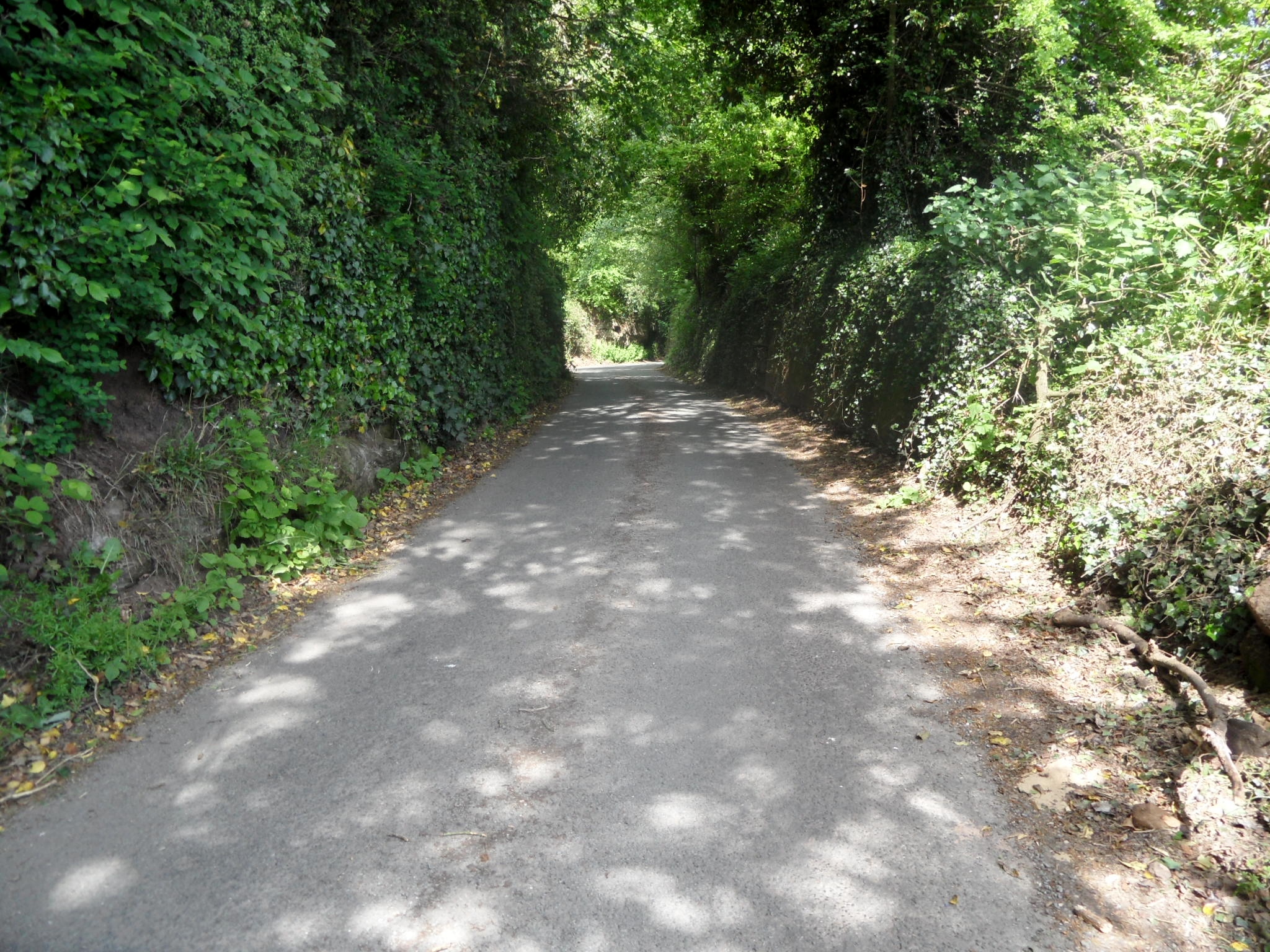
The lane past Martin Heath hall, off Christ Church Lane.

I also found this piece of pottery. Unlike most of the other bits I find, this had a very distinctive pattern i.e. a dog! and I thought that because of that it might be easier to find out more about what it was part of and how old it was.

Thanks to extensive googling, using phrases like ‘dogs on bowls’, I eventually sifted through the many, many pet feeding related search results to find that it was possibly a Brampton stoneware jug from the early to mid-nineteenth cenutury, featuring a pattern known as ‘The Kill’. Yes, my pottery sherd depicted a dog tearing a fox to shreds. Nice.

I know from reading old newspaper articles that once upon a time, not so long ago, Leomansley was quite the hunting ground. The Lichfield Mercury used to carry reports of the hunts through Leomansley and Sloppy Woods.  This photo is from a 1936 edition of the Mercury, and shows the South Staffordshire Hounds gathered at Maple Hayes. I have no idea whether the pottery sherd is related to this in anyway, but I thought it was an interesting find, especially in view of this past association with hunting. A little echo of the area’s history that managed to worked its way free of the soil.

PS Off to have my own hunt in Leomansley Woods later. This time for bluebells.

Notes

(1) Domestic rubbish such as broken pots was mixed with the animal manure and then spread on the fields to fertilise the soil.

Scratching the Surface

I had an hour to spend in Abbots Bromley and so I grabbed my camera and went for a walk.

The theme seemed to be ‘things found on buildings’, be it wooden and painted signs, carved heads and crosses on the church, horns outside a restaurant alluding to the village’s famous tradition (the Abbots Bromley Horn Dance), or an old post box.  Until I got home and did a bit of reading, I had no idea that a very famous visitor had also left her mark on one of the village’s buildings. Mary, Queen of Scots is believed to have stayed overnight at Abbots Bromley’s Manor House during what was to be her last journey. A pane of glass with the inscription ‘Maria Regina Scotiae quondam transibat istam villam 21 Septembris 1585 usque Burton’, said have been scratched by Mary with a diamond ring, was taken from the house and is now in the William Salt Library.

I’m back in Abbots Bromley for another hour next week! In the meantime, maybe I’ll look a bit deeper…

A Life of Service

Inside St Chad’s Church is a memorial dedicated to the men of the parish who lost their lives in the First World War. One of those commemorated on the memorial is also remembered on a separate plaque alongside the memorial, featuring a statue of St George and the following inscription:

To the honoured memory of Alfred Cleveley Sergeant South Staffordshire Regiment. He was in service at Elmhurst Hall and enlisted in August 1914 and fought in Gallipoli and in France where he gained the military medal and fell in action on May 12th 1917 aged 32.

The memorial was given by Alfred’s former employer, Mrs Hamer, who was renting the now demolished Elmhurst Hall at the time. Before coming to Elmhurst Alfred, who was originally from Powick in Worcester, had been employed as a ‘house and garden boy’ at The Rectory in Shobdon in Herefordshire in 1901 and as a butler at Aldersey Hall in Cheshire in 1911, possibly the position he left to come to Elmhurst Hall.

Elmhurst Hall Source: Wikimedia Commons

I’ve found Alfred’s medal card at the National Archives (as well as the Military Medal, Alfred also received the British War Medal, the Victory Medal and the 1914/15 Star), and the Commonwealth War Graves Commission record that tells us that his name is inscribed on the Arras Memorial. However, one thing I can’t find is his name on the main War Memorial in the Garden of Remembrance near to Minster Pool.

I was wondering whether this had something to do with Alfred not being ‘a local’ as such, and then I found the speech that was read at the memorial’s dedication ceremony on October 20th 1920.  Major Longstaff, the Chairman of the Memorial Committee explained

‘This being a City Memorial, it was decided to limit the names to be inscribed to those born in the City, or whose house or permanent address at the time of joining the Imperial Forces was within the City and who lost their lives in the war…Further, the great sacrifice made by those whose names are here recorded was an equal one, and we decided that the names only, without rank or unit, should be recorded in alphabetical order’.

Presumably then, living and working at Elmhurst Hall wasn’t classed as having a permanent address in Lichfield? I wonder if this was a standard approach for those in service? I also wonder how common it was for employers to commemorate their domestic staff? Actually, I did notice for the first time that not all of the names are in alphabetical order which suggests that some may have been added at a later date?

I’m very grateful to Steve Lightfoot who has been making some enquiries regarding the time that Sergeant Alfred Cleveley spent in the 1st Battalion of the South Staffs regiment, and the regiment’s role in the Battle of Arras where it seems he lost his life.  I’m looking forward to hopefully hearing more of Alfred’s story but one final question for the time being – where are Alfred’s medals now?

Gathering Moss

Walking around the edge of Beacon Park, I noticed a pile of moss covered stones in the undergrowth that I’d never seen before.  To me, they look like part of an old building, possibly pillars? It’s a long shot I know, but does anyone recognise them or have any idea as to where these pillars (if that’s what they are!) may have come from?

Whilst on the subject of ‘parts of old buildings found in unexpected places’, I have to mention my old favourite Fisherwick Hall. Back in January, I wrote an article for the Lichfield Gazette which mentioned that the hall had been demolished, but that parts of it had been reused elsewhere. After lying around for some years covered in moss, the pillars from Fisherwick went to the George Hotel in Walsall – you can read the great post written about the hotel by Stuart Williams of Walsall Local History Centre here. However,  I had no idea what had happened to the pillars, following the demolition of the hotel in the 1930s. Therefore, I was delighted when Paul (the editor of the Lichfield Gazette) told me that someone had contacted him, saying that some years ago he had seen them lying on a patch of ground near to the cricket ground in the Highgate area of Walsall. The gentleman described them as lying in pieces and covered with moss and lichen. Sounds familiar! Coincidentally, the site the gentleman described is a stone’s throw from where some of my relatives live, and so the next time I visited I went to take a look, but I had no luck in finding them. So near, yet so far….

Back to our Beacon Park stones, and someone from the Beacon Street Area Residents’ Association has very kindly said that he will ask the people in the know i.e. the Parks team and the Civic Society if they can shed any light on the matter. In the meantime, he’s left me pondering the fact that parts of the old bandstand and cycle track are also apparently also still around in the park somewhere…

Beacon Park bandstand c.1905
Source: Wikimedia Commons

Family Trees

Standing in a small area of woodland on the edge of a field in Leomansley is a stone with the inscription ‘Greville’s Belt W.W.W 1923‘. It isn’t a gravestone, although you can see why some have mistaken it for one, but a marker erected by the then owner of the Maple Hayes estate, William Worthington Worthington, to commemorate the planting of this small belt of trees, named after his eldest son (William) Greville Worthington.(1)

In 1918, William Worthington had inherited Maple Hayes from his father Albert Octavius Worthington, a partner in the Burton brewery that carried his family name, who had originally purchased the estate in 1884. However, Greville Worthington would not inherit the estate from his father. In the early hours of 17th March 1942, whilst serving as a Lieutenant in the Royal Navy Volunteer Reserve at Dover, Greville drove through a restricted area. Although the sentry on duty ordered him to ‘Halt!’ twice, he failed to stop.The sentry opened fire and Greville was fatally wounded, dying in hospital ten days later. A verdict of accidental death was recorded. In the October of the following year, there was another family tragedy.  Lady Diana Worthington, Greville’s former wife, went missing from her home Weston Manor in Olney. A scarf and a coat were found on the banks of the River Ouse and after a week of searching, Diana’s body was recovered from the water.

Greville and Diana had four children together – Caroline, Anna, Charles and Benjamin. I have not yet been unable to find out much about what happened to the children following the deaths of their parents. However, we do know that when William Worthington died in 1949, nineteen year old Charles was his heir. (2)  William’s death brought the Worthington era at Maple Hayes to an end and in 1950, the estate was sold. The house and around twenty three acres were acquired by Staffordshire County Council for educational purposes. Since 1981, the site has been occupied by the Maple Hayes Dyslexia School. The remainder of the estate, some 1,500 acres including farms, cottages and agricultural land, was sold to a trust.(3)

As well as Greville’s Belt,  other areas of woodland were named after Worthington family members. Lady Muriel’s Belt, Herbert’s Spinney and Fitzherbert Firs still appear on maps of the area, as mentioned in BrownhillsBob’s recent post on Leomansley. Are there more stone markers to be found in these places?  I also noticed a house on the site of the old playground of Christ Church School, near to the church, which has a plaque saying ‘W.W.W 1920‘. Surely another reference to William Worthington Worthington, although exactly what the connection is I don’t know as yet.  The Worthington family may no longer reside at Maple Hayes but their names still echo in the landscape that surrounds their former home.

Notes

(1) I have seen similar stones marking ‘Parker’s Plantation’ and ‘The Roundabouts’ at the Pipe Hall Farm, owned by The Woodland Trust.

(2) W.G.W had a younger brother Albert Ronald Worthington, born 1904 and died in 1951. but according to the County History, it was grandson Charles, eldest son of W.G.W that was W.W.W’s heir.

(3) Until last year, around 360 acres of the former Maple Hayes estate was still owned by the trust. However, in April 2012 it was sold to new owners The Crown Estate for just under three million pounds.

Sources

Burntwood: Manors, local government and public services’, A History of the County of Stafford: Volume 14: Lichfield (1990), pp. 205-220.

The Lichfield Mercury archives

Nottingham Evening Post archive