Daisy, Daisy

Recently, I’ve spent more time in churches than ever before in my life (with the possible exception of the Summer of 2004, when I went to so many weddings that I was able to recite 1 Corinthians 13 off by heart). When I was younger, history for me was all about the castles. Churches were boring. The only remotely interesting thing about them was that, with their crenellations, some of them looked a bit like castles. Now I know that they can tell stories just as good as any castle, but you just need to know where to look.
SAM_1851

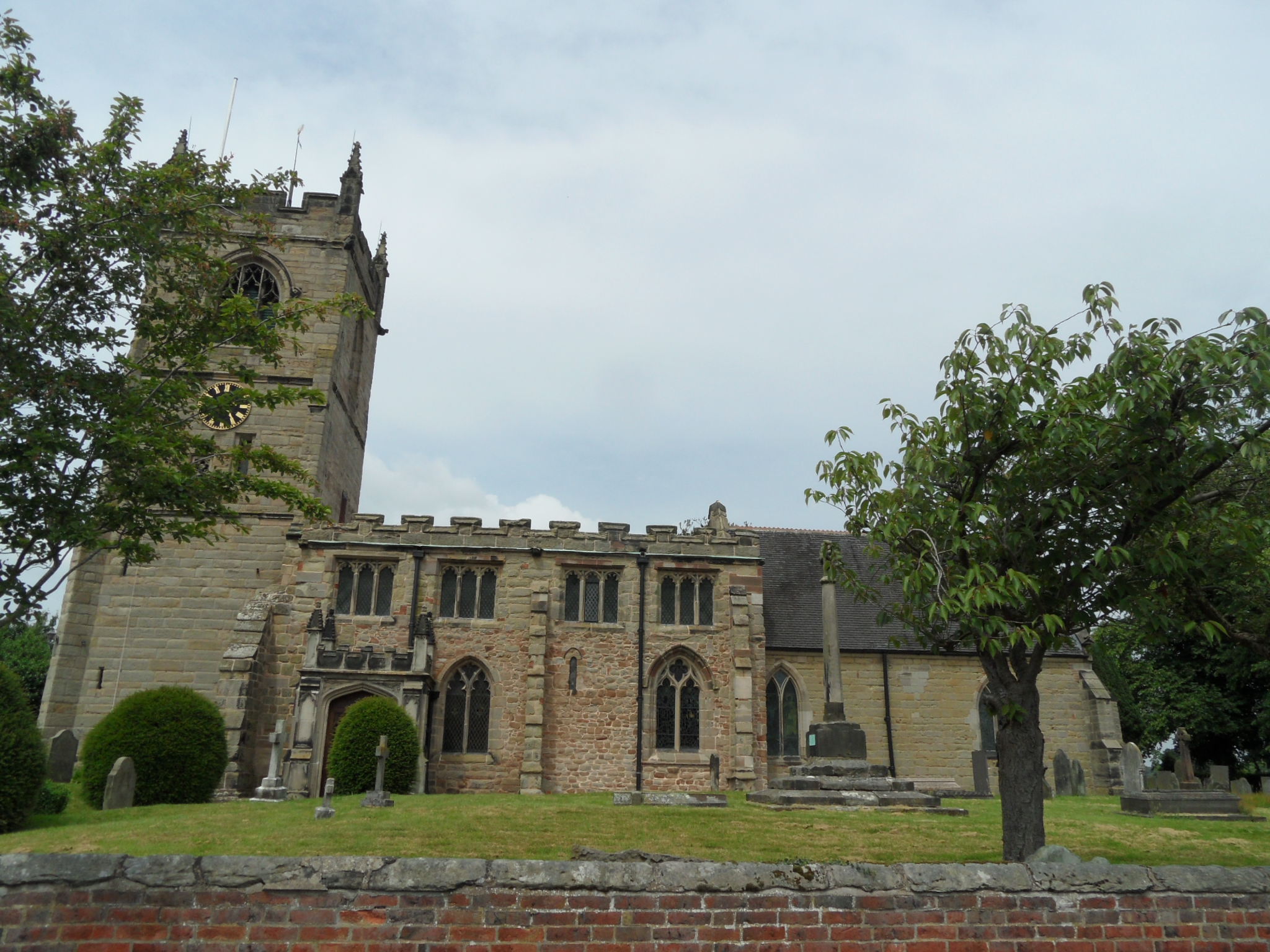
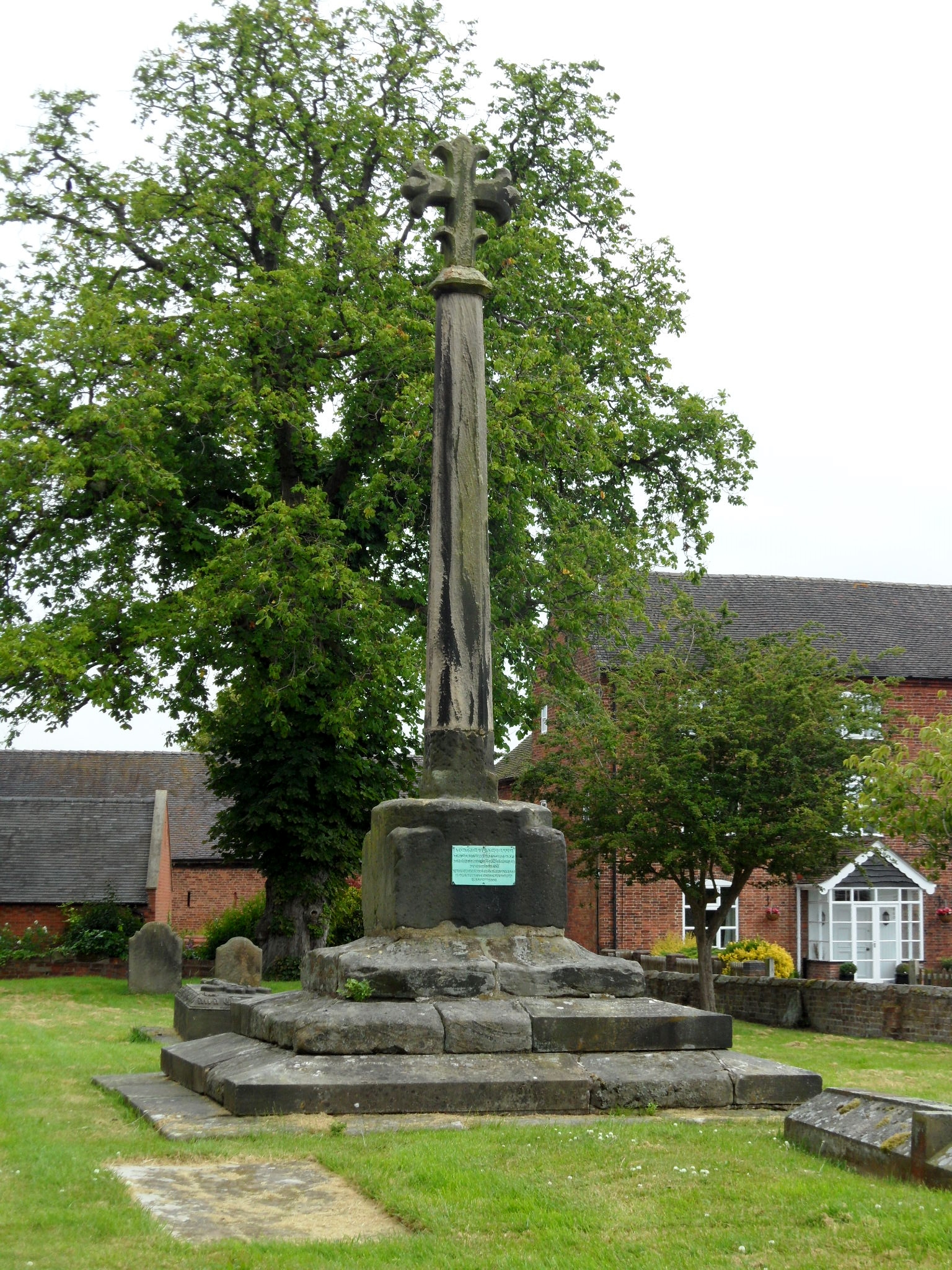
Before even stepping inside All Saints in Kings Bromley, there are plenty of interesting tales. ‘Lady Godiva’s’ cross in the churchyard, originally dates back to the 14th century, but was restored in 1897.
SAM_1842

I was delighted but intrigued to see a reference to one of my childhood heroines here. The story I knew as a little girl was that Godiva pleaded with her husband Leofric, Earl of Mercia, to reduce the taxes he imposed on the people of Coventry. Leofric tried calling her bluff by saying he would do so, if she rode through the marketplace in the buff. Unfortunately for him, his wife not only had compassion, but also really, really long hair which according to Roger of Wendover who first recorded the story, ‘covered the whole of her body like a veil’, as she climbed onto her horse and successfully carried out her legendary protest. The connection with Kings Bromley is that Godiva and Leofric had a summer residence or hunting lodge here, where Leofric died in 1057 and may well have been involved with an earlier church which could have stood on this site.
SAM_1844

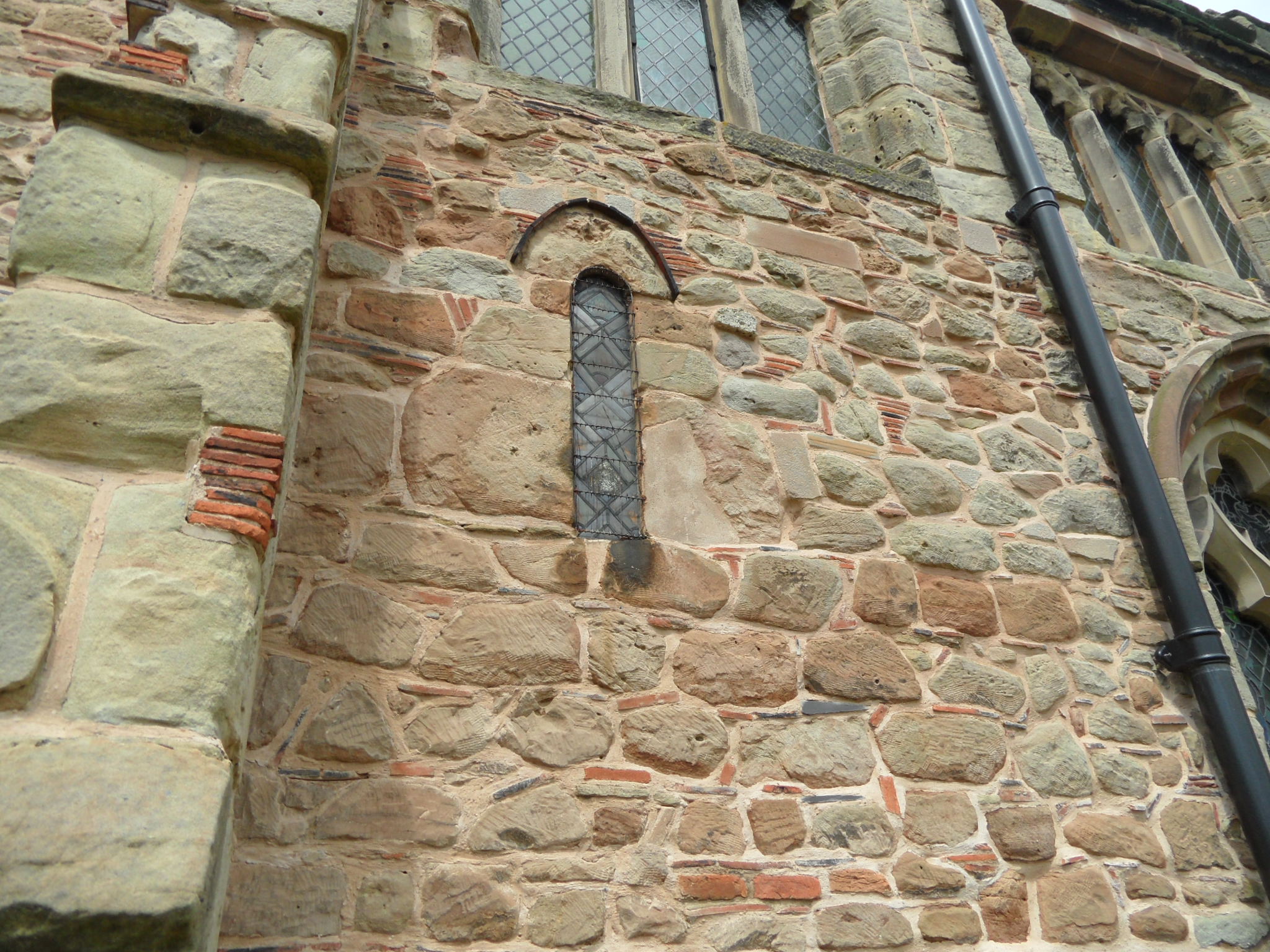
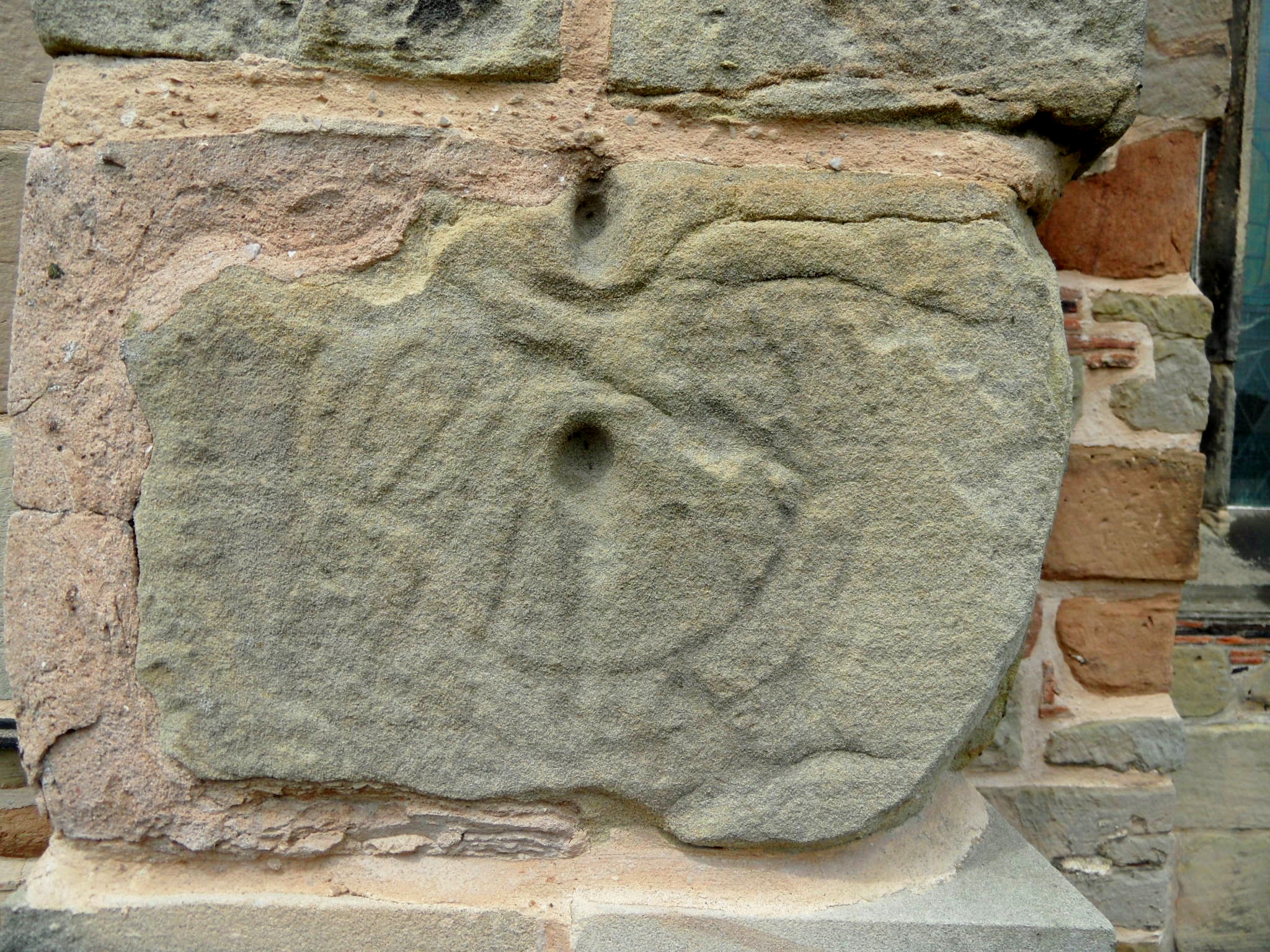
Unlike others I’ve seen recently, I’m pleased to say the church itself hasn’t been fully restored by those pesky Victorians, but has a range of architectural styles and features dating back to at least the eleventh century, but possibly even earlier than that – the HER description says that this is an Anglo-Saxon wall, and somewhere within it there is possibly even a Romano-British brick. On a buttress near to this ancient wall is a medieval scratch dial which, with the assistance of the sun, would once have helped the priest be on time for mass. On the buttress in-between the porch and the sixteenth century tower there is another carving, but unlike the scratch dial, no-one is quite sure of its significance.
SAM_1845

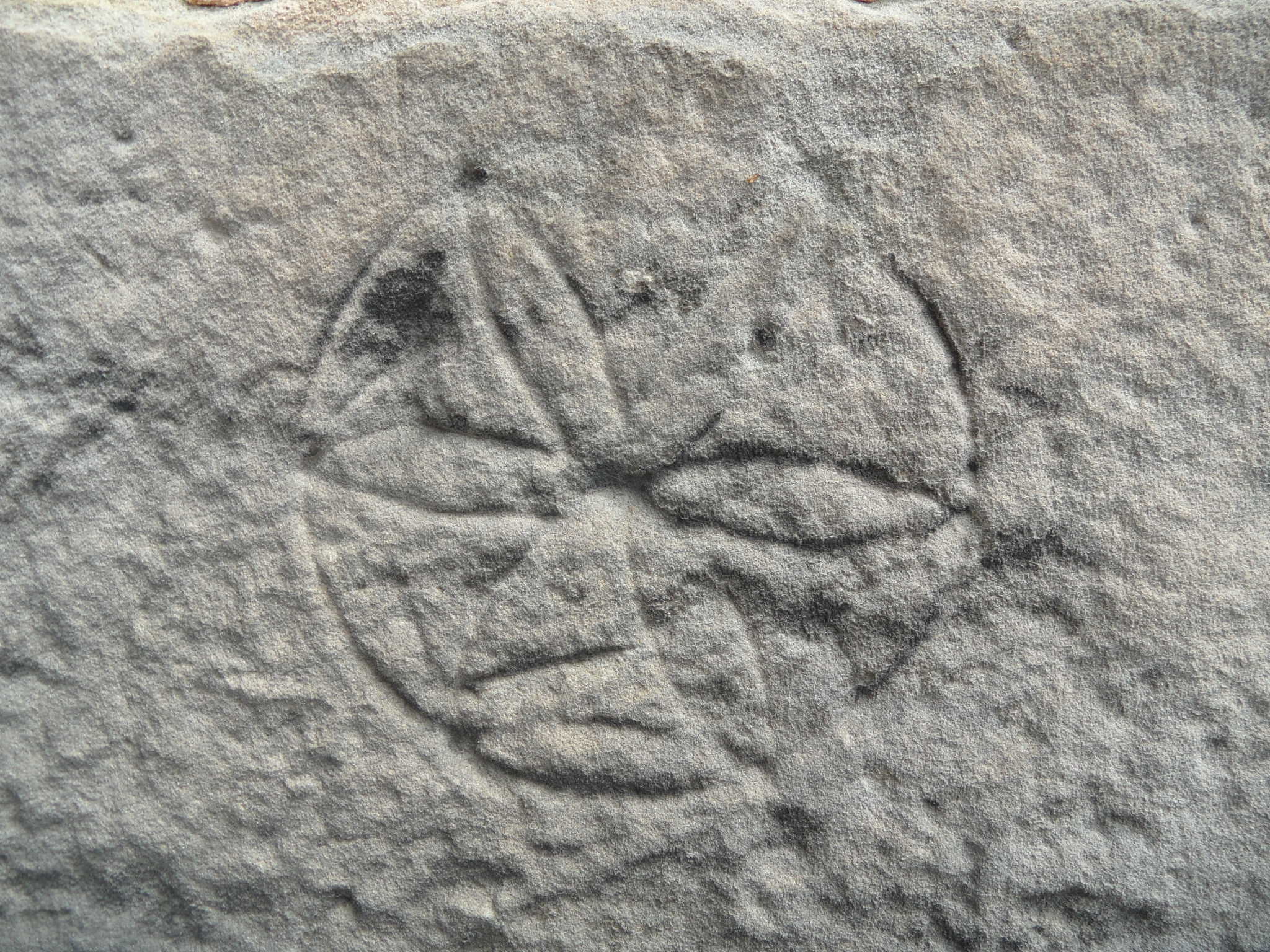
The daisy wheel carving is described as a mason’s mark in the churches information sheet. Although this is the first I’ve seen, this symbol regularly crops up on old buildings, especially churches. Whilst some believe these carvings have a practical function, others believe they were carved for good luck or protection against evil spirits.
SAM_1846

On a bit of a tangent, on the subject of childhood and daisies and folklore, I did wonder about some of the little rituals surrounding these flowers that we unthinkingly carried out as kids. The name is thought to come from the old English ‘Daes Eage’ meaning ‘day’s eye’, and refers to the way the flower opens and closes with sunlight. I’ve read that wearing daisy chains was thought to protect you from being abducted by fairies (must work, I’m still here!) and that one of its folk names is ‘Measure of Love’, from the game where you pull off the petals one by one, chanting, ‘He loves me, he loves me not’. Apparently, there is another less risky version of this game in which you chant, ‘He loves me, he loves me lots’. If only someone had told me this at the time, I wouldn’t have had to cheat so much.

SAM_1858

Anyway, as it says in those half remembered lines from Corinthians, I’ve put away childish things. Well, most of them anyway….
SAM_1866

Sources

http://www.medievalgraffitisurrey.org/circles.html

Walsall Legends

My husband grew up in the Highgate area of Walsall, where the malty aroma from the local brewery used to hang in the air and the local kids would tell stories about the mysterious ruined windmill. Thought to have been built in the late 1600s to grind corn, Highgate windmill has a fascinating history which you can read more about here in this article by Walsall historian and writer Stuart Williams. If you want to go and have a look yourself, go sooner rather than later. Once spring gets properly underway, it’ll be hard to see the mill for the trees.

Highgate Windmill

Highgate Windmill, Walsall

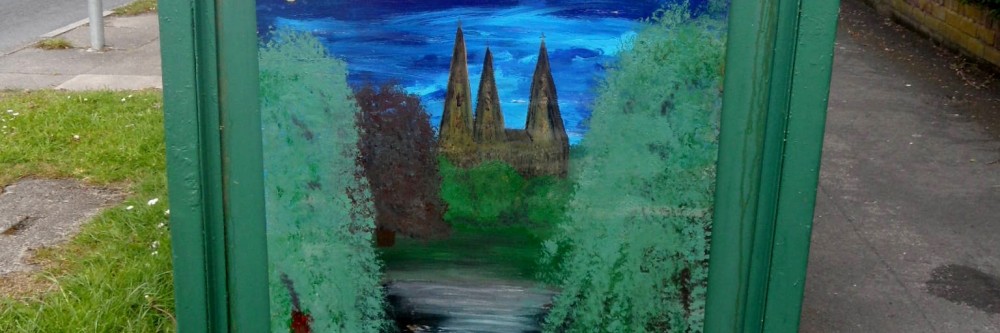
Last Summer I could barely see the windmill but did spot this painted board through the trees.

Last Summer I could barely see the windmill but did spot this painted board through the trees.

Sadly, there’s not even a whiff of brewing in the air at the moment – the Grade II Listed Highgate Brewery hasn’t been operational since 2010 and stands unused behind the locked centenary gates (purchased and installed by the Friends of Highgate Brewery in 1998), its future uncertain at present.

Highgate Brewery

Highgate Brewery

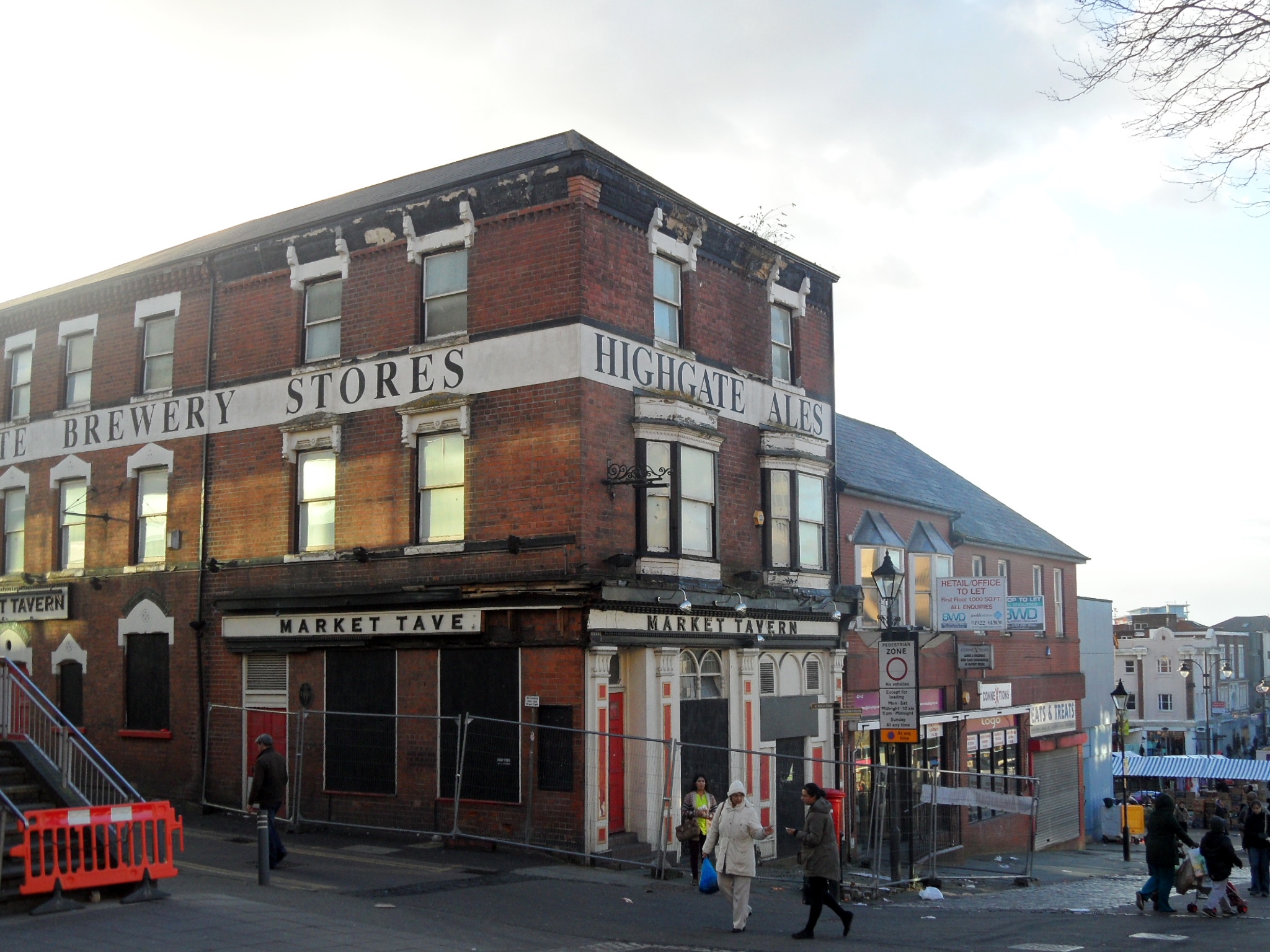
Yesterday, as well as visiting the family, we went to have a look around the Art Gallery and the town. On the way back we passed the pub that we once knew and loved as the Brewery Stores & Vaults. Back in the late 1990s, it was one of the liveliest places in town but now, like the brewery whose name it bears, it stands empty, expect perhaps for the hooded figures and disembodied heads said to lurk in the cellars

SAM_9911

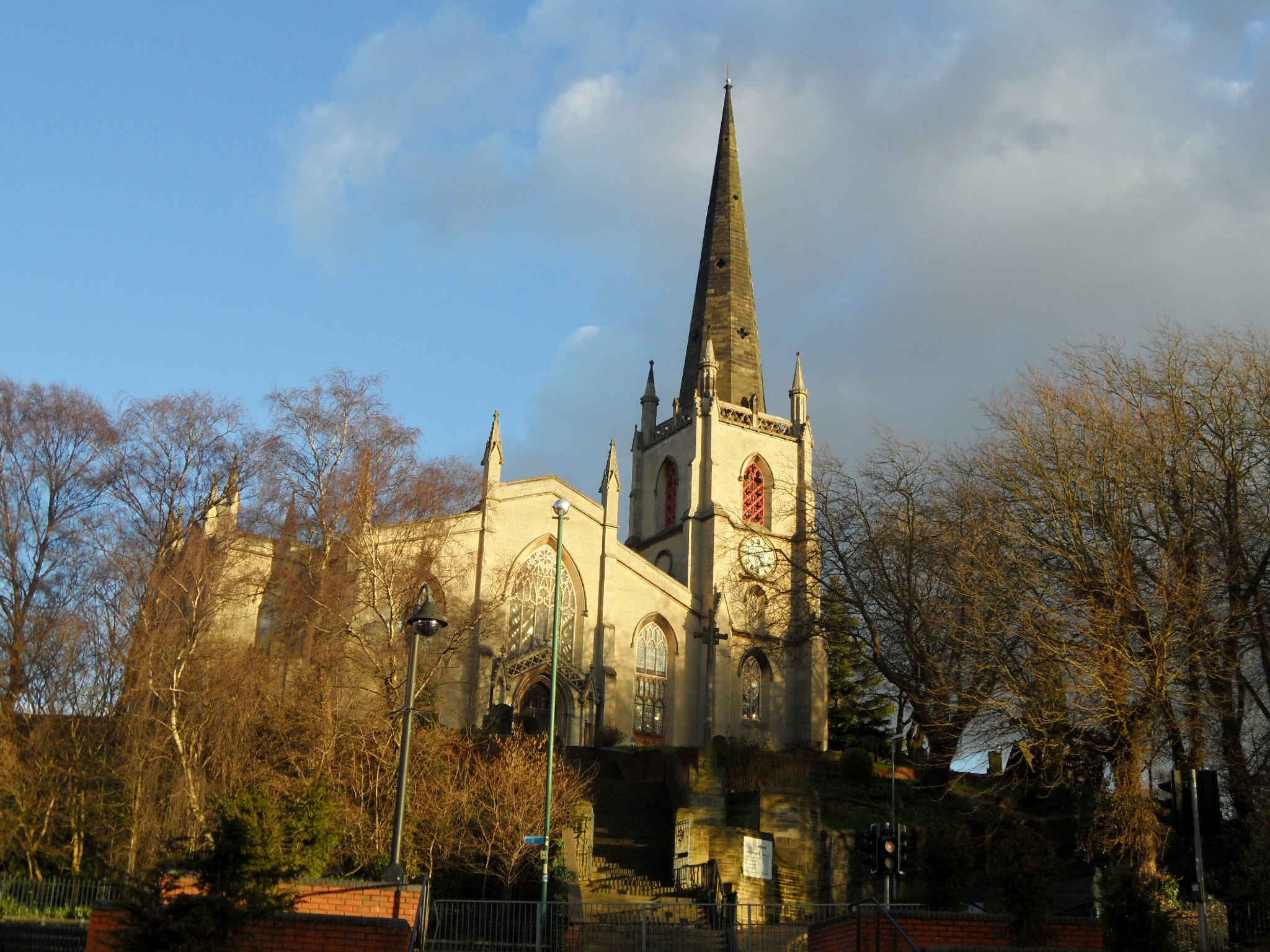
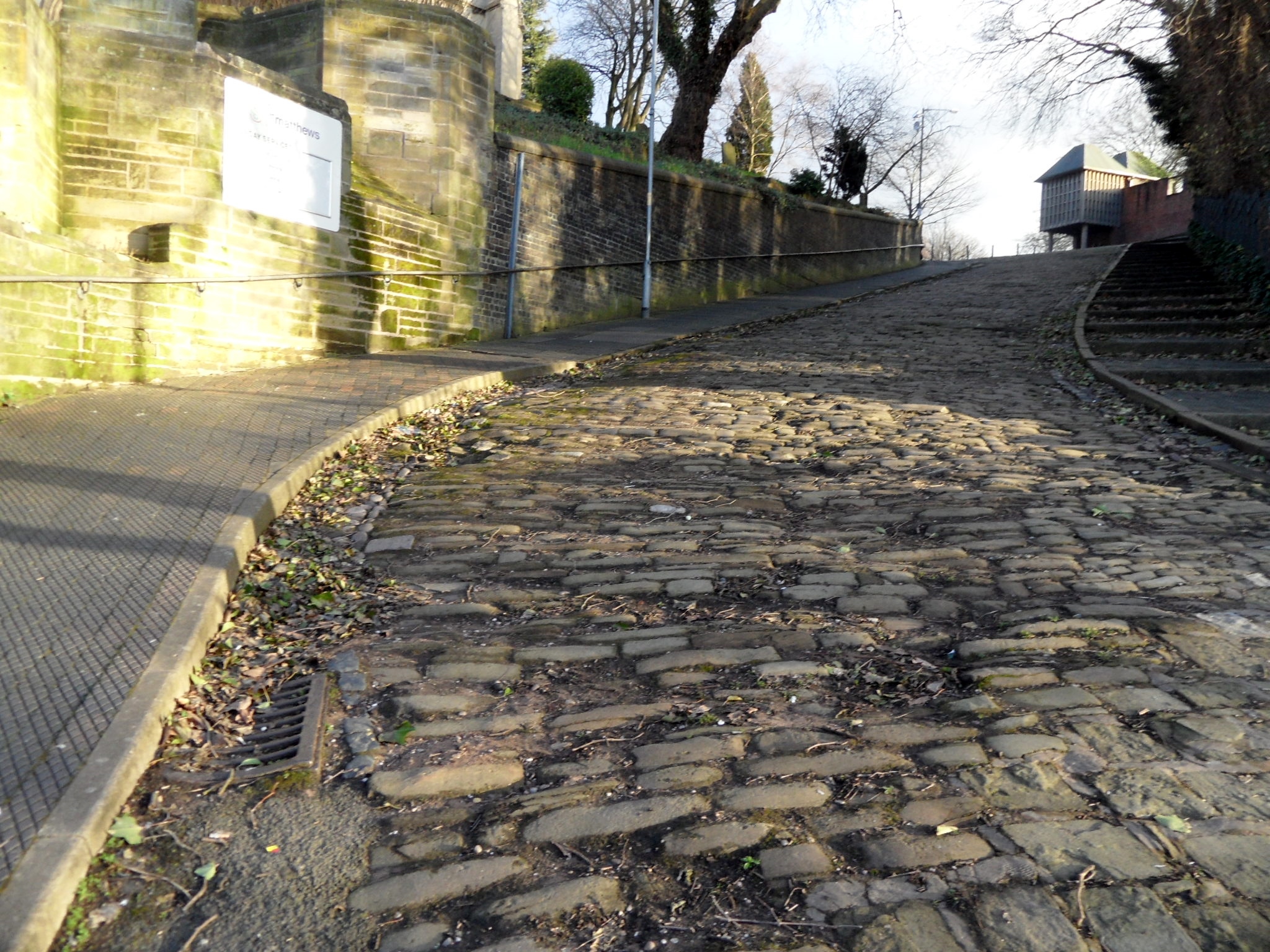
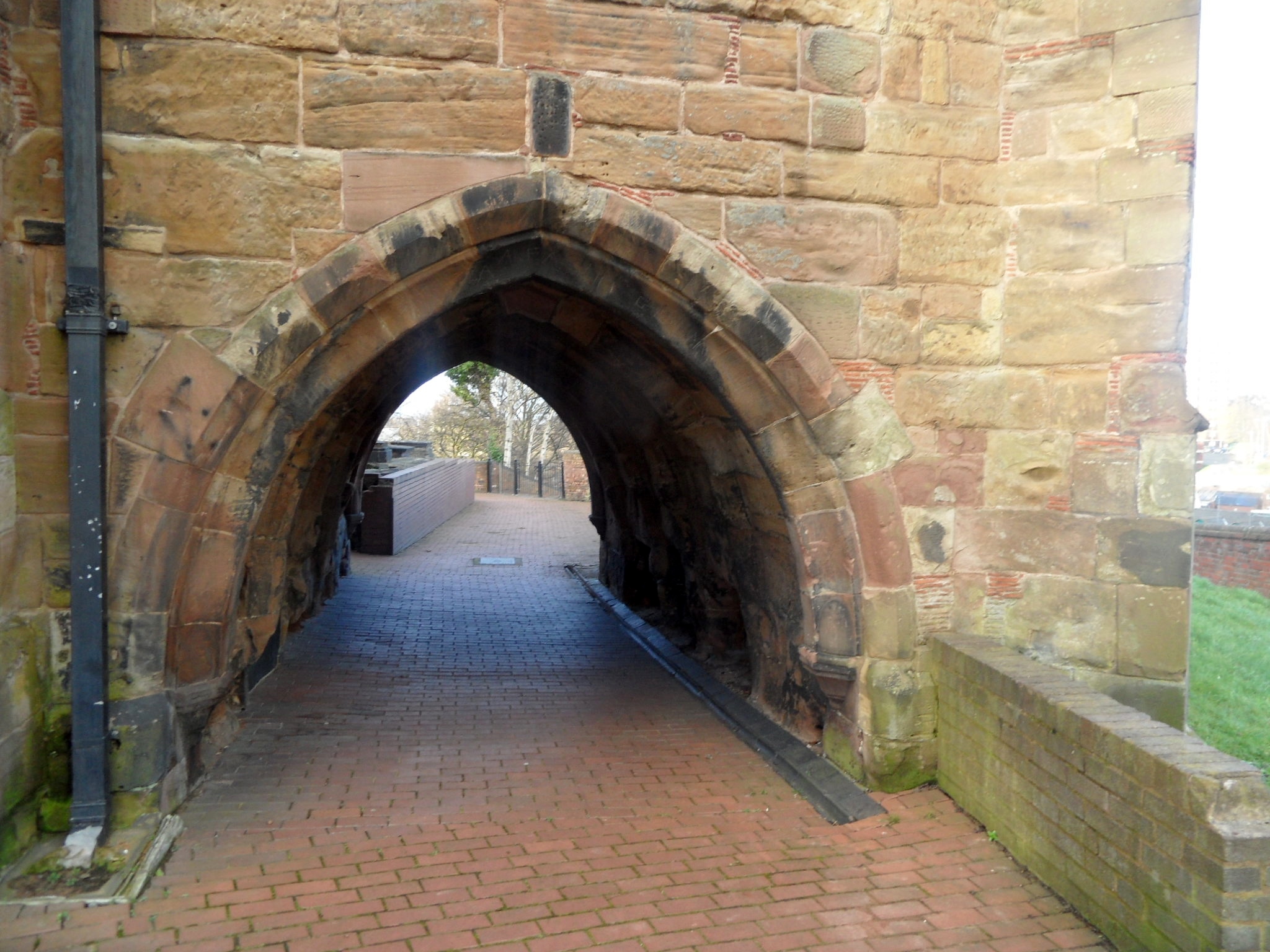
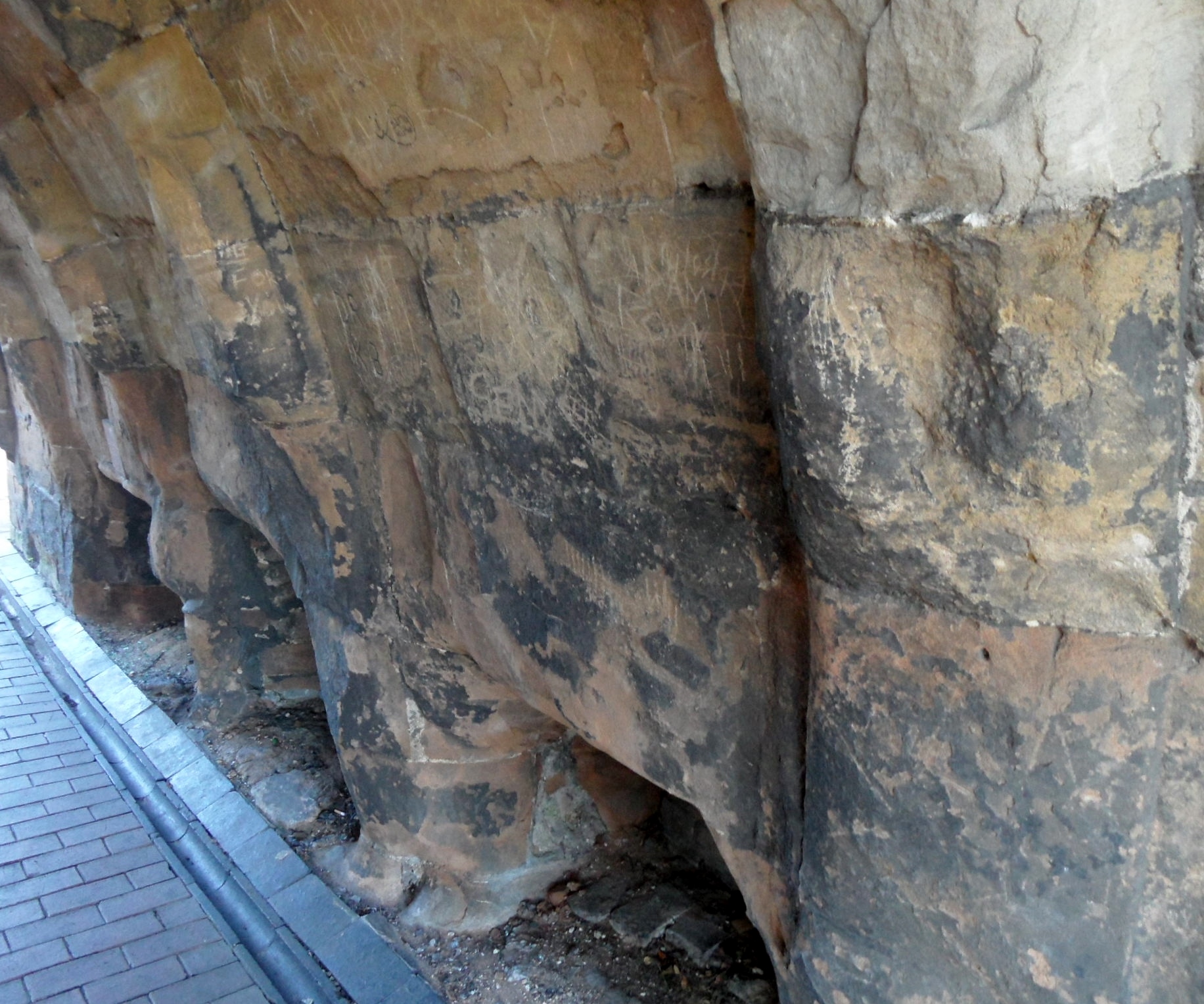
We continued our way back over the limestone hill where the church of St Matthew’s has dominated the Walsall skyline since at least the thirteenth century (although it has only been know by that name since the eighteenth century – it was previously ‘All Saints’). The first time we walked up this hill together, Mr Gomez told me that it was paved with medieval cobbles. I’m not sure if that is true but it’s something that has fascinated me ever since, as has the arched passage on the east end of the church, covered in graffiti and with curious niches on the east side.

As well as this overground passageway, there are supposedly underground tunnels running from here to the White Hart Inn at Caldmore, Barr Beacon and Rushall Hall.  In a history section of the Walsall Council website, there’s a quote from a Mr G of Bath St who in the 1950s said one of the entrances to the tunnels was located at the bottom of some steps of a toilet which once stood on Caldmore Green. He also added that he had been told by some old women that during the reformation, some priests went down the tunnels to escape and were killed after they were filled in.

St Matthew's Walsall

St Matthew’s church, Walsall

Wasall from the Art Gallery.

St Matthew’s Walsall as seen from the Art Gallery.

Medieval cobbles

Medieval cobbles leading up the hill?

Passageway under the chancel of St Matthew's

Passageway under the chancel of St Matthew’s

SAM_9929

Niches in St Matthews passageway

Niche interest

One of my favourite stories about St Matthew’s and Walsall is one I read recently in a book of Staffordshire folktales.  Apparently, the church was originally supposed to have been built on a meadow at the ‘Churchery’, now known as the Chuckery. However, this was where the fairy folk danced and so, naturally, they objected to the plans and took matters into their own tiny hands, moving the foundations of the new church up the hill to the site where it stands today. In another version of the story, the church was moved by witches who had transformed themselves into white pigs.

We walked up a good appetite in Walsall and so we finished our day at the legendary Hargun’s Sweet Centre on the Caldmore Rd, intending to take some goodies back to Lichfield, although they never actually made it past Walsall Wood in the end. Anyway, what I learned today is not only that you can eat a lot of baklava in a twenty minute car journey, but also that once in a while, it’s good fun to explore what’s on someone else’s doorstep.

Sources

Walsall: Economic history’, A History of the County of Stafford: Volume 17: Offlow hundred (part) (1976), pp. 180-208.

http://www2.walsall.gov.uk/History_Projects/Caldmore/A_Walk_Around_the_Green/18.asp

http://www.stmatthews-walsall.org.uk/info/mainhistory.shtml

http://www.blackcountrybugle.co.uk/TALE-WALSALL-PARISH-CHURCH-FAIRIES/story-20122807-detail/story.html

Staffordshire Folk Tales by The Journeyman

Holy Stones

Although St Peter’s Church at Elford was largely rebuilt in the nineteenth century, it is famous for its medieval monuments.  The most well known is the ‘Stanley Boy’, said to depict young John Stanley, last of the male line, holding a tennis ball in his left hand, and pointing to the place where it fatally hit him with his right. On face value, it’s a great story, but the fact that it has been cast into doubt by some makes it even more interesting in my opinion. Nikolaus Pevsner and an article called ‘The so-called Stanley boy monument at Elford’ by Sophie Oosterwijk for the Church Monument Society date the monument as thirteenth century whereas, according to the story, John Stanley died in around 1460. It has been suggested that at some point the effigy may have been modified to add weight to the local legend. It’s a nice reminder that when it comes to history, you can’t even trust what’s carved into stone. There’s a drawing of the effigy from the eighteenth century here on Staffordshire Past Track.

Unfortunately, on my recent visit, I didn’t manage to see the Stanley Boy (or whoever it may be!) close up. The wooden gates separating the Stanley Chapel from the rest of the church seemed to be locked and I didn’t try to hard to open them.  A lady doing her stint on the flower rota had told me that the church had suffered from a recent lead theft and I didn’t want to add to its troubles by breaking anything. Anyway, there were plenty of consolations including the beautiful Minton tiles, stained glass and another curious monument outside.

Just one of the lead pipes stolen for scrap metal, leaving the church vulnerable to water damage.

I’ve walked around my fair share of churchyards and although I’ve seen plenty of worn and weathered stones,  I can’t remember having ever seen a hole in one like this before and would be grateful for any explanations (or failing that, guesses!) for what’s happened here.