Watering Hole

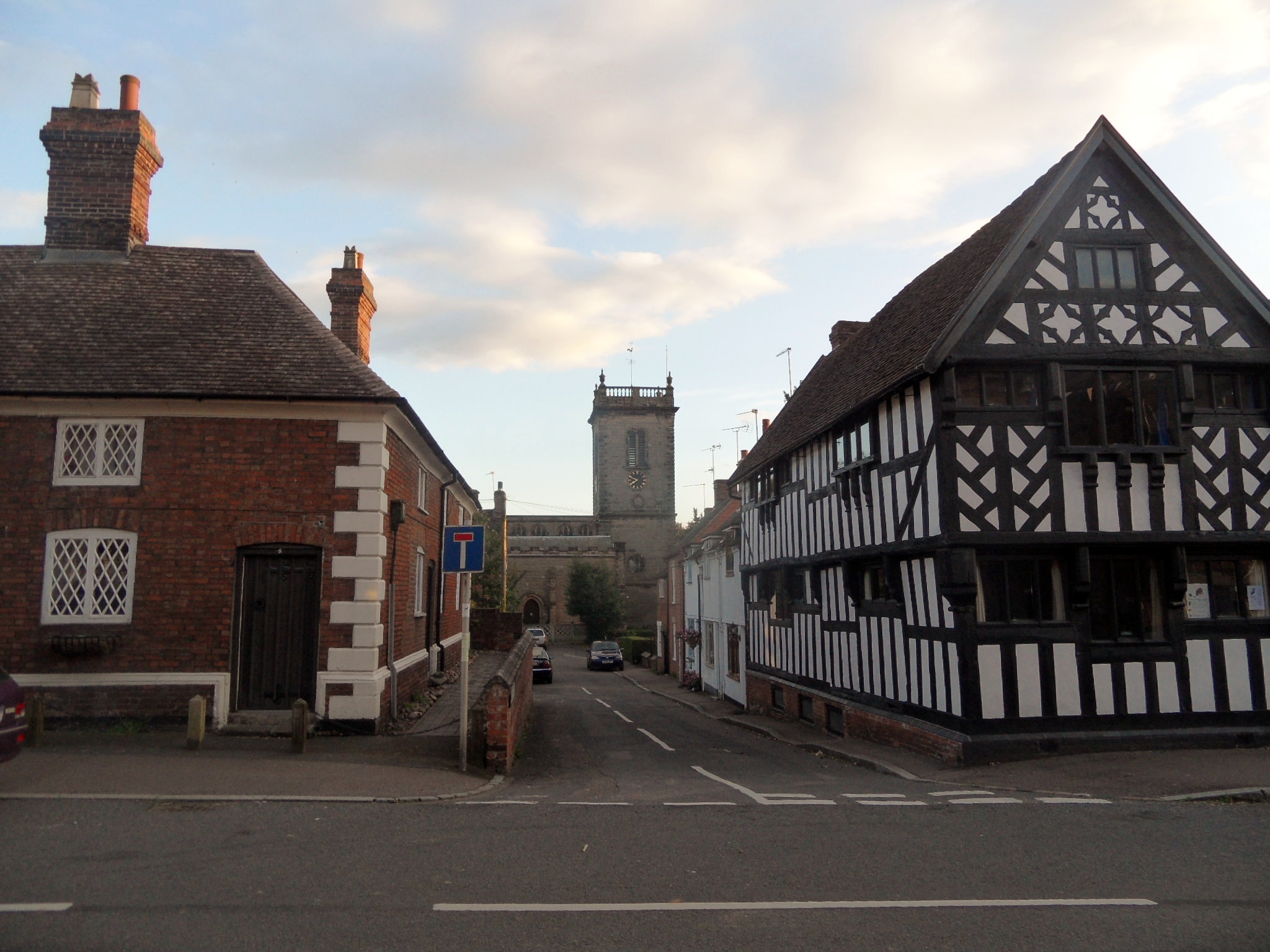
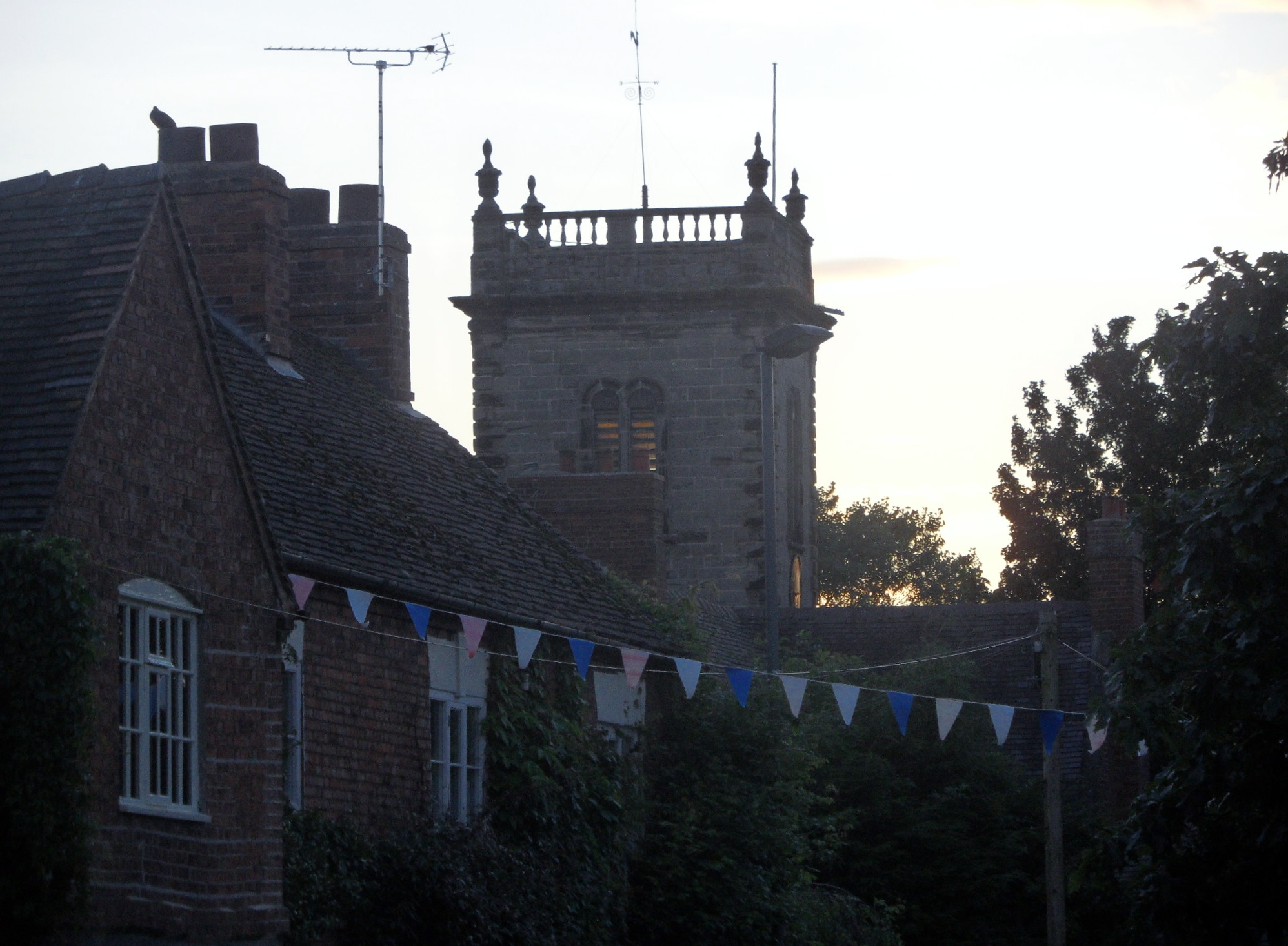
On the way home from Tixall (of which more later), I stopped off at Longdon village and called into the Swan With Two Necks for a drink. I only had time for a very quick look around the village but even in this short space of time managed to find lots of interest, much of it water-related, which seems only natural in a place also known as Brook End. I hope to return to Longdon and the surrounding area (and of course the pub!) in the not too distant future. Amongst other things, I want to see if there are any nuggets of truth in an old ghost story I found about Lysways Hall….

The pub name Swan with Two Necks is apparently a distortion of ‘Swan with Two Nicks’, referring to the marks made on the birds’ beaks to denote ownership. More info here

Talking of ownership, the SWTN has been under the management of Mary McMeechan since 1st March 2013, the latest in a long line of landlords stretching back to 1755!

Brook End Mill dates back to the 1700s and appears on the Yates Map of Staffordshire.

The mill race still runs and you can follow it for a way up a public footpath.

This area is full of wells, some with brilliant names & legends attached. I think if I’d have carried on up past here, I’d have come to my all time favourite – Giddywell! Never mind, I did find this one near to the mill and there’s always next time…

I’m not sure if this pump is original. There are some other Staffordshire water pumps on this website, perhaps I should send them the photo and get their expert opinion?

These cottages are thought to be a 16th timber framed building that was divided up into separate houses at some point in the last half a millenium or so!

Over to the experts again, and this time John Higgins of the Mile Stone Society who researched Staffordshire Mileposts and found that in 1893, 335 posts were ordered from Tipton firm Charles Lathe & Co at a cost of 19s.6d each, including this one in St James’ Close

All The Small Things

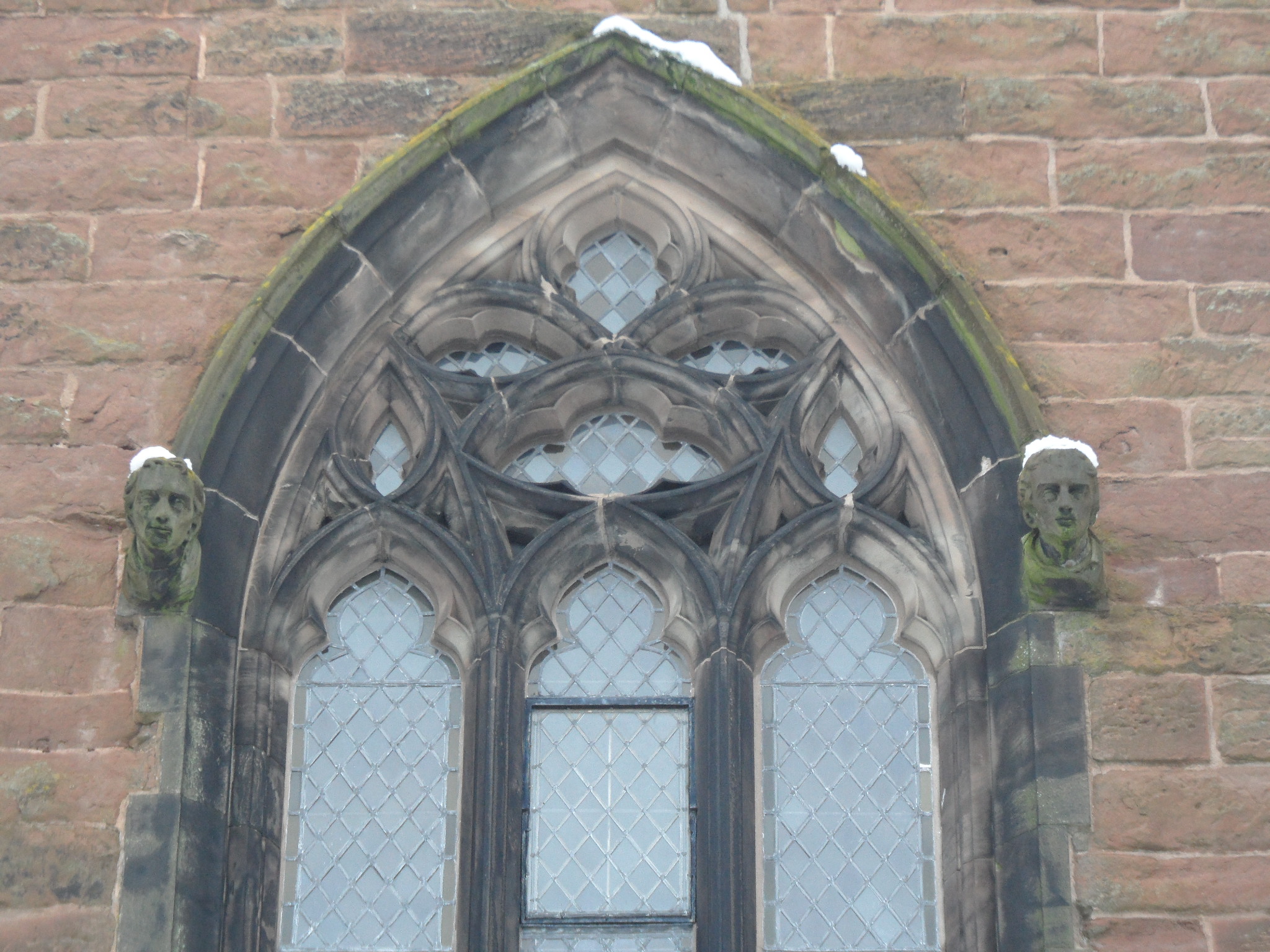
Tomorrow’s walk will be different to today’s walk….I have walked past Christ Church three times in as many weeks. Each time was different. The first was a bleak midwinter day, the biting cold numbing my fingers as I photographed the stone heads around the church. By the second, the scene had changed and even the heads were capped in snow.

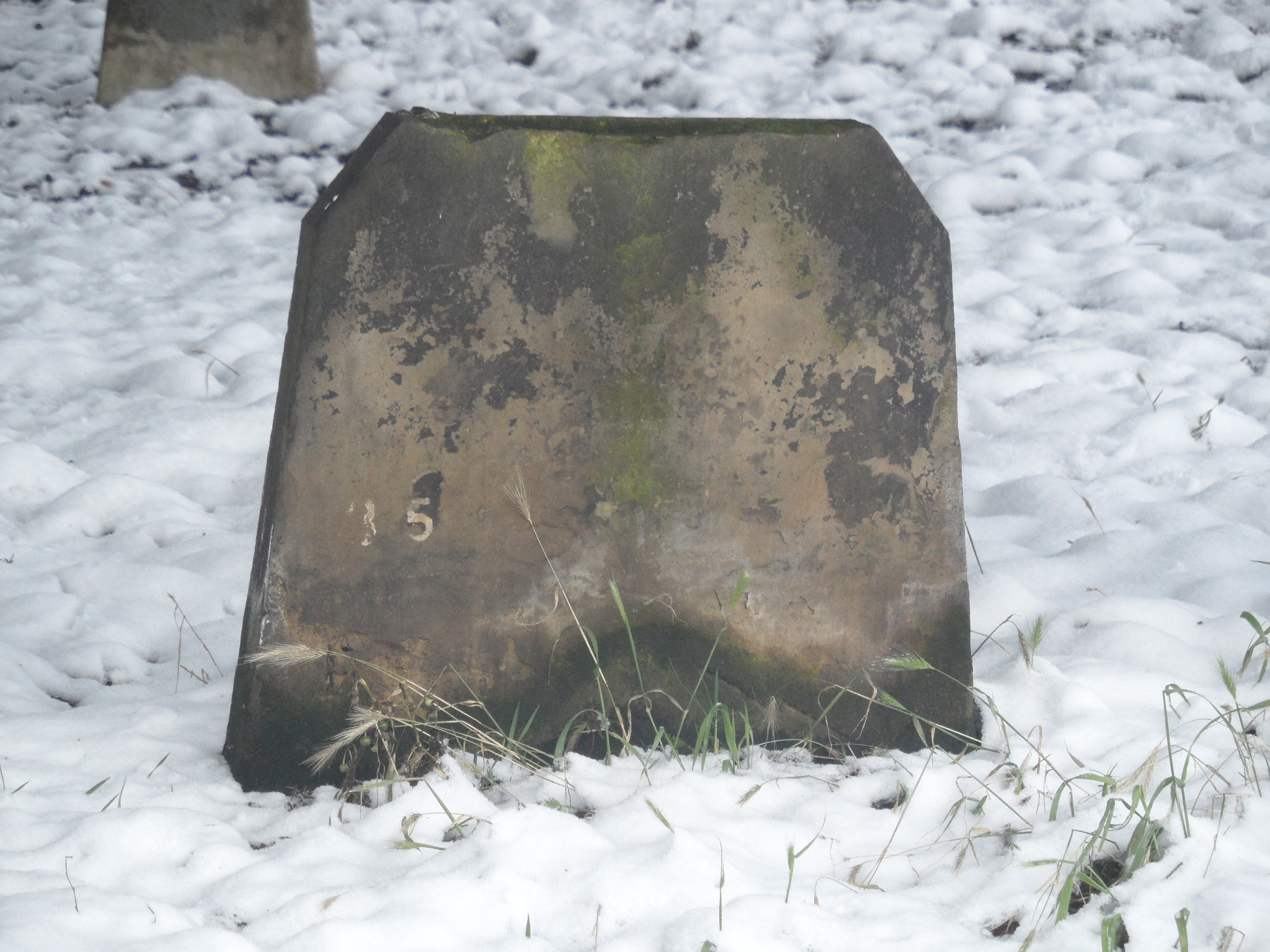
Whether somehow related to the snow or whether the weather was incidental, numbers on the reverse of head stones that I had previously passed were suddenly evident where I had never noticed them before. Interesting that only two of the several stones I could see from the road had numbers on them, so I’m guessing that they were some sort of reference mark made by the stone mason? Naturally, we look to the inscriptions on the front of headstones for information, but can the back sometimes tell us something as well?

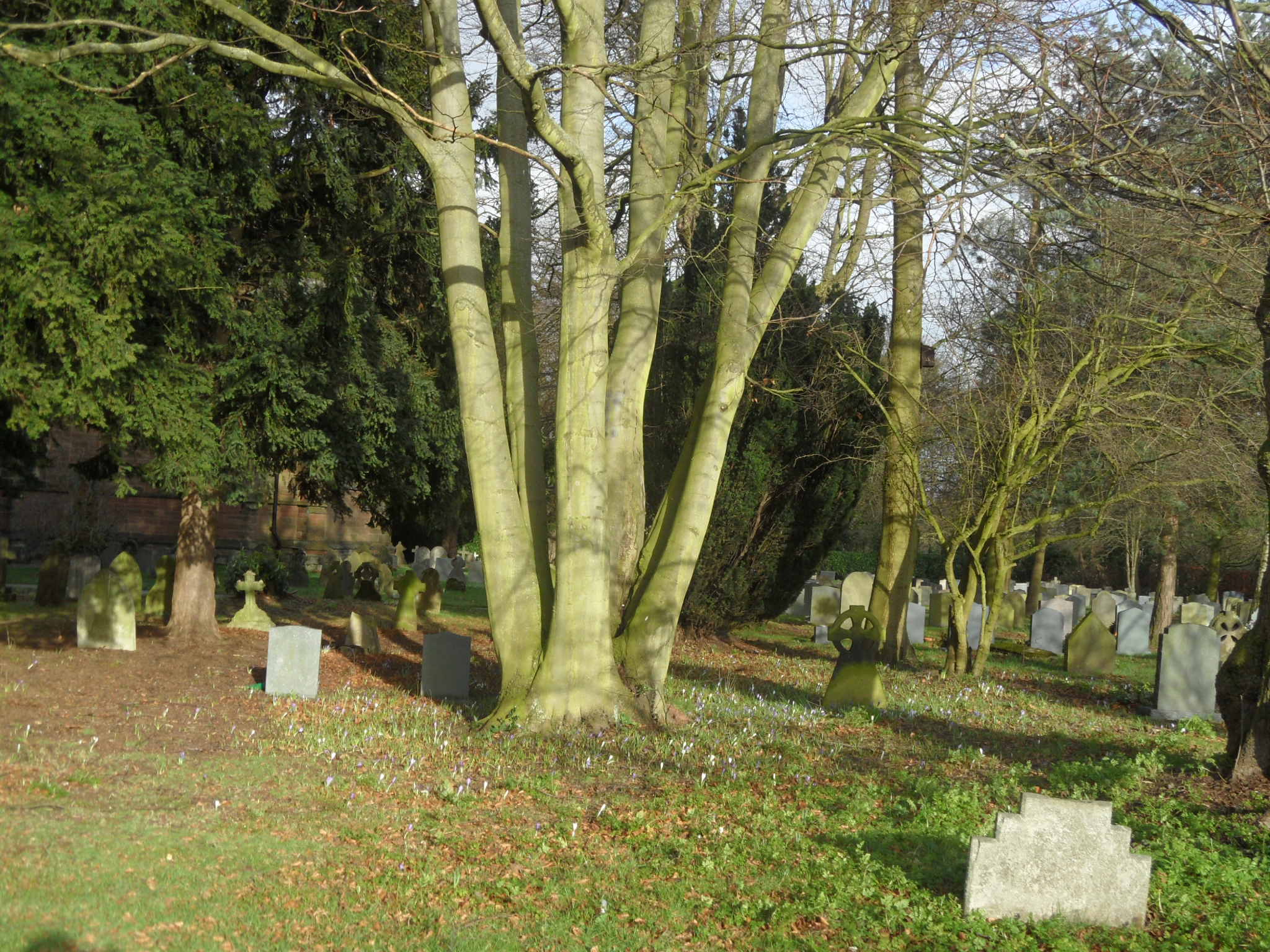
On my third visit yesterday, the snow has been replaced by snowdrops and crocuses, the first flowers of the year and a welcome reminder after last week’s mini ice age that spring is on its way (I know we’re not out of the winter woods yet, but I’m optimistic!).

Another weather and season influenced walk was up Abnalls Lane on a wet and windy day.  Tipping my head back to gather my hair in a pony tail to stop it blowing in my eyes caused me to look up and notice fungi growing half way up a tree up high on a bank that may have been missed on a calm and sunny wander. On the same walk the bareness of winter revealed some sort of post in a hedge (I have no idea what this is – some sort of utilities marker?)

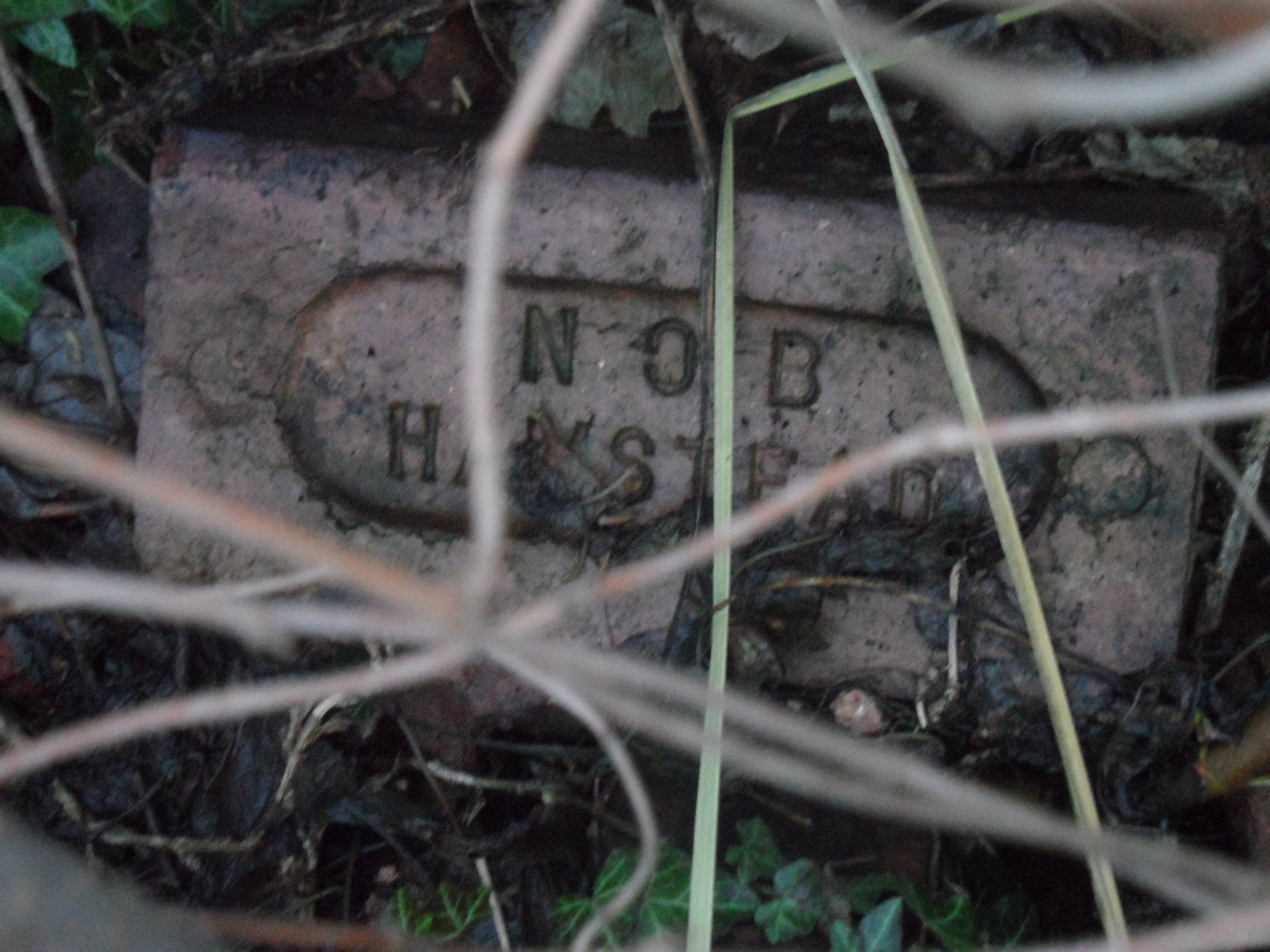
The light was poor and Abnalls Lane was more of a stream in places. With the amount of cars passing, it was only a matter of time before I ended up soaked or worse….so I changed my route. Later, outside the derelict Sandyway Farm, a pub known as the Royal Oak for the first half of the nineteenth century, one of the bricks had worked its way free of the decaying shell and lay under brambles alongside the Walsall Rd. I understand that the stamp ‘NCB Hamstead’ means it came from brickworks at the Hamstead Colliery in Birmingham, when it was part of the National Coal Board.

Is the C the wrong way around or is it me?

Admittedly, all of the above are small things but whether small things help you to build a bigger picture of the place you live in or even if they just make you smile, I think they’re worth noticing.


ExpLore – Lanes Around Leomansley

Walking is such a pleasure. I get seriously itchy feet if deprived for more than a day or so, and my spirits are always lifted after a good old trudge around. Exploring somewhere for the first time is fantastic, but I also love to walk around the places I know. It somehow gives me feel warm and comfortable feeling, like a favourite old cardigan. And of course, sometimes there can be surprises up even the most familiar sleeve…

I’ve decided I’d like to try and put some walks here so that people can get out and explore for themselves.  One of my best loved walks is of course around Leomansley, so here’s a walk around the lanes that I hope you’ll enjoy doing for yourself. Naturally,  I always encourage straying from the path to investigate something that looks interesting. Getting lost is part of the fun!

Lanes Around Leomansley

The map below gives a rough idea of the route, which is about 2km (depending on how many diversions you take!). I’ve marked some of the points that I think are of interest but of course there may be other things…….Below the map is a PDF with a written version of the route, giving information about each of the points. Hope you enjoy it, I’d like to hear how you get on!

Lanes Around Leomansley walk


Fools & Hobby Horses

The Abbots Bromley Horn Dance takes place each year on Wakes Monday (the first Monday following the first Sunday after 4th September), which means that this year it will be on 10th September.

As far as I can gather, the horn dance is one of those traditions where no-one is quite sure what it’s all about. There are six dancers carrying reindeer antlers, a fool, a hobby horse, Maid Marian, a boy with a bow and arrow, an accordion player & a triangle player. The horns are collected from the church of St Nicholas at 8am and are returned 12 hours later after the participants have danced around the village and out to Blithfield Hall. According to the horn dance of Abbots Bromley website, when one of the horns was damaged in 1976, a piece was sent to be carbon dated. It was found to date back to 1065 (plus or minus 80 years) although the general consensus is that this doesn’t really help to date the dance itself.

I’m ashamed to say that every year I’ve planned to go and watch the dance, but haven’t made it for one reason or another. I have been to the village on several non-horn dance occasions though and it is a lovely place.  However, Mr J Carver, in his 1779 book ‘The Universal Traveller’ wasn’t impressed , saying,

It stands at the distance of a hundred and twenty eight miles from London but contains nothing worthy of note

(Lichfield fares a little better. In Mr Carver’s opinion, ‘It is a long, straggling place but has some handsome houses’).

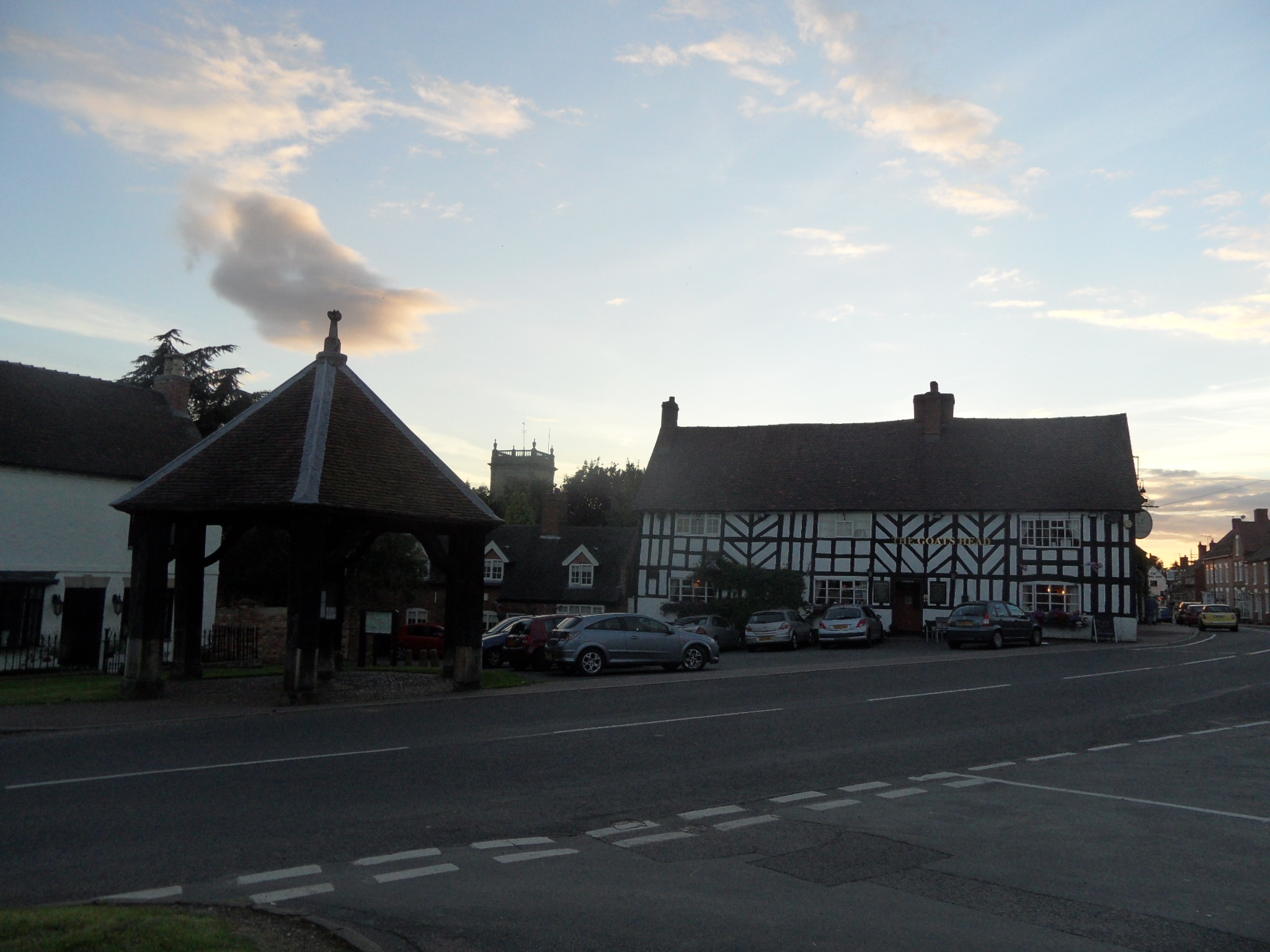
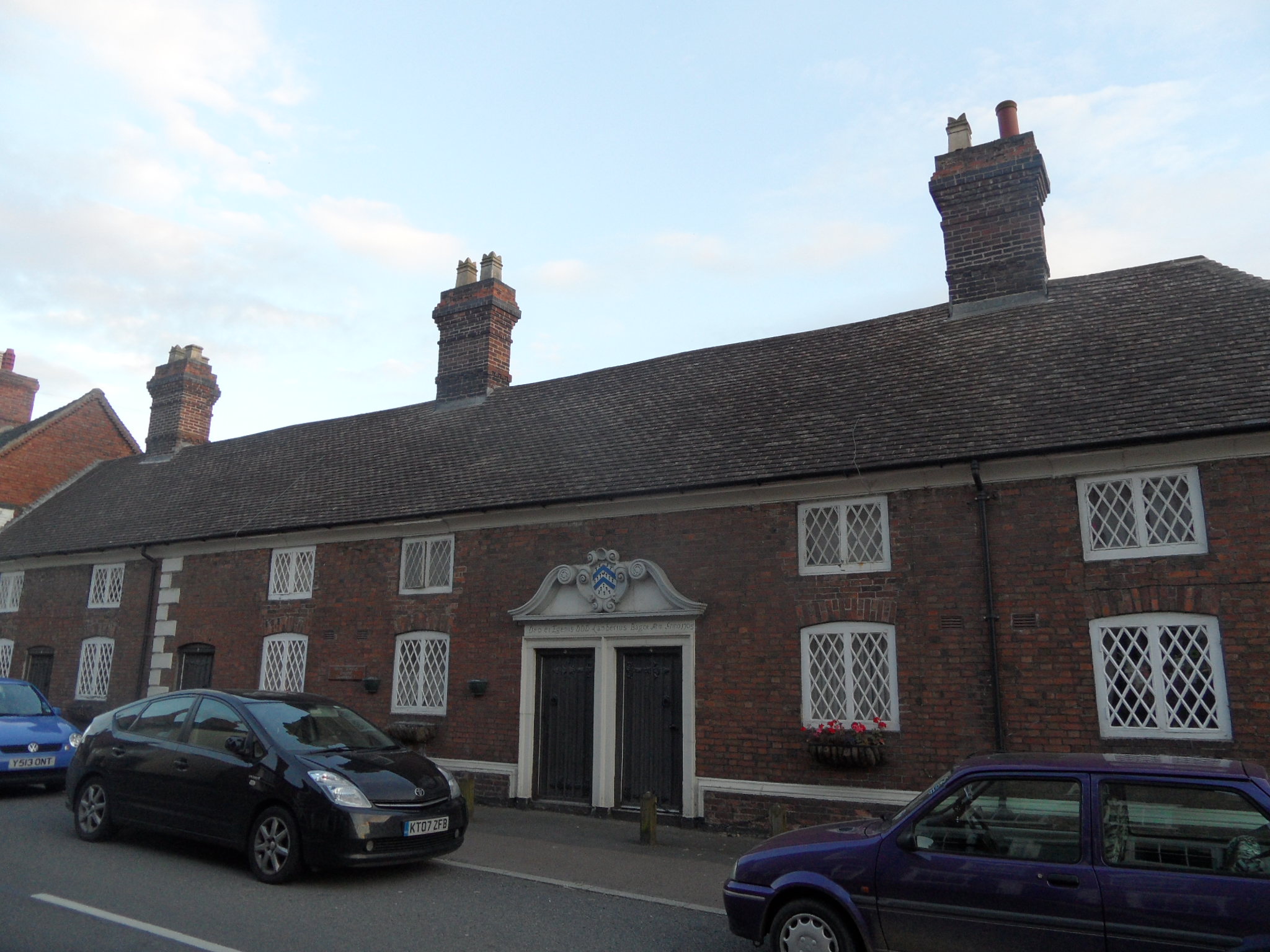
Walking through the village, to my 21st century eyes, practically every building looks worthy of note. Amongst many others, there’s the Butter Cross (or Burger Cross as a practical joker would have it in 2002), the Goat’s Head Inn (which is thought to date back to the early 1600s, with possibly even older cellars and of course, a secret passage story!) and Almshouses (above the doors are the Bagot family arms and the inscription Deo et Igenis DDD Lamberius Bagot Arm Anno 1705).

The Butter Cross, The Goats Head Inn & St Nicholas Church

View of St Nicholas, where the horns are displayed throughout the year.

Church of St Nicholas, from the High St

Almshouses

A couple of years ago the BBC made a programme about folk dancing in England and you can see the clip about the horn dance here. There are also some photographs of the tradition taking place in the 1930s here on the Staffordshire Past Track website.

I believe that the horns never leave the parish boundary (when not in use they are stored in the church of St Nicholas) although the dance can be performed elsewhere (another set of antlers is used on these occasions). I’ve also just discovered that this year the third annual Abbots Bromliad will take place in California, where they are hoping to beat their own record for most people dancing the horn dance at once (144 in 2010). You can even order your own set of acrylic antlers for $20 to help you feel the part! Hmmm, I wonder what the postage & packaging would be to get a pair sent to Lichfield….and would they get here in time to wear on the 10th September?

Seriously, we’re lucky to live so near to a place where one of the country’s best known (and possibly one of the oldest) traditions takes place and I really must make an effort to go this year to see it for myself.


Bit of a Bore

Last night in the Horse & Jockey on Sandford Street, the Holden’s Golden Glow and the football were in full flow. The former was definitely more satisfying than the latter. As Spain made their millionth pass around the forty minutes mark, my mind started to wander. It wandered back to Bore St, where I was still trying to work out which of the ward banners belonged to this Lichfield ward and why (some of the name plaques underneath the flags were obscured when I went back to check).

Bore St ward banner?


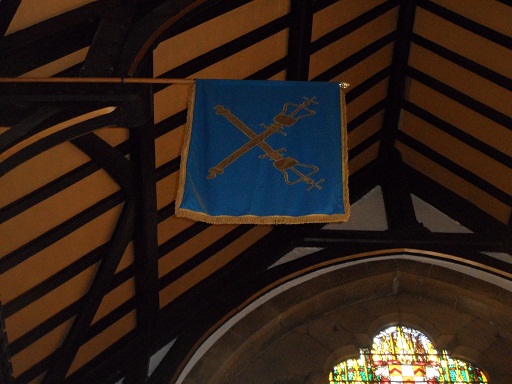
It dawned on me that this flag showed the city maces, which are used in civic processions and date from 1664 and 1690. The centre of civic events in Lichfield is of course the Guildhall on Bore St where of course the flag is hanging. So I should probably  have worked this one out a bit quicker!

The maces being carried in the 2012 Lichfield Bower procession


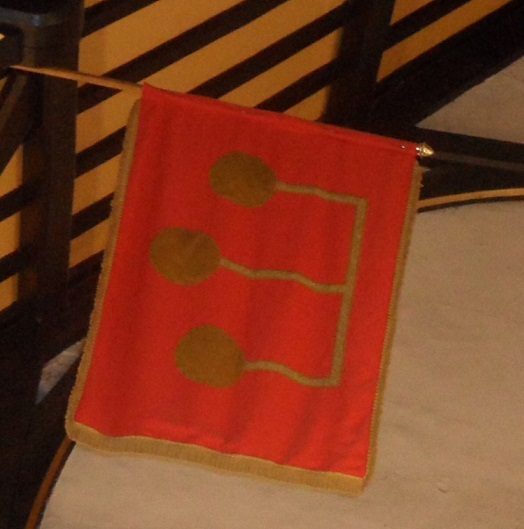
Whilst we’re on the subject of football, what about the golden balls of the Lombard St ward banner? I didn’t know until now but Lombard is another name for a pawn broker, and of course this type of business has long been identified by this symbol. Wikipedia explains that the concept originated in the Lombardy region of Italy.

Lombard St was once known as Stowe St infra barras (i.e. the part of Stowe St inside the barrs (or gate) of the city). Did the name change occur when this kind of business was set up in the street? Or is there another reason?

Lombard Ward banner