Forge and Ford

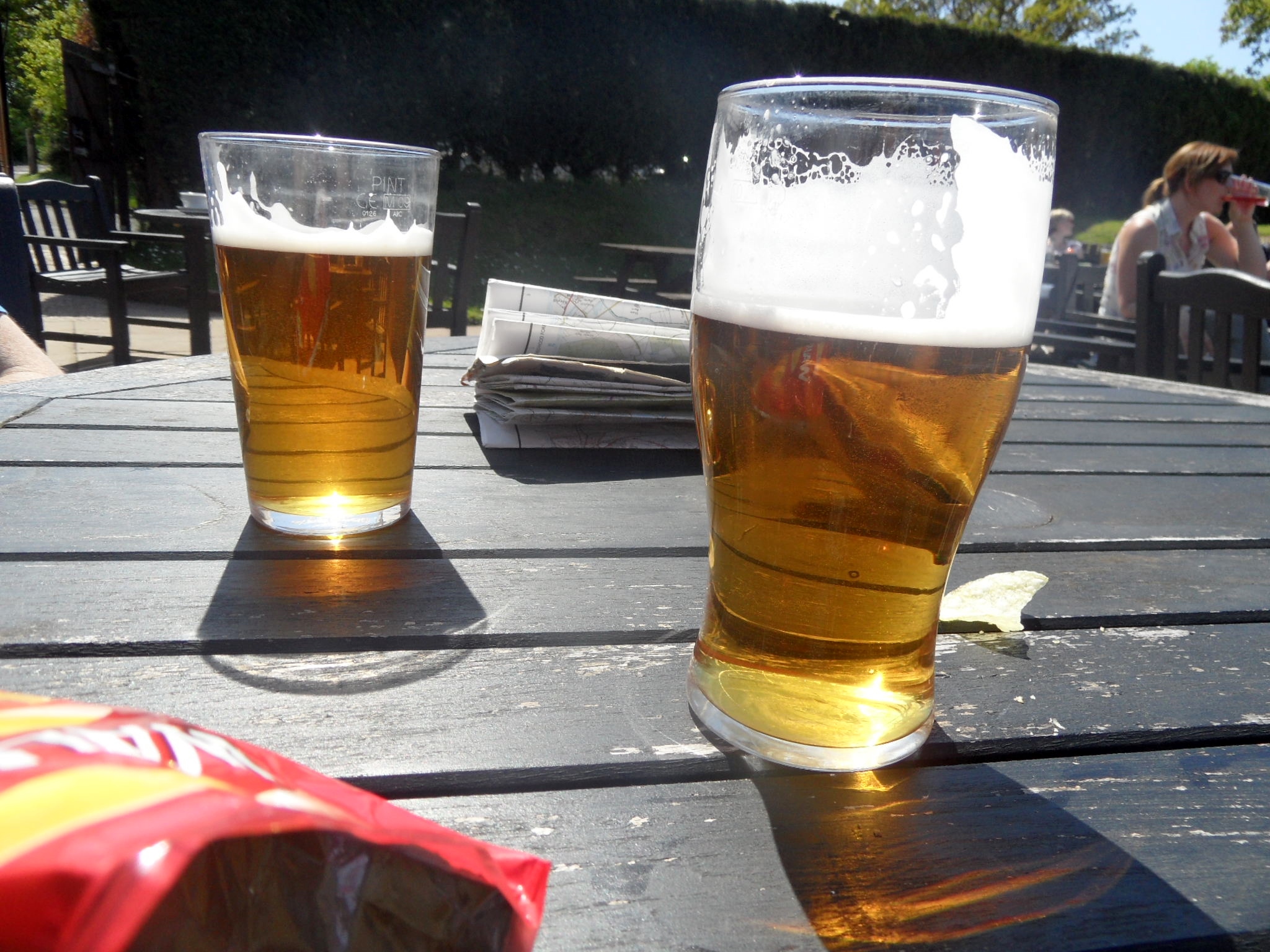
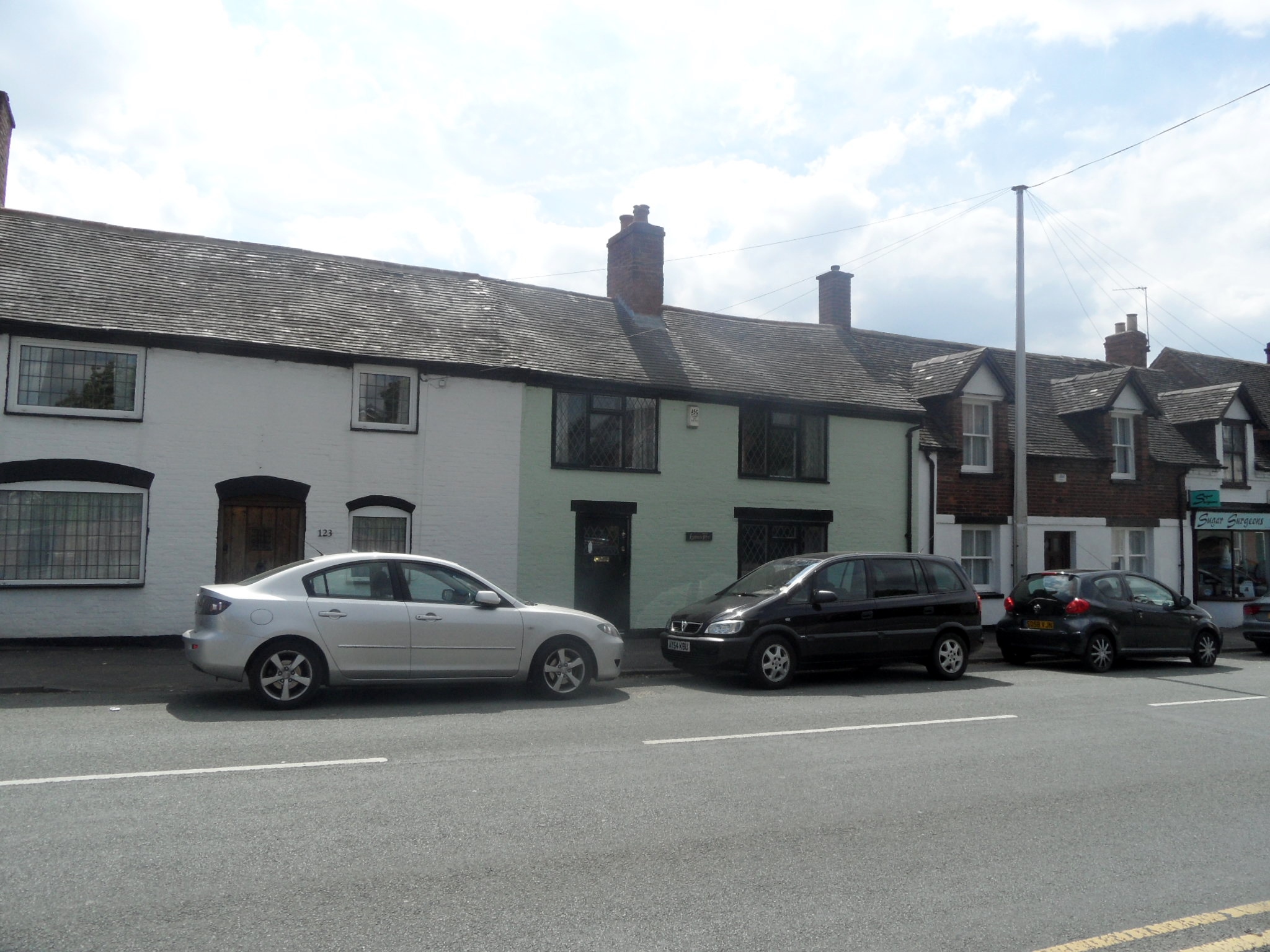
As the afternoon’s weather in Longdon was not quite warm enough for basking in the beer garden of the Swan with Two Necks, I took myself off for a little wander. The pub has a late 19th century map mounted on the wall, and it shows that the building next door was once a smithy. I’ve always had a soft spot for these simple buildings, softened even further by the discovery that one of my ancestors was an innkeeper with a sideline in blacksmithing. One of these days I’ll stop romanticising about it and actually get around to visiting Cirencester to see whether the forge is still there.  For now though, back to Longdon, where in May 1918, the then blacksmith, a Mr T Broadhurst had decided to give up the business and was selling the tools of his trade. On offer was a grindstone on a iron frame, two circular double blast bellows (nearly new), a treadle drilling machine, two black staple vices and other useful tools. The building remained a forge until 1938 and now is home to the WI.

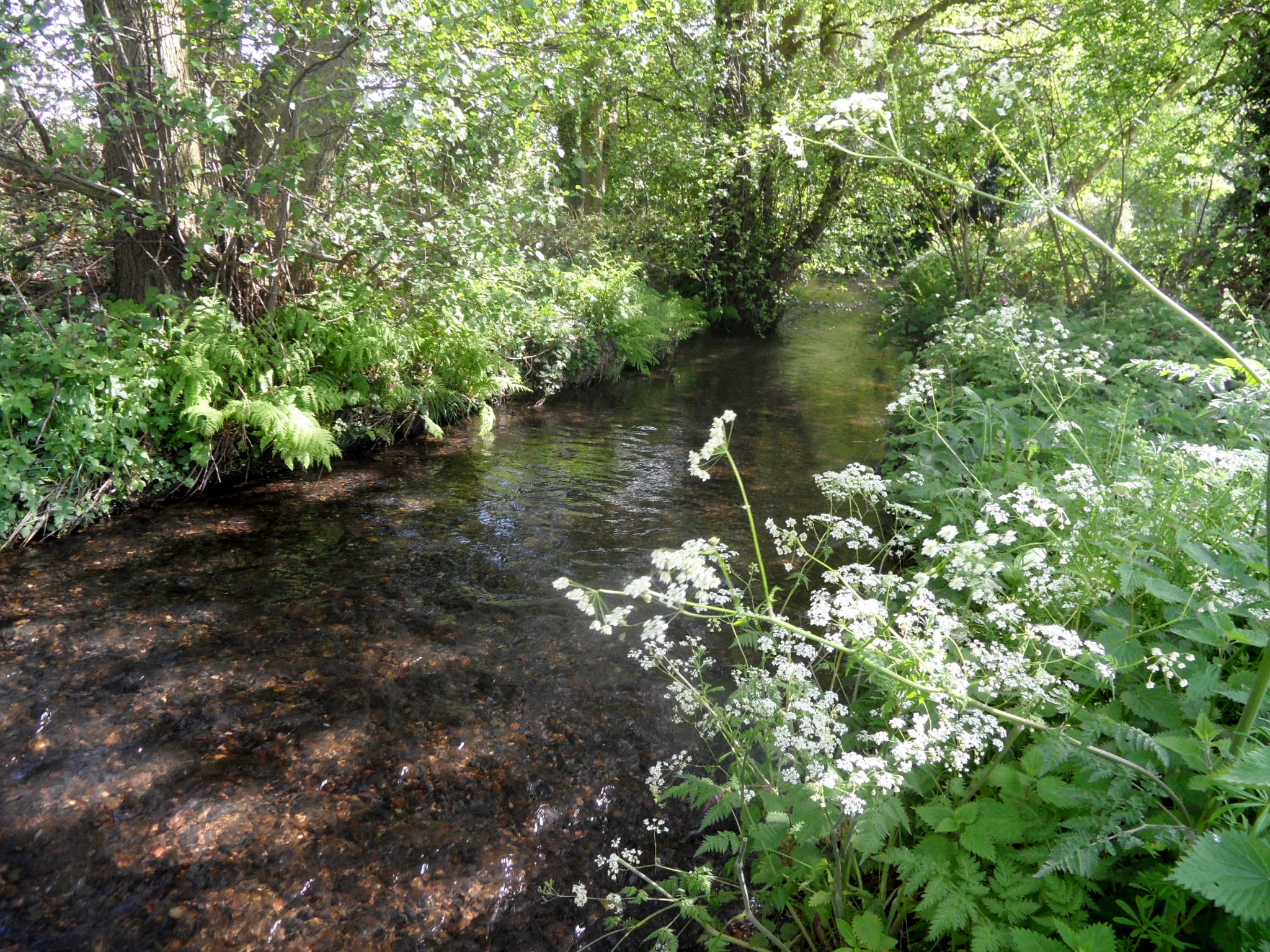
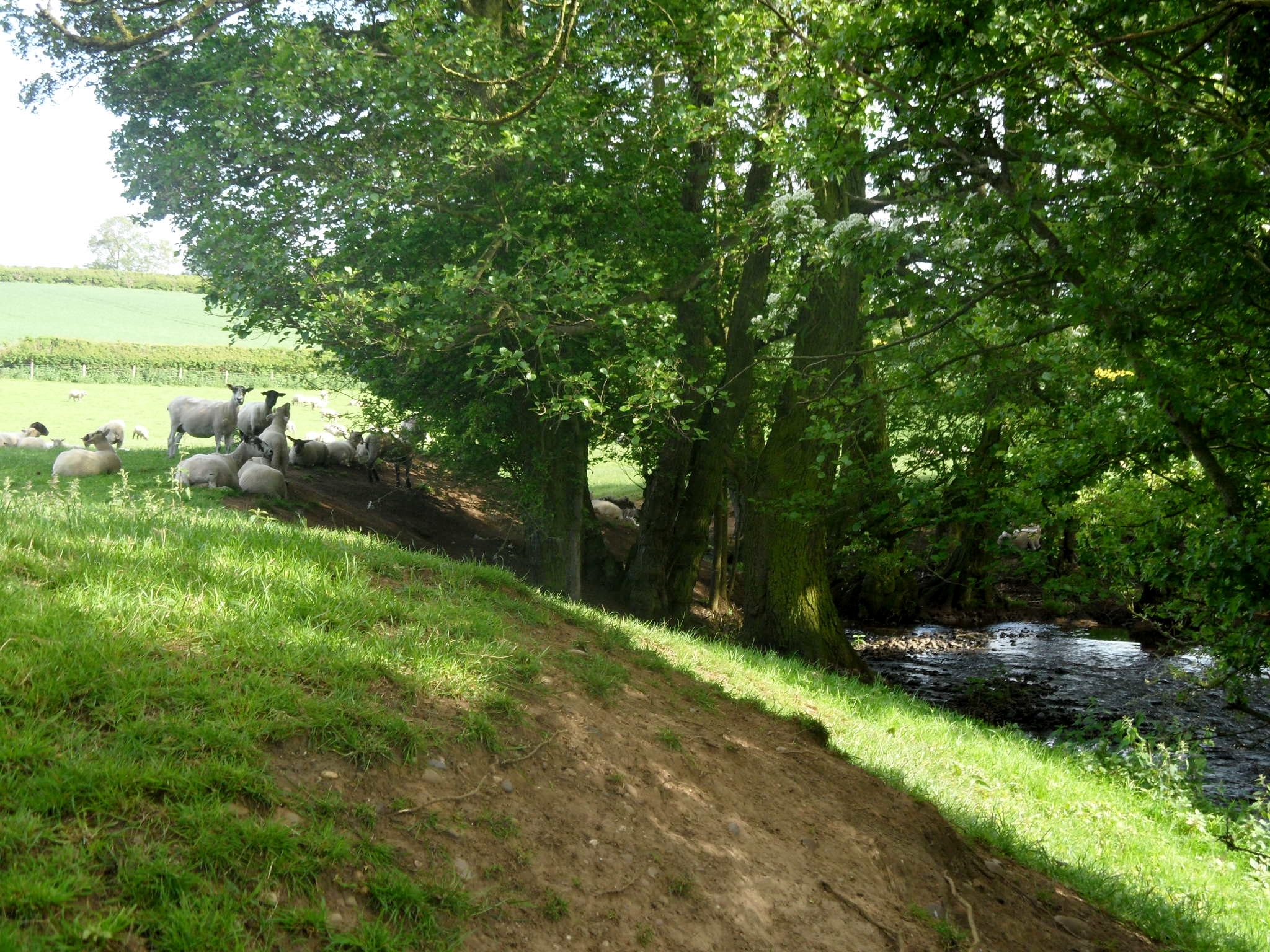
Something else that appears on the pub’s map is a ford, which as the name suggests, is at the end of this lane. I had a walk down and within minutes found myself alongside the Shropshire Brook. I stood for a while on the little footbridge watching tiny yellow birds flit between the trees and the water’s edge. Interestingly, on earlier maps this seems to be called the How Brook.

Fords “shine in the memory” according to the writers of England in Particular

I don’t know much about fords, other than they are a way of crossing streams and rivers, presumably at their shallowest points. Whilst reading up on them at home, I came across a surprising account of an event that seems to have taken place here or very nearby (1).

Sir William Wolseley … lost his life about the beginning of the last century* in a very singular manner. He went to Lichfield one morning about nine miles from his house in his coach and four and on his way passed a little brook which runs across the road at Longdon and which is so shallow that a foot passenger can easily step over it the water being kept up by a mill dam at some distance from the road. When Sir William Wolseley reached this brook on his return home in the evening the mill dam just at that instant suddenly gave way the water rushed across the road overturned the carriage and drowned Sir William with his horses. The coachman was thrown off the box into a tree and escaped.

*July 8th 1728 according to the inscription on the monument to Sir William in Colwich church

Could this these gently flowing waters really have caused such devastation? It’s hard to imagine. A reminder, I suppose, that whether it’s the fire of the blacksmith, or the water turning the mill wheel, we can manipulate the elements of nature, but we are never fully in control.

Sources

(1) – A topographical and historical description of the Parish of Tixall in the County of Stafford, Sir Thomas Clifford and Arthur Clifford Esq, 1817.


Fareground Attraction

In the last couple of weeks, I’ve done a fair bit of walking in the lanes (and on one misjudged occasion, a potato field) around the Lichfield/Burntwood area. On one walk I was accompanied by my husband, on another I was alone. Well, I say alone, but actually you bump into others – cyclists, horseriders and of course other walkers, who generally smile and say hello, and exchange pleasantries. I like that a lot. On the walk I did alone, I made the mistake of trying to take a shortcut. It was a way marked path through fields and the views were great but it felt too lonely. I retraced my steps back through the potatoes and back to the lanes. I’ve realised that I’m not much of a fan of walking through fields. I prefer to be somewhere where others have been, and others are.

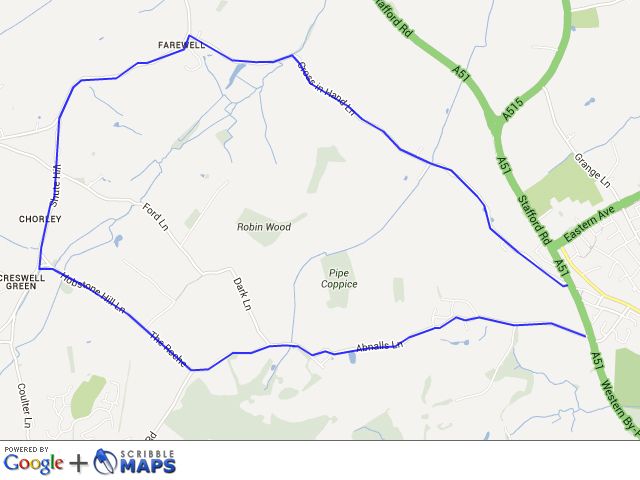
Anyway, in case anyone wants to do a similar walk themselves, here’s a suggested route. I think it’s about 5 and a half miles.  As you can see it’s pretty straight forward, and in fact you could do it either way around, but I’d been reading the book ‘Holloway‘ and liked the idea of walking from Farewell towards the Cathedral down Cross in Hand Lane, as pilgrims did in the past, and indeed still do.

On walks these days, I am torn between the joy of discovering the unknown, and the disappointment on getting home and finding that you were just minutes away from a Tudor gatehouse/CAMRA pub of the year/ancient burial site etc. I hope that including a couple of photos with suggestions of things to look out for won’t make it too prescriptive, but will give you a flavour of the walk.

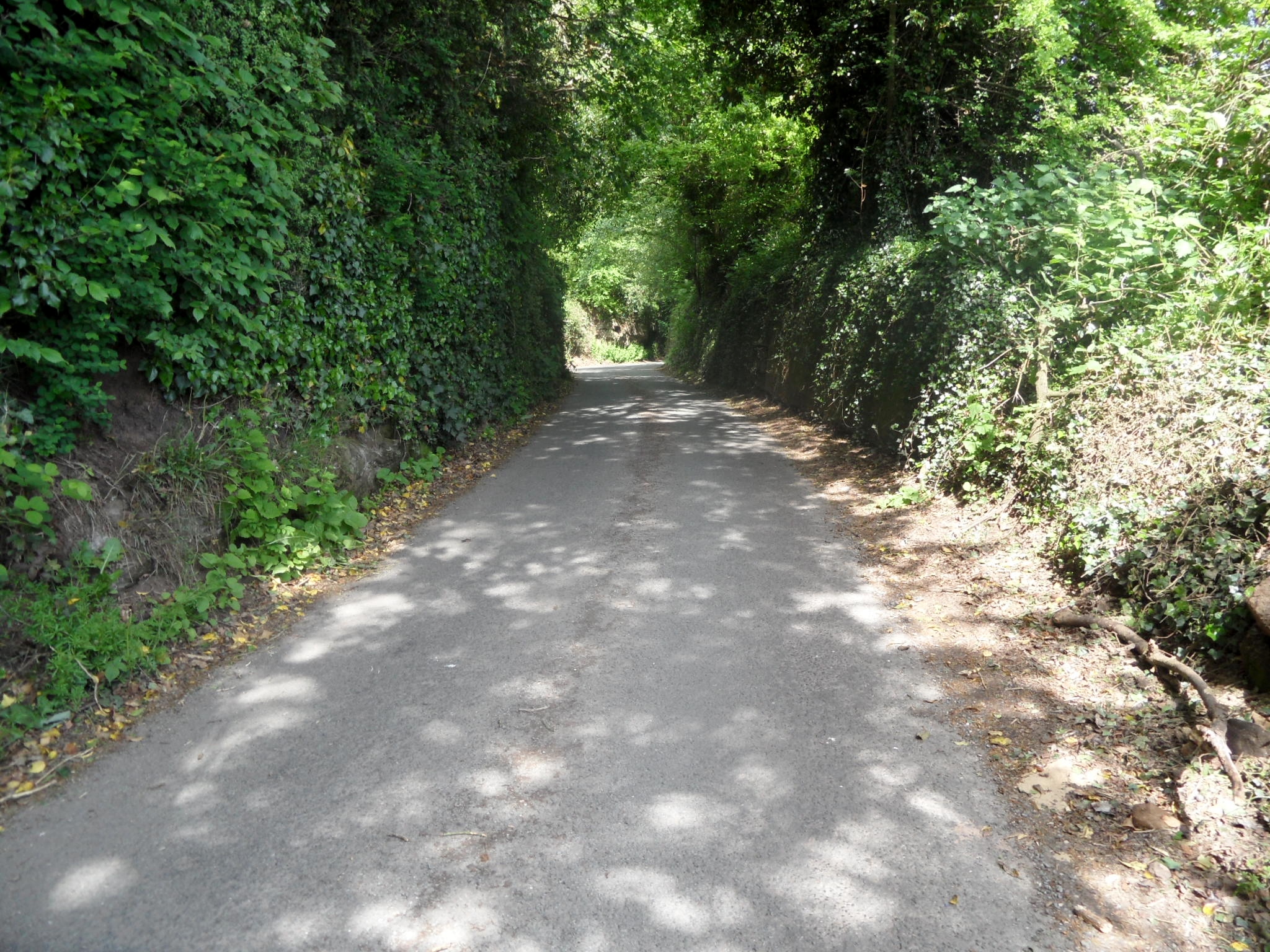
In parts, Abnalls Lane cuts through sandstone, and tree roots grow above your head.

According to the Staffordshire Heritage Environment Record, there are a series of these holloways on the Lichfield/Burntwood border.

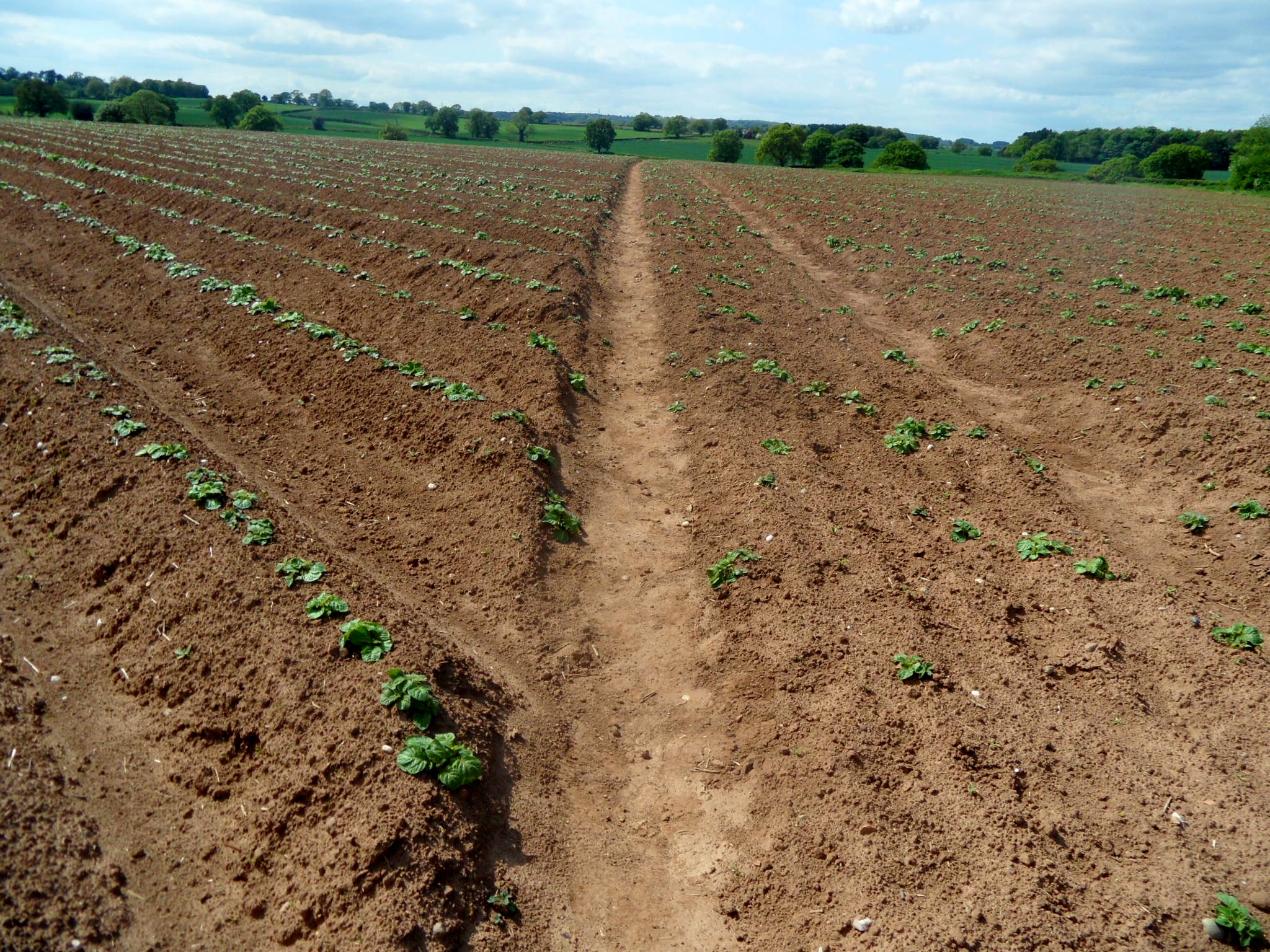
Walking through the potatoes, it felt like there was nothing else but fields.

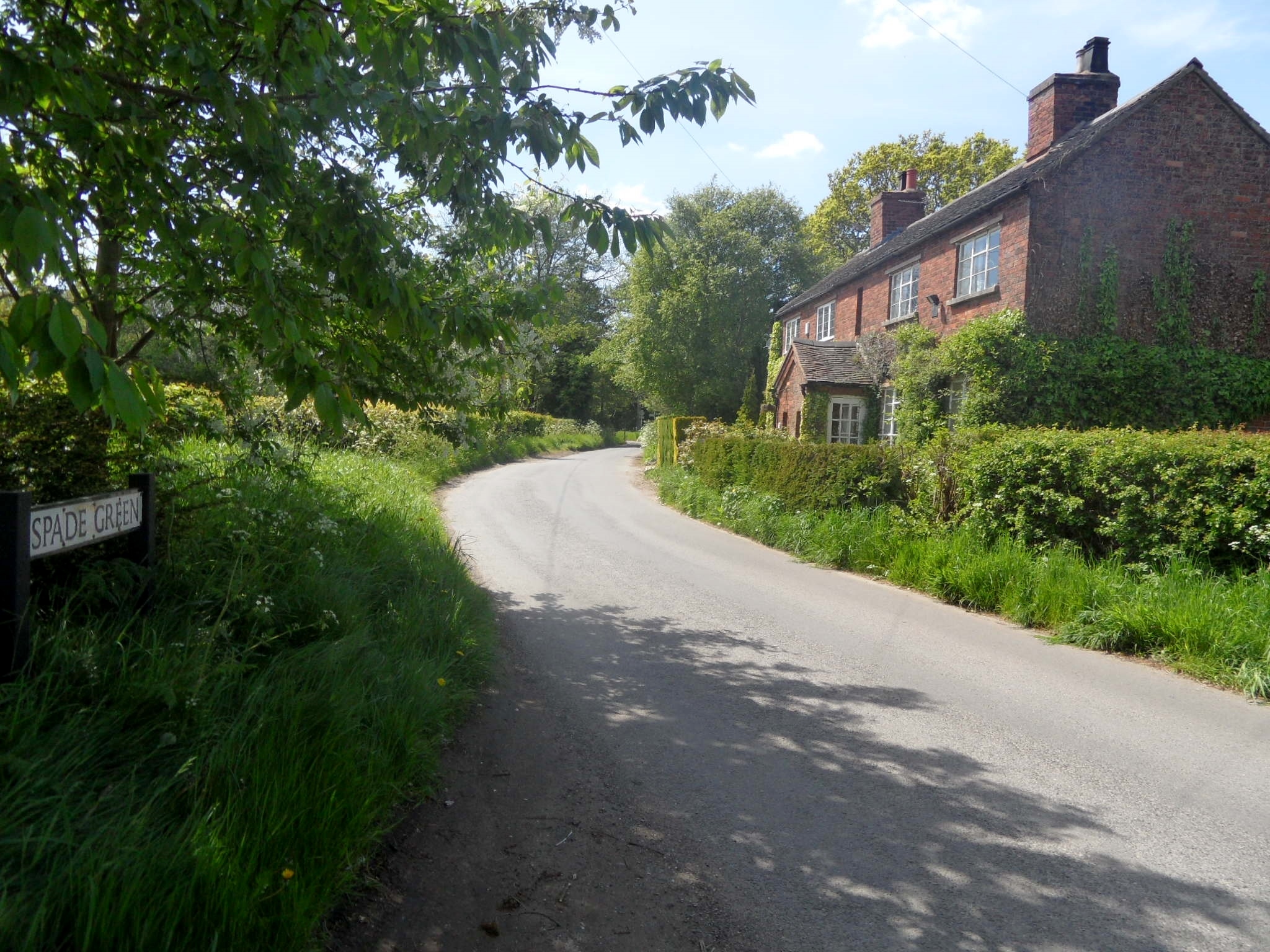
I was glad to get back on the lanes and see signs of human life, like these old cottages at Spade Green, on Abnalls Lane before turning up The Roche.

Found lots of water around Cresswell  (except for the well itself!). This is part of an old mill race, seemingly all that’s left of Little Pipe corn mill.

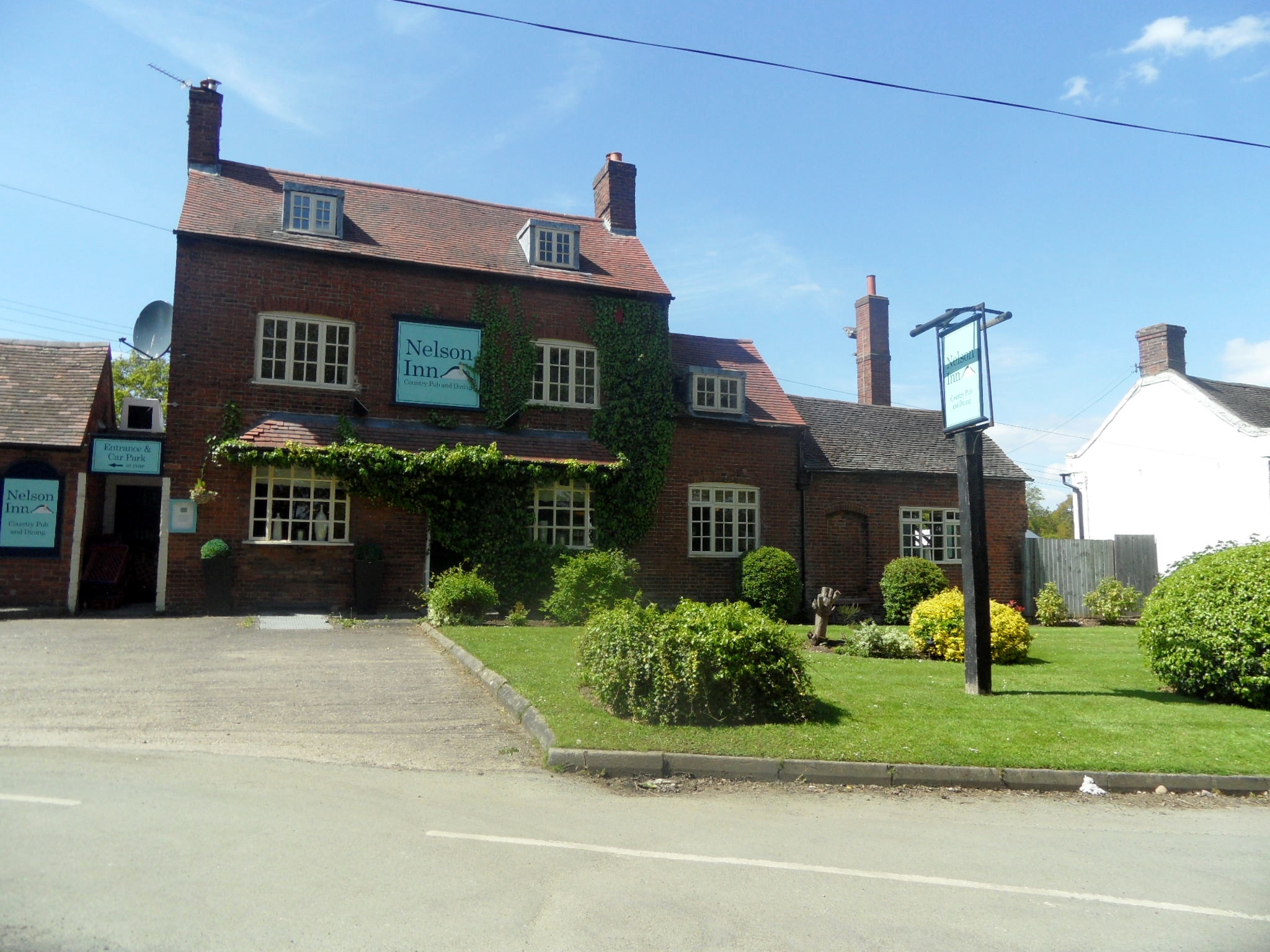
The Nelson Inn shows up on the 1815 map, and the pub’s website says that there may have been a pub onsite since the 1500s (presumably with a different name?). The low building to the left (which I’ve practically cut off the photo!) was a smithy. In 1909, Clifford Daft advertised himself as a general shoeing smith, willing to undertake all kinds of jobbing and repairs to farm implements.

Looking at a series of old maps, there’s not just the one well around here but several. However, I didn’t find any of them, so I had to settle for a different form of refreshment. And a very nice pint of Theakston’s Lightfoot  it was.

We found the old Farewell and Chorley schoolhouse, but I haven’t been able to find out much more about Elizabeth Annie Page as yet.

An old farm at Chorley

The Malt Shovel at Chorley. Great pub.

A lovely babbling brook running alongside the path. Was tempted to have a paddle as it was hot and my feet were rubbing, but thought I’d never put my not entirely appropriate shoes back on again if I did.

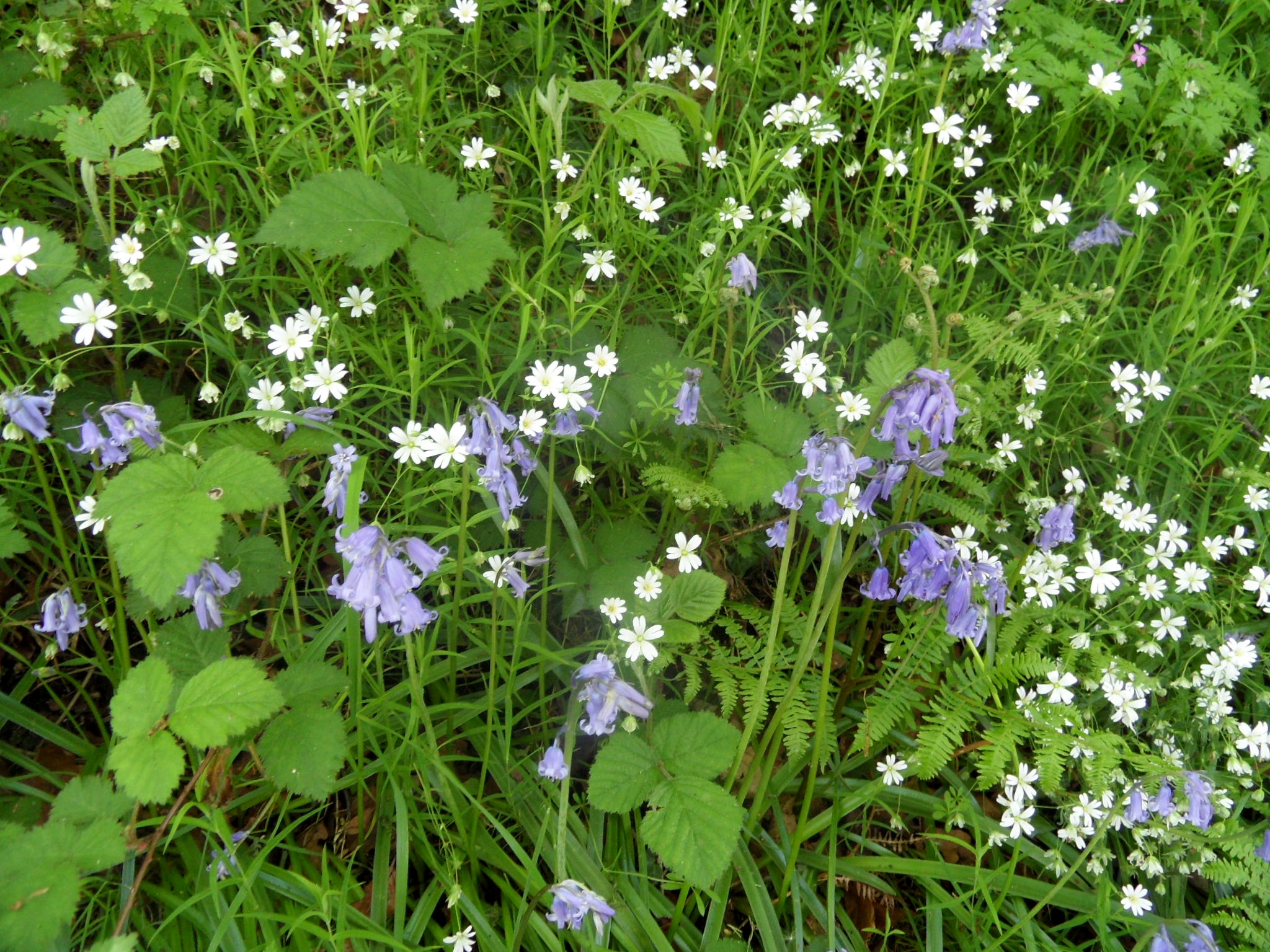
In between walks, some of the wildflowers on the roadside verges had been chopped down which was a shame, but there were still pockets of them in places, including these incredibly late bluebells.

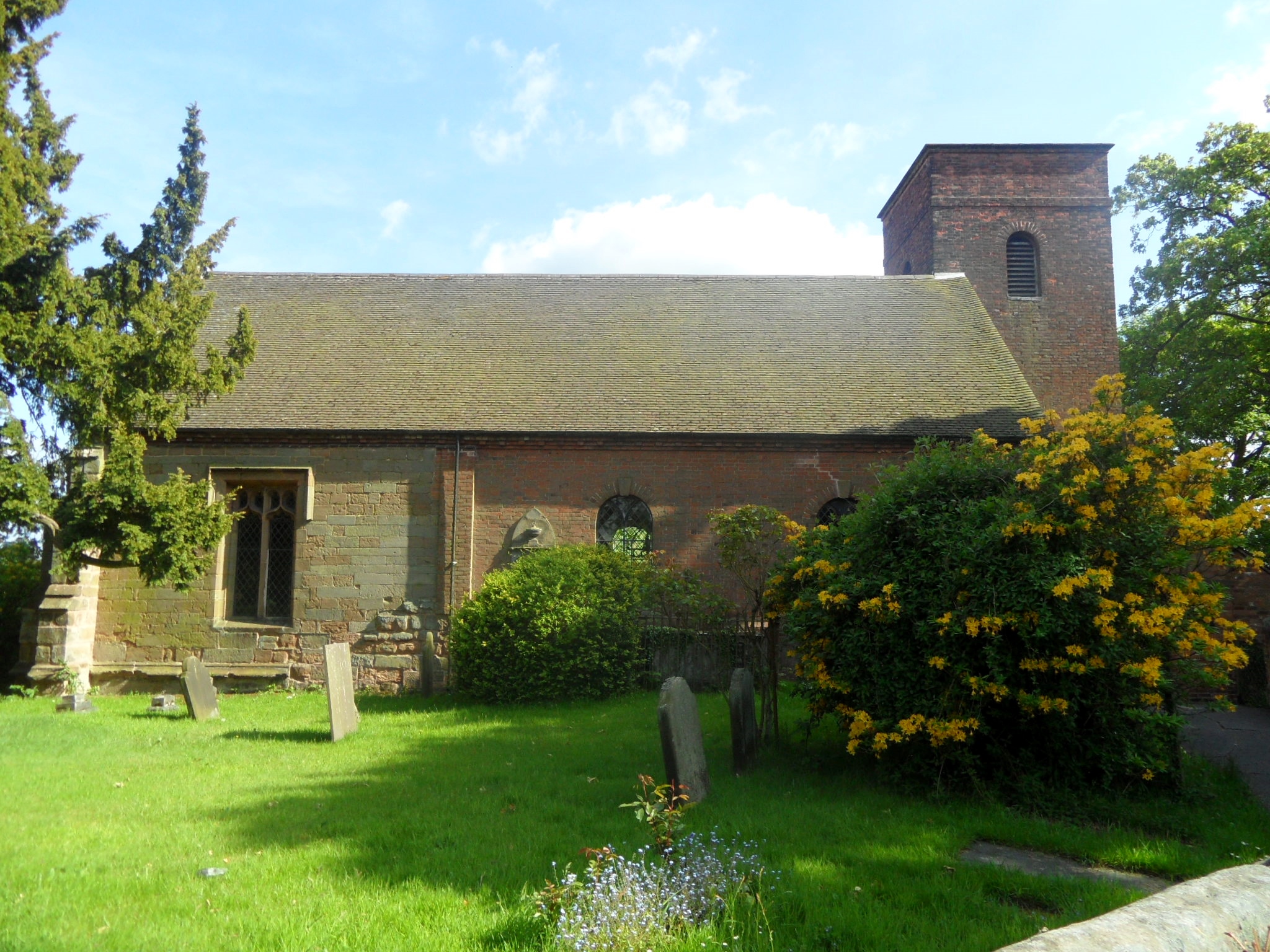
Farewell church, a church of two halves. Once the site of a Benedictine Priory and where some mysterious jars were found in the wall, during renovations….

…and somewhere beneath the greenery is the ‘pure spring’ that gives the place its name. You can’t see much, but you can sometimes hear it gurgling away if the water table is high enough (thank you Brownhills Bob for explaining away this mystery)

Down Cross in Hand land, past Farewell Mill. There’s been a mill here since the 12th century. It was apparently in operation until the 1940s (source: Staffordshire Past Track).

Past the sheep taking a dip in the sparkling water that flows along the lane.

Cross in Hand Lane, I understand, was once the old road to Stafford. As you reach these lovely white cottages set back into the sandstone, you are nearly back at the A51, which is of course the new road to Stafford…

Of course, if you don’t want to say farewell (ho,ho) to the walk just yet, somewhere around these cottages is an old track called Lyncroft Lane, which leads to Lyncroft House aka The Hedgehog!

Pillars of the Community

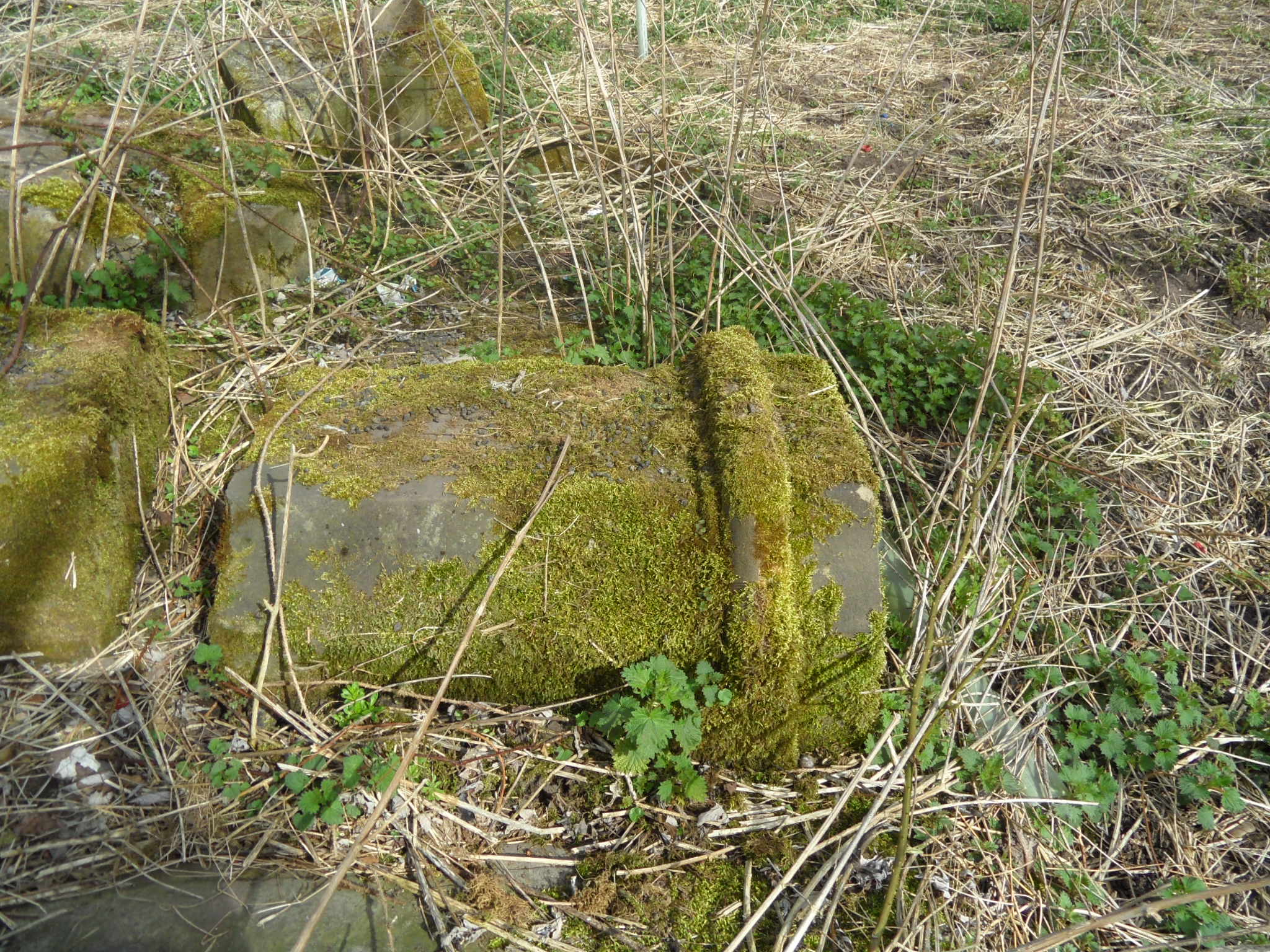
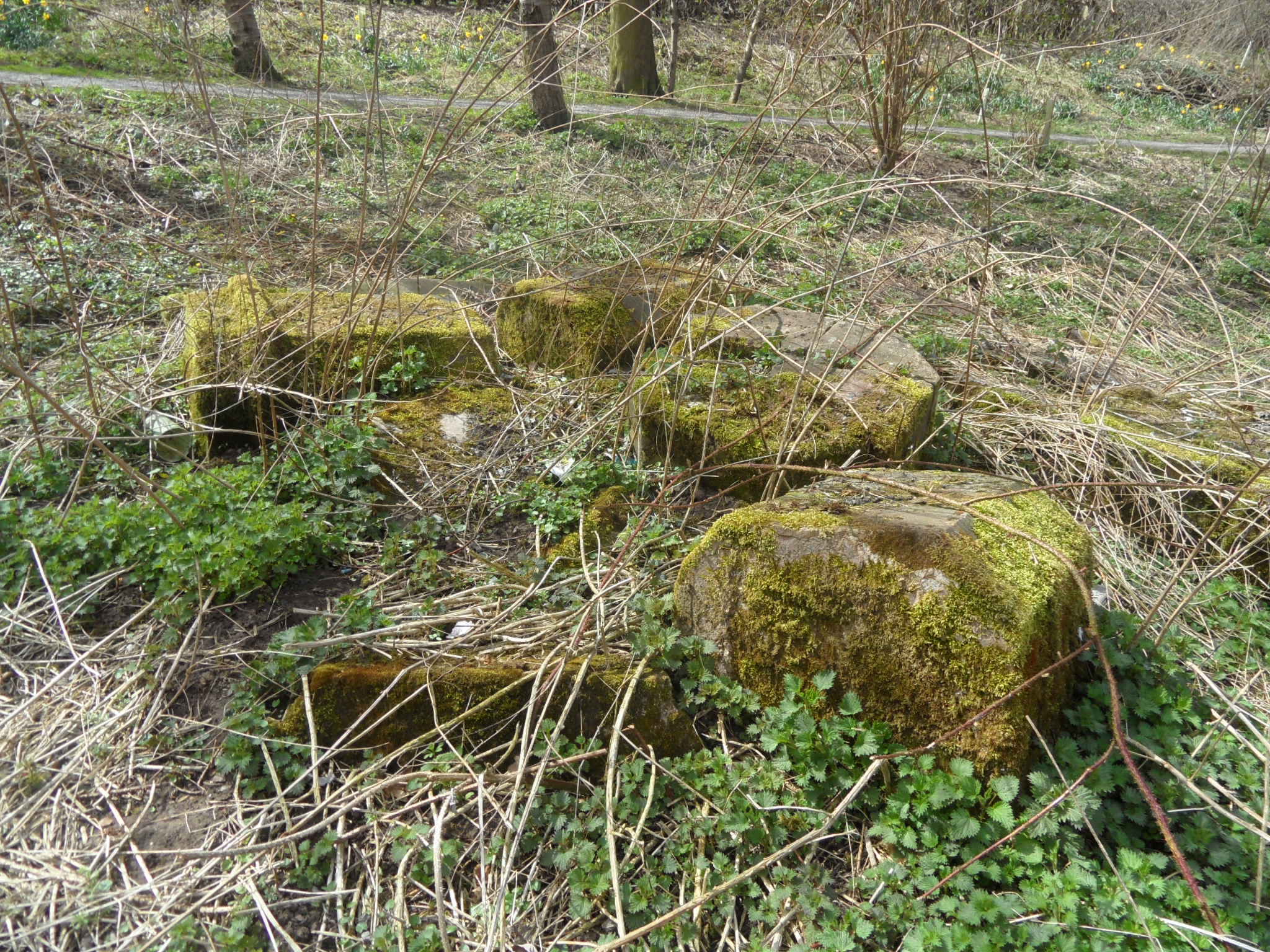
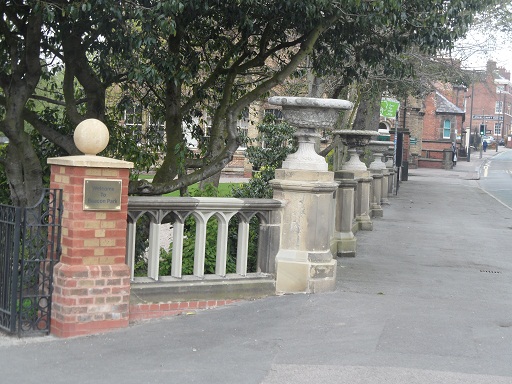
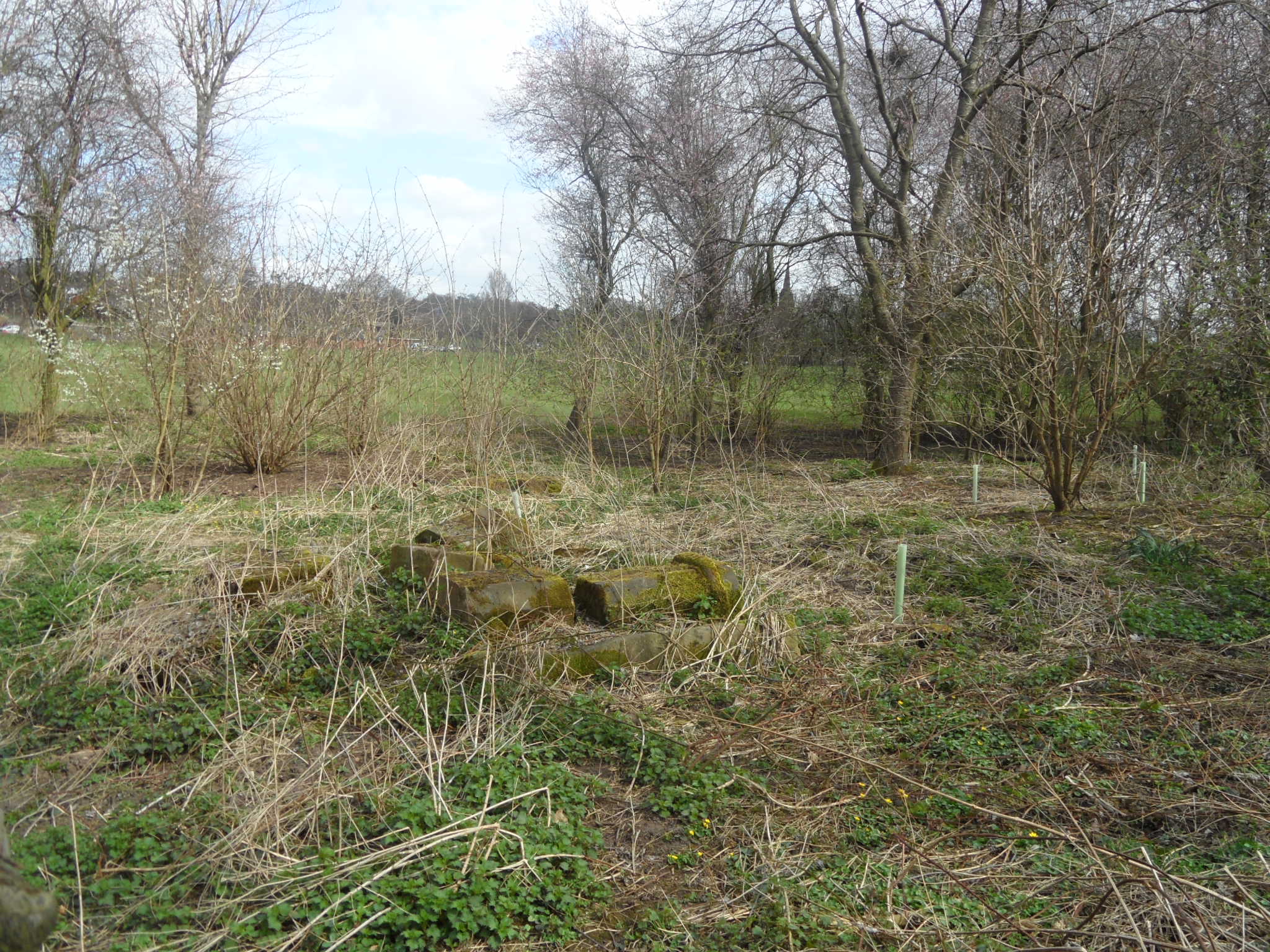
Back in April, I found what I thought were moss covered stone pillars in the undergrowth at Beacon Park, and asked if anyone knew what they were, or where they had come from. Well now, thanks to members of Lichfield District Council and the Beacon Street Area Residents Association, we have not one possible solution but three!

Could they be:

a) a section of balustrading from the Bird St/Beacon St side of the park, removed in the 1980s to create a corner entrance to the park over by the new Chandlers kiosk and the public toilets?

b) part of a structure used by a dairyman to shelter in during bad weather? There was once a farm in the vicinity of the Bunkers Hill Car Park, and a dog walker remembers that before the war, dairy cows were kept on the land that is now the football pitches and woodland.

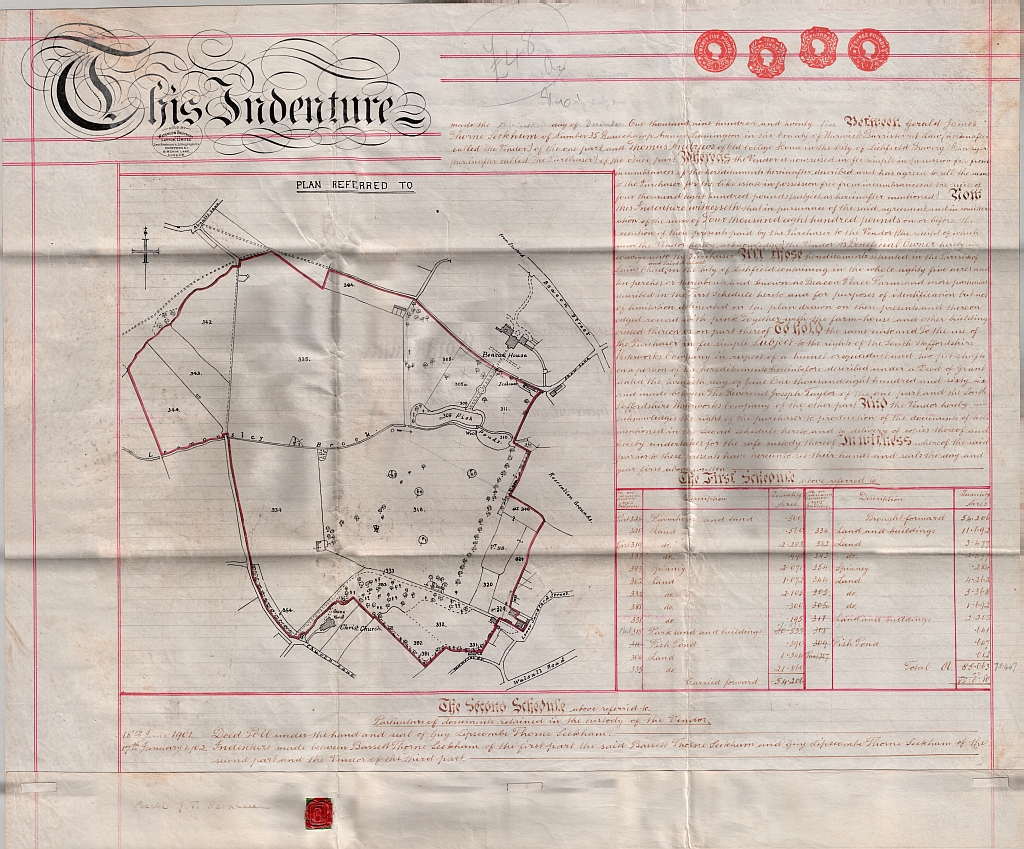
Beacon Park map. Source: Gareth Thomas and his excellent blog – http://allaboutlichfield.blogspot.co.uk/

c) part of a “tower” that was originally at Stowe pool?  Apparently, after it became unsafe, the tower was dismantled and some of the stonework was put in the woodland.

d) None of the above?!

It’s great how by trying to uncover the story behind the stones, it’s also uncovered other things – the memories of cows on what’s now the football pitch and the possibility of a tower at Stowe Pool for starters! It’s also a good reminder that the version of a story we’ve been told, or the one we remember, might not be altogether correct. That’s not to say that such stories don’t have value, it’s just we need to be careful about accepting things at face value.

By the way,  if I was betting woman I’d go for option a….

A Fleeting Present

A while back I wrote about Mr J W Jackson, the ghost hunting city librarian who wrote a local history column for the Lichfield Mercury in the 1930s and 40s. Last night I found an article about ‘dear old Beacon Street’, written by Mr Jackson in November 1943, in response to a letter from one of his old school friends who emigrated to Canada in 1870, at the age of twelve. Of course, in describing the changes that have taken place in seventy years, Mr Jackson gives us a glimpse of Beacon St in both his past and his present, which is actually now our past. Before things get too wibbley wobbley timey wimey, let’s move on to a summary of the changes Mr Jackson noted in Beacon Street over the seventy years leading up to 1943.

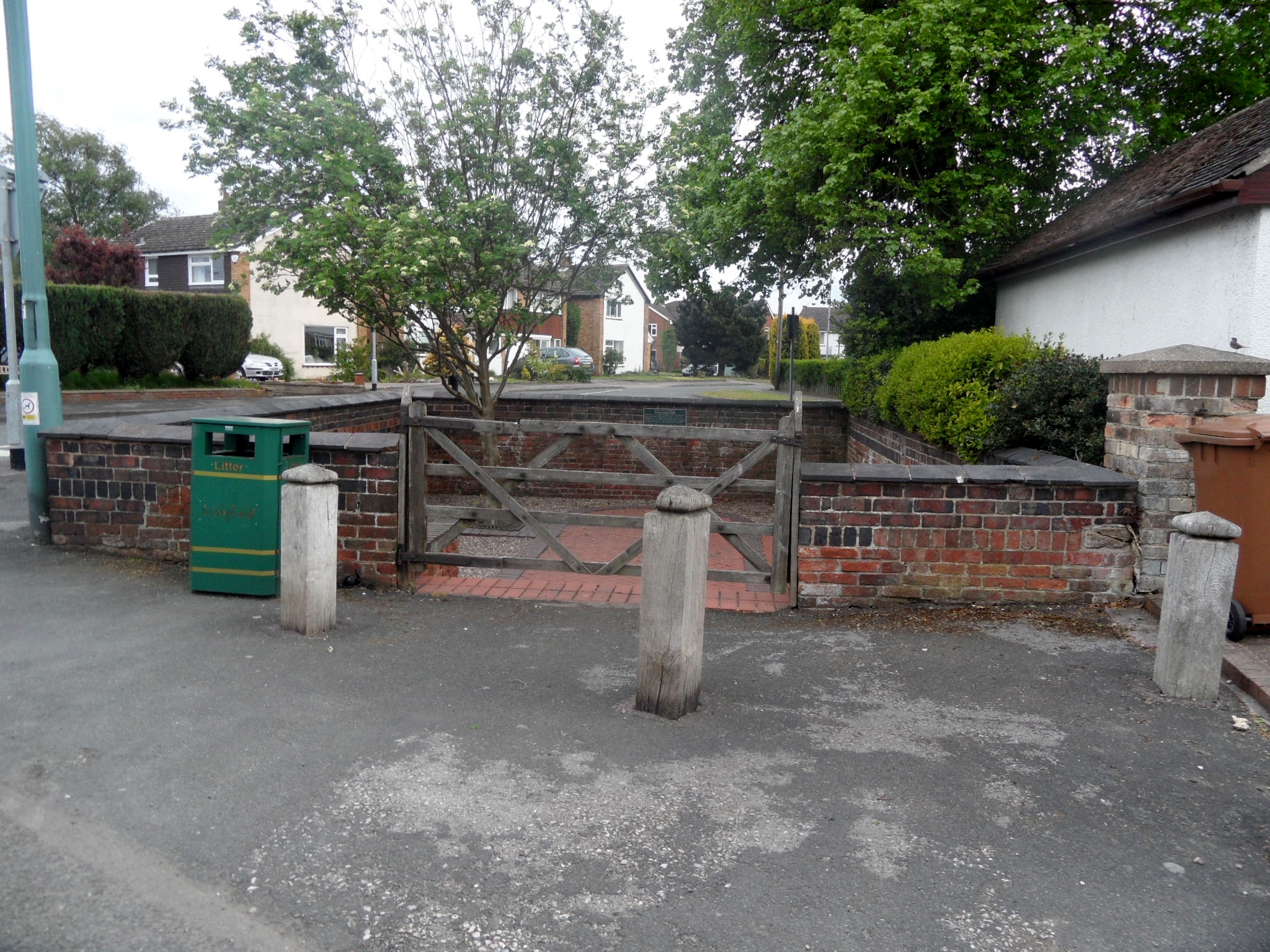
Mr Jackson says the old pinfold still remained but was hardly, if ever, used for its original purpose – in the past it frequently containing horses, cattle or sheep caught straying on the road and penned by official pinner, Watty Bevin.  Fifty yards away from the pinfold as you walked back towards the city there used to be an old iron pump where the children used to fill up the vinegar bottles they were taking home from Hagues in Beacon St, after enjoying a couple of sips.  The Anchor Inn kept by Billy Godwin had been cleared away and the field between the Inn and Smith’s Brewery was now the residential school. The brewery itself where the children took cans to be filled with barm had been converted into a foundry.

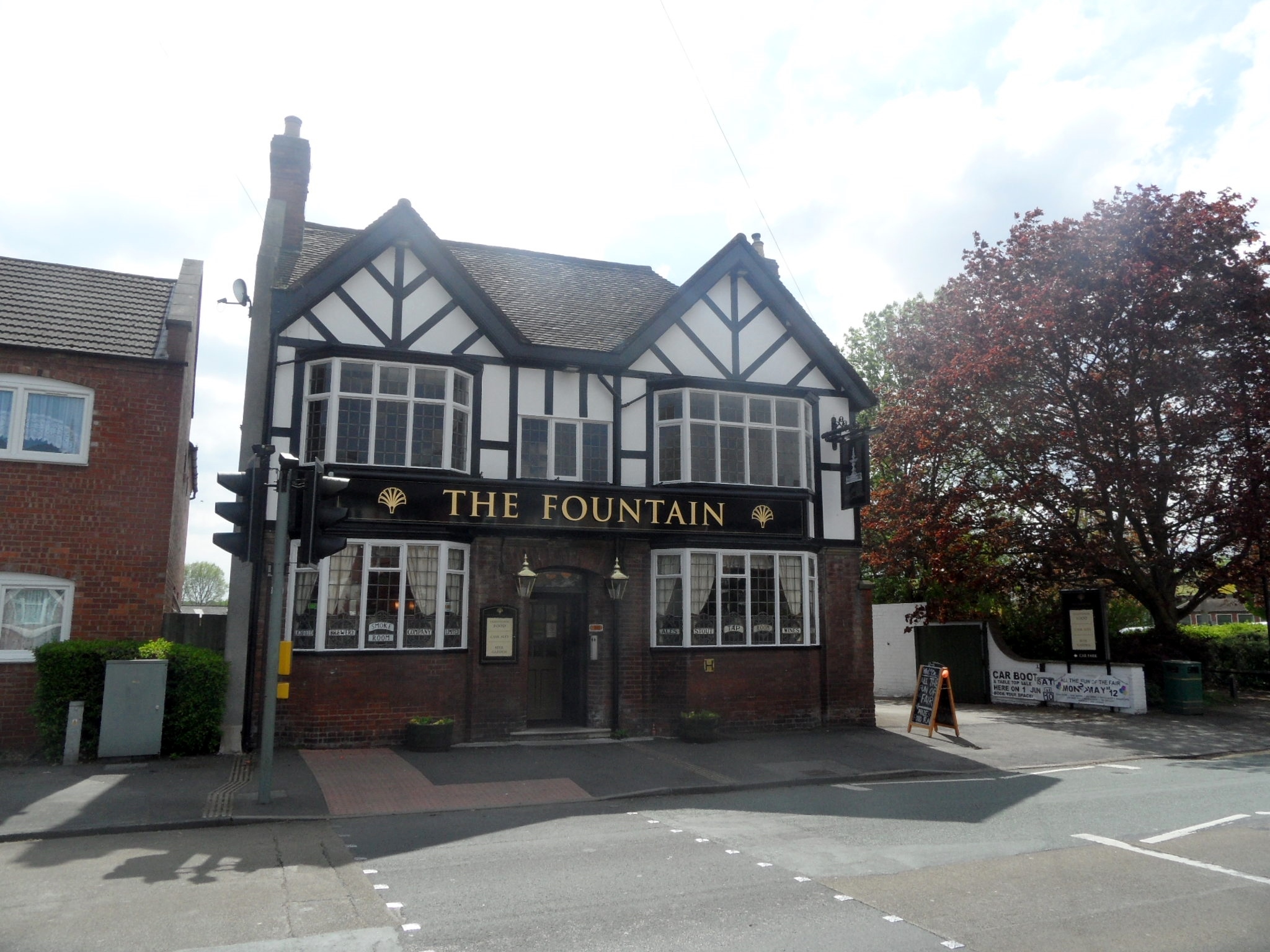
The Fountain Inn still remained  but visitors from the Black Country no longer came to play bowls on its lawns. The Lemon Tree Inn, kept by Sam Boston was now a house, as was the old butchers shop (kept by Mr Yeomans) and the Pheasant Inn previously kept by Mr Stone is also a house.  The wall shutting off Beacon Hall had been partly taken down and was now a garage and a residence. The old fashioned grocery shop at corner of Shaw Lane, owned by Mr Hall had been sold and replaced by a much larger shop, eventually becoming an antiques shop. Whitehall and Milley’s Hospital remained as they were in 1870 but the Free Library & Museum had been built near to the site of Griffith’s Brewery. (Note: Think this was probably earlier – Free Library & Museum built 1859?)

Green house was formerly the Lemon Tree Inn

The Angel Croft was described by Mr Jackson as ‘now a hostel’. The Old Beehive Inn had also been converted into a residence as had the Wheel Inn at the corner of Wheel Lane. The windmill where Mr Jackson played as a child was no longer in use but converted to a picturesque residence. Apparently the miller came in a considerable fortune and disappeared leaving everything as it stood and nothing was heard of him again.

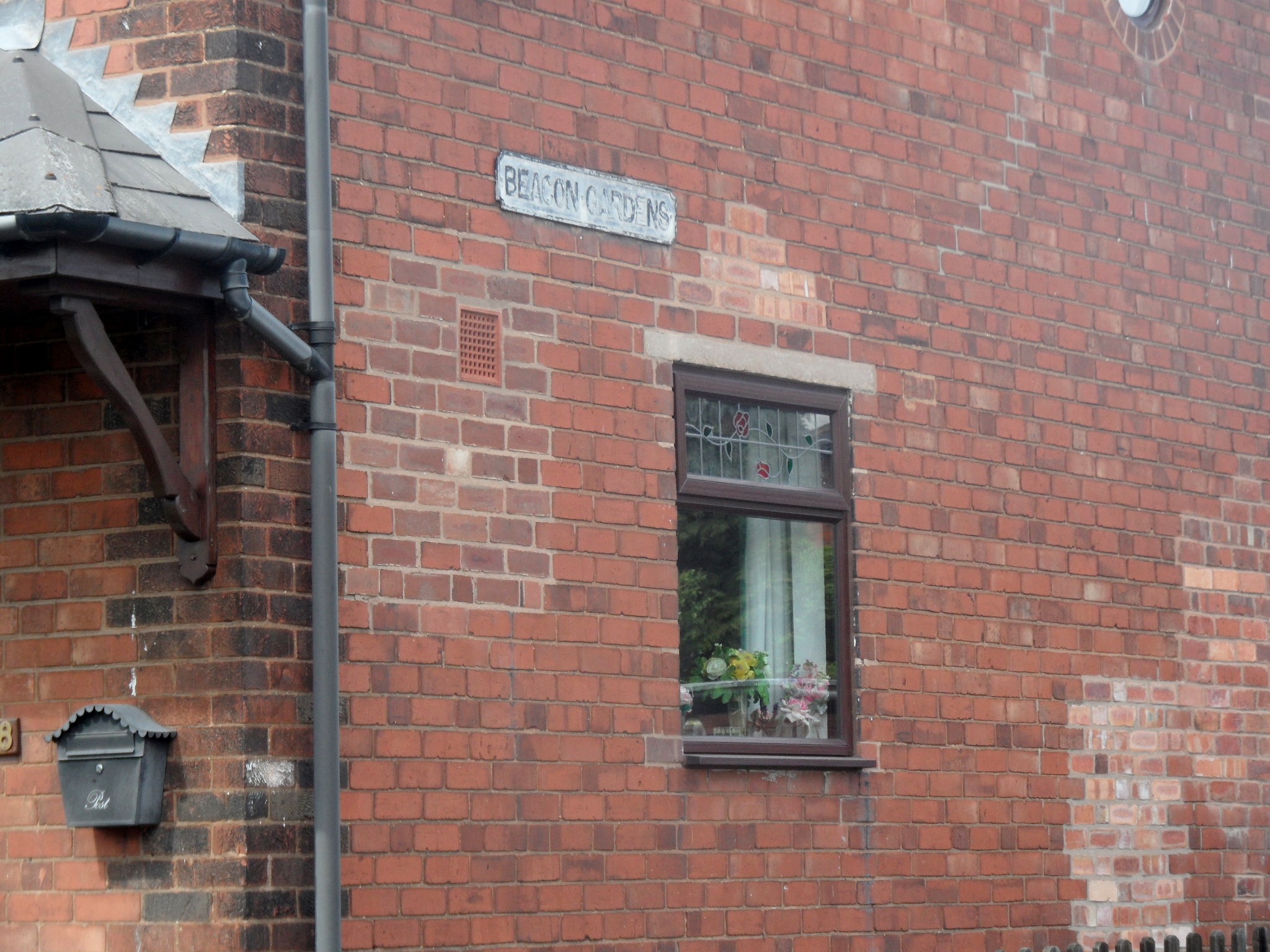
Beacon Gardens built 1925

Council houses known as Beacon Gardens had been built on the fields in front of the Fountain Inn. The old blacksmiths, where legend has it that a French man once took his dancing bear to be shod was still going strong.  The Feathers Inn was still licensed and the row of cottages adjoining was much the same. The Old St Chad’s Rectory garden and field had been built over, the new road known as Nether Beacon. By 1943, the wheelwrights shop on brow of Beacon Hill had long since disappeared but the Little George Inn still stood as did the George & Dragon.

Of course, we can also now compare Beacon St seventy years on from when Mr Jackson did his comparison. I took most of the photos on Sunday (before I found the article weirdly!). The old pinfold still remains, but I doubt anyone now even remembers it being used to lock up straying animals.

Beacon Street School Sanatorium

The residential school has now been converted into apartments and the site of the Foundry is now Morrison’s Supermarket. Funnily enough you can probably get barm, or something similar there once again, as I think it’s a type of yeast (as in the northern ‘Barm Cake’). The Fountain Inn is still open, and Milley’s Hospital and Whitehall are still there. The Free Library and Museum building is of course now used as the Registry Office. As we are all too aware the Angel Croft is still there, but for how much longer in its desperate state?

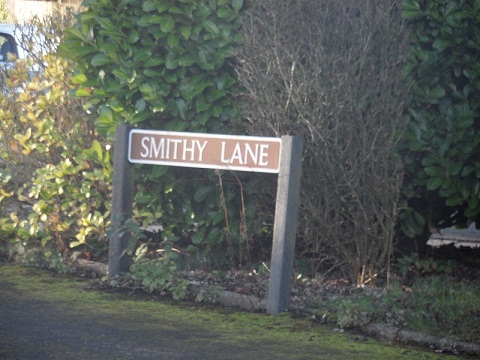
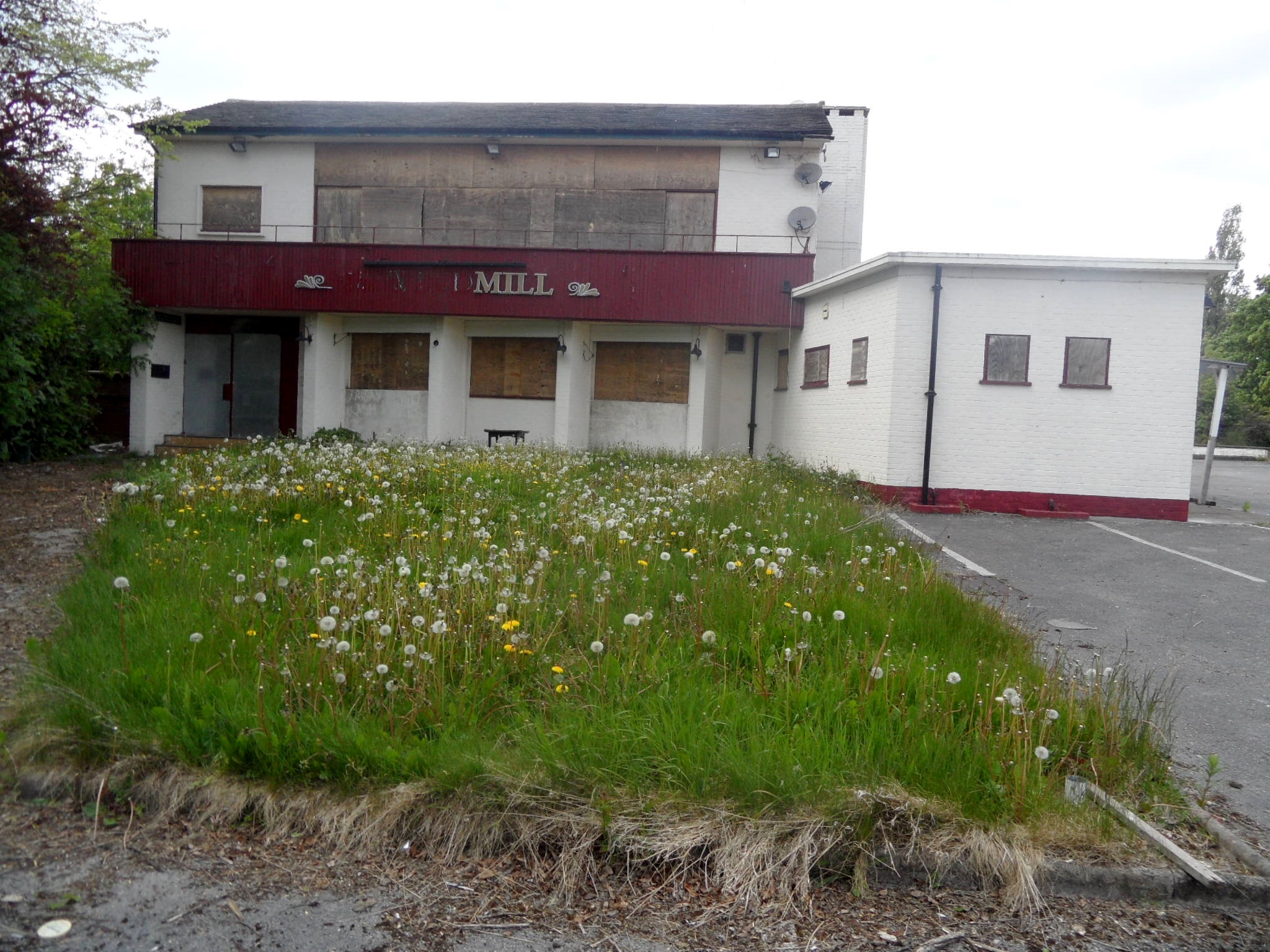
The blacksmiths has gone but is not altogether forgotten with road names ‘Forge Lane’ and ‘Smithy Lane’ to remind us. The Feathers Inn is still licensed but has now expanded into the row of cottages adjoining (for the record, I had a very nice jacket potato in the beer garden there on Bower Day this year). The George and Dragon, thankfully, still stands but the Little George is now a private, rather than public house. According to John Shaw’s Old Pubs of Lichfield, after WW2, the licence of the pub was transferred to the new pub on Wheel Lane, known as the Windmill. This ‘new’ pub which, wasn’t around in Mr Jackson’s time will probably not be around for much longer, as it is has been closed for some time and the site earmarked for development.

Mr Jackson’s article reminds me of the need for recording the everyday and the seemingly ordinary, as one day the present will be the past and what was once commonplace may no longer be.  I’m a big believer in using place names that reflect the history of a place, but on its own, a street sign for ‘Smithy Lane’ only tells you part of the story. Had Mr Jackson not added the story of the dancing bear’s shoes and the missing miller and his money to his reminiscences, they may well have been forgotten. “So what?” some may say, dismissing them as mere trivialities, but I disagree. I think stories matter.

Perhaps in seventy years time someone will look back at how Beacon St was in 2013. I wonder what will have changed and if we’ll have left them with any good stories?

Sources:
Lichfield Mercury archive
The Old Pubs of Lichfield, John Shaw

Refusing to Bough Down

I didn’t spend as long as I normally do at the Bower yesterday, but I did wander around the busy streets, catching the end of the procession on Dam St, and I was glad to hear that the day had been a success. Something that I’ve always been interested in is the traditions associated with the event and today I found an interesting story from the 1950s about one of those customs.

At dawn on Bower Day in 1952, some of the male residents of Lower Sandford St were gathering elm branches near to Beacon Farm, on the edge of what is now Beacon Park. Apparently every year, for as long as anyone could remember, the boughs had been cut from the trees and used to decorate the houses in ‘Old San’ as the street was known. However, as the men gathered the boughs, a police officer arrived and instructed them to stop, on the orders of the Town Clerk and the Estates Committee of the City Council, as it had been reported that in previous years the trees had been damaged.

The residents of ‘Old San’ were angry that their ancient privilege was being threatened and sent a message back to the Town Clerk and the Mayor, Cllr. C Bridgeman, that if no further boughs were allowed to be cut, then those that had already been collected would be used to barricade Sandford St and prevent the Bower Procession from entering. As tensions rose, the Town Clerk and the Mayor arrived at the scene and gave their permission for residents to continue collecting boughs, providing that no trees were damaged in the process. The boughs were then used to decorate the houses of old Sandford St along with bunting, balloons and slogans, with prizes awarded for the best decorated properties.  One lady, born in Sandford Street in the late nineteenth century, told the reporter that when she was younger the boughs had been taken from the old brook near the Bowling Green Inn. In her opinion,  “When ‘Old San’ finishes, so has the Bower”.

What’s also interesting is that the incident seemed to awaken a fighting spirit within Sandford St. At the start of June, a committee was formed following a outdoor meeting held on some waste ground in the street. With Mr Frank Halfpenny, the former City and County Councillor, as chair, the committee asked Lichfield City Council to address not only the issues that had arisen during Bower Day, but also other matters affecting them. The wanted Sandford Street to be regularly swept and cleaned, the sites owned by the council on the street, described as being in a ‘neglected and disgraceful condition’ to be ‘cleaned up, fenced in and, at the earliest possible opportunity, built on’ and recreation facilities, such as a playground to be provided in the park. The committee also planned to organise the street’s coronation celebrations for the following year, and to send parcels to local men serving in the forces.

I usually watch the Bower procession from outside the Police Mutual on Queen St, not far from Sandford St. As far as I know, the houses are no longer decorated and I’d be interested to know more about this tradition and the Sandford Street community, who clearly had their own strong identity within the city.

Source:

Lichfield Mercury Archive

The Dunk Cow

Trying to find a bit more out about the old Dolphin pub in Bore St, I had a look through the newspaper archives. I did find one really nice snippet – at the grand opening of Lichfield’s Co-op in 1914, Councillor JR Deacon, who built the new Co-op on the site of the Dolphin, presented the chairman with a walking stick made from one of the old inn’s beams.

However, I confess that sometimes when trying to find information in old newspapers, I often find myself distracted. I am utterly incapable of passing by a story with an intriguing headline.  If you think you could stay focused after turning up ‘Antics of Mad Cow. Swam Stowe Pool Twice’ in a search, then I salute your willpower. I, however, needed to know more about these events immediately and thought I’d share the unusual story here.

Ducks but no cows. By the way, is this Johnson’s Willow (well its replacement anyway)?

In 1946, two young men were spending a quiet Monday afternoon fishing at Stowe Pool Suddenly, they noticed a cow swimming towards them. The heifer got out of the water, charged at them and then started swimming back towards Stowe St. However, something must have changed its mind, as the cow then decided to come back, charging at a policeman who had just arrived on the scene. By this time, the fishermen and the pool attendant, a Mr Boston, were hiding behind Johnson’s Willow. Deciding to make a run for it Mr Boston headed for the Boathouse and the two lads jumped over the hedge. Unfortunately, so did the cow. With PC King in hot pursuit, the poor beast ran up The Windings and into a field, where finally having calmed down, it stayed overnight, before ‘being removed’ the following morning (the Mercury reporter thought it had been destroyed). Where the cow came from, and what caused this odd behaviour is not known. For those involved, I’m sure that this was quite a frightening experience at the time, but I do wonder if, once the shock had subsided, it went on to become a favourite family story e.g. “Tell us about the time you got chased by a cow, Grandad…”?

By coincidence the story is actually linked to the previous post about the Dolphin in a way – the two young men were butchery assistants at the Co-op! From a dolphin in Bore St to a cow in Stowe Pool, I love how you just never know what story is going to turn up next!

Co-operation

On the corner of Bore St and Breadmarket St is a building that I’ve never paid much attention to before. However, after hearing that someone carrying out some work there in the 1970s had uncovered a dolphin mosaic, I thought I’d fish a bit deeper into the building’s history…

The someone in question was Frank Clarke, a regular contributor to the fabulous Facebook group ‘You’re probably from Lichfield, Staffs if…..’. Frank found the mosaic under rotting floorboards when carrying out renovation work there in the 1970s. According to Frank, the mosaic was concreted over and may still be there to this day. Unfortunately, it seems that due to practicalities (involving concrete and money!) it’s unlikely we’ll ever know for sure.

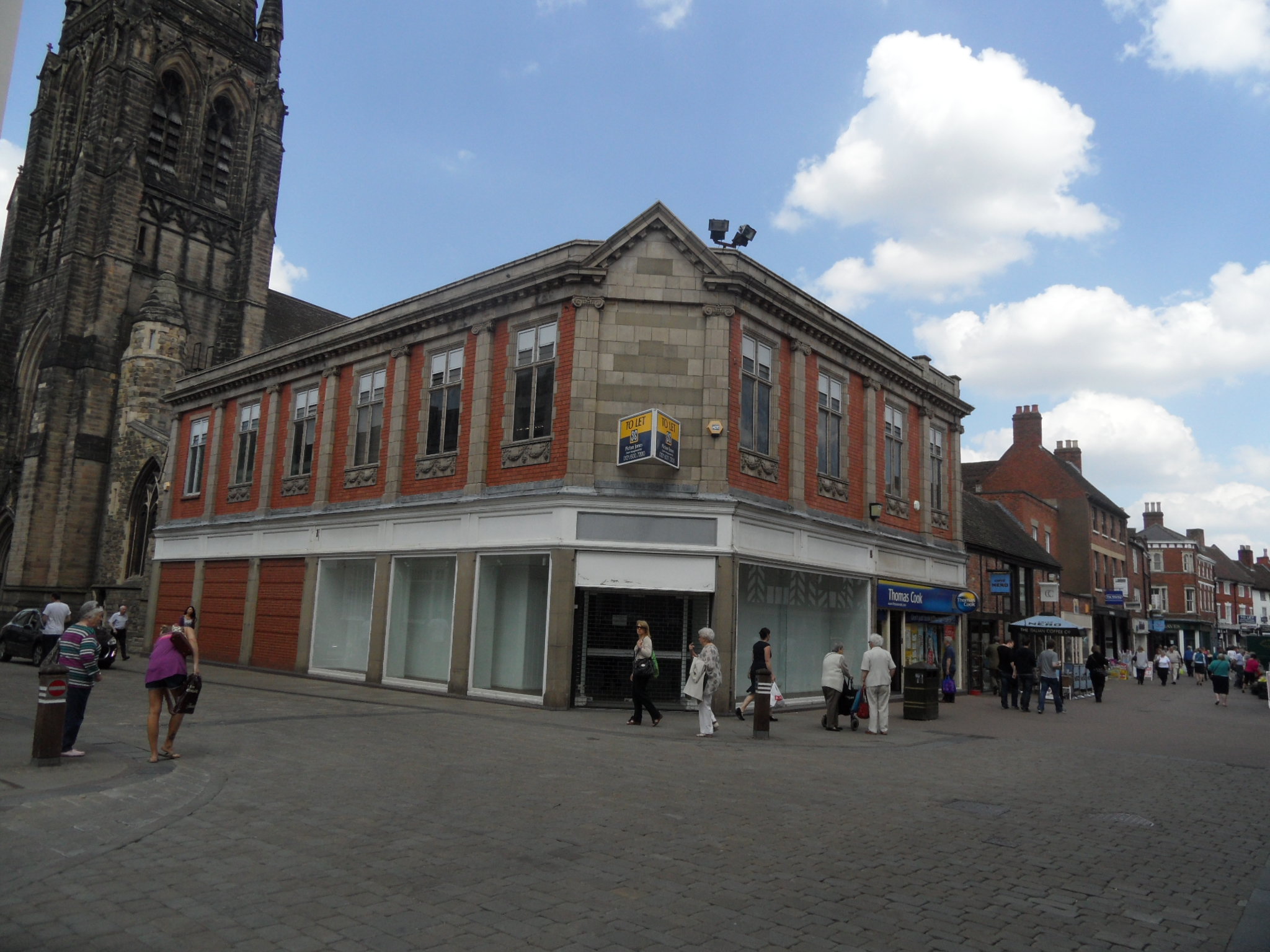
What we do know though is that the Dolphin Inn once stood on the site, demolished in 1912 and replaced by the current building in 1913 by local builders JR Deacon to house the Walsall and District Co-operative Society Ltd Branch No.13. You can still see where the lettering for this ever so catchy name used to be, as shown in all its glory here, on the Staffs Past Track site. Burtons were the most recent occupiers, but they left in March this year, leaving the property empty. (1)

Built in 1913, this was once the Co-op, more recently Burtons.

According to John Shaw and his now legendary book, The Old Pubs of Lichfield, the Dolphin is first listed in 1818. However,after finding out that the original building on the site was timber framed, dating back to the 16th century, I was hoping to find out something about the building’s earlier uses. After reading the obituary of Rev John Kirk (d.1851),  it seems that prior to becoming an inn, the building had been occupied by a baker, with some of the upper rooms being used as a Roman Catholic chapel created in 1801.(2)

Rev Kirk had been the priest at the chapel at Pipe Hall from 1788 to 1793, where Catholics in Lichfield had previously worshipped. When this chapel was closed following the sale of the property to a non-Catholic he was asked to return to Lichfield as the resident priest at the new chapel. However, Kirk found the location and conditions far from ideal – the sanctuary was apparently directly above the baker’s oven and Kirk wasn’t happy about living in such close quarters with the baker and his family. By 1803, Rev Kirk had built a new chapel dedicated to St Peter and St Paul in Upper St John St.  Due to religious sensitivities, the chapel was originally designed to look like a dwelling house, but 1834 a turret and a new entrance was added, and the name changed to Holy Cross. The congregation was relatively small, but numbers were often boosted by those passing on their way to London and French Prisoners of War.

Holy Cross, Lichfield.
Source: Dennis Blenkinsopp (http://www.geograph.org.uk/profile/43370)

Back to the mosaic, which started all of this off! You would have to assume that its depiction of a dolphin is a reference to the name of the Inn. No great mystery there (although I would like to know why that particular name was chosen for a Lichfield pub!). What is more of a puzzle is how the mosaic came to be in the new building. Was it rescued during the demolition of the old one? Was it created to reference the history of the building that previously stood on the site? Or was the previous building not fully demolished, just significantly altered? I don’t know, and it seems probably never will.

I’m very grateful to Gareth Thomas for bringing the matter to the attention of the experts at Lichfield District Council, and also to the Civic Society for making enquiries as well. I think it’s great that members of the facebook group, the Civic Society, the council and even me have all been able to contribute to the discussion. This is how it should be, and I would like to see people working together more in the future, building on the great work that Gareth has done to bridge the gap between council and its residents, not least by making historic photographs and documents available through his own blog, and elsewhere.

I understand that talks are ongoing, however, the general feeling at present seems to be that without further evidence, the cost and disruption arising from trying to retrieve the mosaic (if indeed it has survived the last forty years) could not be justified. A shame, but for now it seems we shall have to let sleeping dolphins lie….unless anyone out there knows any more?

Edit 12/5/2013 Just reading about the opening of the Co-op. Apparently the builder, Councillor Deacon handed the chairman of the Co-op a walking stick made from one of the wooden beams of the old Dolphin Inn, which is quite a nice little addition to the story. No mention of a mosaic yet though 😉 

Notes

(1) Burtons previously had a branch on Market St, where you can still see the two foundation stones commemorating the opening by two of business founder Montague Burton’s sons. The post I did on this ages ago is here 

(2) So that takes us back to 1800-ish. Still three hundred years or so of the building’s history to account for though!

Sources:

Thanks to Frank Clarke for allowing me to share the story of his discovery here.

The Old Pubs of Lichfield, John Shaw

Catholic Staffordshire 1500 – 1850, M R Greenslade

The Gentlemans Magazine Volumes 191 – 192

Lichfield: Roman Catholicism and Protestant nonconformity’, A History of the County of Stafford: Volume 14: Lichfield (1990), pp. 155-159

http://www.staffspasttrack.org.uk/

Treasure Hunt

I love finding bits of old pottery in the lanes around Leomansley. I was told by the archaeologist at the Polesworth Abbey dig last year that there are two types of pottery finds, those that indicate occupation of the land, and those that have been deposited there, through processes such as manuring (1).

Two of my most interesting finds (Disclaimer: interesting to me that is! Don’t get too excited, we aren’t talking Leomansley Hoard here!) were in the lane leading from Christ Church Lane, past Martin Heath hall and ending at the football field on the A51 (I have seen it referred to as Moggs Lane). Judging by old maps, it seems to have existed for at least 180 years.

I found this girl guide badge, and it made me think about the old scout hut behind Martin Heath hall that was replaced by a new one in September 2009. The old hall was a bit of a wreck, and quite clearly needed to be replaced, as you can see from these photos here, but I’m glad someone did document it as it has an interesting history. Apparently, it started life as a WW1 cadet hut at Cannock Chase. It was then acquired by the Electricity Board and found its way to Queen St, Lichfield. In the 1950s, it was donated to the scouts and was relocated to Christ Church.

The lane past Martin Heath hall, off Christ Church Lane.

I also found this piece of pottery. Unlike most of the other bits I find, this had a very distinctive pattern i.e. a dog! and I thought that because of that it might be easier to find out more about what it was part of and how old it was.

Thanks to extensive googling, using phrases like ‘dogs on bowls’, I eventually sifted through the many, many pet feeding related search results to find that it was possibly a Brampton stoneware jug from the early to mid-nineteenth cenutury, featuring a pattern known as ‘The Kill’. Yes, my pottery sherd depicted a dog tearing a fox to shreds. Nice.

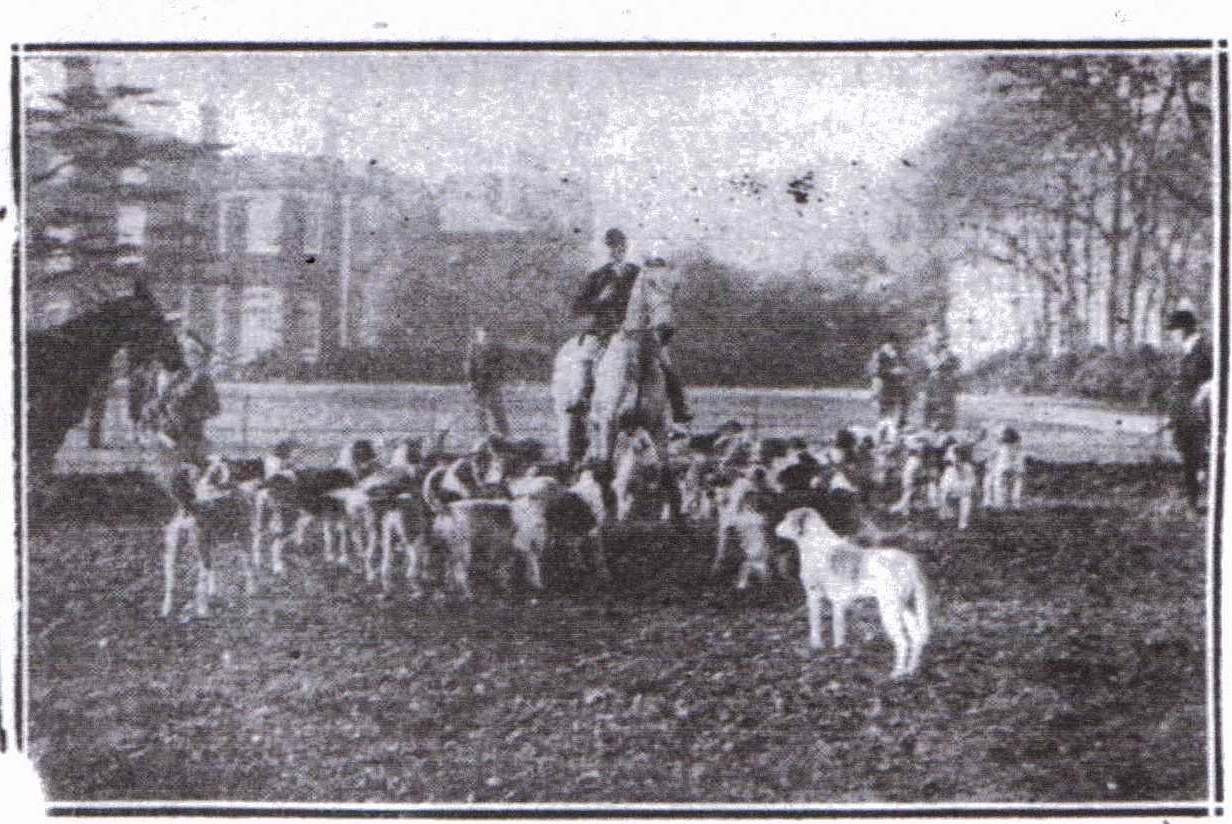
I know from reading old newspaper articles that once upon a time, not so long ago, Leomansley was quite the hunting ground. The Lichfield Mercury used to carry reports of the hunts through Leomansley and Sloppy Woods.  This photo is from a 1936 edition of the Mercury, and shows the South Staffordshire Hounds gathered at Maple Hayes. I have no idea whether the pottery sherd is related to this in anyway, but I thought it was an interesting find, especially in view of this past association with hunting. A little echo of the area’s history that managed to worked its way free of the soil.

PS Off to have my own hunt in Leomansley Woods later. This time for bluebells.

Notes

(1) Domestic rubbish such as broken pots was mixed with the animal manure and then spread on the fields to fertilise the soil.

A Life of Service

Inside St Chad’s Church is a memorial dedicated to the men of the parish who lost their lives in the First World War. One of those commemorated on the memorial is also remembered on a separate plaque alongside the memorial, featuring a statue of St George and the following inscription:

To the honoured memory of Alfred Cleveley Sergeant South Staffordshire Regiment. He was in service at Elmhurst Hall and enlisted in August 1914 and fought in Gallipoli and in France where he gained the military medal and fell in action on May 12th 1917 aged 32.

The memorial was given by Alfred’s former employer, Mrs Hamer, who was renting the now demolished Elmhurst Hall at the time. Before coming to Elmhurst Alfred, who was originally from Powick in Worcester, had been employed as a ‘house and garden boy’ at The Rectory in Shobdon in Herefordshire in 1901 and as a butler at Aldersey Hall in Cheshire in 1911, possibly the position he left to come to Elmhurst Hall.

Elmhurst Hall Source: Wikimedia Commons

I’ve found Alfred’s medal card at the National Archives (as well as the Military Medal, Alfred also received the British War Medal, the Victory Medal and the 1914/15 Star), and the Commonwealth War Graves Commission record that tells us that his name is inscribed on the Arras Memorial. However, one thing I can’t find is his name on the main War Memorial in the Garden of Remembrance near to Minster Pool.

I was wondering whether this had something to do with Alfred not being ‘a local’ as such, and then I found the speech that was read at the memorial’s dedication ceremony on October 20th 1920.  Major Longstaff, the Chairman of the Memorial Committee explained

‘This being a City Memorial, it was decided to limit the names to be inscribed to those born in the City, or whose house or permanent address at the time of joining the Imperial Forces was within the City and who lost their lives in the war…Further, the great sacrifice made by those whose names are here recorded was an equal one, and we decided that the names only, without rank or unit, should be recorded in alphabetical order’.

Presumably then, living and working at Elmhurst Hall wasn’t classed as having a permanent address in Lichfield? I wonder if this was a standard approach for those in service? I also wonder how common it was for employers to commemorate their domestic staff? Actually, I did notice for the first time that not all of the names are in alphabetical order which suggests that some may have been added at a later date?

I’m very grateful to Steve Lightfoot who has been making some enquiries regarding the time that Sergeant Alfred Cleveley spent in the 1st Battalion of the South Staffs regiment, and the regiment’s role in the Battle of Arras where it seems he lost his life.  I’m looking forward to hopefully hearing more of Alfred’s story but one final question for the time being – where are Alfred’s medals now?

Gathering Moss

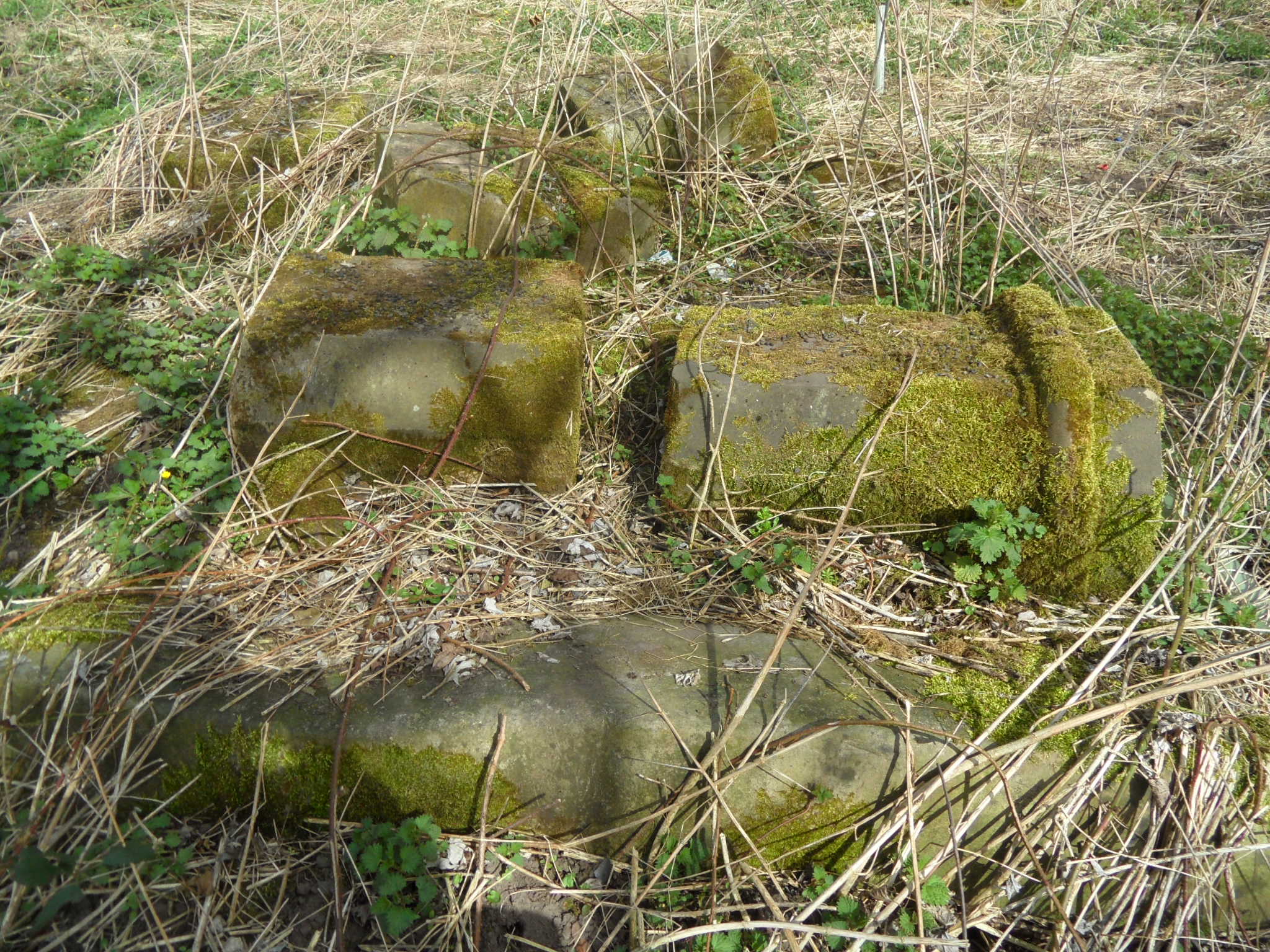
Walking around the edge of Beacon Park, I noticed a pile of moss covered stones in the undergrowth that I’d never seen before.  To me, they look like part of an old building, possibly pillars? It’s a long shot I know, but does anyone recognise them or have any idea as to where these pillars (if that’s what they are!) may have come from?

Whilst on the subject of ‘parts of old buildings found in unexpected places’, I have to mention my old favourite Fisherwick Hall. Back in January, I wrote an article for the Lichfield Gazette which mentioned that the hall had been demolished, but that parts of it had been reused elsewhere. After lying around for some years covered in moss, the pillars from Fisherwick went to the George Hotel in Walsall – you can read the great post written about the hotel by Stuart Williams of Walsall Local History Centre here. However,  I had no idea what had happened to the pillars, following the demolition of the hotel in the 1930s. Therefore, I was delighted when Paul (the editor of the Lichfield Gazette) told me that someone had contacted him, saying that some years ago he had seen them lying on a patch of ground near to the cricket ground in the Highgate area of Walsall. The gentleman described them as lying in pieces and covered with moss and lichen. Sounds familiar! Coincidentally, the site the gentleman described is a stone’s throw from where some of my relatives live, and so the next time I visited I went to take a look, but I had no luck in finding them. So near, yet so far….

Back to our Beacon Park stones, and someone from the Beacon Street Area Residents’ Association has very kindly said that he will ask the people in the know i.e. the Parks team and the Civic Society if they can shed any light on the matter. In the meantime, he’s left me pondering the fact that parts of the old bandstand and cycle track are also apparently also still around in the park somewhere…

Beacon Park bandstand c.1905
Source: Wikimedia Commons