Trading Places

In June 1945, local historican Mr Jackson contributed an article to the Lichfield Mercury in which he shared his memories of the shops and businesses that surrounded him as a young boy growing up in the city during the 1870s. I’ve summarised the article below so settle yourself down with a bottle of herb beer and a bag of toffee nobs and have a read!

In Breadmarket St, Mr Bartlam had a tinsmith business and Mr Marshall ran a dairy in the premises next to the old watchmakers and jewellers owned by Mr Corfield. Mr Corfield’s shop burnt down in 1872 – a tragedy that resulted in the entire Corfield family losing their lives (1). In 1872 there were three breweries – Griffith’s, the Lichfield Brewery Co. and Smith’s on Beacon St (the City Brewery and the Trent Valley Brewery came later). Mounsden and Sons was a wine and spirit business, according to Mr Jackson, one of the oldest in the city. There was Mr Nicholls, a photographer who also had a fancy goods shop on the site of what was to become the Regal Cinema (but has since been the Kwik Save and a nightclub, with plans to turn it back into the Regal Cinema again!).

Regal Cinema Lichfield. Late 1960s? Taken from Gareth Thomas’s Pinterest site http://pinterest.com/FieldOfTheDead/old-photos-lichfield/

A little shop in Tamworth St was kept by the Misses Wilcox who sold fancy goods and toys. Mr Jackson remembers that the shop was well below the pavement (why would this be?) and stocked everything from pins to rocking horses! He recalls buying yards of elastic for making catapults, along with marbles, tops and hoops.

Mr Young, a whitesmith, lived in the old Frog Lane School House and his workshop was in the same street. There were several ironmongers including Mr Crosskey on Market St, Sheriff of Lichfield in 1863 and Mayor in 1868. Next to the old Victoria Nursing Home at 15 Sandford St was Mr Tricklebank’s tin-ware business.

On Market St, was Mr Caldwell’s hardware business (Frisby’s Boot and Shoe store in 1945).  Over on Church St, Mr Platt made rope, twine and string (Mr Jackson believes he was the only one in the district at the time) and C W Bailey had an agricultural implement depot.  Blacksmiths were in demand – Gallimore on Lombard St, Mr Salt on Sandford St, Mr Sandland on Beacon St (later taken over by Mr Goodwin who, as you may remember from a previous post featuring Mr Jackson’s memories of Beacon St, was said to have shod a dancing bear).  Apparently, the smithy on Beacon St was the oldest in the city, dating back to the mid 1800s.

I believe that this building on Lombard St was once a blacksmith’s forge.

Wheel wrights producing traps, carts and wagons and well as the wheels to put on them could be found on Church St (Mr Davis) and Beacon Hill (Mr Horton).

This advert for John Simms shows that at some point the business moved to Church St. Image taken from Gareth Thomas’s http://pinterest.com/FieldOfTheDead/

John Simms had his mineral water works on Stowe St opposite St Chad’s School, and Mr Jackson remembers that when he was a pupil at this school in 1869, nearly every other cottage in Stowe St sold bottles of home made herb beer during the summer (was this actual proper beer or more like the ginger beer of Enid Blyton books?). Perhaps of even more interest for the little ones were the sweet shops – ‘Suckey’ Blakeman and ‘Suckey’ Perry in Market St and Mr Giles on Gresley Row with his ‘super’ toffee nobs.  When Mr Jackson moved up to the Minors School on the corner of St John St and Bore St, he recalls taking it in turns with his fellow students to fetch not just mere ‘super’ but ‘luxury’ toffee nobs from Miss Hicken’s (and later Miss Hobby’s) shop in St John St opposite the back entrance to the school.

Cities are constantly changing places. Even though my Lichfield memories only stretch back as far as the beginning of the 21st century (with the exception of one family day trip to Beacon Park in the 1980s) a lot has changed even in that short space of time with shops and businesses coming and, as is all too often the case these days, going. Just last week the Greenhill Chippy shut. A couple of years ago my friend and I were heading to the Duke of York when we got talking to a man who was passing through Lichfield on a long journey he was undertaking on foot. He didn’t explain why, and for some reason it didn’t seem right to ask him. He hadn’t any money and didn’t ask for any, but did accept a portion of chips from the Greenhill fish shop. I often think of him, and what his story may have been when passing by there. Anyway, my point is that places have memories attached to them and I think it’s important to record them, just as Mr Jackson did. There’s some great stuff being shared on the Lichfield Facebook group and some wonderful old photos on Gareth Thomas’s blog. For a much more in depth look at the shops and businesses of Lichfield, I know that there is a great book “Trades of a City: Lichfield Shops and Residents from 1850” by JP Gallagher, (although having only borrowed copies, if anyone can point me in the direction of where to purchase my own, I’d be grateful!). I think it would be brilliant to do some walks where instead of being led by a guide, people have a stroll around the streets together sharing memories and stories with each other. Until then, if anyone can identify any of the locations in Mr Jackson’s reminisces please let me know!

(1) This is a sad but interesting story in itself and I will cover it in a separate post.

Source: Lichfield Mercury 8th June 1945

Dog Days

At the weekend, I received an email from Lorna Bushell, asking if I’d ever come across Purchaser’s grave. Purchaser and his fellow canine, Vendor, are buried in the grounds of a building that was home to a firm of solicitors for many, many years – hence the unusual pet names! Although I found the headstone marking Purchaser’s grave easily, the memorial to Vendor wasn’t as obvious and may even be missing altogether.

I can only make out some of the writing on the stone, which I think testifies to the dog’s ‘personable disposition’, endearing him to all who knew him. If anyone has better eyes than me and can transcribe the full epitaph, please do!

I’ve seen memorials to animals at several former country houses I’ve visited in the past including these headstones at Trentham Gardens last summer, and up at Brocton on Cannock Chase, there is a headstone to Freda, the mascot dog of the New Zealand Rifle Brigade during the First World War. Brownhills Bob visited the memorial a while back and wrote a lovely article on it here.

One of the inscriptions at Trentham Gardens reads ‘Dolly – The Duke Cromartie’s Shooting Pony Died March 1923 Aged 12 (?) years.

I’m being deliberately vague about the location of Purchaser’s Grave, as on leaving I was stopped by someone and quizzed about what I was doing in their car park. I’m assuming that they may not take kindly to more people traipsing around their property searching for a dog’s lost grave.  Fair enough, I suppose, although it always seems a shame to me when parts of our history, no matter how big or small, are tucked away in unseen corners or hidden behind locked doors and gates, at risk of being forgotten about or lost for good. Down in London, there is a pet cemetery in Hyde Park – a fascinating piece of social history that few know about and even fewer get to see.

Back to Lichfield and if anyone does know any more about those solicitors’ best friends, Purchaser and Vendor, I’d love to hear about it.

 With thanks to Lorna Bushell for the information

Multi Story Huts

A while ago I wrote about the old scout hut in Leomansley, triggered by the chance discovery of an old girl guides badge in Moggs Lane (does anyone call it by that name these days I wonder? I’m going to try and resurrect it – it’s much better than calling it ‘the lane that runs past Martin Heath hall towards the football pitches’). The hut is believed to have originally been a cadet hut, from one of the first world war training camps on Cannock Chase.  There is a fantastic section on the Staffordshire Pasttrack website regarding the training camps, including a description of the huts themselves. After the war, many were sold off to towns and villages for use as village halls, workshops, and here in Lichfield, a youth club.

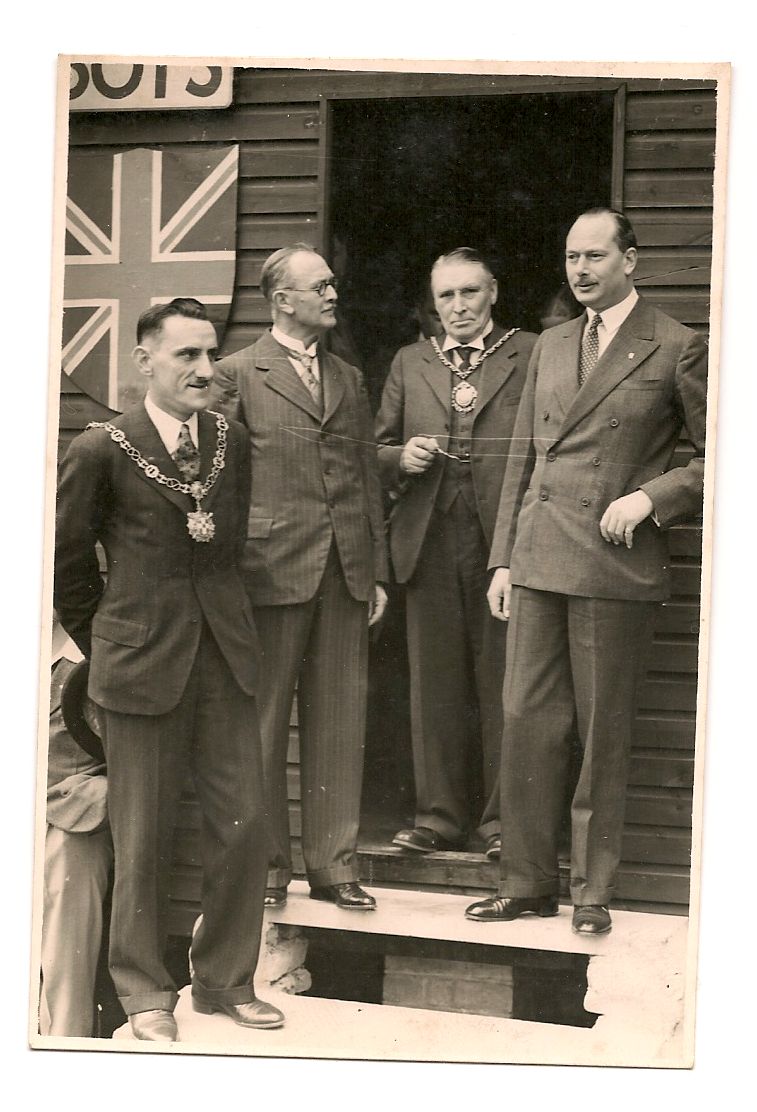
Colin Halfpenny sent me two photographs featuring his father, Frank Halfpenny, and other civic dignitaries welcoming the Duke of Gloucester to the hut in Leomansley in 1939. At the time it was being used at the headquarters of the Christ Church Boys Club on the Walsall Rd but was eventually taken over by the 6th Lichfield Scout Group. The hut was replaced by a new building in 2009.

Cllr Frank Halfpenny (the Sheriff of Lichfield), Alderman Tayler (the Mayor) and the Chairman of the Youth Club Committee stand on the steps of the hut with the Duke of Gloucester in 1939.

The Mayor, the Duke of Gloucester, Mrs Ballard, Mr A.N.Ballard (the Town Clerk), the Sheriff (Mr Halfpenny), the Sheriff`s Lady (Mrs Mary Halfpenny)  and the Mayoress

I have also started to read about Brindley Heath, where the abandoned huts of the military hospital were taken over by the West Cannock Colliery Company, providing homes for miners and their families until the 1950s.

Imagine the stories held within the walls of these simple wooden buildings – those of thousands of men, who called them home (possibly for some their last) as they trained for life, and in far too many cases death, in the trenches abroad.  Once peace was restored, there were new chapters in the stories of the huts themselves, with each one put to a new use amongst a different community.  As the centenary of the first world war approaches, I wonder if any of them are still around in our towns and villages, or have they all now been replaced?

With thanks to Colin Halfpenny for the photographs.

Edit: One of the huts may have been used at Snibston in Leicestershire, as a temporary residence for the Vicar whilst he waited for his new vicarage to be built. Also it appears that the memorial hall and men’s club at Glascote, Tamworth was also a former army hut.


Forge and Ford

As the afternoon’s weather in Longdon was not quite warm enough for basking in the beer garden of the Swan with Two Necks, I took myself off for a little wander. The pub has a late 19th century map mounted on the wall, and it shows that the building next door was once a smithy. I’ve always had a soft spot for these simple buildings, softened even further by the discovery that one of my ancestors was an innkeeper with a sideline in blacksmithing. One of these days I’ll stop romanticising about it and actually get around to visiting Cirencester to see whether the forge is still there.  For now though, back to Longdon, where in May 1918, the then blacksmith, a Mr T Broadhurst had decided to give up the business and was selling the tools of his trade. On offer was a grindstone on a iron frame, two circular double blast bellows (nearly new), a treadle drilling machine, two black staple vices and other useful tools. The building remained a forge until 1938 and now is home to the WI.

Something else that appears on the pub’s map is a ford, which as the name suggests, is at the end of this lane. I had a walk down and within minutes found myself alongside the Shropshire Brook. I stood for a while on the little footbridge watching tiny yellow birds flit between the trees and the water’s edge. Interestingly, on earlier maps this seems to be called the How Brook.

Fords “shine in the memory” according to the writers of England in Particular

I don’t know much about fords, other than they are a way of crossing streams and rivers, presumably at their shallowest points. Whilst reading up on them at home, I came across a surprising account of an event that seems to have taken place here or very nearby (1).

Sir William Wolseley … lost his life about the beginning of the last century* in a very singular manner. He went to Lichfield one morning about nine miles from his house in his coach and four and on his way passed a little brook which runs across the road at Longdon and which is so shallow that a foot passenger can easily step over it the water being kept up by a mill dam at some distance from the road. When Sir William Wolseley reached this brook on his return home in the evening the mill dam just at that instant suddenly gave way the water rushed across the road overturned the carriage and drowned Sir William with his horses. The coachman was thrown off the box into a tree and escaped.

*July 8th 1728 according to the inscription on the monument to Sir William in Colwich church

Could this these gently flowing waters really have caused such devastation? It’s hard to imagine. A reminder, I suppose, that whether it’s the fire of the blacksmith, or the water turning the mill wheel, we can manipulate the elements of nature, but we are never fully in control.

Sources

(1) – A topographical and historical description of the Parish of Tixall in the County of Stafford, Sir Thomas Clifford and Arthur Clifford Esq, 1817.


Fareground Attraction

In the last couple of weeks, I’ve done a fair bit of walking in the lanes (and on one misjudged occasion, a potato field) around the Lichfield/Burntwood area. On one walk I was accompanied by my husband, on another I was alone. Well, I say alone, but actually you bump into others – cyclists, horseriders and of course other walkers, who generally smile and say hello, and exchange pleasantries. I like that a lot. On the walk I did alone, I made the mistake of trying to take a shortcut. It was a way marked path through fields and the views were great but it felt too lonely. I retraced my steps back through the potatoes and back to the lanes. I’ve realised that I’m not much of a fan of walking through fields. I prefer to be somewhere where others have been, and others are.

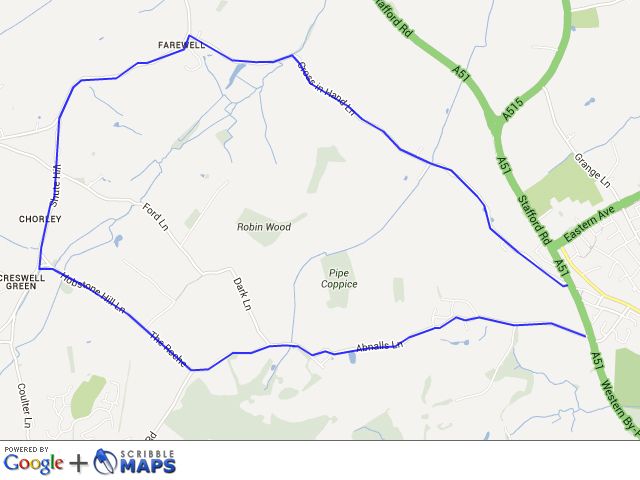
Anyway, in case anyone wants to do a similar walk themselves, here’s a suggested route. I think it’s about 5 and a half miles.  As you can see it’s pretty straight forward, and in fact you could do it either way around, but I’d been reading the book ‘Holloway‘ and liked the idea of walking from Farewell towards the Cathedral down Cross in Hand Lane, as pilgrims did in the past, and indeed still do.

On walks these days, I am torn between the joy of discovering the unknown, and the disappointment on getting home and finding that you were just minutes away from a Tudor gatehouse/CAMRA pub of the year/ancient burial site etc. I hope that including a couple of photos with suggestions of things to look out for won’t make it too prescriptive, but will give you a flavour of the walk.

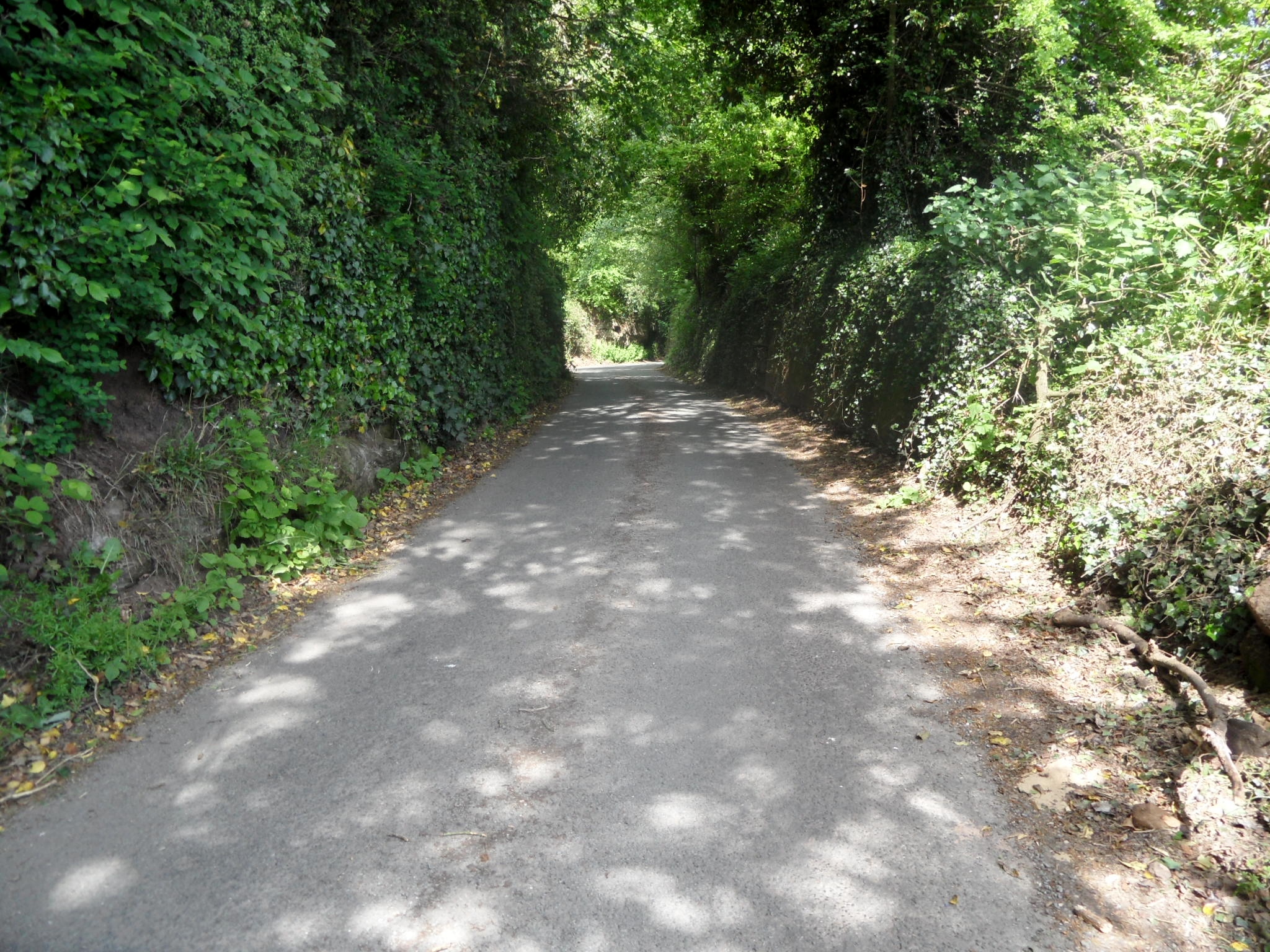
In parts, Abnalls Lane cuts through sandstone, and tree roots grow above your head.

According to the Staffordshire Heritage Environment Record, there are a series of these holloways on the Lichfield/Burntwood border.

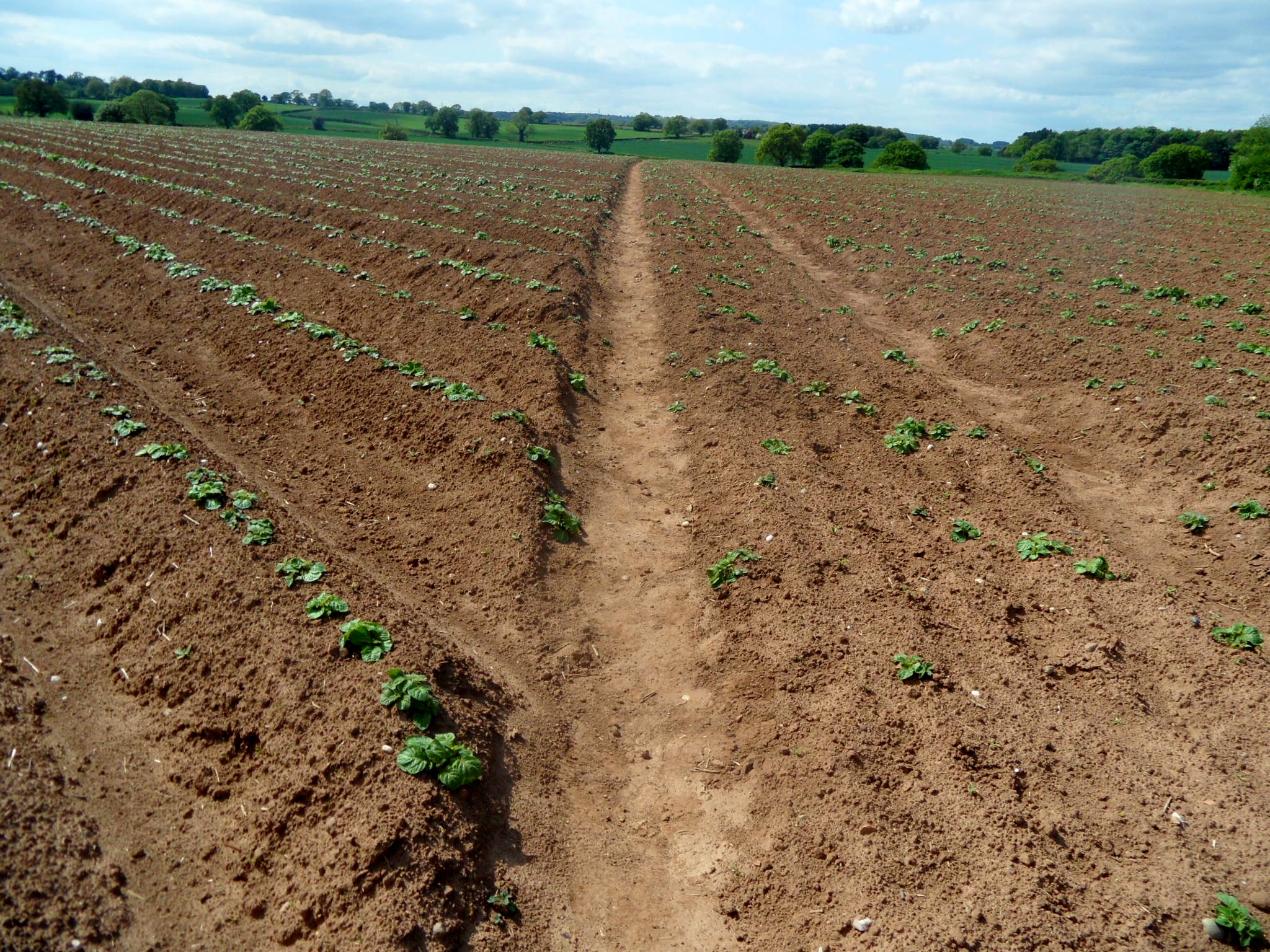
Walking through the potatoes, it felt like there was nothing else but fields.

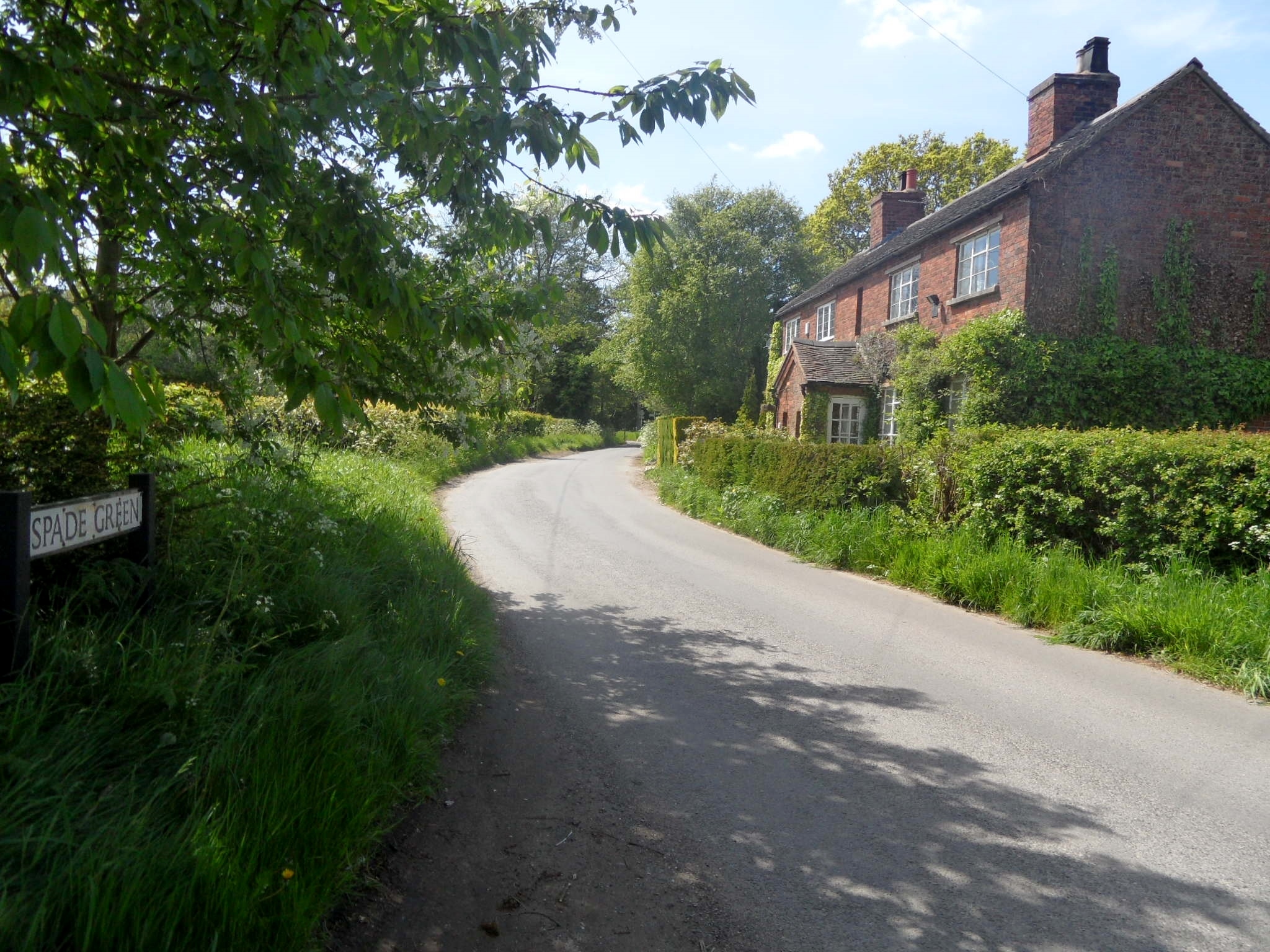
I was glad to get back on the lanes and see signs of human life, like these old cottages at Spade Green, on Abnalls Lane before turning up The Roche.

Found lots of water around Cresswell  (except for the well itself!). This is part of an old mill race, seemingly all that’s left of Little Pipe corn mill.

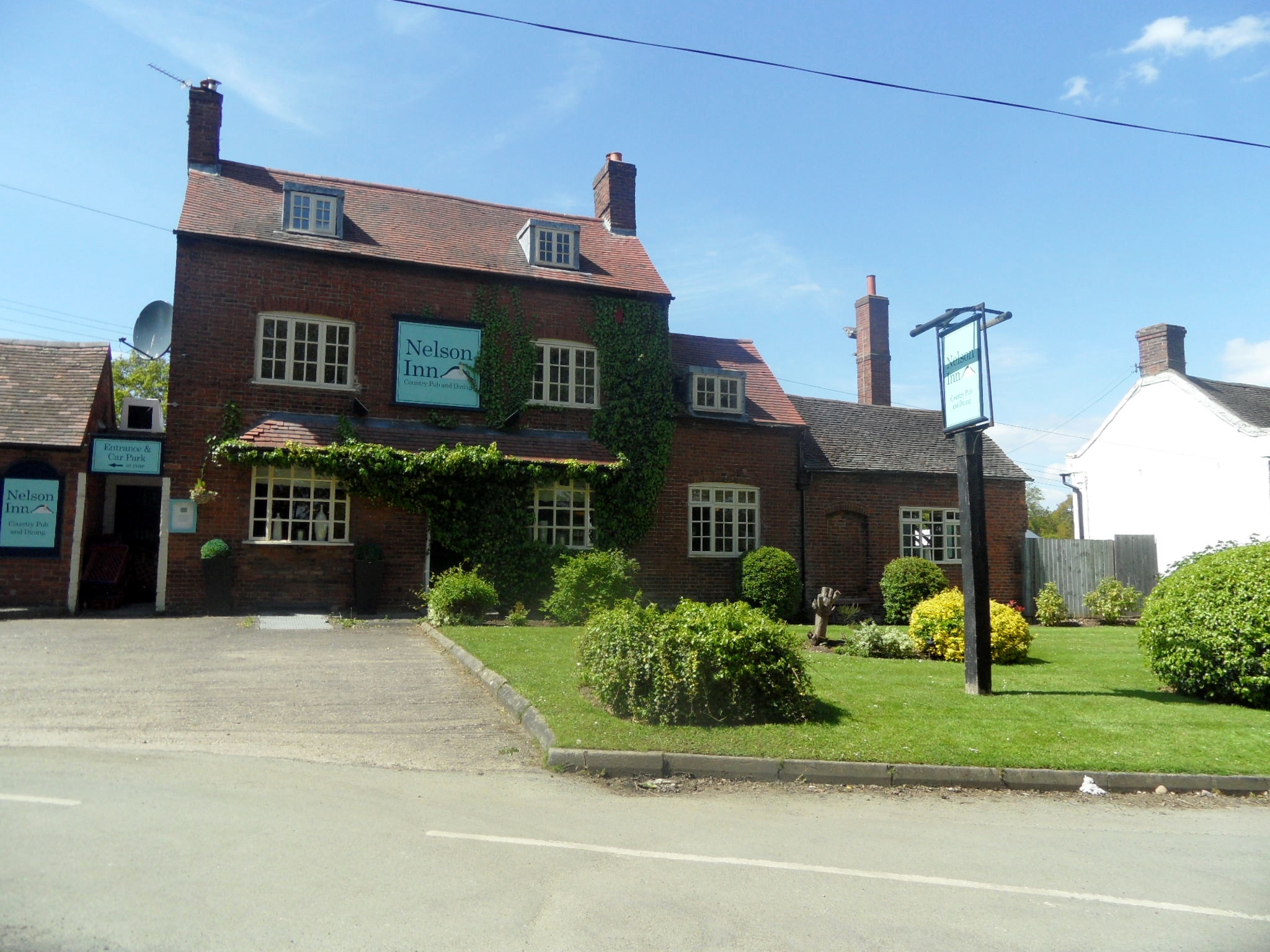
The Nelson Inn shows up on the 1815 map, and the pub’s website says that there may have been a pub onsite since the 1500s (presumably with a different name?). The low building to the left (which I’ve practically cut off the photo!) was a smithy. In 1909, Clifford Daft advertised himself as a general shoeing smith, willing to undertake all kinds of jobbing and repairs to farm implements.

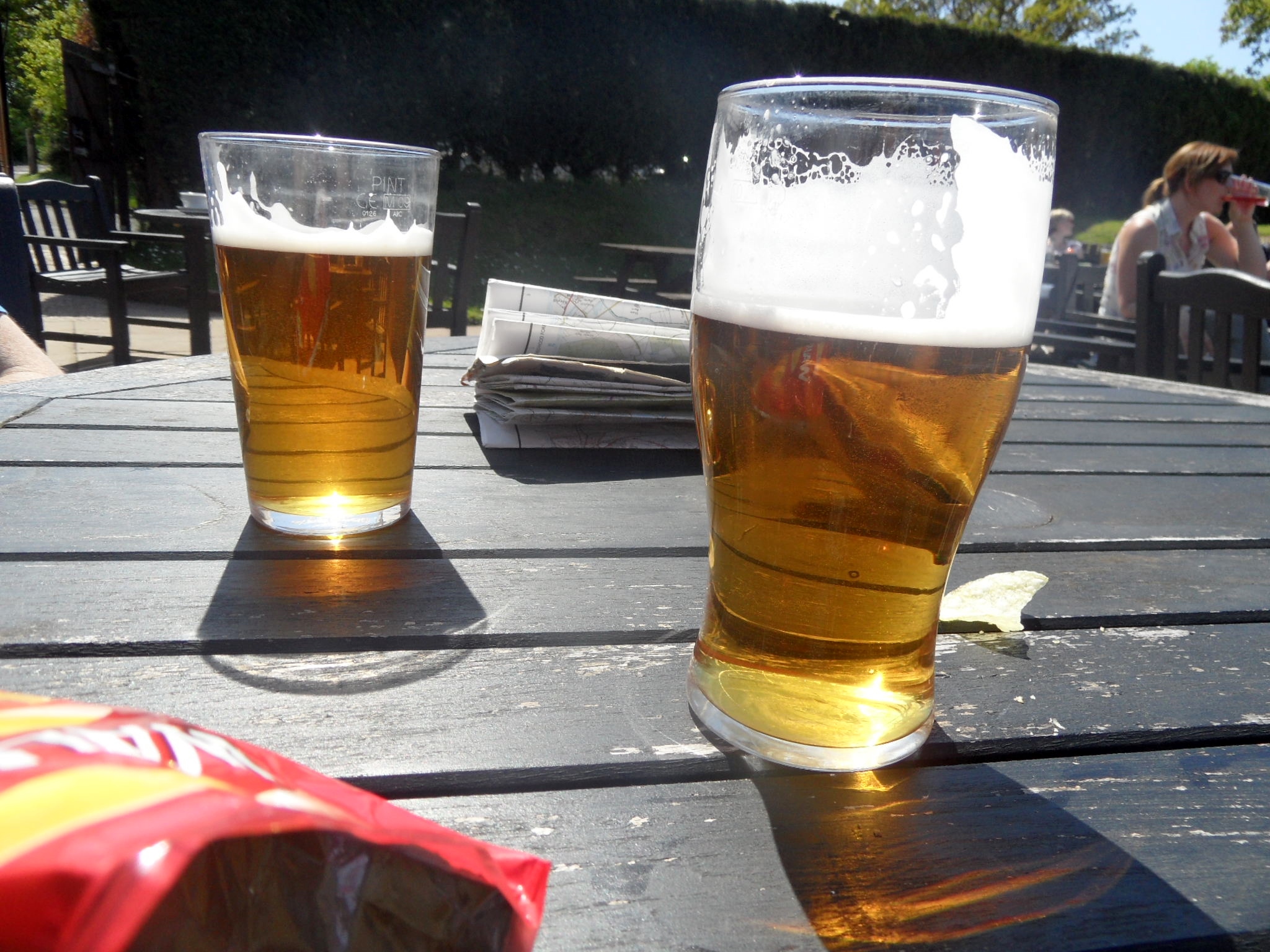
Looking at a series of old maps, there’s not just the one well around here but several. However, I didn’t find any of them, so I had to settle for a different form of refreshment. And a very nice pint of Theakston’s Lightfoot  it was.

We found the old Farewell and Chorley schoolhouse, but I haven’t been able to find out much more about Elizabeth Annie Page as yet.

An old farm at Chorley

The Malt Shovel at Chorley. Great pub.

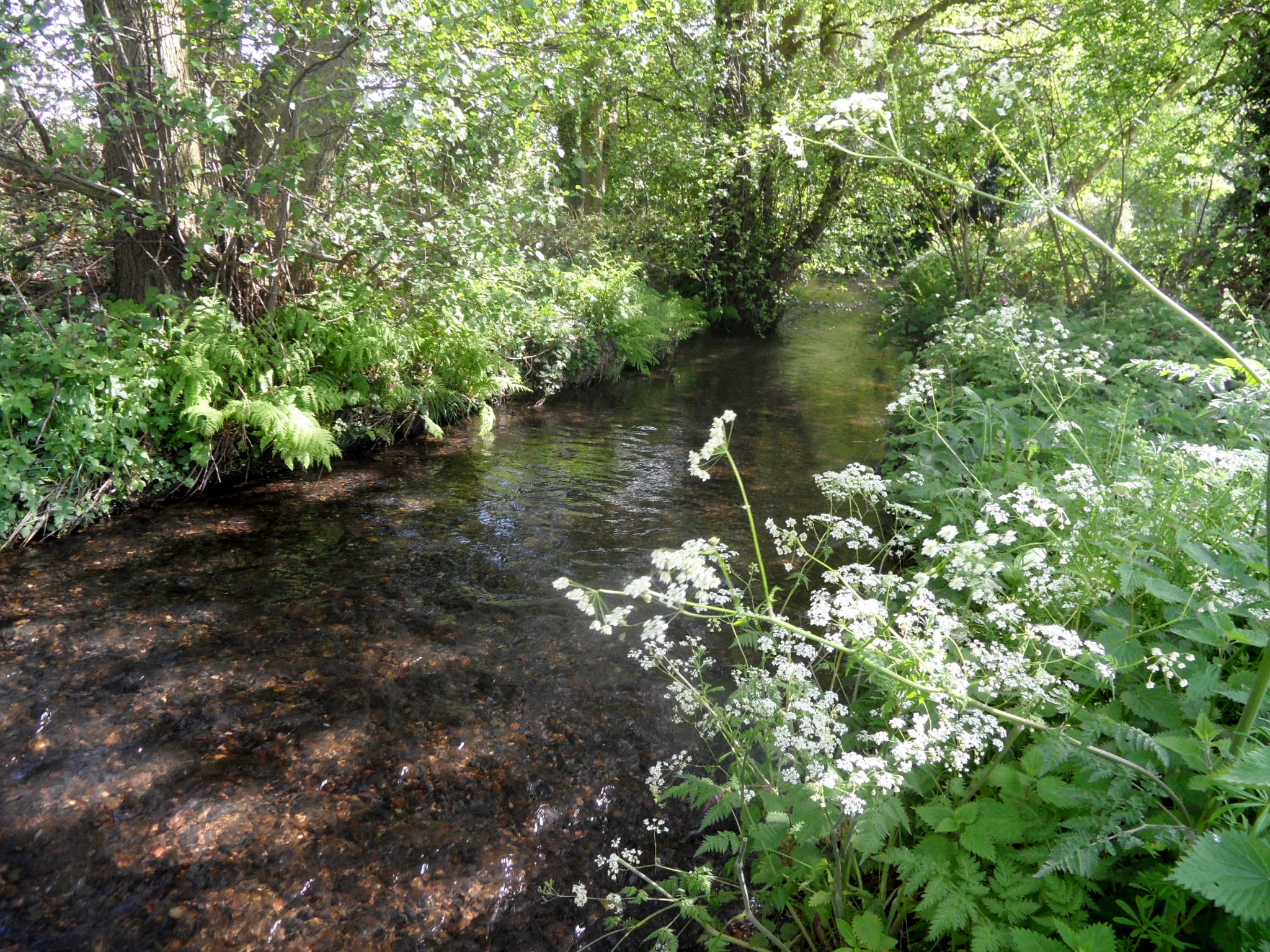
A lovely babbling brook running alongside the path. Was tempted to have a paddle as it was hot and my feet were rubbing, but thought I’d never put my not entirely appropriate shoes back on again if I did.

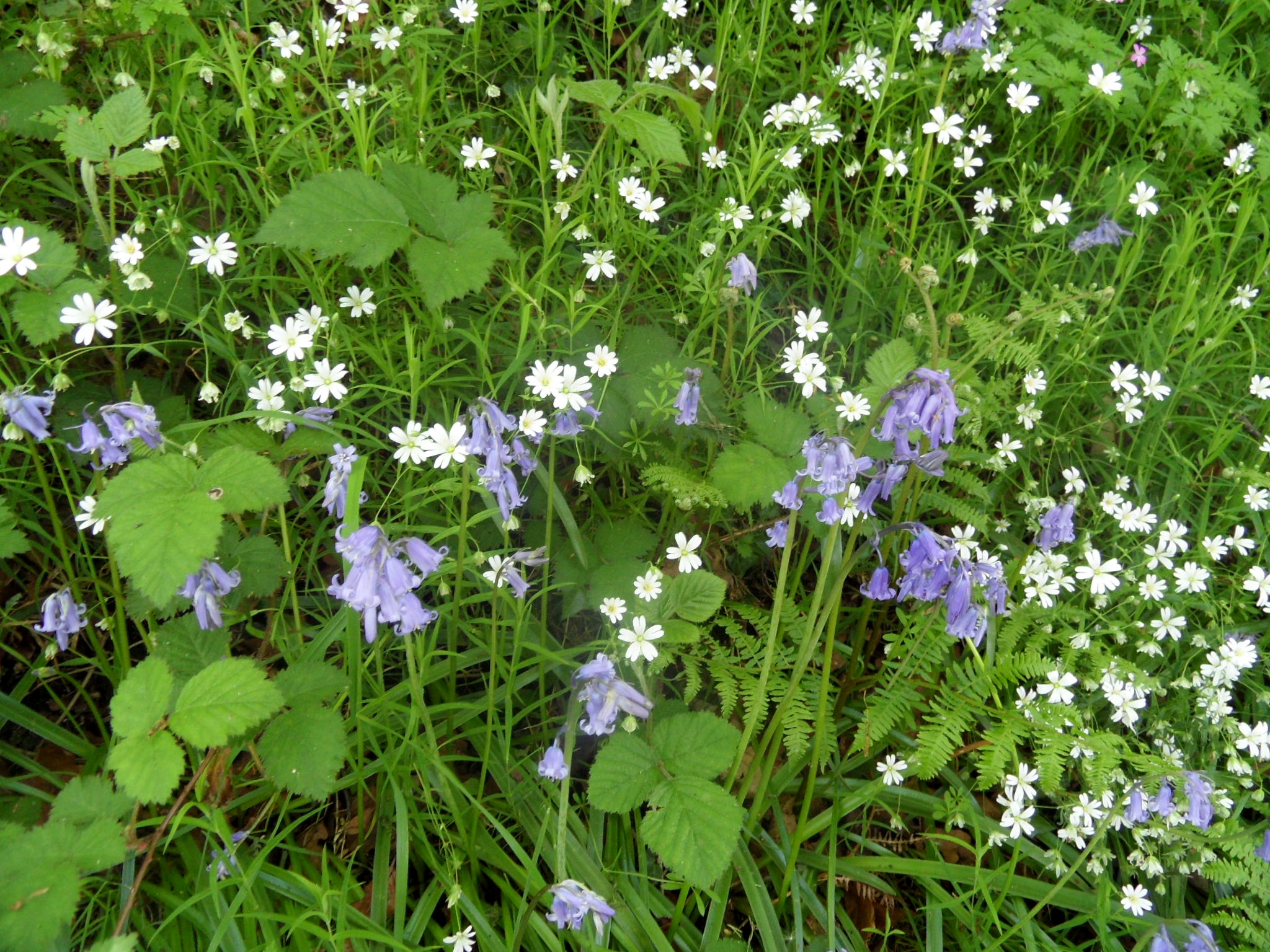
In between walks, some of the wildflowers on the roadside verges had been chopped down which was a shame, but there were still pockets of them in places, including these incredibly late bluebells.

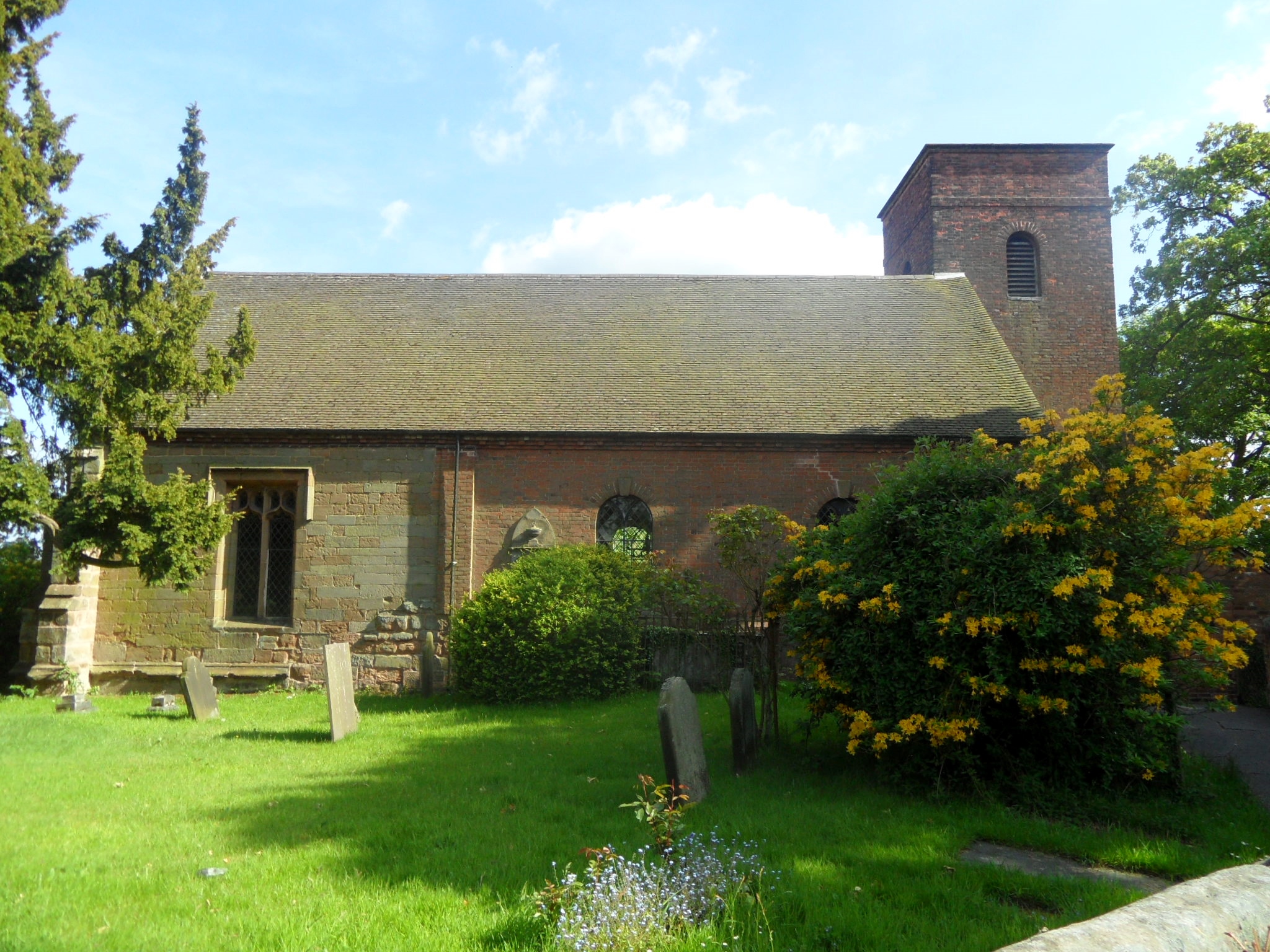
Farewell church, a church of two halves. Once the site of a Benedictine Priory and where some mysterious jars were found in the wall, during renovations….

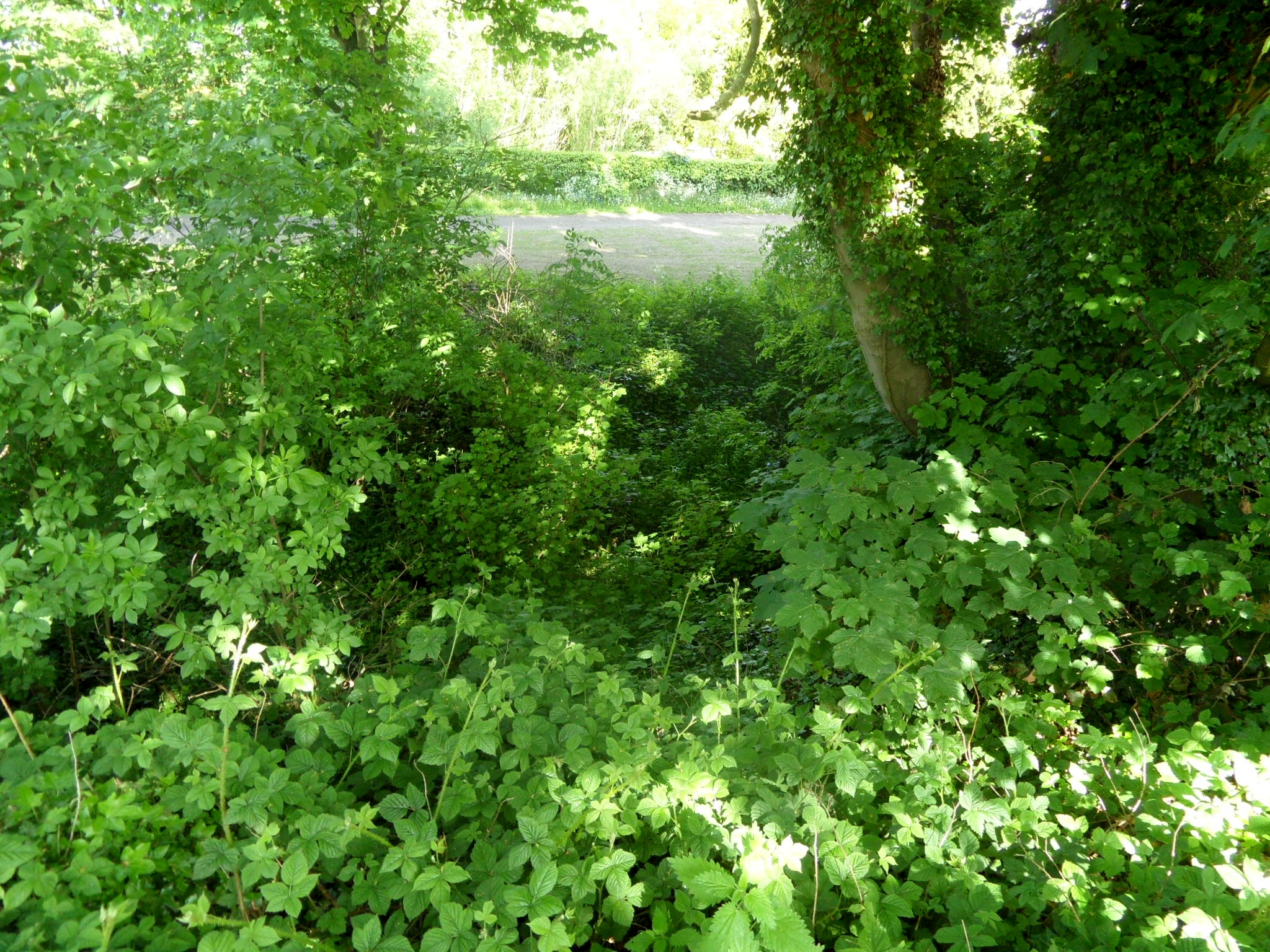
…and somewhere beneath the greenery is the ‘pure spring’ that gives the place its name. You can’t see much, but you can sometimes hear it gurgling away if the water table is high enough (thank you Brownhills Bob for explaining away this mystery)

Down Cross in Hand land, past Farewell Mill. There’s been a mill here since the 12th century. It was apparently in operation until the 1940s (source: Staffordshire Past Track).

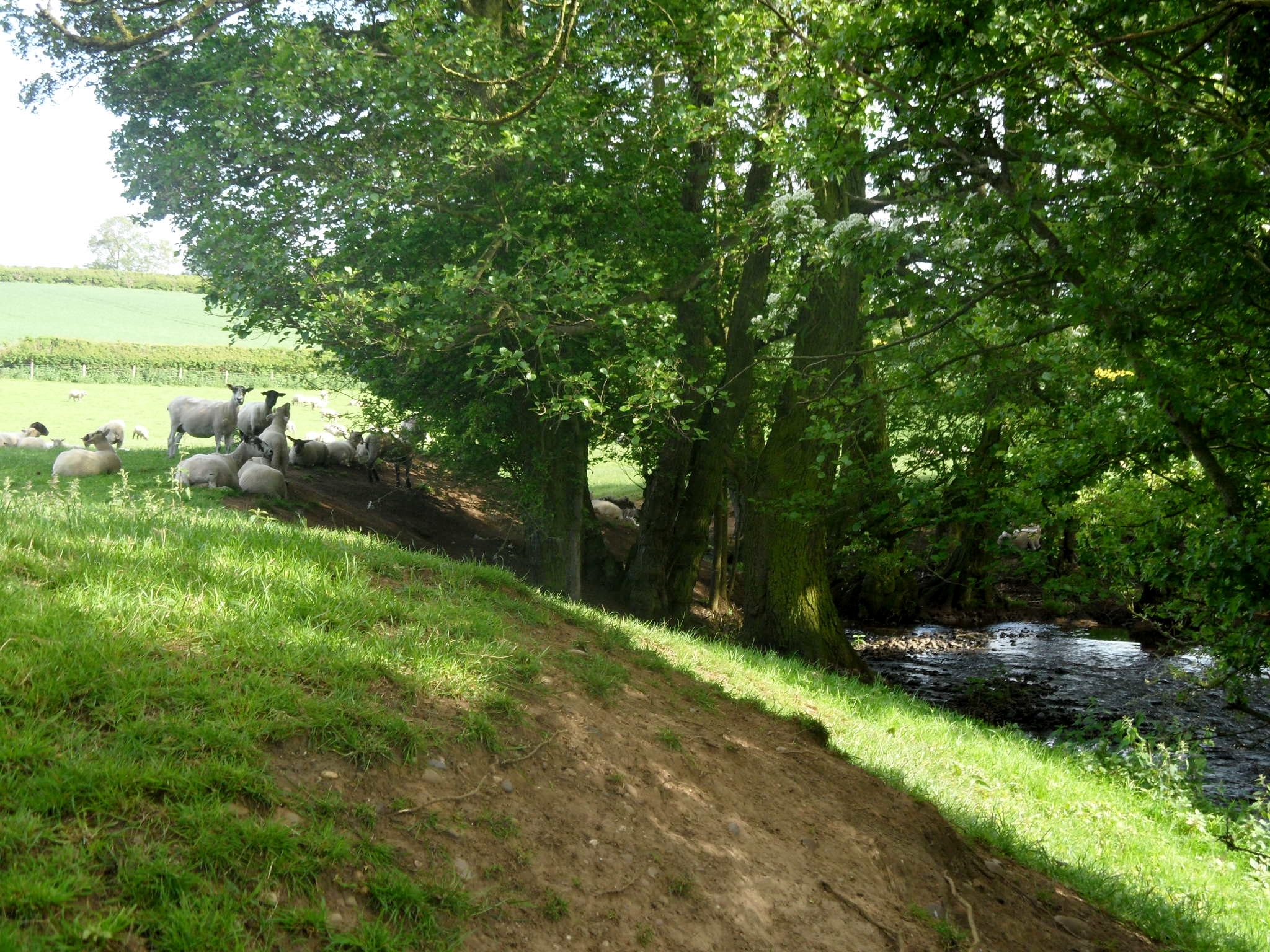
Past the sheep taking a dip in the sparkling water that flows along the lane.

Cross in Hand Lane, I understand, was once the old road to Stafford. As you reach these lovely white cottages set back into the sandstone, you are nearly back at the A51, which is of course the new road to Stafford…

Of course, if you don’t want to say farewell (ho,ho) to the walk just yet, somewhere around these cottages is an old track called Lyncroft Lane, which leads to Lyncroft House aka The Hedgehog!

Pillars of the Community

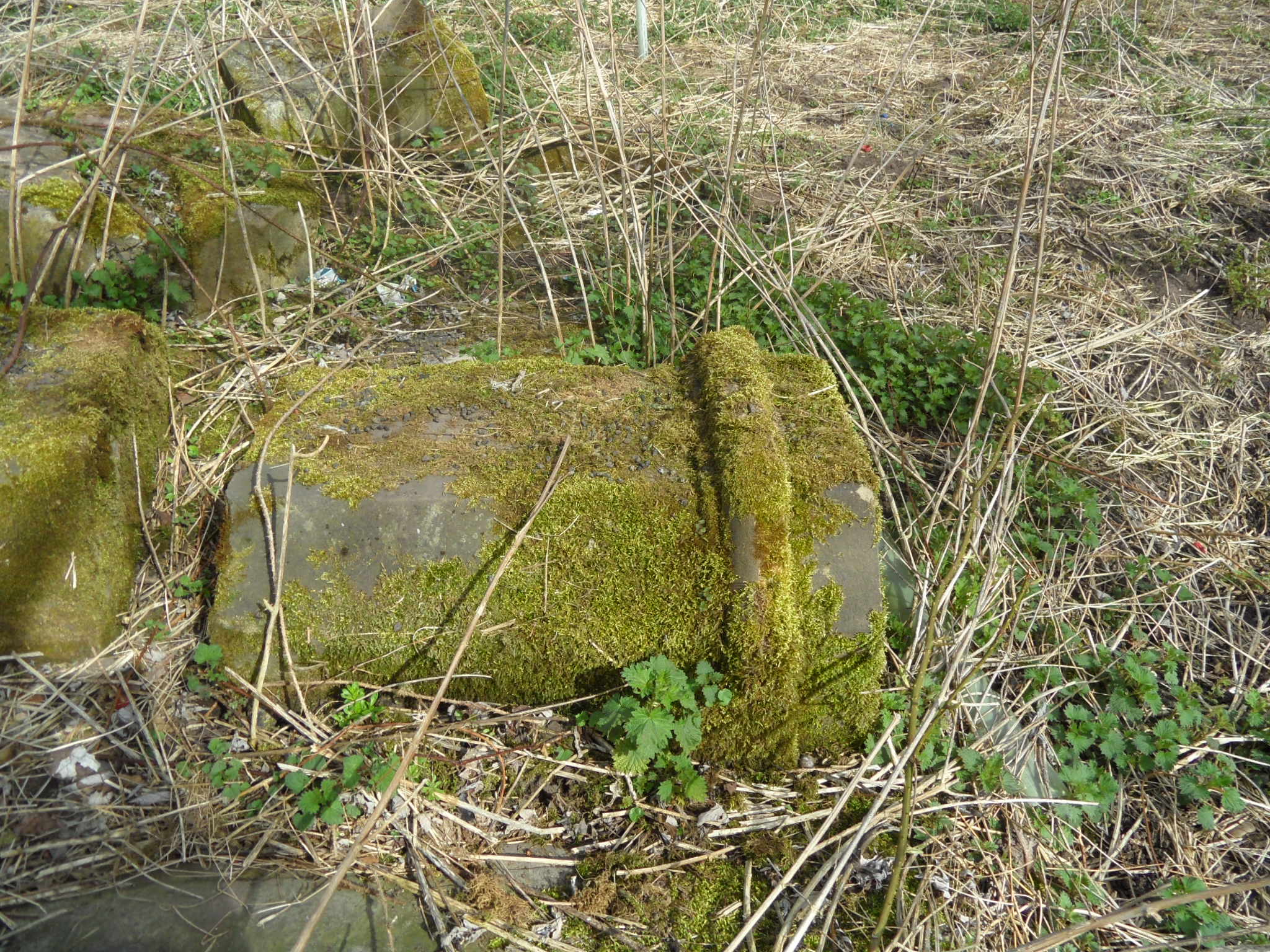
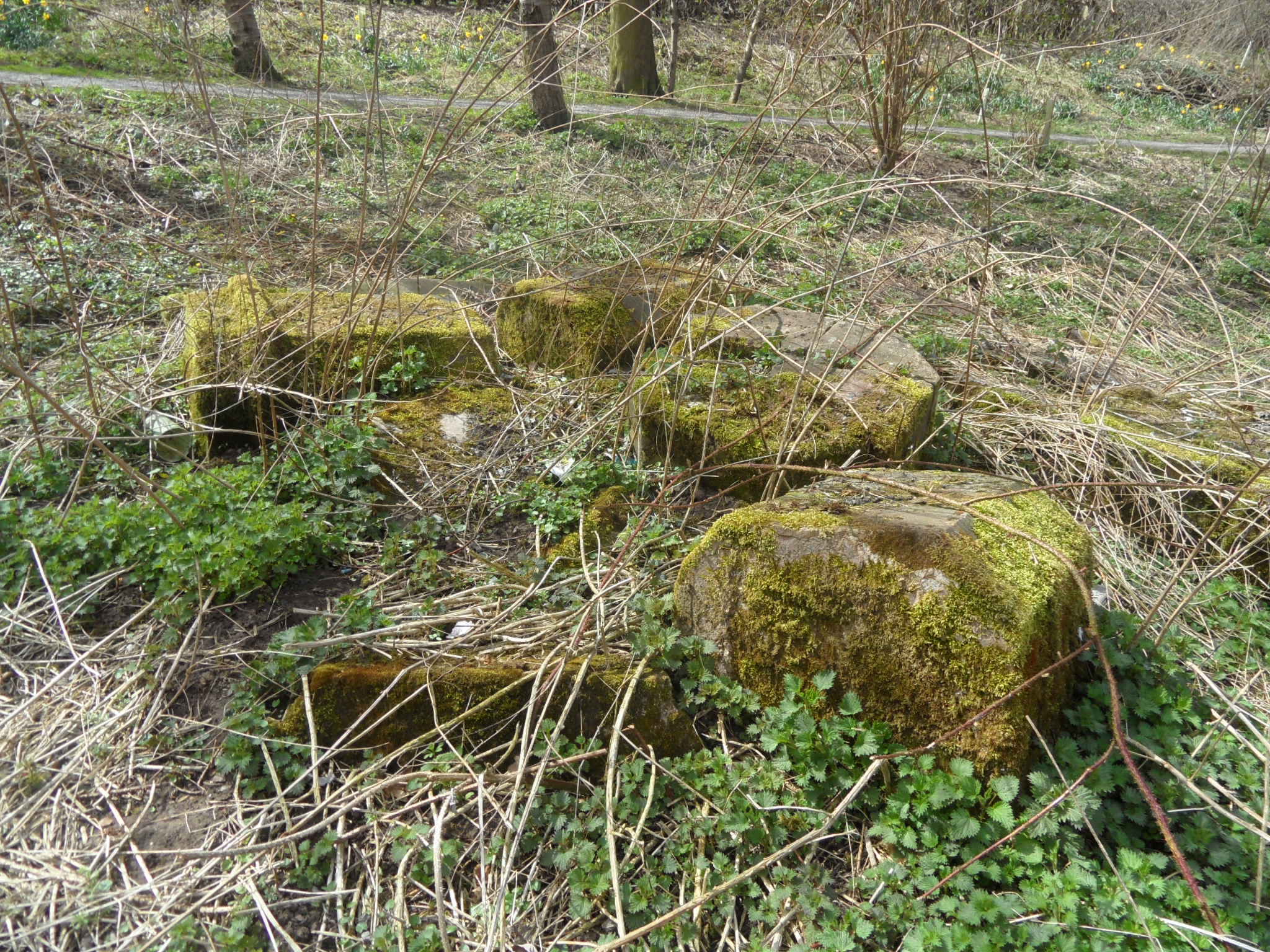
Back in April, I found what I thought were moss covered stone pillars in the undergrowth at Beacon Park, and asked if anyone knew what they were, or where they had come from. Well now, thanks to members of Lichfield District Council and the Beacon Street Area Residents Association, we have not one possible solution but three!

Could they be:

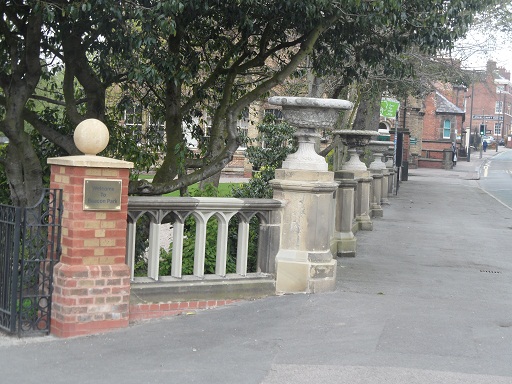
a) a section of balustrading from the Bird St/Beacon St side of the park, removed in the 1980s to create a corner entrance to the park over by the new Chandlers kiosk and the public toilets?

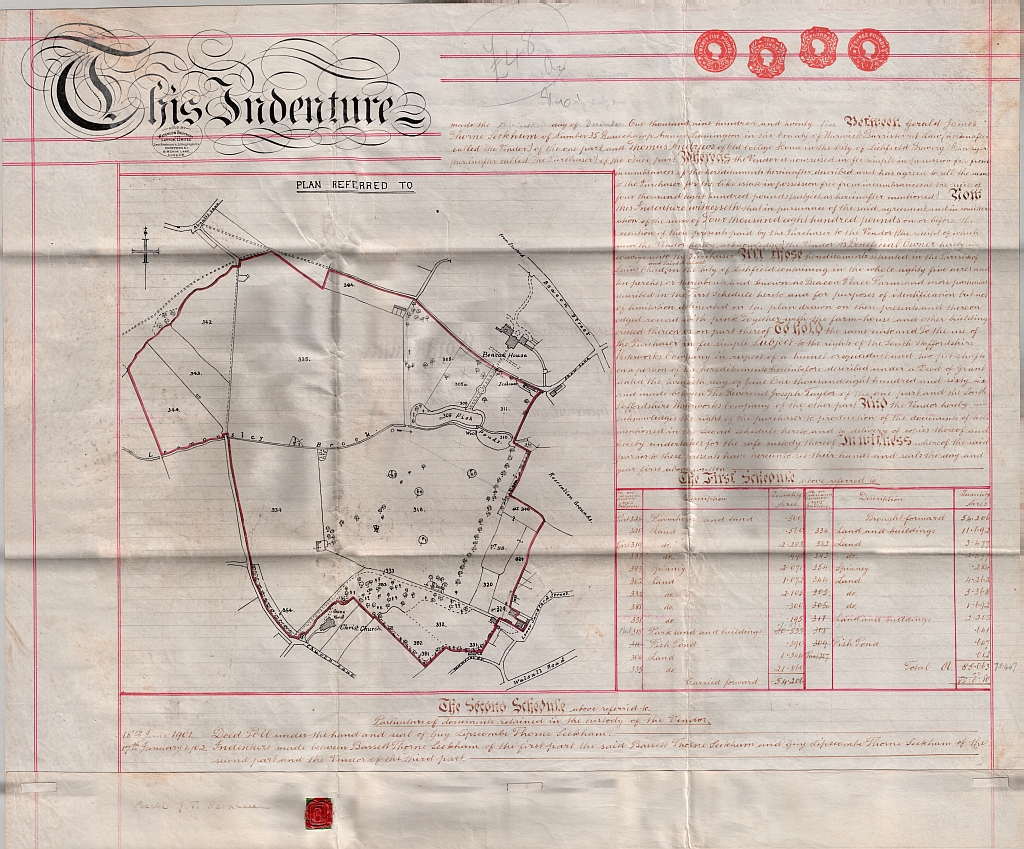
b) part of a structure used by a dairyman to shelter in during bad weather? There was once a farm in the vicinity of the Bunkers Hill Car Park, and a dog walker remembers that before the war, dairy cows were kept on the land that is now the football pitches and woodland.

Beacon Park map. Source: Gareth Thomas and his excellent blog – http://allaboutlichfield.blogspot.co.uk/

c) part of a “tower” that was originally at Stowe pool?  Apparently, after it became unsafe, the tower was dismantled and some of the stonework was put in the woodland.

d) None of the above?!

It’s great how by trying to uncover the story behind the stones, it’s also uncovered other things – the memories of cows on what’s now the football pitch and the possibility of a tower at Stowe Pool for starters! It’s also a good reminder that the version of a story we’ve been told, or the one we remember, might not be altogether correct. That’s not to say that such stories don’t have value, it’s just we need to be careful about accepting things at face value.

By the way,  if I was betting woman I’d go for option a….